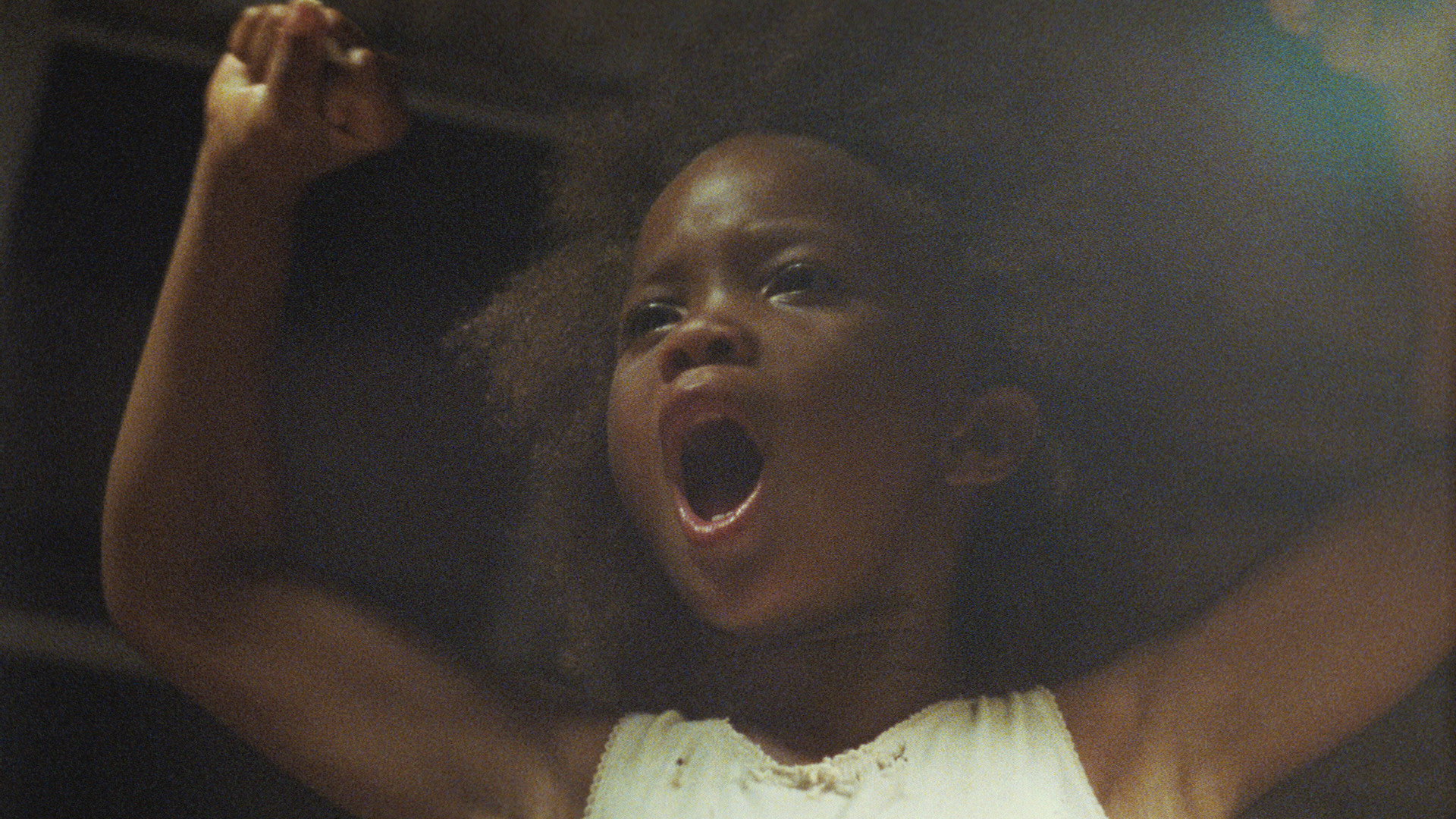
Quvenzhané Wallis gives this unruly bayou fantasy a child worth caring about. Its affection for a threatened community is infectious, though Benh Zeitlin sometimes makes poverty look more liberating than the life he shows can justify.
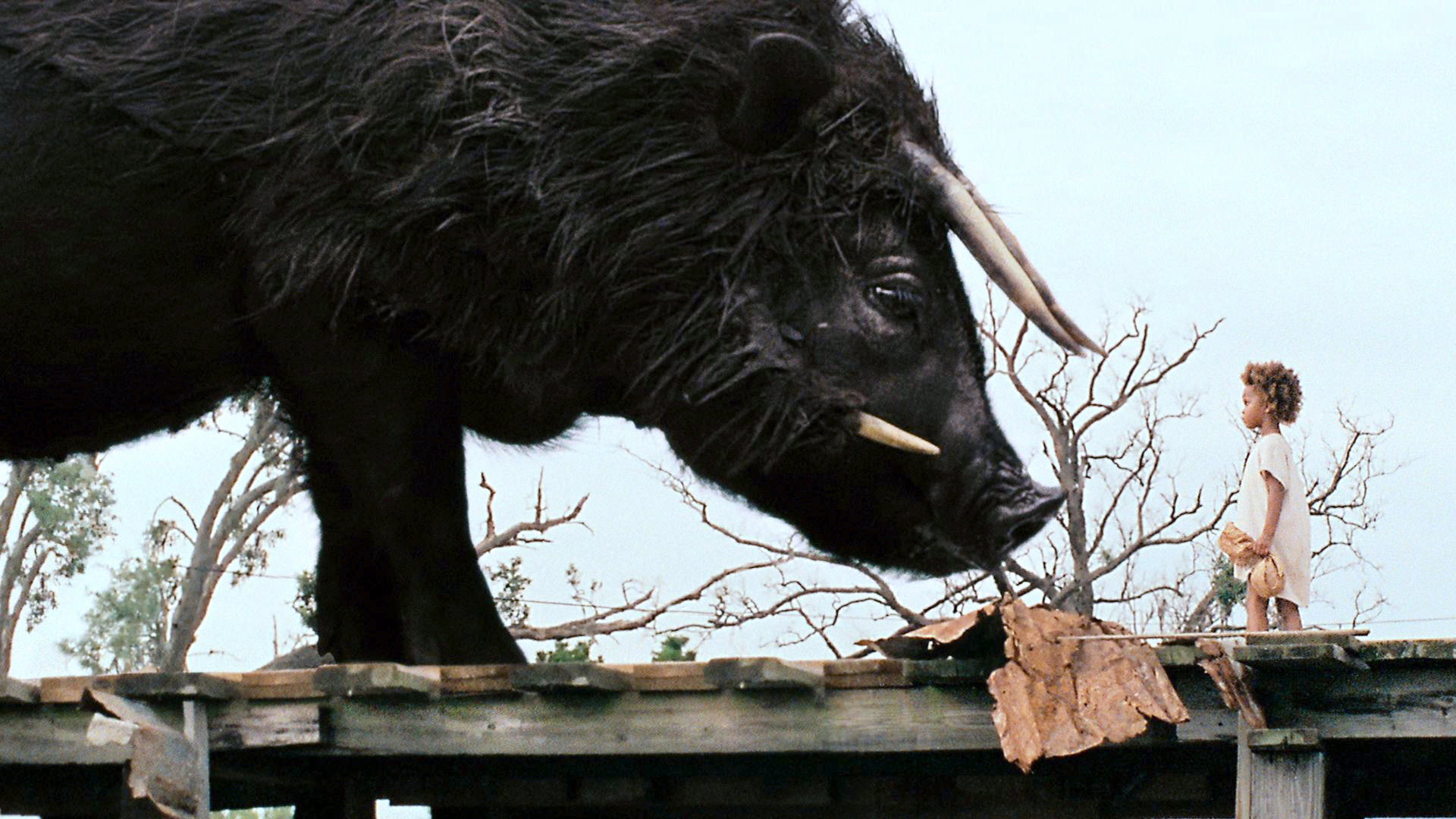
We recommend Beasts of the Southern Wild for Quvenzhané Wallis and for the conviction with which it enters Hushpuppy’s world, though its enthusiasm for self-reliance sometimes goes too far. Benh Zeitlin makes the girl’s imagination central to his account of a threatened bayou community. Fear of the weather, attachment to home and trouble with a parent belong to the same childhood experience. The fantasy grows from that confusion, and the film works when it allows the confusion to remain.
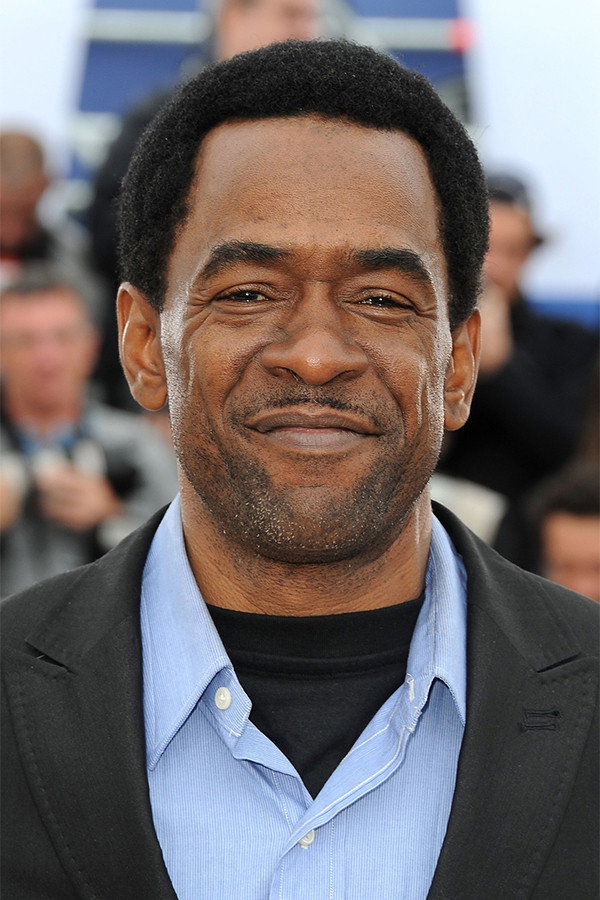
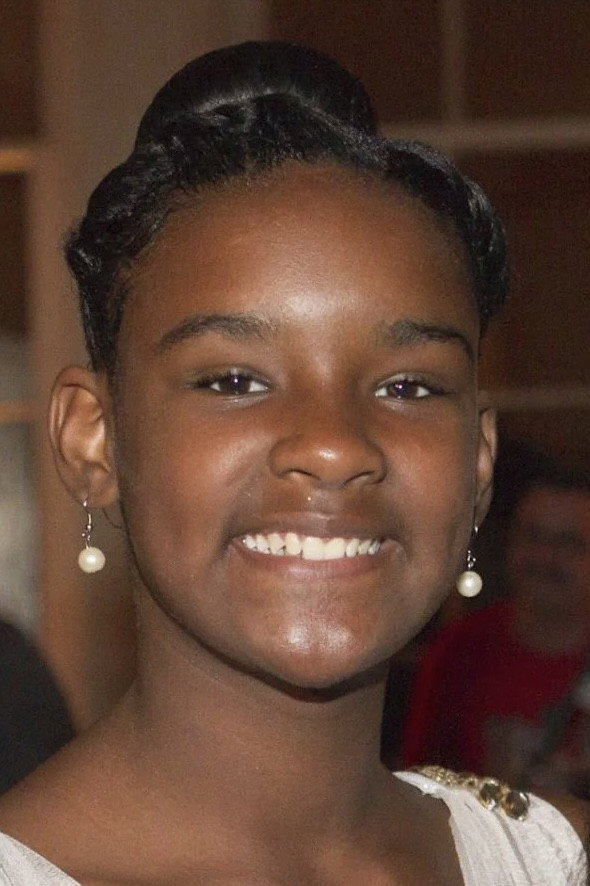
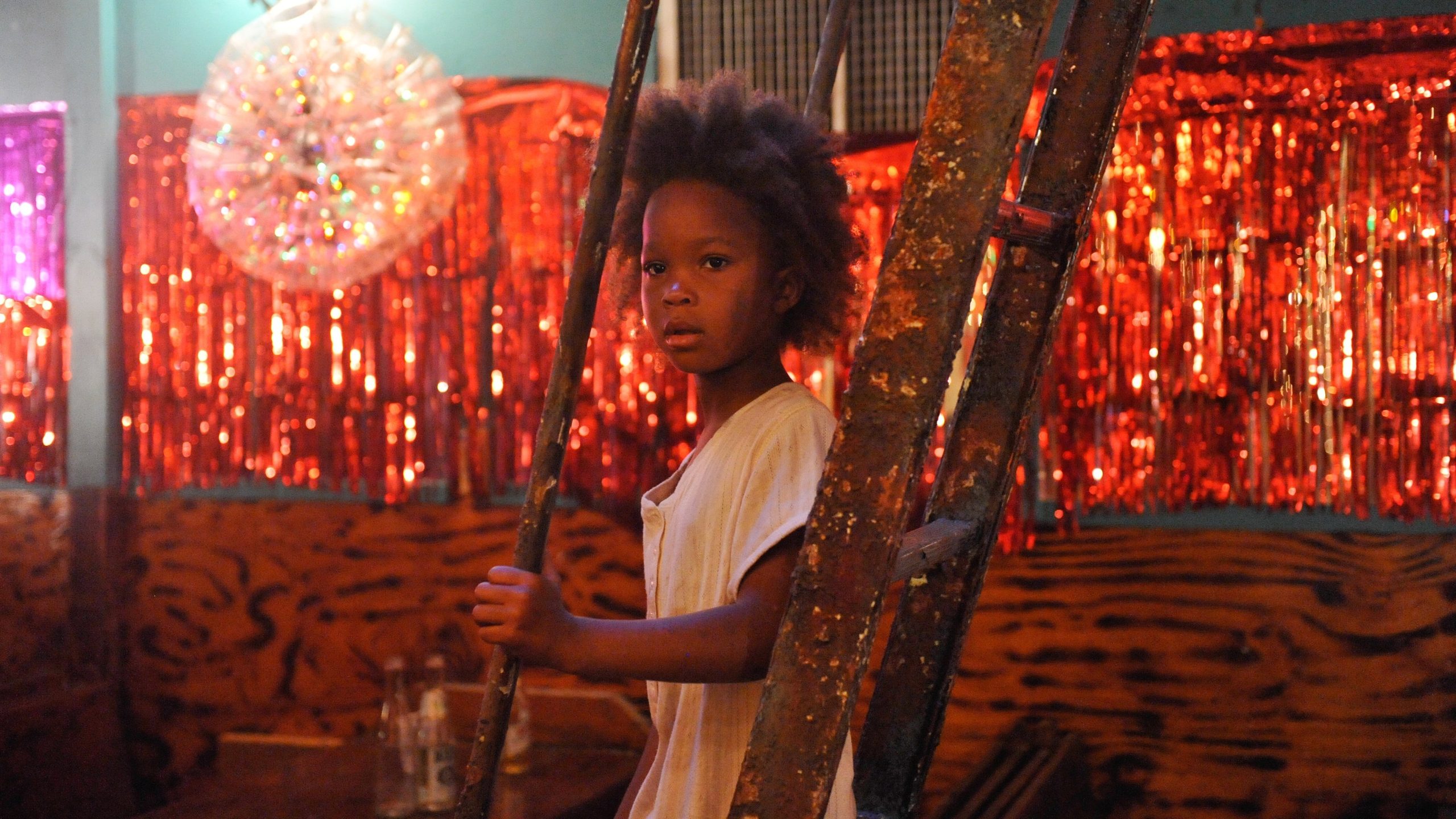
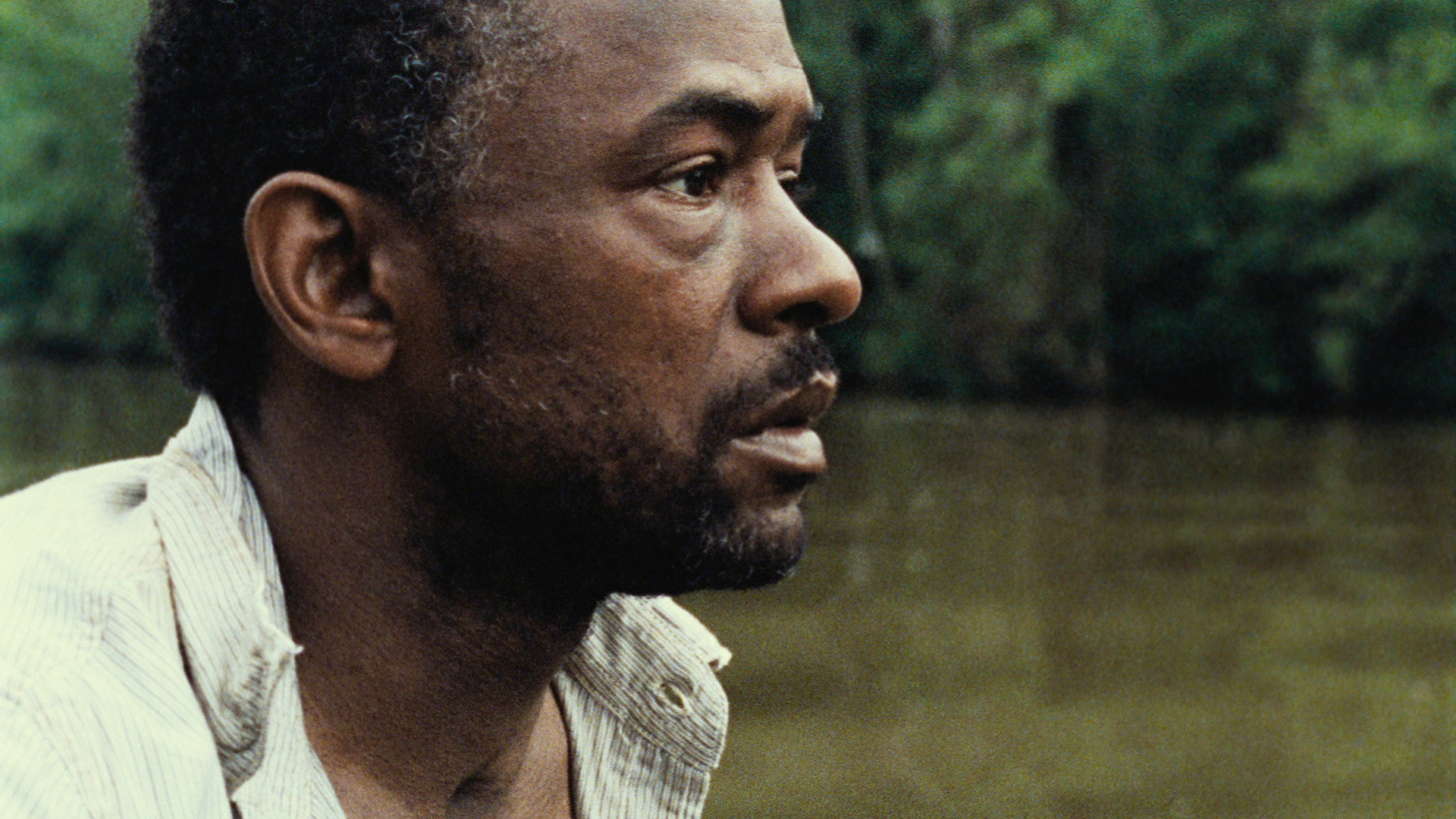
Quvenzhané Wallis gives Hushpuppy’s defiance a watchful quality, as though she is measuring how much room an adult will allow her. Dwight Henry makes Wink’s affection difficult to separate from his anger, which prevents their relationship becoming a cosy lesson in resilience. We were moved by how much effort Hushpuppy’s toughness seemed to cost her. The performance leaves room for a frightened child even when the story most wants a small survivor.
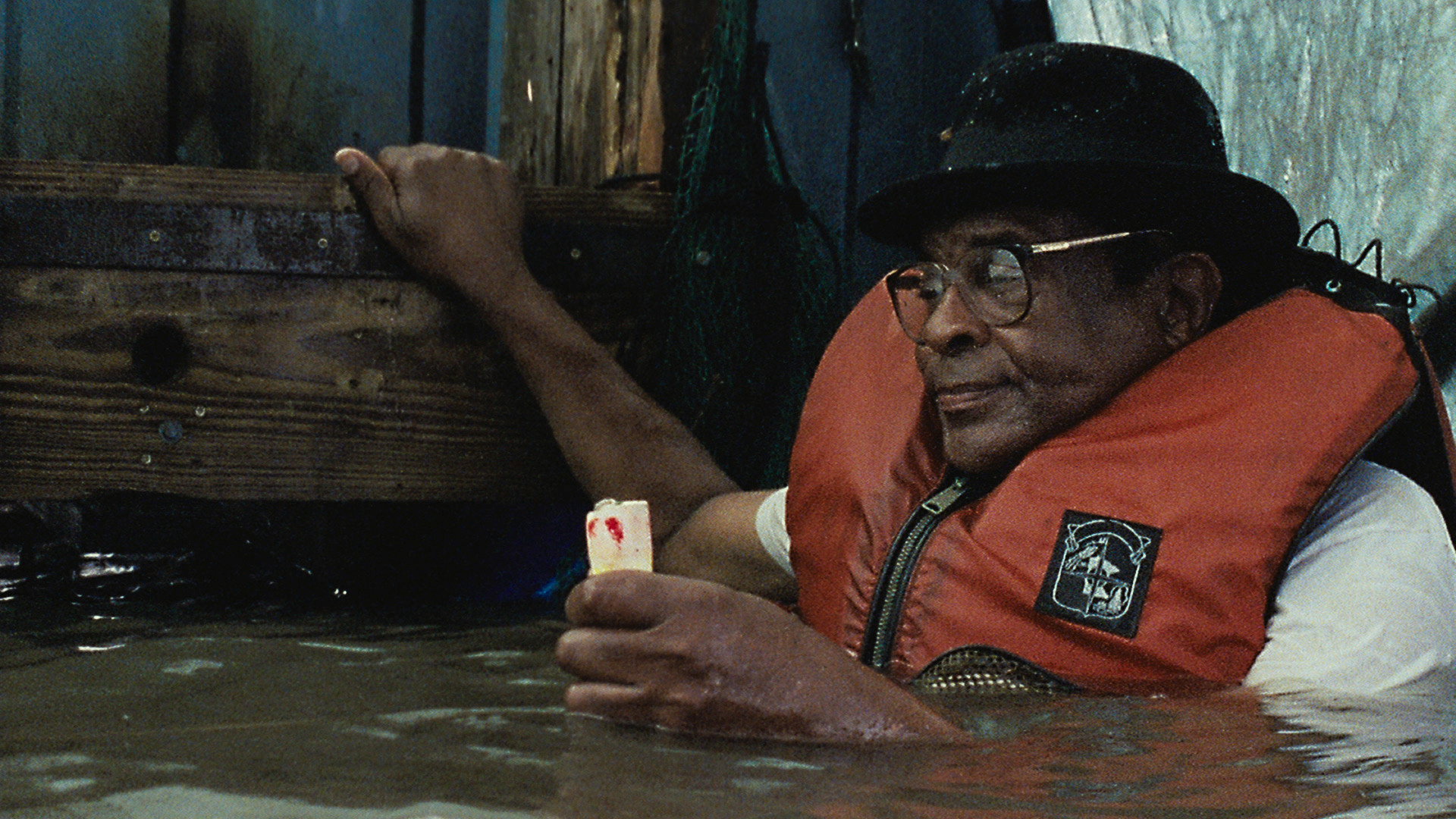
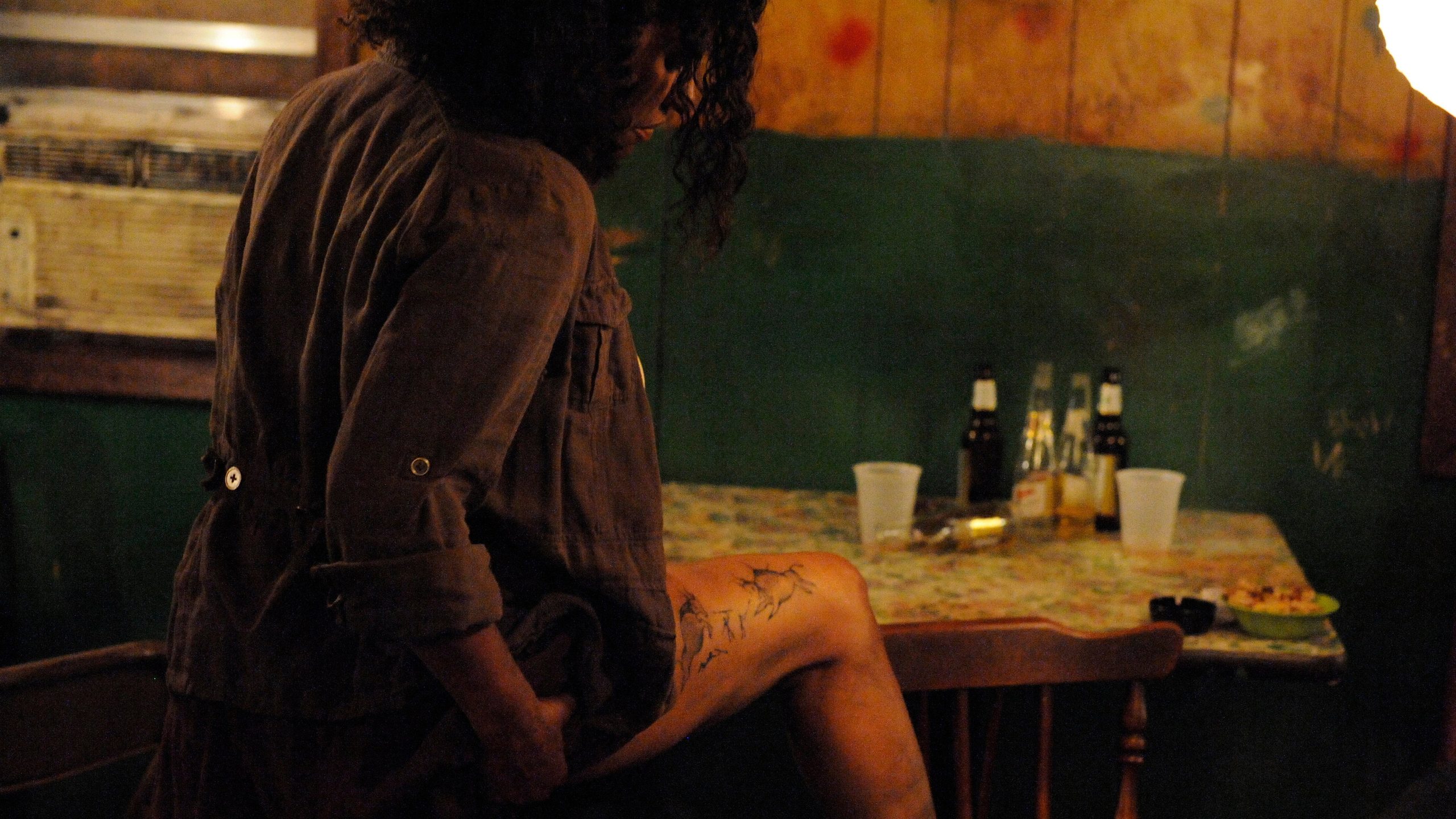
Ben Richardson’s images make the bayou’s water feel close enough to threaten the people living beside it. The rough finish suits a place where staying put is precarious, and keeps the fantasy tied to recognisable discomfort. Alex DiGerlando’s production design gives the settlement a handmade look that makes its inhabitants’ attachment understandable. We can see the appeal of a place that seems to have been assembled by the people who use it, though its charm also makes the hardship easier to overlook.
That is the reservation that matters. The screenplay by Benh Zeitlin and Lucy Alibar celebrates the community’s independence so warmly that questions about a child’s welfare can seem unwelcome. Hushpuppy has little control over the conditions adults expect her to endure, and admiration for her grit occasionally excuses too much. The father-daughter scenes are sufficiently uneasy to complicate this, but the broader celebration of survival is less willing to question what the adults ask of her.
Crockett Doob and Affonso Gonçalves leave space for the story to wander through daily life and imagined danger. Some of that looseness lets us follow Hushpuppy’s wandering attention. Elsewhere, the film seems reluctant to leave an appealing image behind, and the forward movement suffers. At 93 minutes, it has no need to hurry, but there are stretches that would benefit from greater purpose.
Dan Romer and Benh Zeitlin’s score is rousing, and its warmth makes the community’s defiance easy to share. It also does too much of the encouraging. The music sometimes presses for an affirmative response when the father’s behaviour and the girl’s vulnerability have left something more troublesome to consider. A little less reassurance would have given Quvenzhané Wallis more room; her performance already supplies the feeling.
As a childhood fantasy, the film earns its strangeness through a heroine whose understanding of danger is still forming. It is worth accepting some unevenness for the seriousness with which it treats her imagination. We would recommend it to anyone willing to follow a child’s uncertain explanations without demanding that every image settle into a clear meaning. Keep a little scepticism for the adults who call endurance a good upbringing.