Disney’s boy-and-robot film is warm, funny and precise for an hour, and Baymax, the inflatable nurse who cannot stop caring, is one of the studio’s best characters. Then it puts everyone in armour and becomes a superhero film we have seen before.
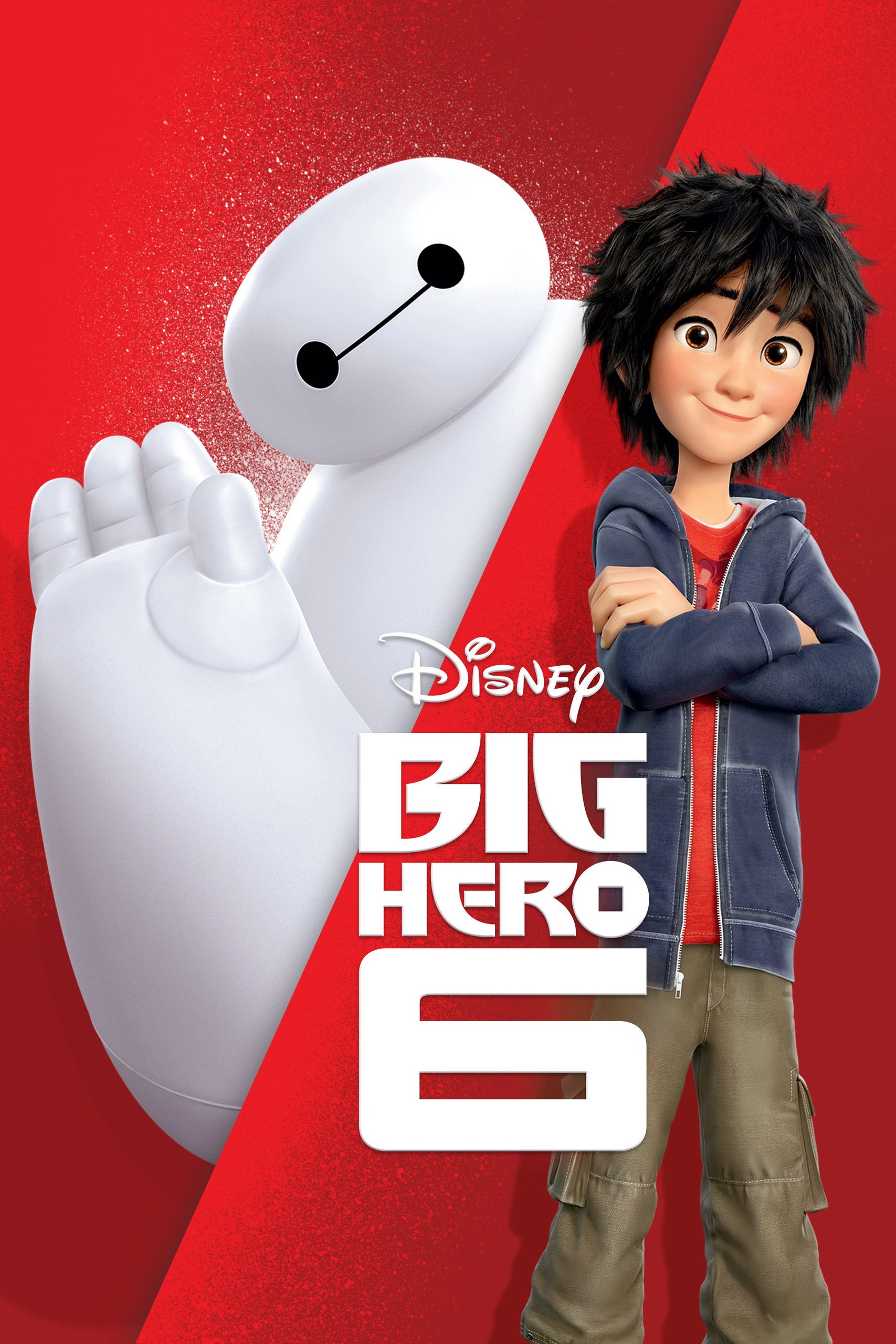
Don Hall and Chris Williams have taken an obscure Marvel comic and thrown away nearly everything except the names. What they have built in its place is two films stapled together. The first is about a fourteen-year-old boy in a city called San Fransokyo, the brother he loses in a fire, and the inflatable medical robot the brother leaves behind. It is funny, tender and carefully judged. The second is a superhero origin story with a team, a villain in a kabuki mask and a big fight at the end, and it could have come from any studio with the software. The good film is good enough that we recommend the whole thing, but we should be honest about the join.
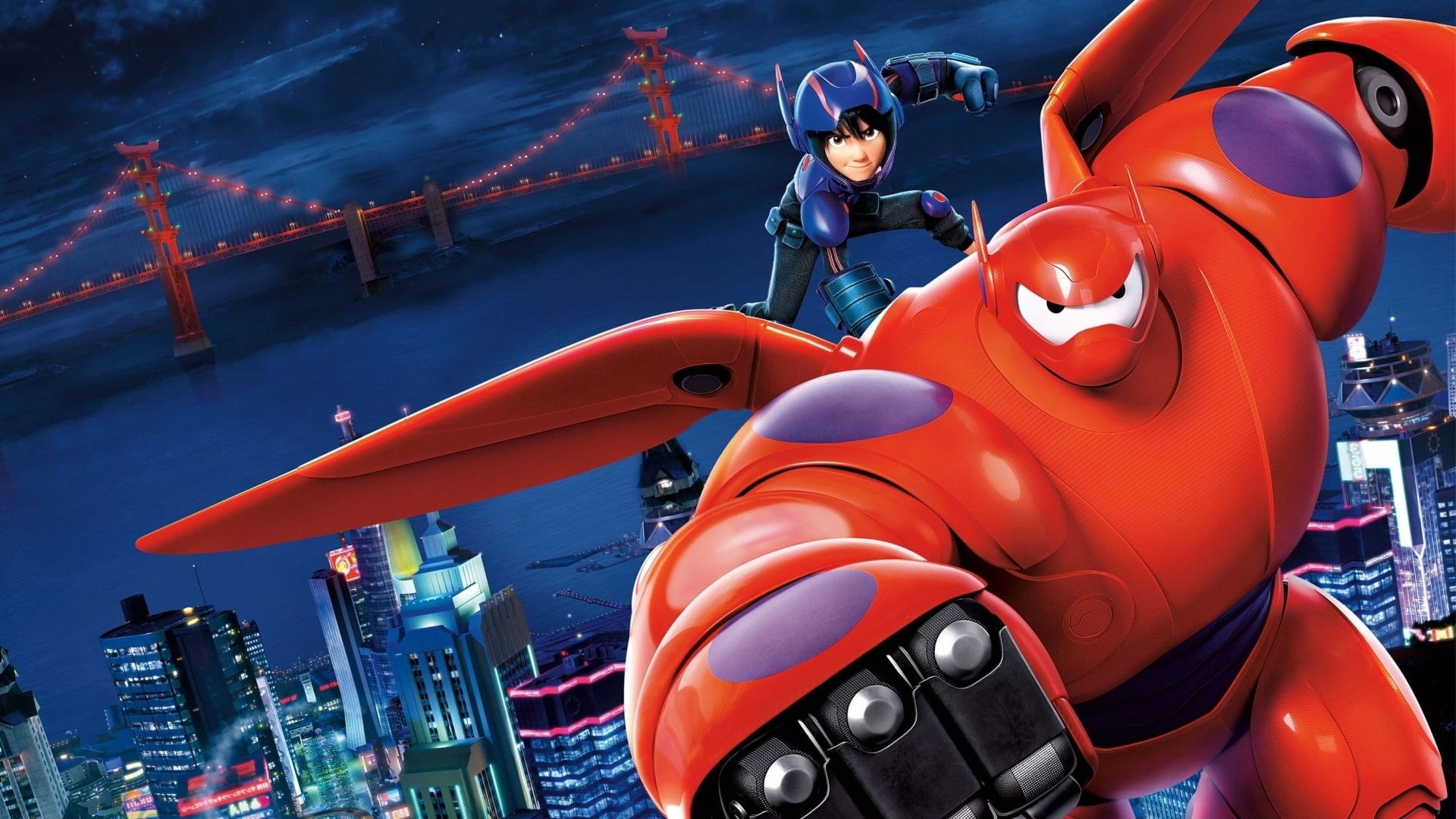
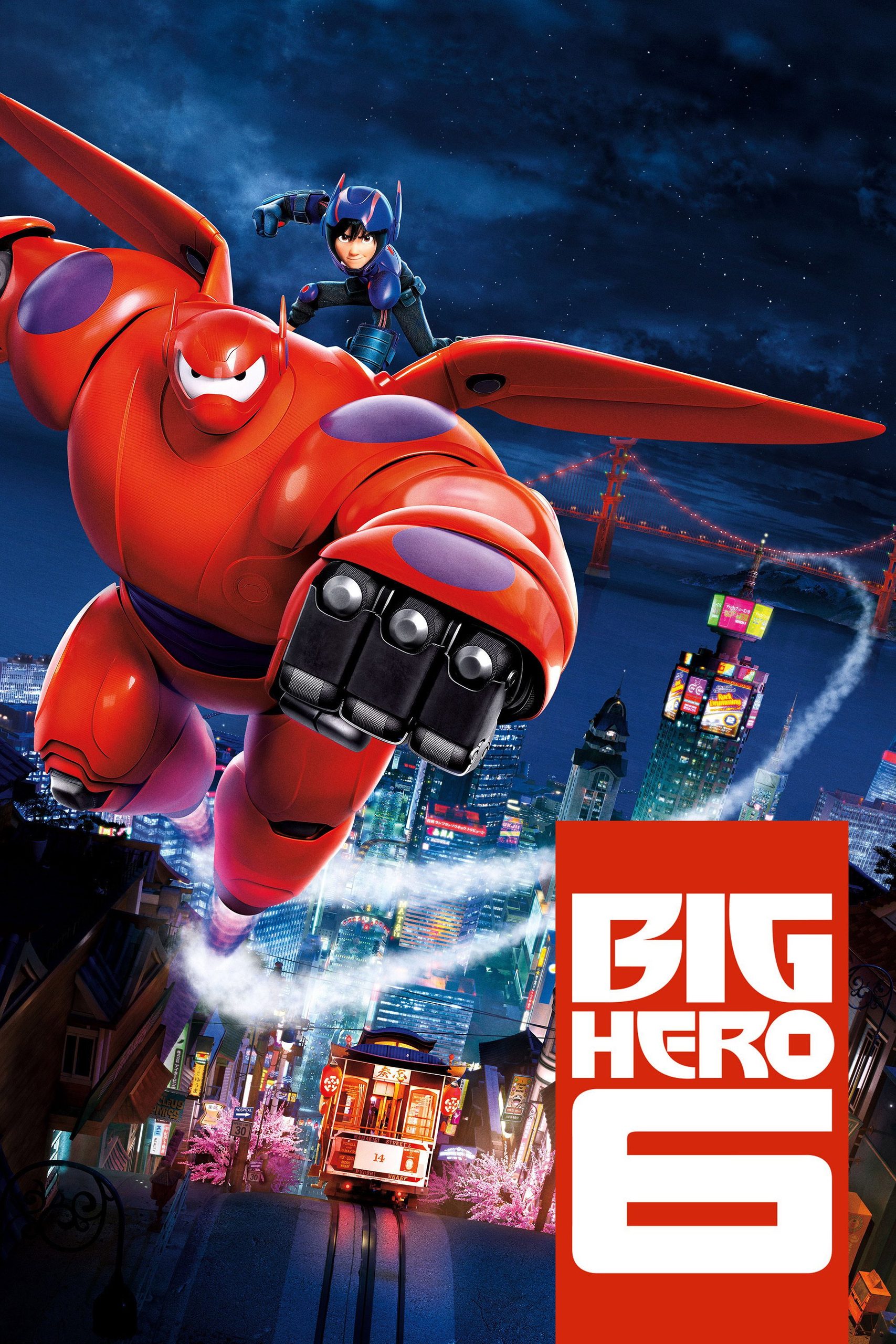
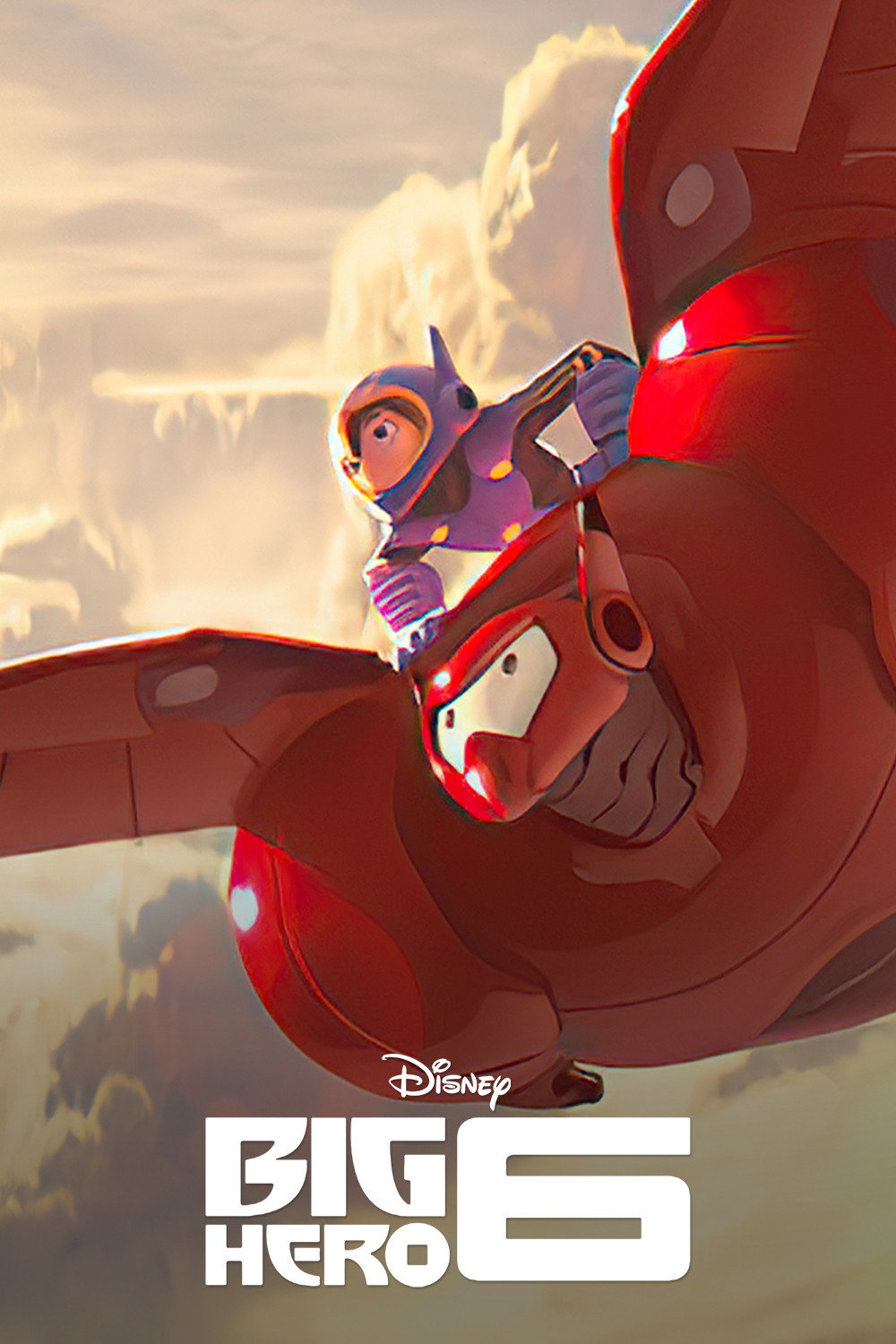
The city is the first pleasure. San Fransokyo has San Francisco’s hills and cable cars, Tokyo’s signage and lanterns, and a bridge whose towers have been given the tops of shrine gates. Rob Dressel is credited with cinematography, which in animation means deciding where the camera goes, and he keeps it low and hurried through the alleys of the opening robot fight, then lets it climb once Baymax has been fitted with wings. The flight over the bay, weaving between wind turbines shaped like balloons, is the best five minutes in the film, and hardly anyone says a word during it. Henry Jackman’s score, electronic pulse under strings, does the talking there and sensibly goes quiet in the bedroom scenes.
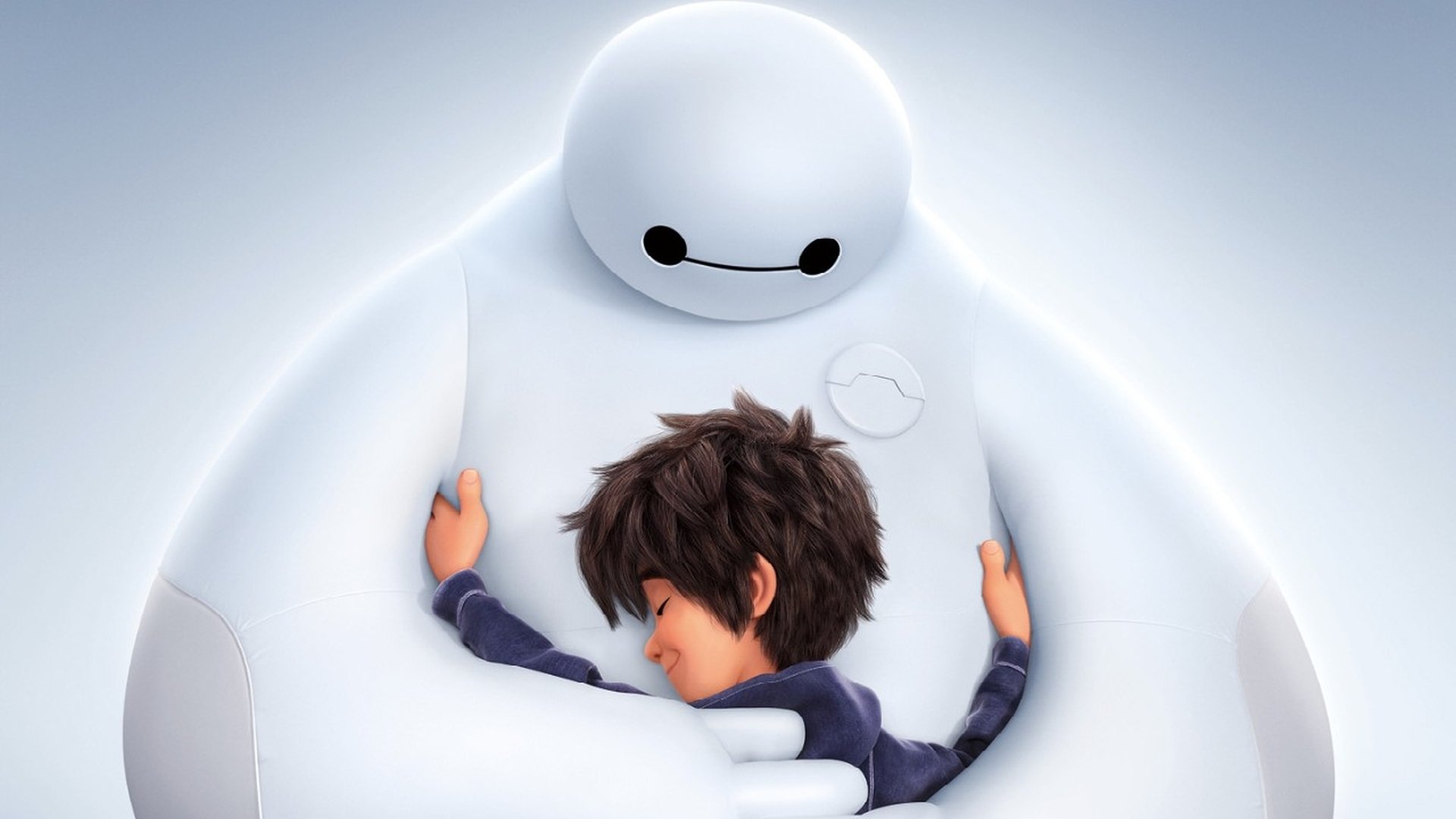
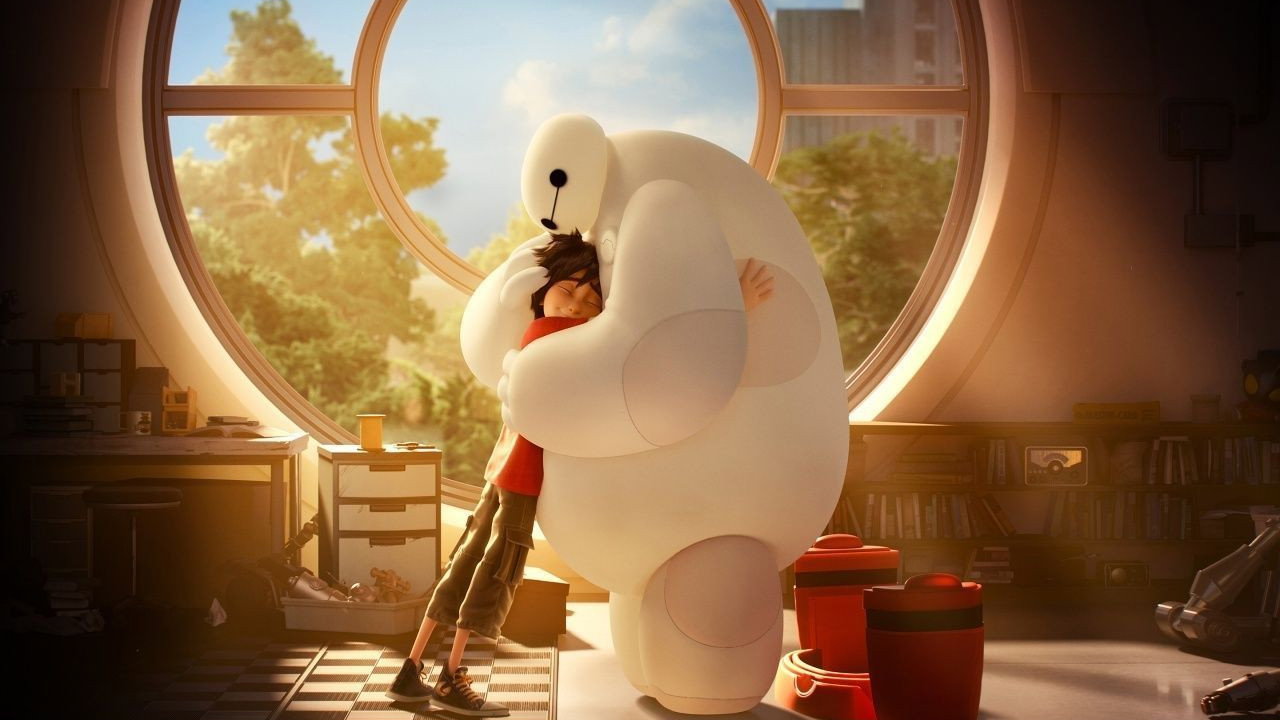
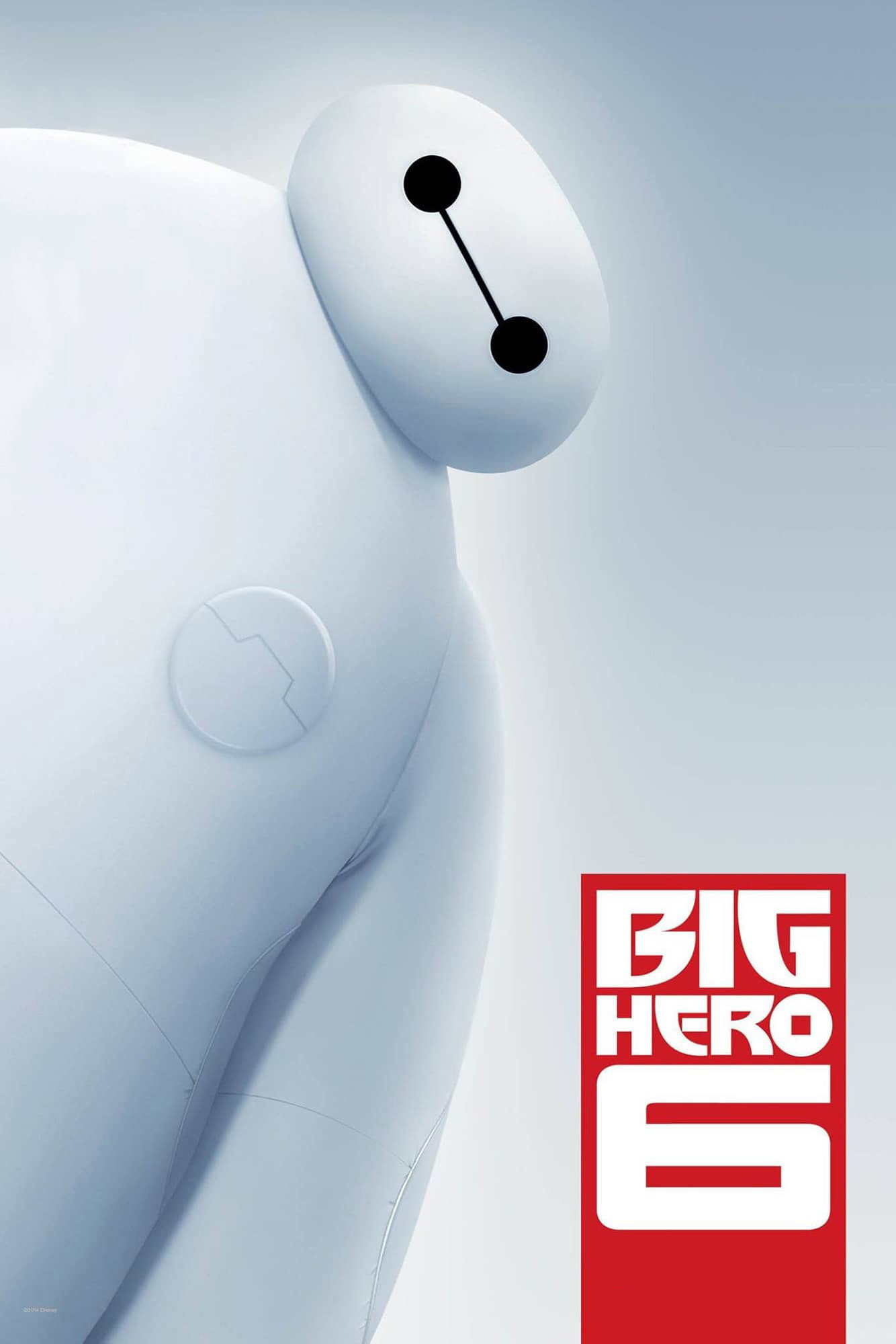
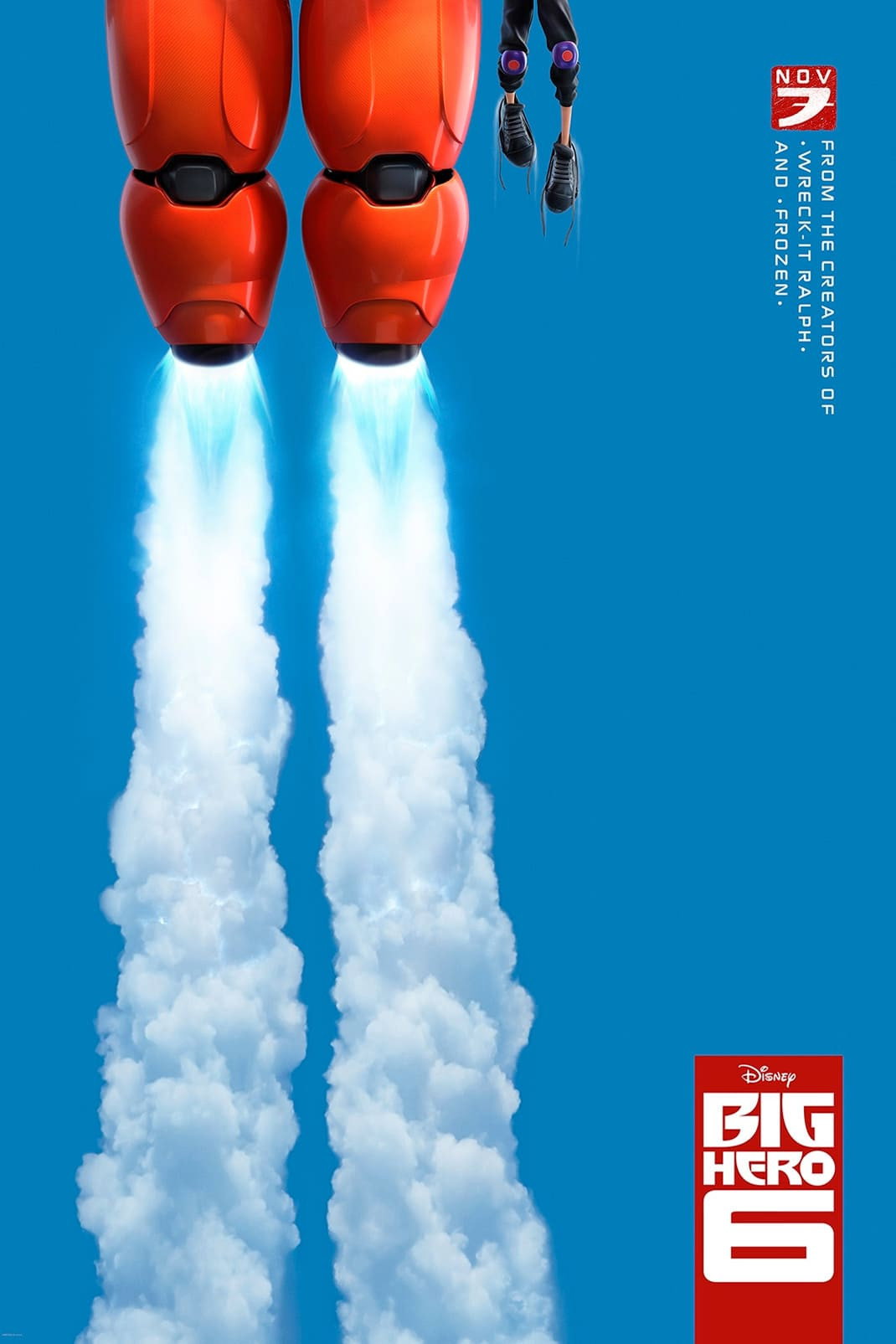
Baymax is the second pleasure and the larger one. His face is two dots and a line. He inflates out of a red case when Hiro stubs a toe, squeezes himself round the bedroom knocking things over and putting them back, and treats every human event, including grief, as a medical condition to be assessed on a scale of one to ten. Scott Adsit voices him flat, courteous and unhurried, and never once winks at us. We laughed out loud when his battery ran low and he began to slur like a man on his fourth pint, and we laughed again at his walk, which is the walk of someone who has never been in a hurry in his life.
The film is also about a boy who has lost his brother, and it does not rush that. Hiro sits in his room with the door shut. Aunt Cass, voiced by Maya Rudolph, bakes too much and talks too fast. Baymax scans him, reports that his levels are low, and suggests that contact with friends might help. It moved us more than a film about an inflatable nurse had any right to, and the reason is that the robot never pretends to understand. He just does the next helpful thing. Ryan Potter gives Hiro a cracked, adolescent voice that goes small when it matters.
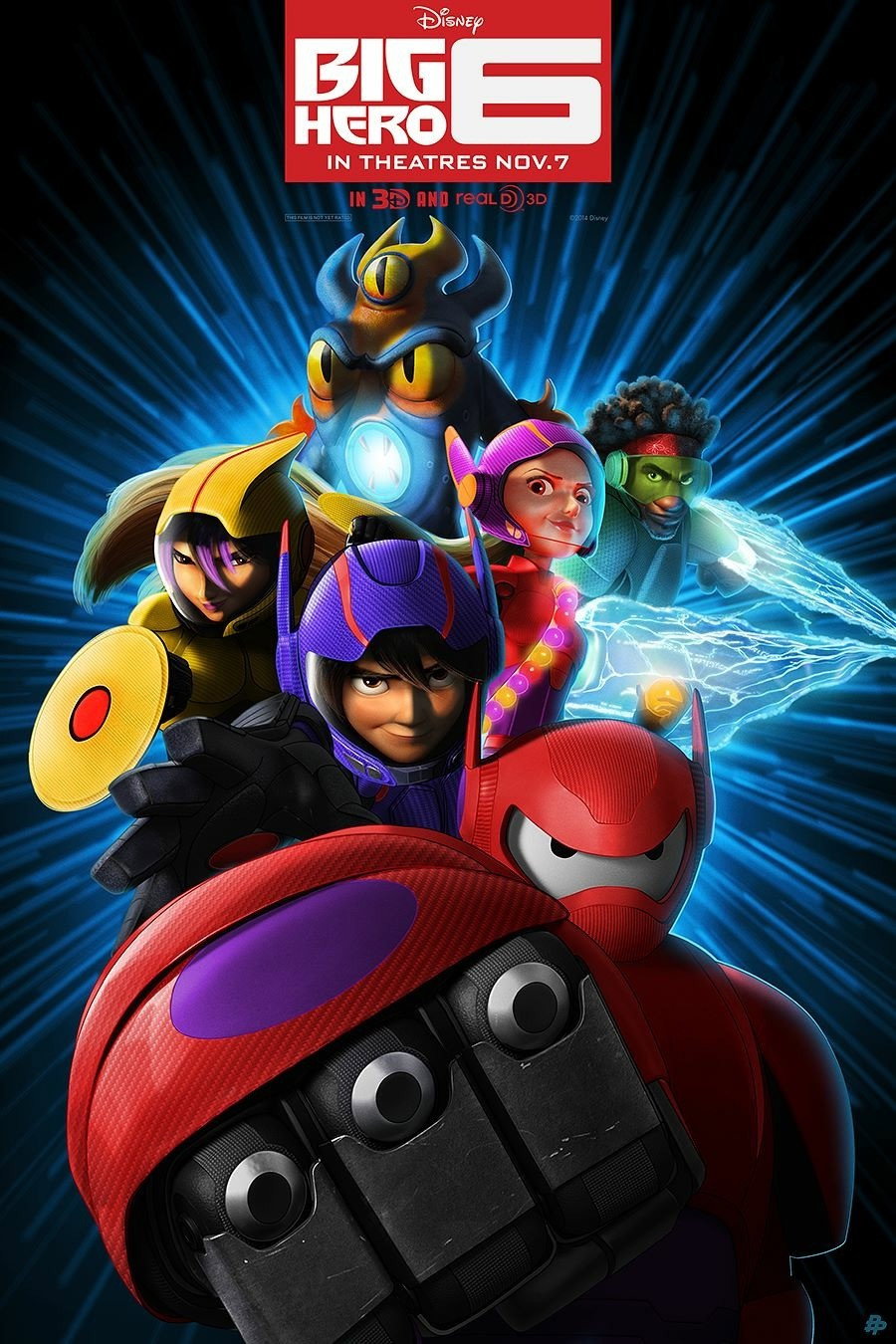
Then the friends turn up, and the film becomes a franchise. GoGo, Wasabi, Honey Lemon and Fred are each given one trait, sharp, nervous, sweet and slacker, and Hiro builds them suits to match. T.J. Miller’s Fred, a rich boy who reads comics and wants to be turned into a lizard, gets the best lines of the four. The masked man who has stolen Hiro’s microbots is a shape more than a character, and the script by Daniel Gerson, Jordan Roberts and Robert L. Baird stops twice to tell us that science is good and revenge is bad. The final battle is microbots against armour in a collapsing space, and Tim Mertens cuts it fast and cleanly, but we had seen it before and so, we suspect, had he. We noticed, too, how quickly the film asks us to go from a boy crying on his bed to a rock song over a suiting-up montage, and the gear change grinds.
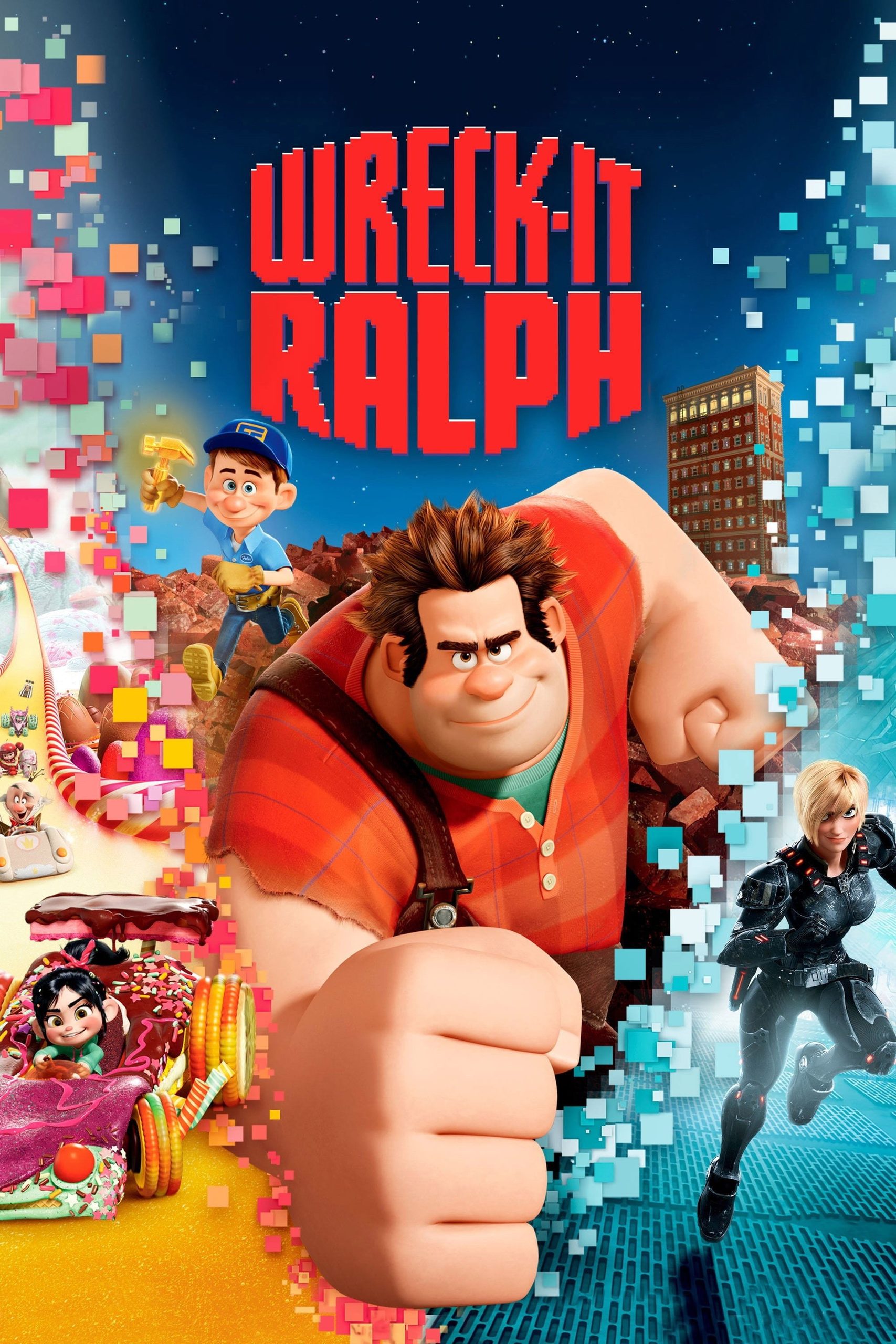
Most critics have been kinder to the second half than we are, and they are right that it is never dull. Set against the studio’s own recent standard, though, this is less inventive than Wreck-It Ralph and less surely built than Frozen. It has the studio’s confidence without the studio’s best material, and 102 minutes feels about ten too long.
It is a PG, and a good one. Take a child. The child will want a Baymax afterwards, and so, if we are honest, did we.