Film review

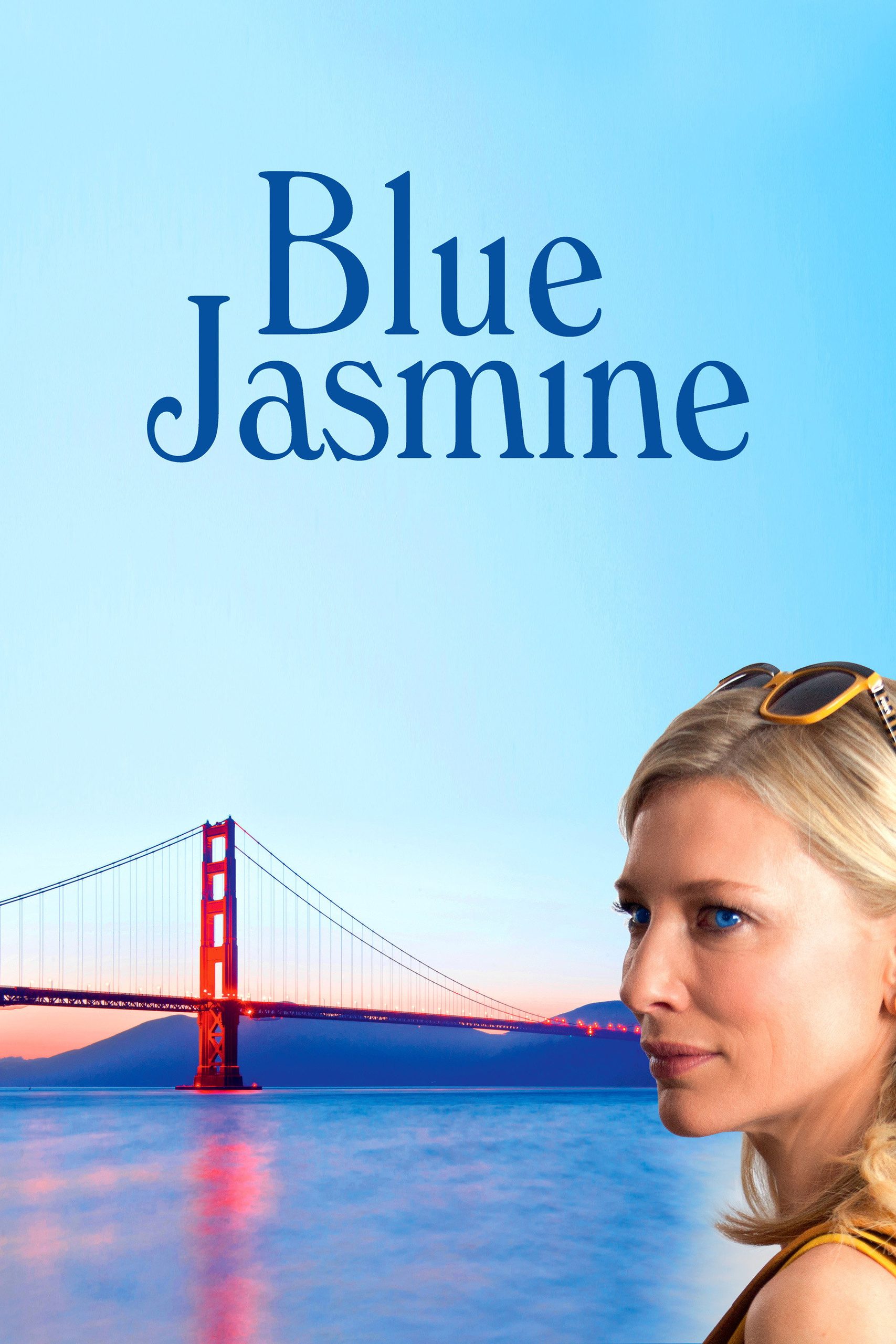
Blue Jasmine

2013 · Directed by Woody Allen · 1h 39m · MPA PG-13

In a sentenceBeing broke has done nothing to improve Jasmine’s opinion of other people

Drama

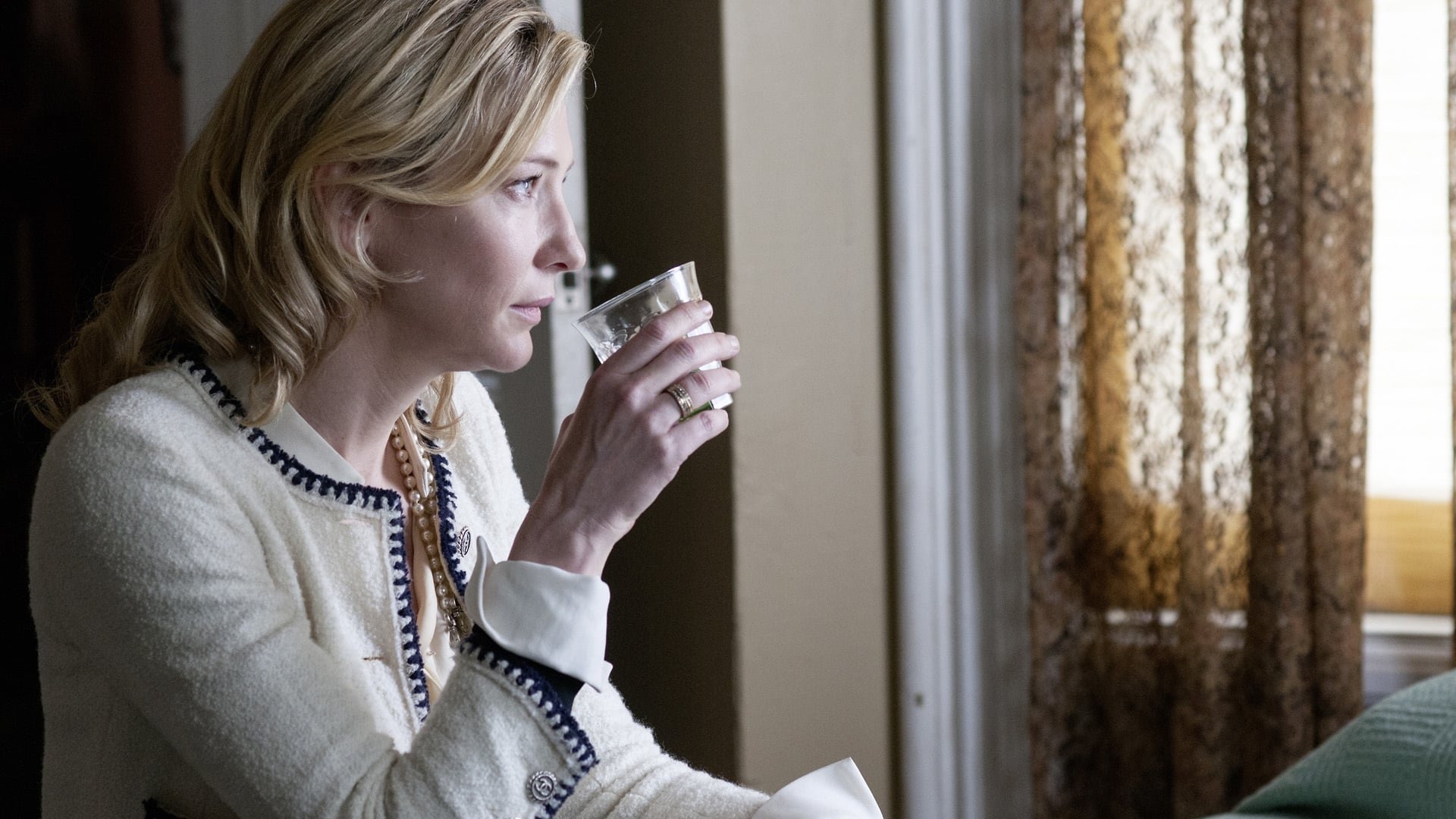
Ginger (Sally Hawkins) visits Jasmine (Cate Blanchett) in New York, where Jasmine’s life with her husband Hal (Alec Baldwin) comes with money and social standing. The visit appears in flashbacks: Hal’s fraud has since brought Jasmine’s comfortable existence down. In the present, Jasmine wants to start again without surrendering the standards she acquired while she was wealthy. She has lost her money, but still expects the people around her to accommodate her. Moving between her marriage and her reduced circumstances, the film follows her attempts to recover a life she continues to regard as rightfully hers.

Plays from YouTube when you press play; nothing loads from them until then.

Fi1m review

Cate Blanchett makes this drama about a fallen socialite funny, painful and difficult to dismiss. Woody Allen’s plotting can feel too tidy, but the performances make the damage feel real.

Woody Allen’s Blue Jasmine is an absorbing, uncomfortable study of a woman who cannot bear to revise her opinion of herself. We recommend it for Cate Blanchett, though the supporting performances make that sound too narrow. Jasmine’s husband’s fraud has stripped away the money that made her assumptions seem reasonable; she is still trying to live by those assumptions. The film takes her suffering seriously without accepting her account of herself, and its occasional clumsiness is worth tolerating for that.

Cate Blanchett makes Jasmine exhausting company, which is a considerable risk for the centre of a 99-minute film. The performance is tightly wound, but there is enough variation in the strain to stop it becoming a single prolonged crisis. Her entitlement and her terror remain visible together, and being selfish does not make her distress less painful to watch. Cate Blanchett allows the comedy to come through without using it to relieve the pressure on Jasmine, whose efforts to maintain her dignity become increasingly difficult to witness.

Sally Hawkins gives Ginger sufficient warmth and self-respect to prevent her becoming merely a useful contrast. Ginger’s visit to Jasmine in New York is particularly telling about Jasmine’s concern with social standing. We felt embarrassed for Ginger, because that concern makes an ordinary visit uncomfortable. Andrew Dice Clay, as Augie, also brings a welcome sense of hurt that has not been dressed up for an audience. These performances give the film people we can care about beyond its lead.

Javier Aguirresarobe’s photography is handsome and clear, which matters in a film so dependent on our reading of faces. The images let us attend to the performances without competing insistently for attention. Santo Loquasto’s production design makes the difference in the women’s circumstances readable without requiring a speech about income. The comfort of Jasmine’s earlier life looks worth wanting, which helps explain why she remains so attached to it, even as her attachment becomes destructive.

Alisa Lepselter’s editing gives the flashbacks a useful sharpness, allowing the past to interrupt the present. Jasmine’s former life remains close enough to distort her understanding of what is happening now. Moving between the two prevents the film from settling into a simple account of someone getting poorer and sadder, and the changes are easy to follow. There are moments when the writing pushes the connections too hard, but the arrangement gives us time to recognise her habit of avoiding whatever she does not want to know.

The reservation is with Woody Allen’s writing for some of the people around her, who have clearer functions than personalities. Alec Baldwin’s Hal belongs to a story about greed that can feel too neatly organised, especially beside the untidy emotions Cate Blanchett supplies. The plotting occasionally makes its point with more force than credibility. These limitations matter, though the actors do much to compensate, and the film remains attentive to the pain caused by Jasmine’s determined self-deception.

As a social satire, Blue Jasmine sometimes sorts people into their allotted places too briskly. As a character study, it gives its actors enough freedom to complicate those judgements, and that is where it earns our recommendation. Its dark comedy also allows embarrassment to linger after a scene has produced a laugh. Choose it for the performances, and do not expect much cheering up.

Critical consensus AI synthesised

81
Positive
20
Mixed
1
Negative
2

Most critics greet Blue Jasmine as a strong return to form for Woody Allen, with praise centred on Cate Blanchett’s portrayal of a fallen socialite caught in self-deception. The reviews repeatedly credit her with making Jasmine’s anxiety, entitlement and distress believable, while many also praise the supporting cast. Admirers find the mixture of bitter comedy and tragedy affecting, and see the treatment of class, greed and denial as unusually pointed.

The spread is wide despite the strongly positive majority, with reservations clustering around contrived plotting and thinly drawn supporting characters. For some, Blanchett carries a script that does not always match her; others admire the structure but find the characters unconvincing. The Financial Times objects to the film’s artificiality and simplistic social divisions, while The Wrap finds that it fails to hold together. Even these dissenting reviews praise Blanchett, making her performance the clearest point of agreement.

Little White Lies
12 September 2013 · 2/5/5 · David Jenkins
100

Blanchett delivers a career-best turn as the narcissistic, broken Jasmine in what may be Allen's finest work. The film stands out as a raw, contemporary tragedy centered on class, self-delusion and irreversible decline.

Read the full review →
The Guardian
19 September 2013 · ★★★★★ · Peter Bradshaw
100

Bradshaw calls it a late triumph for Allen, an outstanding and absorbing movie with a magnificently watchable lead performance by Cate Blanchett as the self-deluding socialite and superb supporting turns. He highlights the bittersweet comedy, depth, pathos and resurgent maturity in the storytelling.

Read the full review →
The Independent
27 September 2013 · ★★★★★
100

The critic calls it a small miracle and autumnal drama, praising Cate Blanchett's magnificent performance as the fallen socialite Jasmine above all else.

Read the full review →
Empire
18 September 2013 · Simon Braund
90*

The review hails it as Allen's best in years, praising the incisive brilliance, Blanchett's powerhouse performance, and its astute observations on society and deceit.

Read the full review →
Film Comment
· Amy Taubin
90*

Allen’s best film in years is a dark social satire driven by Blanchett’s towering central performance as a deluded socialite undone by her husband’s crimes and her own disavowals. The critic singles out Blanchett’s raw, human portrayal of mental unraveling for particular praise.

Read the full review →
The New Yorker
22 July 2013 · David Denby
90*

The critic views the film as a brilliant contemporary homage to 'A Streetcar Named Desire,' with Cate Blanchett giving a mesmerizing, complex performance as the delusional Jasmine. He singles out Allen's sharp social commentary on class and inequality as making it his strongest and most resonant film in years.

Read the full review →

Cast

Awards

Academy Awards, 2014

Nominated
Best Supporting Actress
Nominated
Best Writing, Original Screenplay
Won
Best Actress

If you liked this, try…

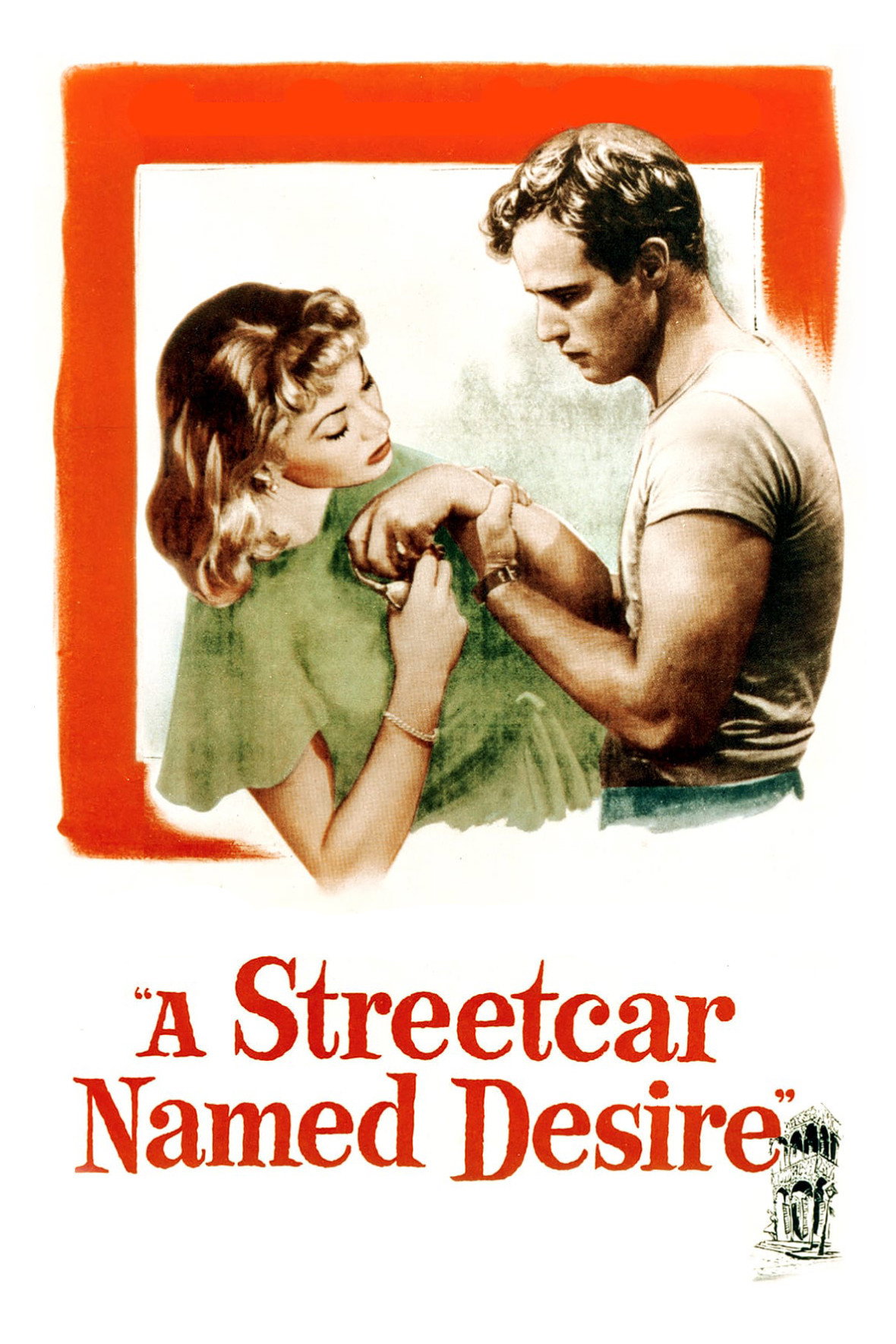
A Streetcar Named Desire poster

A Streetcar Named Desire

1951 · Another unwelcome arrival whose social pretensions cannot conceal her distress.

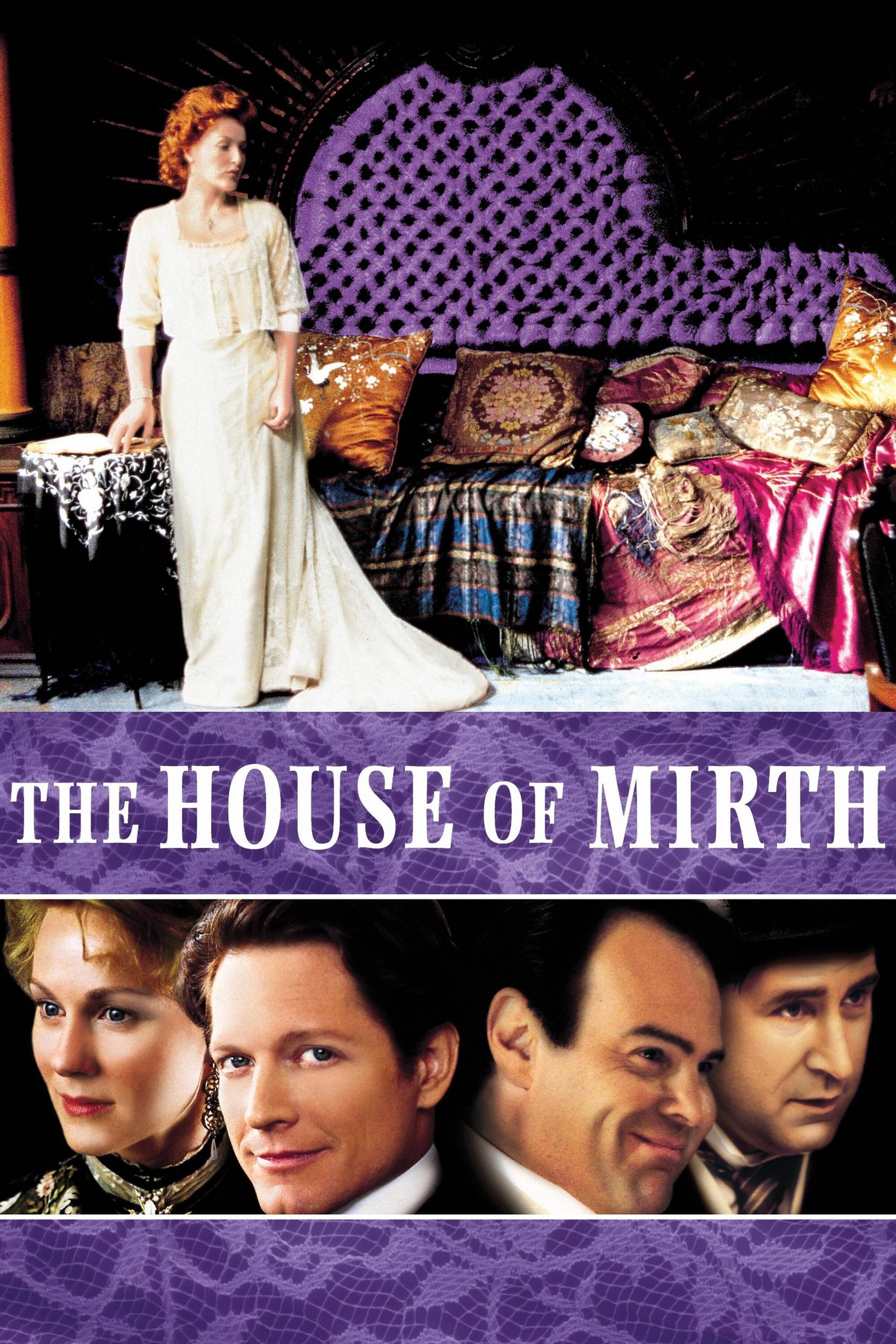
The House of Mirth poster

The House of Mirth

2000 · For another painful account of status, money and dwindling choices.

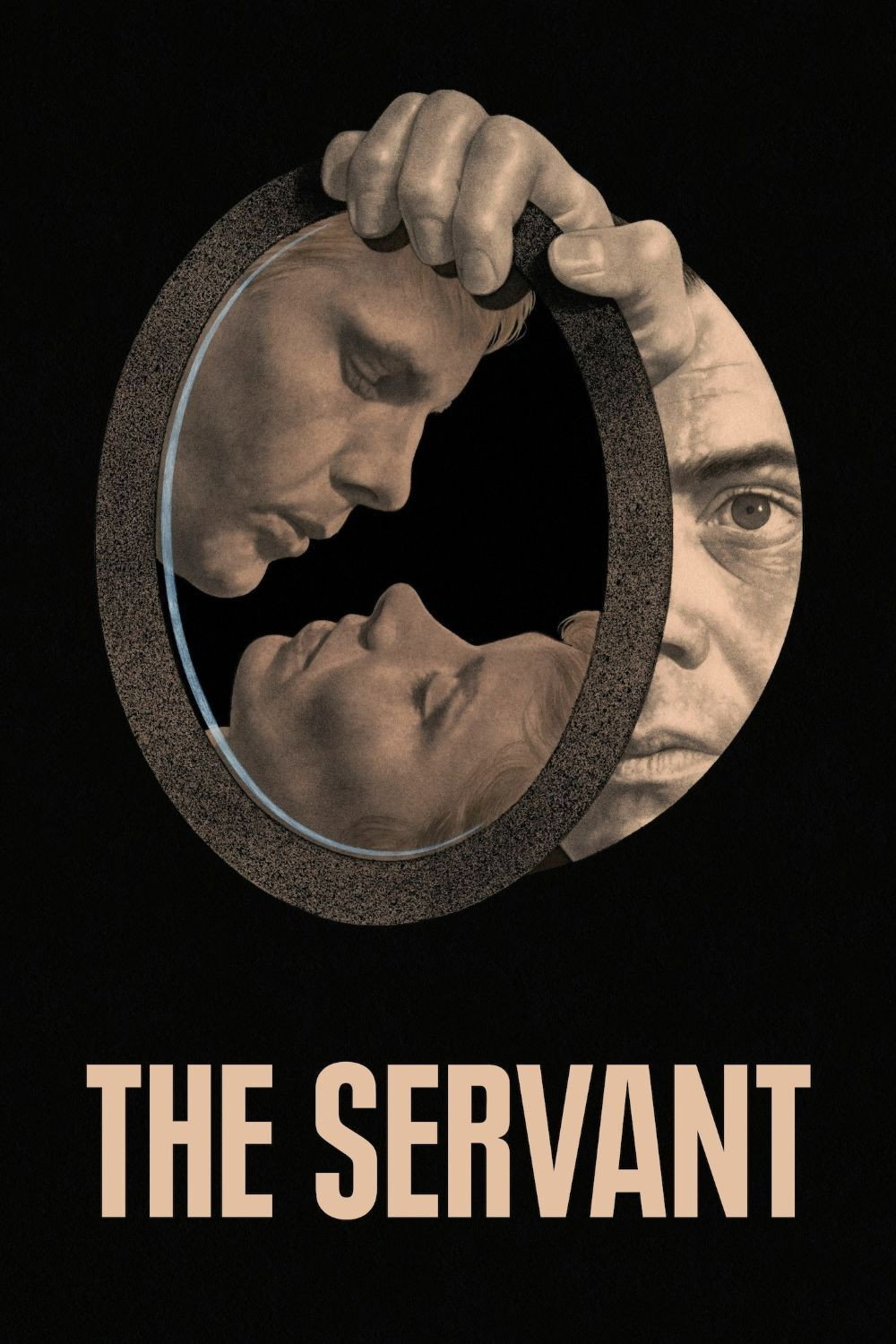
The Servant poster

The Servant

1963 · Class resentment becomes a domestic struggle, with nobody behaving especially well.

The Headless Woman poster

The Headless Woman

2008 · A quieter, stranger examination of privilege and the convenience of not knowing.

Another Year poster

Another Year

2010 · Lesley Manville makes difficult company painfully human in another unsparing character study.