Kristen Wiig is painfully funny in this warm, rude comedy about competitive friendship. Paul Feig gives a sharp ensemble room to misbehave, though several scenes run too long and the romance slows things down.
Paul Feig’s Bridesmaids is a funny, often painfully recognisable comedy about the difficulty of being happy for a friend when we are unhappy ourselves. It earns a warm recommendation, with a warning about scenes that take too long to finish. Kristen Wiig and Annie Mumolo’s script gives its anxious maid of honour, Annie, enough unpleasant impulses to make her interesting. The wedding provides plenty of opportunities to behave badly, and Feig lets his cast make use of them.
Wiig is excellent at making Annie’s jealousy understandable without asking us to approve of it. Her comic timing allows the sadness to register: the effort of seeming pleased can be almost as funny as the failure to manage it. Maya Rudolph’s Lillian gives the friendship the ease it needs for Annie’s anxiety to hurt, and Rudolph deserves more credit than the size of her laughs might suggest. We believe these women matter to each other, which makes the competition over friendship worth following.
Rose Byrne makes Helen’s civility feel aggressive, a useful skill in a film where being nice can be a form of competition. Byrne is precise enough to make a small change of emphasis count, and she gives Wiig a formidable opponent without turning Helen into a cartoon. Melissa McCarthy’s Megan is broader, coarser and reliably funny. McCarthy commits so fully to the character’s lack of embarrassment that the performance holds its own beside Wiig’s anxious self-consciousness.
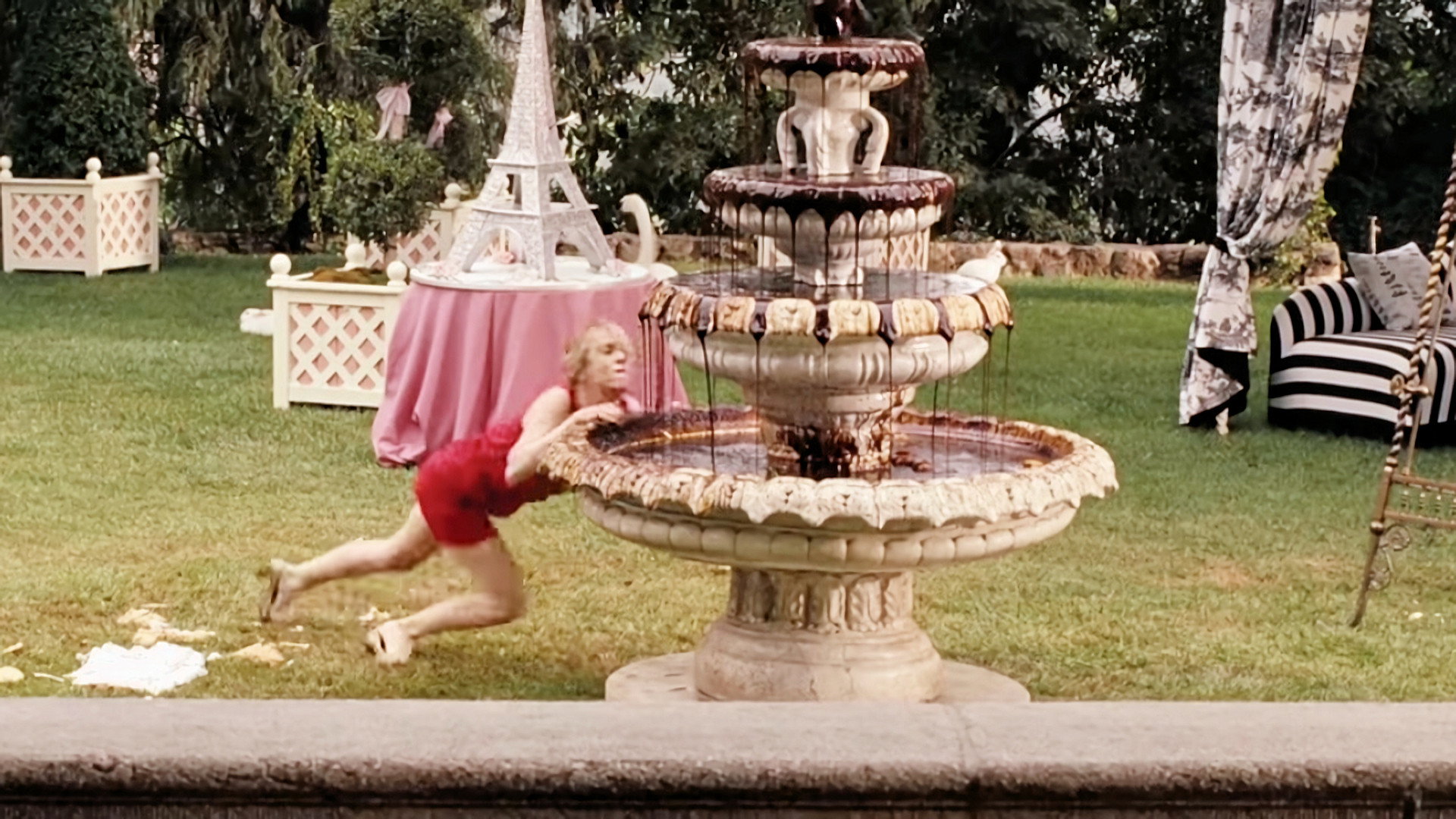
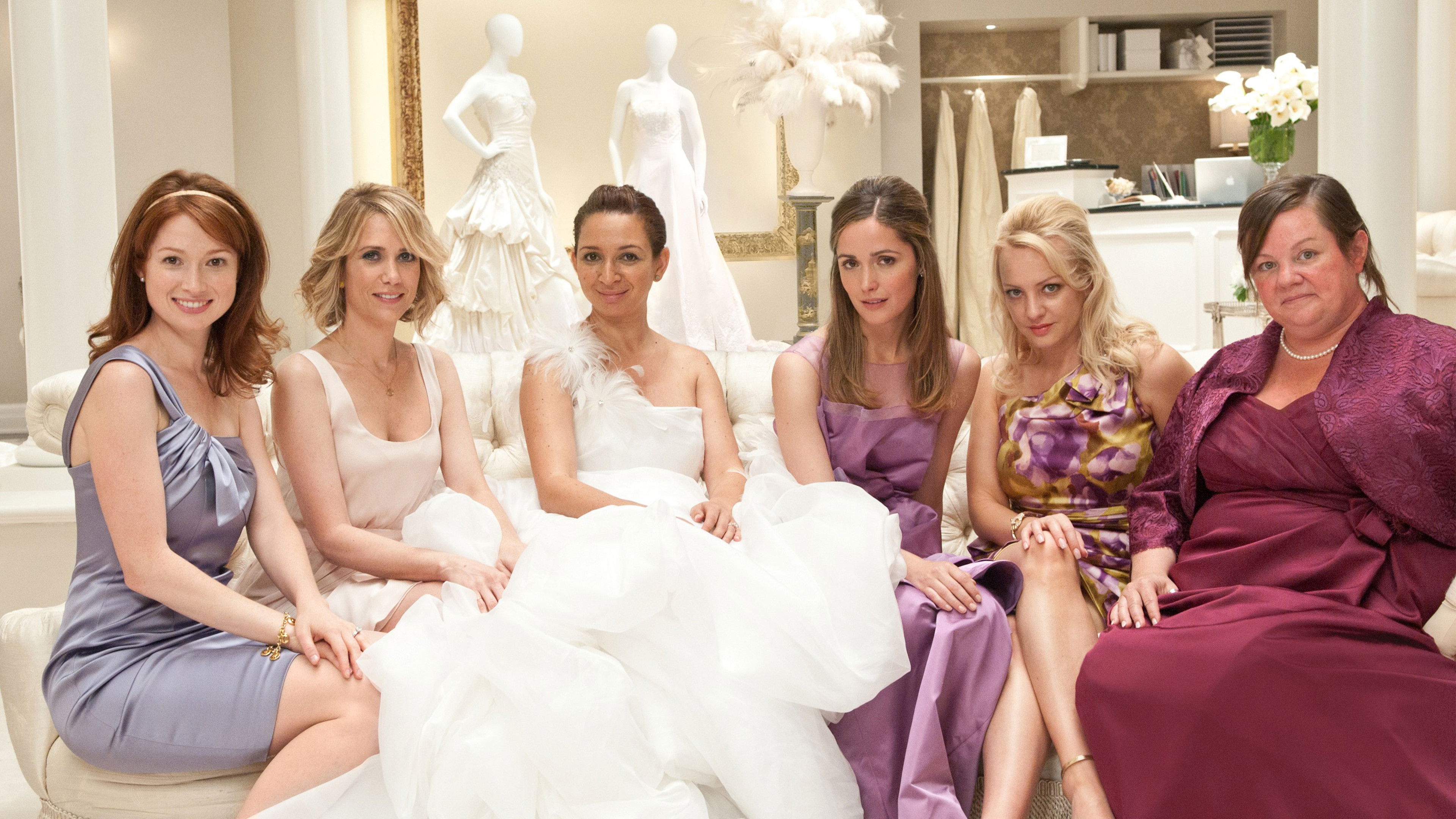
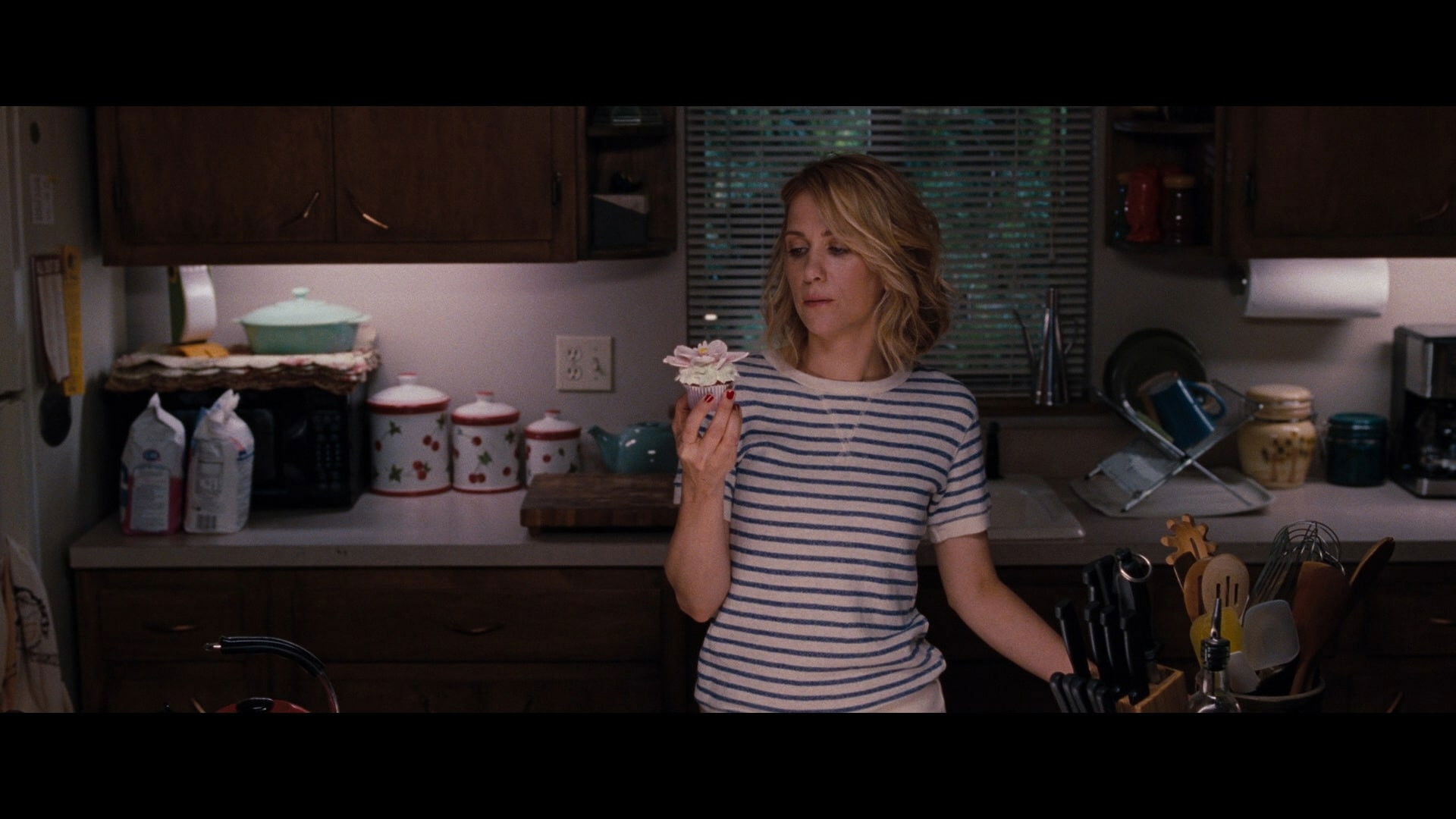
The bridal-shop sequence tests how much indignity the film can inflict before we stop caring about the people involved. We laughed at the mess, then felt a little guilty about enjoying Annie’s discomfort. Wiig keeps her embarrassment recognisable even when the comedy gets filthy, and Feig mostly remembers that these women will have to deal with one another after the joke. That attention to what humiliation does to a friendship gives the ruder material more purpose than mere permission to be rude.
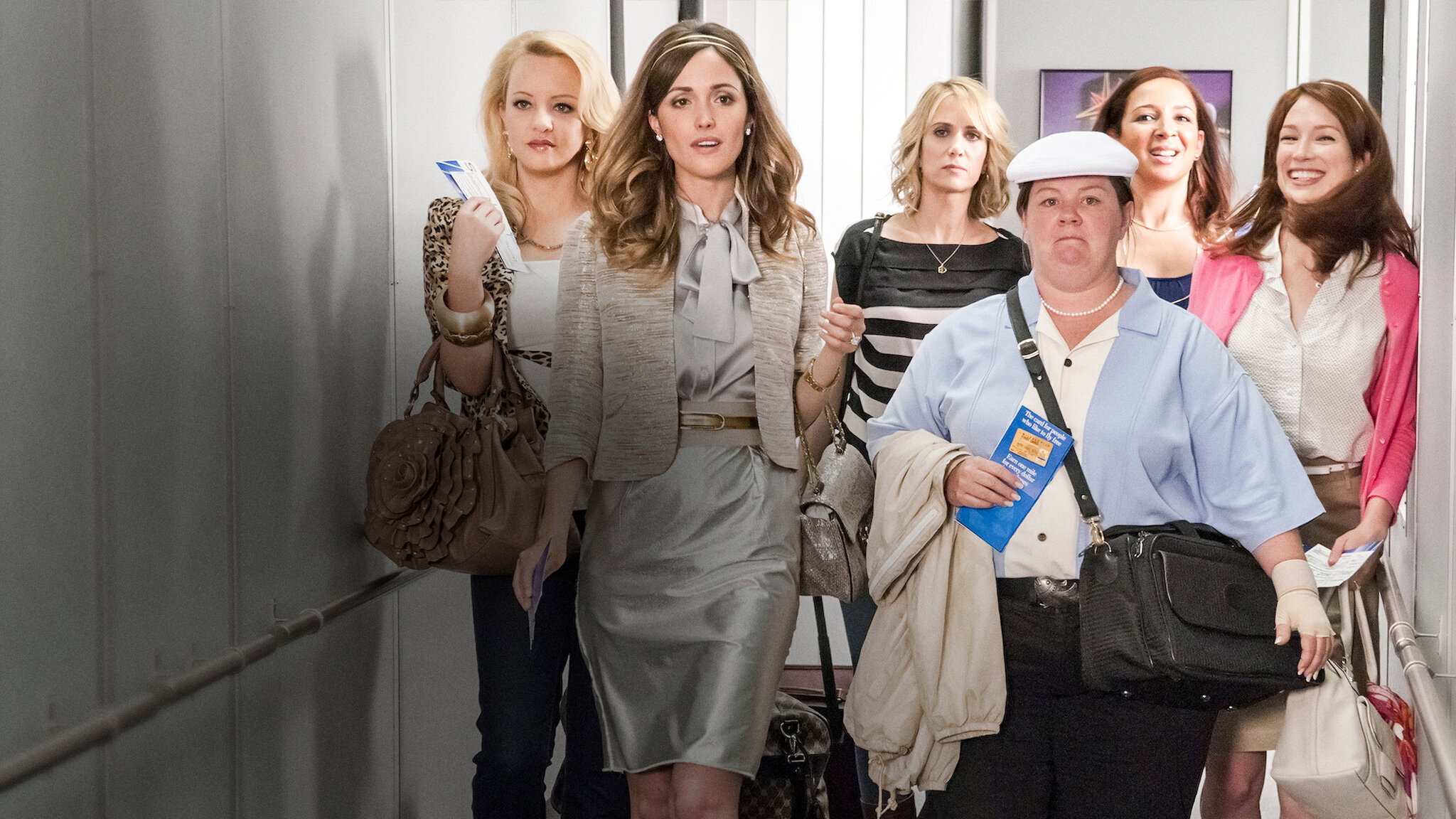
Robert D. Yeoman’s cinematography is at its most useful when we can read the competing reactions within the group. Few images stay with us independently of a performance, but the faces are worth watching. The respectable bridal-shop setting, part of Jefferson Sage’s production design, makes the gross-out material more mortifying. Michael Andrews’s music makes less impression than the voices, a reasonable order of priorities in a comedy this dependent on delivery.
The patience becomes a problem in Michael L. Sale and William Kerr’s editing. Several routines continue beyond their strongest laugh, and the romantic subplot adds to the feeling that Feig is reluctant to leave any agreeable material behind. At 125 minutes, the film asks us to spend too long waiting for the next sharp exchange. The performers remain good company, but tighter cutting would have made their work funnier and spared Annie some repetitive humiliation.
The romance is less interesting than the question of how people remain friends when they feel unequal. That is a useful change of emphasis for a wedding comedy, a genre too often satisfied once the right couple has been identified. Feig gives the women permission to be tiresome without assuming that we will stop caring about them. Watch it with friends who can admit that being pleased for someone occasionally takes an effort.