Film review

Capernaum

2018 · Directed by Nadine Labaki · 2h 06m

In a sentenceA boy and a baby suggest the adults could do with some supervision

Drama

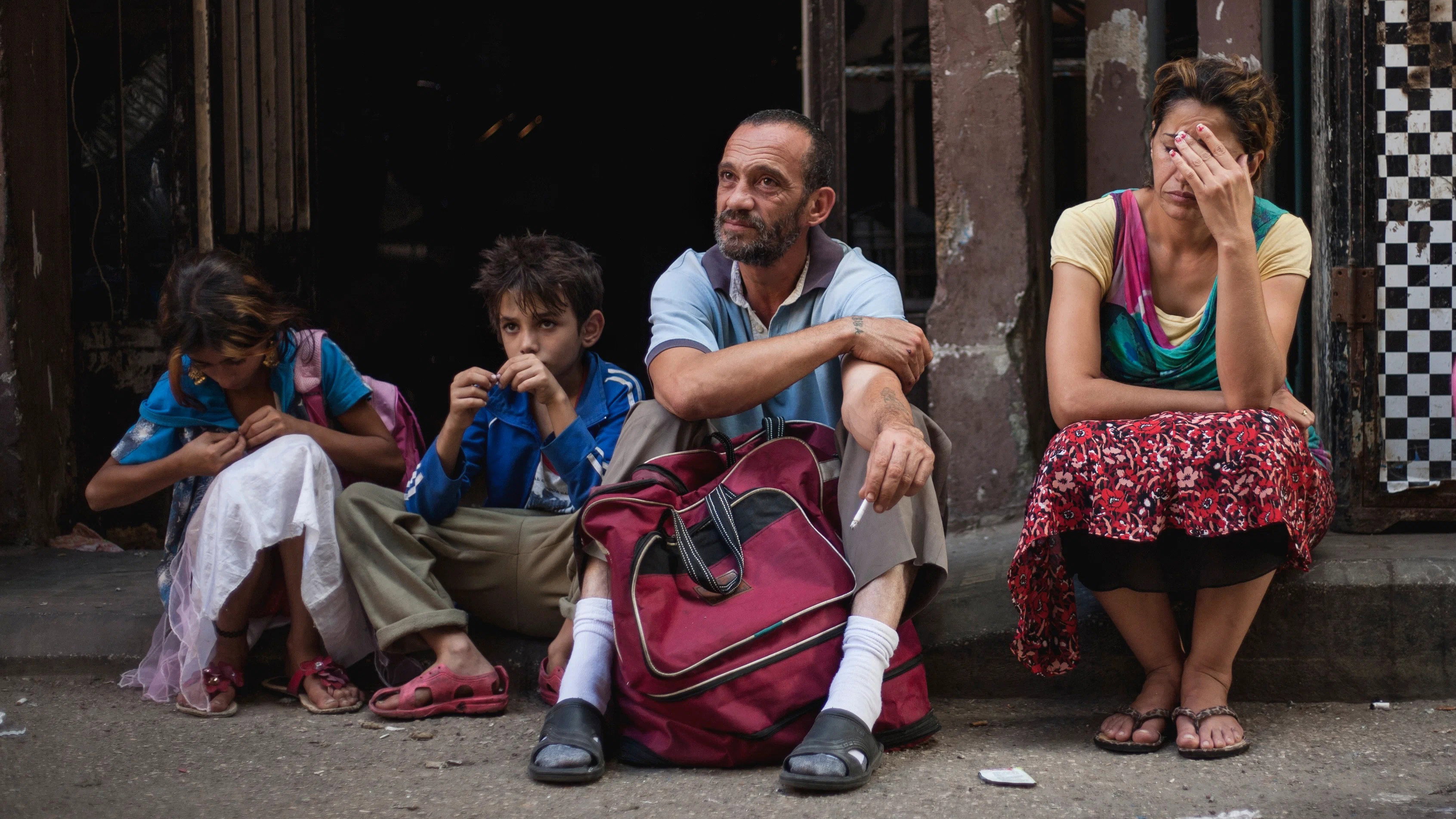
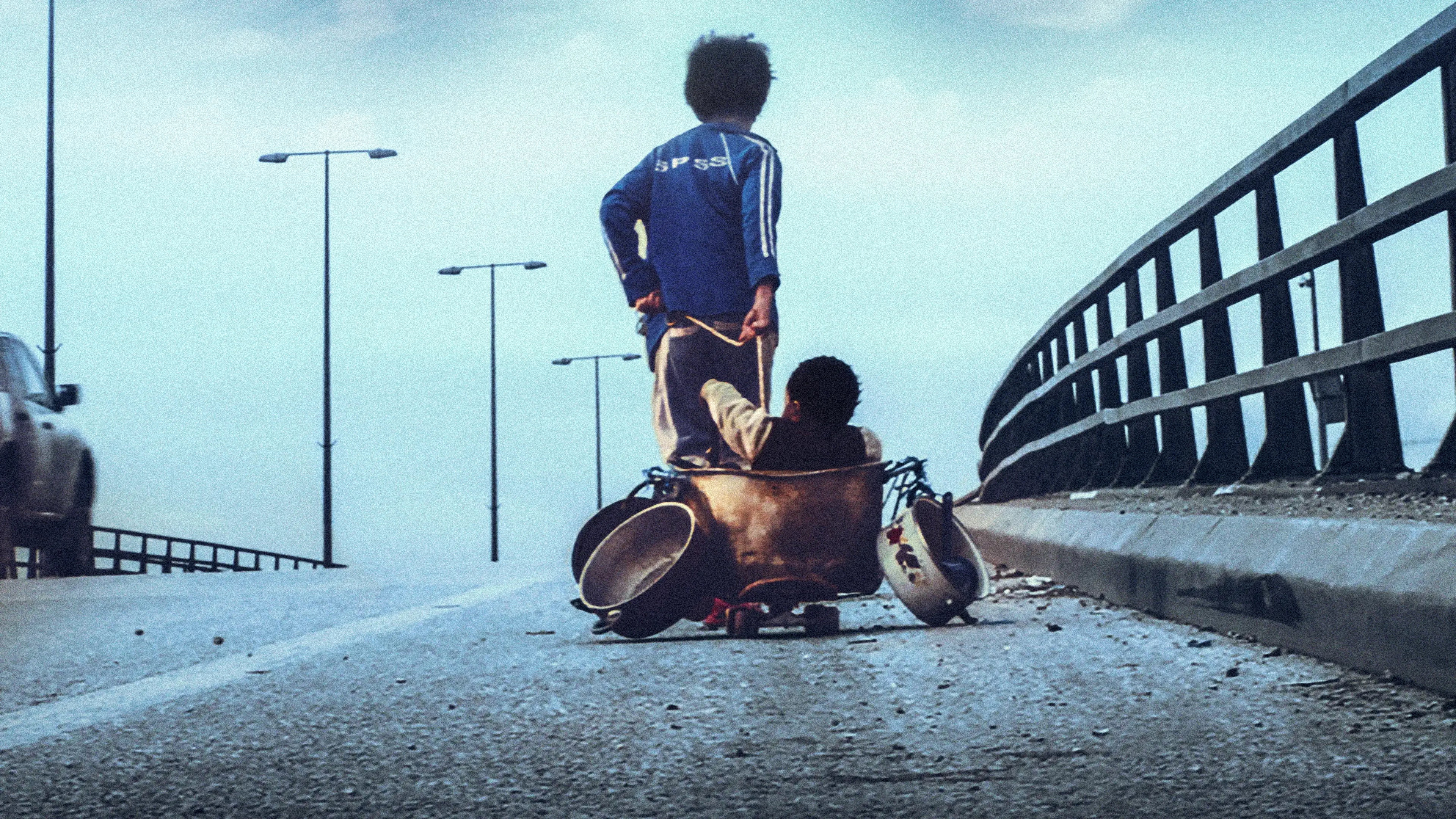
In Beirut, a boy called Zain (Zain Al Rafeea) brings a case against his parents. The court proceedings frame an account of his life among children and adults dealing with poverty, neglect and the risks of living without official documents. Away from the courtroom, Zain navigates the streets and takes on the care of a baby, Yonas (Boluwatife Treasure Bankole). Along the way, he encounters kindness as well as people prepared to exploit those with few ways to protect themselves. Nadine Labaki directs this drama about children, migrants and the responsibilities adults place on the young.

Plays from YouTube when you press play; nothing loads from them until then.

Fi1m review

Nadine Labaki’s Capernaum is moving, angry and worth the discomfort, led by a remarkable Zain Al Rafeea. The courtroom scenes press too hard, but his care for a baby gives this drama its tenderness.

Capernaum is a difficult film that we recommend, with one substantial reservation: it keeps telling us what its children have already shown us. Nadine Labaki builds the story around a boy taking his parents to court, then looks back at his life on Beirut’s streets. It is a pointed way to introduce neglect, and an awkward one, since a court case asks for a neat account of who is to blame. The scenes outside court are convincing enough to make that framing feel unnecessary.

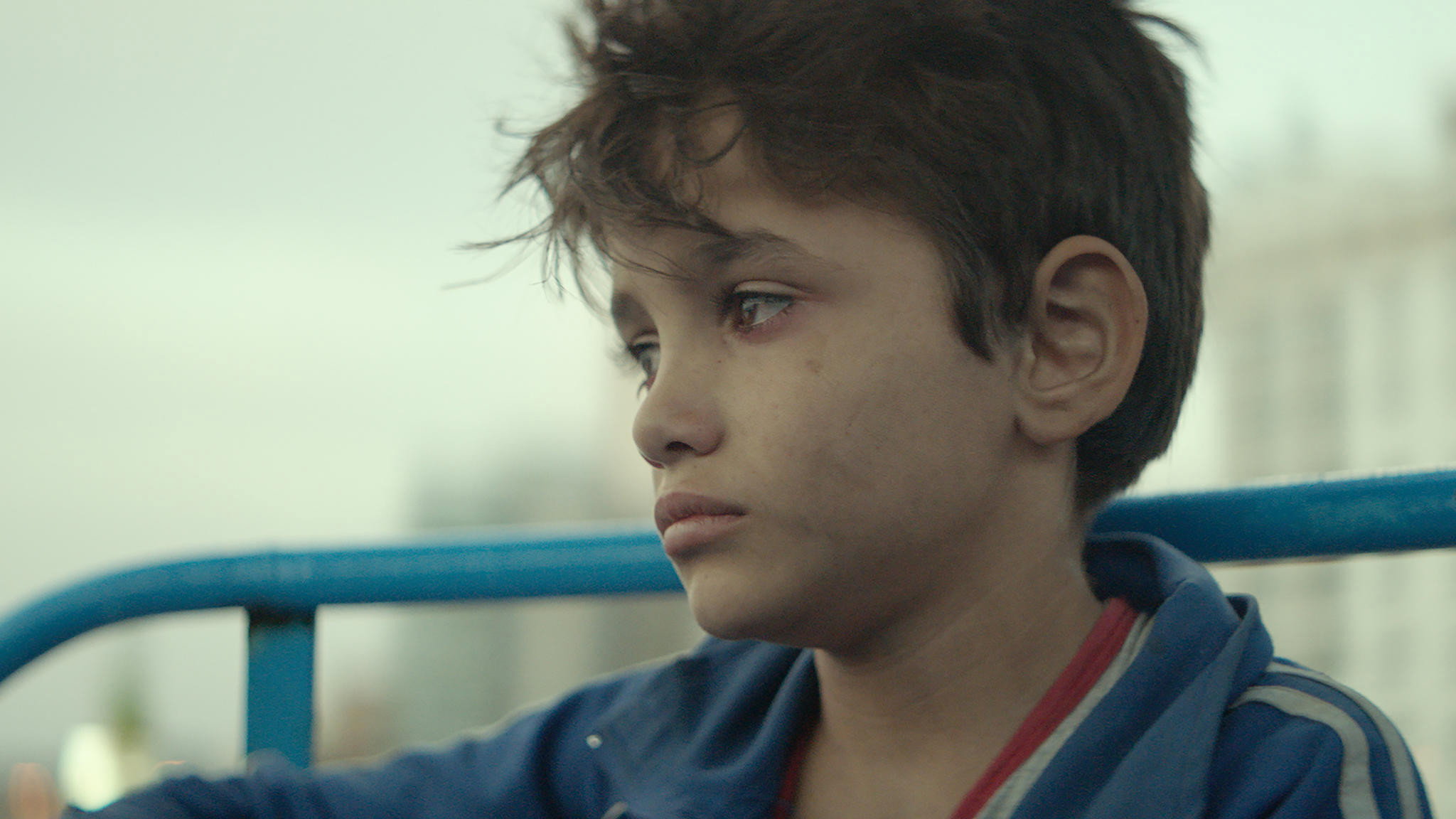
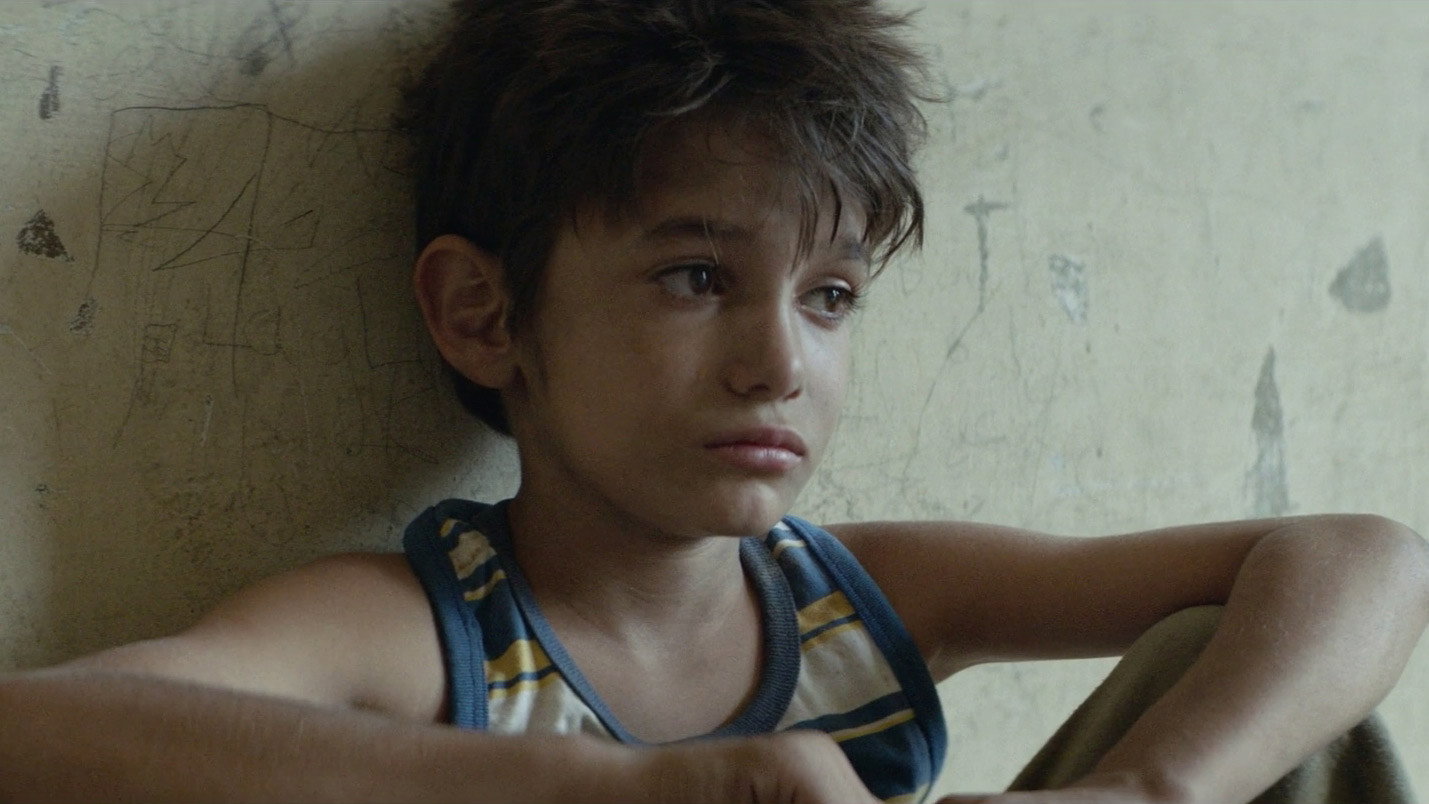
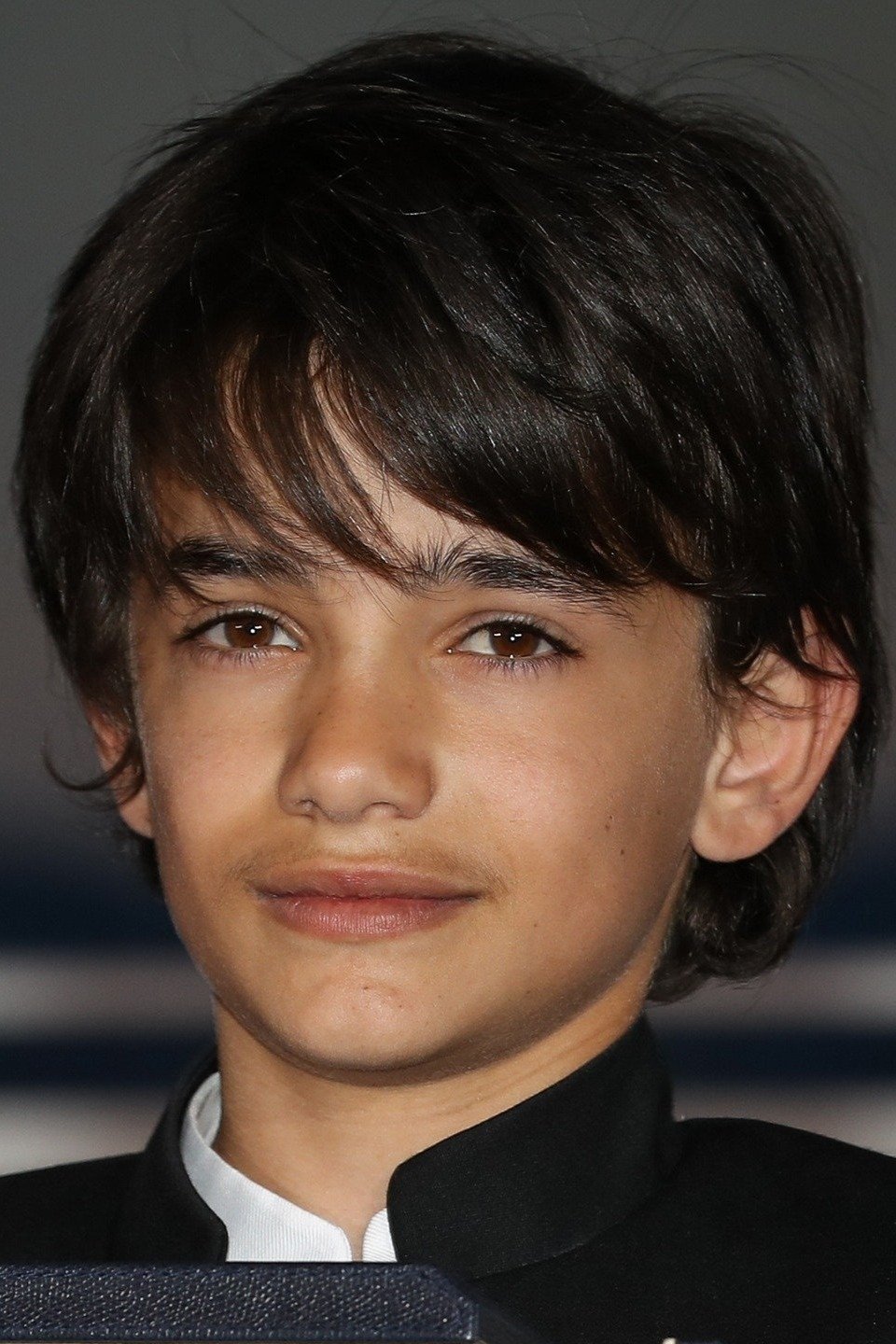
Zain Al Rafeea plays Zain with anger that feels like a practical response to his circumstances. There is resilience here, but little of the reassuring pluck that can make films about poor children so comfortable to watch. We believe that this boy has had to learn how adults behave, and that he has found little reason to be impressed. Labaki lets his force of personality carry scenes that might otherwise leave him looking merely helpless. He gives us someone to follow through the city.

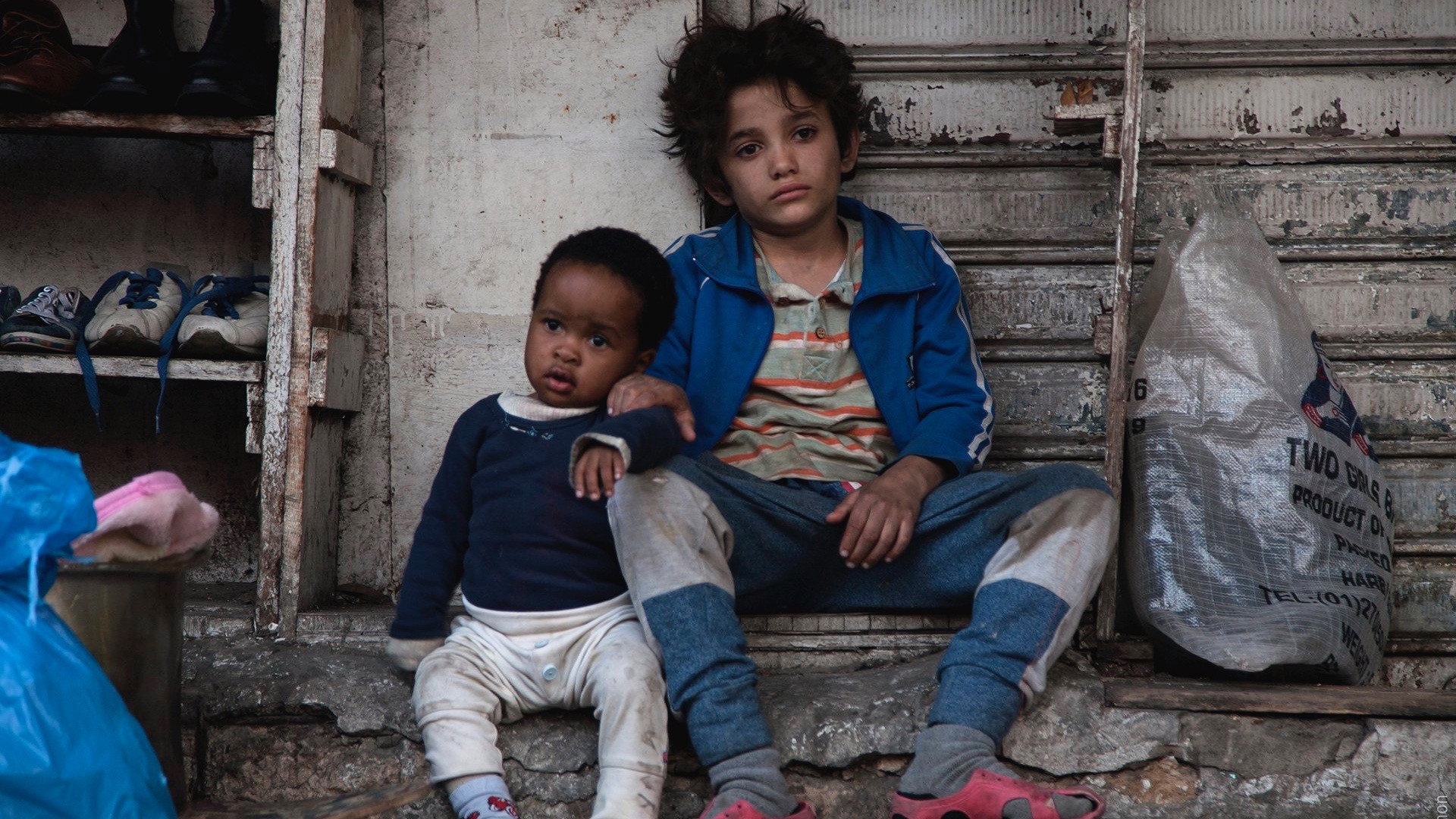
The passages with Yonas, played by Boluwatife Treasure Bankole, justify that trust. Watching Zain take responsibility for a baby moved us more than we expected. The size of that responsibility is clear without a speech: one child is trying to provide the care another needs. There is humour in their company, too, and Labaki makes room for it without pretending their circumstances have improved. These scenes give us time to care about the children beyond wishing that somebody would rescue them.

Christopher Aoun’s cinematography gives the street scenes enough shape for their bustle to remain readable. That clarity helps us stay with Zain rather than simply register a mass of hardship. The care in the compositions occasionally draws attention to itself, but the children keep bringing us back to what they need from each other. The streets feel like places where people have lives beyond the events we are watching.

Editors Konstantin Bock and Laure Gardette have a harder task joining this street-level story to the legal proceedings. The switches back to court repeatedly offer an explanation after the problem has become clear. Khaled Mouzanar’s music adds to that pressure; it could leave more of the emotional work to the children. None of this makes the performances less affecting. It does make a film running 126 minutes feel longer whenever it returns to telling us how to judge the adults.

Making the parents the defendants also narrows a story that has shown us a wider failure. The danger attached to living without documents cannot be settled by deciding whether two adults have behaved badly. Labaki is persuasive about the vulnerability of children and migrants, but her courtroom premise encourages a simpler verdict than their circumstances allow. Still, the moments of kindness prevent the film from treating everyone older than Zain as an enemy. They give him a world in which care remains possible, even when it is difficult to provide.

The 15 certificate is worth taking seriously; the young leads do not make this a family film. There is warmth here, but anyone seeking a reassuring account of childhood resilience should look elsewhere. Save it for an evening when there is time to talk afterwards.
Critical consensus AI synthesised

76
Positive
10
Mixed
1
Negative
1

Most critics respond warmly to Capernaum’s account of childhood poverty and undocumented life in Beirut, praising its compassion and urgency. The clearest agreement concerns Zain Al Rafeea: the reviews repeatedly credit his natural performance with giving the film its anger, resilience and emotional force. Praise also gathers around the chemistry between the young performers and Nadine Labaki’s direction of them. Many find humour and kindness amid the hardship, keeping the story from becoming unrelieved suffering.

The disagreement is sharper over how Labaki shapes that suffering. Reservations concern the courtroom framing, conspicuous emotional pressure and attempts to address too many social problems at once. Sight and Sound finds an angry social indictment that avoids sentimentality; Little White Lies sees contrivance and moralising that weaken the politics. Slant Magazine likewise admires the lead performance but objects to the handling of misery. The consensus is favourable, then, with a minority questioning the film’s methods rather than its concerns.

Empire
18 February 2019 · Ian Freer
85*

The film is a tough, unflinching yet empathetic picaresque journey through Beirut's streets, using courtroom scenes as bookends. It singles out the two astonishing child performances for particular praise.

Read the full review →
Evening Standard
26 February 2019 · Charlotte O'Sullivan
80*

Nadine Labaki’s feature is a success story and underdog tale of underdogs on Beirut's streets, with a breathtaking middle section that is topical, hilarious, tender and brutal. It singles out the chemistry between the young leads Zain and Yonas for particular praise.

Read the full review →
Radio Times
★★★★ · David Parkinson
80

The review highlights the film's compassionate humanity and neorealist style in exposing the plight of Lebanon's undocumented children, commending the miraculous direction of young leads and the chaotic yet gripping portrayal of their world.

Read the full review →
The Guardian
24 February 2019
80*

The critic praises the compelling central performance by non-professional actor Zain Al Rafeea as a resilient yet angry child navigating Beirut's poverty and neglect. The film is noted for its memorable child performances and focus on the perils of undocumented life, though the court scenes feel unnecessary.

Read the full review →
Time Out
18 May 2018 · ★★★★ · Anna Smith
80

The critic finds the film a compassionate and heartfelt journey through Lebanese slums, blending political fable with heartbreaking realism, and praises the magnetic performance of the young lead while noting its darker tone compared to similar films.

Read the full review →
Vulture
12 December 2018
80*

The critic calls it a deeply assured and relentlessly devastating piece that makes an uncompromising case through its child protagonist and standout young performances, though it risks buckling under the weight of suffering and feels manipulative at times.

Read the full review →

Cast

Stills

Awards

Amanda Award for Best Foreign Feature Film, 2019

Won
Amanda Award for Best Foreign Feature Film

IFFR audience award, 2019

Won
IFFR audience award

International Submission to the Academy Awards, 2019

Nominated
International Submission to the Academy Awards

If you liked this, try…

Nobody Knows poster

Nobody Knows

2004 · Children manage without dependable adults, with quieter storytelling and equally painful consequences.

The Kid with a Bike poster

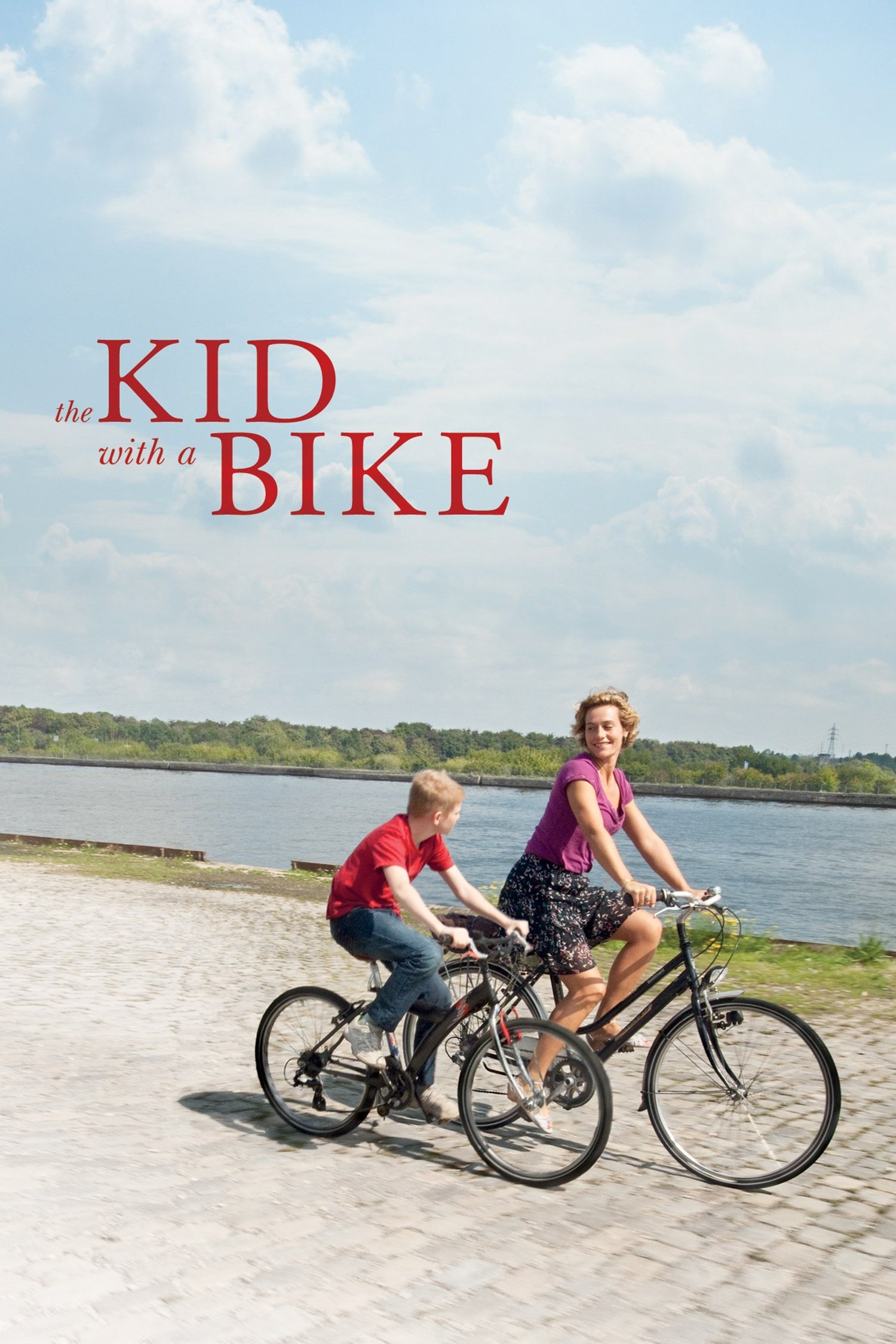
The Kid with a Bike

2011 · Another angry boy tests the patience and kindness of the adults around him.

Pather Panchali poster

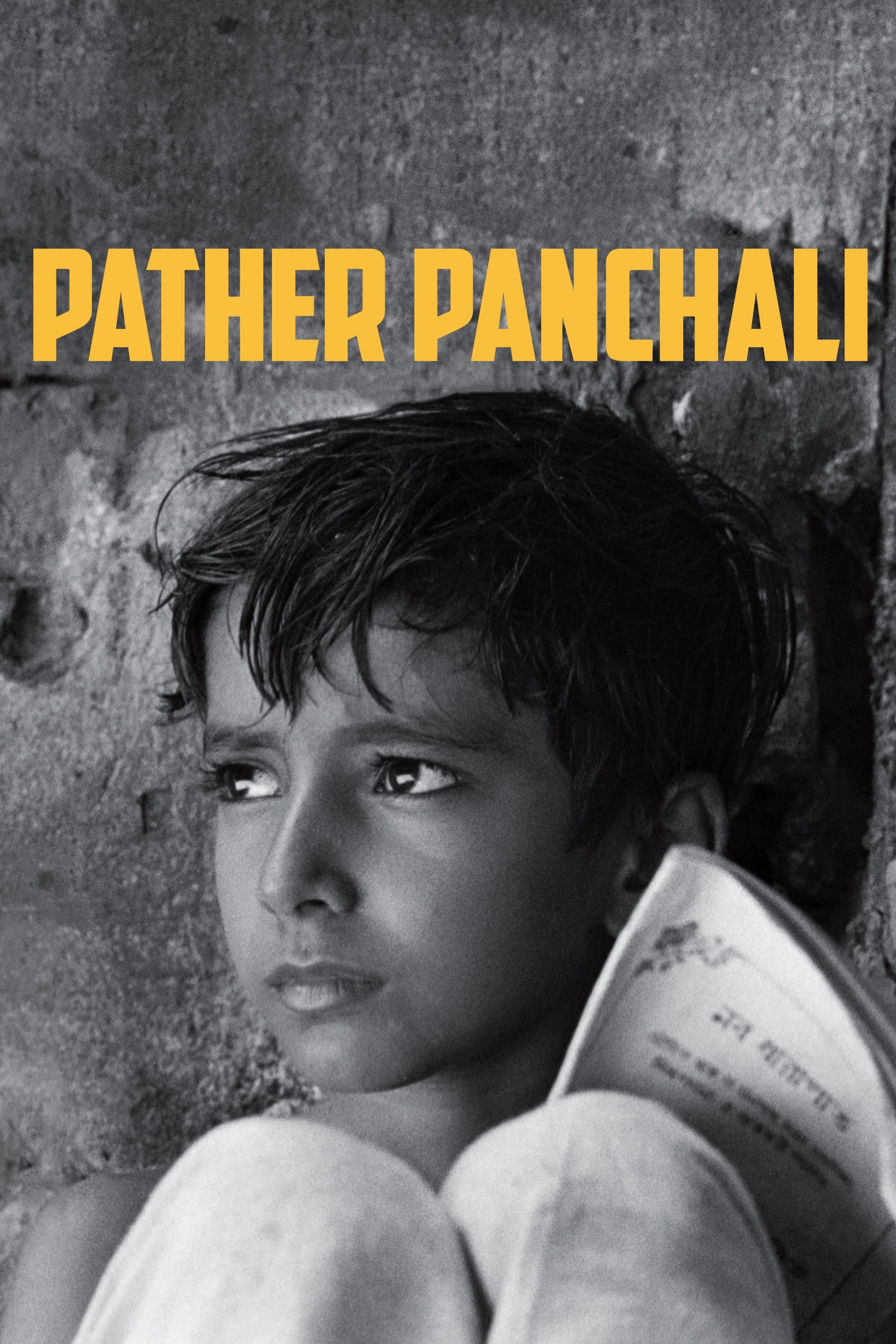
Pather Panchali

1955 · Family hardship seen through children, with more room for curiosity and ordinary pleasure.

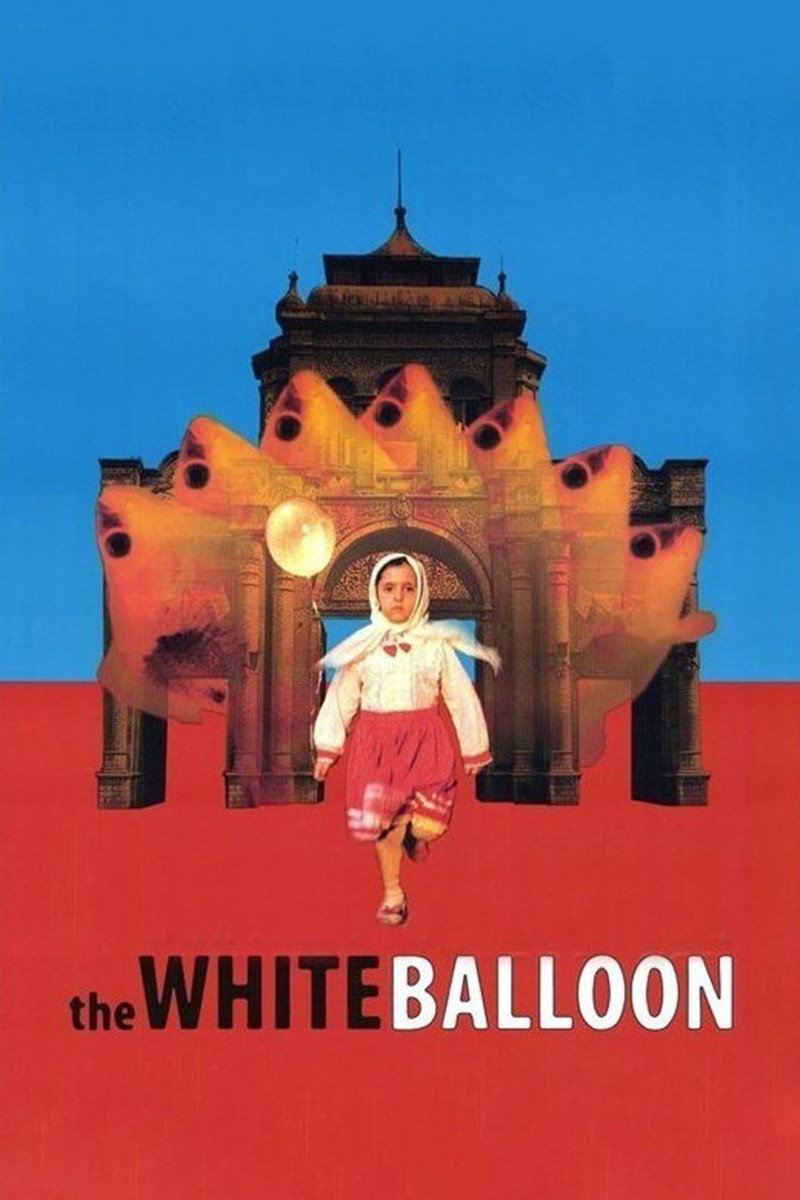
The White Balloon poster

The White Balloon

1995 · A child’s journey through the city makes adult indifference and generosity equally vivid.

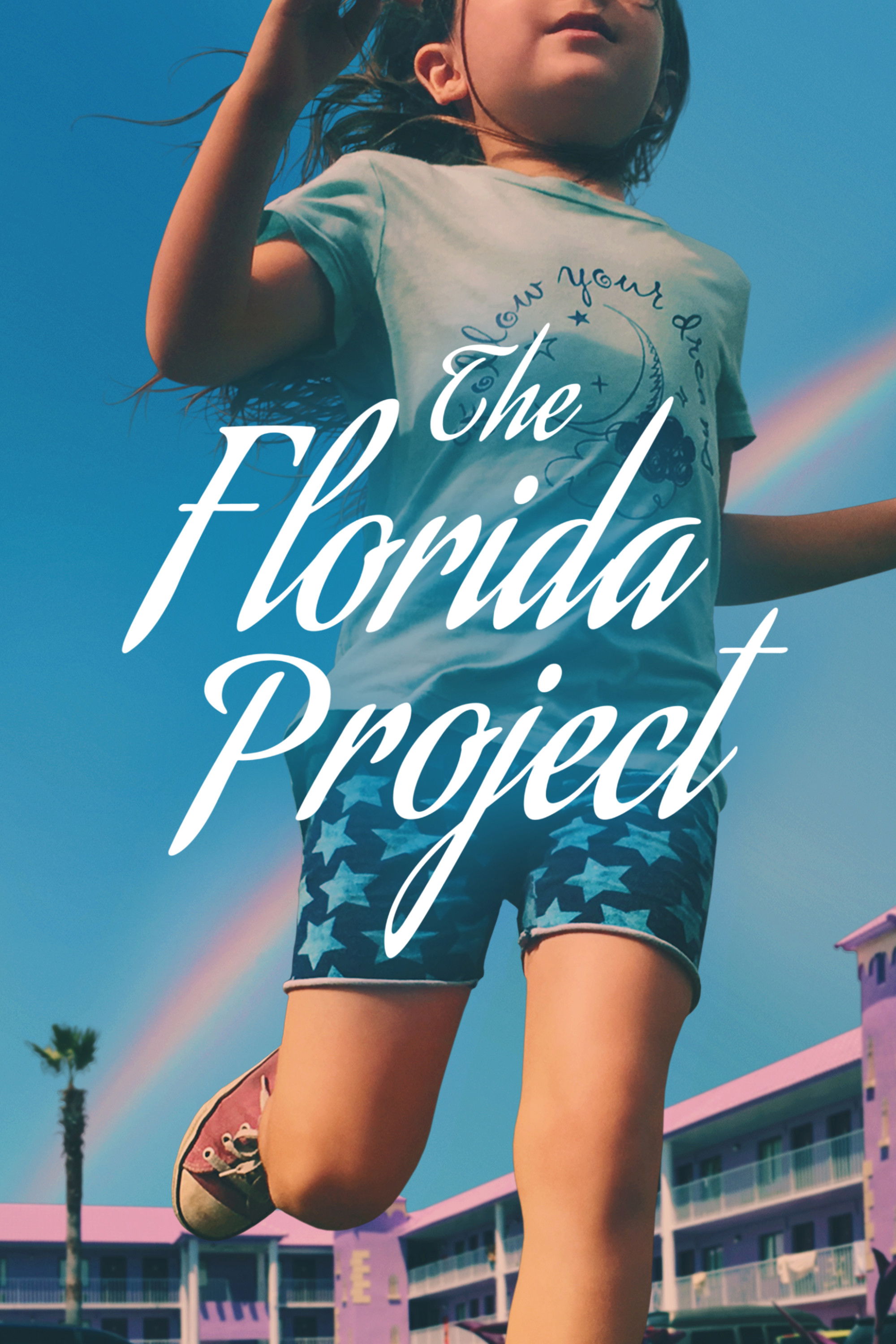
The Florida Project poster

The Florida Project

2017 · Childhood energy persists beside poverty, helped by performances that resist easy appeals for pity.