Tom Hanks makes the physical work and loneliness of survival absorbingly clear. Robert Zemeckis is less convincing when he presses for life lessons, but Cast Away earns its long silences and most of its sentiment.
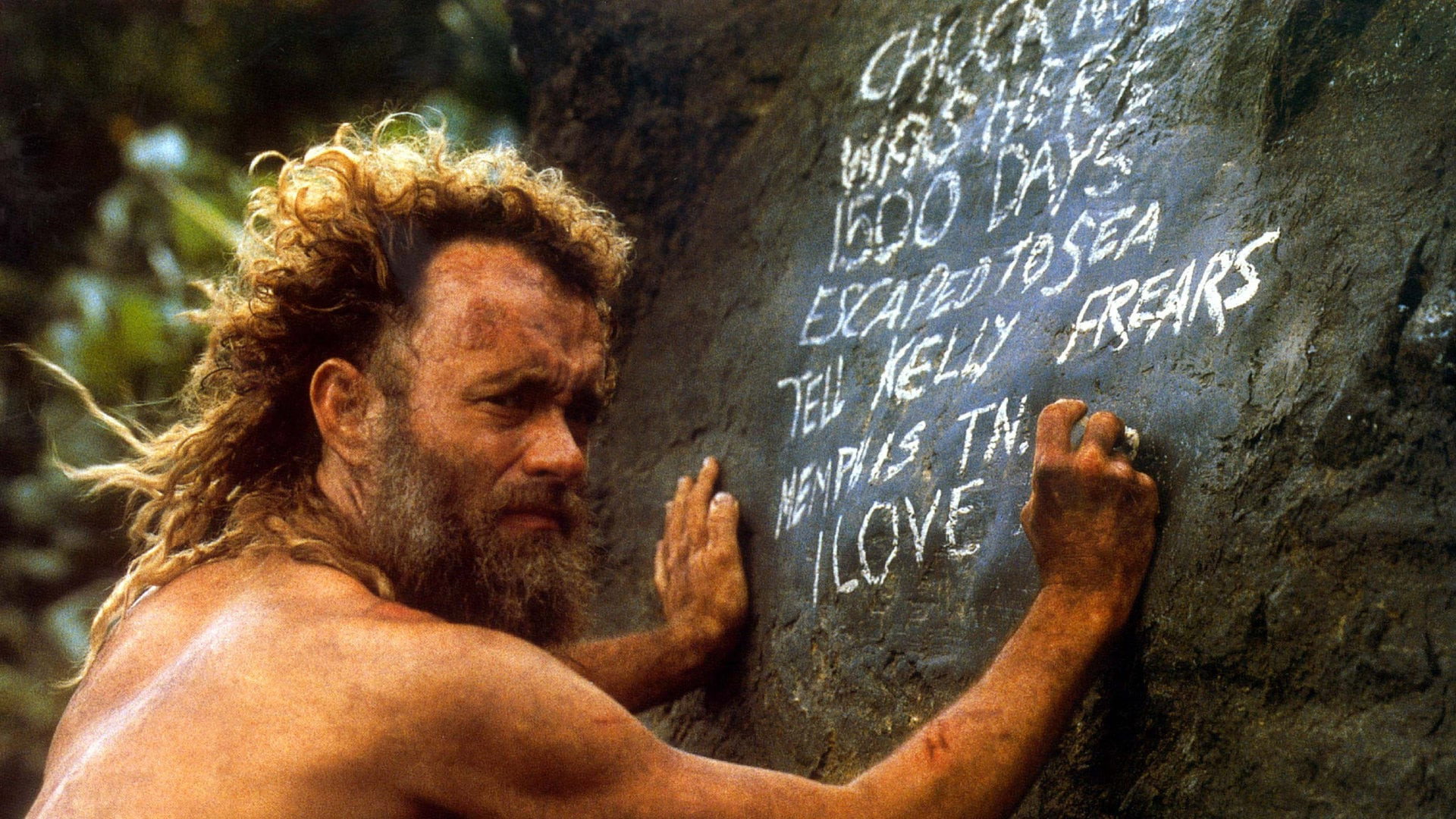
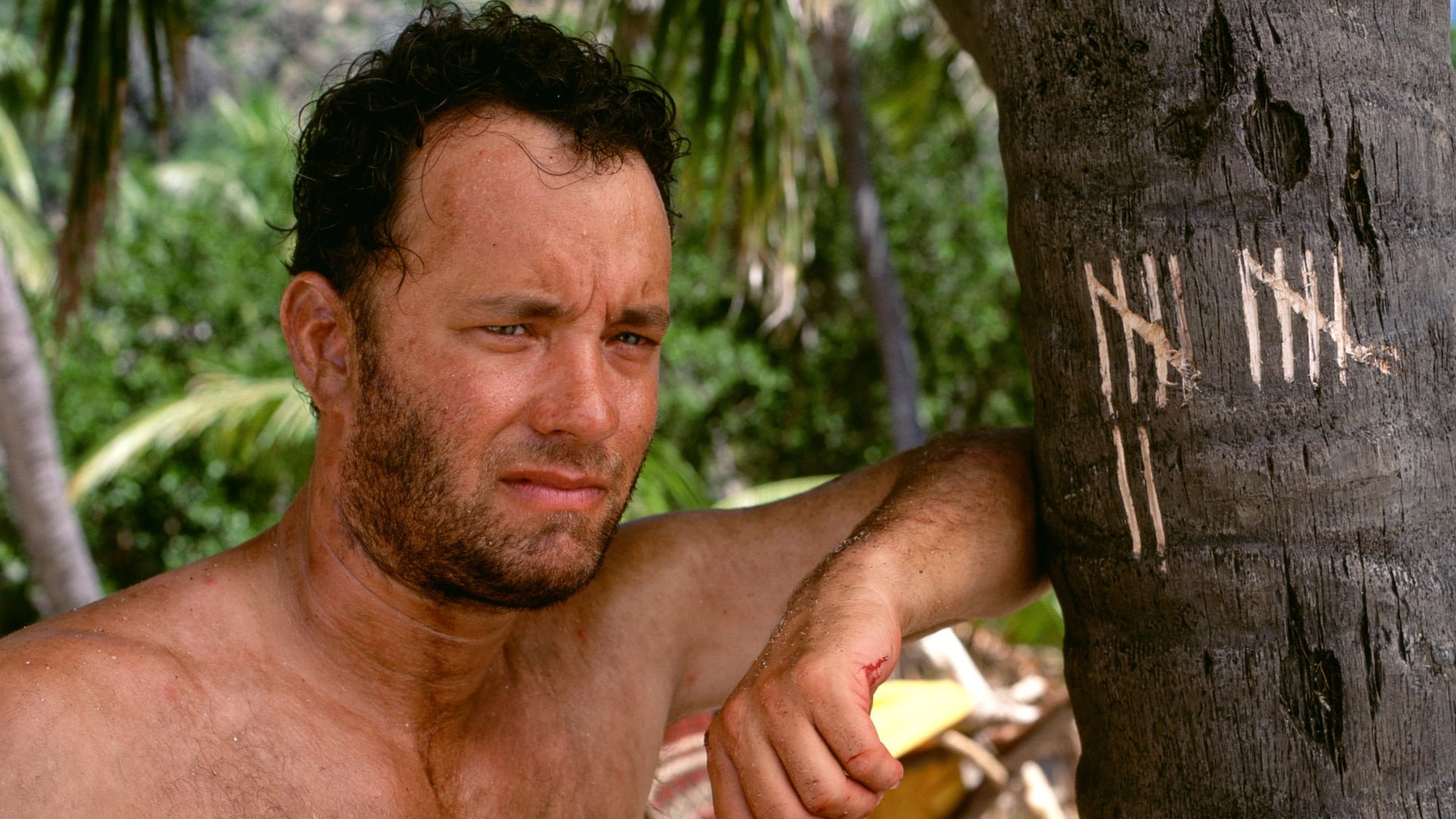
Cast Away is an absorbing survival drama, with a performance strong enough to carry it through some heavy-handed life lessons. Robert Zemeckis strands Tom Hanks on a desert island and trusts him to keep the business of getting through a day interesting. Chuck Noland’s predicament follows an aircraft crash, but the film does not need to keep finding comparable disasters to hold our attention. For much of its length, one man trying to manage without help is sufficient.
The crash is an early indication of how well Zemeckis can make physical danger register. We were frightened by it, because Hanks looks so helpless inside the disaster: we never get the comfortable sense that a capable leading man has things in hand. The staging keeps the danger clear without making it feel safely manageable. Hanks carries that vulnerability into the island scenes, where we remain conscious of how much is being asked of one body.
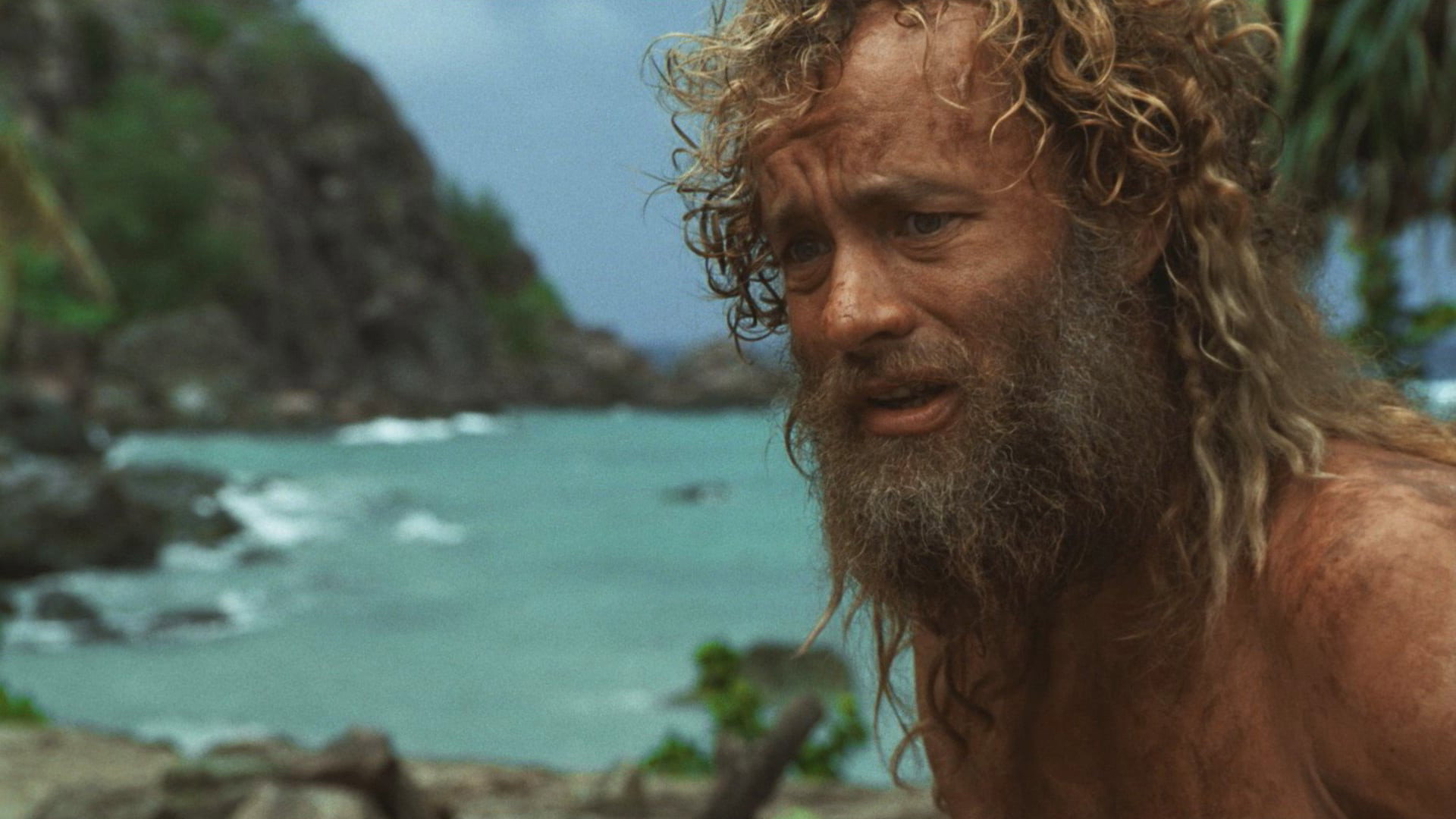
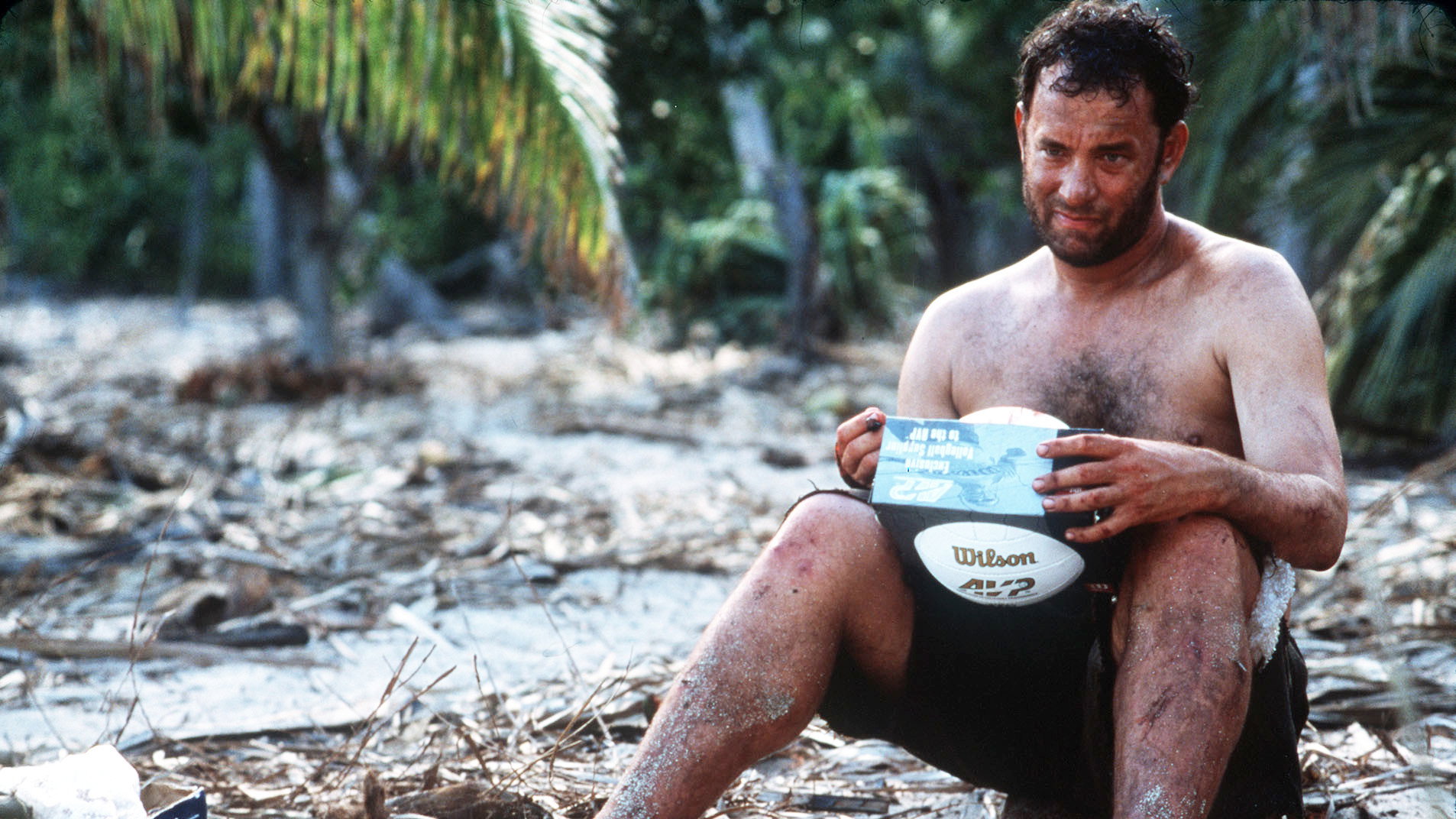
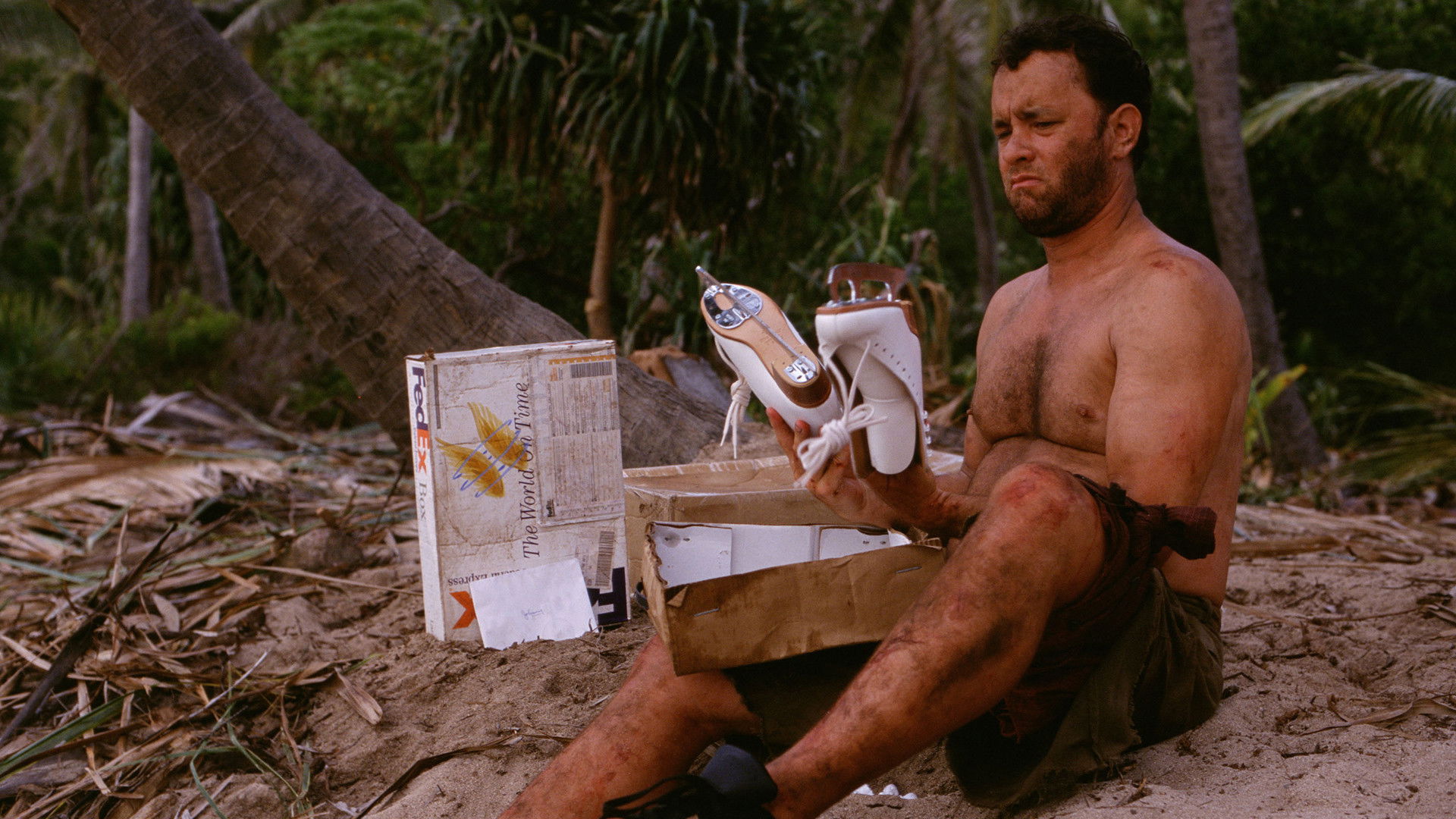
As Chuck, Hanks is particularly good at making concentration visible. His attention to a task lets us follow the work without needing somebody to explain what the scene is for. The sustained, largely wordless passages could easily become an actor asking to be admired, but he stays busy with the immediate difficulty. He allows frustration and awkwardness into the performance, too. The loneliness is affecting because we have spent time watching this man cope without the ordinary help and distraction of another person.
The island is well served by Don Burgess’s cinematography, which makes the space around Chuck feel exposing rather than inviting. We can follow the physical work without forgetting how alone he is. Rick Carter’s production design is equally important to the credibility of the improvisation: the surroundings present convincing difficulties, and the effort involved in dealing with them feels real. Neither contribution makes the island feel conveniently arranged for an adventure.
Arthur Schmidt’s editing is patient with that work, letting a task occupy a scene without hurrying towards the next crisis. This is the part of the film that feels most assured of what it has to offer. The patience occasionally becomes slackness, and the 143-minute running time leaves some stretches longer than their dramatic interest warrants. Survival adventures often hurry through this kind of labour; here it supplies much of the drama, and we would be reluctant to lose too much of it.
William Broyles Jr.’s screenplay is less persuasive when it presses the experience into a lesson about what matters in life. The symbolism feels too emphatic, as though Chuck’s isolation might otherwise strike us as a minor inconvenience. Alan Silvestri’s music supports the more openly sentimental writing, and its emotional weight is not always needed. Hanks has already made the suffering and loneliness clear. We do not need every feeling encouraged quite so firmly.
Viewers who want a brisk sequence of escapes may find the long concentration on one person trying. For us, that concentration is the reason to watch: Hanks makes frustration and persistence interesting without turning Chuck into a collection of admirable qualities. There is more sentiment than we would choose, but it does not undo that achievement. Give it an uninterrupted evening, when the small actions can receive as much attention as the crash.