Film review

Catch Me If You Can

2002 · Directed by Steven Spielberg · 2h 21m · MPA PG-13

In a sentenceWe would have cashed Leonardo DiCaprio’s cheque, which is mildly worrying

DramaCrime

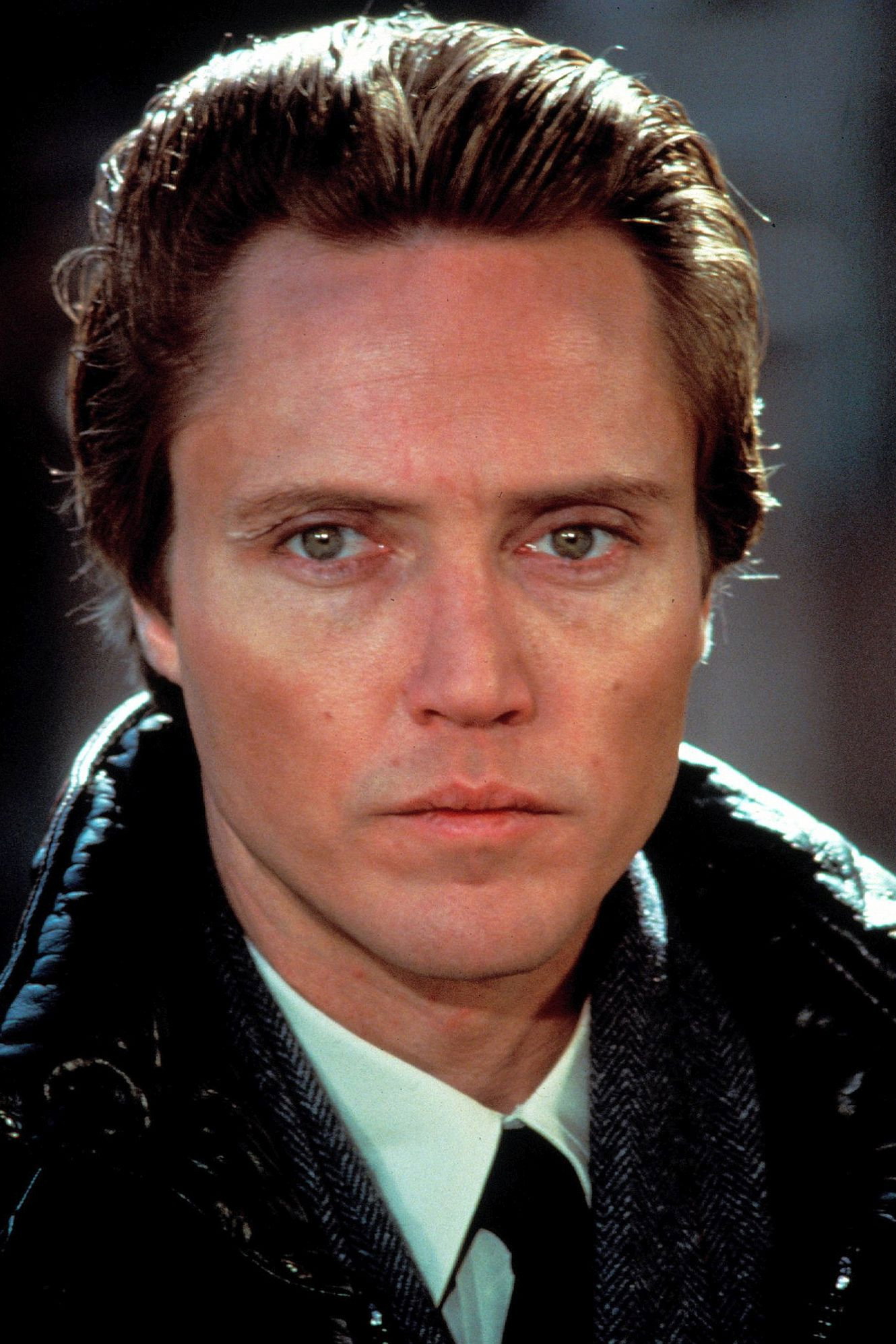
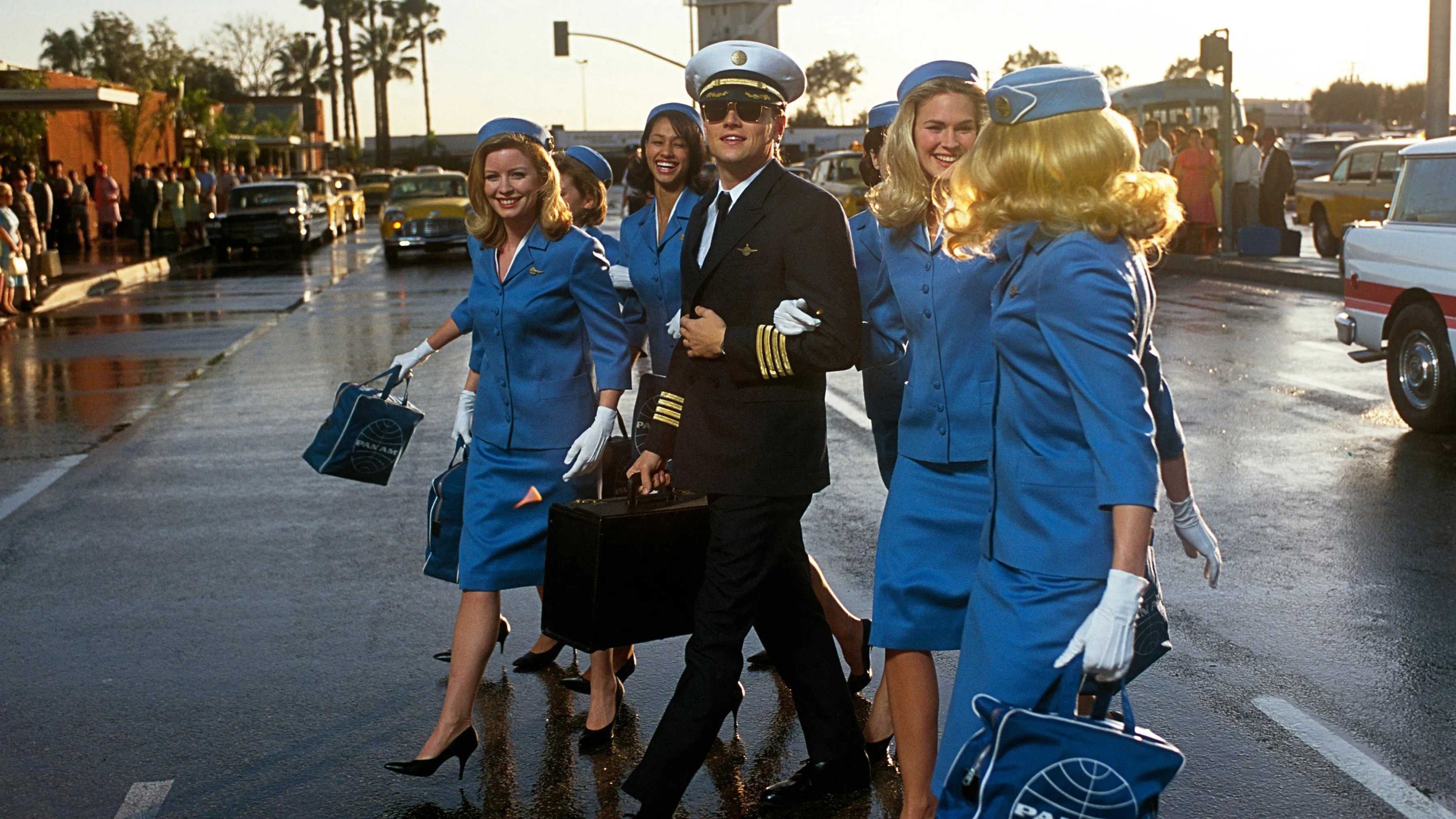
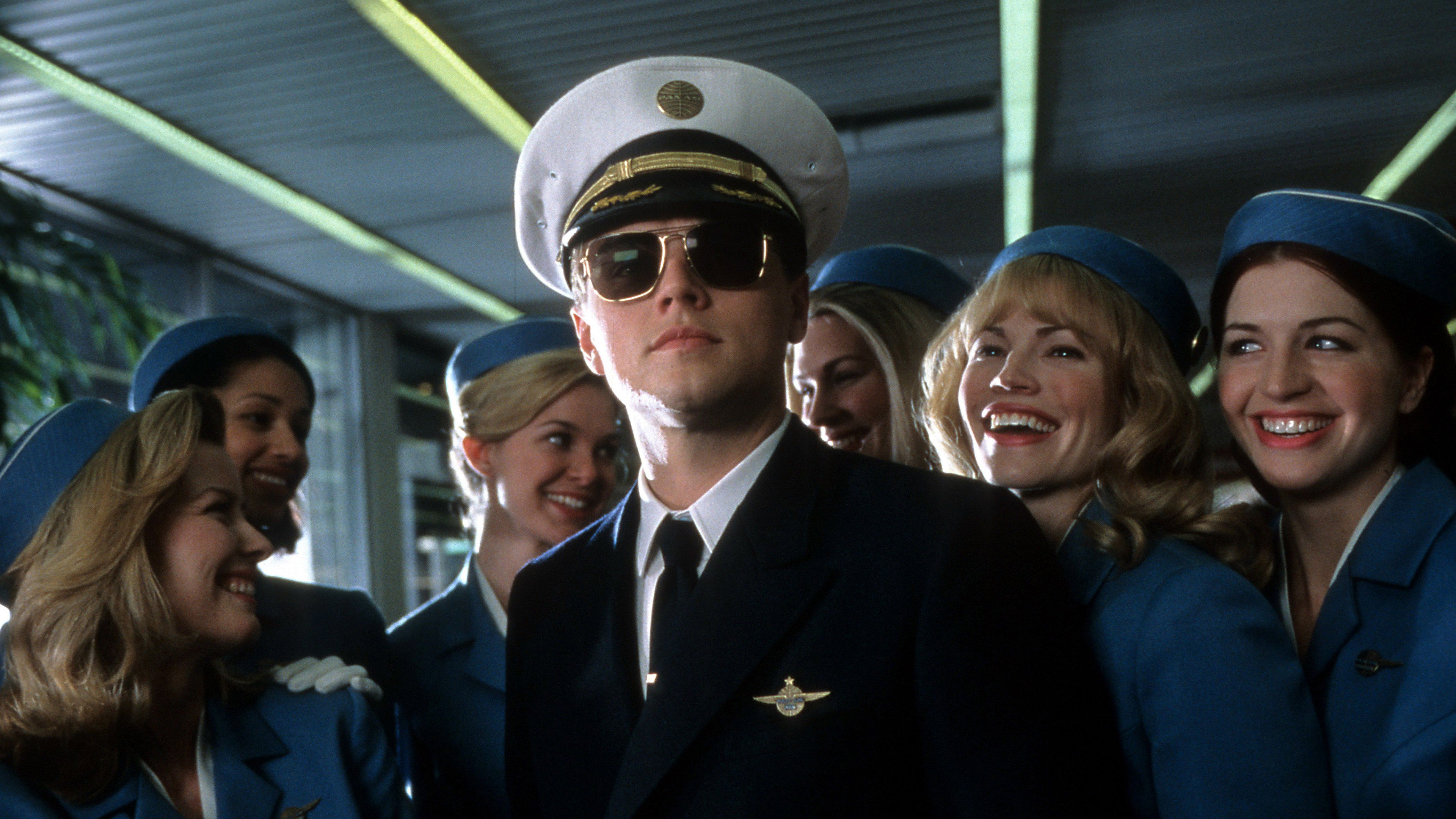
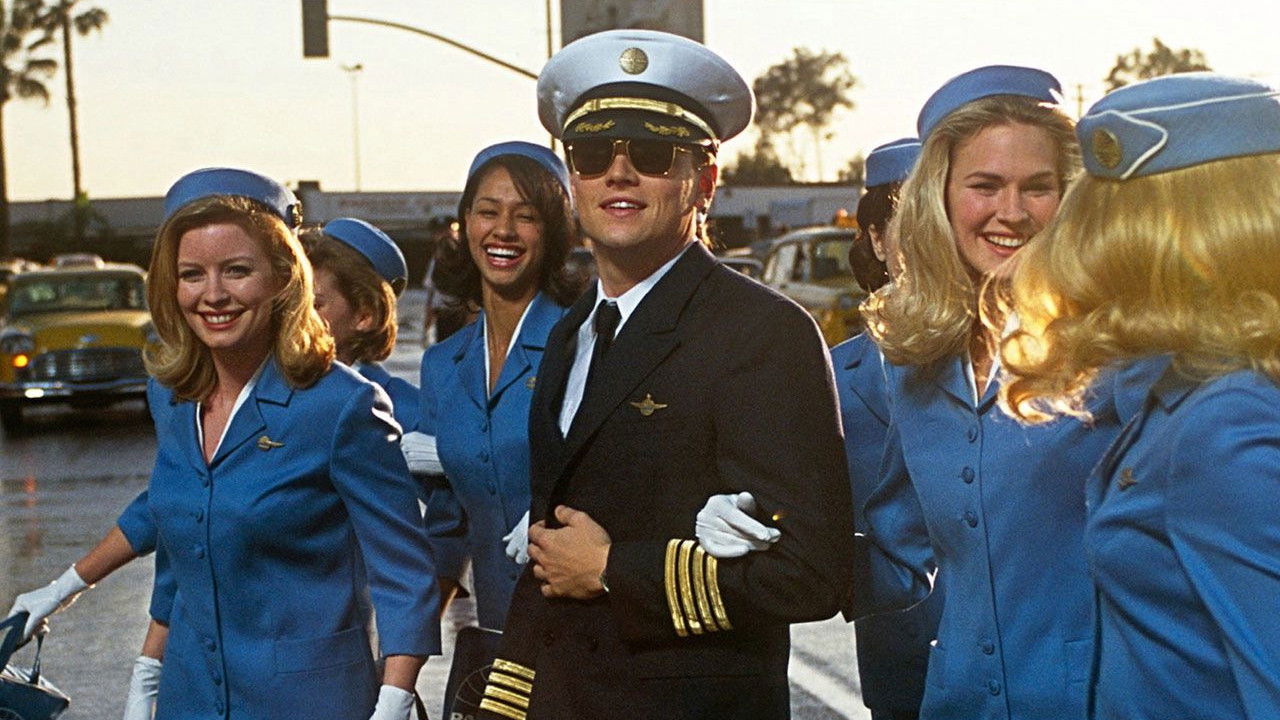
Leonardo DiCaprio plays Frank Abagnale Jr., a teenage con artist whose confidence gets him accepted in places where he has no business being. He poses as a pilot and forges cheques, using charm and quick thinking to keep his impersonation going. Tom Hanks plays Carl Hanratty, the FBI agent pursuing him, while Christopher Walken plays Frank’s father. As the pursuit continues, the film follows both the young man’s frauds and his ties to his family. Steven Spielberg directs this crime drama, with Amy Adams as Brenda Strong and Martin Sheen as Roger Strong.

Plays from YouTube when you press play; nothing loads from them until then.

Fi1m review

Steven Spielberg makes an engrossing conman comedy, with Leonardo DiCaprio supplying the charm and Christopher Walken the hurt. The pursuit is a pleasure, though 141 minutes gives the sentiment more space than it needs.

Catch Me If You Can is a funny, generous crime film, and we recommend it despite its occasional insistence on explaining feelings the actors have already made clear. Steven Spielberg asks us to enjoy a teenage conman’s nerve before considering what might drive it. Jeff Nathanson’s screenplay gives the frauds plenty of attention, but keeps returning to Frank’s family. Leonardo DiCaprio plays Frank Abagnale Jr., with Tom Hanks as the pursuing FBI agent, Carl Hanratty.

DiCaprio understands how little separates the confidence to pass as somebody else from the desperate hope of being believed. His Frank is persuasive enough to make the impersonations pleasurable, yet young enough that we remain aware of the effort involved. We laughed at how readily we accepted him as a pilot; DiCaprio’s assurance had us doing much the same work as the people being fooled. The cheque fraud gives that charm a practical use, and the performance never needs to underline how clever it is.

Hanks is useful precisely because he does not compete for that charm. His generous supporting performance makes Hanratty worth watching even when we are impatient to get back to Frank. The agent’s interest in the young man gradually matters as much as the business of catching him, without requiring either actor to advertise the change. In a caper, the pursuer can become a nuisance between the enjoyable bits; here, we are happy to spend time with him.

Walken’s Frank Abagnale is the strongest reason to take the family scenes seriously. He gives the father enough warmth for us to understand the son’s attachment, while allowing the relationship to remain uncomfortable. Spielberg and Nathanson occasionally push the explanation too far, as though a family connection could account for every deception. Walken does more useful work by making the father’s importance felt without asking us to settle everything we think about him.

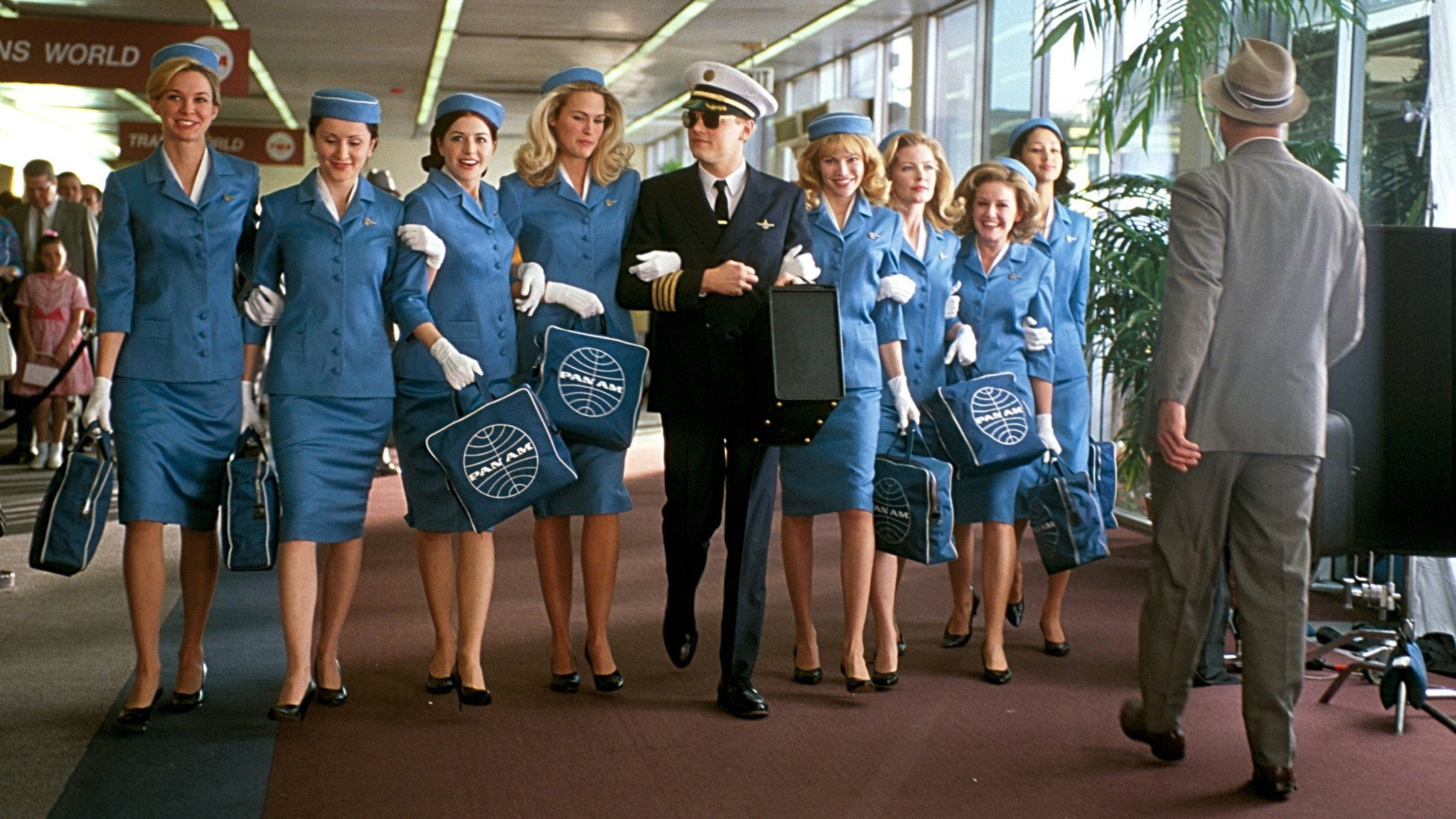
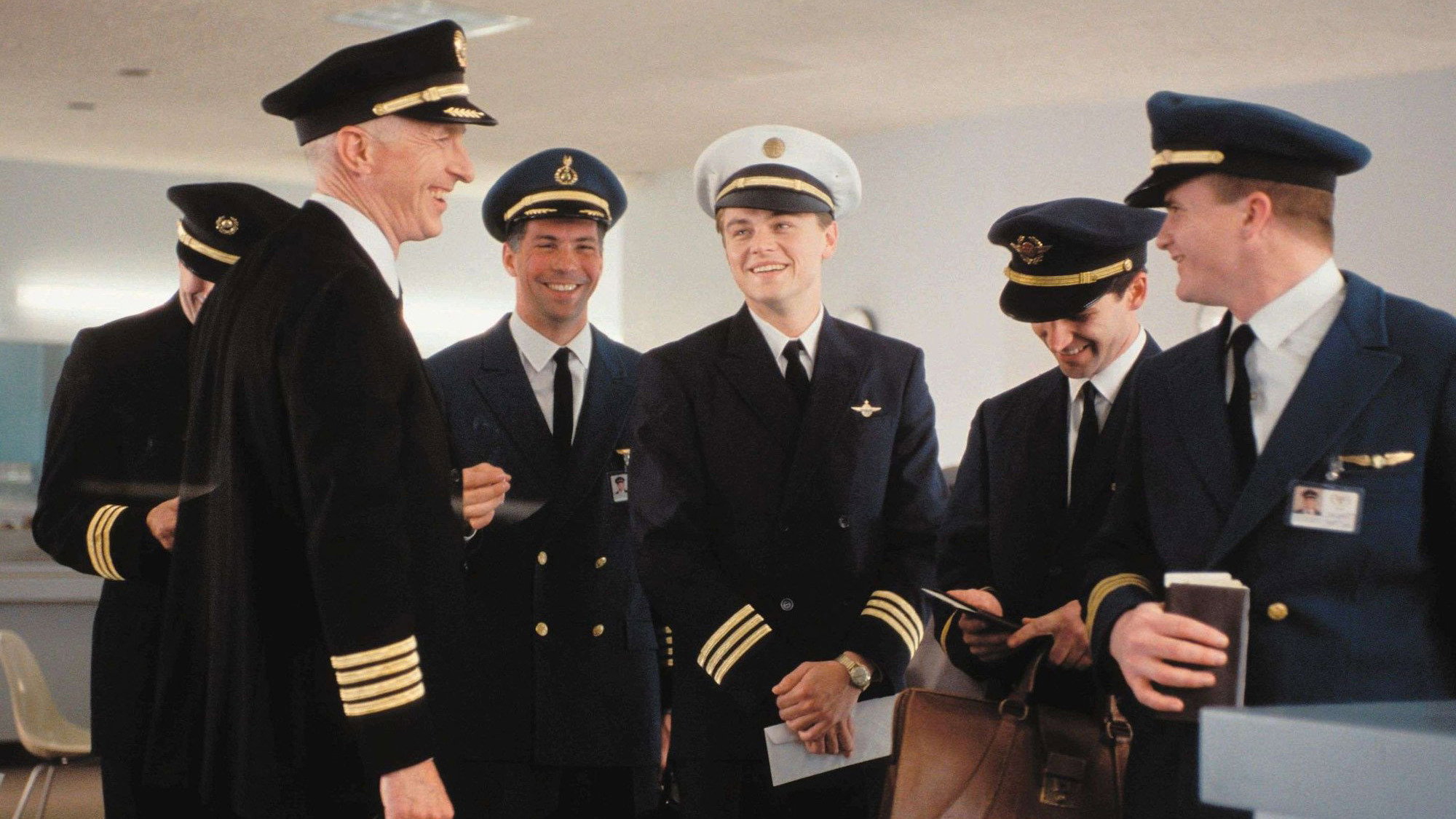
Janusz Kamiński’s glossy photography makes the period settings inviting, which helps us understand why Frank wants admission to them. Jeannine Oppewall’s production design and Mary Zophres’s costumes give the 1960s settings a convincing respectability. The pilot impersonation makes the connection between appearance and authority particularly clear. The clothes and surroundings help the fraud seem possible, so the period detail keeps doing useful work even while we are enjoying looking at it.

John Williams’s jazz score makes the chase playful without draining away its suspense, and the animated opening credits establish that lightness early. Michael Kahn’s editing keeps the impersonations moving briskly enough that their success feels plausible while we are watching. The problem is the accumulation: at 141 minutes, the film has more business than it needs. Individual passages remain lively, but the urge to include another detail gradually makes us notice how long we have been following Frank.

Caper films often treat skill as sufficient reason to like a thief. Spielberg wants us to care about this one, and his actors make that attachment feel earned even when the script presses too hard. We would happily choose their company again. Just do not choose it for a quick watch before bed.

Critical consensus AI synthesised

73
Positive
7
Mixed
2
Negative
0

Most critics find Catch Me If You Can a stylish, buoyant caper, with praise centred on Leonardo DiCaprio’s charm and the ease with which he carries the impersonations. Hanks and Walken also draw strong notices, while the period detail, elegant camerawork and jaunty score help make the chase consistently enjoyable. Several reviews find more feeling beneath the polished surface than its light tone initially suggests, particularly in the father-son relationships.

The reservations concern length, sentimentality and how much the film reveals about its protagonist. The spread runs from enthusiastic approval to qualified admiration, with no outright rejection: even the cooler reviews acknowledge the performances and polish. The family material produces the clearest disagreement. Empire sees it as a source of emotional depth and unexpected darkness, whereas Screen Daily argues that the family emphasis and moral reassurance take the sting out of the conman’s behaviour.

Empire
· Mark Dinning
85*

The review finds the film a deeply moving, wonderfully acted coming-of-age black comedy that is more sophisticated and darker than expected. It singles out the handling of fatherhood themes and the strong ensemble cast, particularly DiCaprio, Hanks and Walken, for praise.

Read the full review →
Slant Magazine
22 December 2002 · Chuck Rudolph
85*

The critic praises Spielberg for rejuvenating himself with a sleek, frothy adventure that is original and inventive, highlighting DiCaprio's performance and the emotional depth beneath the glossy surface through strong supporting turns by Hanks and Walken. It is quick, charming, exciting, and poignant without being obvious.

Read the full review →
Radio Times
★★★★ · Ian Freer
80

Praises the stylish slice of effortless entertainment with DiCaprio's movie-star charisma, Hanks' generous supporting turn, Walken's superb performance, great period detail and directorial class. Notes some sentimentality intruding but overall calls it one of Spielberg's most purely enjoyable movies.

Read the full review →
The Independent
28 January 2003
80*

The review calls it a light yet rich conman caper that is visually and thematically delightful from its animated credits onward. It praises the integrated imagery, jazz score and the way the chase nourishes both the conman and the pursuing FBI agent.

Read the full review →
The Hollywood Reporter
16 December 2002 · Kirk Honeycutt
75*

The critic views the film as a lighter change of pace for Spielberg, a breezy caper evoking late-1950s and early-1960s movies with its innocent tone and con-artist antics. It is briskly paced with strong lead performances but runs long due to including too many story details.

Read the full review →
The Guardian
2 February 2003 · Philip French
70*

The critic finds the film amusing and high-spirited as a lighthearted true tale of a teenage con man, but notes it is overly complicated in structure, too long, and fails to explore the protagonist's character in depth.

Read the full review →

Cast

Stills

Awards

Academy Awards, 2003

Nominated
Best Original Score
Nominated
Best Supporting Actor

If you liked this, try…

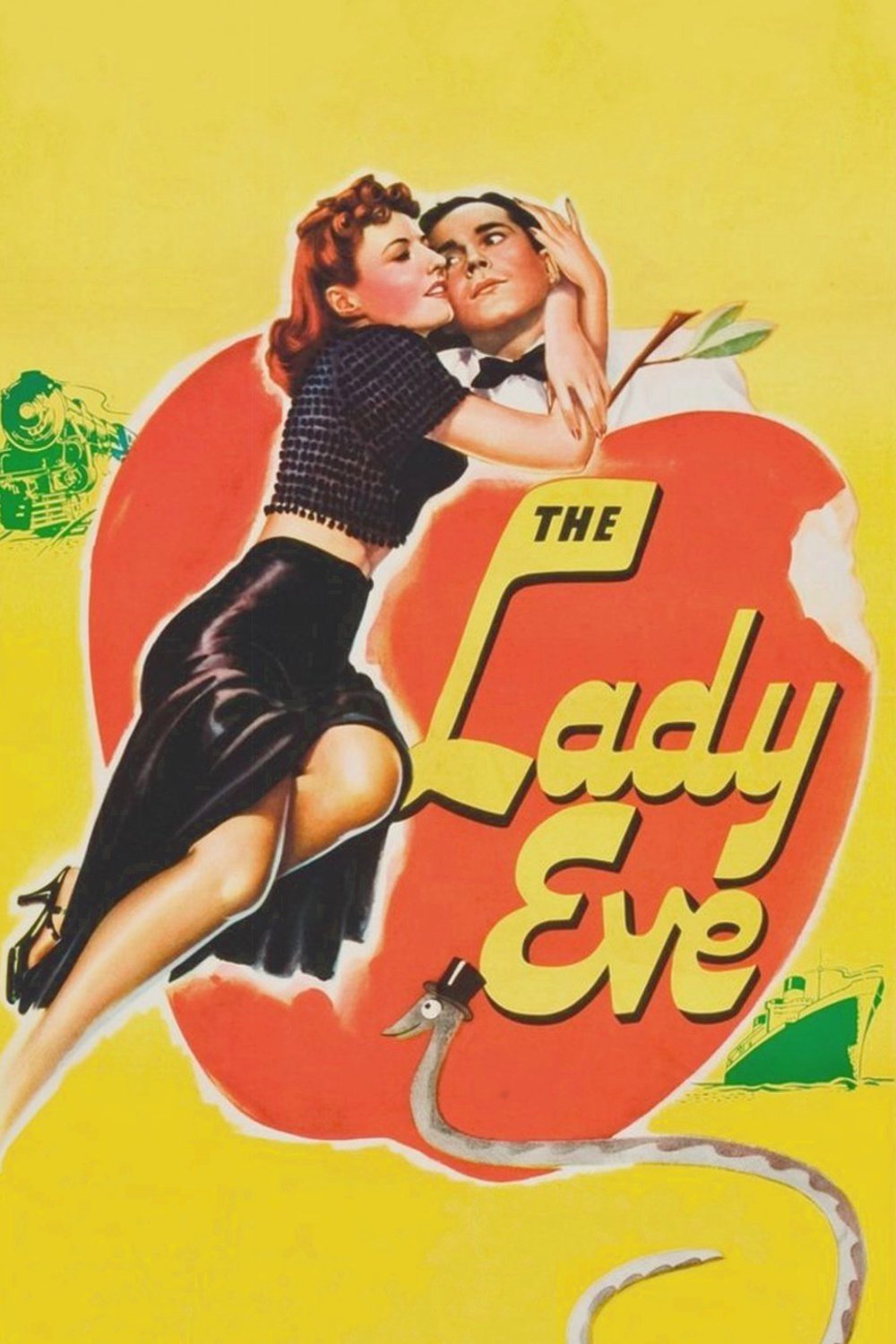
The Lady Eve poster

The Lady Eve

1941 · For another fraud whose charm makes good judgement seem an inconvenience.

Paper Moon poster

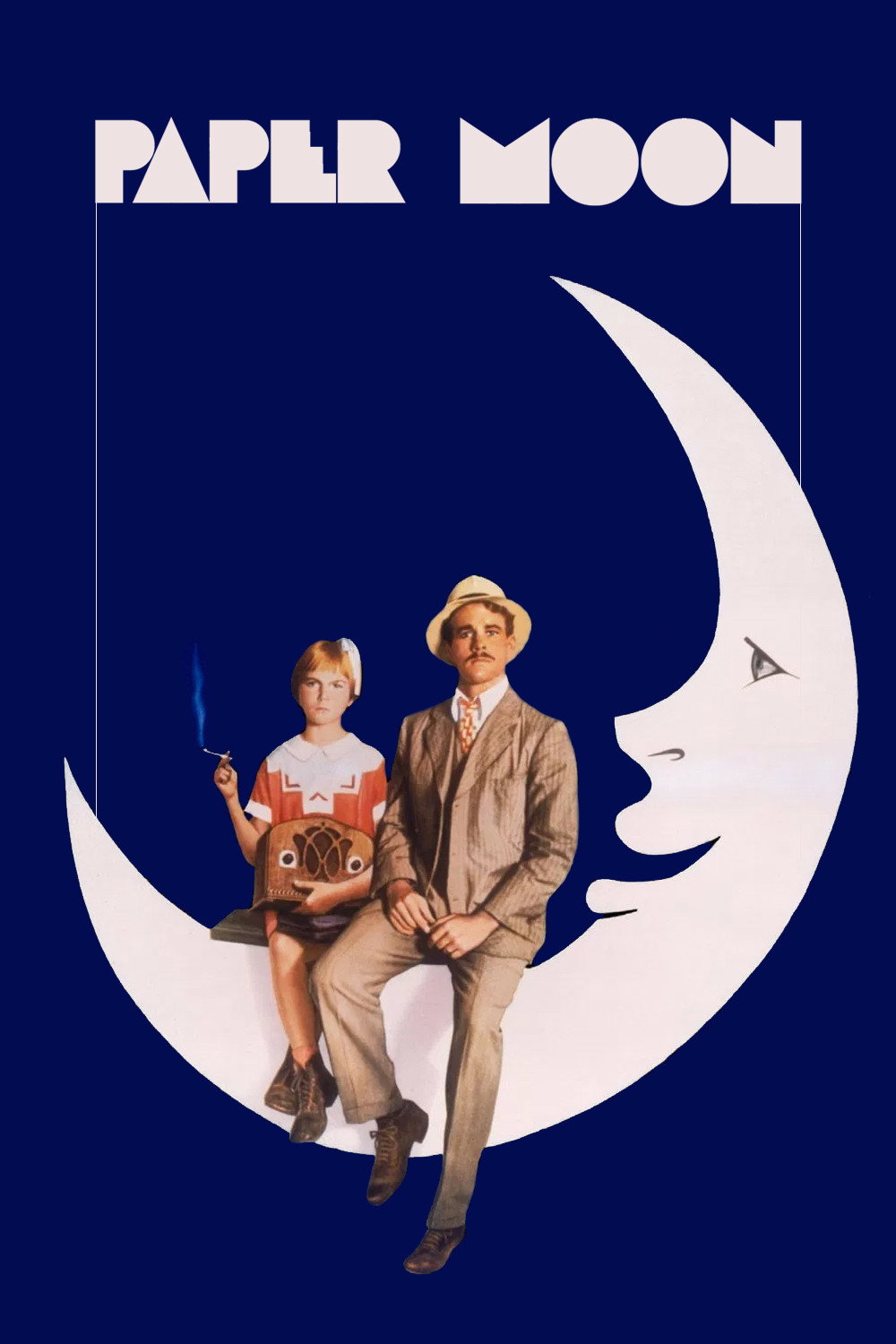
Paper Moon

1973 · Another young swindler, with family feeling that never quite becomes respectable.

Nine Queens poster

Nine Queens

2000 · Two conmen test each other’s nerve in a brisk, suspicious partnership.

The Talented Mr Ripley poster80

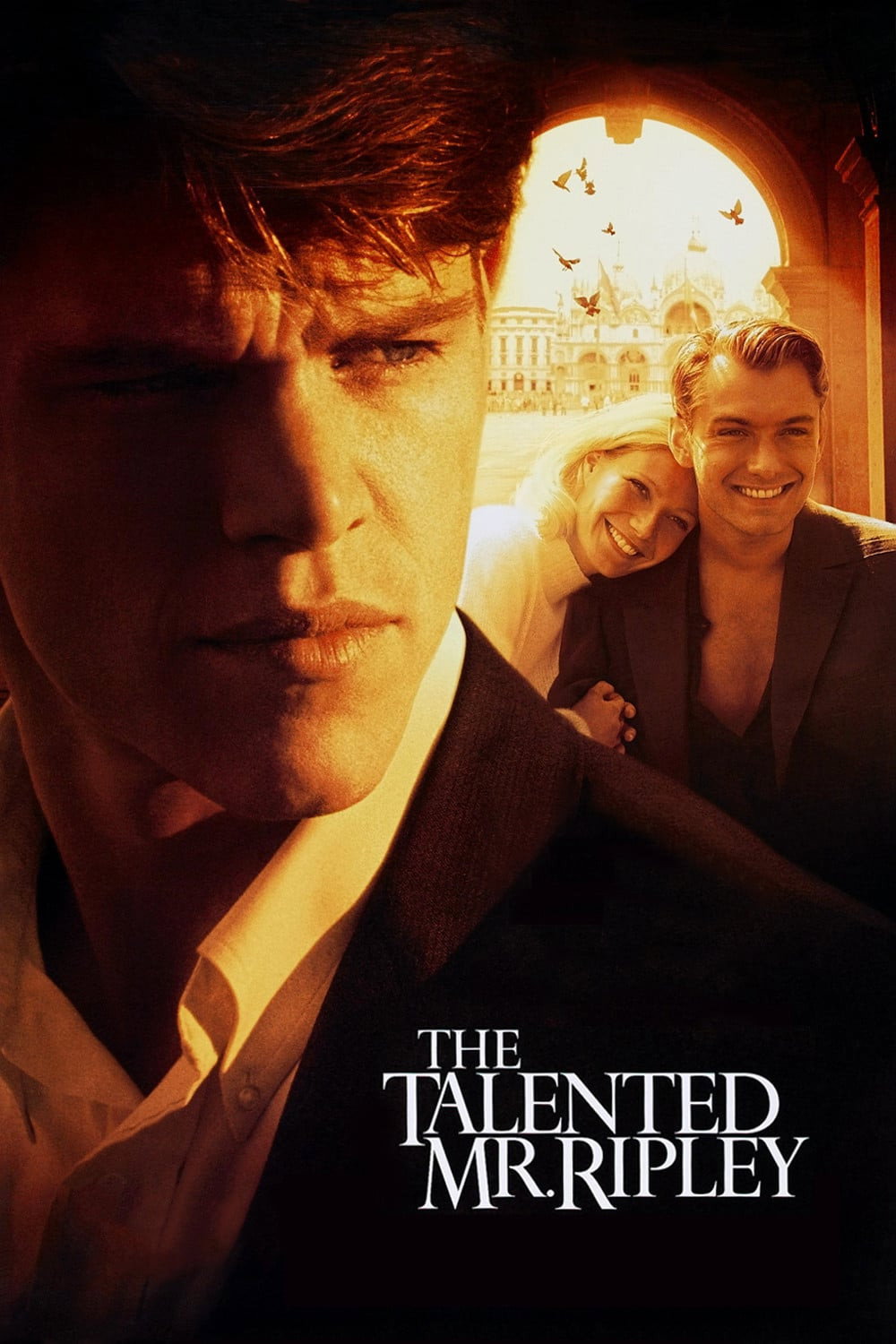
The Talented Mr Ripley

1999 · For a colder look at impersonation and the hunger to belong.

The Imposter poster

The Imposter

2012 · A documentary about impersonation that makes the desire to believe deeply uncomfortable.