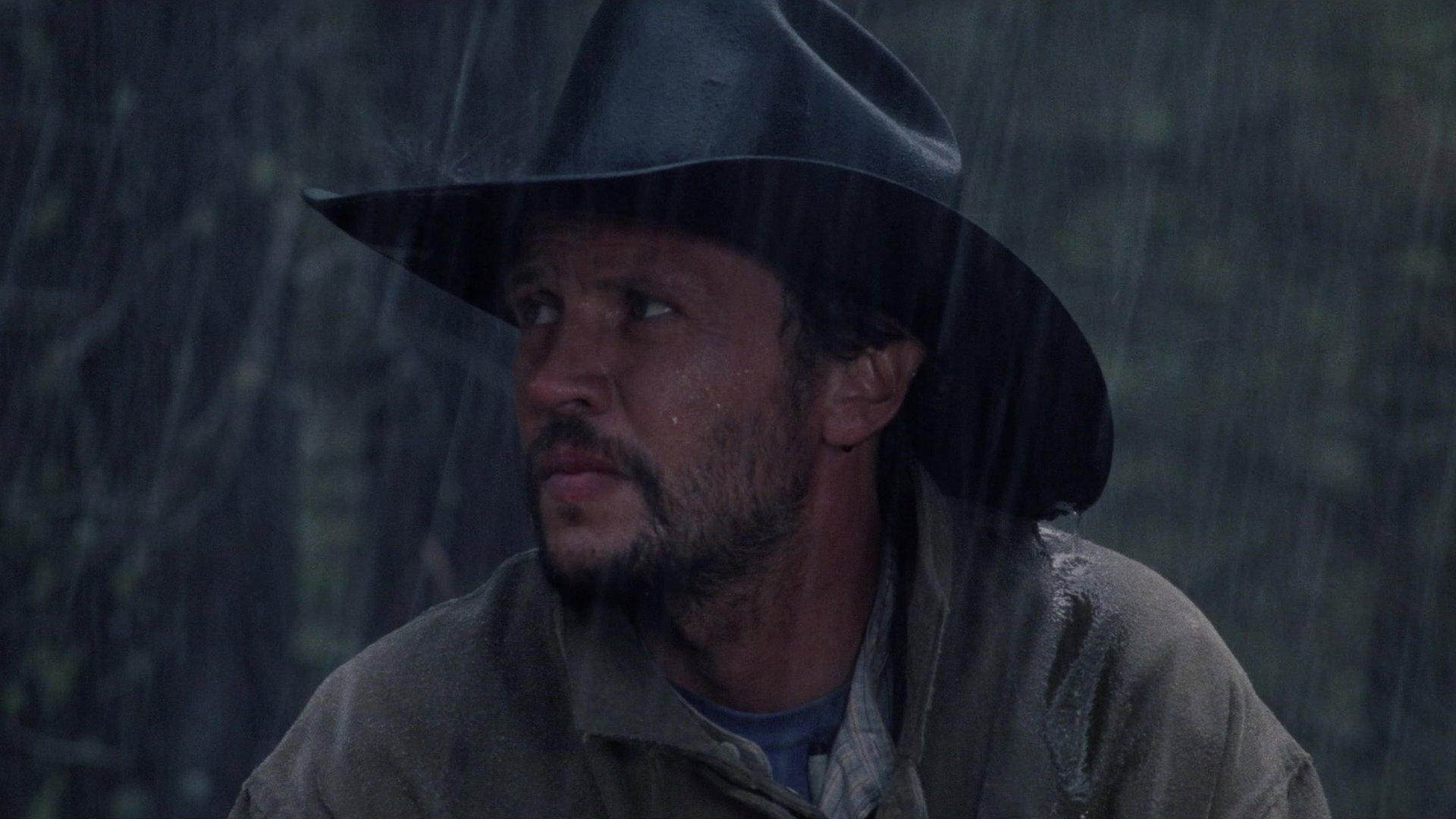
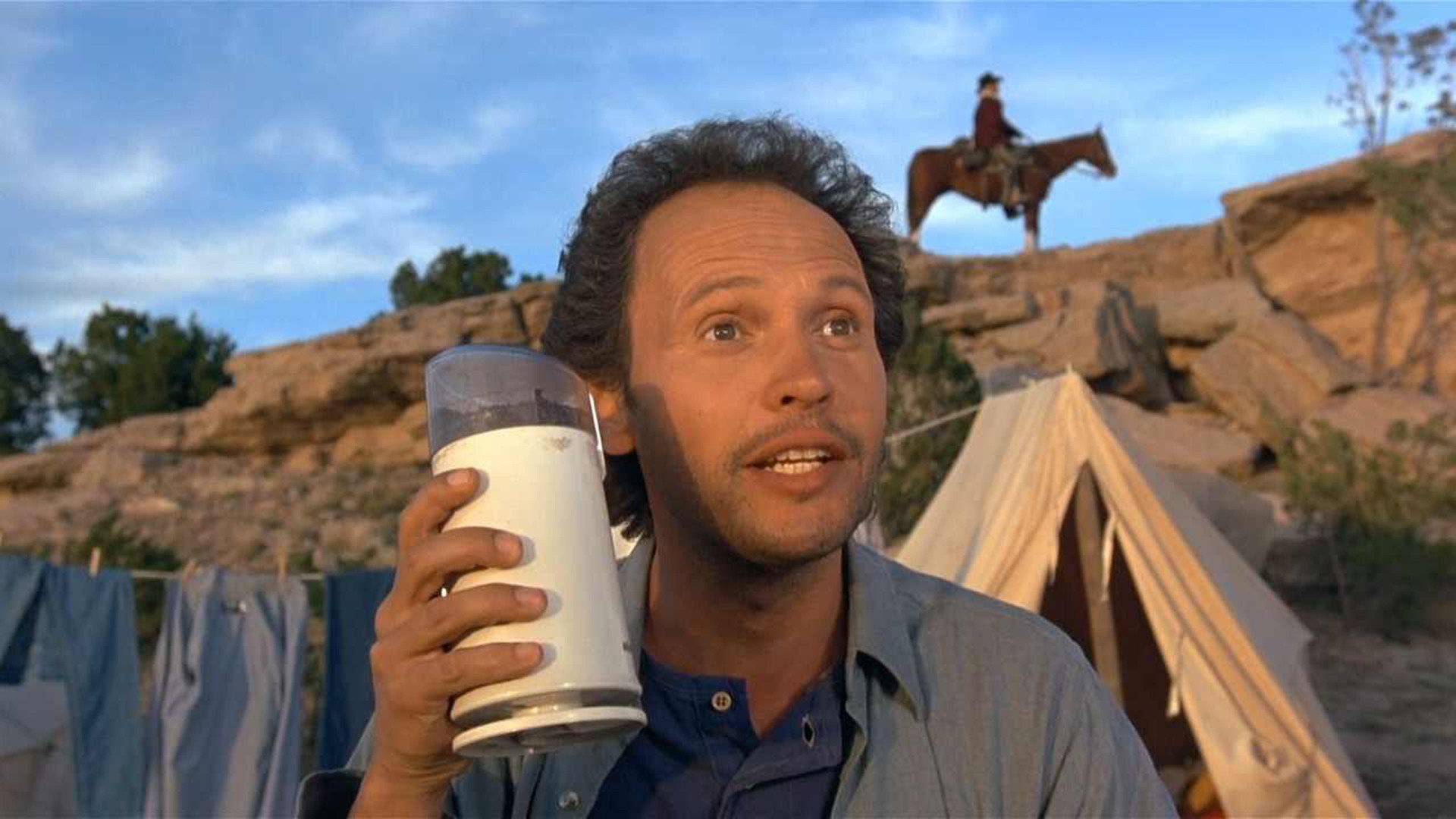
Billy Crystal and Jack Palance make this cattle-drive comedy worth the trip. Ron Underwood handles the western adventure with care, though the script talks too earnestly about feelings the actors have already made clear.
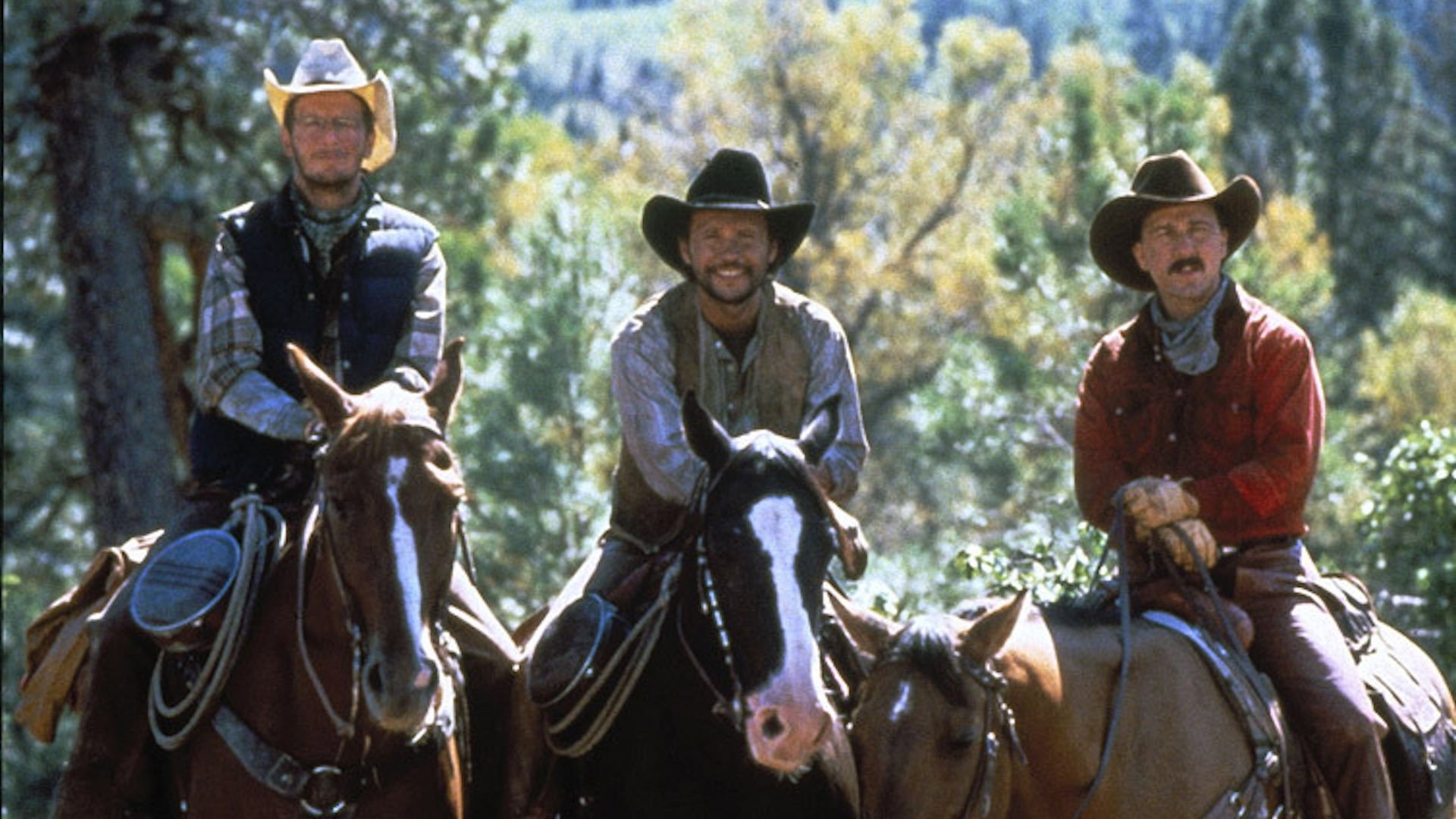
Ron Underwood’s City Slickers is a good comedy with a familiar weakness: it grows solemn about problems its jokes have already made perfectly clear. Sending three dissatisfied city friends on a cattle drive gives it enough practical embarrassment to keep middle-aged regret from becoming an evening’s homework. For much of the film, the combination works. The friendship is easy to believe, and the western adventure is treated with enough care to be worth following.
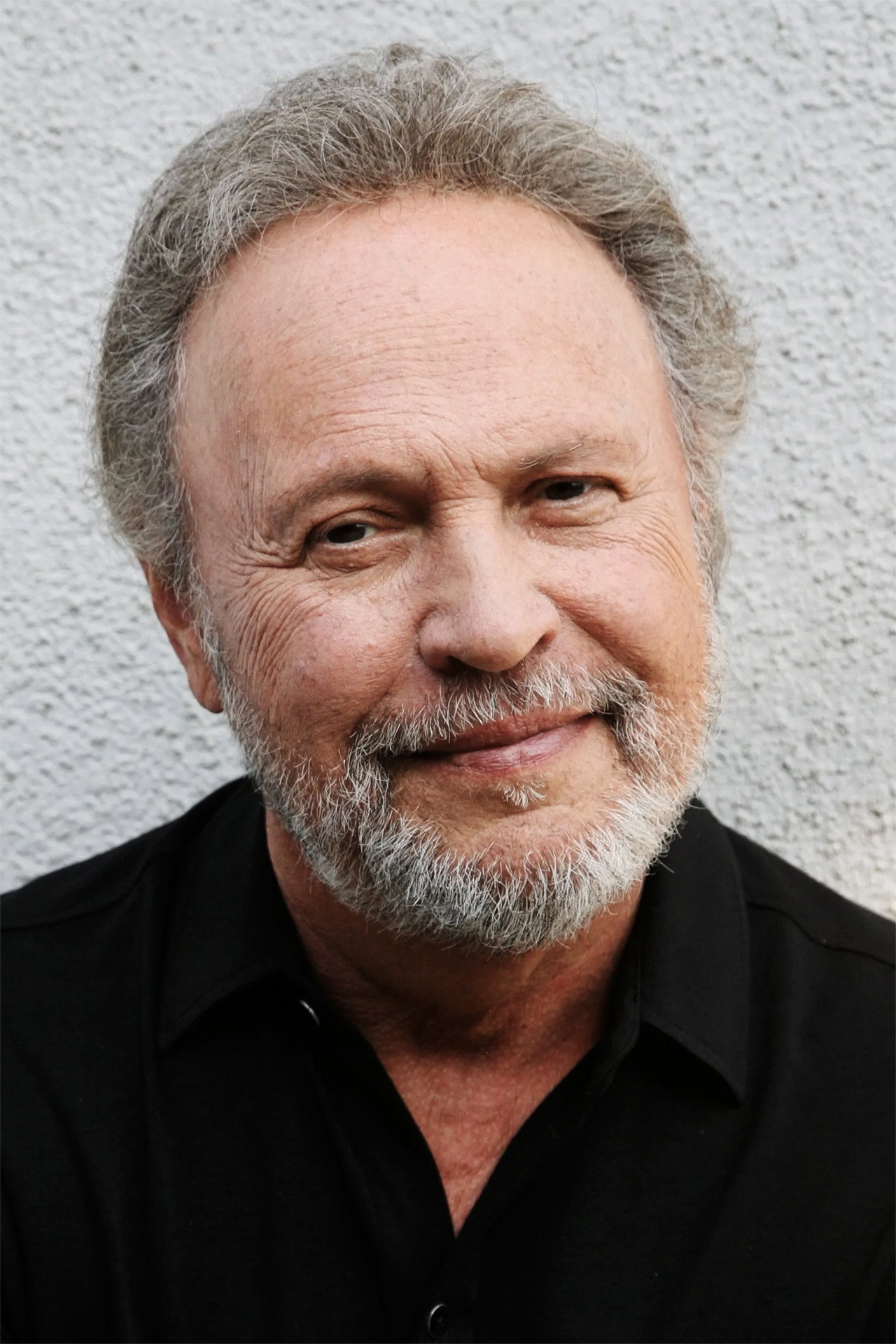
Billy Crystal plays Mitch Robbins as a man whose quickness cannot quite keep his discontent out of view. We laughed at his early lecture on ageing, then felt unexpectedly sorry for him. The jokes suggest someone who has thought about getting older far more than is good for him, and Crystal allows that worry to remain audible. Writers Lowell Ganz and Babaloo Mandel give him plenty to say, though they are sometimes too ready with the next quip.
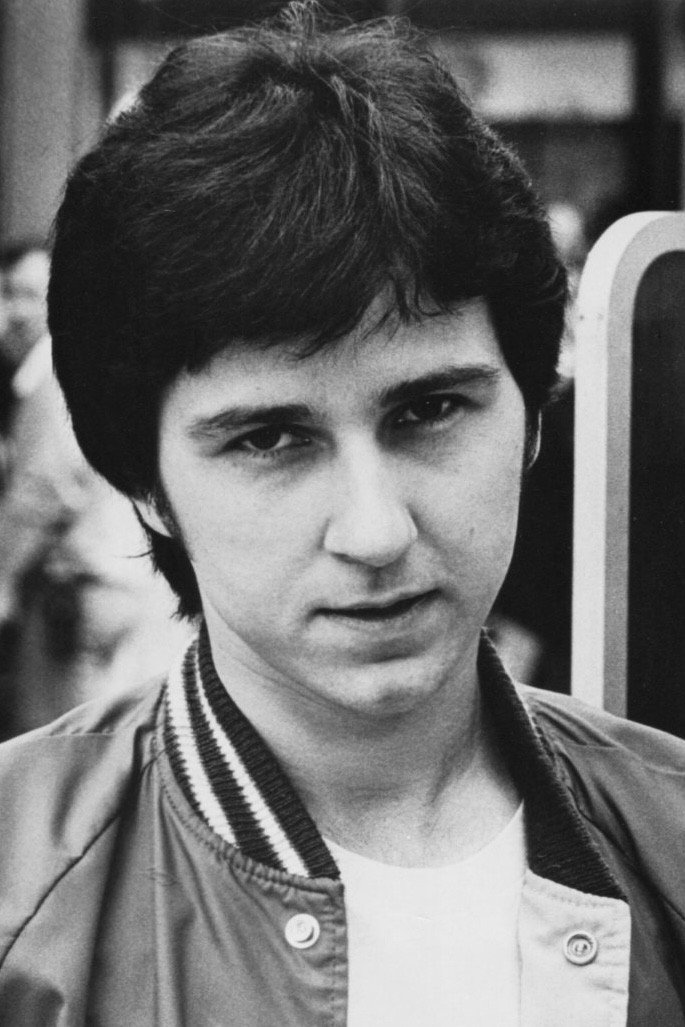
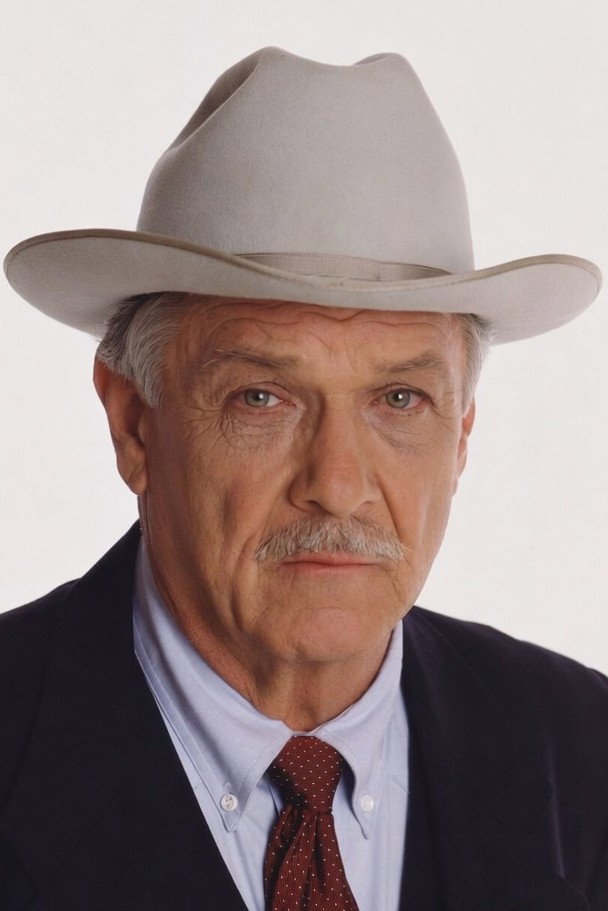
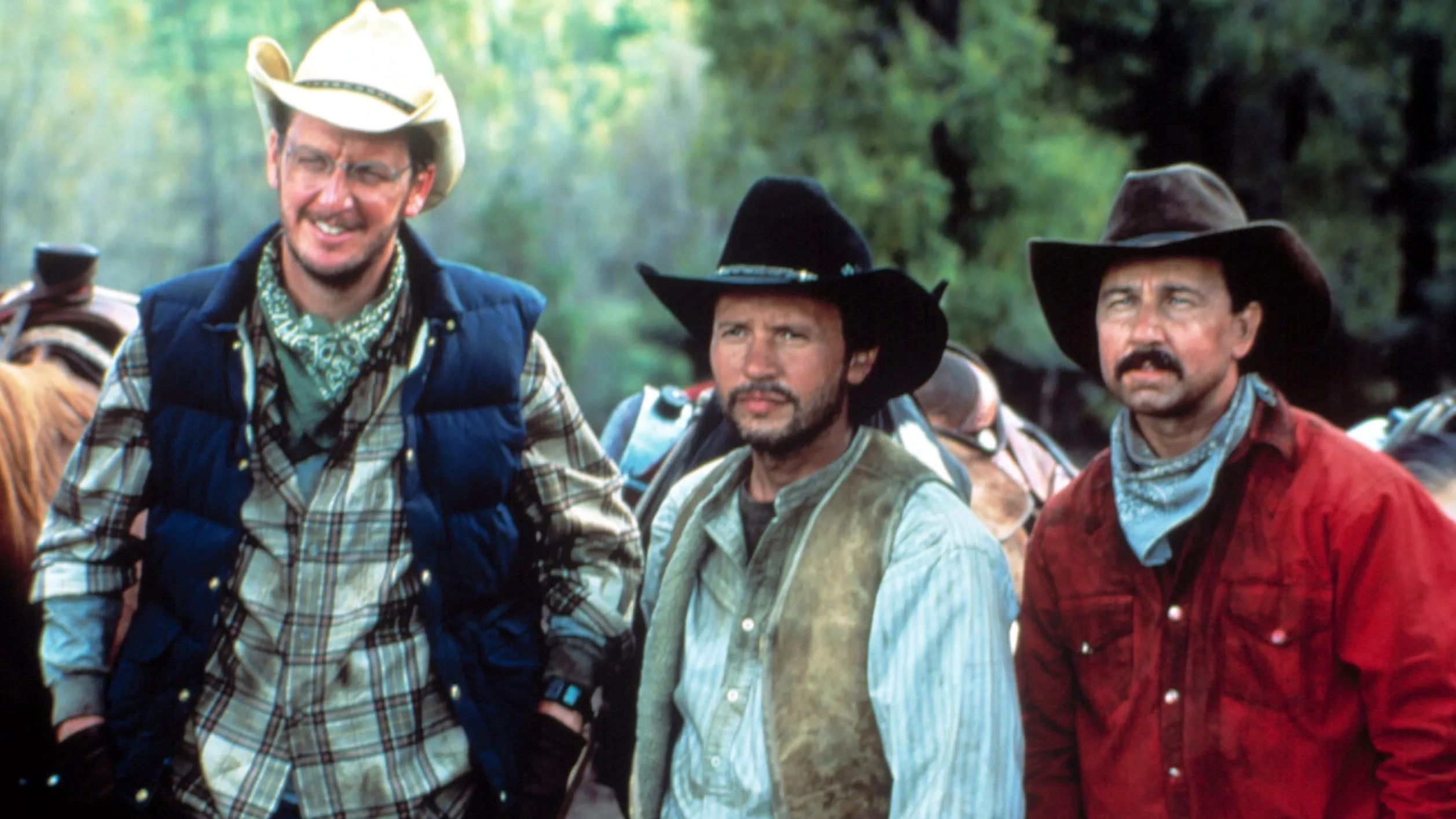
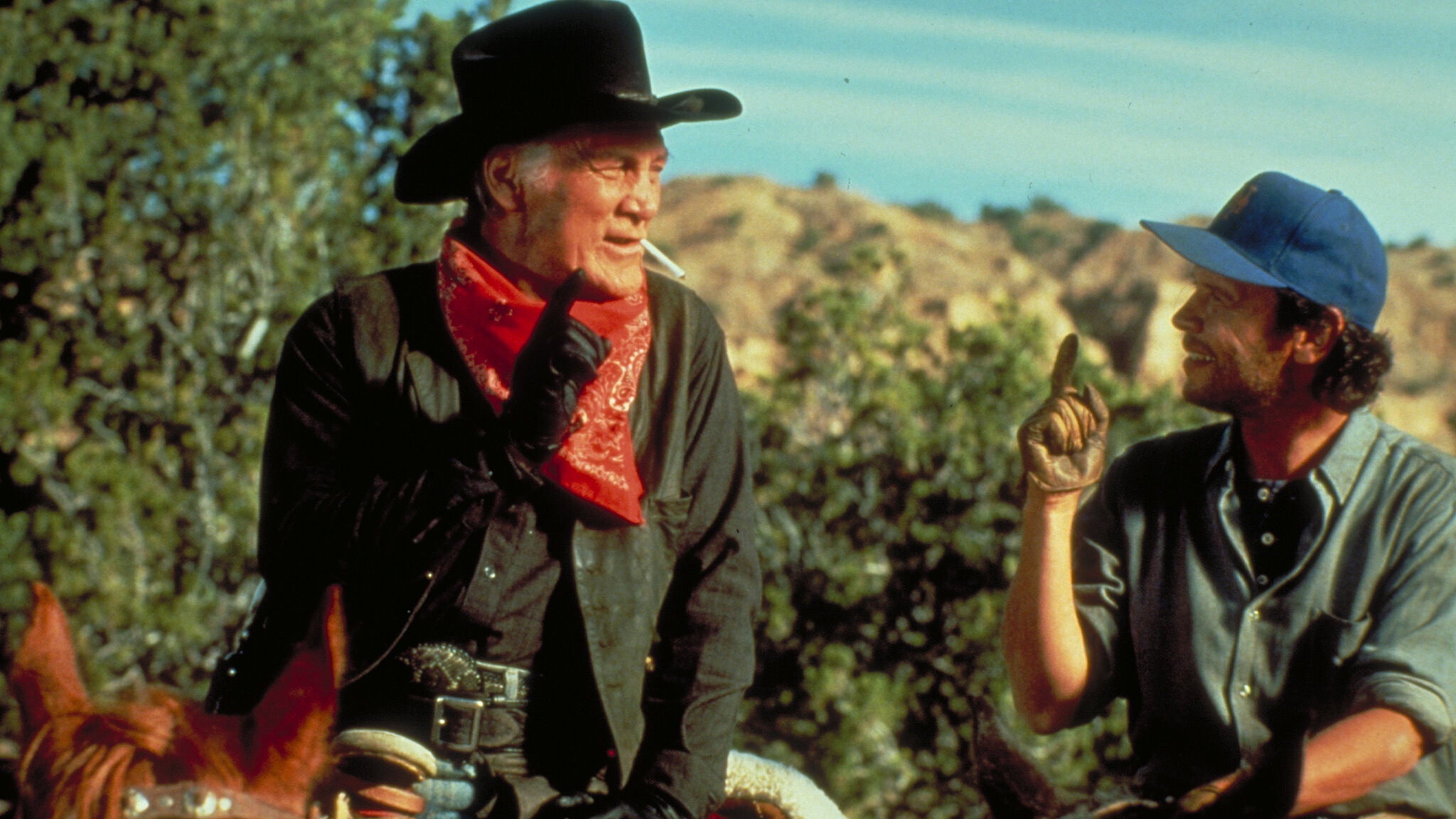
Daniel Stern’s Phil Berquist and Bruno Kirby’s Ed Furillo help make the friendship convincing without requiring us to believe these men have solved anything by travelling together. The banter has the slight weariness of friends who know each other’s routines. Jack Palance, as Curly Washburn, is the cast’s most economical source of amusement. Underwood gets good comic mileage from placing him alongside Crystal, whose busier delivery suddenly seems even busier.
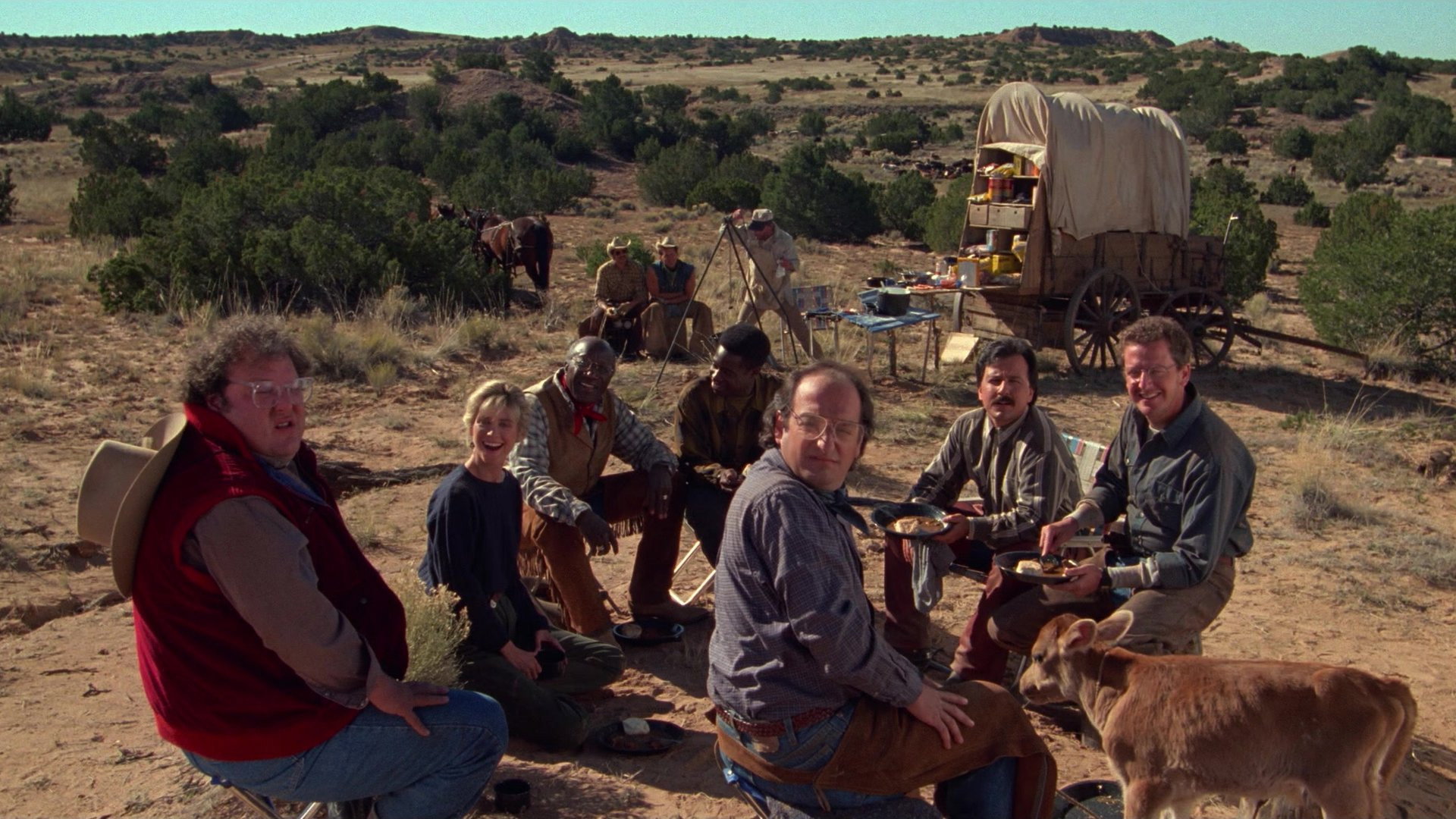
Dean Semler’s photography gives the cattle drive enough scale to make the men’s fretting look faintly ridiculous. The western setting is allowed to be attractive even when the visitors are having difficulty enjoying it. Lawrence G. Paull’s production design makes the ranch convincing as a place of work, which helps establish how far the newcomers are out of their depth.
O. Nicholas Brown’s editing keeps the exchanges brisk, though the rhythm becomes predictable when another wisecrack arrives just where the previous one did. There is less room for surprise than the lively performances initially promise. Marc Shaiman’s score supplies a welcome appetite for the western adventure. It helps Underwood play the cattle drive as an undertaking worth taking seriously, which matters if we are to care about the men attempting it.
The difficulty comes when Ganz and Mandel start spelling out what the holiday means. Their observations about dissatisfaction and renewal are reasonable enough, but reasonable advice does not automatically make an interesting scene. The film repeats itself whenever it pauses to explain the value of friendship after Stern, Kirby and Crystal have already persuaded us of it. A little less explanation would have helped.
The pleasure of this sort of comedy-western is watching ordinary men cope badly with things the genre’s heroes barely notice. Underwood understands that, and the performers make the embarrassment companionable. The film would be better if it trusted its actors to carry more of the emotional work. Come for Crystal and Palance, and allow for a few speeches that could have stayed back at the ranch.