Cliffhanger earns its thrills through climbing, height and forceful action, with Sylvester Stallone a solid centre. The dialogue is poor and the noise sometimes excessive, but Renny Harlin makes the mountain danger convincing enough to recommend it.
Renny Harlin’s Cliffhanger is a good action thriller whose climbing is considerably more persuasive than its dialogue. It has enough physical suspense to survive some poor writing, though the exchanges between characters are rarely as interesting as their next move across the mountain. Harlin understands the simple appeal of watching someone find a foothold where there appears to be none. He is less reliable when everyone stops to talk.
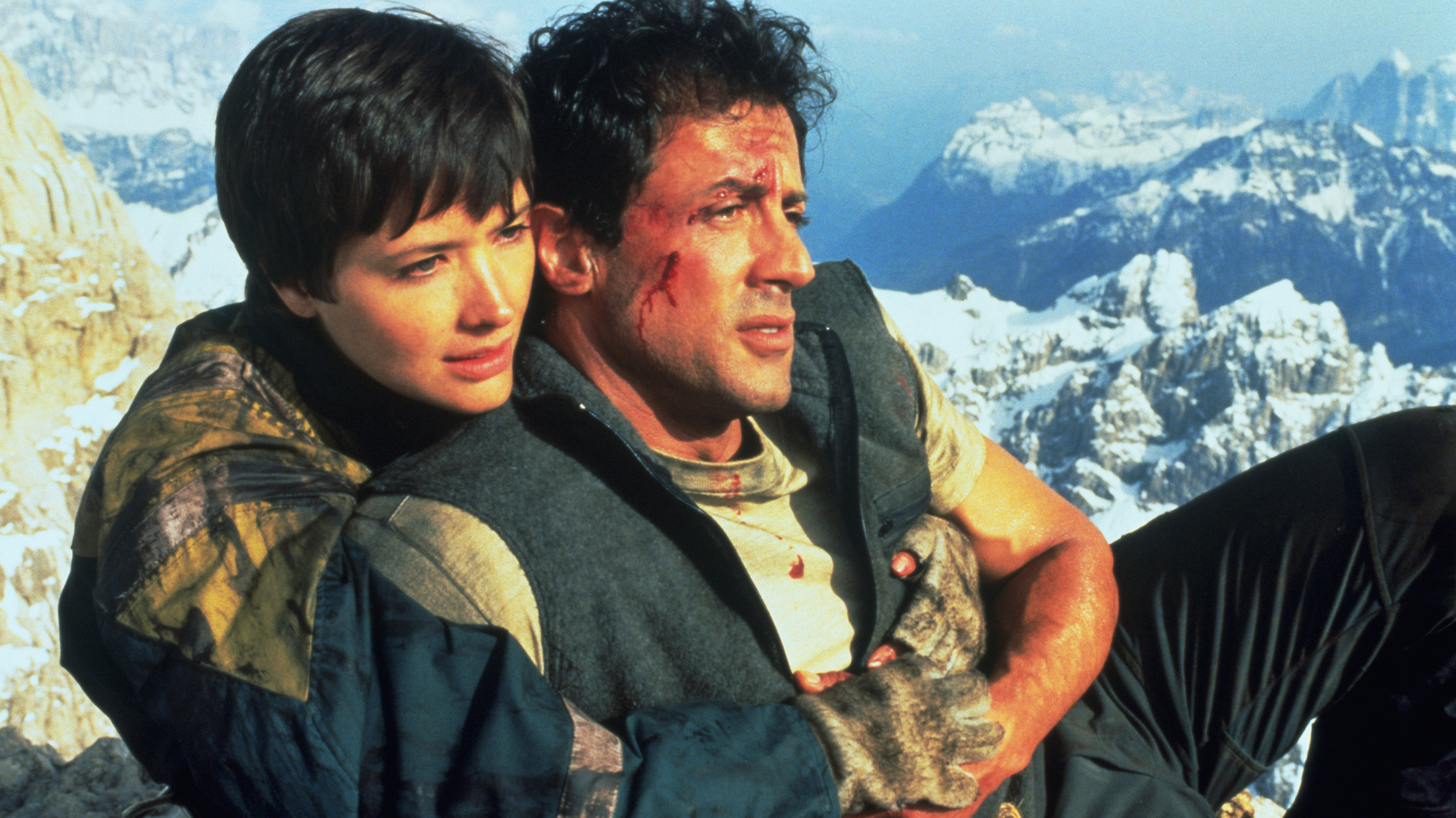
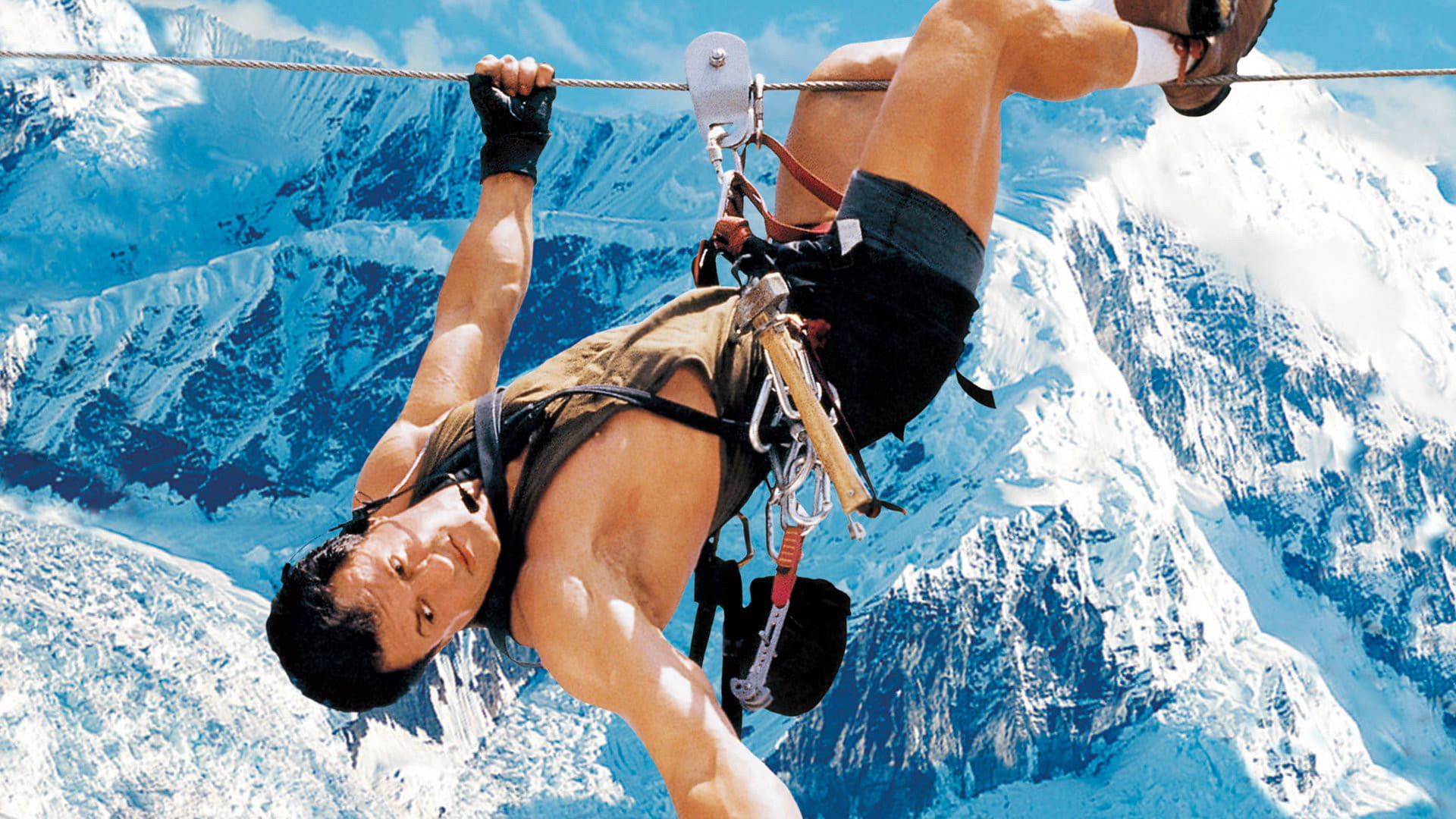
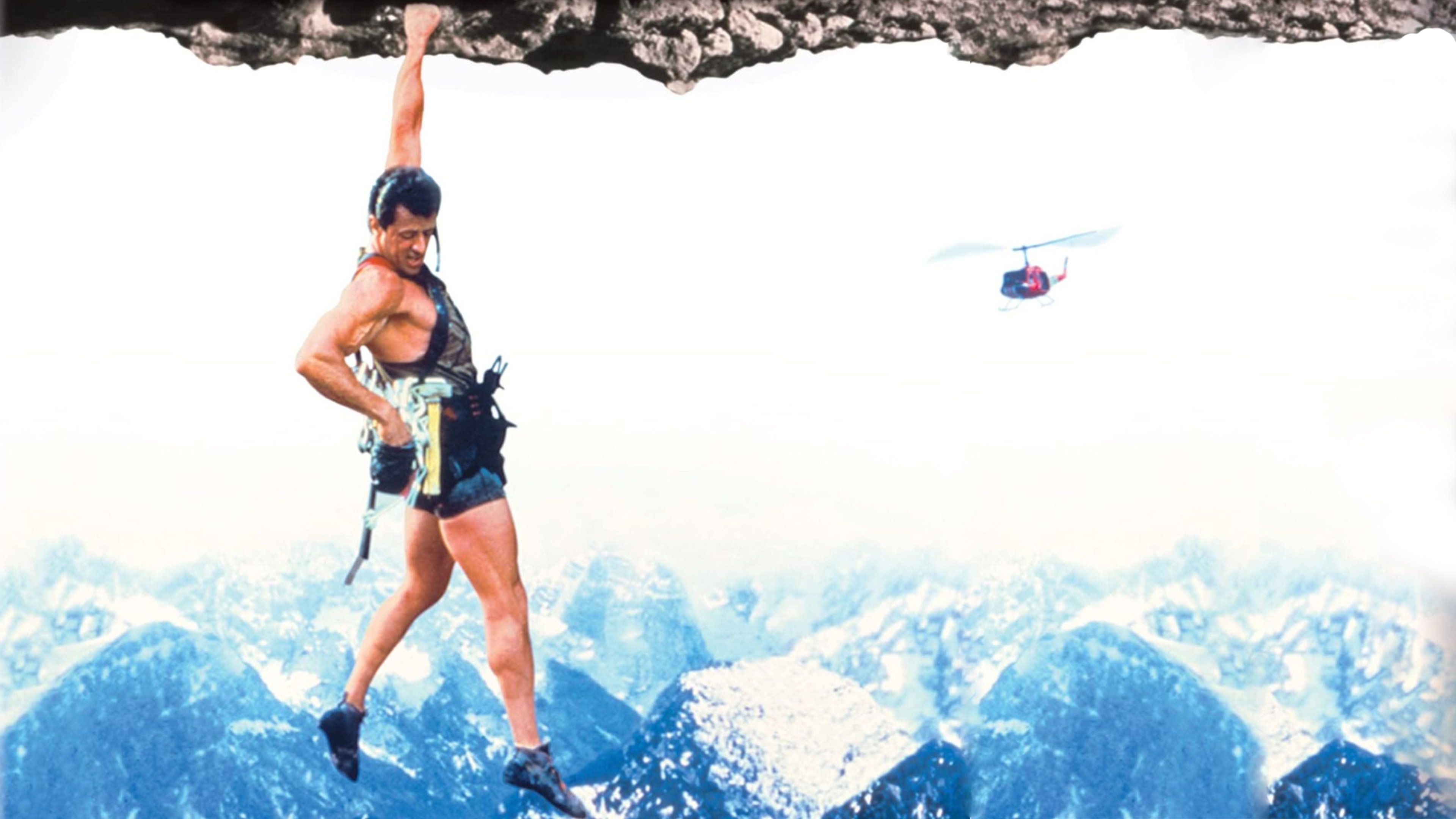
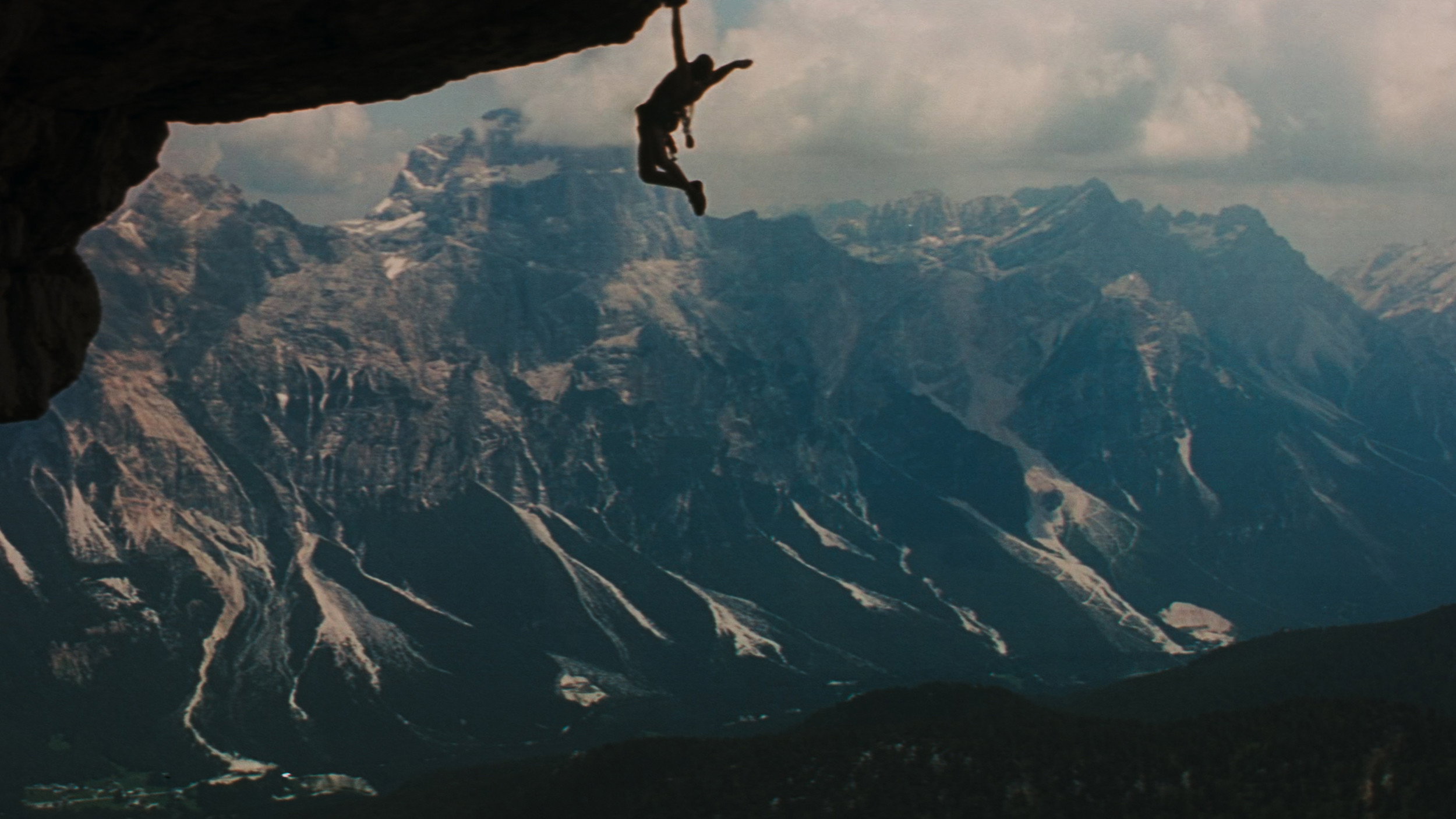
Alex Thomson’s cinematography makes the height matter by allowing us to see the climber against the space around him. The circling view of Stallone on the rock face is especially effective, giving us time to consider how exposed his body is. We felt our stomachs tighten because the shot lets us register how little is holding him there. The photography establishes a danger that needs almost no explanation, and the film is wise to give it such prominence.
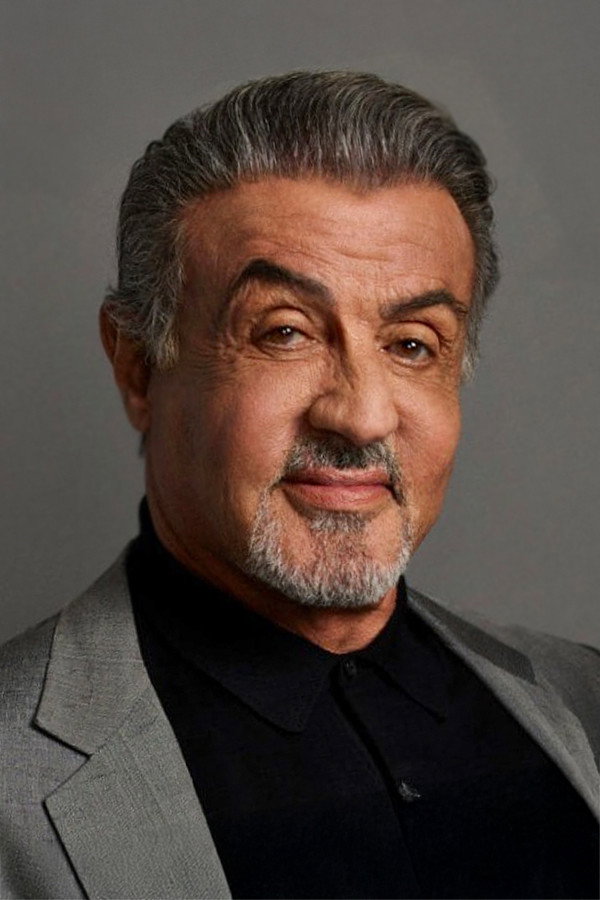
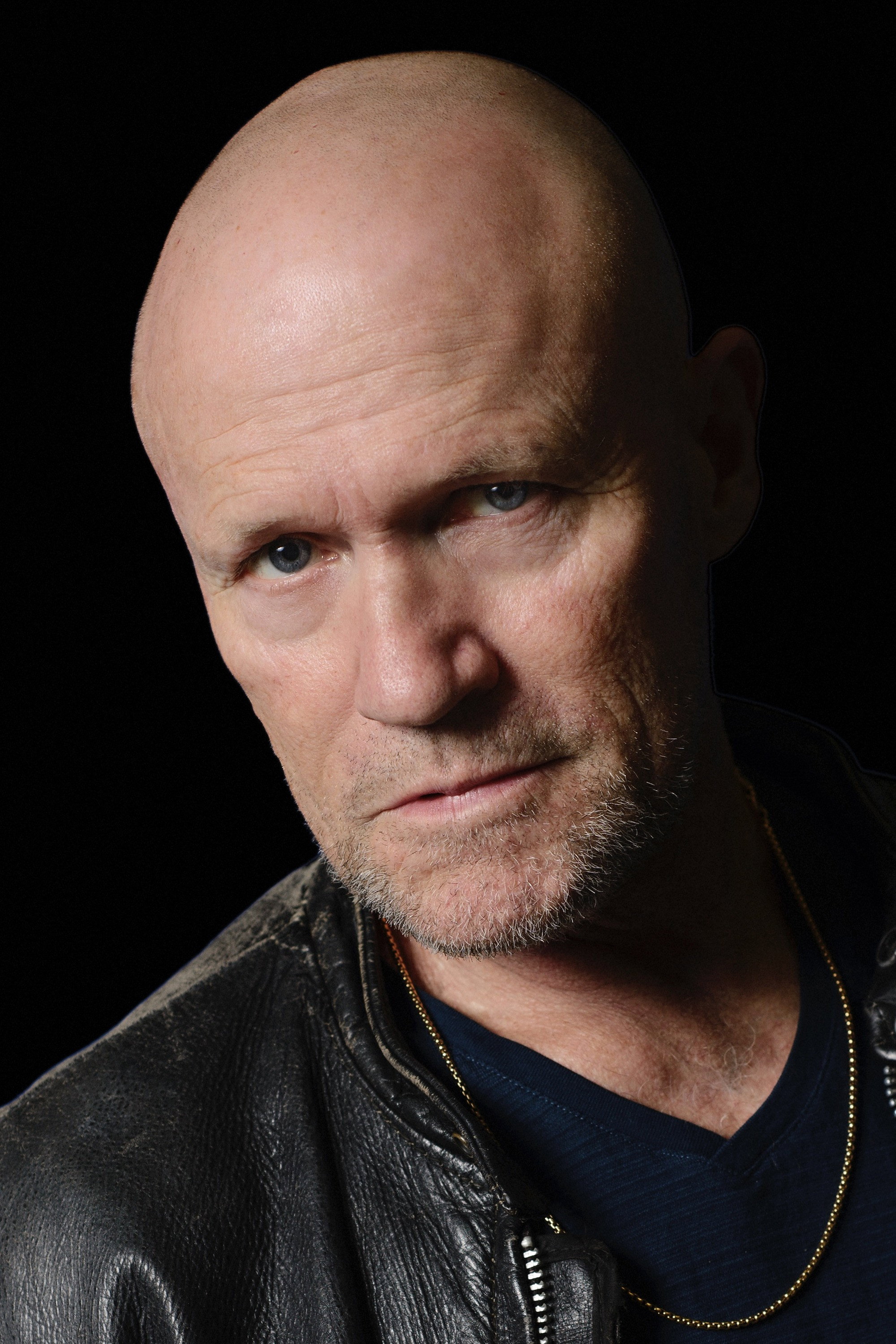
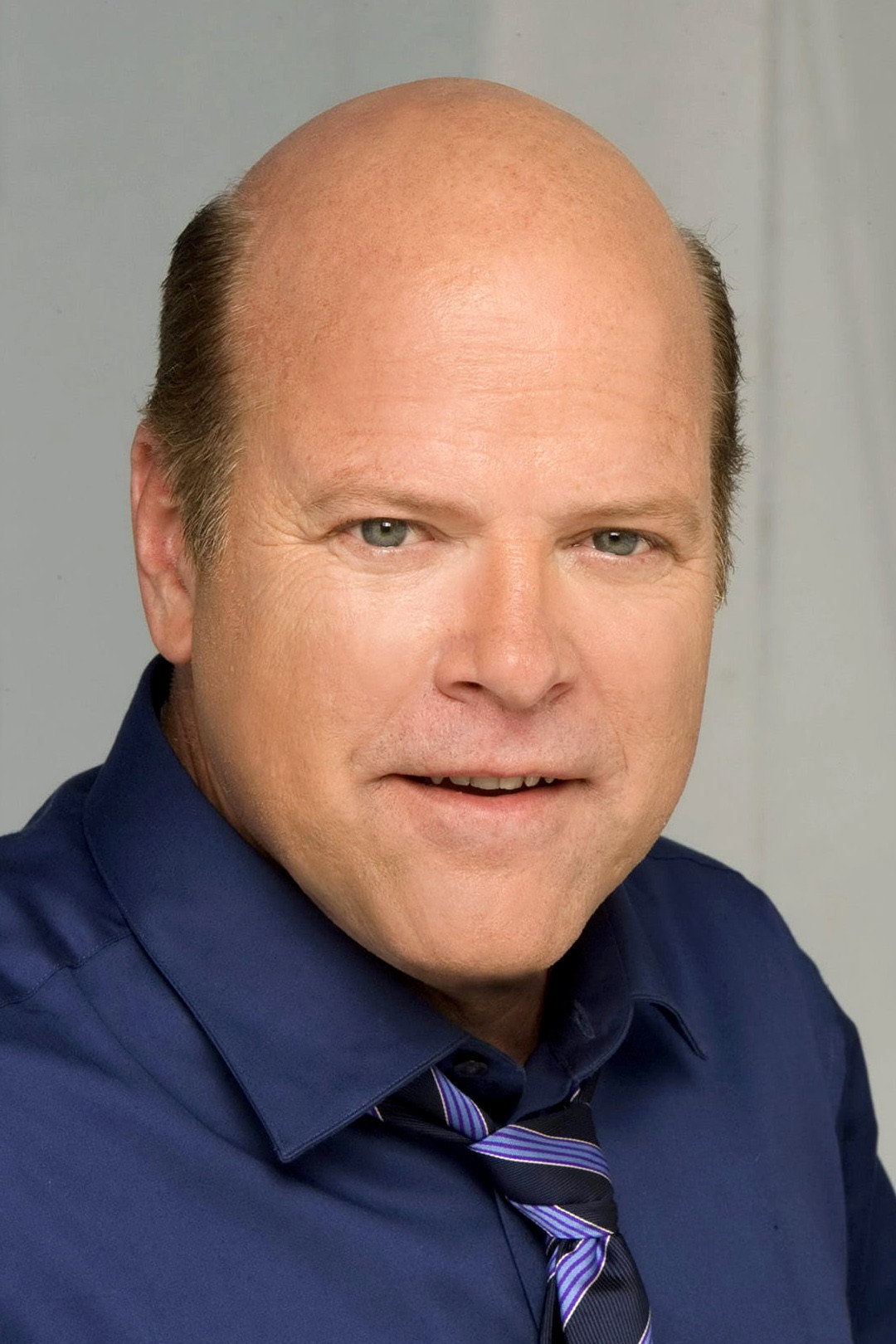
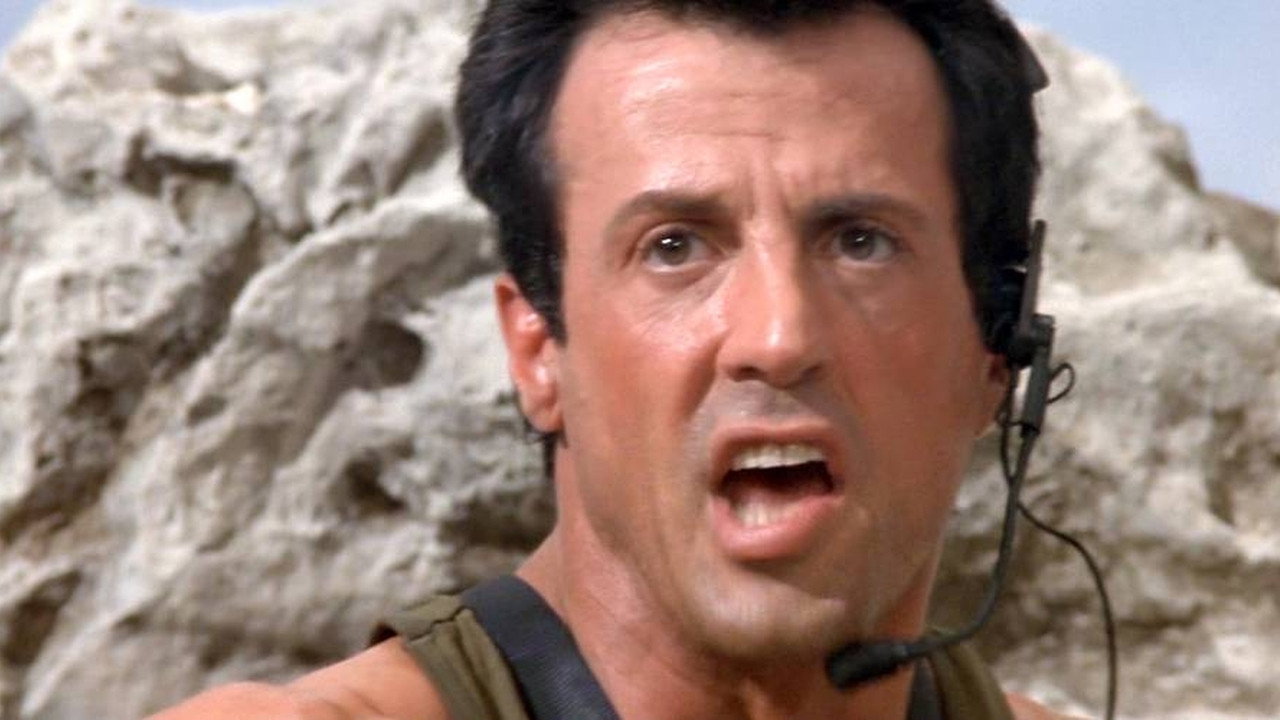
Sylvester Stallone plays Gabe Walker with the physical conviction this sort of film needs, even when the screenplay gives him little worth saying. Watching him climb, we believe the effort involved, and that is enough to keep us interested in the next move. Michael Rooker, as Hal Tucker, and Janine Turner, as Jessie Deighan, bring a useful directness to parts that could disappear against the scenery. John Lithgow gives Qualen enough relish to make some poor lines enjoyable, though not enough menace to make him the chief source of anxiety.
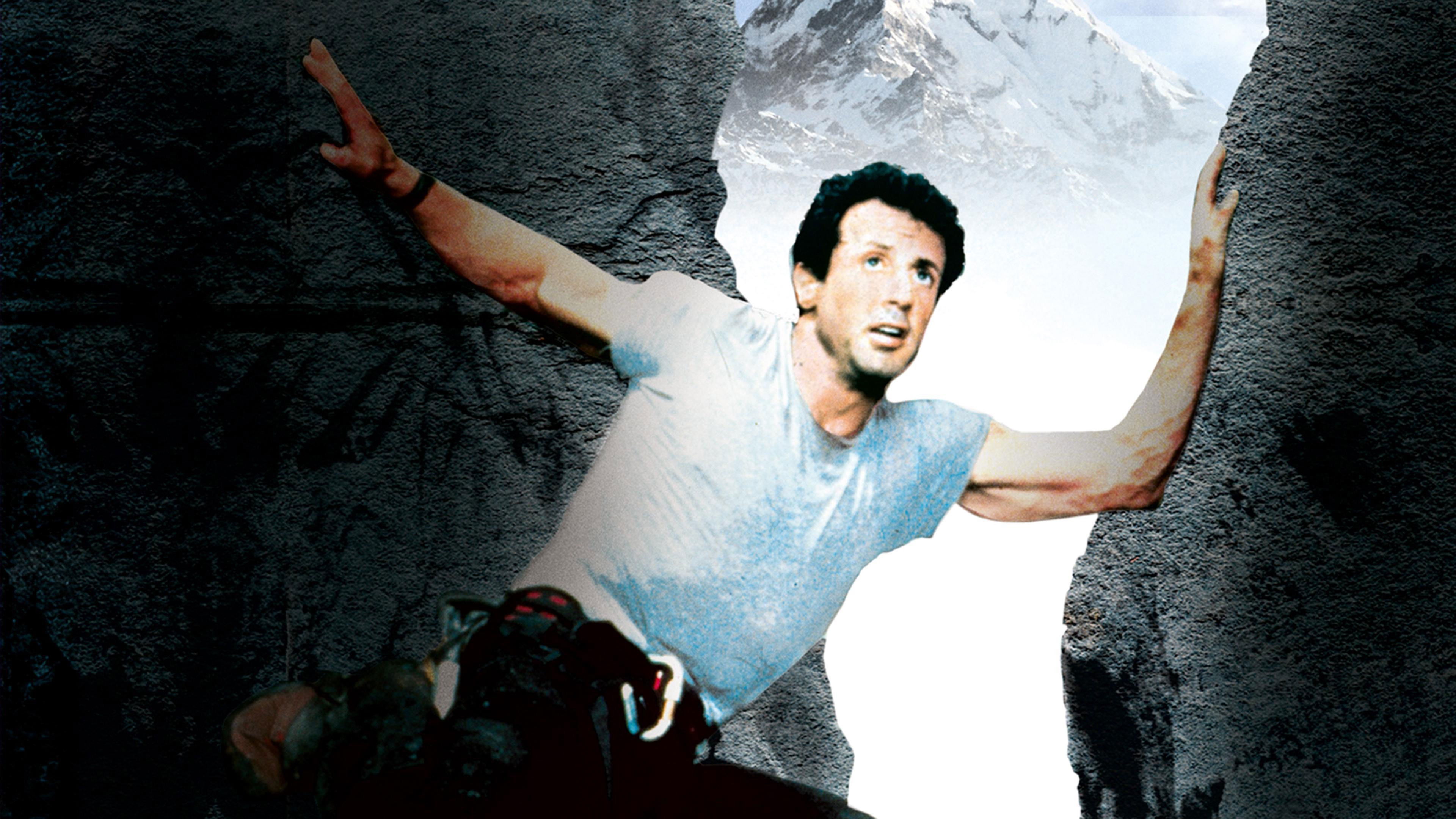
The cave fight gives production designer John Vallone a different problem: keeping close-quarters violence part of the same harsh mountain environment. The surroundings make the fighting feel uncomfortable, while the choreography remains easy to read. Frank J. Urioste’s editing helps us follow the physical struggle without reducing it to disconnected impacts. That clarity is welcome even when Harlin seems more interested in the force of a blow than the person receiving it.
Trevor Jones’s music can be too insistent, pressing for excitement when the climbing has already supplied it. A quieter accompaniment would sometimes have given the images more room, particularly when the height alone is enough to make the situation alarming. Harlin’s fondness for force becomes tiring when the fighting, cutting and music all demand attention at once. A few effects also look artificial enough to make the danger briefly easier to dismiss.
The screenplay, credited to Stallone and Michael France, is the main reason not to rate the film higher. Too much of the talk sounds borrowed from other action thrillers, and the characters rarely surprise us once they start explaining themselves. An action thriller needs enough personality to make repeated confrontations feel different; Cliffhanger too often relies on another burst of violence to do that job. Harlin sustains interest through the variety of the action, but the pauses expose how little the writing has added.
At 113 minutes, the film would benefit from shorter stretches between its physical challenges, although Harlin rarely lets us drift far from another one. Those who need an action thriller to be plausible throughout will have more objections than we do, especially when the familiar lines start arriving. If heights are a pleasure when somebody else is dealing with them, this is a good choice.