David McNally’s bar-room romance has an easy manner and a sweet cast, but too little life beyond its polished surfaces. The love story is thin, the music intrusive, and the promise of fun goes largely unfulfilled.
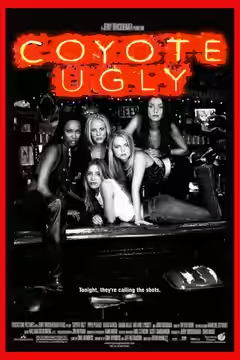
David McNally’s Coyote Ugly wants the bustle of a bar, the sweetness of a romantic comedy and the extra feeling that music can supply. It is poor, though not because those things cannot coexist: the film never gives its romance enough substance to justify the attention it receives. There is an easy manner to the direction that keeps it watchable for a while. Once the novelty of the setting wears off, the thinness of Gina Wendkos’s screenplay becomes harder to ignore.
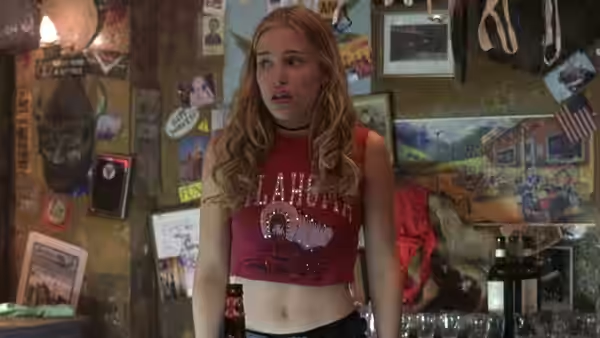
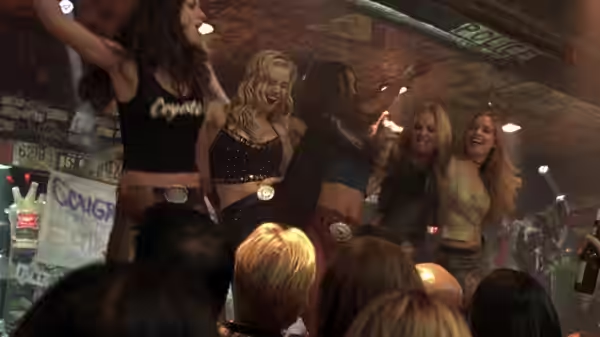
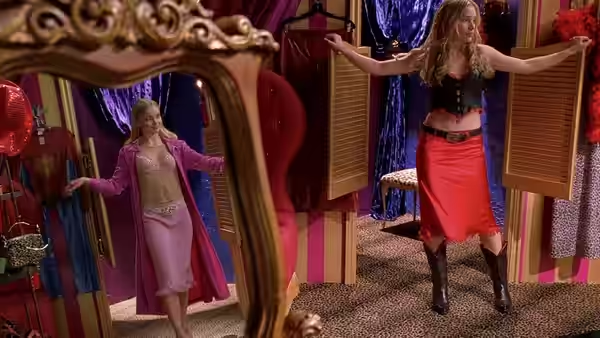
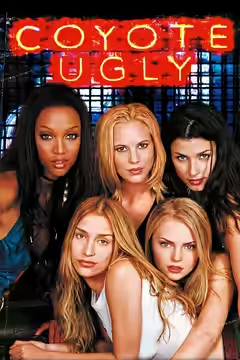
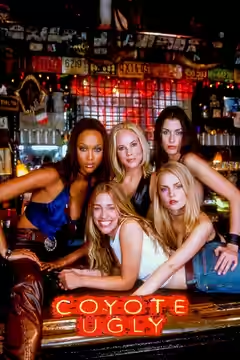
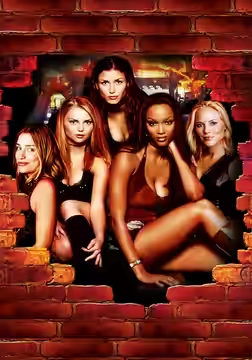
Piper Perabo, playing Violet Sanford (Jersey), is the strongest reason to give it that while. Her sweetness seems unforced, and she offers some human warmth in a film whose people could otherwise become part of the furnishings. Maria Bello, as Lil, helps make the bar worth our attention, while John Goodman, as Bill, provides welcome company without seeming to work for our approval. The cast take these people seriously, even when the screenplay has little of interest for them to say.
The larger problem is the decision to give so much space to the romance when the bar is the livelier setting. We were bored when the love story took over, because the change loses the bustle without giving us much to care about in its place. The performers remain agreeable, but the writing seems to think that this settles the matter. We need something particular about these people to become interested in their romantic prospects, and the film gives us too little.
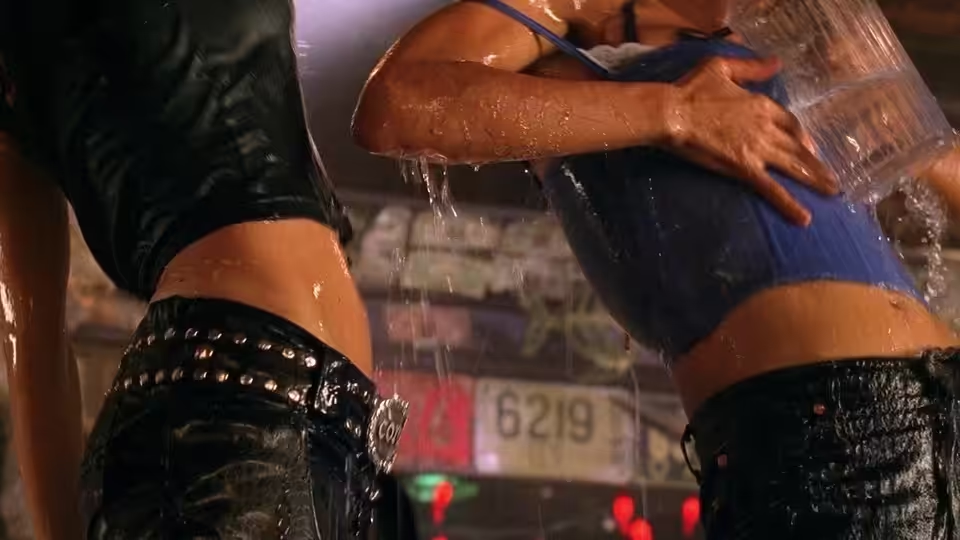
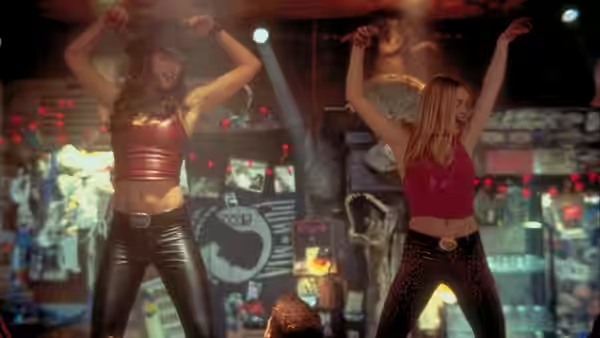
Amir Mokri’s cinematography contributes to the polish, but also to the film’s unconvincing account of bar work. Everything feels cleaned up for our inspection, with little sense of the dull labour required to keep such a place running. Jon Hutman’s production design makes the bar an appealing setting, which only increases our impatience when the story takes its attention elsewhere. A few awkward, ordinary details about working there might have made the characters’ lives more convincing without spoiling anybody’s evening.
William Goldenberg’s editing keeps the individual scenes moving, although the growing emphasis on romance makes the film feel slower. The 100-minute running time is modest, but the romantic material still feels protracted because it has so little to develop. Trevor Horn’s music adds insistence where the scenes need delicacy, pressing us to feel emotions that the dialogue has not established. With music occupying such a prominent place, we ought to welcome its arrival; instead, it too often makes the sweetness harder to take.
A romantic comedy can follow a familiar plot and still find plenty to notice about the people falling in love. Here the easy direction and willing performances make the lack of curiosity about those people especially frustrating. Most critics have found the thin romance or the sanitised bar work hard to forgive, and we share those objections despite some affection for the cast. Come for the performers if they are favourites, but be prepared to wait through a love story that gives them limited help.