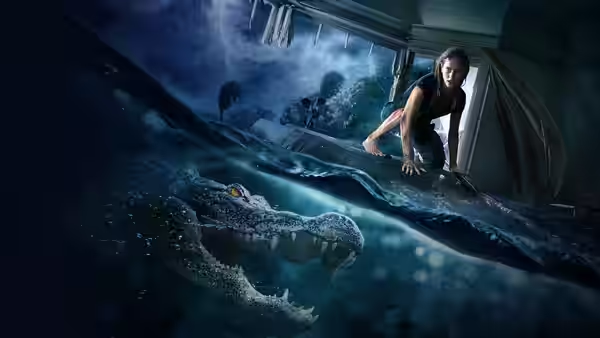
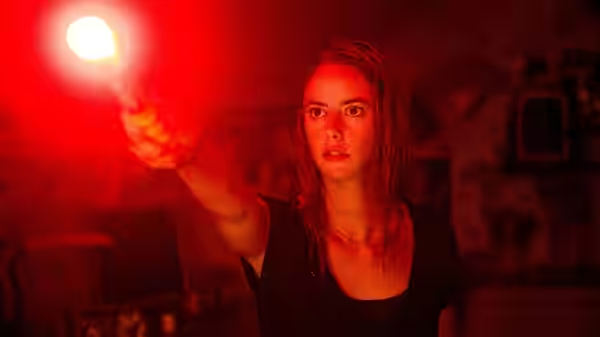
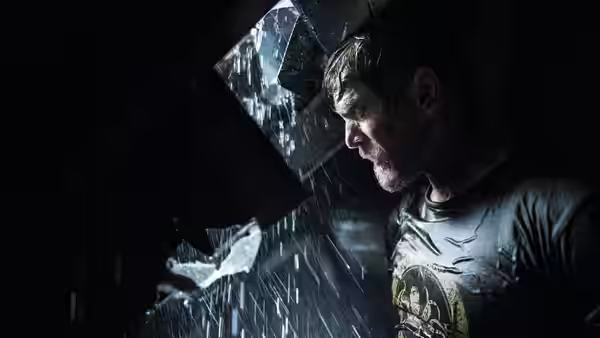
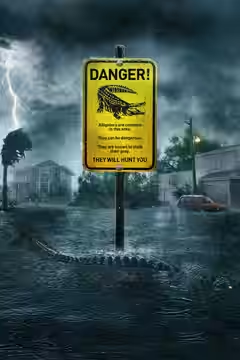
Alexandre Aja makes a brisk, agreeably nasty survival thriller out of floodwater, alligators and a father and daughter with nowhere comfortable to stand. Kaya Scodelario makes the danger credible, though the sentimental dialogue interrupts some otherwise effective suspense.
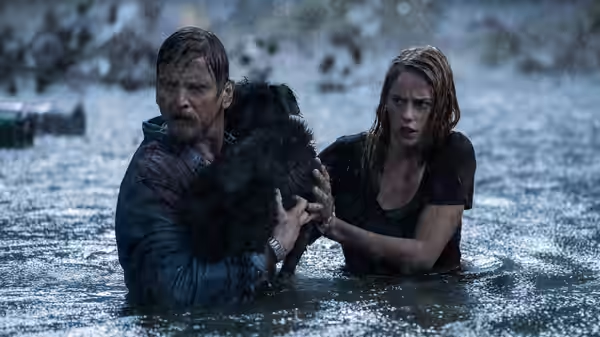
Crawl is a good, compact creature feature that gives a simple predicament the attention it deserves. Alexandre Aja puts Haley (Kaya Scodelario) and her father, Dave (Barry Pepper), between hurricane floodwater and alligators, then makes the available space feel miserably small. There is little here that needs explaining, which makes the stretches of family explanation all the more irritating. Most of its 87 minutes are spent making the danger immediate and the next move difficult.
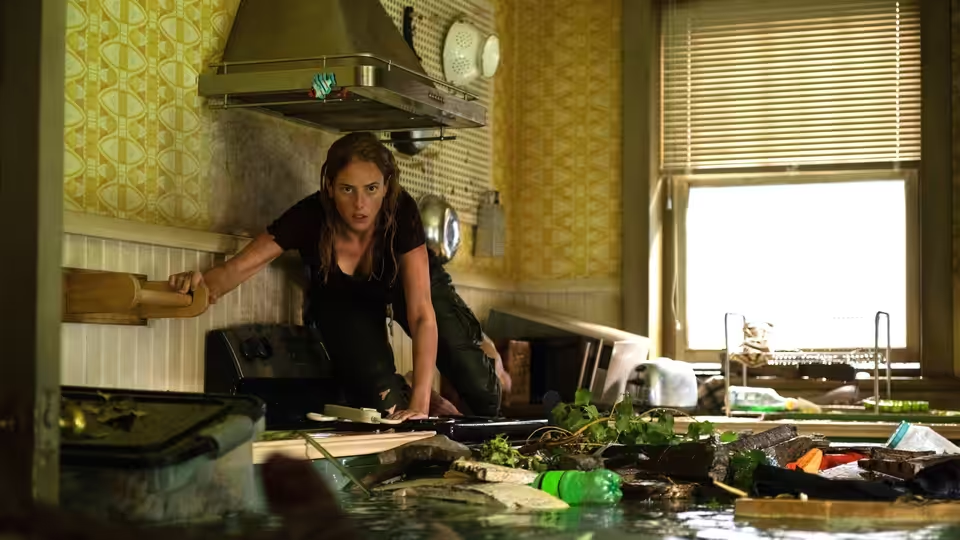
The crawlspace is the film’s most useful asset, because hiding from an animal is harder when there is scarcely room to turn round. Alan Gilmore’s production design gives the confined setting enough grime and obstruction to make every attempted movement look uncomfortable. We were properly tense watching Haley confront water too murky to reveal what was in it. Having to enter that water is frightening before anything attacks, and the staging allows enough time for us to consider what might be waiting.
Maxime Alexandre’s underwater photography is especially effective because it makes looking a practical problem. The water conceals distances and bodies without reducing every image to an unreadable smear, although the action becomes less easy to follow when several things demand attention at once. Elliot Greenberg keeps the cutting brisk, so a pause feels like time spent checking the surroundings rather than waiting for the film to get going. The small physical decisions are usually clearer, and more absorbing, than the larger bursts of action.
Kaya Scodelario does much of the work that the writing cannot manage. Her physical commitment makes Haley’s attempts to survive convincing even when the action asks us to accept more than we should. Barry Pepper is a useful partner, giving Dave enough conviction to keep the father-daughter scenes from feeling entirely like pauses between attacks. Their effort looks punishing, and the performances keep fear visible without making either character seem incapable of deciding what to do next.
Michael Rasmussen and Shawn Rasmussen are less persuasive when they ask the pair to talk through their relationship. The sentimental dialogue explains feelings that the actors have already made plain, and it can make a predicament requiring immediate action sound like an appointment for family counselling. The more exaggerated action also makes it harder to believe in the physical limits the cramped setting has established. These are weaknesses that interrupt our involvement, though neither takes up enough time to spoil the suspense for long.
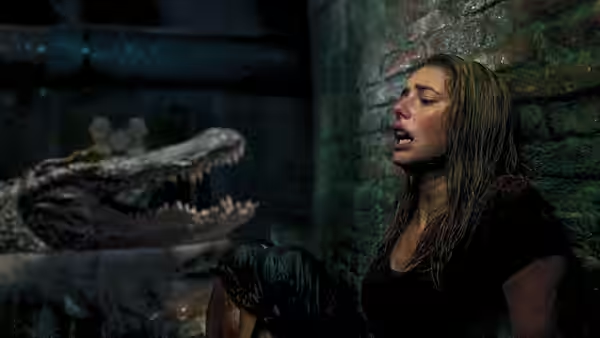
Steffen Thum and Max Aruj’s score is less helpful than the sound of the surroundings. We do not need much musical encouragement to worry about something moving beyond sight, and the extra insistence can make an already forceful scene feel overworked. The convincing alligator effects serve the film better, allowing the animals to remain frightening when we can see them clearly. A creature feature needs to survive that moment when the source of a worrying noise becomes visible, and these reptiles withstand inspection.
Some creature features try to apologise for their own premise by making a joke of it. Crawl plays its danger straight, and the actors’ conviction lets us do the same, even when the action becomes unlikely. That seriousness is useful until the family speeches arrive. If alligators in floodwater sound like a good evening, the conversation is a tolerable price.