Alfred Hitchcock’s confined murder thriller is precise, nasty and thoroughly enjoyable, with Ray Milland making a persuasive schemer. Some stiff stretches of explanation survive, but the actors make the long conversations worth listening to.
Dial M for Murder asks us to spend a good deal of time listening to a man who believes he can arrange other people’s lives to suit himself. Alfred Hitchcock makes this an excellent confined-space thriller, though its appetite for explanation occasionally tests our patience. Frederick Knott’s screenplay retains the conversational business of his stage play, and the director sees little reason to send everyone outdoors. The interest is in who controls each exchange and how comfortably the others let him.
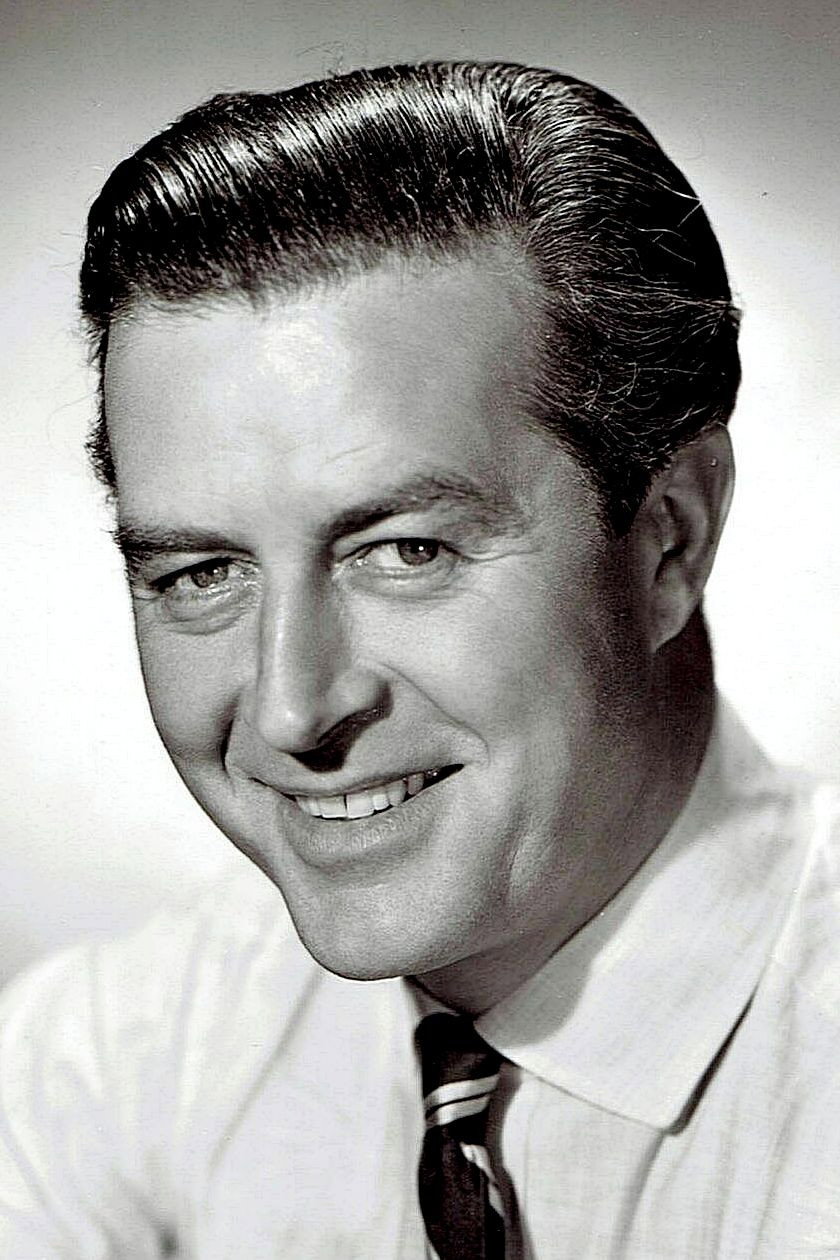
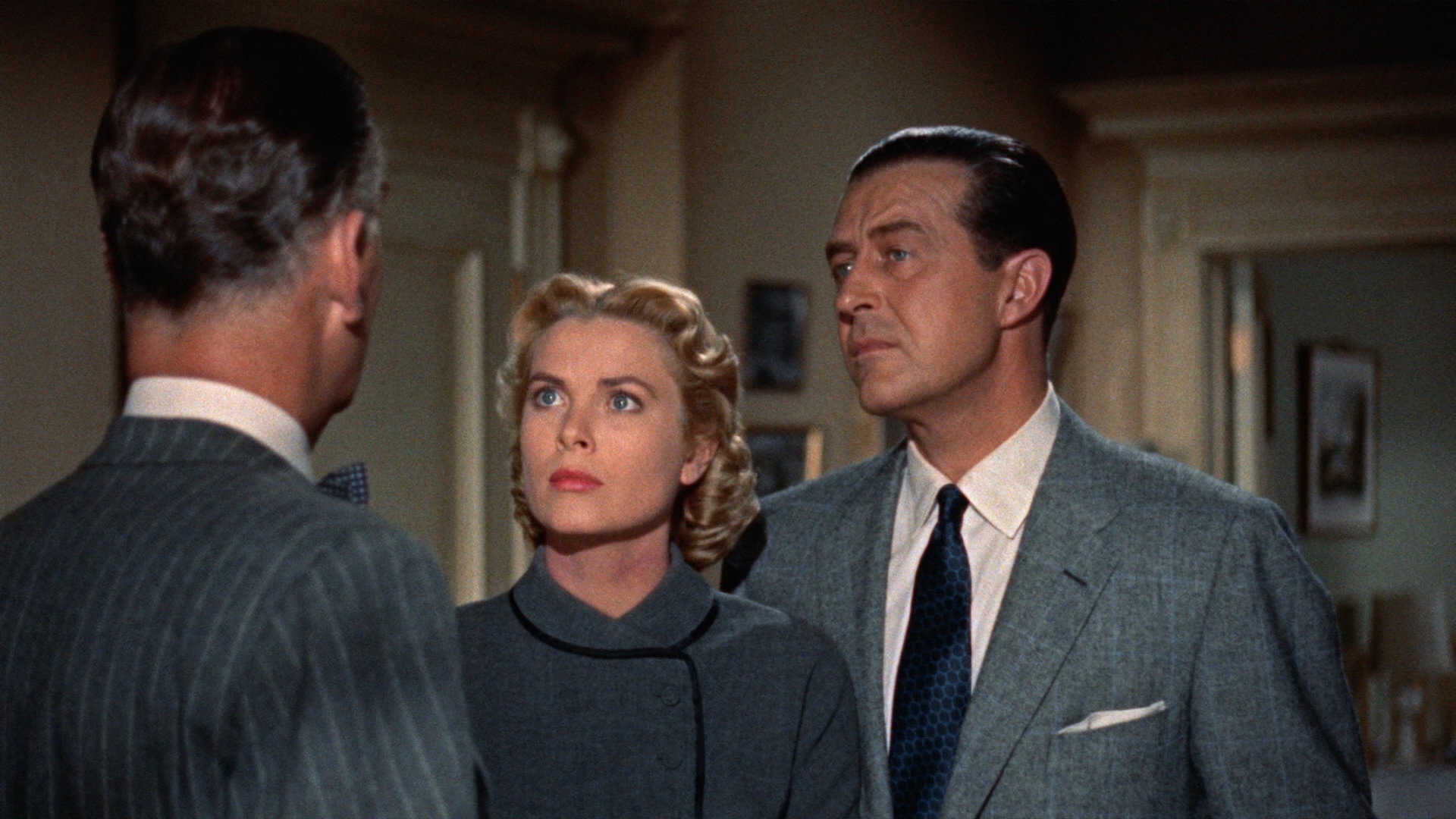
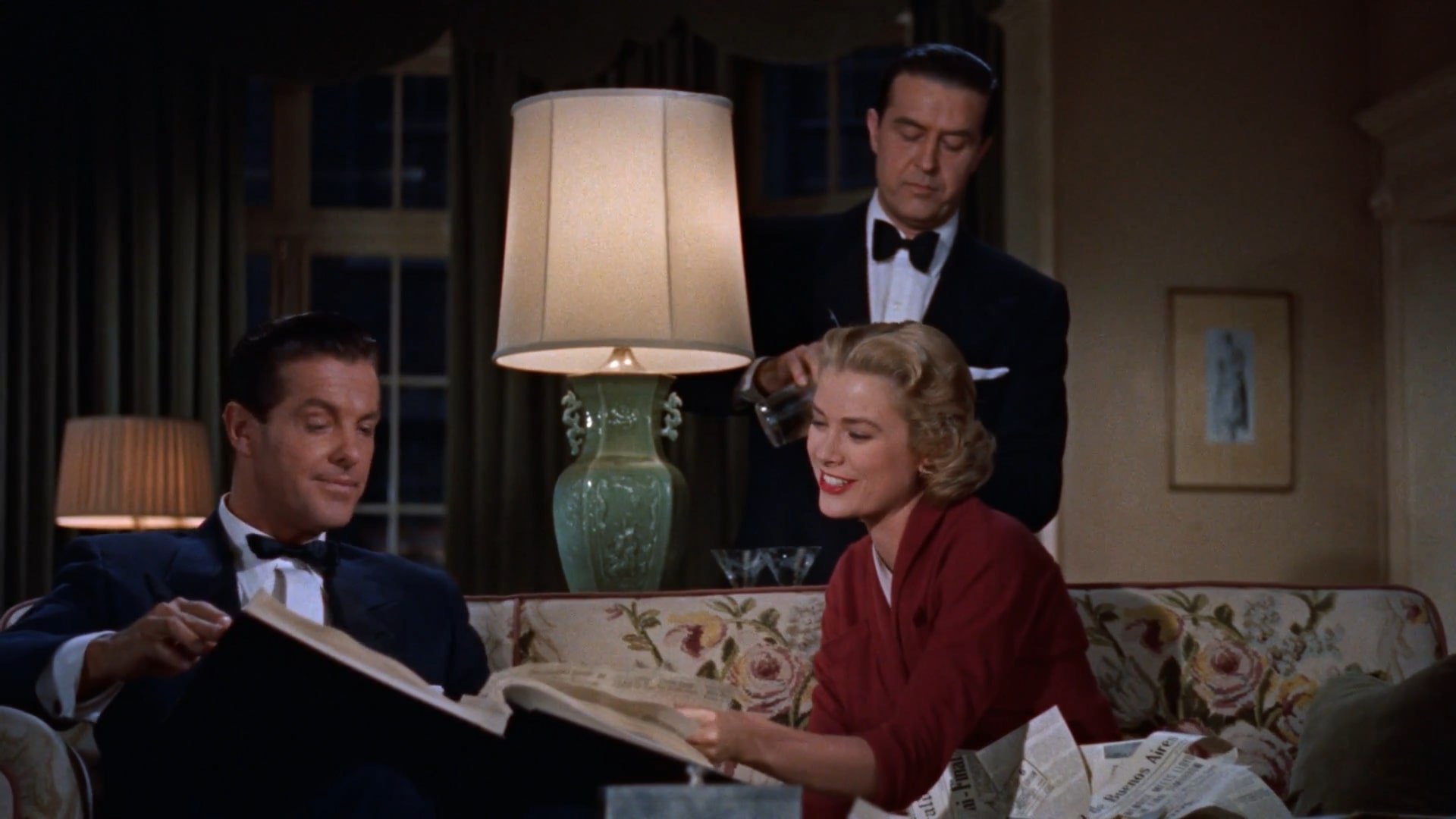
Ray Milland’s Tony Wendice gives those conversations their unpleasant attraction. As the scheming husband, he is convincing without asking us to enjoy a grand display of wickedness. We felt uneasy watching how little strain Milland allows into the intimate exchanges. The calculation is there, but it does not interrupt the social ease, and that is what makes him frightening. Hitchcock gives us enough knowledge of Tony’s thinking for us to watch the people around him with growing concern.
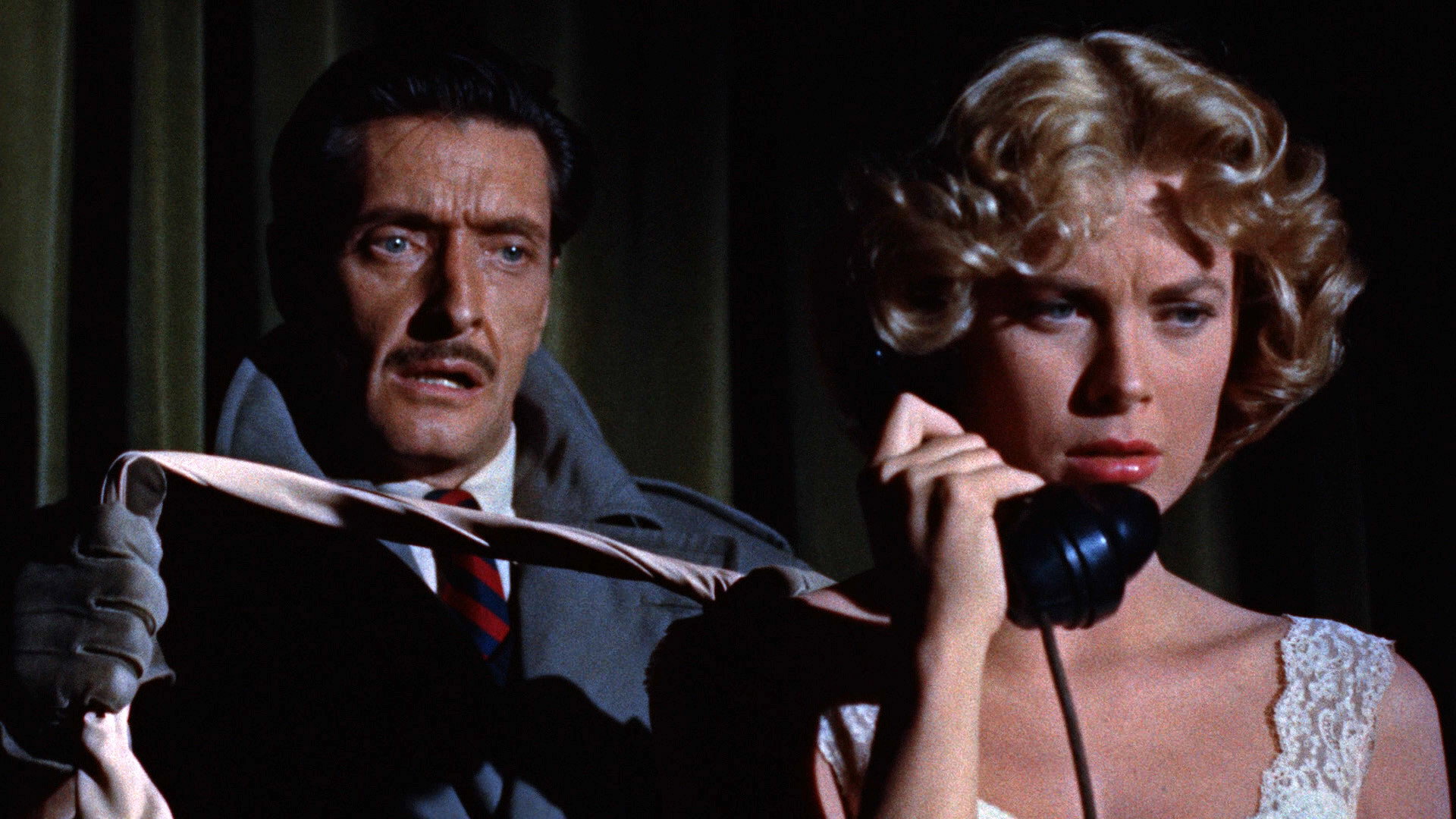
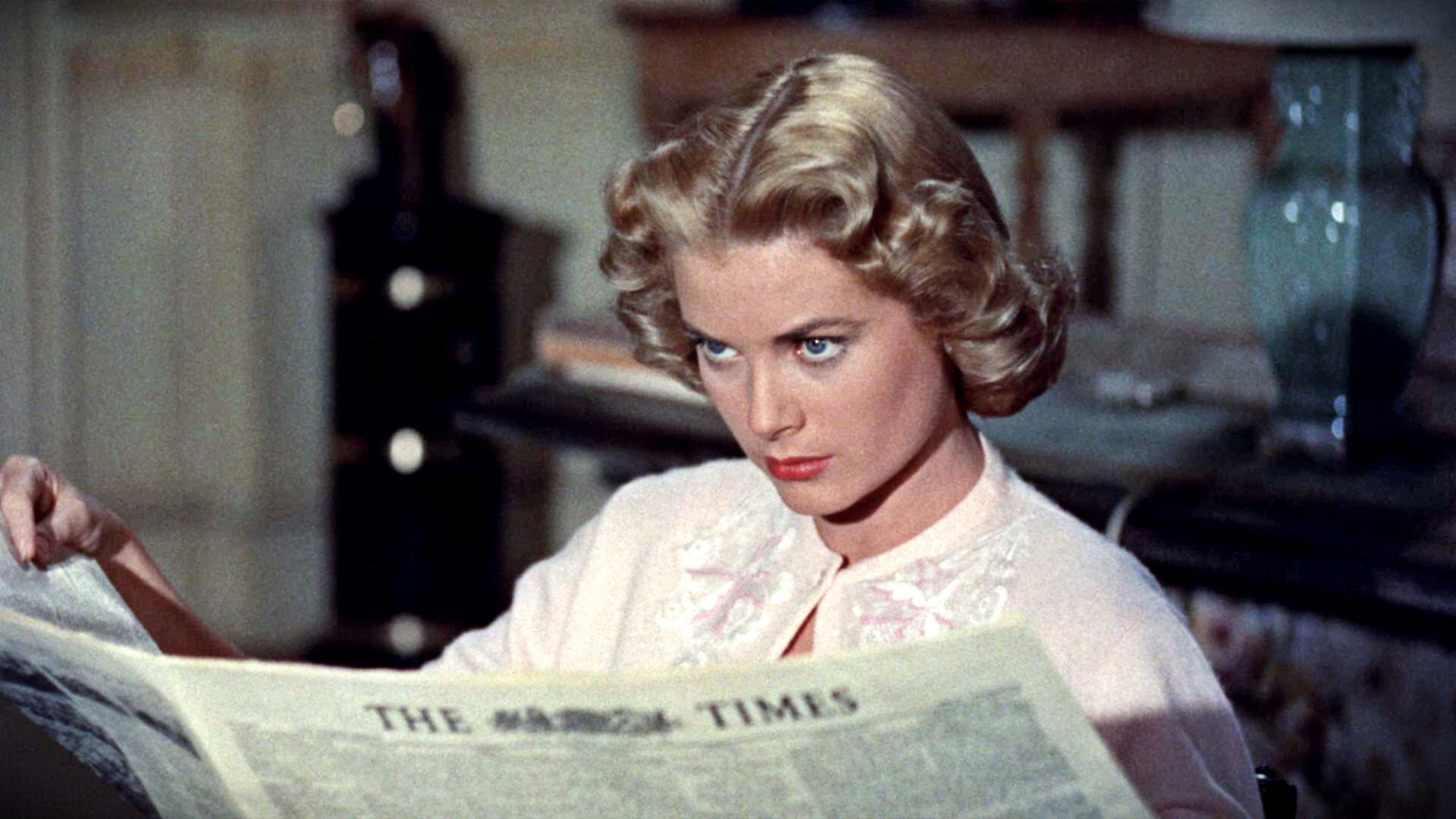
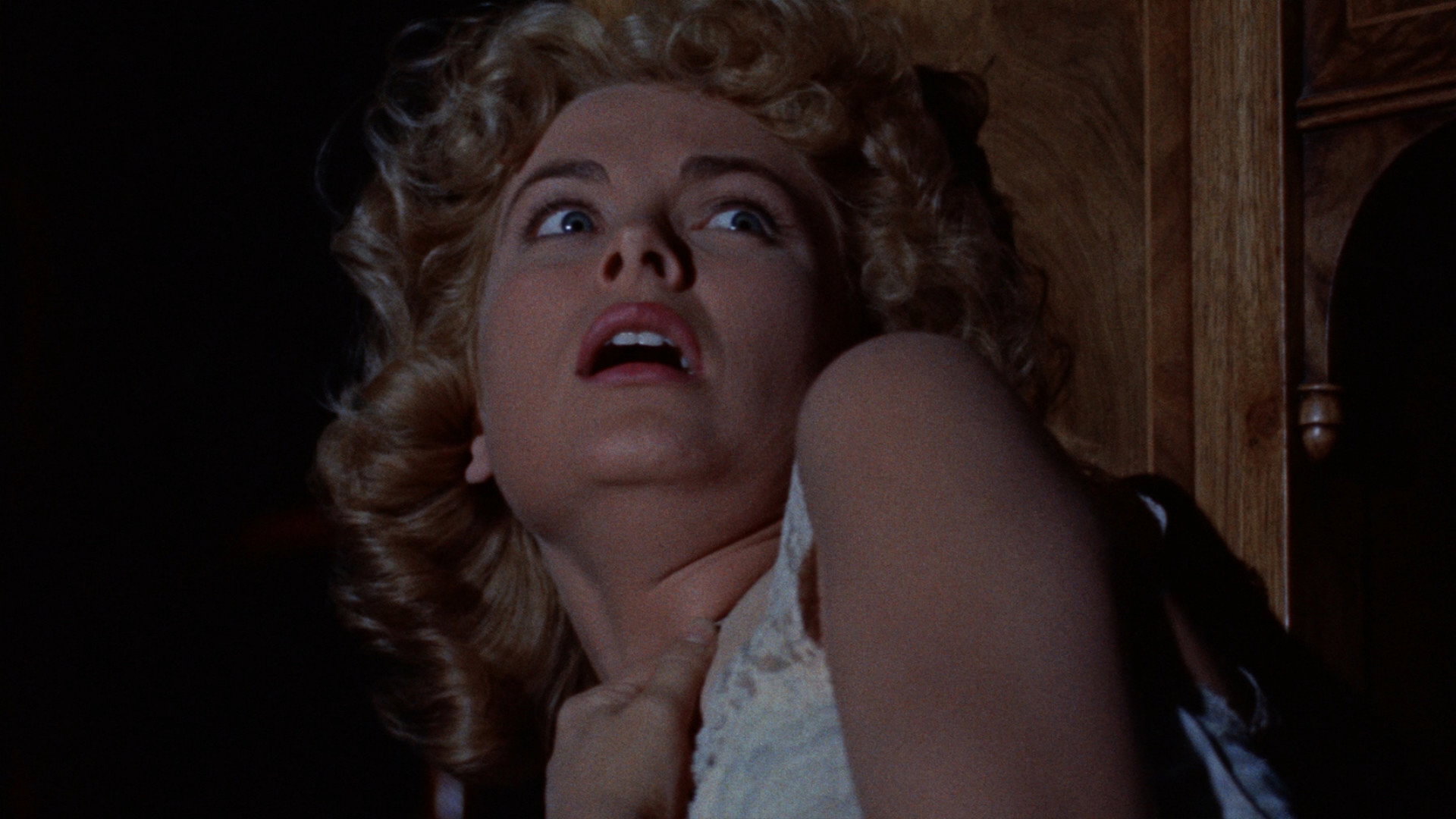
Grace Kelly, as Tony’s wife Margot, gives us someone to worry about while we are busy following his calculations. Her performance is sympathetic, and its restraint works within the film’s formal manner. Not every exchange sounds spontaneous; there are passages when the actors seem obliged to make sure we have understood the arrangement before they can continue. Kelly is more persuasive when the attention rests on her response to another person than when the scene has information to deliver.
Robert Burks’s cinematography makes the restricted space worth looking at. The use of 3D encourages us to notice the distances between people, rather than treating the setting as a neutral place to record dialogue. Close details of action and expression help us follow pressures that the spoken exchanges do not always acknowledge. The staging can still feel flat in places, but confinement mostly suits a story in which people are trying to manage one another.
Rudi Fehr’s editing keeps the extended explanations legible, although their length occasionally works against the suspense. There are stretches when we have grasped the point and are still waiting for the conversation to finish. Dimitri Tiomkin’s music supports the unease, but contributes less to our enjoyment than the timing between the actors. We would happily lose some of the explanation to spend longer watching them assess one another; Hitchcock’s direction of these encounters is assured enough to make the extra clarification feel unnecessary.
As a murder thriller, this is unusually willing to let us understand the schemer instead of making ignorance do all the work. That choice gives the conversations tension even when there is no immediate surprise to spring, and makes the occasional labour of following the plot worthwhile. The theatrical origins remain visible, but Hitchcock’s handling of faces and space gives the film plenty to justify the change of medium. Watch it for Milland, provided an evening of attentive listening sounds like a pleasure rather than homework.