Simon Curtis and Julian Fellowes close the doors on the Crawleys with good manners, beautiful clothes and a dozen small stories that each end in a reconciliation. It is comfortable and it is thin, and Michelle Dockery carries what weight there is.
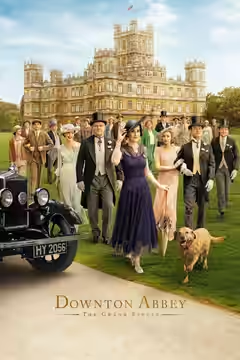
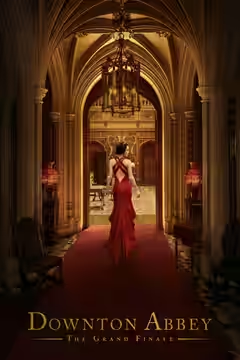
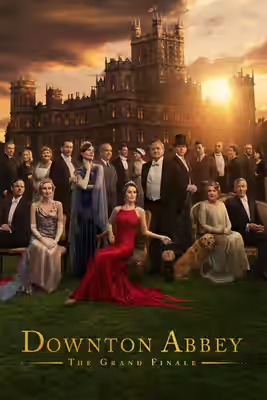
Fifteen years after the series began on ITV, and two films on from the first cinema outing in 2019, Julian Fellowes and Simon Curtis walk the Crawleys to the end of the drive. Downton Abbey: The Grand Finale is exactly what the title promises: a farewell, arranged so that every regular gets a scene, a kind word and a last look at the house. It is handsome, it is comfortable and it is thin. If you watched the series you will want to see it and you will not be cheated. If you did not, do not start here.
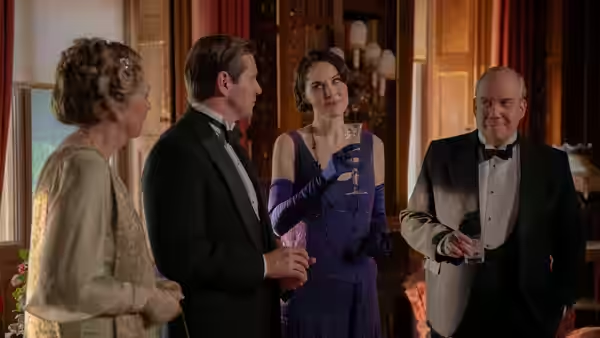
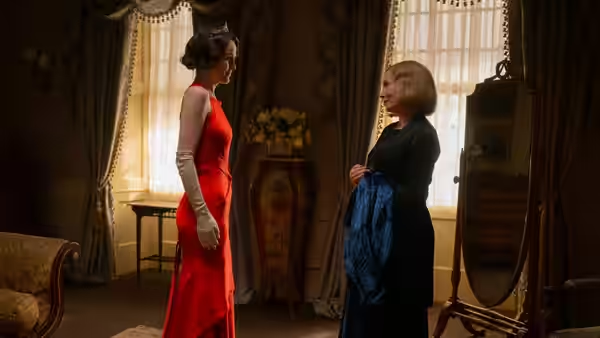
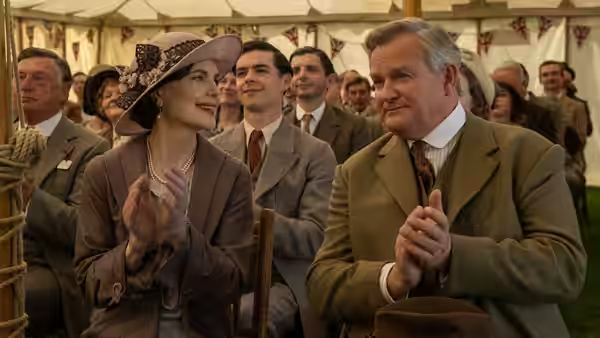
The one plot with any weight belongs to Michelle Dockery. Lady Mary is divorced, which in this world means that invitations stop and friends look at the floor, and Fellowes treats it as the real humiliation it would have been rather than a problem to be waved away by the interval. Dockery plays it with the frozen composure she spent six series perfecting, and the moments when it cracks are the best acting in the film. Hugh Bonneville’s Robert gets to be mortified and loyal, sometimes in the same sentence.
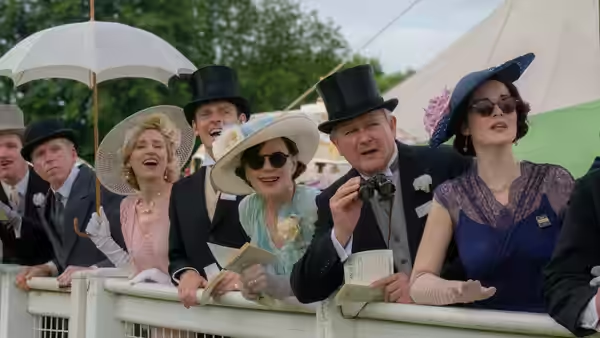
The opening is sillier than anything the series ever attempted, a stretch of near-farce that we laughed at and then felt slightly ashamed of, because it is plainly there to wake us up before the goodbyes begin. Noël Coward turns up and gets most of the good lines; whenever the script needs something sharper than a Crawley can manage, it hands it to him. Maggie Smith’s Dowager is gone, and every drawing-room scene that wants a last word feels the gap. Nobody left in the cast can land a cruelty as she could, and Fellowes has stopped writing them.
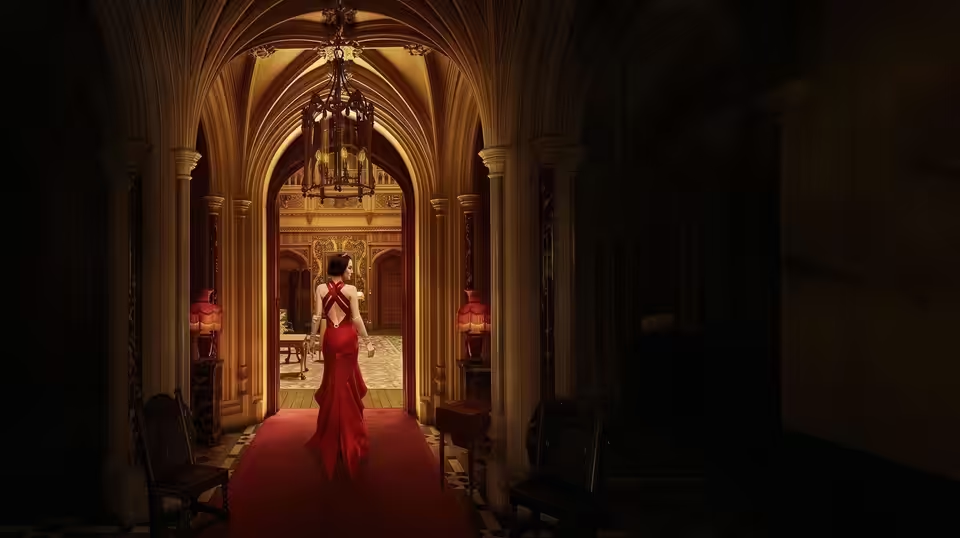
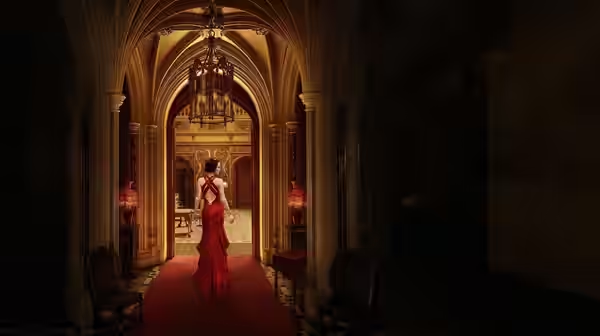
Donal Woods’s house is as it always was, and Ben Smithard lights it as the series taught us to expect, afternoon gold through tall windows, candle-yellow at dinner, the exteriors held a beat longer than they need. Anna Mary Scott Robbins has dropped the waists and lowered the hems since the last film, and the women look like they belong to a decade that has moved on without asking Downton’s permission, which is more than the script says on the subject. John Lunn’s piano theme arrives at every soft moment, and there are a great many. Adam Recht cuts between a dozen storylines in scenes of a minute or two, as a television editor would, so the film never feels like anything other than a long and expensive episode.
That is the trouble. Fellowes has always written by rota, giving each servant and each daughter a small problem to be solved before the end of the hour, and across a series the rota was a pleasure. In a film meant to close the book it becomes a queue. Every story ends in reconciliation and nobody is allowed to stay unhappy for longer than a scene. The friction between the floors that made the early series worth watching has been sanded off; here the servants want what the family wants, which is for everybody to be fine. Robert James-Collier’s Thomas, once the most awkward and honest person in the house, is now simply content, which is kind to him and dull for us.
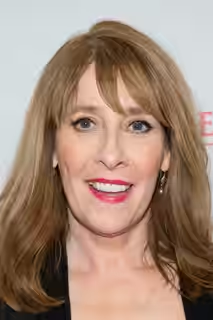
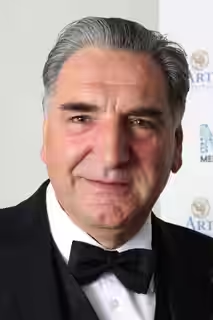
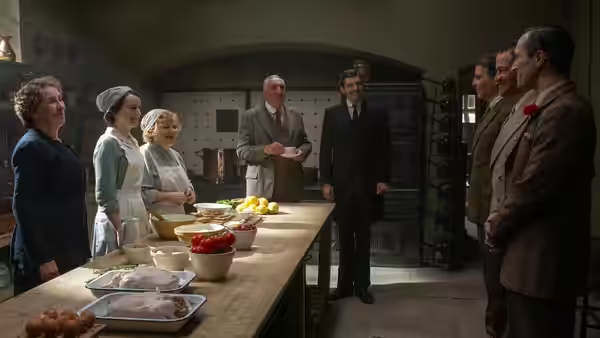
And still it got us. There is a scene between Jim Carter and Phyllis Logan, Carson and Mrs Hughes, about nothing more than two old people who have worked in the same house for decades and what that house owes them, and we were moved more than we expected to be. Carter plays it without a flourish, standing straight and letting his voice do the work. The film has two or three scenes like it and they are all below stairs. Upstairs, the goodbyes come with speeches, and we felt them less.
Against the series’s own standards this is a fair episode rather than a great one. Against the two earlier films it is the calmer and more honest, with nothing as strained as the film crew that wandered through A New Era. It runs 123 minutes and carries a PG. Watch it with the people you watched the series with, and do not ask it to say anything about England it did not say in 2010. It knows it is a goodbye, and it spends the last forty minutes saying so. That is a long time to stand at the door, even with people we have known this long.