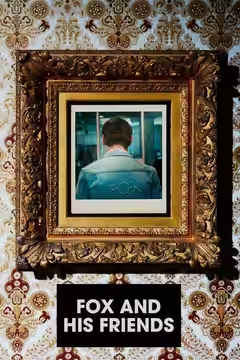
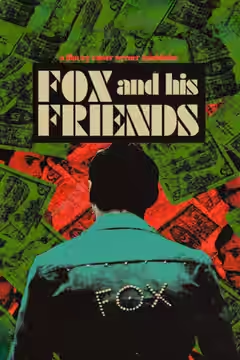
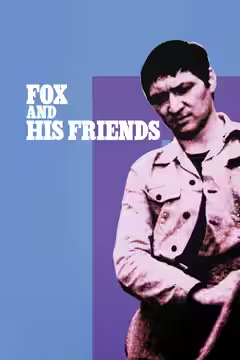
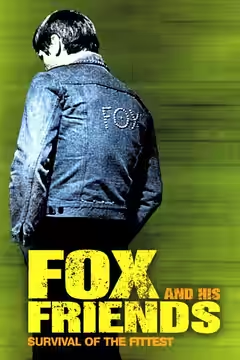
Fassbinder puts himself in front of the camera as a fairground worker who wins the lottery and is picked clean by the men he falls in with. It is cold, exact and hard to sit through, and the cruelty is deliberate.
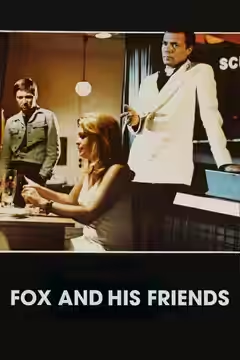
In 1975 Rainer Werner Fassbinder wrote, produced, directed and starred in a film about a man who wins half a million marks and is relieved of them by people with better manners. The German title, Faustrecht der Freiheit, means something like freedom by right of the fist; Fox and His Friends is gentler, and the film is not. It is one of the plainest things he made, and one of the best.
The subject is money, not sex. Fox is gay, his friends are gay, and the film treats this as ordinary, which in 1975 was not ordinary. The people who ruin him are not punished for their desires but rewarded for their class. Eugen Thiess, the well-spoken son of a factory owner, needs a loan to keep the family bookbinding firm afloat, and Fox has just come into one. Everything that follows, the flat, the furniture, the holiday, the contract nobody reads to him, is a bill made out in Fox’s name and signed in Eugen’s handwriting.
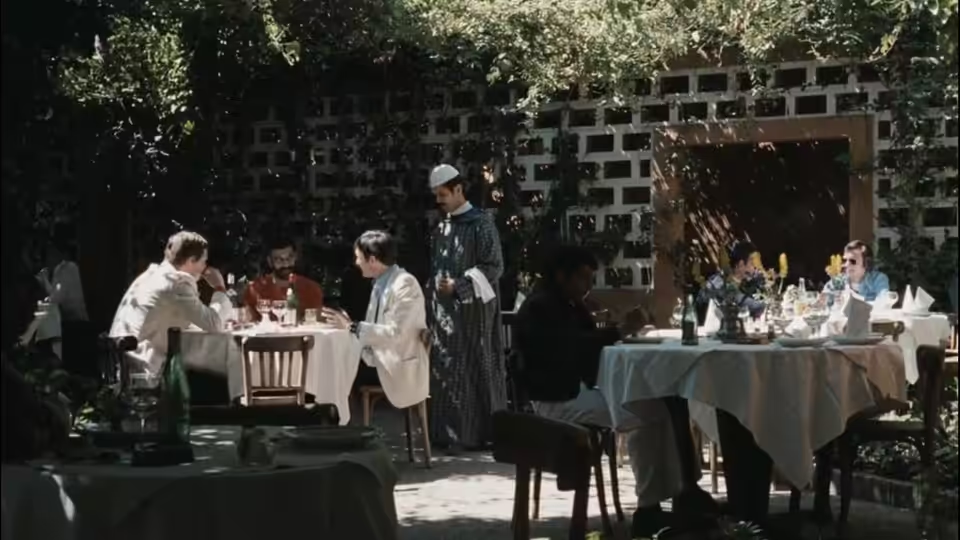
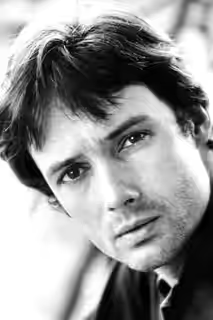
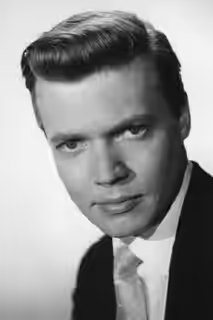
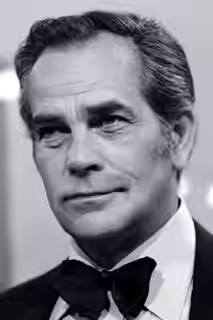
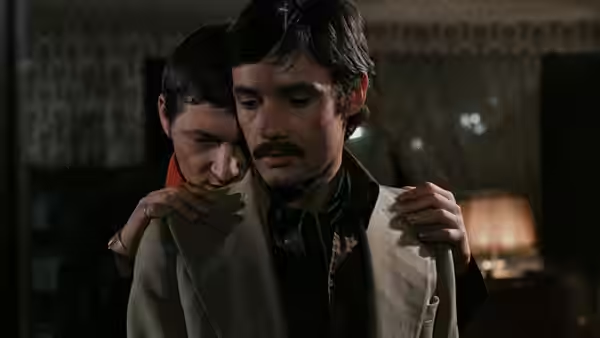
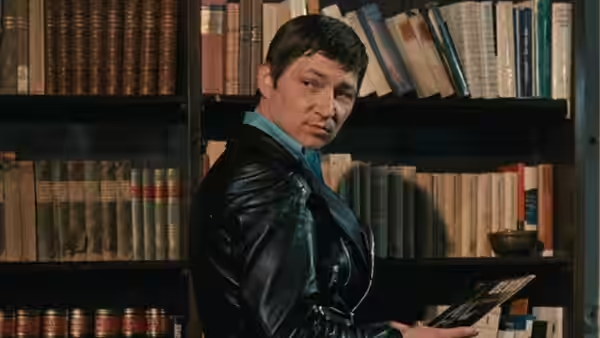
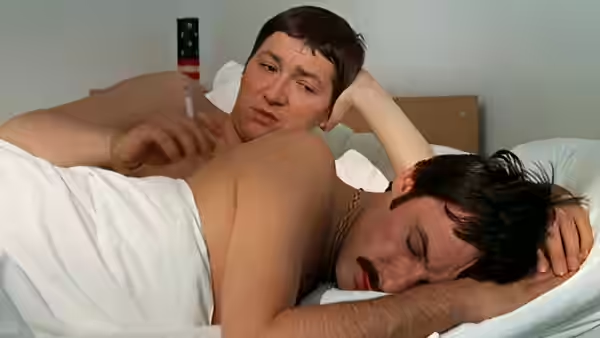
Fassbinder gives himself the role of the mark and plays it without vanity. Fox is stocky, grinning, quick to buy a round, in denim and a leather jacket, and he is not stupid. He knows when he is being laughed at. He pays anyway, because he wants to be let in, and Fassbinder shows the wanting on his face a second before he hides it. Peter Chatel’s Eugen is thin, pinched and courteous, correcting Fox’s grammar and his table manners in the voice of a man doing him a favour. Karlheinz Böhm’s Max is the smoothest of the lot, so pleasant that we kept forgetting whose side he was on until the film reminded us.
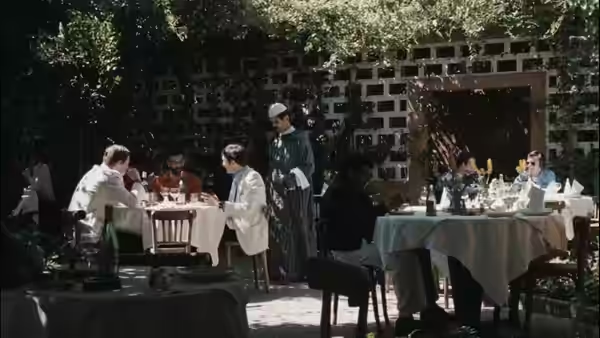
Michael Ballhaus shoots the antique shop and the flat in long, slow tracking moves past mirrors and glass cases, so that the characters are always framed among the goods being sold. Kurt Raab, who also plays the barfly Wodka-Peter, designs the flat Eugen fills on Fox’s account: dark, heavy, expensive, and nothing in it that Fox would have chosen. Helga Kempke puts Eugen in tailored grey and Fox in satin shirts, and when Fox is finally put into a suit he wears it like a hired one. Peer Raben’s score stays out of the way and lets the jukebox do the talking. Thea Eymèsz holds each scene a beat after the humiliation has landed, so we have to sit in it with him.
We watched most of it with our jaw set. Not frightened, not moved in the usual way; angry, at Fox for handing over the cheque book and at the people taking it, and then angrier at ourselves for having laughed at some of the earlier scenes, because Chatel’s small, patient corrections are funny right up to the moment you notice what they are costing. That is the film working as intended. Fassbinder wants the audience to be complicit, and we were.
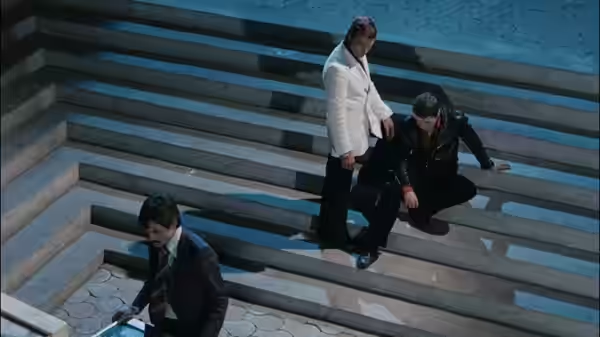
It is long at 125 minutes, and it knows where it is going from the first reel. Once the shape of the swindle is clear, around the hour mark, the rest is the invoice being read out item by item, and a trip abroad in the middle stretches further than it needs to. Some of the bar crowd, Hans Zander’s barman and Karl-Heinz Staudenmeyer’s Krapp among them, are sketches rather than people. The second half goes where you fear, and we will not describe it.
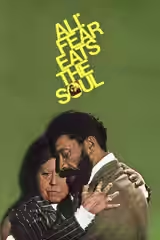
Ali: Fear Eats the Soul, made the year before, has more tenderness and gives its lovers a fighting chance. This one does not. It is the harder film to like and, we think, the clearer one about how the well-off talk to those beneath them and what they take while they are talking.
See it, but not on a night when you want to be cheered up, and not with anyone you owe money to.