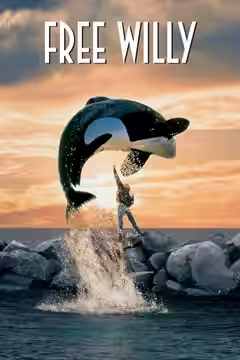
Simon Wincer’s film about a foster kid and a captive orca is sentimental, its villain is cardboard and its family scenes are thin. But the whale is real, the boy is good, and the scenes between them still land. For children, and for the interested.
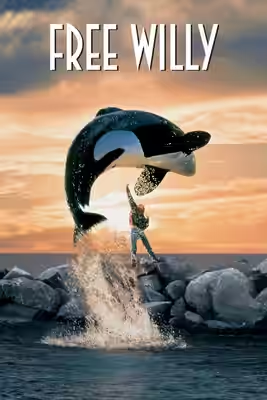
Free Willy is a film about a boy nobody wants and a whale nobody can use, and it is not coy about the rhyme. Jesse has been left by his mother and passed from one home to the next; Willy has been taken from his pod and is losing condition in a tank he can barely turn round in. Simon Wincer, working from a screenplay by Keith Walker and Corey Blechman, puts them either side of a sheet of glass and waits. It is a plain idea, and the film is at its best when it trusts the plainness. It is a decent family film, soft in the middle, carried by the pair at its centre and let down by nearly everyone around them.
The opening is the part we did not expect. Robbie Greenberg shoots the pod in open water from above and below, black backs rolling through blue sea, and then the boats arrive, the nets go down, and Basil Poledouris’s score stops. For a minute there is only the engines and the whales calling to each other as the net closes. We were upset by it, more than a U certificate usually manages, and Wincer does not soften it with a cutaway or a joke. The rest of the film lives off that minute.
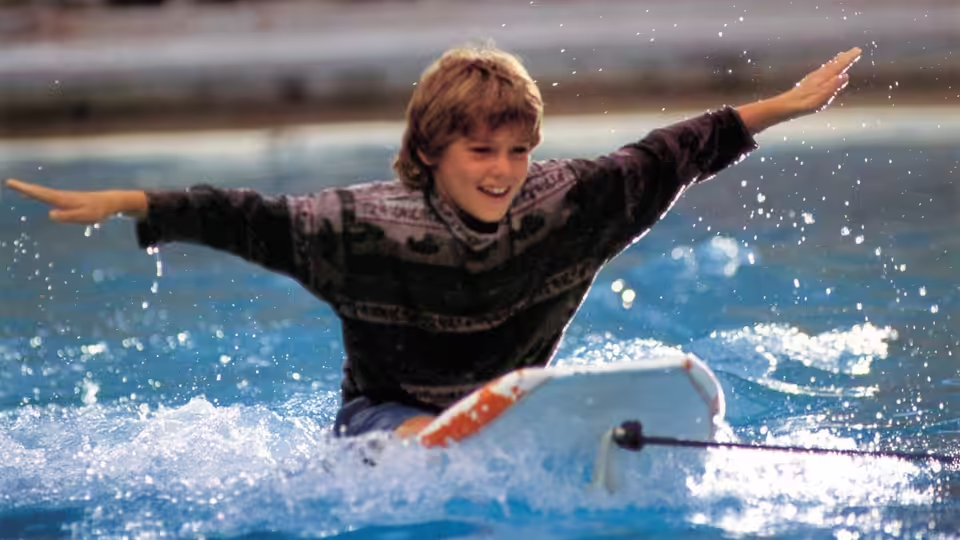
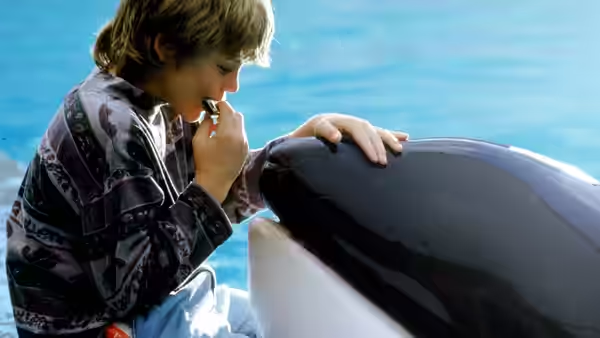
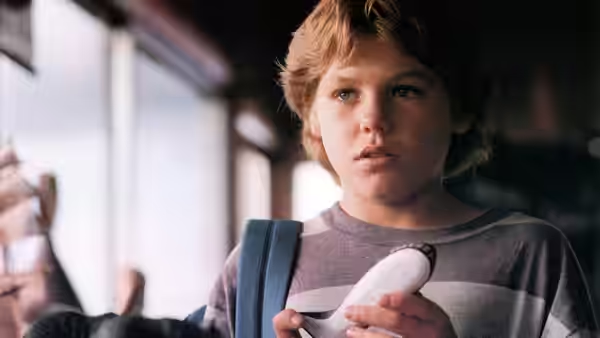
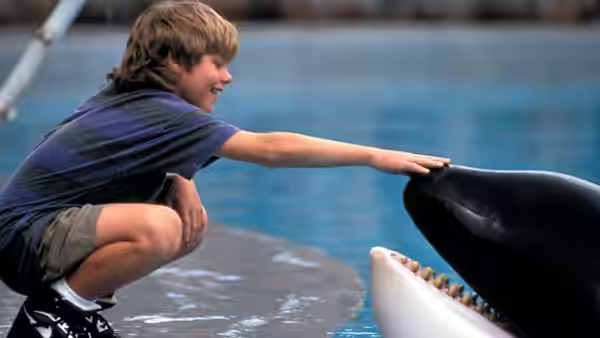
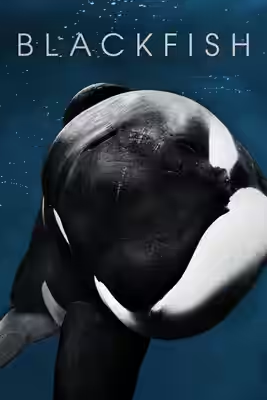
Jason James Richter plays Jesse as a kid who has learned that wanting things is how you get hurt, and he does most of it by not looking at people. Keiko, the orca billed second, is the reason the film works at all. Nobody has told him to be charming. He watches Jesse through the glass with one eye, surfaces when the harmonica starts, and in the night scenes, when Greenberg lights the tank from below so the water goes green and the whale a wet black, the boy’s reflection and the animal’s face share the same frame. O. Nicholas Brown cuts between Keiko and an animatronic double for the contact shots, and if you look you can tell. Most of the time you will not look.
August Schellenberg’s Randolph is the steadiest thing in the film, a man who has spent long enough with the whale to talk about him quietly, and Lori Petty’s Rae gets the practical business, the fish bucket, the hand signals, the weighing, that the film is unusually detailed about. Charles Rosen’s production design makes the park exactly the wrong place for a whale: peeling blue paint, a tank you could cross in a few strokes, an empty grandstand with a view of the sea. April Ferry puts Jesse in a jacket two sizes too big that he never takes off and Randolph in work shirts washed a thousand times. The clothes know who belongs where before the script does.
The rest is cardboard. Michael Ironside’s Dial, the park’s owner, is bad in the way men in suits are bad in children’s films, and Richard Riehle’s Wade has nothing to do but agree with him. Michael Madsen and Jayne Atkinson, as the foster parents, are decent and under-written; Glen wants to be left alone, Annie wants him to try, and their scenes with Jesse are the ones where the dialogue tells us what the actors have already shown. Mykelti Williamson’s social worker arrives to move the plot and leaves. We noticed that the house scenes go by in a grey hurry while the tank scenes are allowed to breathe, and we suspect Wincer noticed too.
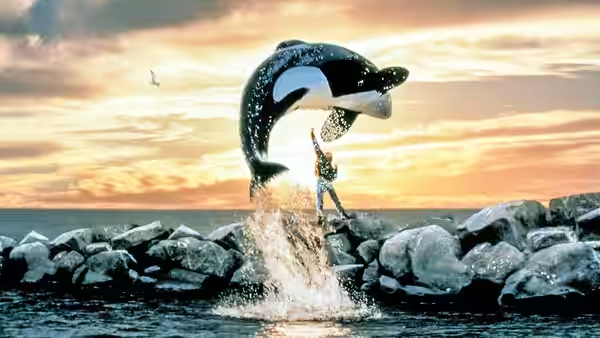
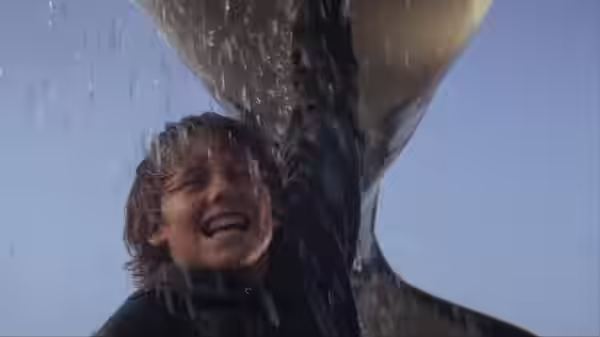
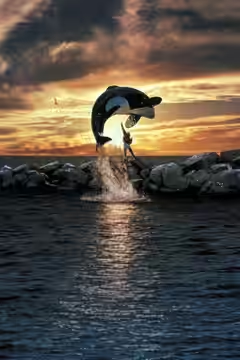
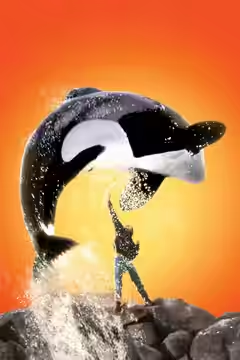
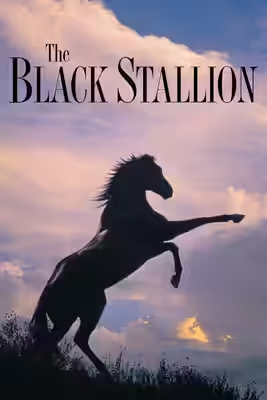
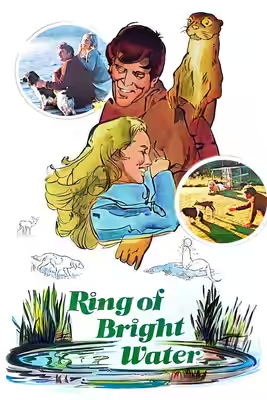
The ending is the image everybody remembers, and the title tells you most of it, so we will only say that it is the one shot where the sentiment and the craft arrive together, and that Poledouris finally lets the full orchestra off the leash he has kept it on. Against the boy-and-animal films it descends from, Ring of Bright Water and The Black Stallion among them, it is broader, softer and more American, and it does not pretend otherwise. At 112 minutes it is about ten minutes longer than its story needs.
Children of about Jesse’s age will not notice the villain is cardboard; they will notice the whale. Adults will notice both, and may find, as we did, that the whale wins.