Film review

Gangs of New York

2002 · Directed by Martin Scorsese · 2h 48m · MPA R

In a sentenceDaniel Day-Lewis makes a crowded New York street feel too small for anyone else

DramaHistoryCrime

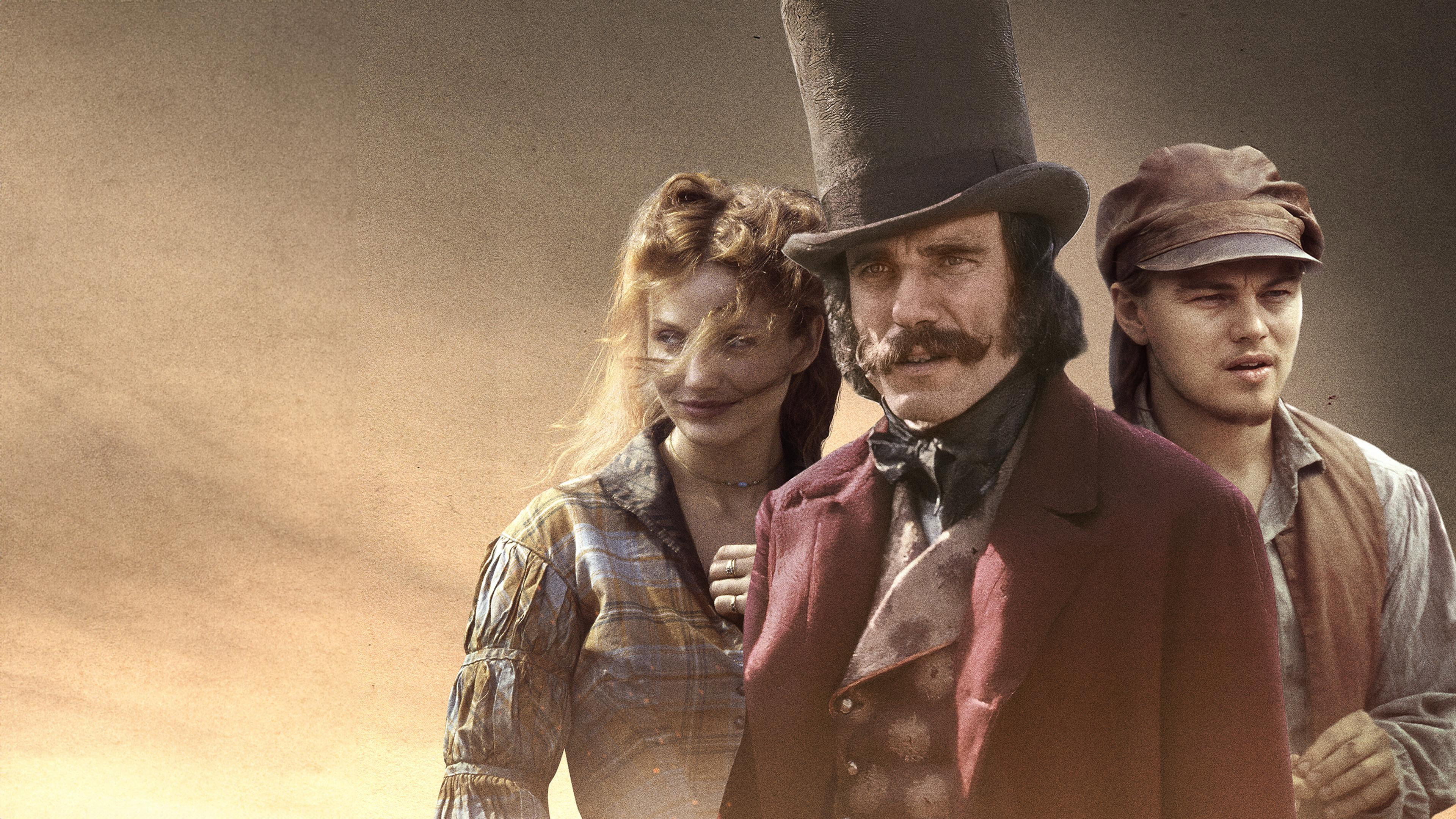
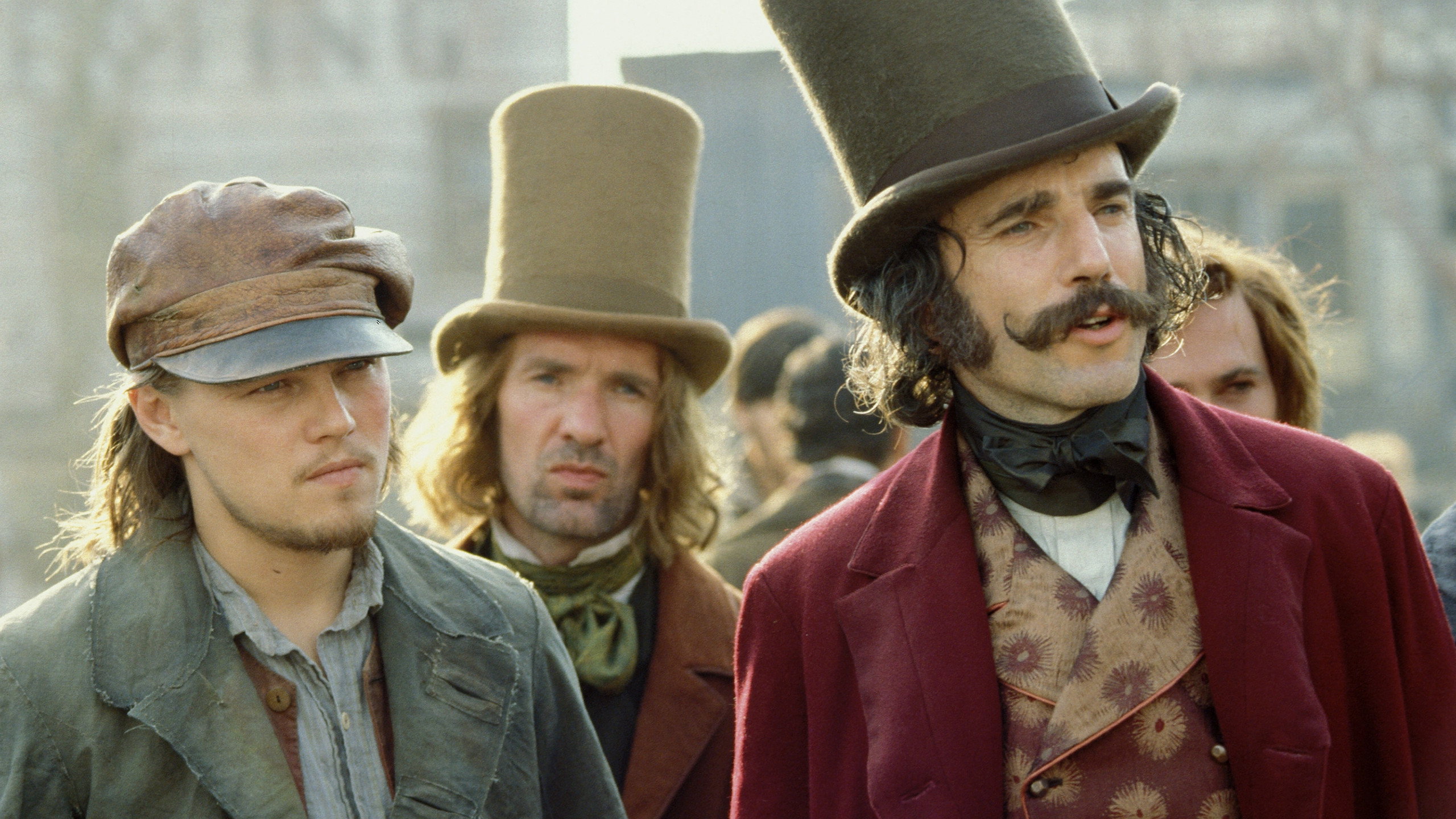
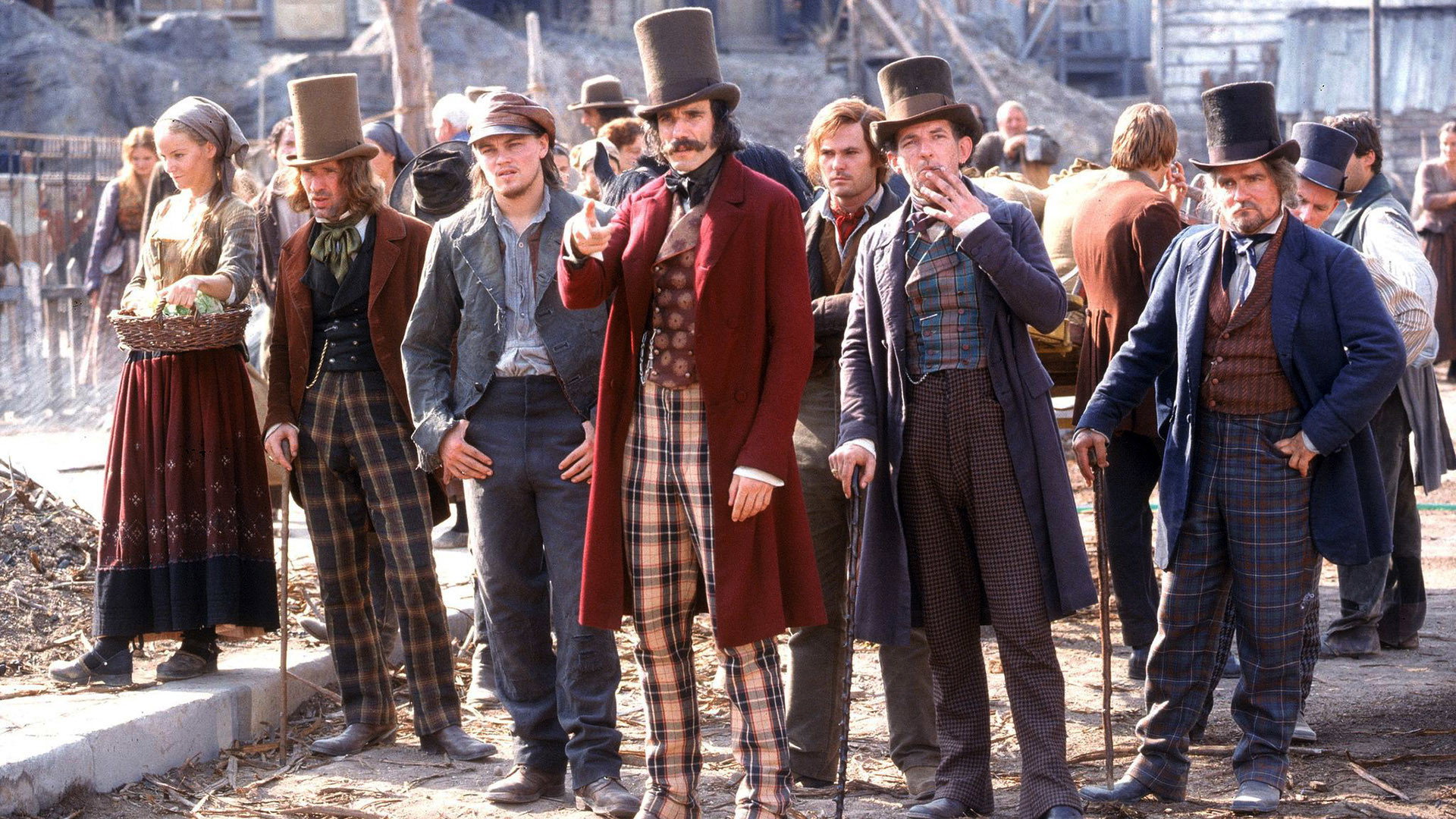
In nineteenth-century New York, rival gangs fight for power as violence and corruption shape the city. Amsterdam Vallon (Leonardo DiCaprio) pursues revenge, bringing him into conflict with Bill ‘The Butcher’ Cutting (Daniel Day-Lewis). Amsterdam also becomes involved with Jenny Everdeane (Cameron Diaz). Martin Scorsese’s historical crime drama places their quarrel among the city’s competing communities, where the battles form part of a wider struggle for control. Jim Broadbent appears as Boss Tweed, with John C. Reilly as Happy Jack and Brendan Gleeson as Walter ‘Monk’ McGinn.

Plays from YouTube when you press play; nothing loads from them until then.

Fi1m review

Martin Scorsese’s violent history of New York is worth seeing for its streets and Daniel Day-Lewis. The revenge story and romance cannot sustain the same interest.

Gangs of New York is worth a long evening, though its revenge story is too slight for the history surrounding it. Martin Scorsese follows gang warfare and corruption through nineteenth-century New York, asking how a city can build a public life out of such brutality. His interest in the place is infectious, and the reconstruction gives him plenty to work with. At 168 minutes, however, the film spends too much time on people it has not made sufficiently interesting.

Dante Ferretti’s production design gives the warring gangs streets that feel inhabited, with a whole city apparently carrying on beyond the principal characters. The density matters, because the rivalries need to seem part of everyday life here. Michael Ballhaus’s photography makes that reconstruction convincing even when the street battles become almost oppressively violent. We were horrified by the opening battle; the sustained bloodshed makes it difficult to treat the fighting as entertainment.

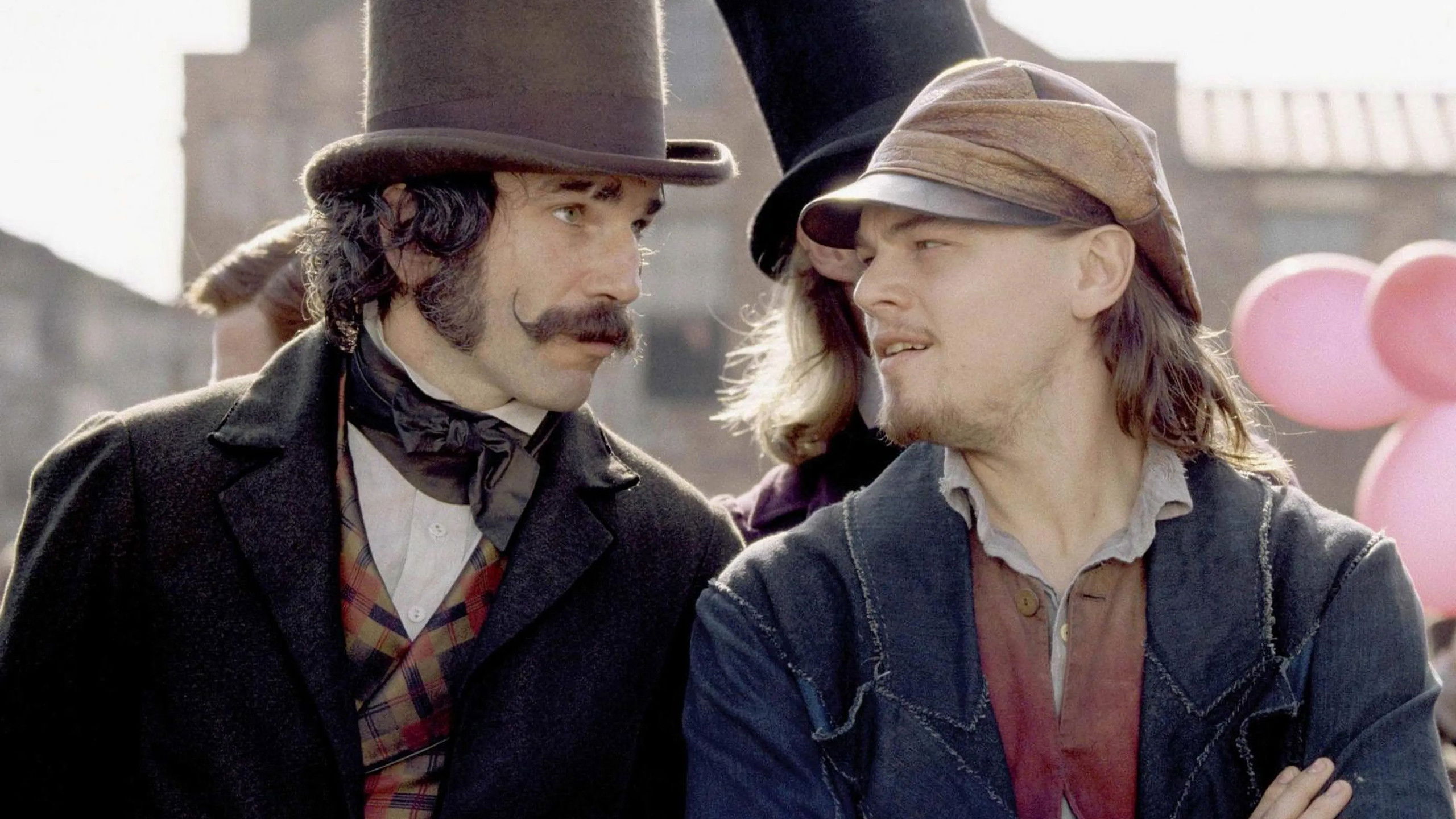
Daniel Day-Lewis gives Bill ‘The Butcher’ Cutting enough personality to compete with all this construction. His performance is extravagant, and properly so: a subdued Bill would disappear into the surrounding mayhem. The ferocity is entertaining even when the man himself is repellent, which makes our attention to him slightly uncomfortable. We want him back whenever he is absent. Leonardo DiCaprio’s Amsterdam Vallon has a difficult job holding the centre, and his determination to take revenge does not provide enough variety.

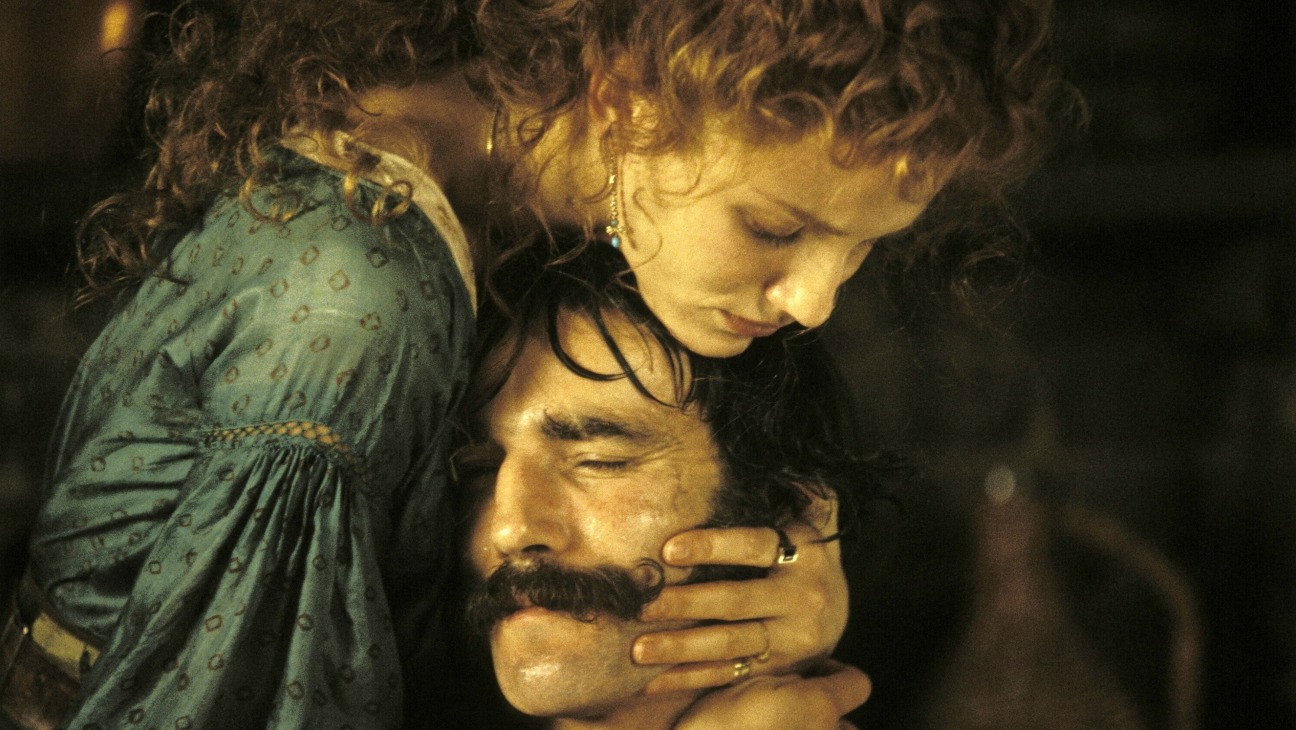
The screenplay by Jay Cocks, Steven Zaillian and Kenneth Lonergan is least persuasive when it turns to Amsterdam and Jenny Everdeane, played by Cameron Diaz. Diaz brings welcome energy, but Jenny never becomes interesting enough to justify the time spent on the romance. These scenes ask for an emotional investment that the writing has not earned. A gangster film needs convincing reasons for its characters to love and trust each other, especially when they are capable of such violence, and these relationships remain underdeveloped.

Thelma Schoonmaker’s editing gives the confrontations force, but the larger rhythm is less secure. The movement between gang conflict, romance and the city’s politics repeatedly requires the film to get going again. Howard Shore’s music adds to the film’s oppressive atmosphere. It is effective, though another source of weight in a film that rarely needs help making its violence felt.

The broader history is the reason to stay. Scorsese treats corruption as part of the way the city works, not a problem caused by a few conveniently wicked men. Jim Broadbent’s Boss Tweed is welcome because the film becomes more alert whenever it attends to power beyond the rival gangs. Even when the amount of violence grows tiring, it belongs to a society that the film has taken care to establish.

We would make the time for it if historical crime drama is the attraction. Anyone after a tightly plotted revenge thriller should look elsewhere, and the brutality is not incidental. Choose your company accordingly.

Critical consensus AI synthesised

65
Positive
7
Mixed
4
Negative
2

Most critics lean towards admiration for Gangs of New York, though praise often comes with substantial reservations. The strongest agreement concerns Scorsese’s recreation of nineteenth-century New York: the crowded streets, period detail and violent spectacle give the history a physical force that even sceptical reviews acknowledge. Daniel Day-Lewis’s Bill the Butcher is the performance most consistently singled out, while several critics value the film’s account of a city shaped by immigration, gang warfare and corruption.

The main divide is over whether the personal drama can carry that historical weight. Reservations cluster around the thin revenge story, underdeveloped relationships and uneven momentum, with some finding the violence exhausting rather than illuminating. The spread is wide: Slant Magazine finds the film deeply moving despite its untidy construction, while the Los Angeles Times sees authentic streets and strong casting but too little narrative drive to make the spectacle work as drama.

Slant Magazine
20 December 2002 · ★★★★/4
100

An exceptionally violent and passionate account of history that counts as one of the most moving cinematic statements ever made; a willful, ardent breakthrough despite its unsettled and occasionally sloppy construction.

Read the full review →
The AV Club
22 January 2003 · Scott Tobias
90*

Scorsese delivers a magnificent epic and grand achievement in history and anthropology with sumptuous period recreation; the film's main character is America itself, tackled with peerless technique.

Read the full review →
Evening Standard
· Alexander Walker
75*

Scorsese's long-awaited homage to New York is a colossal fresco teeming with life and rife with violence that dwarfs the stars, chronicling warring immigrant tribes and the city's emergence from internecine warfare amid Civil War riots. The personal drama centres on the battle between Bill the Butcher and Amsterdam Vallon.

Read the full review →
RogerEbert.com
20 December 2002 · ★★★/4 · Roger Ebert
75

Scorsese's epic visualizes a violent, Dickensian 19th-century New York forged in gang warfare and corruption, with standout performances like Daniel Day-Lewis as Bill the Butcher. It is a considerable achievement but not among the director's masterpieces, lacking the momentum of his best work.

Read the full review →
Time Out
25 January 2012 · TCh
75*

This is Scorsese's Birth of a Nation, linking the frontier Western and the gangster movie through its epic historical imagination and larger-than-life Day-Lewis performance. Relationships feel underdeveloped and the tone occasionally slips into blockbuster idiom, yet it remains compelling overall.

Read the full review →
Empire
· Angie Errigo
70*

Scorsese's dark, provocative 19th-century epic is signature work with stunning period detail and ambitious scale, but marred by narrative problems and a drawn-out romantic plot that feels rushed in the second half. Day-Lewis delivers a show-stealing performance as the sociopathic Bill the Butcher.

Read the full review →

Cast

Stills

Awards

Academy Awards, 2003

Nominated
Best Actor
Nominated
Best Cinematography
Nominated
Best Costume Design
Nominated
Best Director
Nominated
Best Film Editing
Nominated
Best Picture
Nominated
Best Production Design
Nominated
Best Sound
Nominated
Best Writing, Original Screenplay

If you liked this, try…

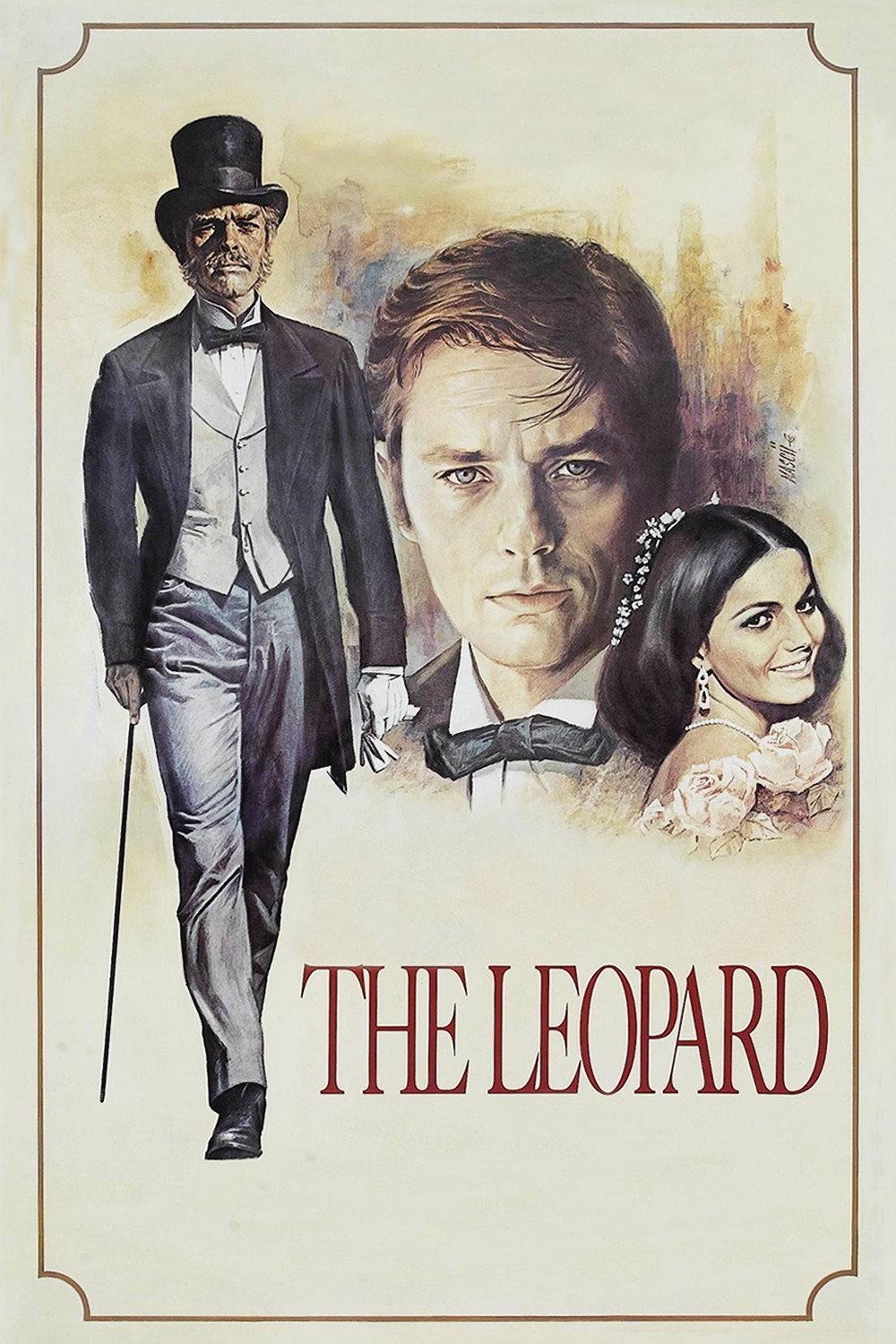
The Leopard poster

The Leopard

1963 · Another society remakes itself, with period detail that explains who holds power.

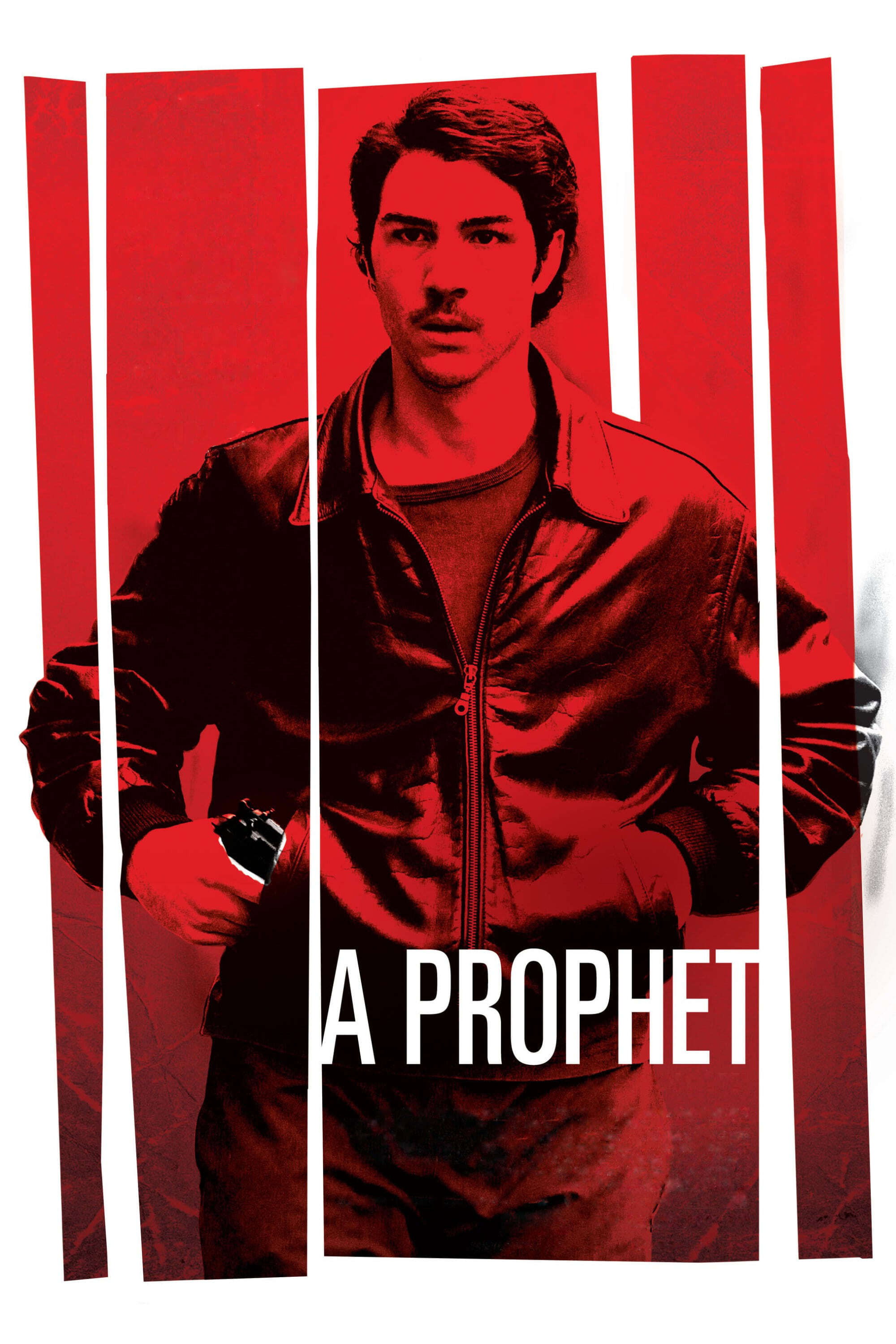
A Prophet poster

A Prophet

2009 · A young man’s criminal education, with the patient character development Amsterdam lacks.

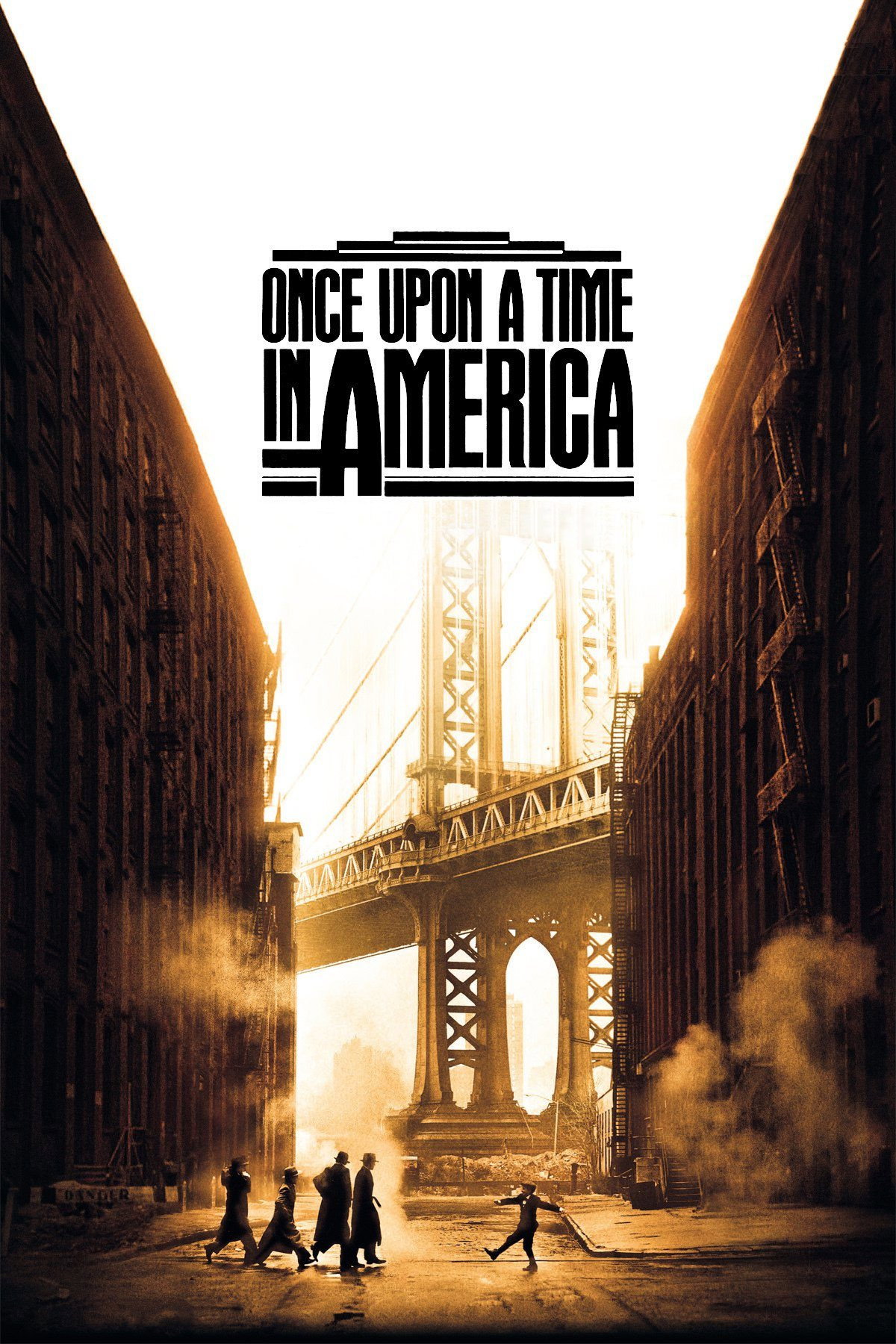
Once Upon a Time in America poster

Once Upon a Time in America

1984 · Gang loyalties and private betrayals receive the time and weight they need.

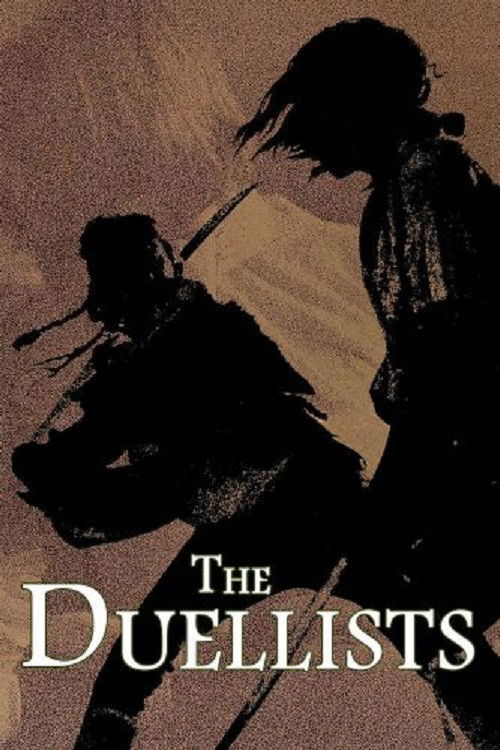
The Duellists poster

The Duellists

1977 · For period violence driven by male pride, on a more concentrated scale.

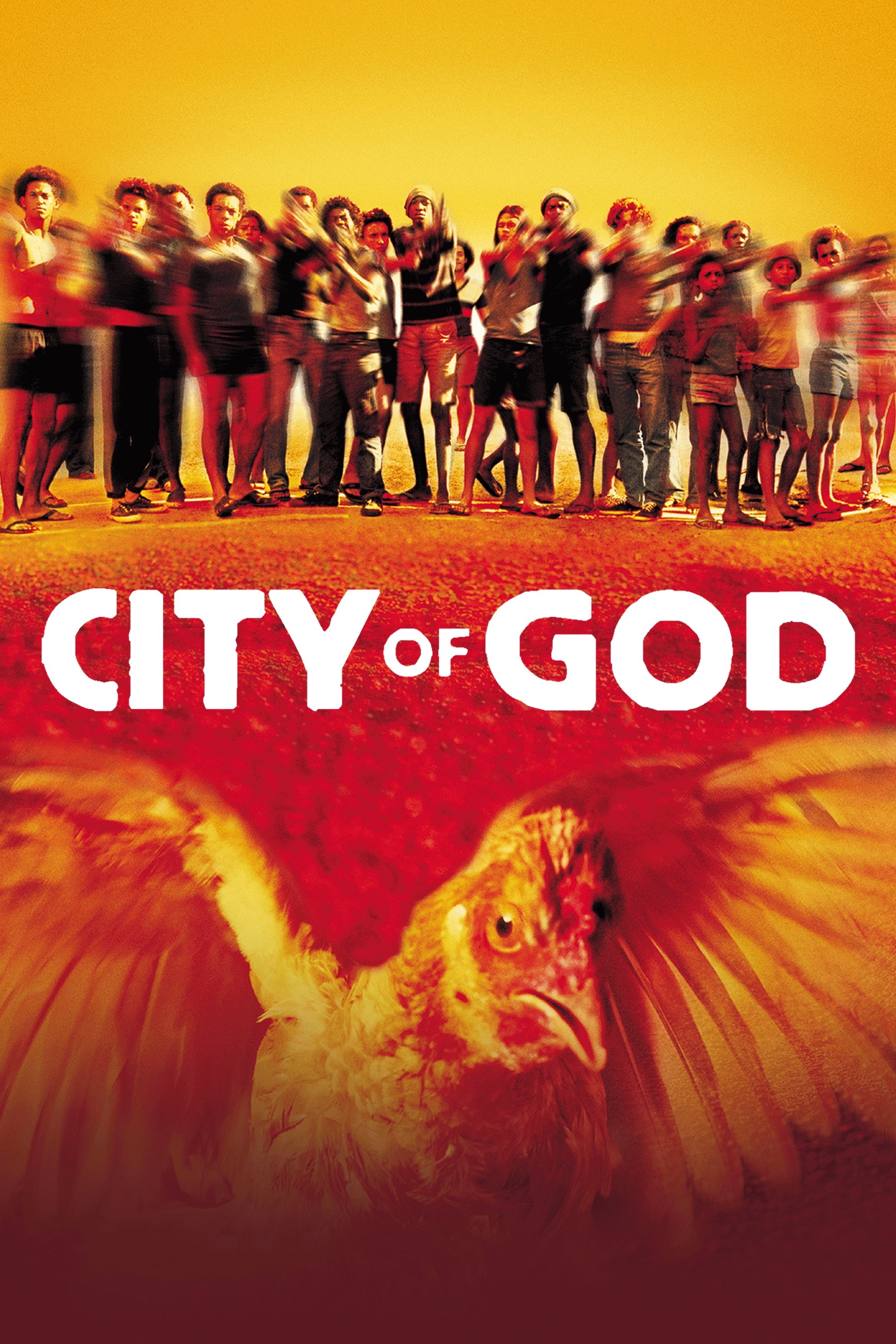
City of God poster86

City of God

2002 · A city’s violent history told through rival gangs, with a more urgent pace.