Film review

Glory

1989 · Directed by Edward Zwick · 2h 02m · MPA R

In a sentenceDenzel Washington makes a military uniform feel like something a man has to fight to wear

DramaHistoryWar

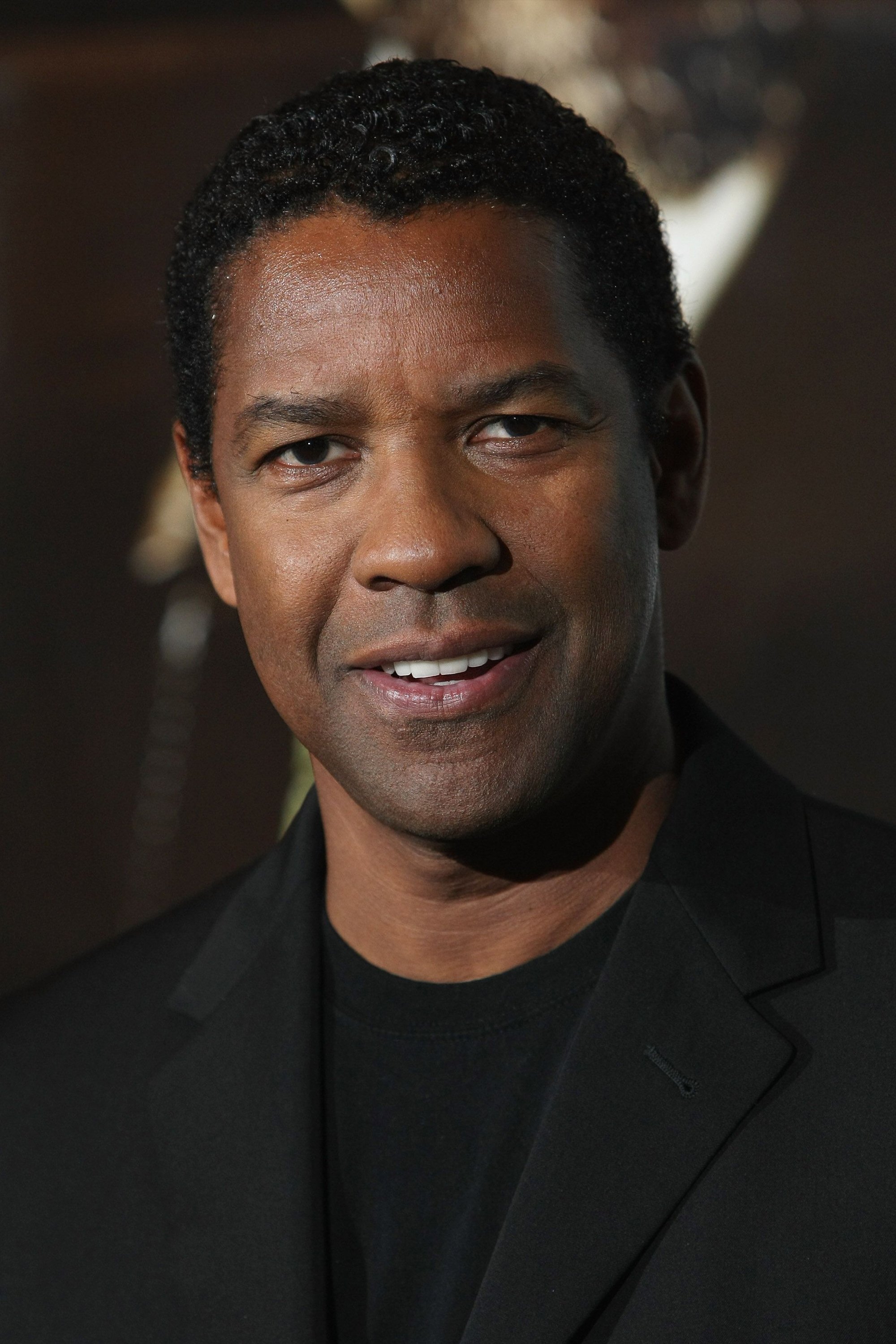
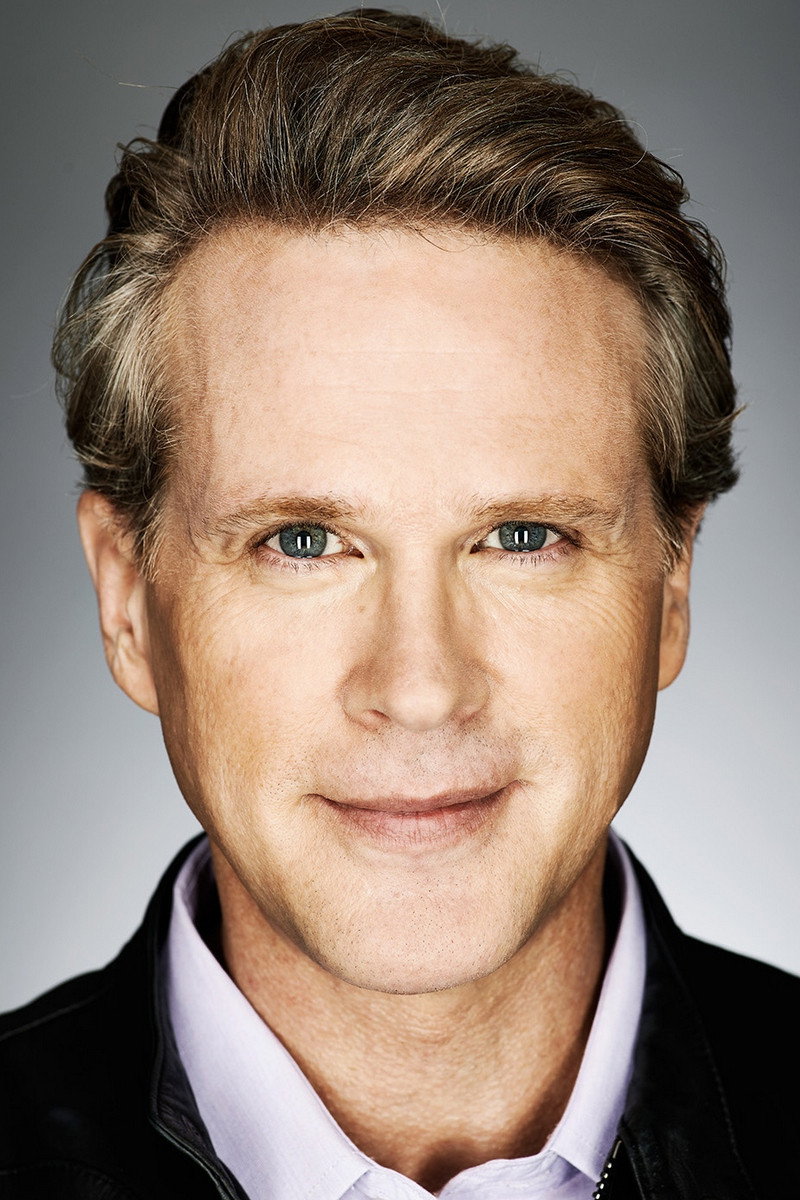
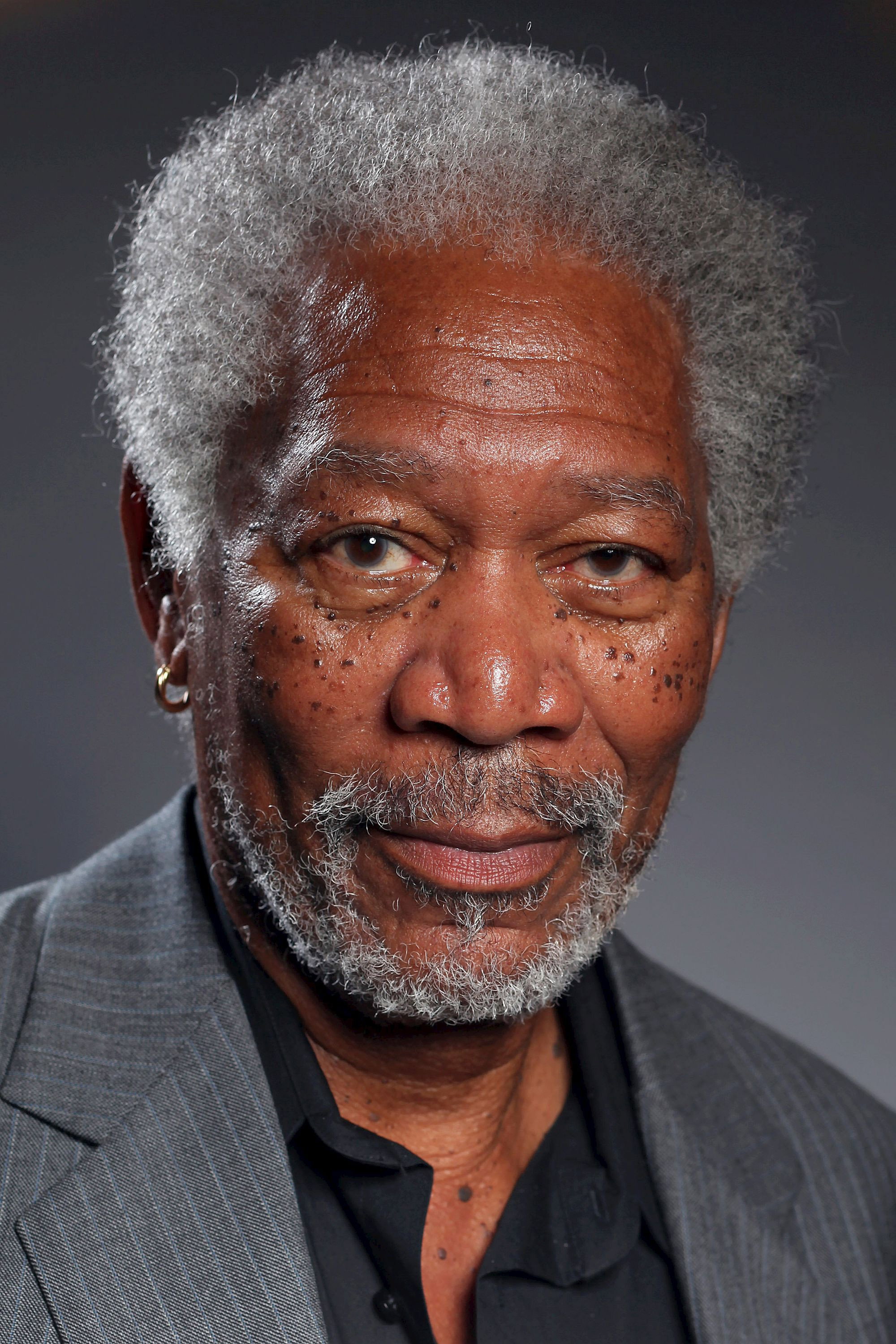
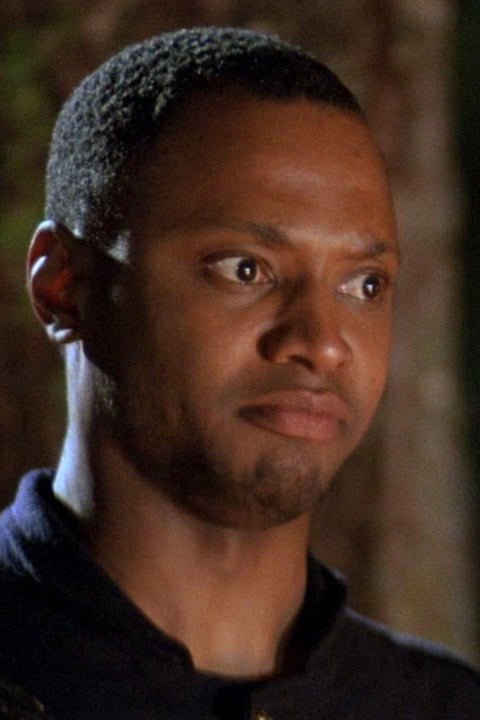
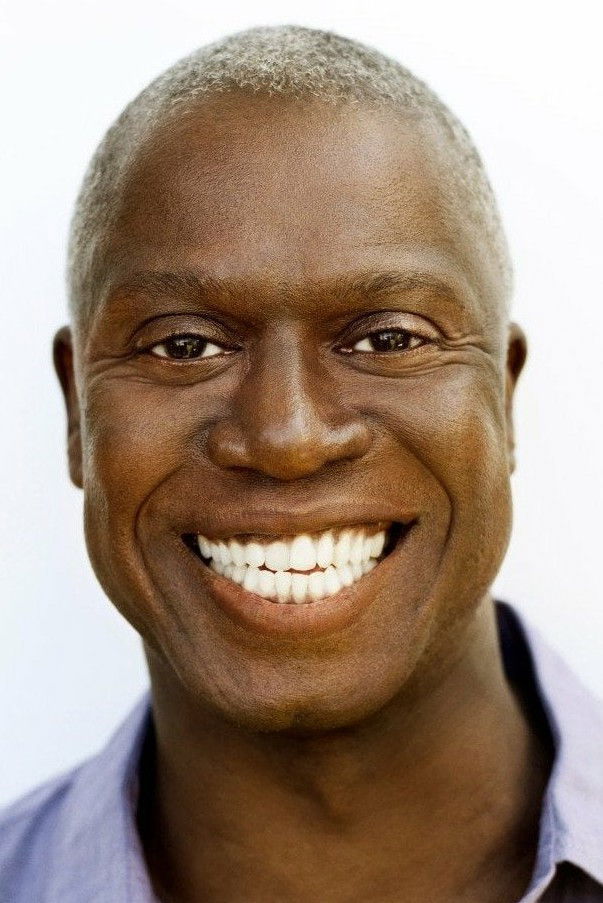
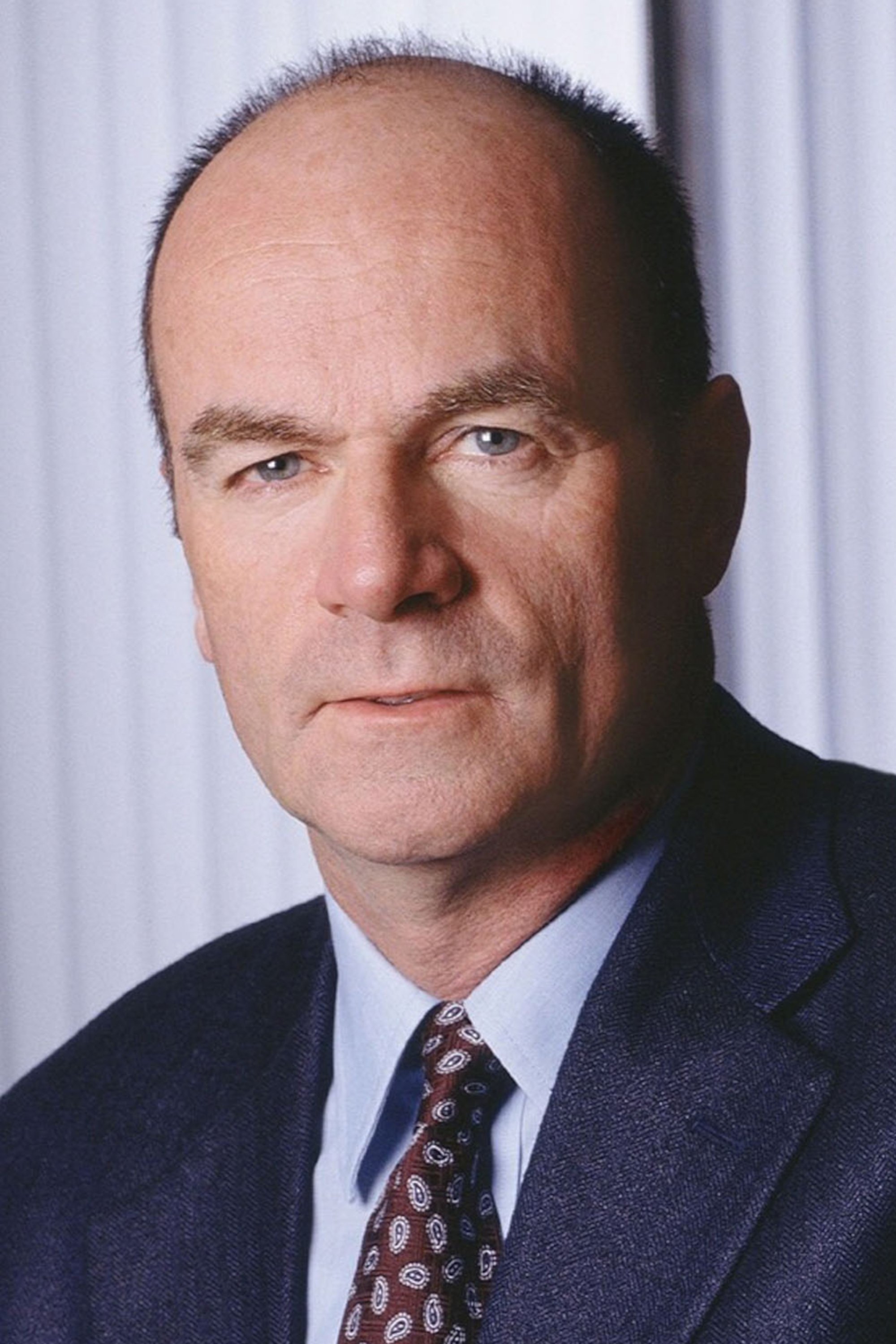
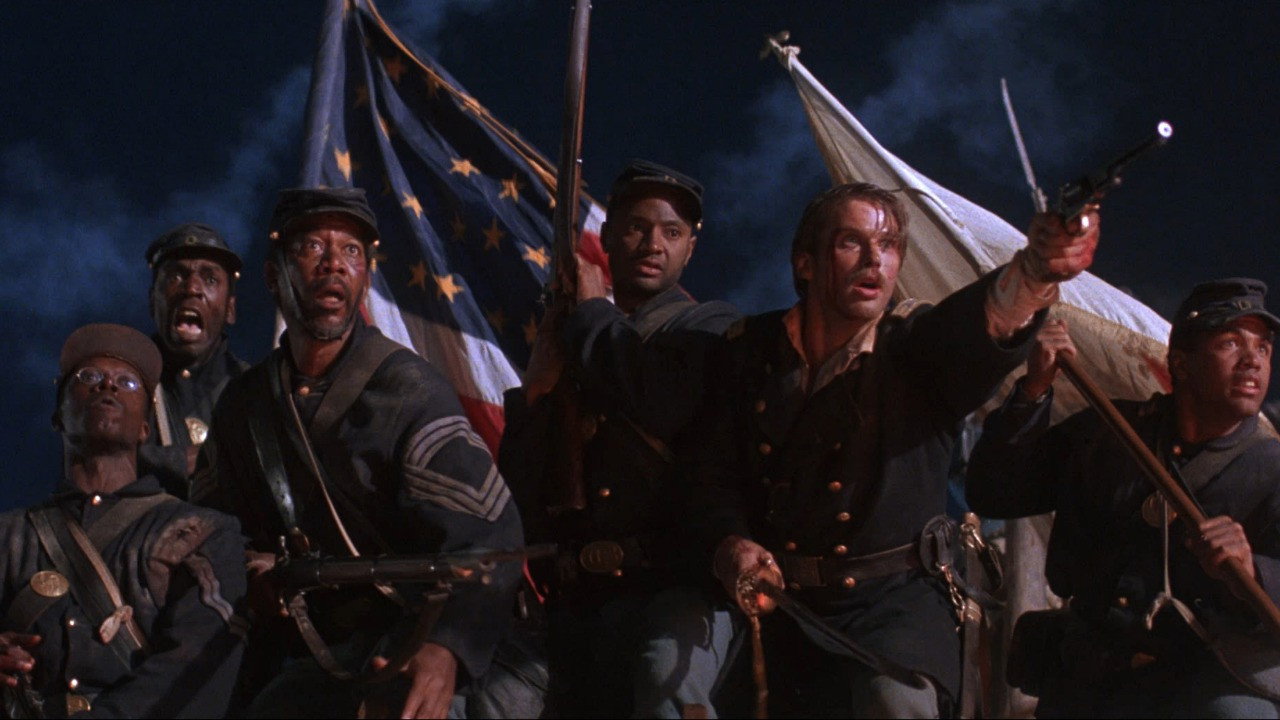
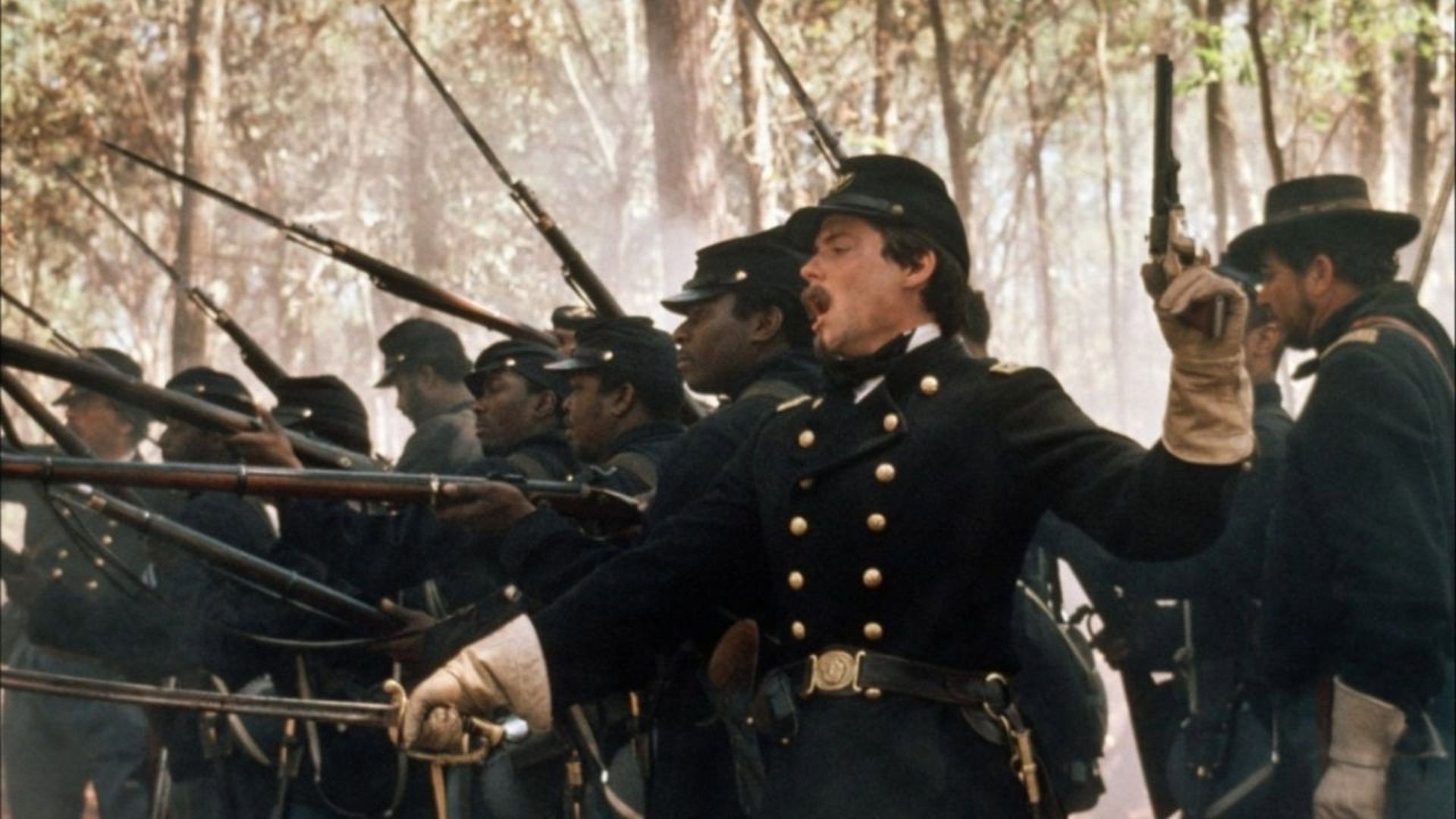
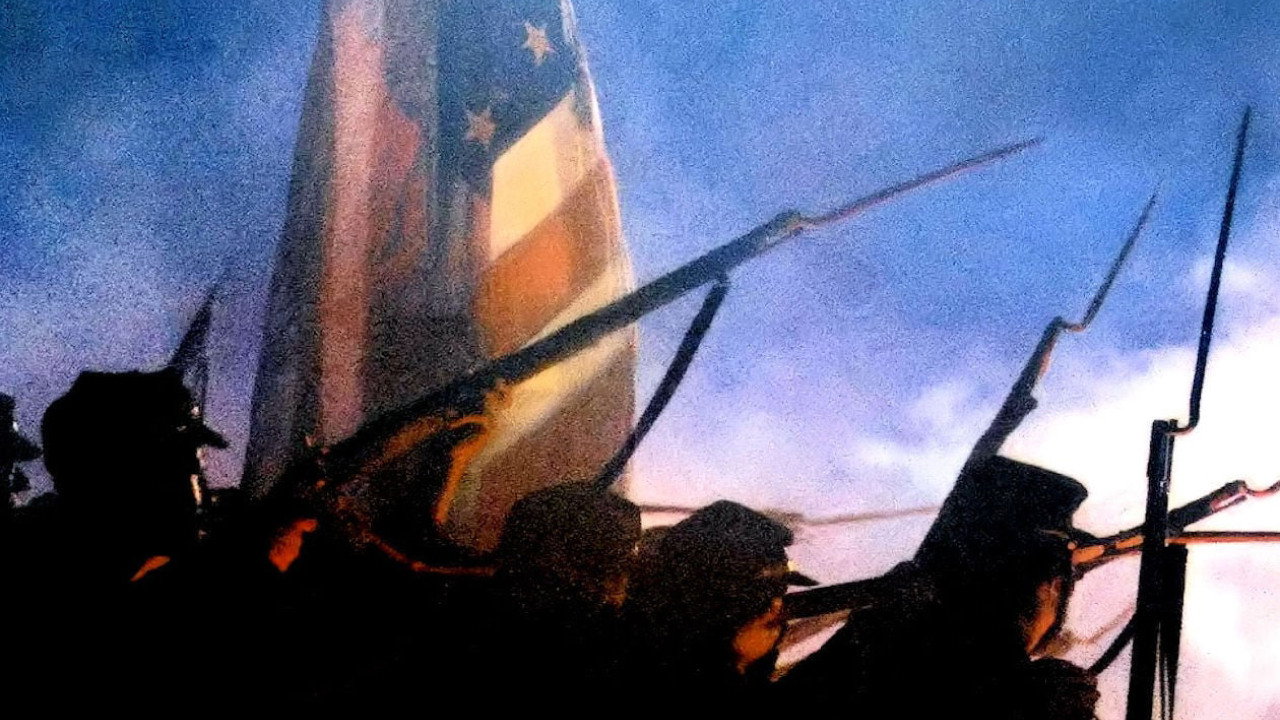
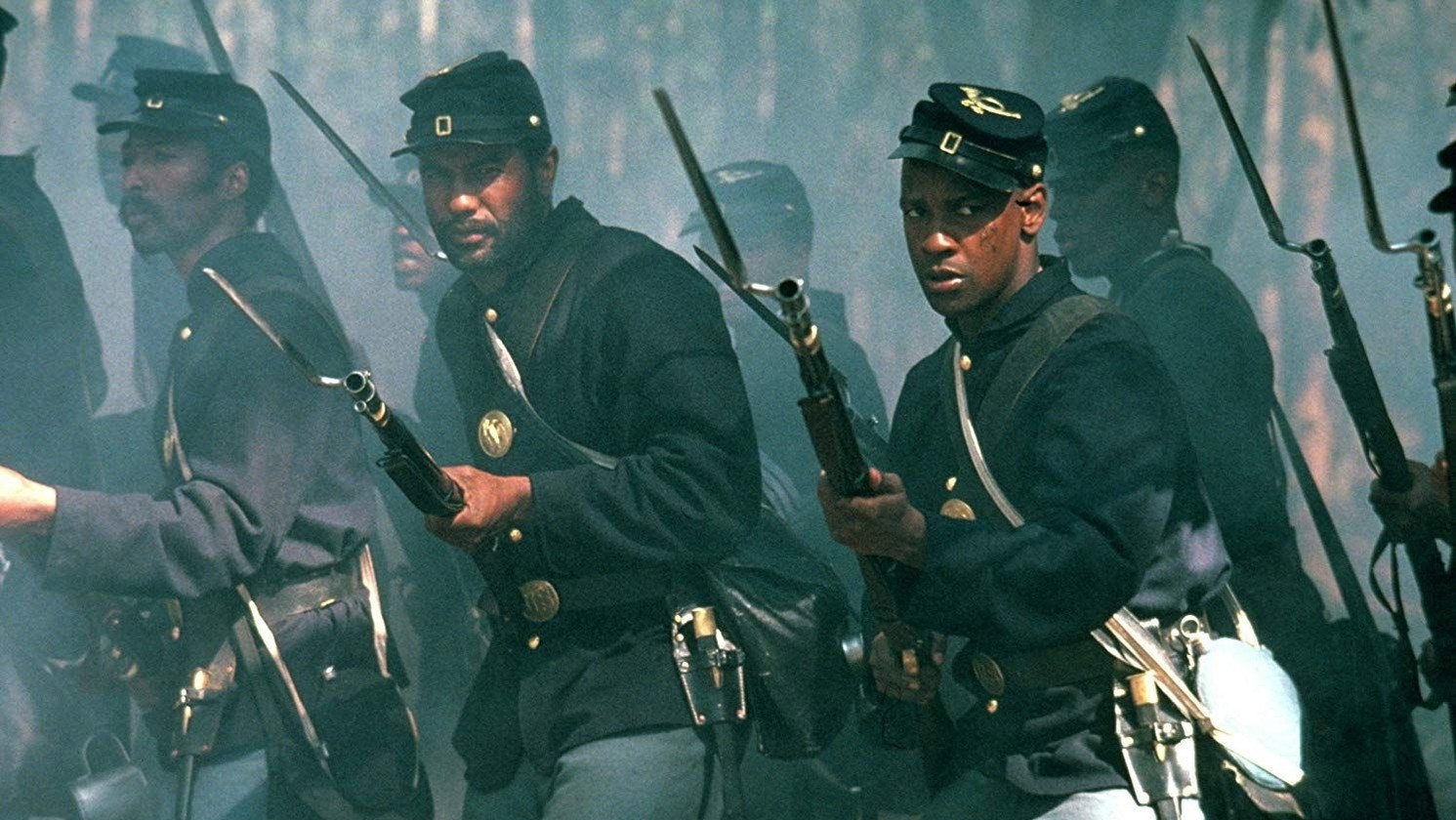
The soldiers of the 54th Massachusetts Regiment prepare to fight in the American Civil War, facing racism as well as the demands of military service. Matthew Broderick plays Colonel Robert Gould Shaw, with Cary Elwes as Major Cabot Forbes. Among the black soldiers are Private Trip (Denzel Washington), Sergeant Major John Rawlins (Morgan Freeman), Corporal Thomas Searles (Andre Braugher) and Private Jupiter Sharts (Jihmi Kennedy). Edward Zwick’s historical war drama follows the regiment’s developing discipline and solidarity, and the struggle of men expected to demonstrate their fitness to serve while confronting prejudice.

Plays from YouTube when you press play; nothing loads from them until then.

Fi1m review

Edward Zwick’s Glory is a moving, carefully made war film whose actors give more to the soldiers than the writing does. Denzel Washington and Morgan Freeman make its familiar character types worth caring about.

Edward Zwick’s Glory wants to give the black soldiers of the 54th Massachusetts Regiment the attention their courage deserves. It is a moving war film, and we recommend it with one substantial reservation: the soldiers do not get enough opportunity to tell their own story. Zwick trusts military discipline, solidarity and the force of battle to carry much of the drama. He also trusts Kevin Jarre’s dialogue rather too much. Some of it sounds written for a history lesson, even when the actors make us believe the people delivering it.

Matthew Broderick’s Colonel Robert Gould Shaw occupies too much of the film’s attention for our liking, but Broderick is not the problem. His performance gives the officer’s responsibilities a seriousness that helps the military story work. The difficulty is the decision to spend so much time understanding the regiment through its commander. In a film about black soldiers facing racism, we want more of their experience without an officer placed between them and us.

Denzel Washington, as Private Trip, supplies much of what is missing from that approach. There is an anger in the performance that makes the film’s respectable intentions feel insufficient, which is useful. Morgan Freeman’s Sergeant Major John Rawlins gives the men’s developing solidarity a convincing human presence. We were moved by the small scenes in which the soldiers begin to act together with conviction. Washington and Freeman make that loyalty feel earned, even when Jarre’s writing leaves the men too close to familiar types.

Freddie Francis’s cinematography is particularly good at keeping the period detail visible without softening the violence. The battle scenes are forceful enough to interrupt any comfortable admiration of the image, and that matters in a film so concerned with honour. Norman Garwood’s production design helps establish a convincing historical setting, giving the actors a persuasive place to inhabit. The physical care carries us through stretches where the dialogue settles for a general idea of how a soldier should speak.

Steven Rosenblum’s editing keeps the regiment’s growth important alongside the fighting. Those smaller scenes of conviction stop the film from becoming a succession of impressive military demonstrations. James Horner’s score provides the scale and solemnity Zwick is after, and we respond to it more often than we resist it. There are moments when its urging feels unnecessary, because the actors have already done the difficult work.

War films can make courage easy to applaud by leaving the institution asking for it largely unexamined. Glory makes racism within the soldiers’ own cause part of its account of military service. The solemn tone sometimes makes that conflict feel simpler than it should. Yet Zwick gives the men’s struggle to be recognised enough attention for it to remain troubling, even when the writing invites an easier response. Give it an uninterrupted evening; the smaller exchanges between the soldiers deserve as much attention as the fighting.

Critical consensus AI synthesised

75
Positive
6
Mixed
0
Negative
1

Most critics respond warmly to Glory as a moving account of the 54th Massachusetts Regiment and the black soldiers’ struggle against racism. Praise centres on the performances, particularly Denzel Washington’s, with the ensemble giving weight to the soldiers’ bravery and growing solidarity. The photography, period detail and forcefully staged battles also draw consistent approval, while several reviews value the attention paid to a lesser-known chapter of the American Civil War.

The reservations concern how fully the soldiers emerge as individuals: sympathetic reviews still find stereotypes, conventional writing or an overbearing insistence on the film’s good intentions. The Los Angeles Times wants more of the black characters’ own perspective, while Empire finds archetypes rather than convincing men. The spread is broad despite the positive majority: The Guardian dissents sharply, finding the treatment overwrought and deeply flawed, though it shares the praise for Washington and Freeman.

RogerEbert.com
12 January 1990 · ★★★★/4 · Roger Ebert
100

Ebert praises the film as a strong and valuable story of the 54th Massachusetts Regiment's bravery and the black soldiers' fight against racism. He singles out the period detail and performances, particularly the way the film shows the regiment's growth through small scenes of conviction and solidarity.

Read the full review →
Radio Times
★★★★ · Adrian Turner
80

This is a long overdue tribute to the 54th Massachusetts Voluntary Infantry. It excels in its photography, violently staged battle scenes and Denzel Washington's performance, despite some stereotyping.

Read the full review →
The New York Times
14 December 1989 · Vincent Canby
80*

Canby highlights the film's focus on the 54th Regiment's valor in the assault on Fort Wagner and its historical significance in proving black soldiers' discipline. He notes the strong performances and the way it brings to life a lesser-known chapter of the Civil War.

Read the full review →
Empire
1 January 2000 · Ian Nathan
75*

The critic calls it a stirring, glossy epic that feels authentic while looking grand and operatic, praising the stern acting and cinematography. However, the liberal-mindedness is often overbearing and characters are archetypes rather than real men.

Read the full review →
Los Angeles Times
14 December 1989 · Kevin Thomas
75*

Thomas describes it as an eloquent, heart-tugging Civil War epic with impressive battle scenes and strong performances, especially from Matthew Broderick and the ensemble. He notes its focus on the black soldiers' struggle but wishes for more perspective from the black characters themselves.

Read the full review →
The New Yorker
29 January 1990 · Pauline Kael
75*

Kael calls the film affecting and emotionally moving on a great subject, with strong performances from the black leads and thoughtful direction that elevates the conventional script. She praises the visual style and the way it honors the historical events without over-dramatizing.

Read the full review →

Cast

Stills

Awards

Academy Awards, 1990

Nominated
Best Film Editing
Nominated
Best Production Design
Won
Best Cinematography
Won
Best Sound
Won
Best Supporting Actor

If you liked this, try…

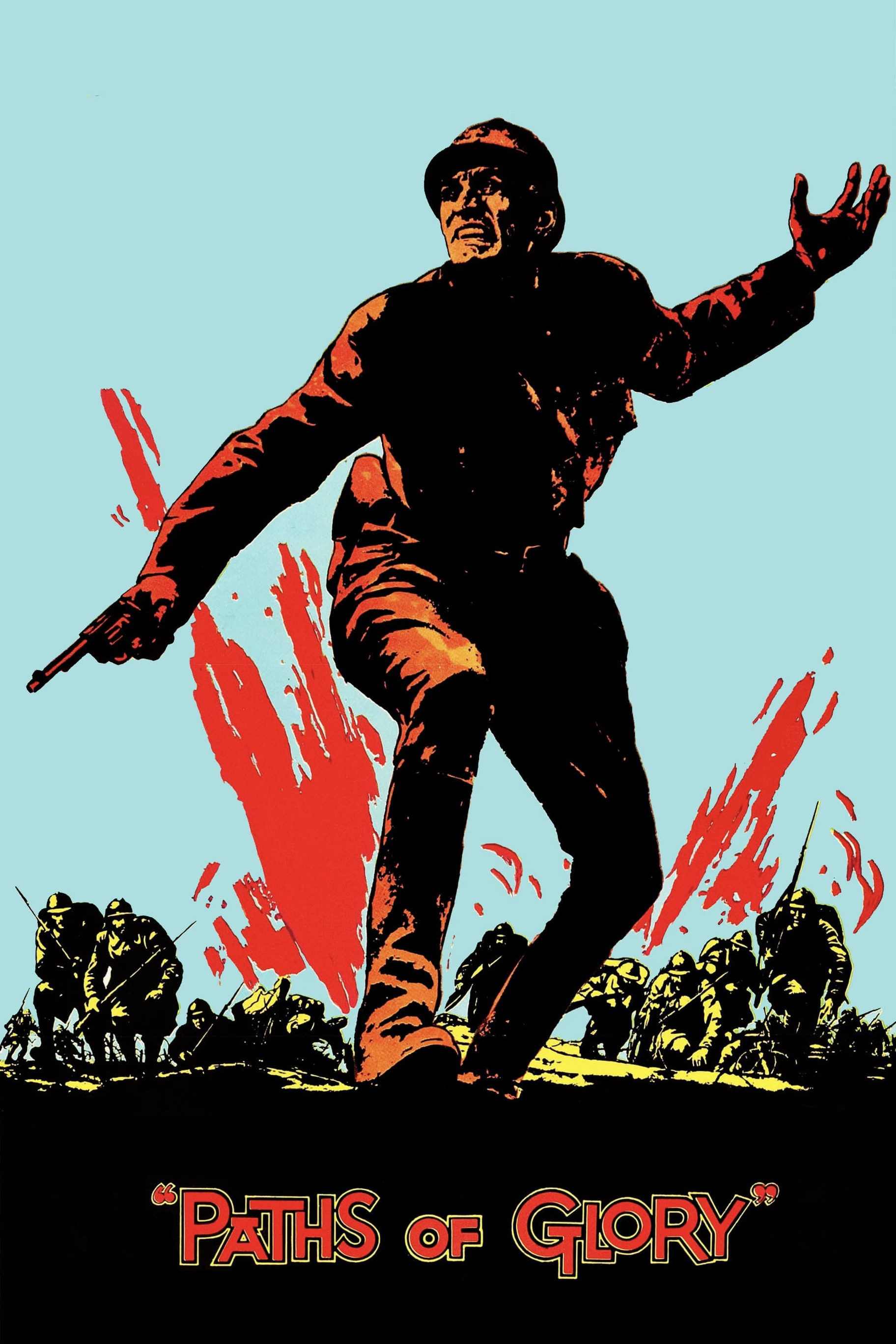
Paths of Glory poster93

Paths of Glory

1957 · Another military hierarchy examined closely, with even less patience for its officers.

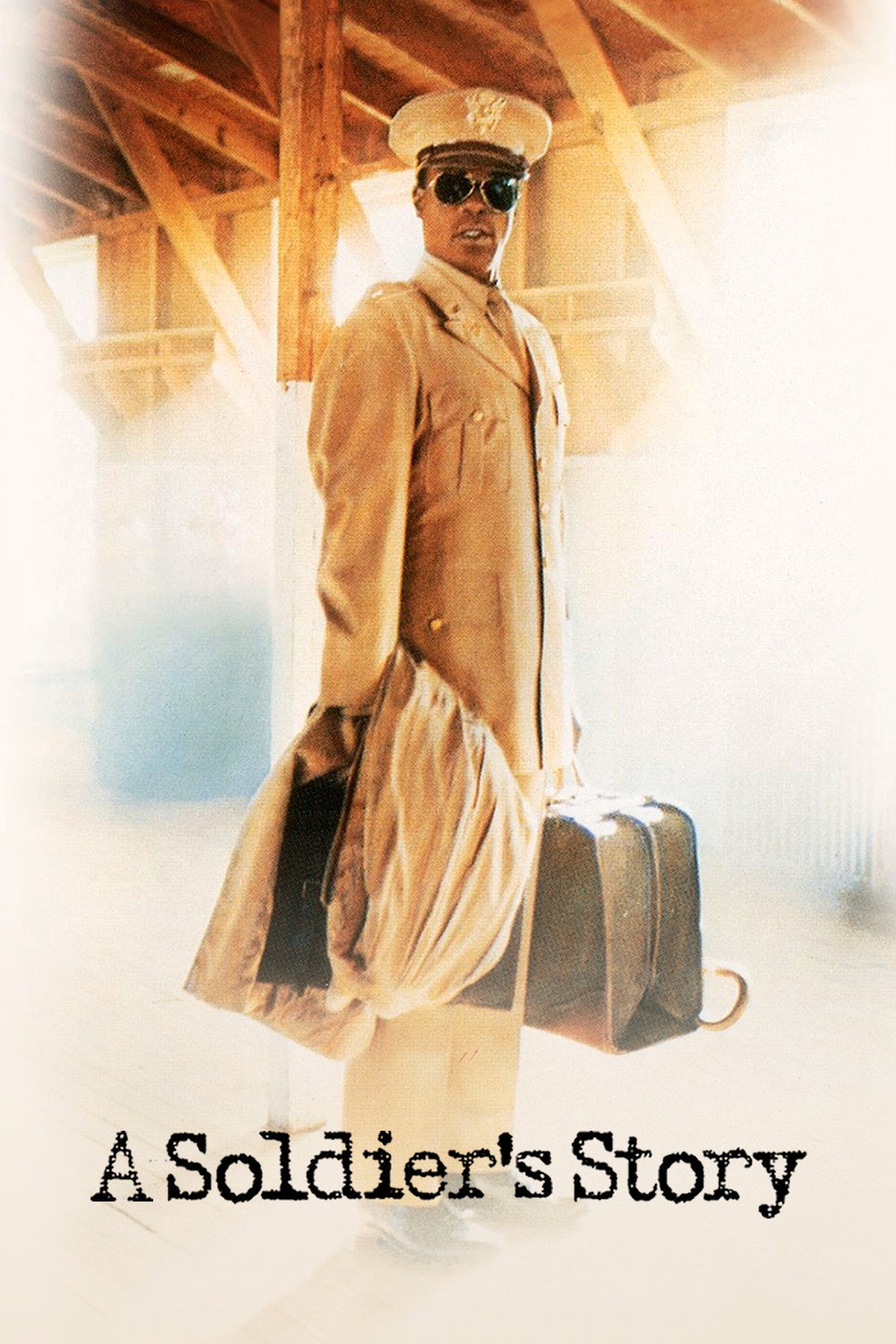
A Soldier's Story poster

A Soldier's Story

1984 · For another ensemble confronting racism inside an army that demands their loyalty.

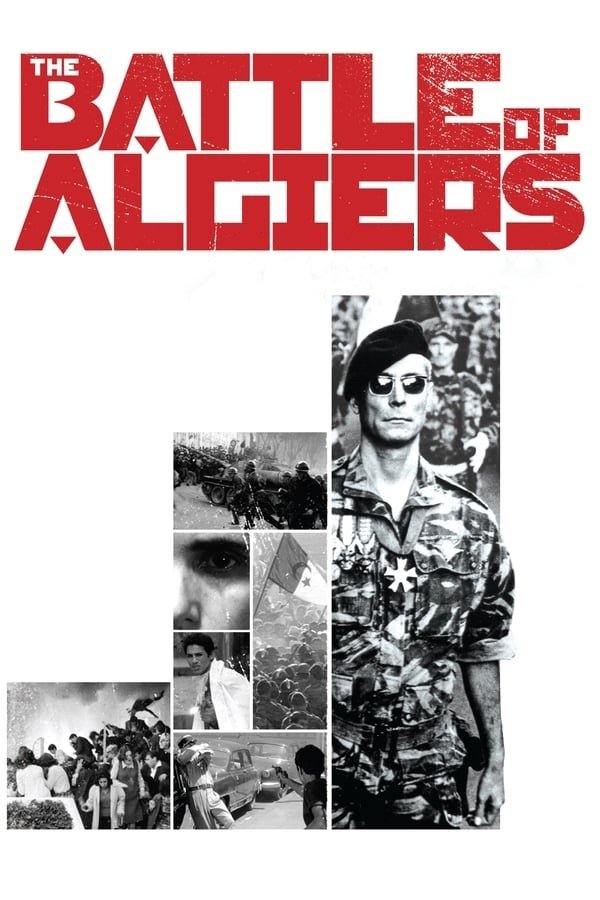
The Battle of Algiers poster93

The Battle of Algiers

1966 · For collective struggle filmed with urgency and uncomfortable attention to political violence.

The Ascent poster

The Ascent

1977 · A harsher wartime drama about courage, faith and what survival can cost.

Small Axe poster

Small Axe

2020 · For black lives given the space, specificity and attention this film sometimes withholds.