Gus Van Sant’s drama is funny and moving, with Matt Damon and Robin Williams making its familiar lessons worth hearing. The speeches can be too polished, but the performances earn our affection.
Gus Van Sant gives Good Will Hunting the patient attention its conspicuous cleverness needs. Written by Matt Damon and Ben Affleck, it asks how a working-class maths genius might learn to accept help from other people. We recommend it for the actors, who make Will’s difficulties matter even when the story tells us too neatly what to think. Its trouble is a script too fond of preparing speeches for moments when a few less practised words might hurt more.
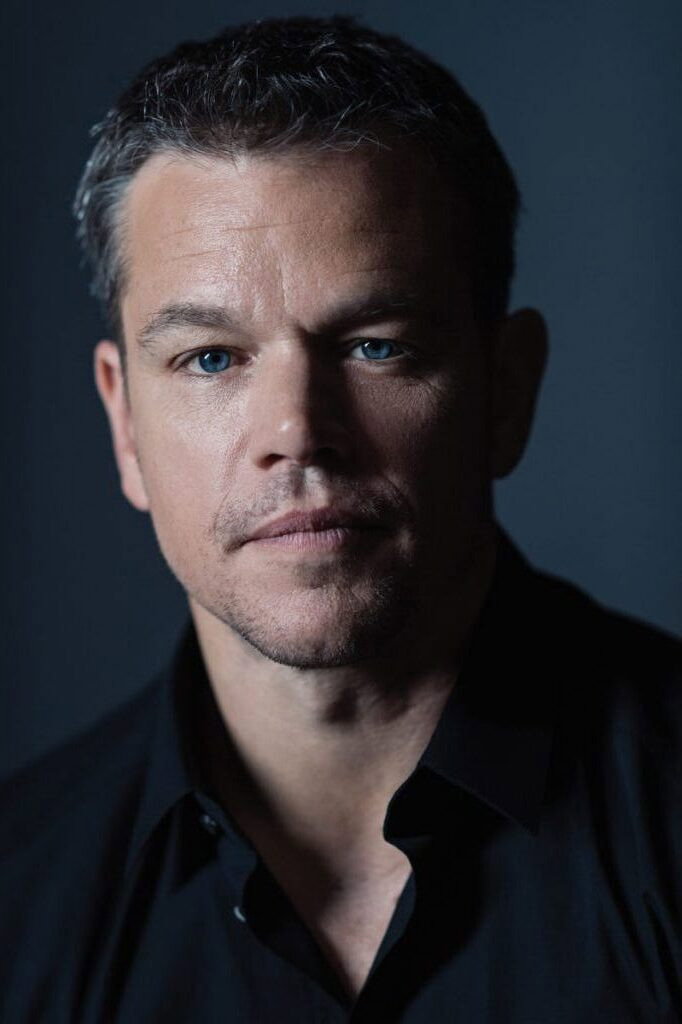
Damon is particularly good at making Will’s intelligence tiring without making his company unbearable. The speed and confidence of his delivery are entertaining, but he lets us feel the effort involved in keeping that cleverness switched on. With Minnie Driver’s Skylar, he finds a less secure rhythm, and the romance benefits from the sense that neither performer can settle comfortably into a routine. Driver gives Skylar enough humour and self-possession to make her interest in Will plausible, even when being around him looks like work.
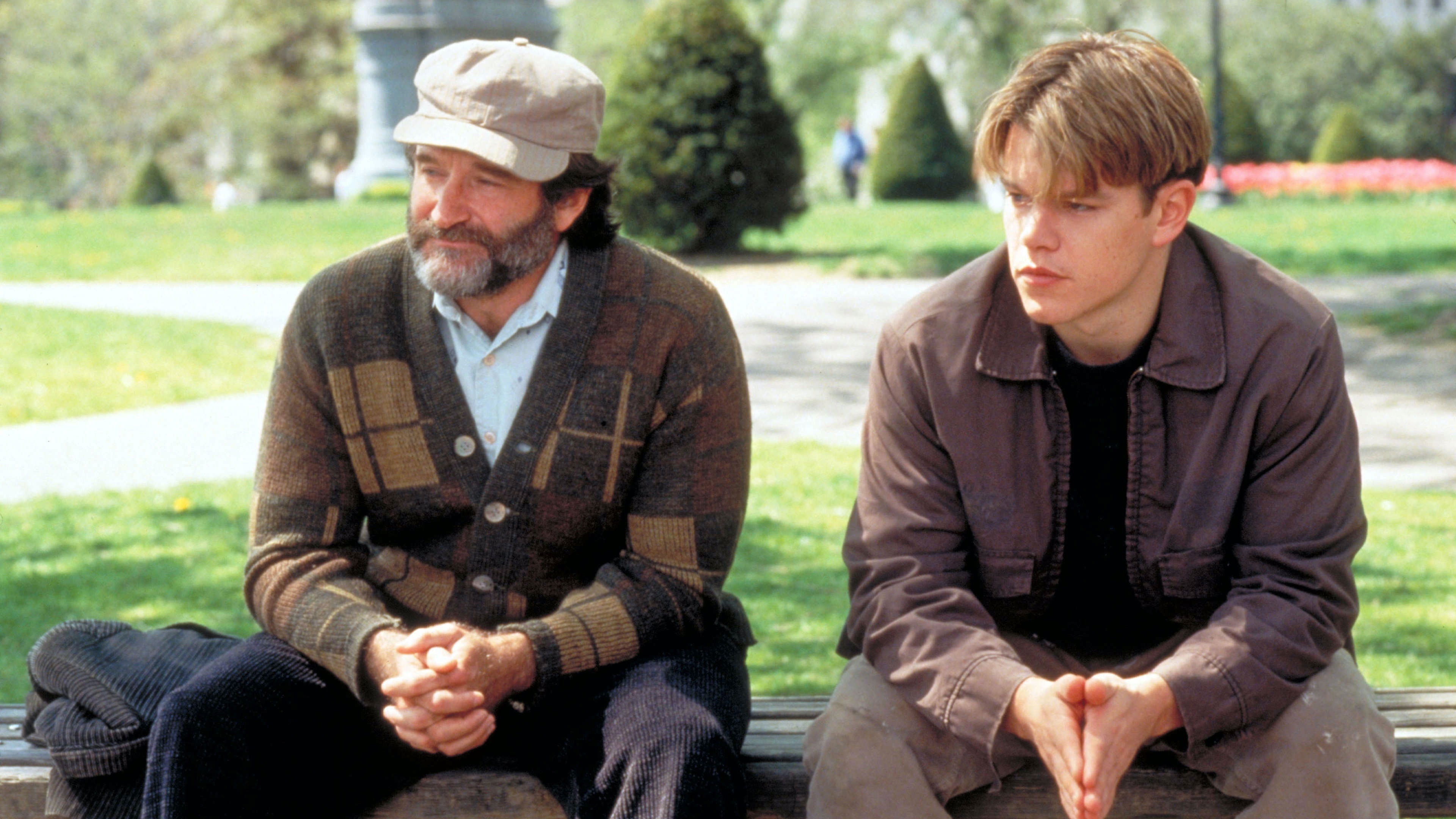
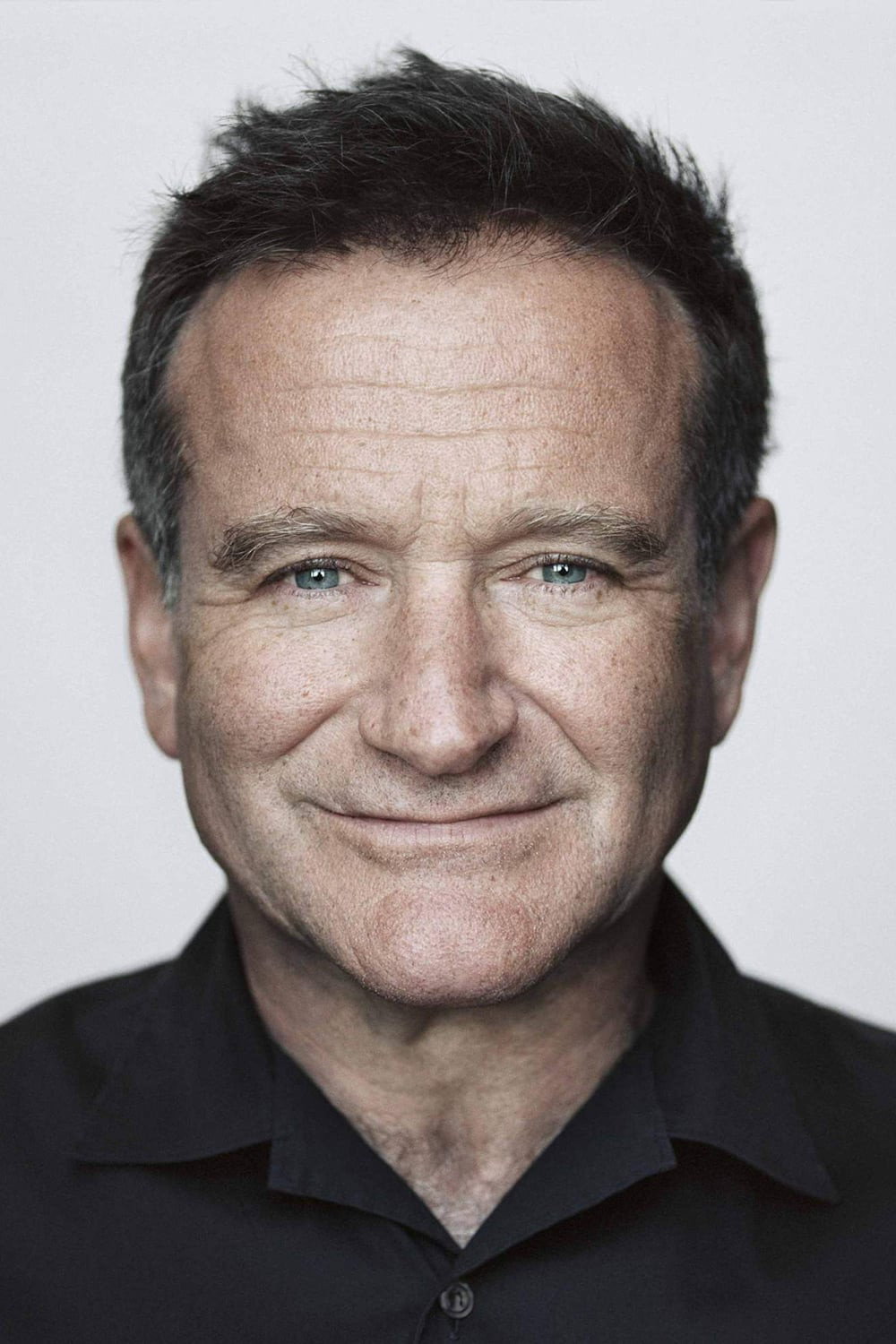
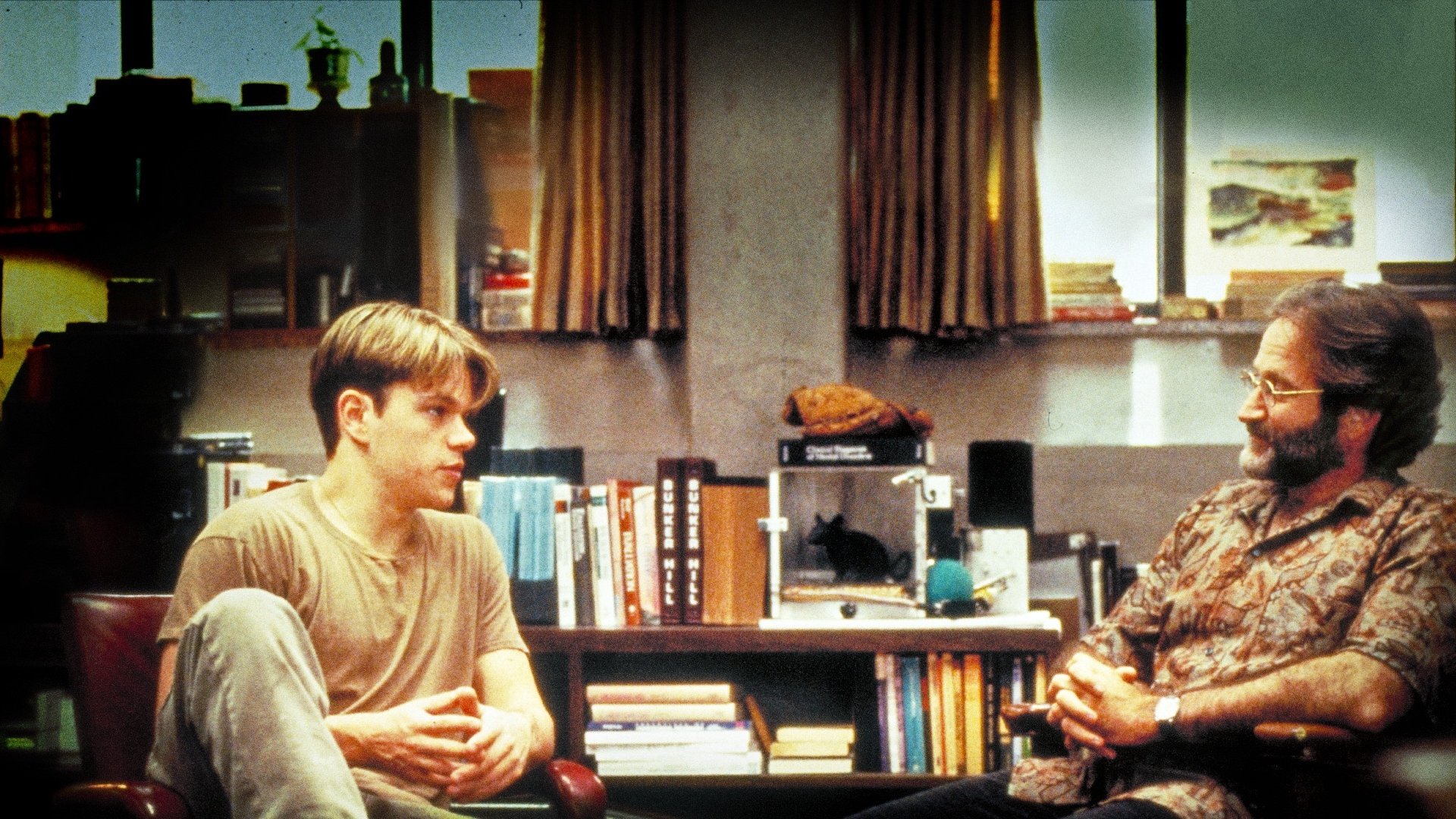
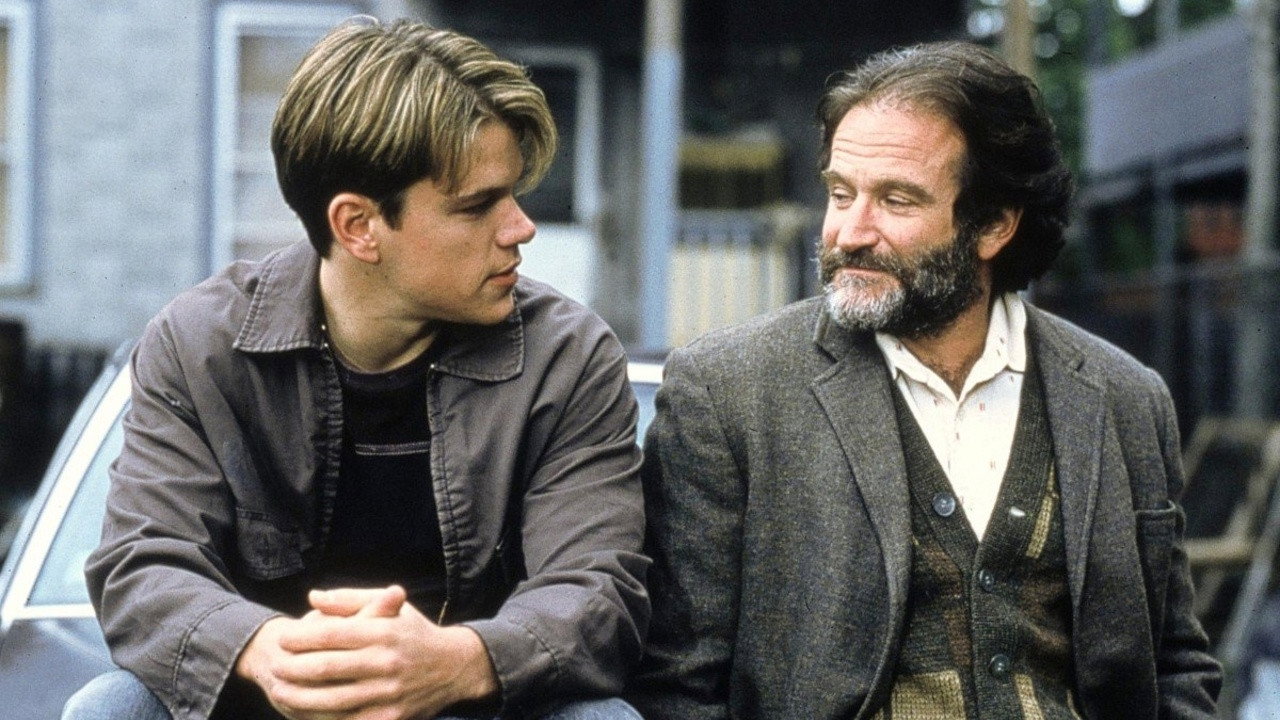
Robin Williams, as Sean Maguire, gives the film permission to slow down. His serious delivery retains the timing that makes a joke land; he can leave room around a remark without seeming to wait for applause. Sean’s dating advice moved us more than we expected, because Williams treats the small, awkward business of loving someone as worthy of his full attention. There is enough humour in the exchange to keep the tenderness from turning solemn.
Jean-Yves Escoffier’s photography keeps our attention on the faces, where Damon’s defiance and Williams’s patience are enough to hold a scene. Pietro Scalia’s editing gives their exchanges time, allowing a pause to become uncomfortable before somebody fills it. Missy Stewart’s production design makes the differences between Will’s everyday surroundings and the academic ones clear without demanding our attention at every turn. These choices help the long conversations remain watchable. Danny Elfman’s music is less discreet, sometimes pressing for tenderness when the actors have already earned it.
Damon and Affleck’s writing is less reliable when it divides people according to the wisdom they can offer Will. Academic ambition gets a less sympathetic hearing than personal loyalty, and that can make a film about an exceptional intellect seem oddly suspicious of intellectual life. Stellan Skarsgård, as MIT professor Gerald Lambeau, helps by giving professional investment enough urgency to register as a human concern. We wanted the screenplay to extend him the same patience it gives Sean.
There is nothing disreputable about making a therapy drama that wants to send us home feeling better. The risk comes when every difficult exchange seems to have been written with its eventual reassurance already in mind. Van Sant’s actors supply enough awkwardness and humour to prevent that expectation from flattening the film, especially in the scenes between Damon and Driver. We believe their attraction well before we believe that either of them knows what to do with it.
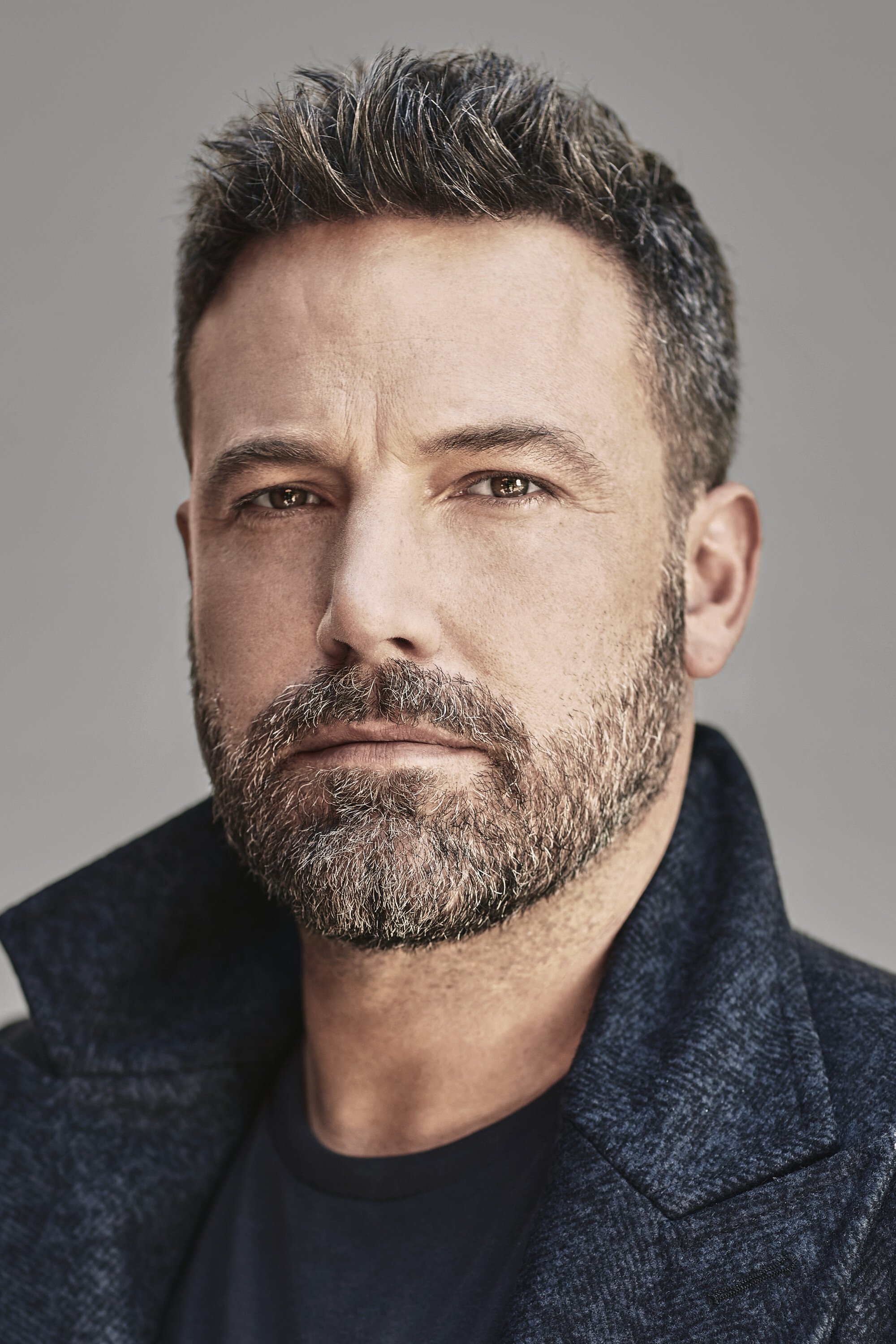
Affleck’s Chuckie brings a welcome bluntness, and the film is funnier whenever nobody appears to be trying to teach anyone anything. That humour matters: it gives us a reason to enjoy Will’s company before we are asked to worry about him. If earnest advice from a stranger generally makes you reach for the remote, allow Williams a little longer.