Steven Spielberg’s Hook is a disappointing fantasy with a funny villain. Dustin Hoffman supplies the mischief, but the crowded scenery and overworked sentiment make the adventure feel longer than its 142 minutes.
Steven Spielberg’s Hook wants to make Peter Pan mean something to adults without losing the children. It settles on redemption, then spends so long insisting upon it that the adventure starts to feel like compulsory good behaviour. This is a disappointing fantasy with a fine comic villain and scattered pleasures, stretched across 142 minutes. The familiar characters provide a reason to begin watching, but the film has trouble keeping them interesting.
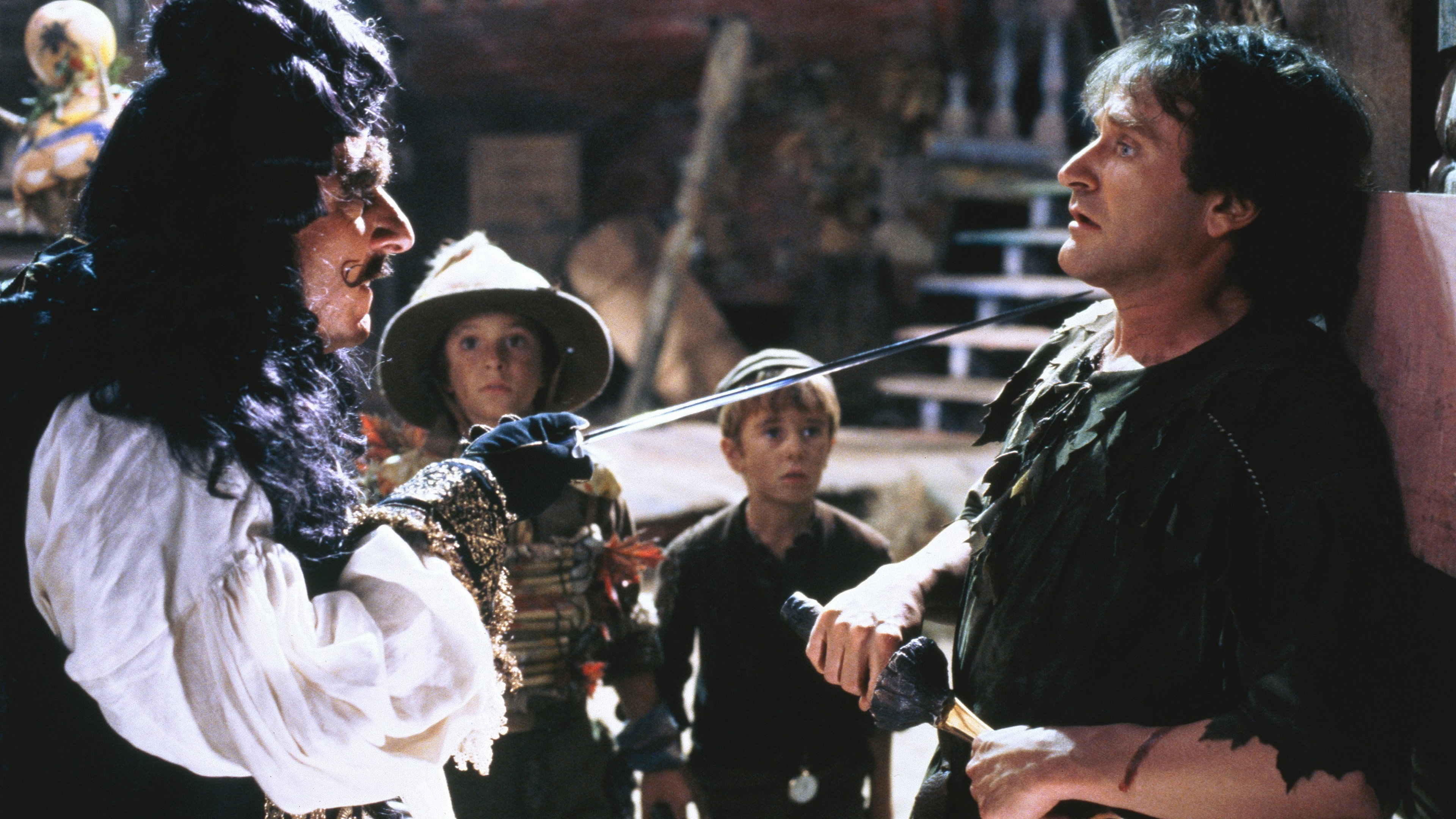
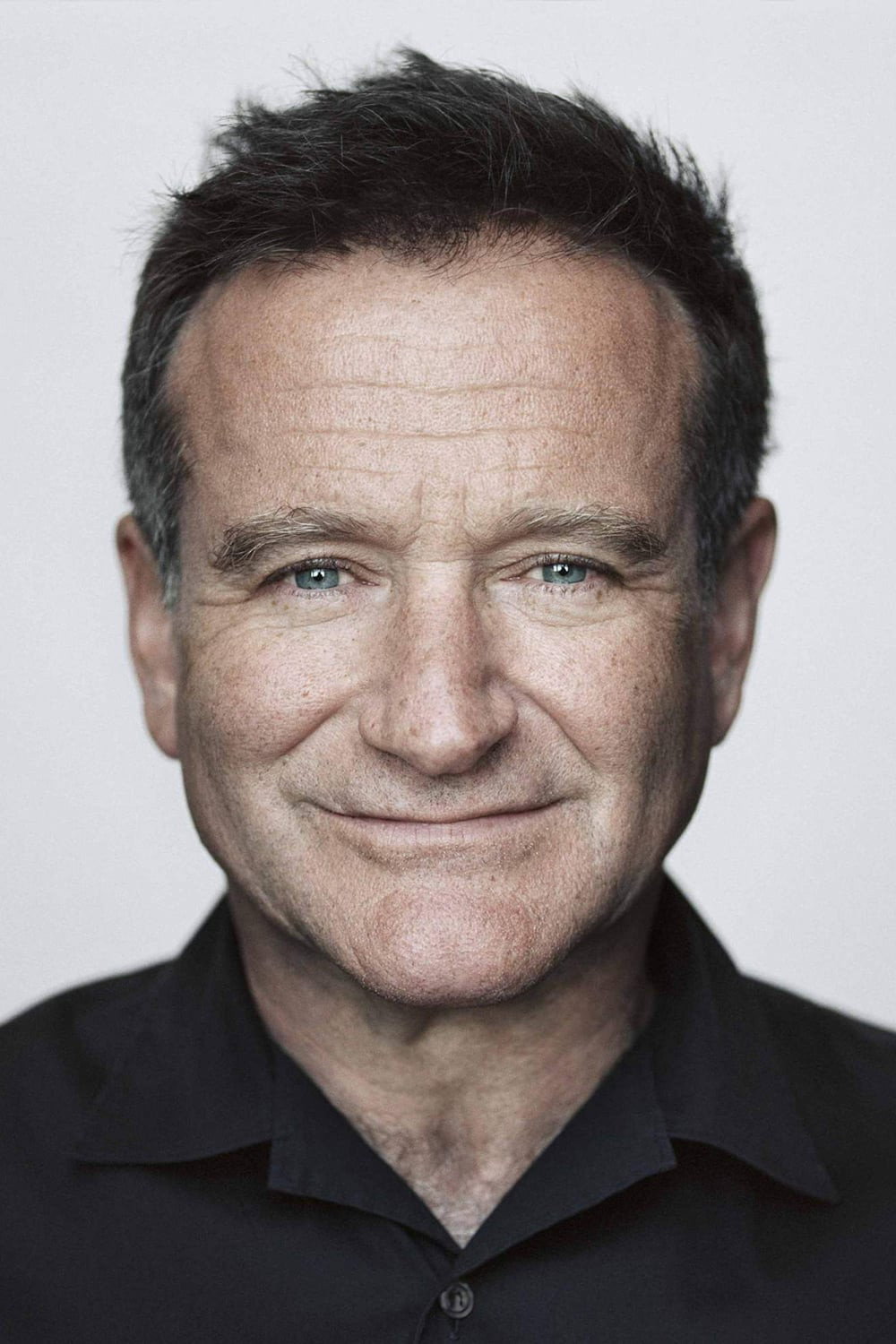
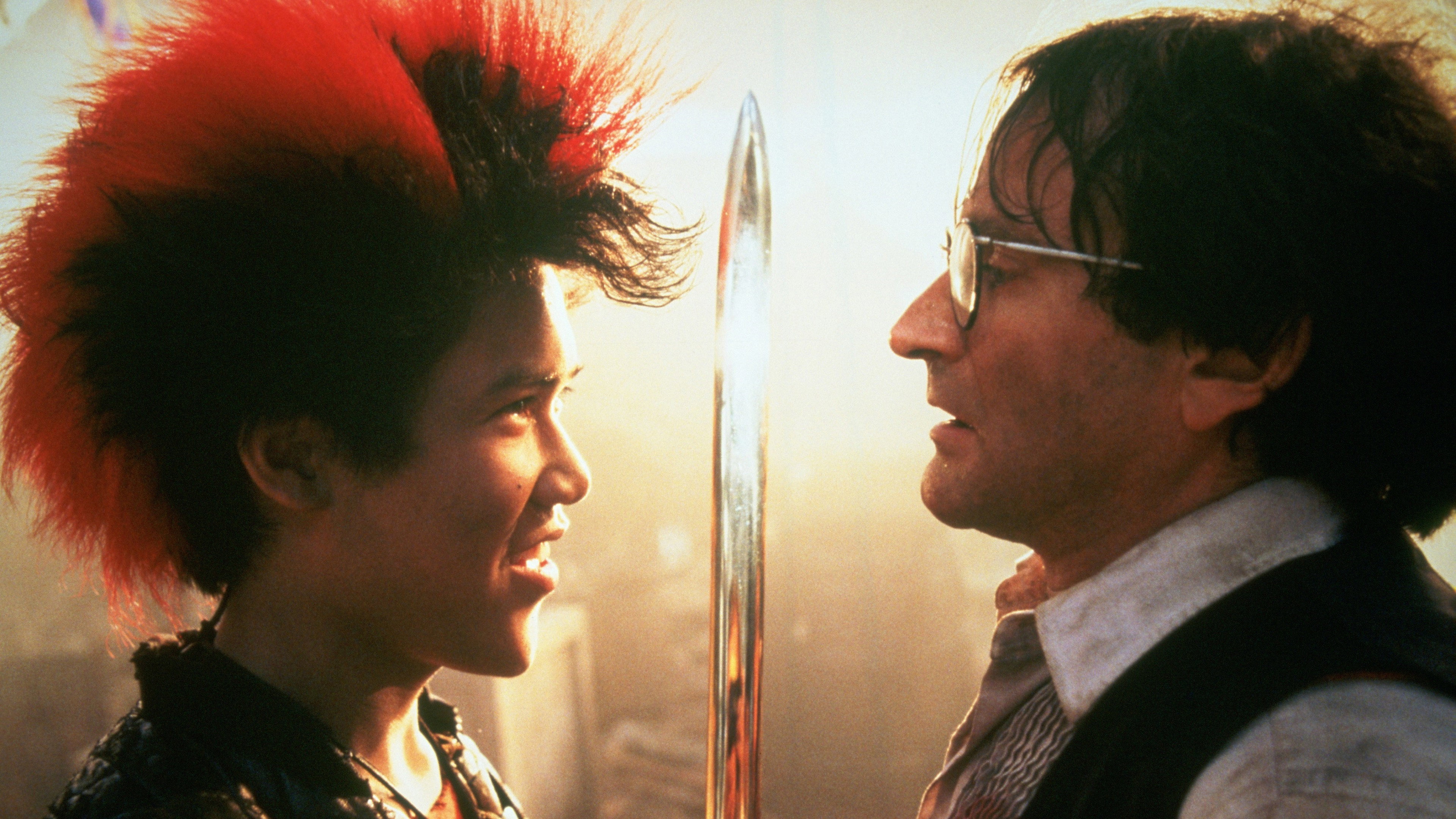
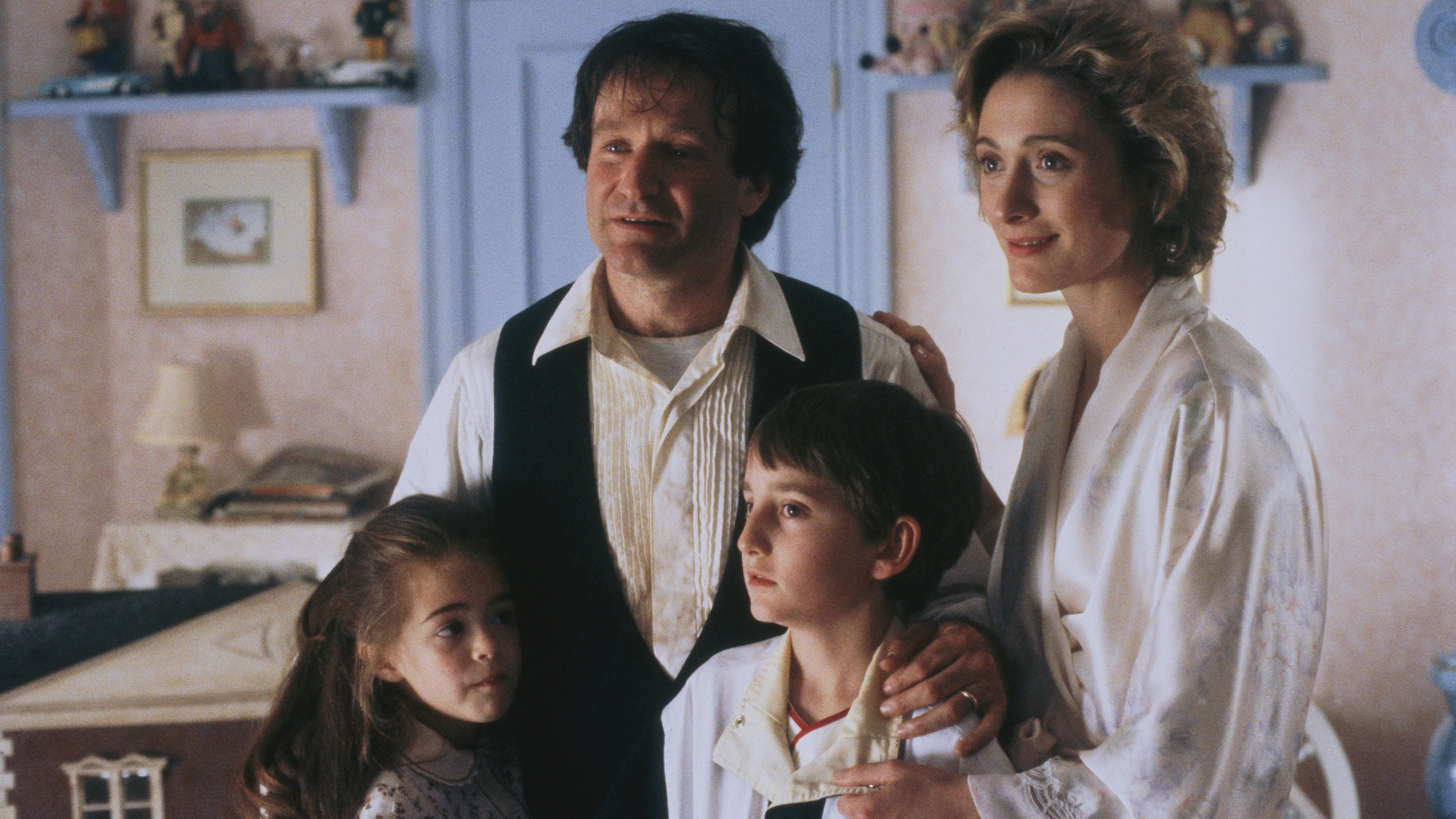
Robin Williams plays Peter Banning, the film’s Peter Pan, with a warmth that deserves a less insistent script. The screenplay, by James V. Hart and Malia Scotch Marmo, leaves little doubt about the importance of redemption, and even less room for the audience to discover that importance for itself. Williams is an appealing presence, but too often he seems occupied with making the lesson convincing. We would have welcomed more of the mischief promised by a fantasy comedy with Peter Pan at its centre.
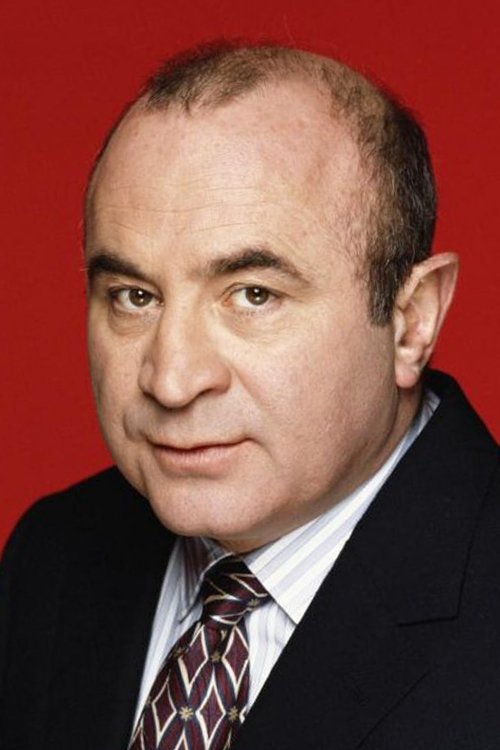
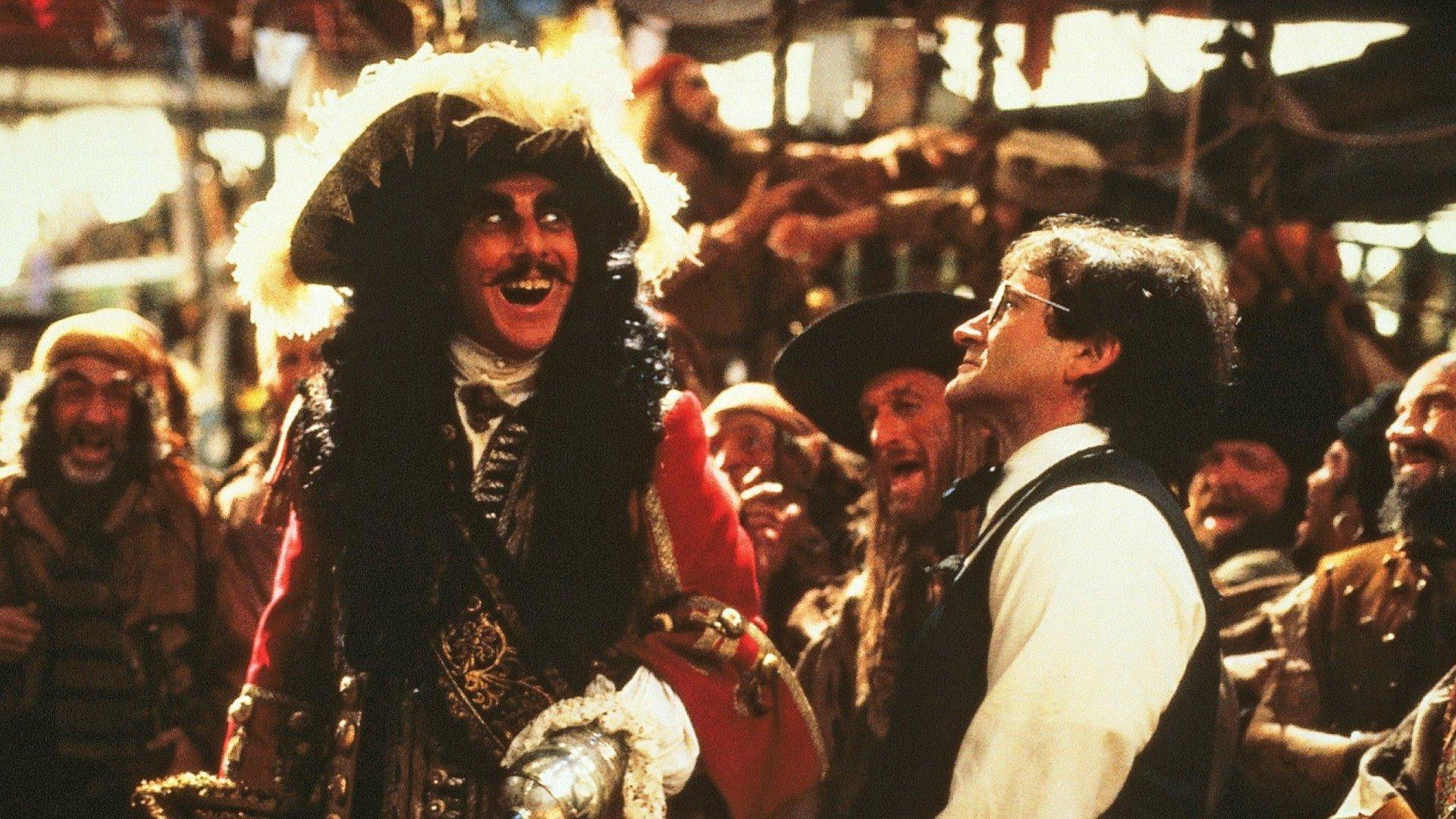
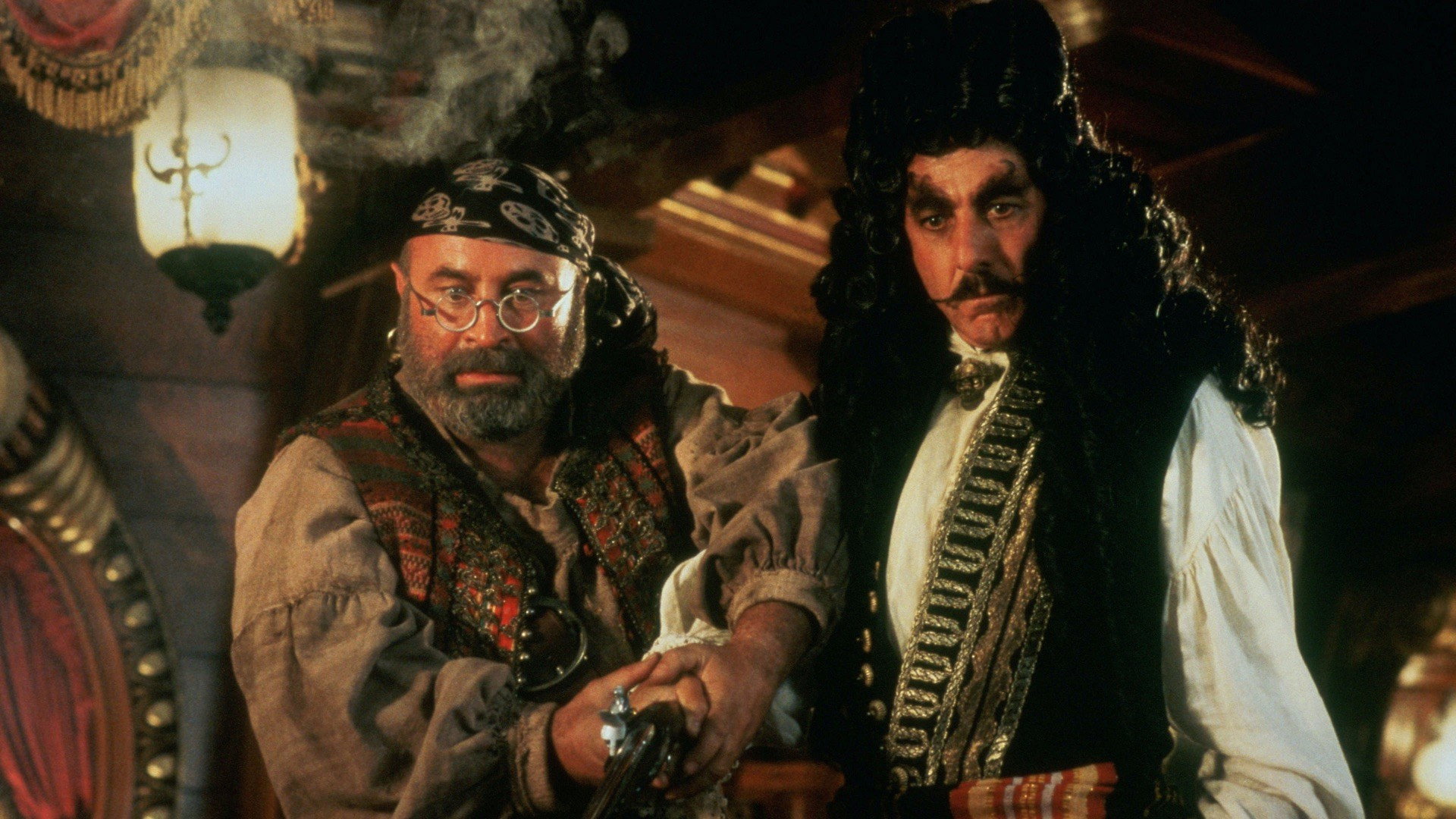
Dustin Hoffman’s Captain Hook provides a welcome interruption. His pantomime grandeur works because he lets some vulnerability show through it, giving us a reason to care about this ridiculous man. We laughed at Hoffman and Bob Hoskins together, because Smee’s presence makes Hook’s grand manner look rather silly. Hoskins gives those exchanges an ease that is scarce elsewhere. For a while, Spielberg allows two actors to enjoy each other’s company without pressing us to learn anything from it.
Norman Garwood’s production design offers plenty to inspect, although Neverland is so crowded that it becomes difficult to know where to look. Dean Cundey’s photography does too little to separate the people from their surroundings, so the scenery keeps competing with the performances. Some of the detail is enjoyable, and the effort deserves acknowledgement. Yet the place rarely suggests that there might be anything beyond the set, which limits the pleasure of visiting an imaginary world.
Michael Kahn’s editing cannot make the running time feel proportionate to the material. The solemn passages linger, and the return to comedy seldom lasts long enough to restore much momentum. Cutting faster would not necessarily have helped, since Hart and Scotch Marmo keep returning to emotions they have already explained. What is missing is the sense of a fresh discovery just ahead, something that might make us stop noticing how long we have been sitting there.
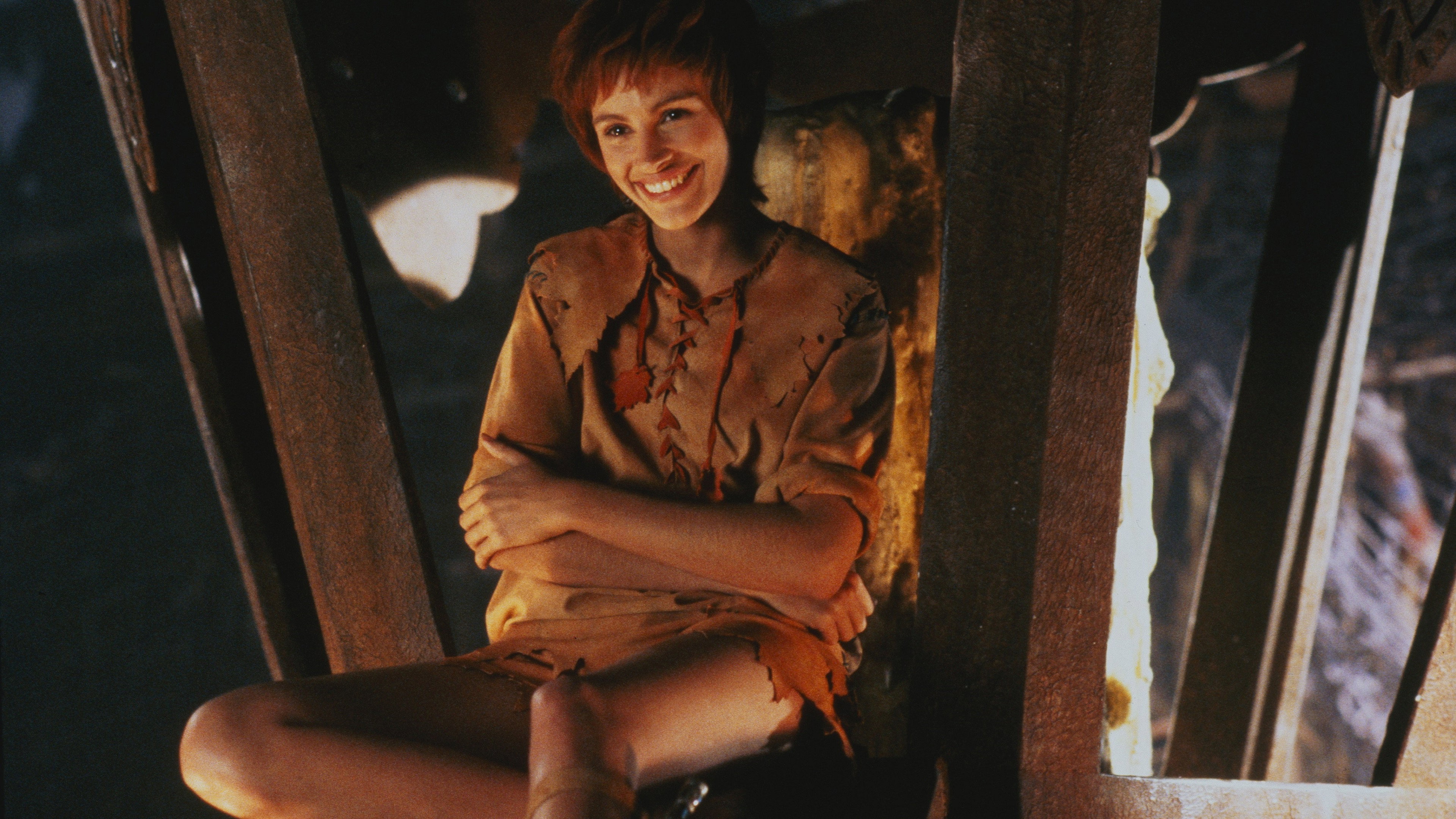
Julia Roberts’s Tinkerbell brings some welcome lightness, and John Williams’s score gives the fantasy an eagerness that the scenes do not always possess. The music can make the prospect of adventure seem inviting even when the film is struggling to get on with it. Elsewhere, its emotional emphasis adds to Spielberg’s heavy handling of the sentiment. The actors already have enough to persuade us of without the score making another appeal on their behalf.
Family fantasy can accommodate a lesson, but it needs room for nonsense and the possibility of something going pleasantly wrong. Hook is too anxious to make its feelings understood to allow much of that freedom, despite the comic life Hoffman and Hoskins bring to it. If those two are the attraction, be prepared for a long evening between their exchanges.