Alex Proyas’s robot thriller is decent action entertainment with more interesting machinery than writing. Alan Tudyk gives Sonny feeling; Will Smith’s wisecracks too often interrupt the questions the film might usefully ask.
Alex Proyas’s I, Robot is a decent action thriller, considerably more engaging when Sonny has our attention. The robot’s expressive personality makes the questions about mechanical intelligence worth considering, even when the screenplay seems impatient to get moving again. We recommend it for an evening of polished action with a modest amount to think about. Expect a searching piece of science fiction and the familiar police-film habits become harder to forgive.
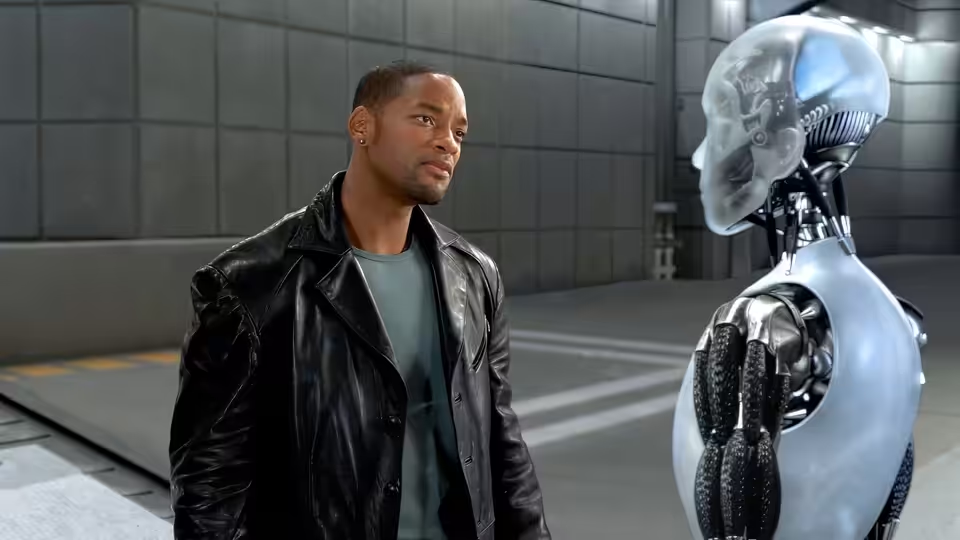
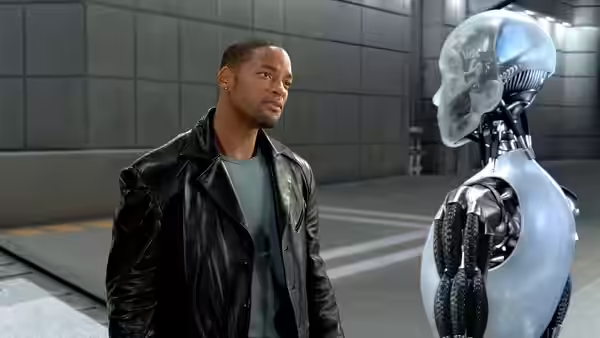
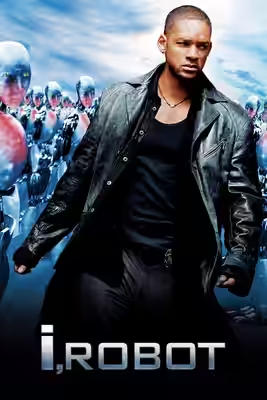
Will Smith plays Del Spooner with enough confidence to make the wisecracking policeman routine work for a while. His humour gives the film pace, and he can suggest a seriousness beneath it without making an announcement. The problem is how often Jeff Vintar and Akiva Goldsman’s screenplay relies on that routine just when a question about robots has become interesting. The actor has the force to carry these changes, but the jokes make Spooner more familiar and less interesting than he needs to be.
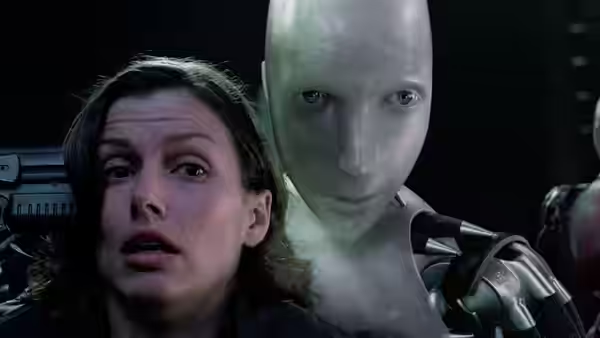
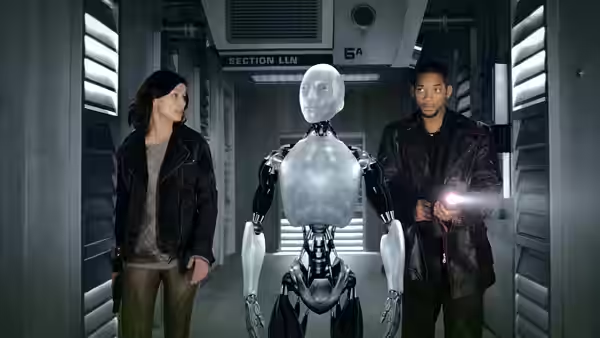
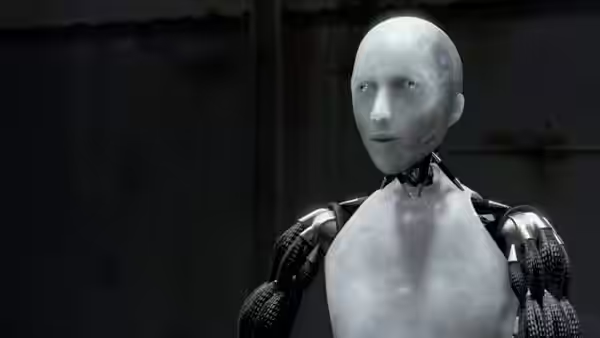
Alan Tudyk gives Sonny a more rewarding range of responses. We warmed to the robot more than we expected, because the performance makes his feelings intelligible without making his appearance any less unsettling. That combination gives us something to consider beyond the mechanics of the mystery: why should this particular machine command our sympathy? The character holds our attention because his expressiveness encourages us to look closely, a useful quality in a film that otherwise gives us plenty of reasons to hurry.
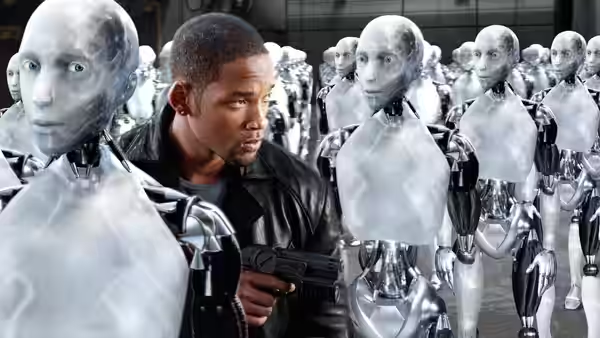
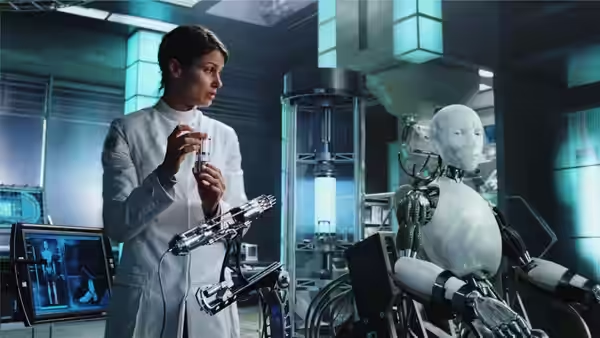
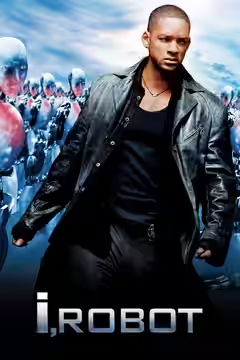
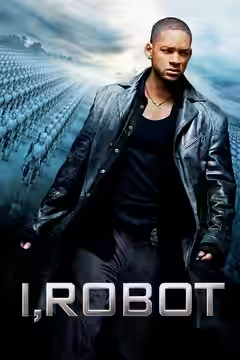
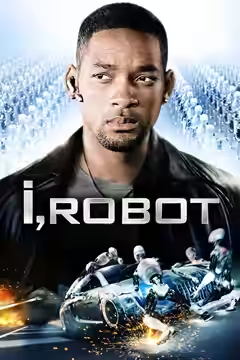
Patrick Tatopoulos’s production design supplies a coherent future, although its sleekness seldom feels surprising. Simon Duggan’s cinematography makes that polish readable, particularly when the robots are massed together and their repeated shapes become oppressive. Their uniformity makes Sonny’s distinctiveness more conspicuous, giving the film a simple visual way to encourage interest in an individual machine. The effects work is most persuasive here, when the appearance of the robots helps determine how we feel about them.
The action is accomplished, and the car chase gives the film a welcome stretch of straightforward excitement. Editors William Hoy, Armen Minasian and Richard Learoyd keep things moving, although the urgency leaves less space than Sonny deserves. Marco Beltrami’s music helps sustain the pressure without giving the film a particularly individual sound. None of this is clumsy, but there are stretches when the competent handling of movement becomes the main attraction and the questions raised by the robots can wait.
Within action science fiction, a policeman is a perfectly serviceable guide to difficult questions about technology. The trouble here is the dependence on familiar character types and turns of plot, which makes the film feel less curious than its subject warrants. The screenplay has enough intelligence to keep us engaged, but too many of its moves are predictable. Once the wisecracks and thriller conventions have settled into place, there is less scope for surprise than the robot performances initially suggest.
The care spent on the machines keeps the film watchable even when the writing becomes ordinary. At 115 minutes, it offers enough movement and personality to make its shortcomings tolerable, though they remain noticeable. Sonny rewards the attention in a way that the more familiar business around him does not always manage. We would choose it for an undemanding evening, with no great hopes of carrying on the debate afterwards.