Film review

Incendies

2010 · Directed by Denis Villeneuve · 2h 11m · MPA R

In a sentenceTwo letters are quite enough family history for one evening

DramaWarMystery

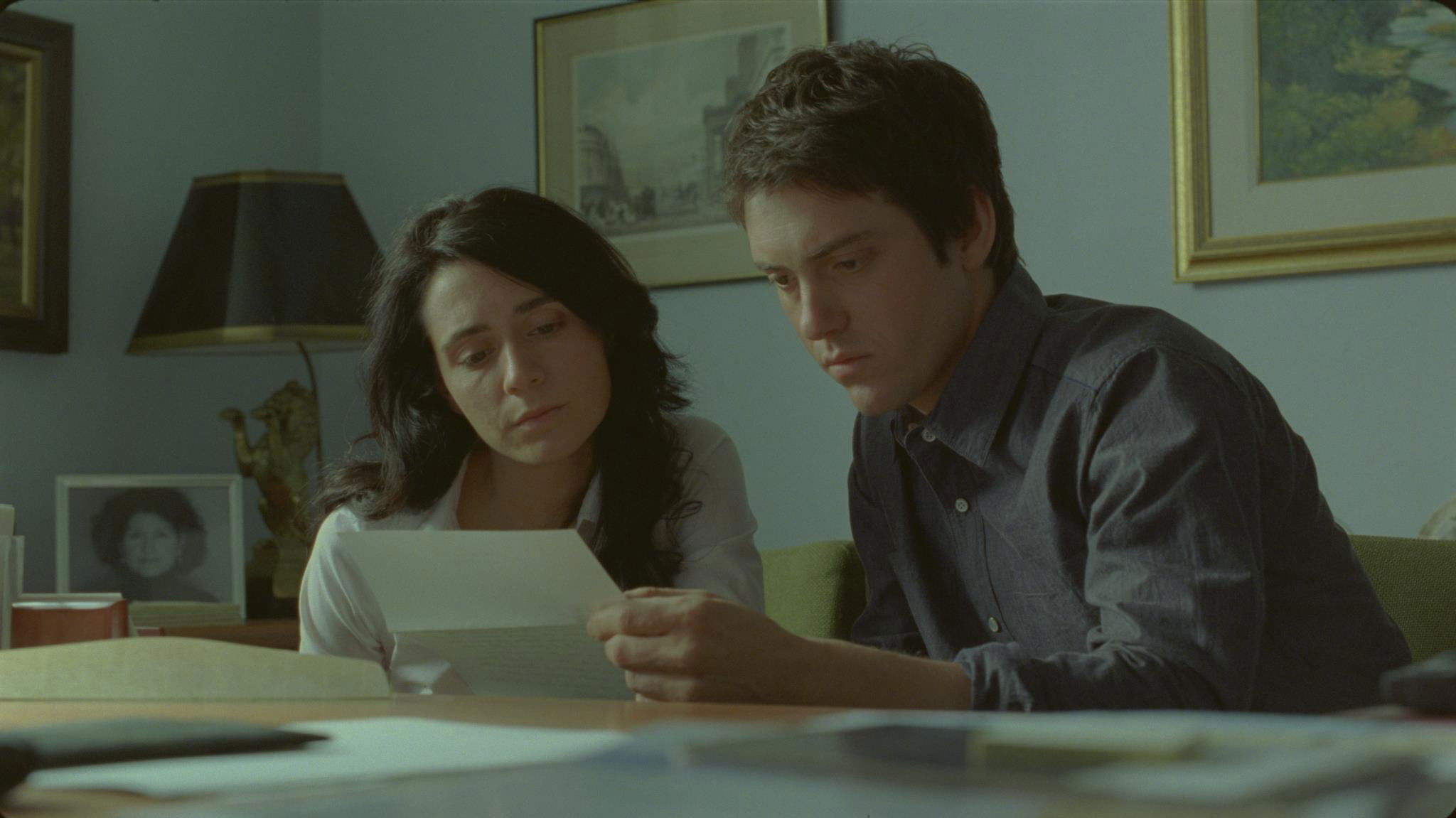
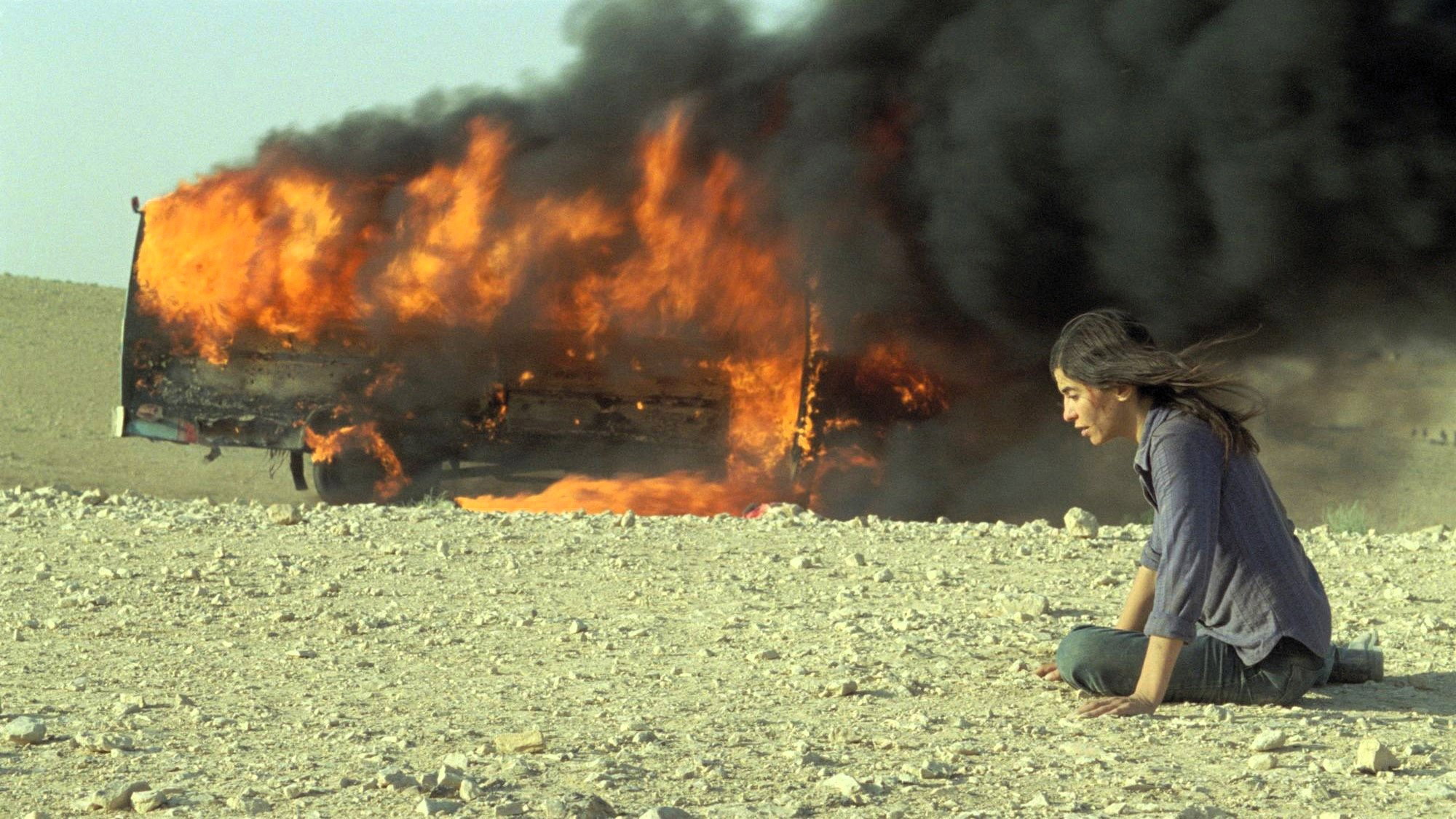
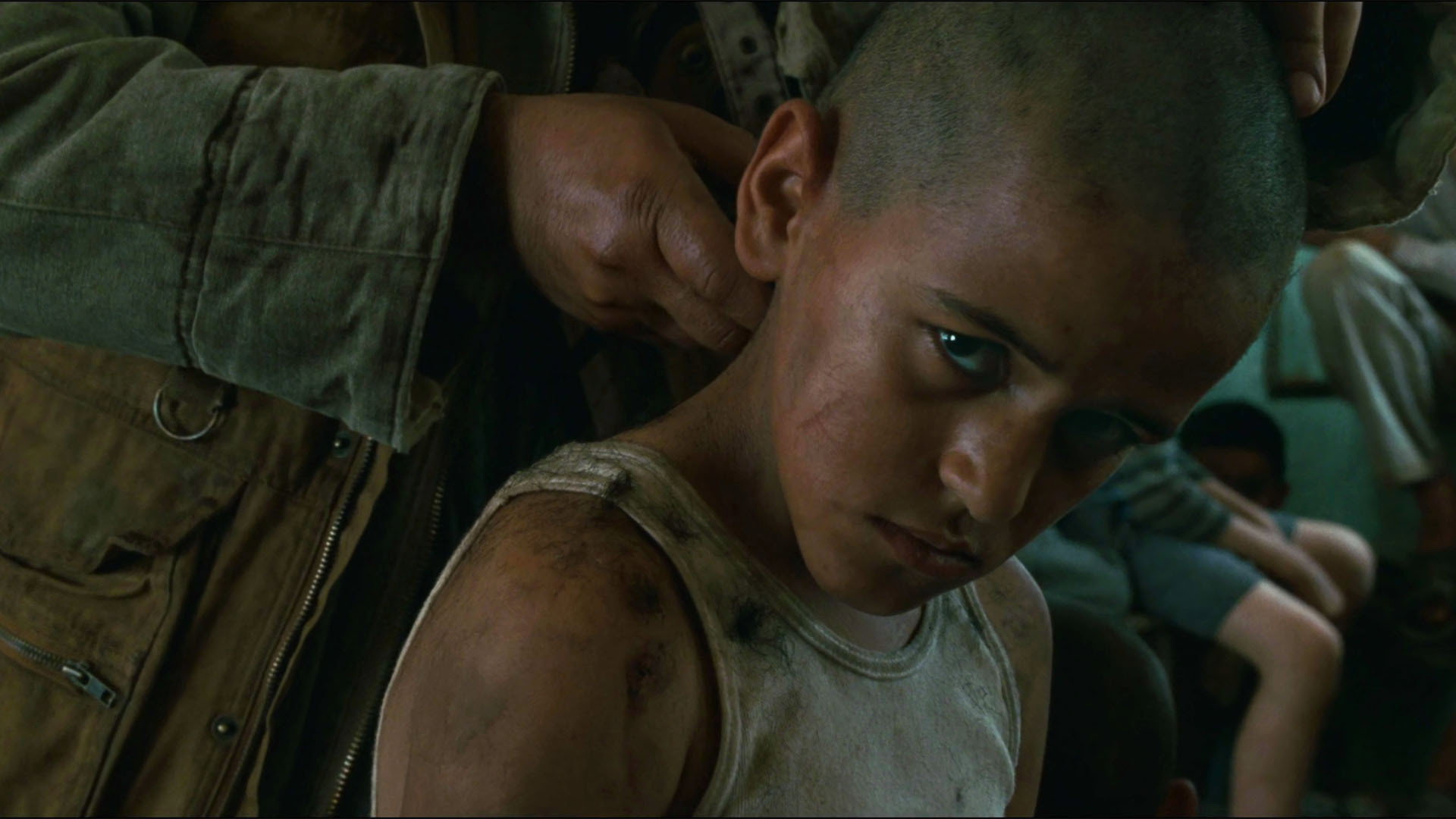
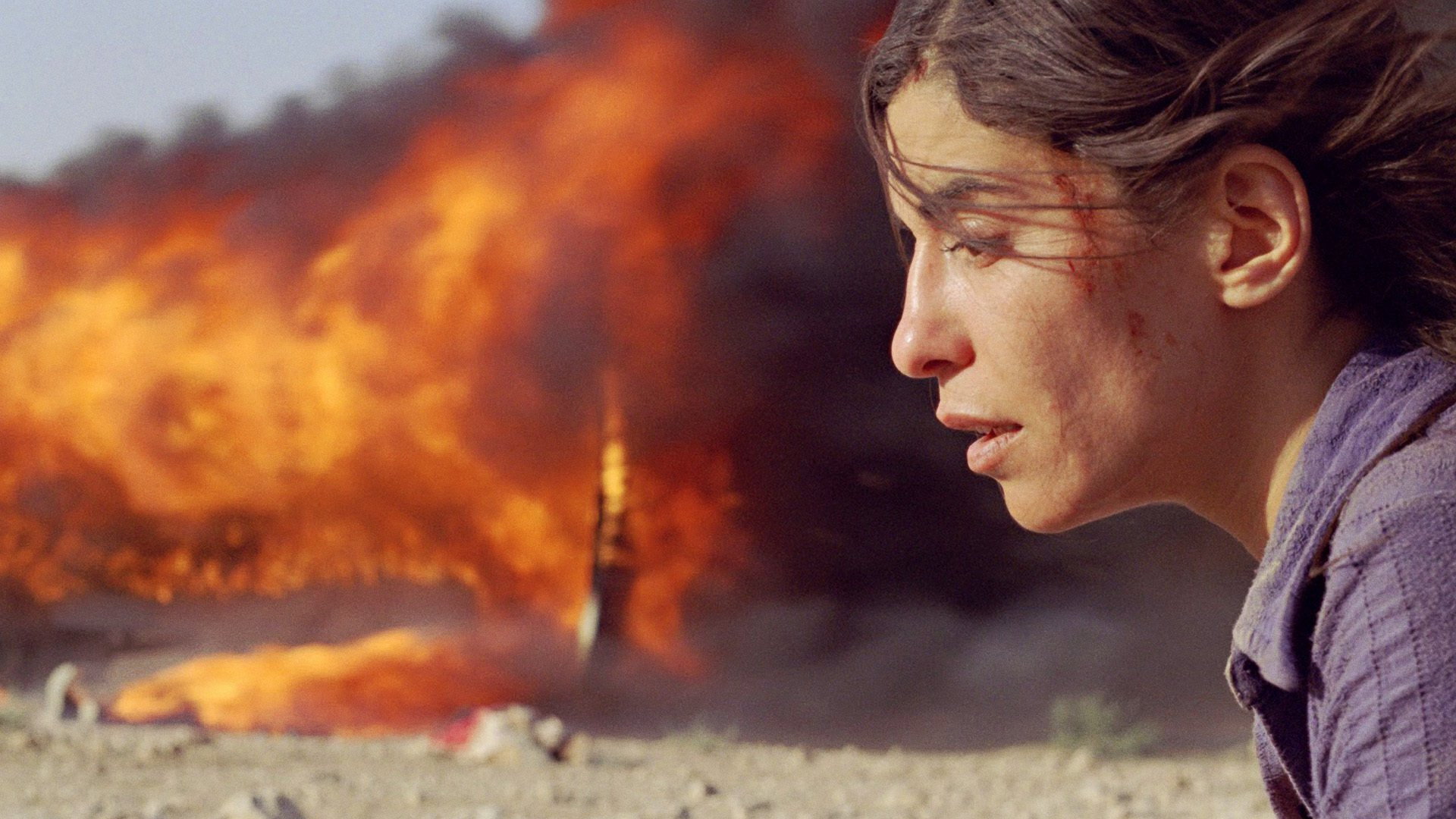
Jeanne Marwan (Mélissa Désormeaux-Poulin) and Simon Marwan (Maxim Gaudette) try to uncover their mother Nawal’s hidden past. Two letters, one intended for a brother and the other for a father, lie at the centre of the twins’ investigation. Lubna Azabal plays Nawal, whose life unfolds in flashbacks amid Middle Eastern conflict, while Rémy Girard plays Notary Lebel. As the film moves between the mother’s experiences and her children’s investigation, questions about family identity lead back to violence that reaches across generations.

Plays from YouTube when you press play; nothing loads from them until then.

Fi1m review

Denis Villeneuve’s Incendies is a harrowing family mystery, worth seeing for Lubna Azabal’s restrained performance and its patient storytelling. Some contrived plotting weakens the effect without making the suffering any easier to watch.

Denis Villeneuve’s Incendies asks how much children can know about a parent who has kept her past from them. It is a harrowing, absorbing film, worth seeing despite a screenplay that relies too heavily on coincidence. Jeanne and Simon Marwan’s search runs alongside flashbacks to their mother Nawal’s life amid Middle Eastern conflict. Villeneuve gives the investigation enough suspense to make us impatient for answers, then makes learning about that life difficult to bear.

Mélissa Désormeaux-Poulin and Maxim Gaudette have the difficult task of keeping the children’s investigation alive beside the more forceful material given to Azabal. Their performances make the need to know feel personal, although the writing sometimes confines them to asking the next question. Rémy Girard, as Notary Lebel, is welcome for the calm he brings to such solemn material. These quieter performances are useful in a film so committed to making each discovery hurt.

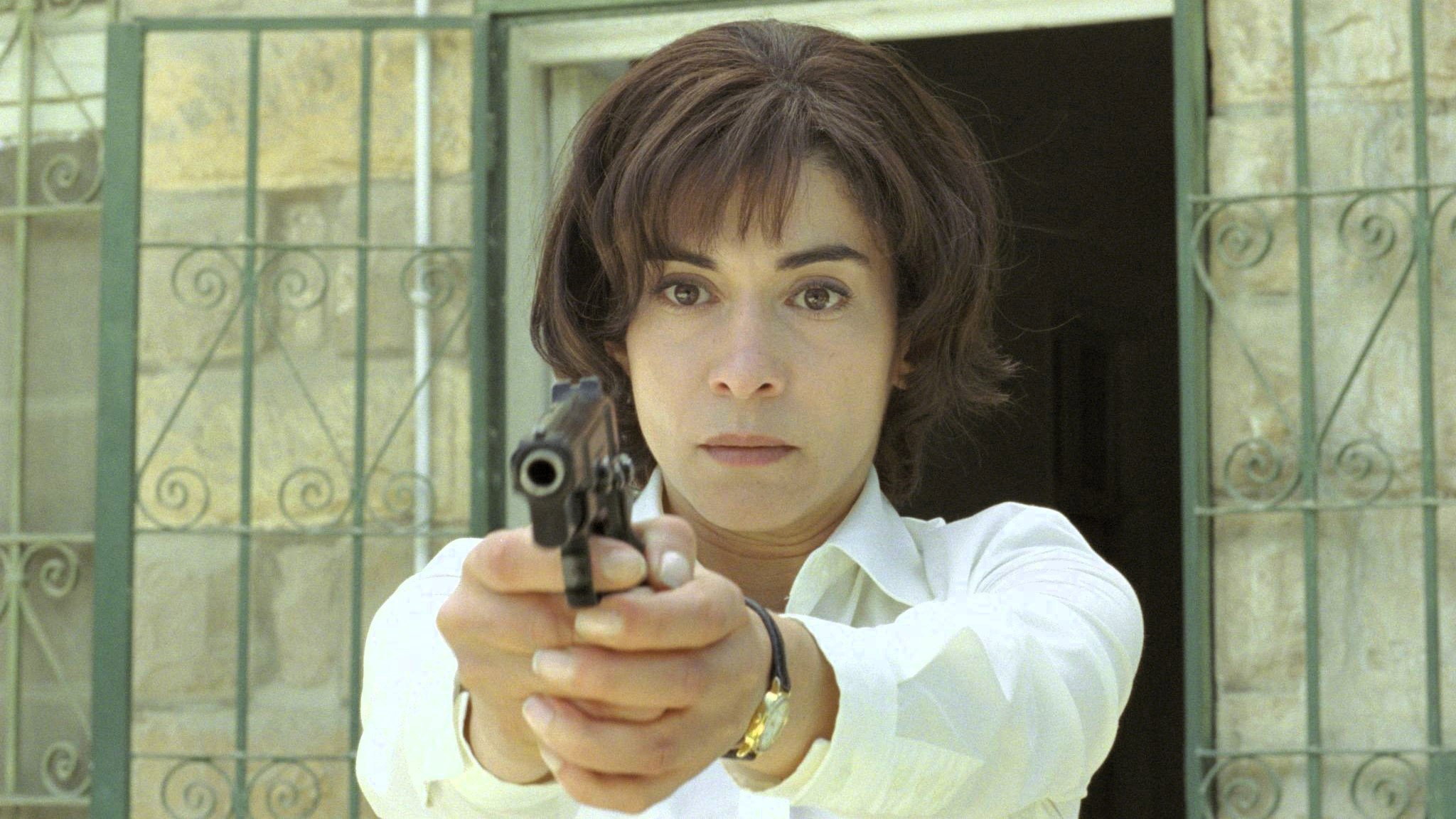
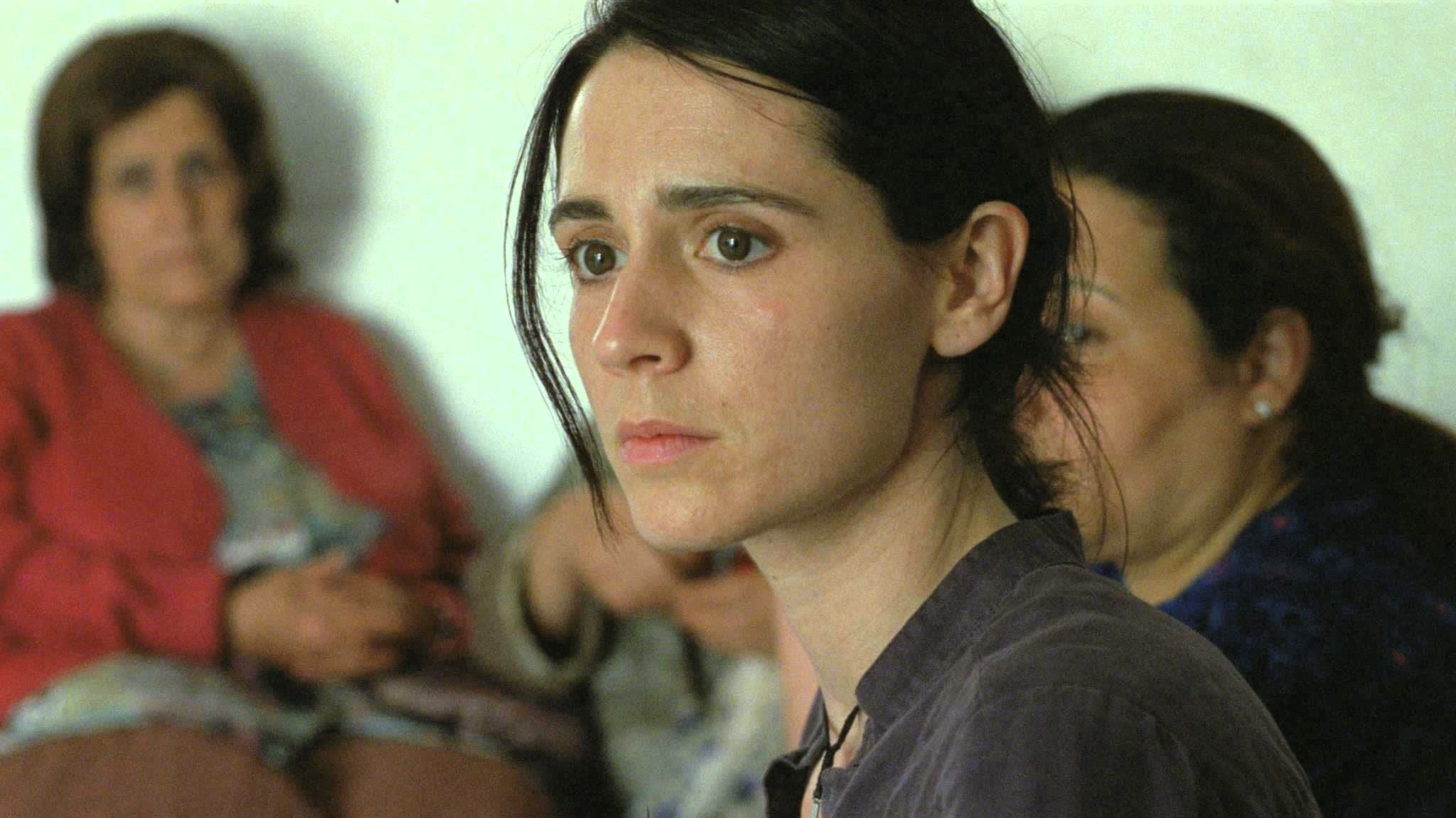
Azabal carries the greatest burden, playing Nawal across the history the children are trying to recover. Her Nawal seems to be using up energy simply keeping her feelings under control. We were moved by that effort, especially by the anger that remains present when she is quiet. She allows the character dignity without making endurance look effortless or admirable in itself. The scenes depend on her ability to hold our attention without continually increasing the emotional pressure.

André Turpin’s cinematography gives Nawal’s past the same immediacy as the investigation, so the flashbacks never feel like illustrations supplied to explain a clue. André-Line Beauparlant’s production design gives the Middle Eastern passages a sense of daily life continuing around the family’s ordeal. That matters because the screenplay is inclined to make every part of this history serve the mystery, and the surroundings help us imagine lives it cannot follow.

Monique Dartonne’s editing is just as important to the film’s control. Cutting between the investigation and Nawal’s past, she keeps the relationships between the timelines clear while making each return feel necessary. The pace allows information to register instead of treating confusion as a useful source of suspense. Grégoire Hetzel’s score reinforces the solemnity, occasionally more firmly than the performances need. This is already a grave film, and the music’s insistence can make the quieter stretches feel overemphasised.

The principal reservation lies with the screenplay by Villeneuve and Valérie Beaugrand-Champagne. Its determination to connect the family’s history to the violence around it makes some lives seem improbably convenient to the story. The coincidences require a degree of belief that the sober treatment has not prepared us to give. Family mysteries often run into this problem: each connection can be satisfying on its own, while the accumulation starts to feel arranged. Here the actors have to keep overcoming our doubts about the writing.

The 131 minutes are demanding, and the restraint should not be mistaken for gentleness. Villeneuve gives suffering time to register, with Azabal doing much of the work that makes it bearable to watch. This is worth an evening for those performances, provided a family mystery is not being chosen as light distraction. Leave some quiet afterwards, rather than putting on another film.

Critical consensus AI synthesised

72
Positive
11
Mixed
4
Negative
0

Most critics respond positively to Incendies, praising Denis Villeneuve’s handling of a family mystery shaped by conflict and inherited violence. The praise centres on Lubna Azabal’s restrained performance as the mother, which gives emotional credibility to material that frequently approaches melodrama. The reviews also admire the suspense built through movement between past and present, the force of the imagery and the adaptation’s expansion beyond its stage origins.

The main disagreement concerns whether the plotting earns its emotional force. More persuaded critics find a serious tragedy about memory, identity and hatred; others find the coincidences too contrived and the suffering manipulative. Sight and Sound praises the precise editing and sensitive handling of horrific material, while Slant Magazine finds gripping filmmaking but little understanding beneath the sensation. The spread runs from strong admiration to mixed assessments, with even sceptical reviews acknowledging the performances or Villeneuve’s ability to sustain tension.

Empire
26 May 2011 · David Parkinson
85*

Villeneuve opens out the play effectively, generating thriller-like suspense through flashbacks while exploring themes of conflict and fate. The critic singles out the performances, imagery, and Villeneuve's restraint as key strengths.

Read the full review →
Los Angeles Times
22 April 2011 · Betsy Sharkey
80*

The review highlights Villeneuve's best-realized work yet, a modern tragedy driven by beauty and rage that contemplates the legacy of hatred across generations. Lubna Azabal's soulful, restrained performance as Nawal is singled out for making the story's operatic extremes chillingly real.

Read the full review →
The Hollywood Reporter
14 October 2010 · festival review · Stephen Farber
80*

The critic praises the film's lucid storytelling of a mother's hidden past amid Middle Eastern conflict, calling it a thoughtful, mesmerizing mystery with strong performances and gripping sequences.

Read the full review →
The Independent
23 June 2011
80*

Denis Villeneuve's adaptation strips away layers of a tormented family drama toward a jolting conclusion. The critic highlights the suspenseful cutting between past and present, the intense performances (especially Lubna Azabal), and the exploration of violence and legacy in a Middle Eastern setting.

Read the full review →
The Telegraph
18 June 2011 · David Gritten
80*

Incendies is a scorching, sobering achievement tracing a family's tragic history amid Middle Eastern conflict through powerful flashbacks. It delivers universal tragedy with strong performances, especially from Lubna Azabal.

Read the full review →
Evening Standard
10 April 2012
75*

Villeneuve successfully opens out the stage play without losing its impact. The review praises the intelligent handling of the twins' search for their mother's past and the emotional force of the revelations about imprisonment, rape, and torture.

Read the full review →

Cast

Stills

Awards

Academy Awards, 2011

Nominated
Best International Feature Film

Academy of Canadian Cinema and Television Award for Best Motion Picture, 2011

Won
Academy of Canadian Cinema and Television Award for Best Motion Picture

International Submission to the Academy Awards, 2011

Nominated
International Submission to the Academy Awards

Toronto International Film Festival Award for Best Canadian Film, 2010

Won
Toronto International Film Festival Award for Best Canadian Film

If you liked this, try…

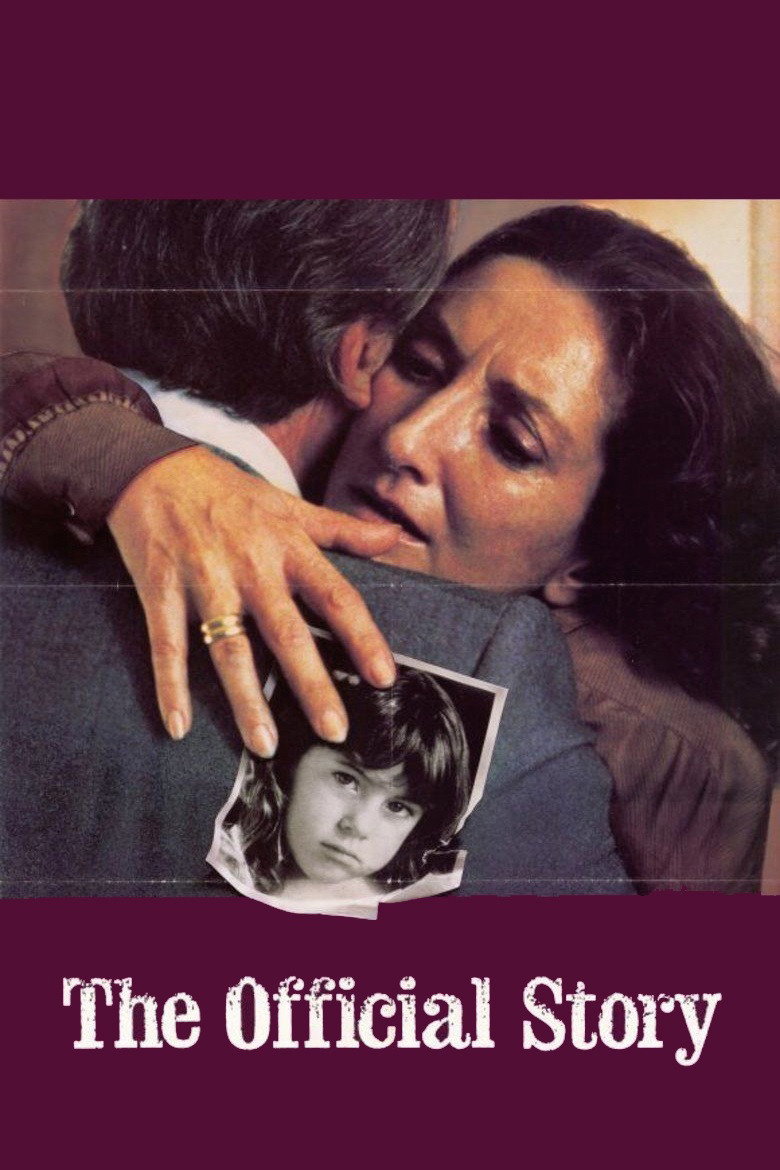
The Official Story poster

The Official Story

1985 · A family’s private doubts lead into public violence, with equally difficult questions.

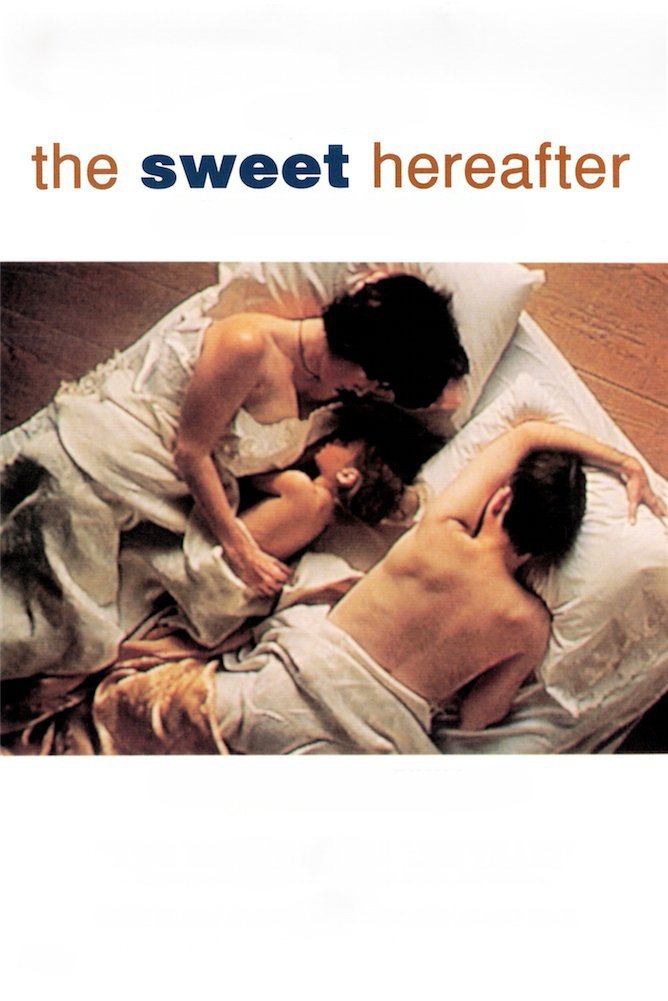
The Sweet Hereafter poster88

The Sweet Hereafter

1997 · Patient shifts through time reveal how grief changes a community’s relationships.

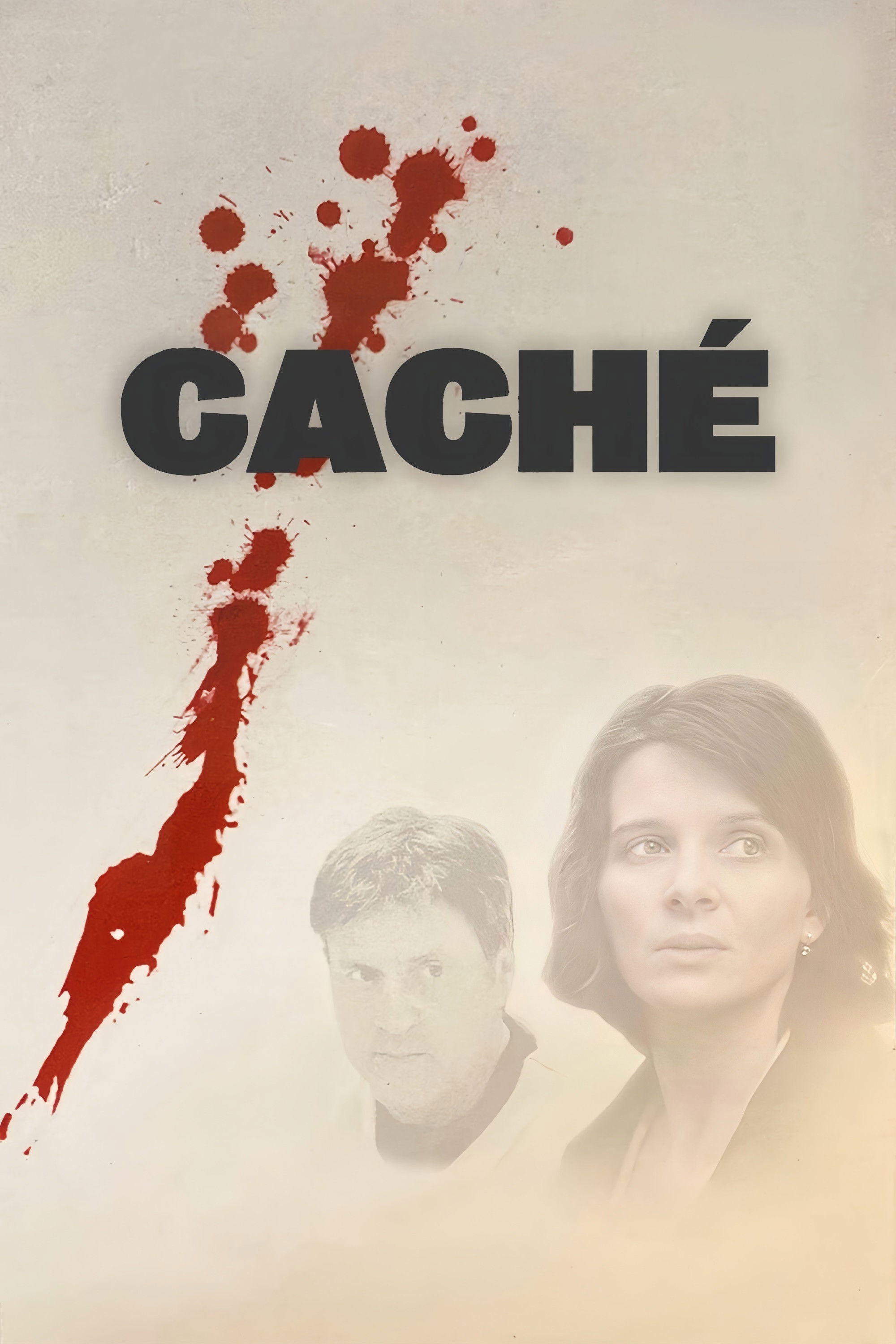
Caché poster88

Caché

2005 · A family mystery that makes looking away from the past increasingly difficult.

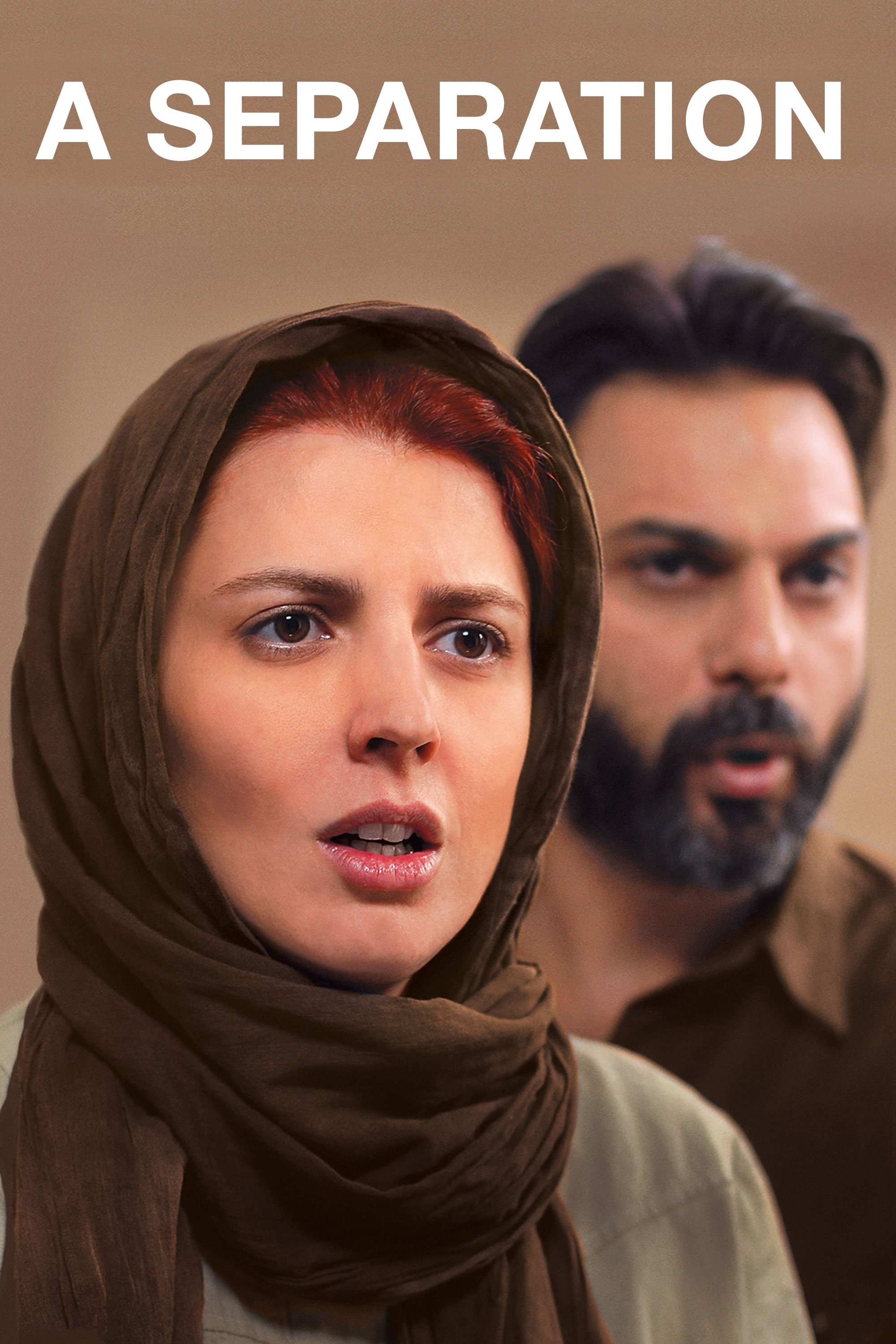
A Separation poster93

A Separation

2011 · For equally serious attention to family loyalties, without the reliance on coincidence.

Phoenix poster

Phoenix

2014 · A restrained performance makes an improbable story of identity painfully persuasive.