Lorraine Gary and Michael Caine bring some warmth to a poor shark thriller that struggles to make either its revenge plot or its attacks convincing. Even Michael Small’s effective score can only do so much.
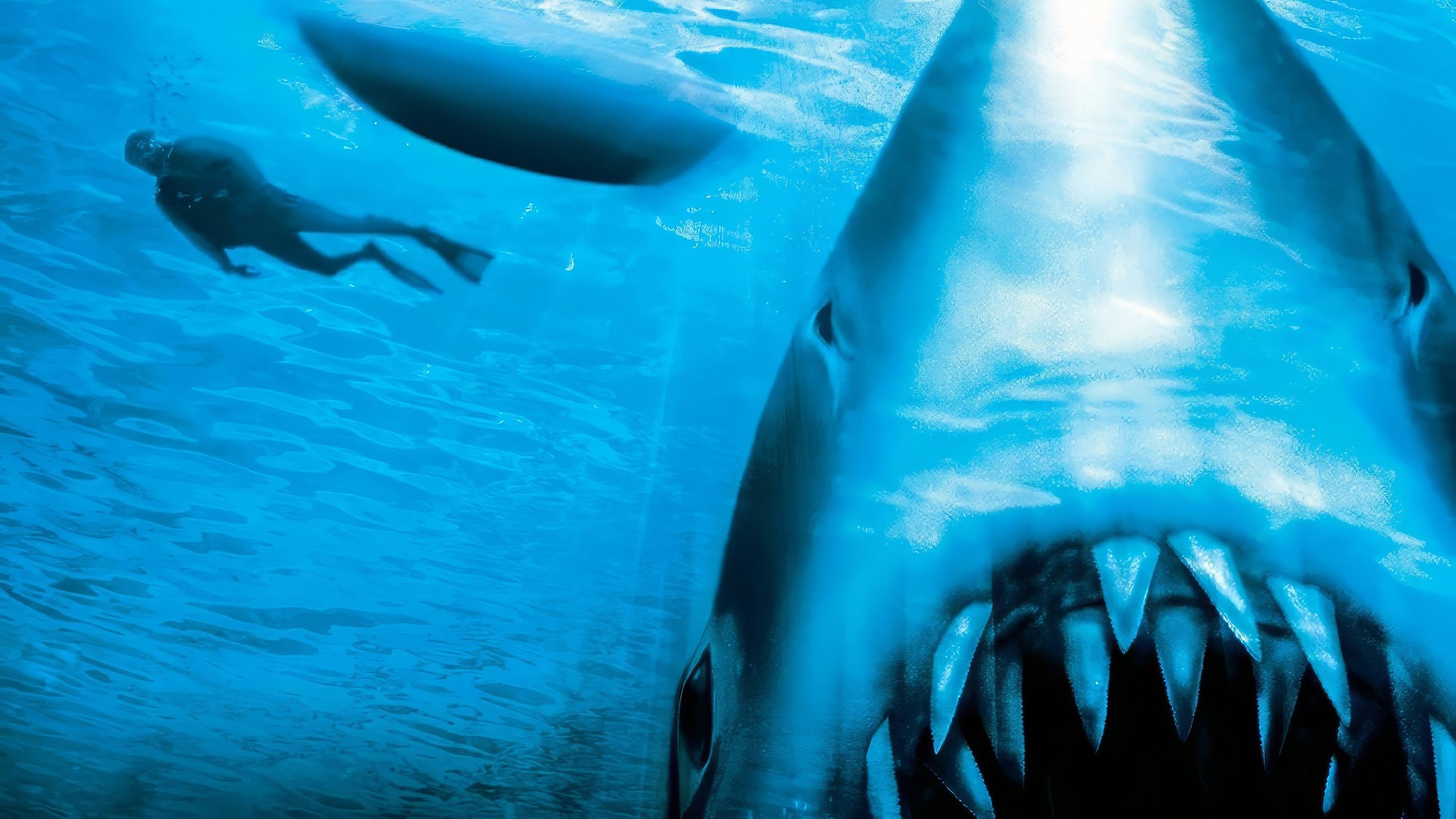
Jaws: The Revenge is a poor thriller whose cast occasionally makes the time pass pleasantly. Joseph Sargent directs a story in which a shark appears to have developed a grievance against the Brody family, and takes that grievance seriously. Ellen Brody’s fear for her family could hold our attention without much explanation of the animal. Michael De Guzman’s screenplay keeps asking us to accept the shark’s motive without supplying enough suspense to stop us questioning it.
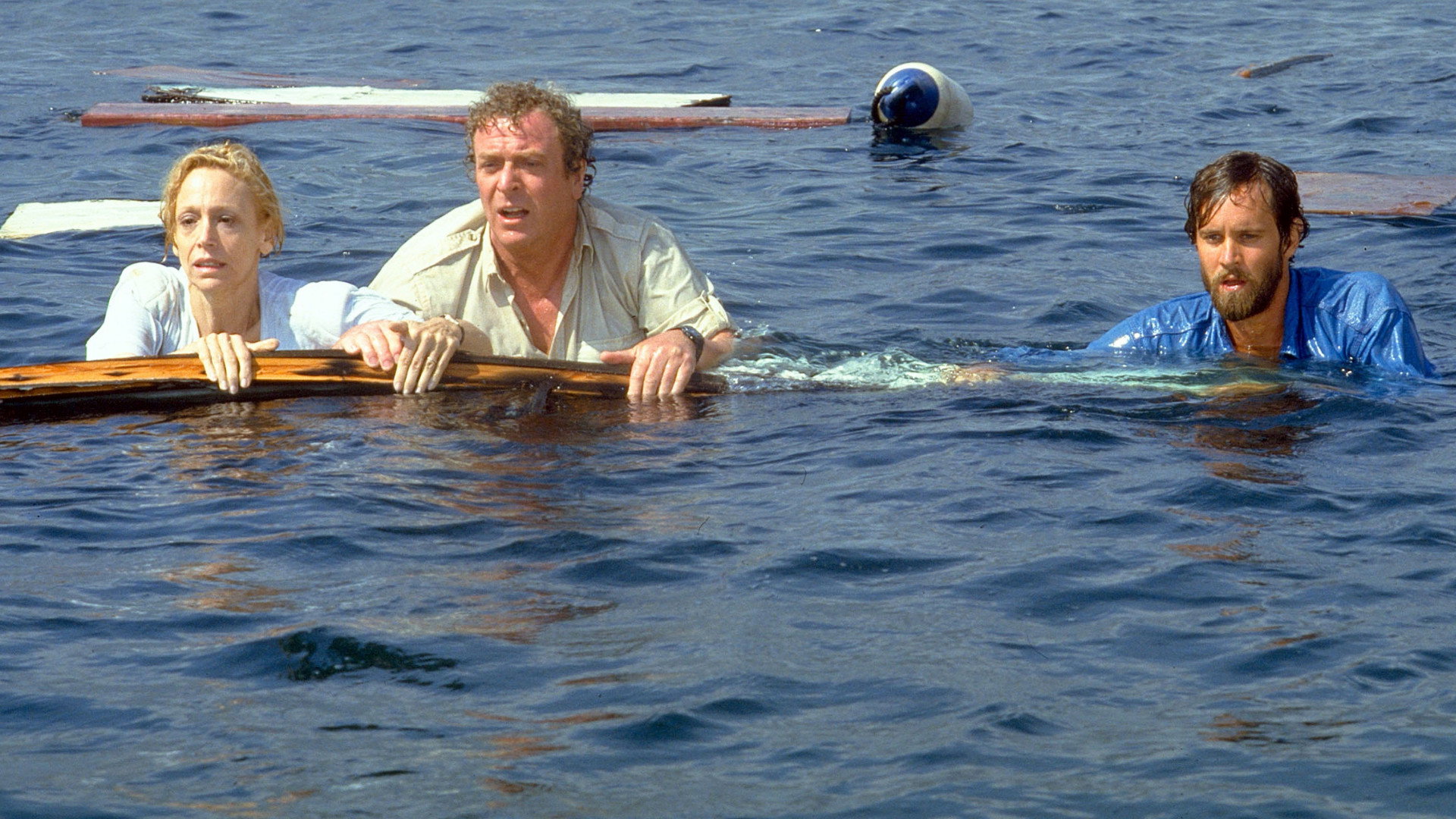
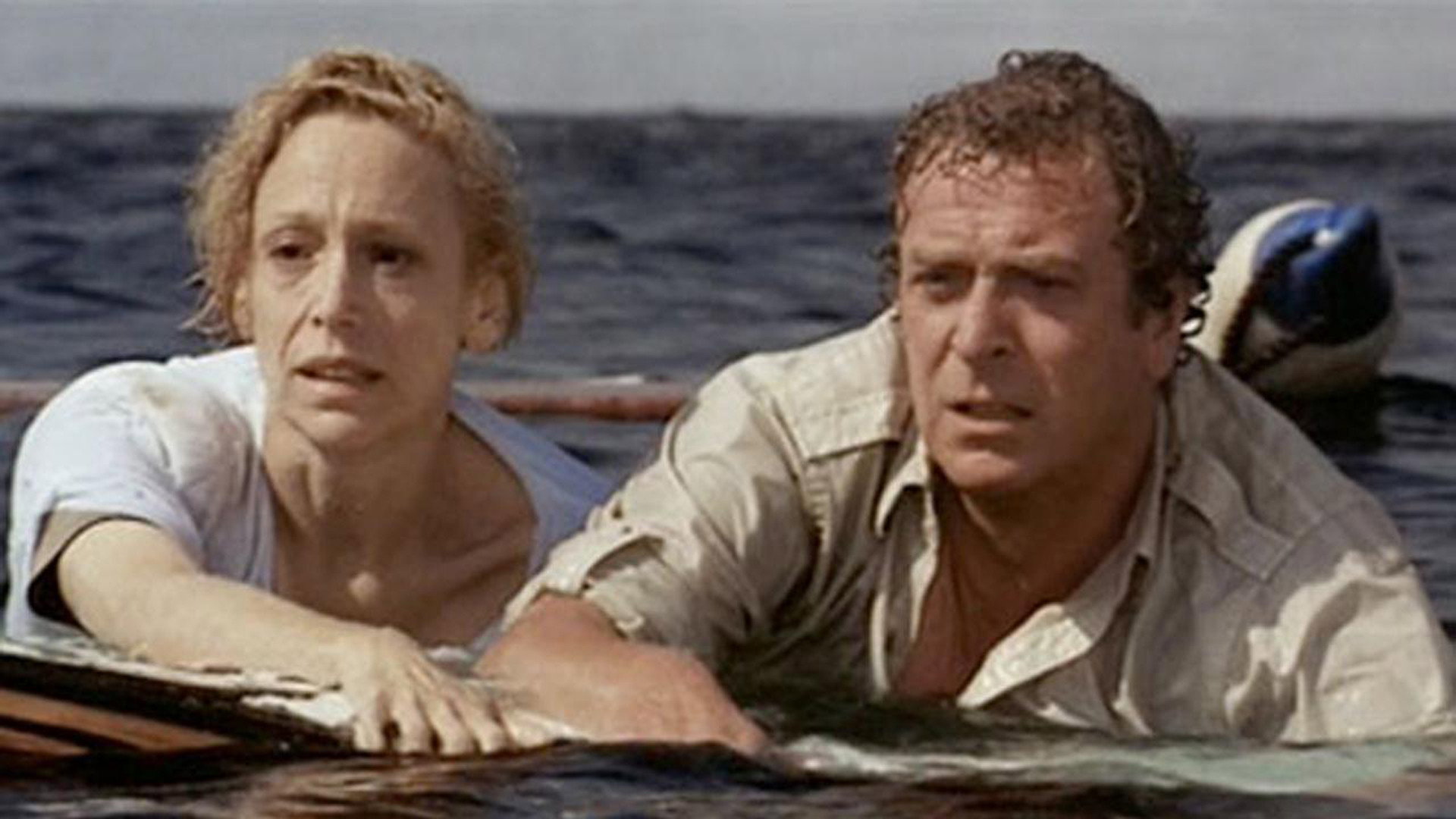
Lorraine Gary plays Ellen Brody’s anxiety with conviction, and we remain sympathetic even when the film keeps returning to the same fear. Michael Caine, playing Hoagie Newcombe, supplies some welcome ease in the romance, and their scenes suggest how much better the film might work if it let its people relax. We were glad of that company, because the warmth between them offers relief from the repeated insistence that this shark means business. The performances make the family worth worrying about, which the attacks ought to have been able to use.
Instead, the film spends too long waiting for the next attack, then has trouble making the attack legible. Michael Brown’s editing breaks the violence into abrupt fragments, with noise doing much of the work that a clear view of the danger ought to do. We were bored during the waits, then irritated when the cutting made it difficult to follow the action. At 89 minutes, this should be a brisk piece of work, but its pauses do not make the water more threatening.
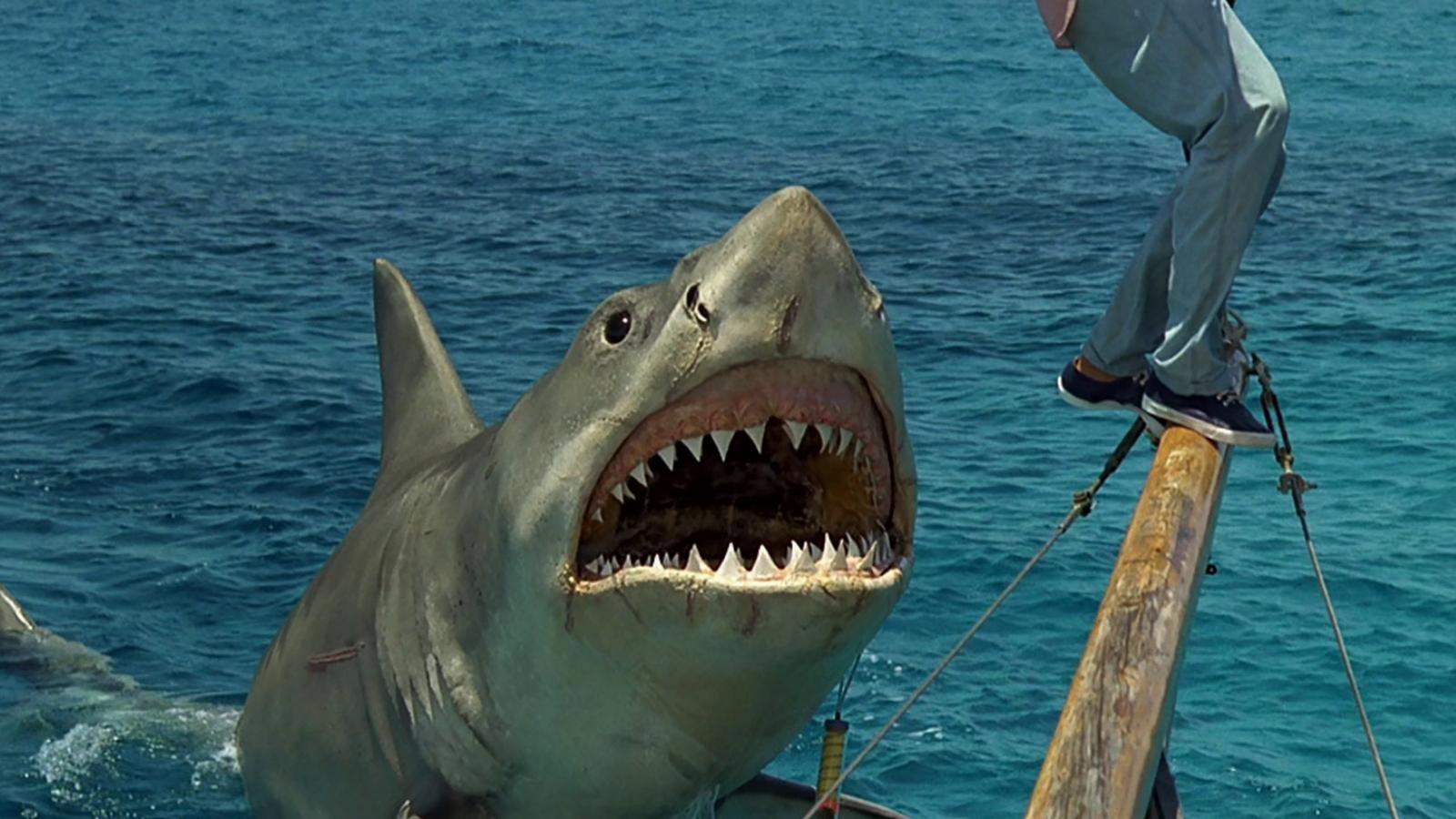
John McPherson’s photography leaves us too much opportunity to examine the creature’s artificial appearance. Once we start noticing a model, the characters’ distress becomes difficult to share. John J. Lloyd’s production design is a less obtrusive contribution, though the settings cannot make the thinly written family scenes interesting by themselves. The shark is meant to arrive as a threat, and too often we find ourselves assessing whether it looks capable of moving under its own power.
Michael Small’s score supplies a sense of threat that the images repeatedly fail to sustain. It is one of the few elements we would happily hear doing its job in a better version of this story. Joseph Sargent also returns to Jaws through flashbacks and reused images, inviting a comparison this film has no reason to encourage. Familiar footage interrupts the effort to care about Ellen Brody’s present predicament, when the film already struggles to keep our attention on her.
A revenge-seeking shark need not be a fatal premise; creature features have room for nonsense, provided somebody knows how to stage it. The problem is how solemnly this one proceeds, with too little surprise or humour to make its absurdity enjoyable. We agree with most critics about the failures, though the performances and music deserve more patience than the plot. Anyone coming for enjoyable nonsense should be warned that Michael Caine cannot keep the whole evening going by being agreeable.