Cameron Crowe’s romantic comedy is funny, generous and carried by three persuasive performances. It takes too long to make its points, but Tom Cruise, Renée Zellweger and Cuba Gooding Jr. give us ample reason to stay.
Jerry Maguire is a funny, generous romantic comedy that would be better with a little less of Cameron Crowe’s writing in it. Its sports agent wants to behave better in a business that gives him little reason to bother, and Crowe takes that wish seriously without making Jerry instantly admirable. Work and love both require him to consider somebody besides himself. We recommend it for the actors, who keep Jerry’s awkward attempts to change believable even when Crowe starts explaining too much.
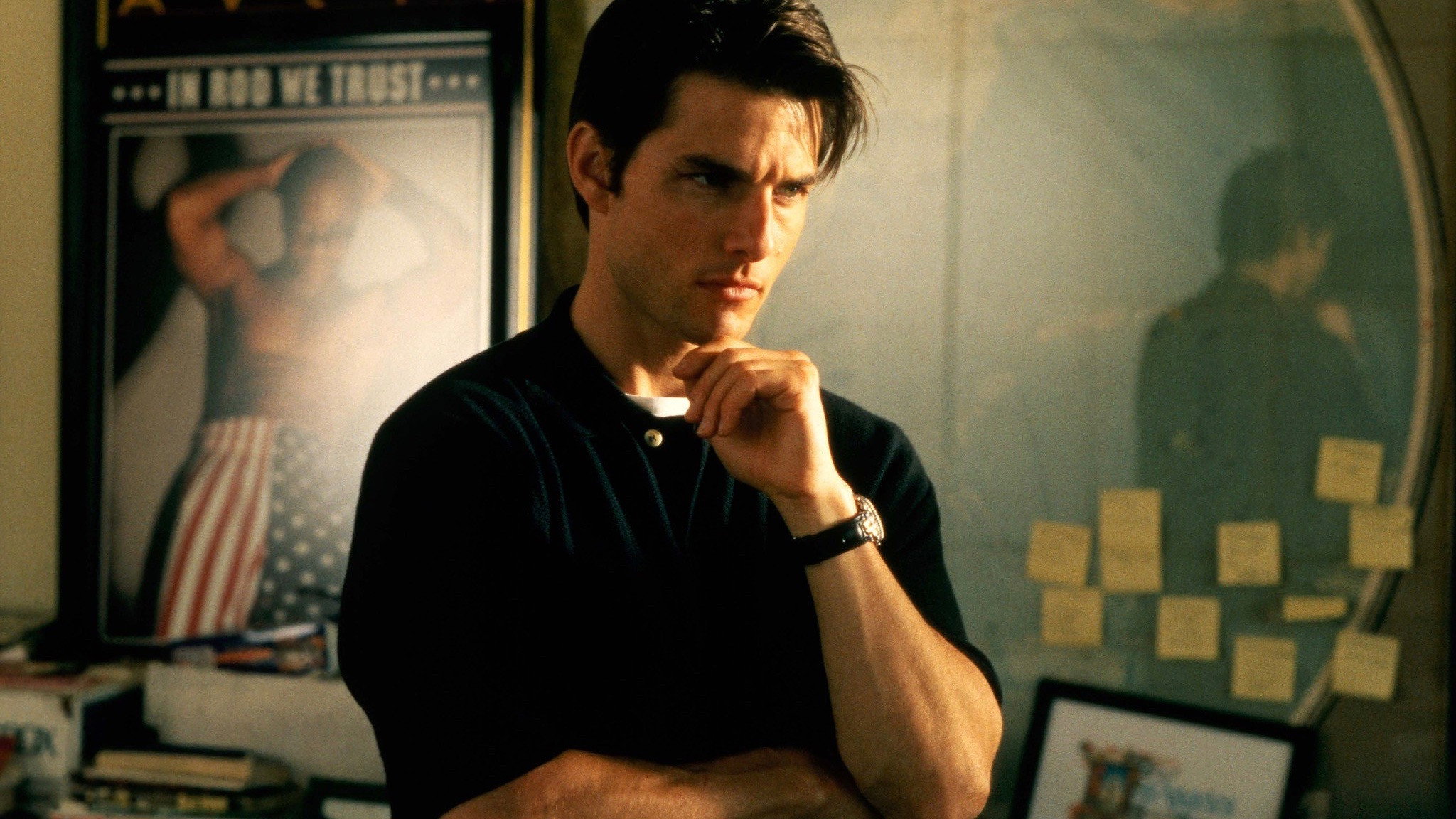
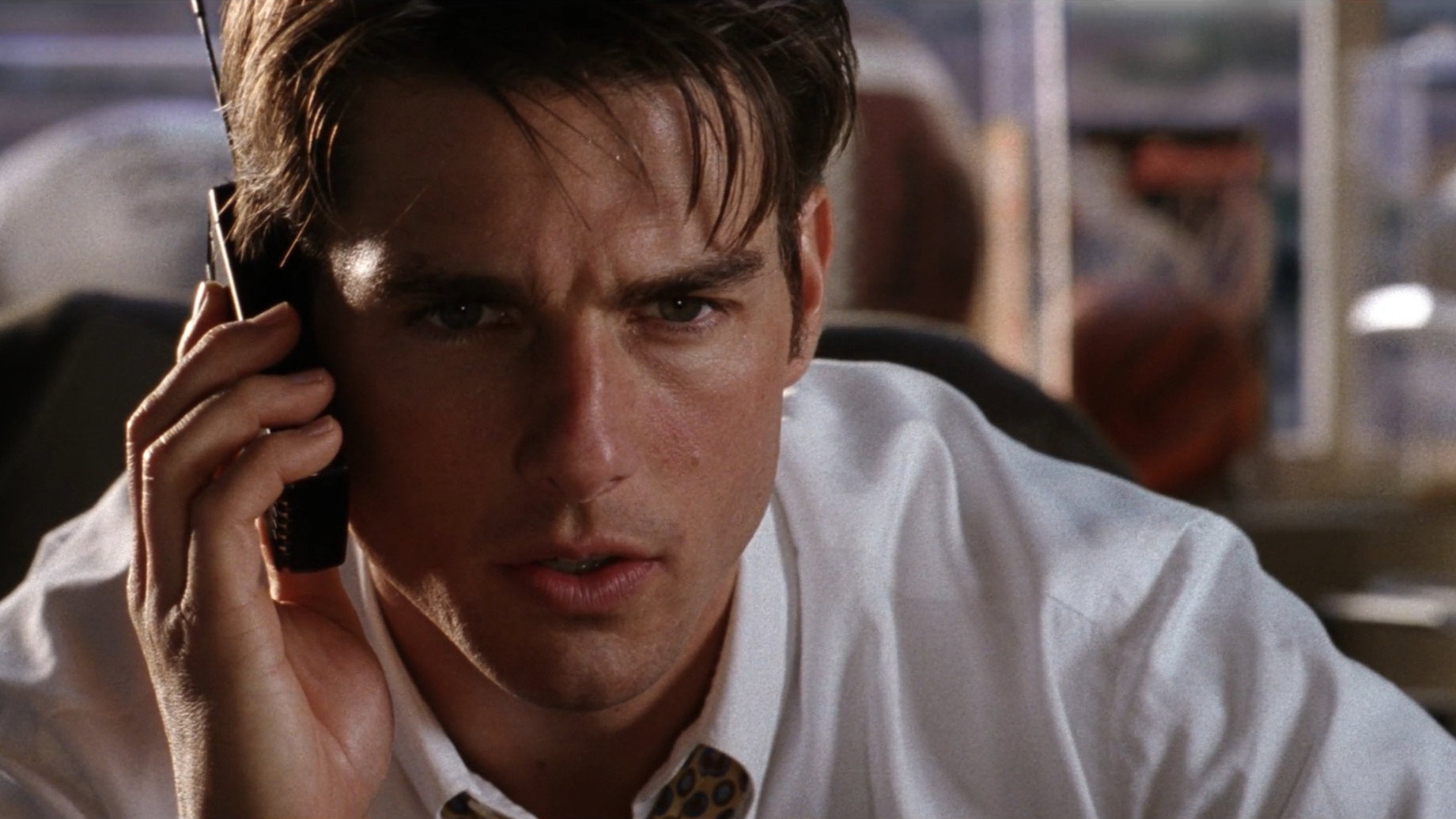
Tom Cruise is well cast as a man accustomed to making a persuasive impression, particularly when he has reason to doubt himself. He lets Jerry’s need to be liked remain faintly embarrassing, so the charm never entirely excuses the behaviour. We found Jerry’s early doubts about his job unexpectedly touching. Cruise makes his discomfort seem awkward and unpractised, which gives us reason to believe in the effort to change. Crowe gets good comedy from that uncertainty, and Cruise is willing to let Jerry look foolish.
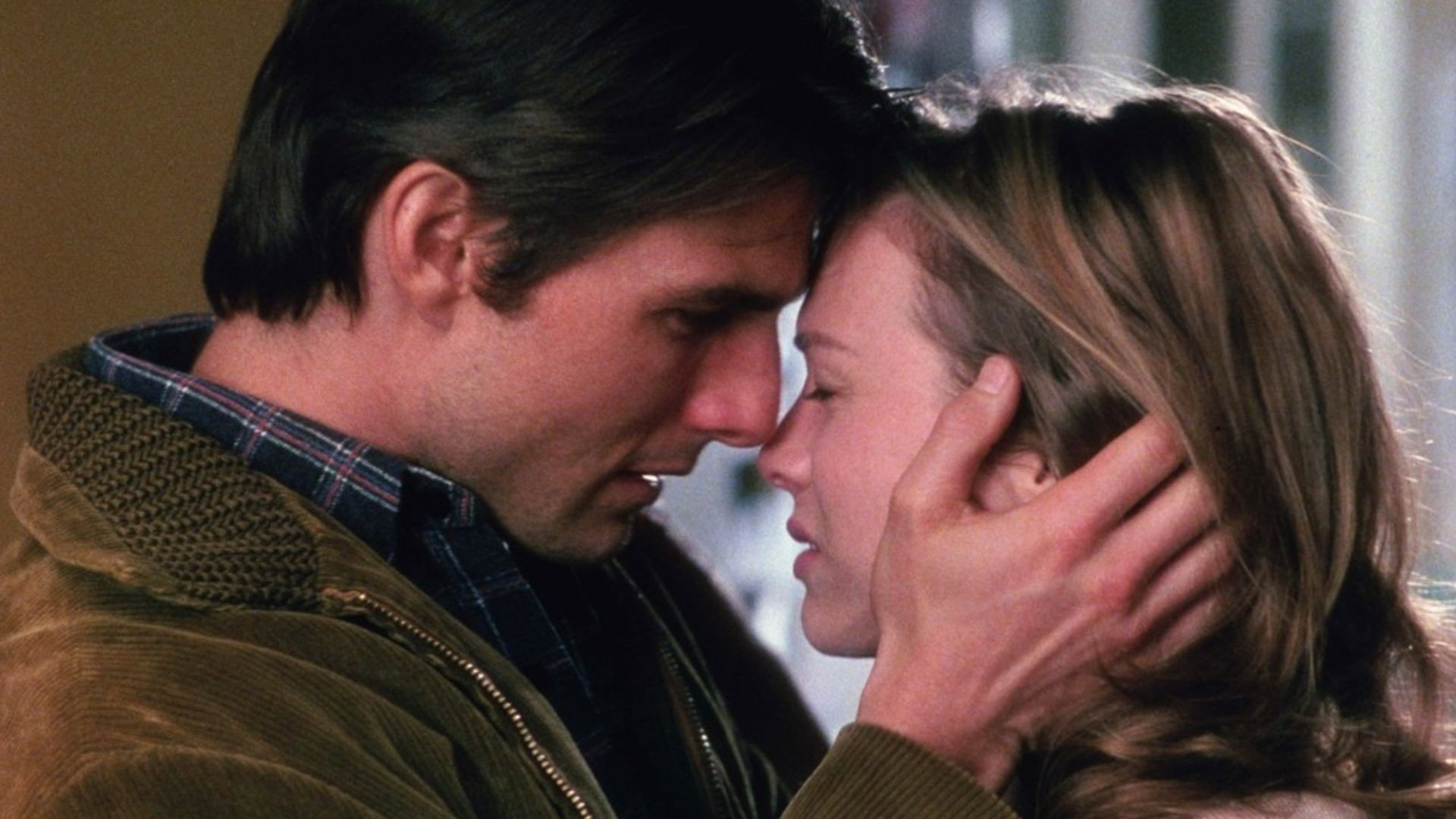
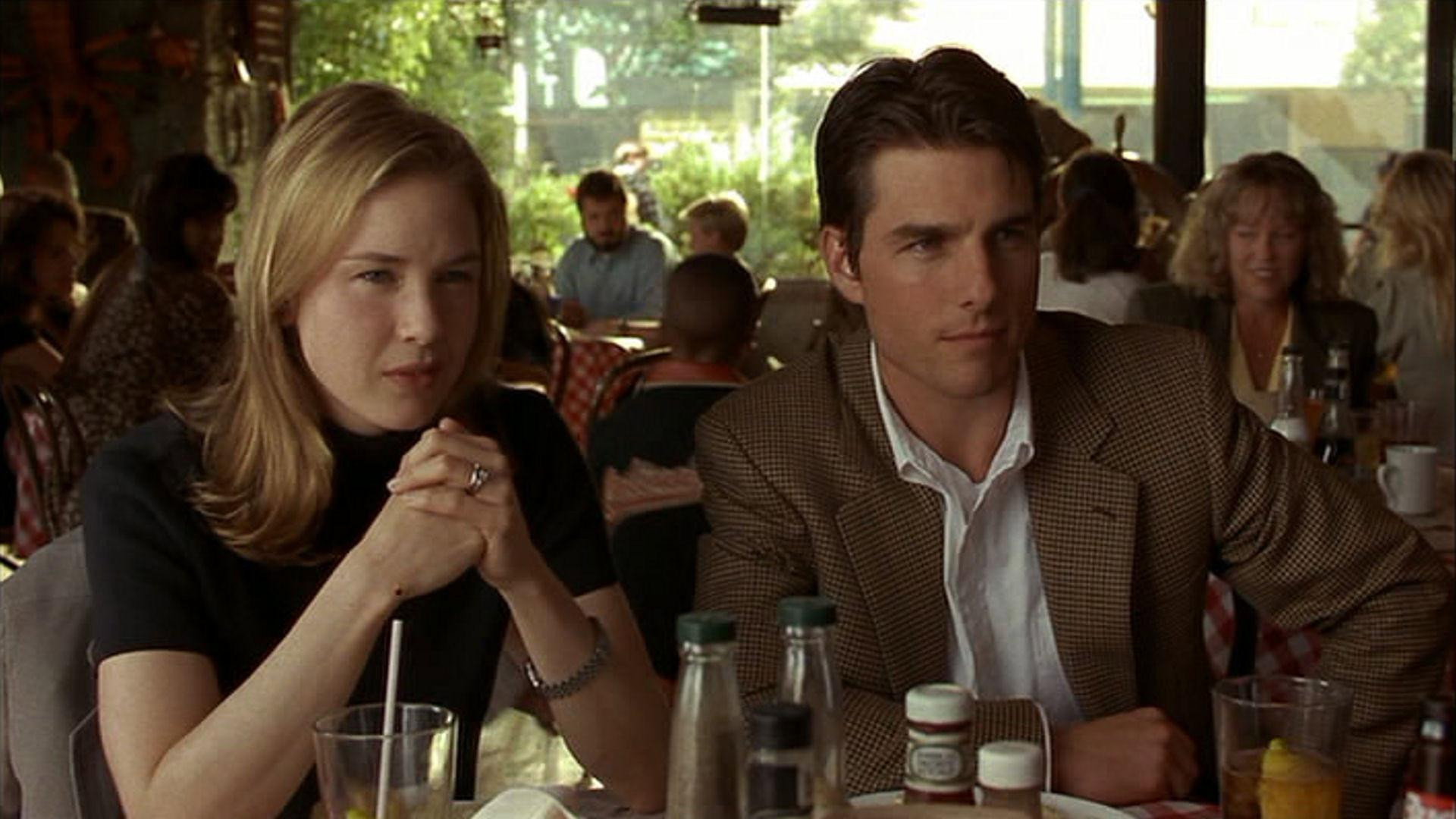
Renée Zellweger’s Dorothy Boyd is the reason the romance can survive so much attention to Jerry. Zellweger gives Dorothy’s affection enough thought and hesitation to make it feel like a choice, even when the writing leans towards treating love as the cure for a man’s shortcomings. The chemistry with Cruise works because she makes us interested in what Dorothy thinks of him. We need that interest: a romance organised entirely around Jerry’s progress would soon become another opportunity to applaud Jerry.
Cuba Gooding Jr. gives Rod Tidwell an energy that the film needs whenever Jerry’s self-examination threatens to become a full-time occupation. He is funny without making Rod feel like somebody brought in just to provide the jokes. Regina King, as Marcee Tidwell, is brisk enough to keep the surrounding sentiment in check. Crowe’s interest in the people around his central character is one of the film’s pleasures, though it helps explain the crowded script.
Janusz Kamiński’s cinematography gives the romance a visual warmth that helps Crowe’s earnestness feel less forced. Stephen J. Lineweaver’s production design makes Jerry’s professional world seem comfortable enough that we can understand the attraction of staying put. We need to understand why somebody would keep doing Jerry’s job before we can care about his doubts. Nancy Wilson’s music is sympathetic to the romance, though we need little prompting to care once Cruise and Zellweger have our attention.
Joe Hutshing’s editing handles the shifts between comedy and earnestness well enough, but there are too many competing demands on our attention. At 139 minutes, the film gives its subplots more space than the central story needs them to occupy. Crowe also has a habit of stressing a point after the actors have made it clear, and the writing can start to sound like advice. These are faults of excess in a film with plenty worth keeping, particularly the uncertainty Cruise and Zellweger bring to scenes that could otherwise feel settled in advance.
Crowe’s useful departure from a tidy romantic comedy is to make work matter almost as much as attraction. Jerry cannot simply become nicer whenever the story wants a romantic moment; his professional ambitions remain part of the person Dorothy has to consider. That complication is worth some untidy plotting. Save it for an evening when a little earnestness will not be held against it.