Film review

Jojo Rabbit

2019 · Directed by Taika Waititi · 1h 48m · MPA PG-13

In a sentenceThe boy is worth listening to; his imaginary Hitler could do with fewer lines

ComedyWarDrama

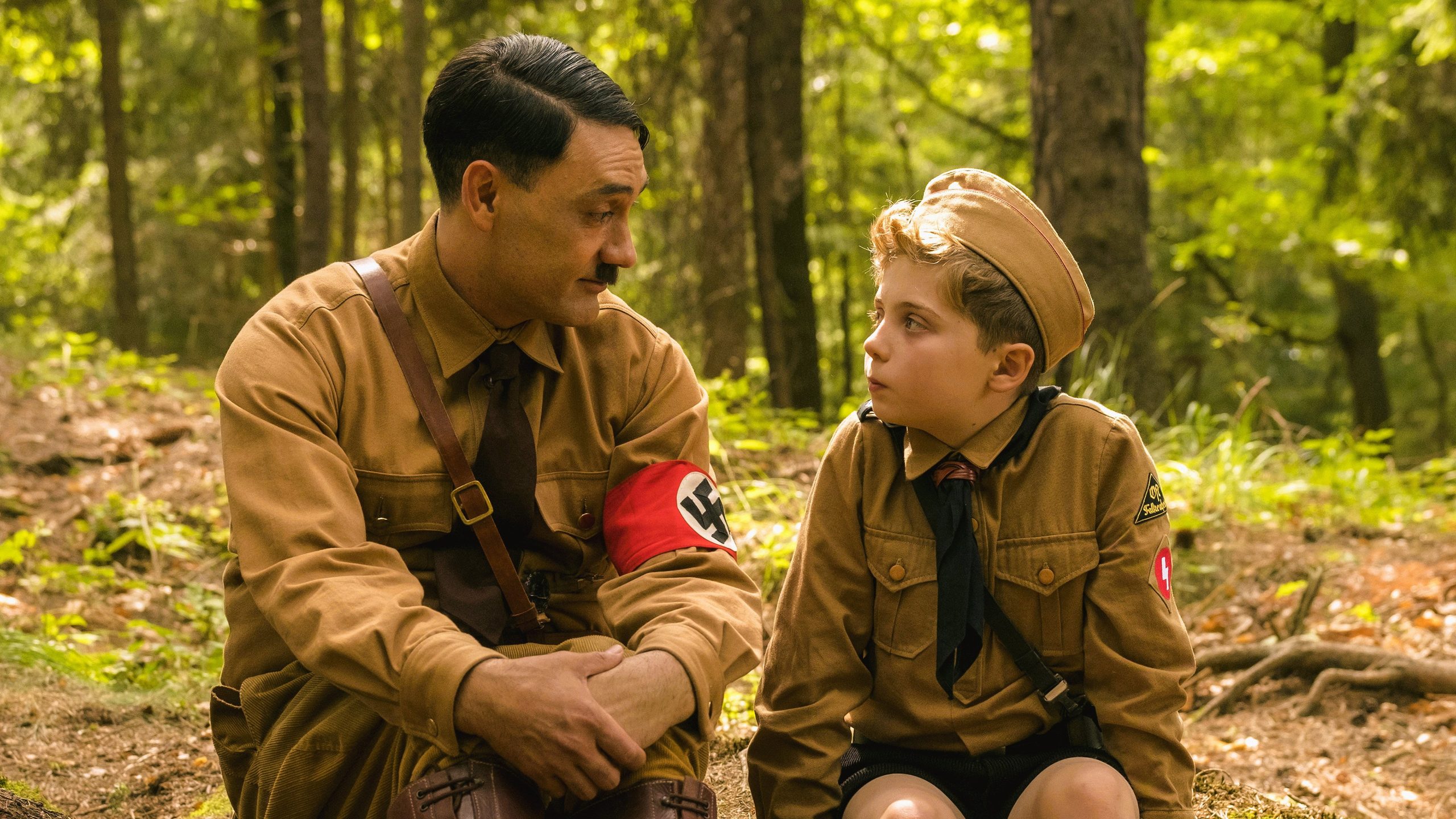
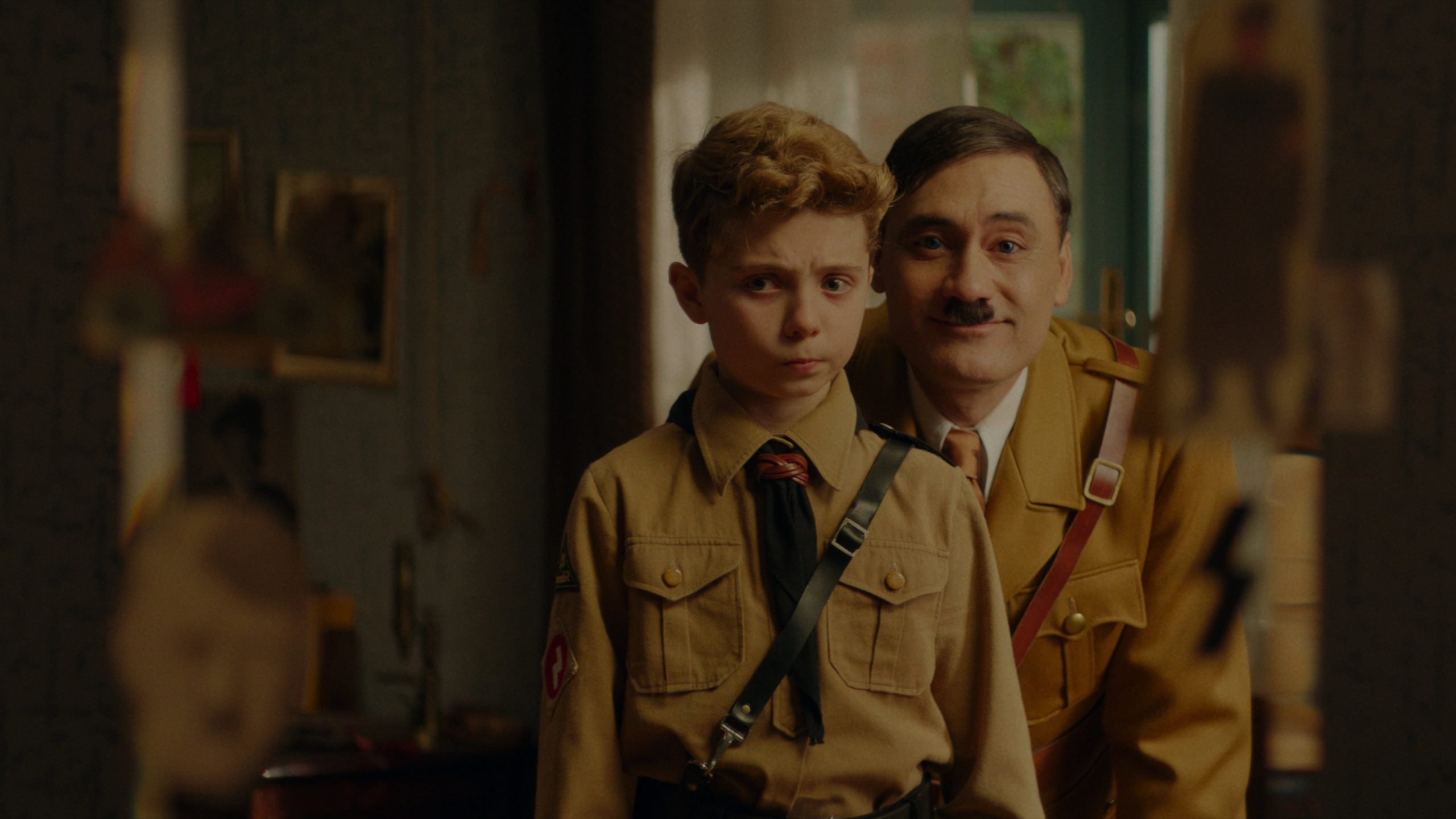
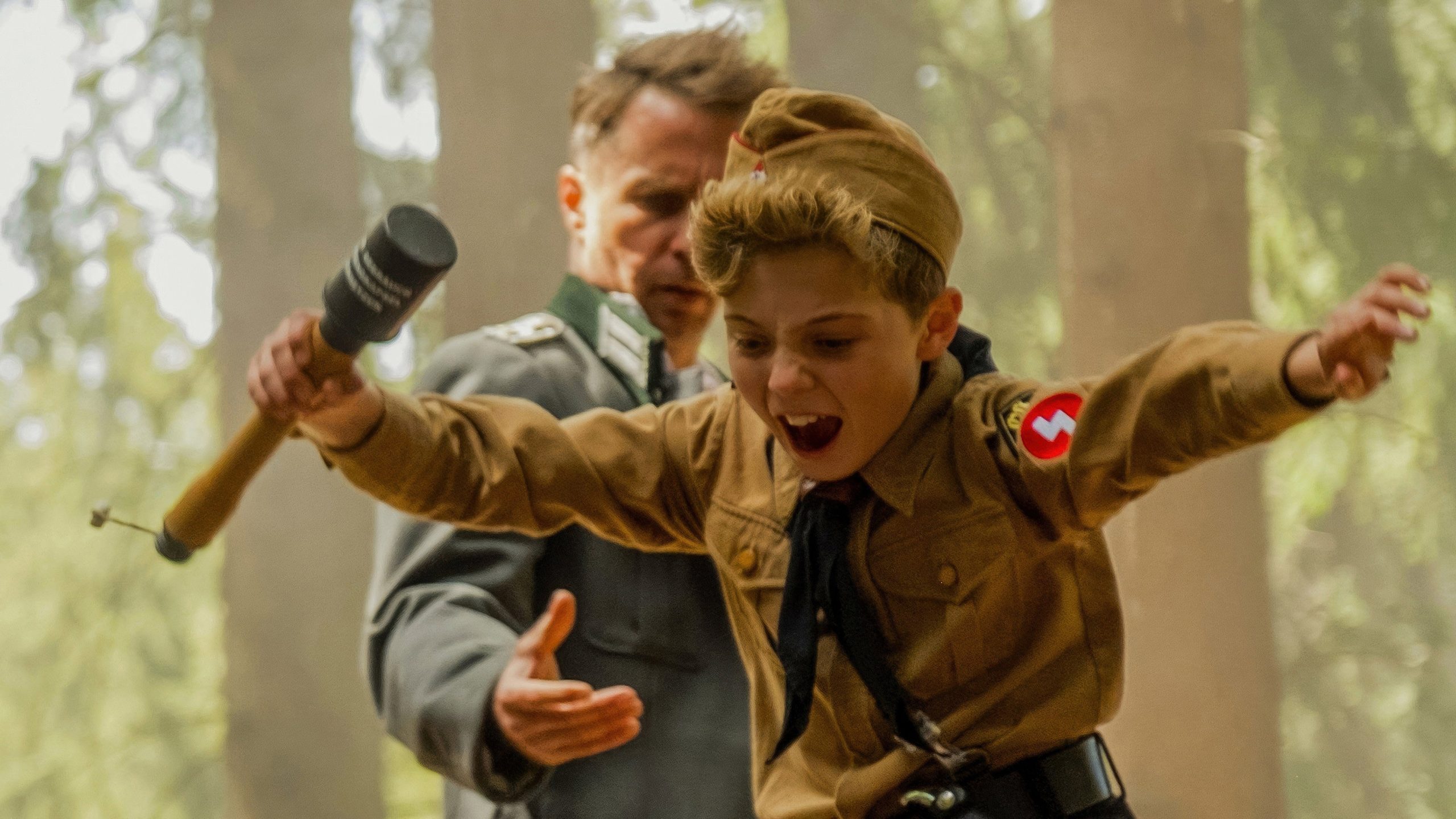
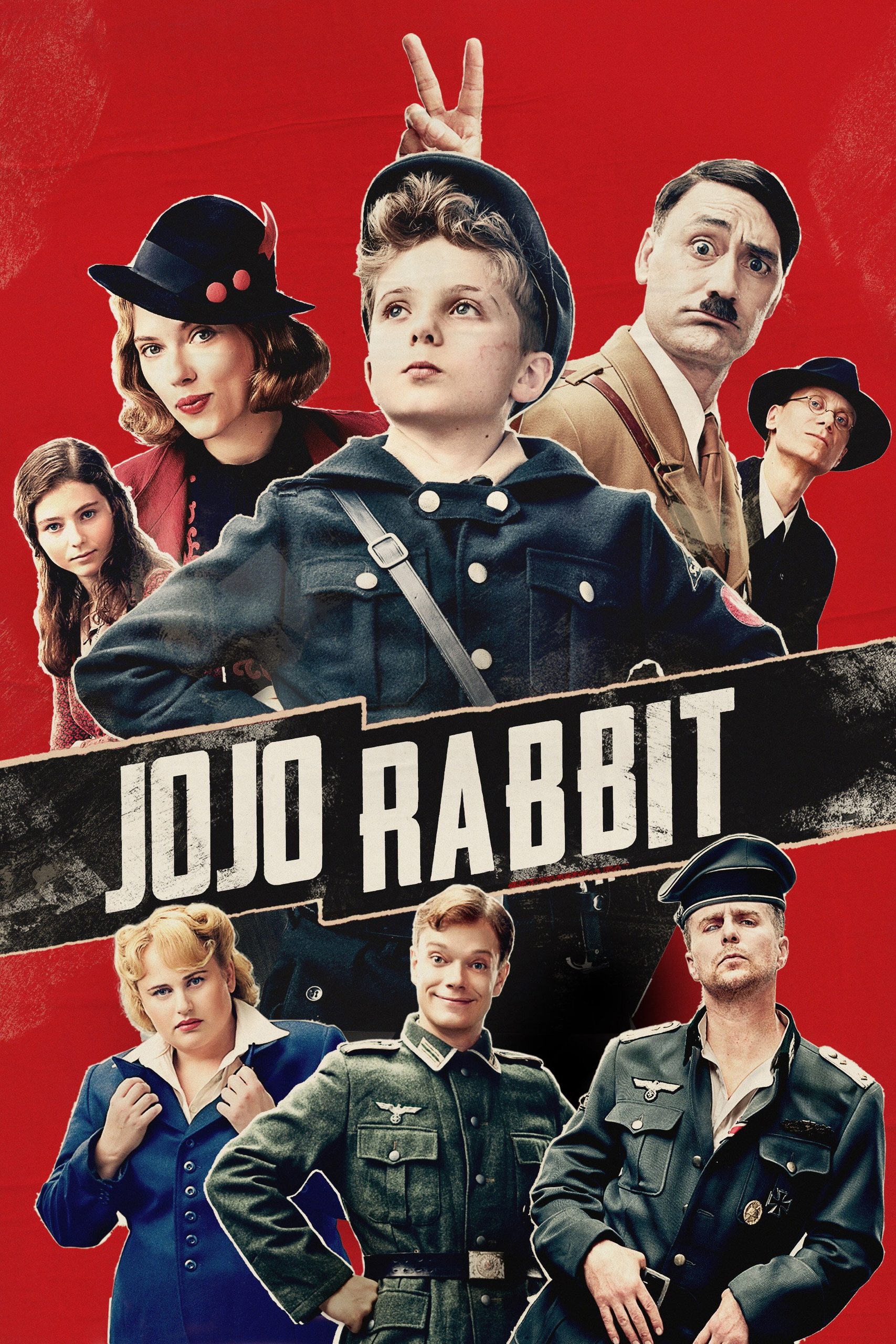
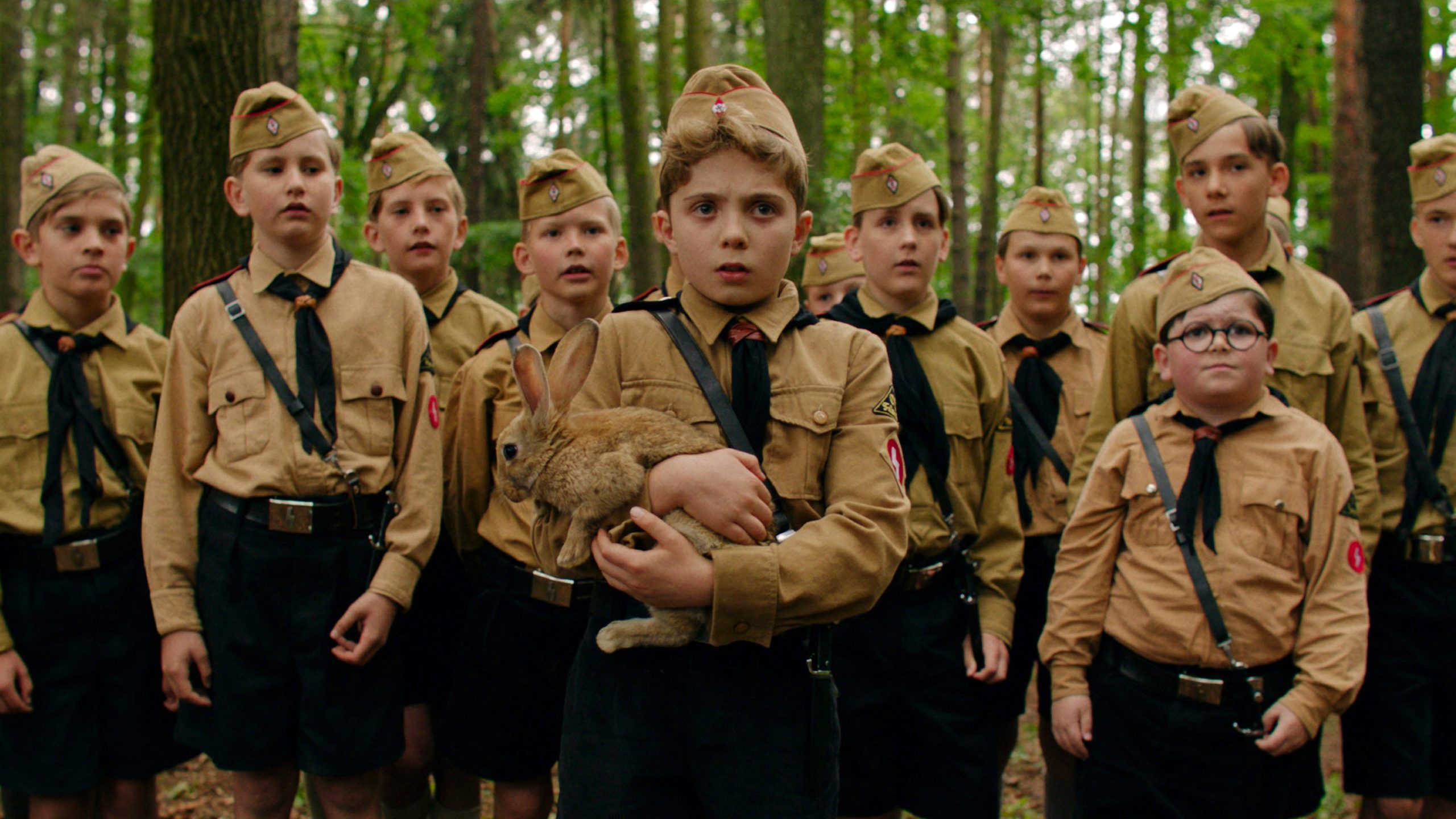
Under the Third Reich during the Second World War, Jojo (Roman Griffin Davis) is a boy whose imaginary friend is Adolf (Taika Waititi), his own version of Hitler. Captain Klenzendorf (Sam Rockwell) is a Hitler Youth instructor, while Yorki (Archie Yates) is Jojo’s friend. Jojo tries to understand the world through the Nazi beliefs around him, with an imaginary dictator available to join the conversation. His relationship with Elsa (Thomasin McKenzie) puts those beliefs under pressure. Between the adults teaching him what to think and the people he gets to know, Jojo has to work out whose account to believe.

Plays from YouTube when you press play; nothing loads from them until then.

Fi1m review

Roman Griffin Davis and Scarlett Johansson give Jojo Rabbit enough warmth to make its awkwardness matter. Taika Waititi’s imaginary Hitler is funny in small doses, but the satire grows repetitive and the shifts into seriousness feel forced.

Jojo Rabbit is an uneven coming-of-age comedy whose satire rarely gets beyond calling Nazis ridiculous. Taika Waititi, who writes and directs, wants to make indoctrination comprehensible through a boy who treats Hitler as an imaginary friend. There is a useful idea here: a child can attach himself to something monstrous without understanding what it means. Too often, however, the film settles for making the attachment cute, then relies on the performances when cuteness is no longer enough.

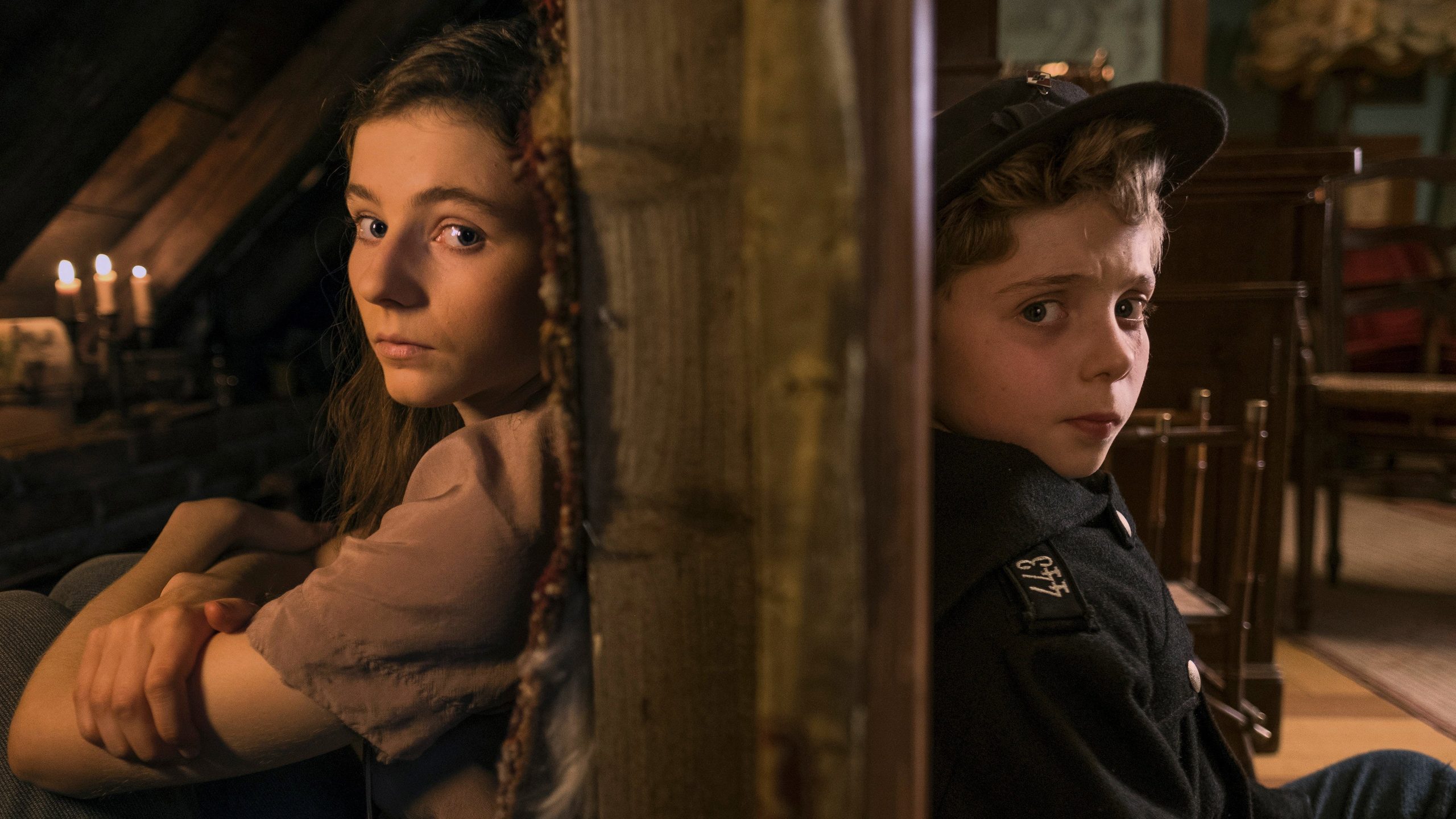
Roman Griffin Davis gives Jojo enough uncertainty to keep him from becoming simply a child delivering grown-up jokes. The performance makes it possible to care about this boy without endorsing the rubbish he believes. Thomasin McKenzie, as Elsa, makes the central relationship worth attending to, although the screenplay places too much responsibility on it to explain why hatred is wrong. Their scenes together allow some doubt into a film otherwise rather pleased with its own good intentions.

Taika Waititi also plays Adolf, the imaginary Hitler, and the silliness has some value. We laughed at this dictator reduced to a boy’s imaginary companion, because the performance makes his authority look childish. But the same joke has to do too much work. Making Hitler ridiculous does little to explain the attraction of everything the child has been taught. Once the absurdity is established, further clowning brings diminishing returns, particularly when there are more interesting people to spend time with.

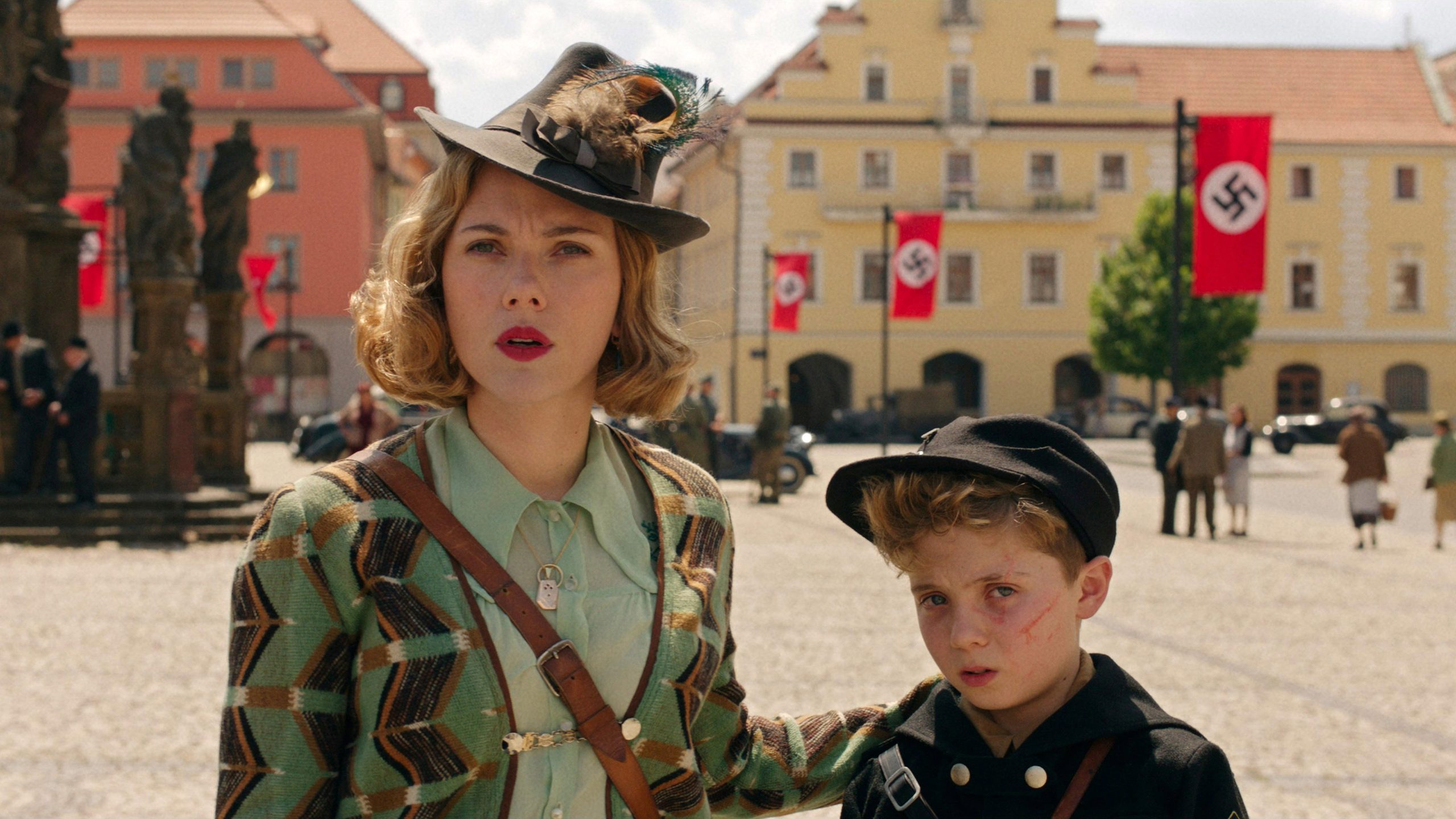
Scarlett Johansson gives Rosie a warmth that does not need the imaginary friend’s antics, and the film benefits from that quieter approach. Sam Rockwell’s Captain Klenzendorf, a Hitler Youth instructor, supplies a more knowing kind of comedy. Both performances suggest how much could have been achieved by trusting the actors and easing off the effort to be endearing. The problem is in Taika Waititi’s screenplay, which keeps asking humour to soften material that sometimes needs to remain uncomfortable.

Cinematographer Mihai Malaimare Jr. and production designer Ra Vincent make the setting attractive enough to support the fantasy, but that choice also makes the historical danger feel less immediate. We can see why a child’s imagined world should look inviting. We are less persuaded when that invitation extends to the film’s treatment of the adults around him. The attractive surroundings might have worked better with harsher comedy; here, the look and the affectionate jokes keep reassuring us when we ought to feel less secure.

Editor Tom Eagles has the awkward job of fitting broad farce beside scenes that ask for serious feeling. The changes in tone are too conspicuous: we keep noticing when the film wants us to stop laughing, rather than arriving at that feeling ourselves. Michael Giacchino’s music contributes to the sweetness, but cannot make those changes feel earned. At 108 minutes, the film has enough time for its story, yet it repeatedly interrupts our involvement to tell us which response it now wants.

A satire of indoctrination needs to show why people accept nonsense, including when it ceases to look amusing. Jojo Rabbit is more interested in the hope that they can be talked out of it, and that limits how hard its jokes can hit. Viewers interested in the childhood drama may find enough in the performances to forgive the comedy’s narrow reach. If the imaginary Hitler already sounds tiresome, the film is unlikely to change your mind.

Critical consensus AI synthesised

52
Positive
12
Mixed
7
Negative
10

The reviews are sharply divided on Jojo Rabbit, with praise clustering around the performances rather than agreement on its satire. Roman Griffin Davis’s young lead draws repeated approval, while Scarlett Johansson and the supporting cast help make the central relationships touching even for some sceptics. Supporters find that the child’s perspective gives the comedy licence to be absurd while exposing the cruelty and foolishness of Nazi beliefs.

The chief disagreement concerns the shifts between slapstick and historical horror: some critics find them affecting, others clumsy or sentimental. /Film sees a skilful balance of darkness and warmth; Slant Magazine finds cheap sentiment and jokes inadequate to the subjects of oppression and indoctrination. Between those poles, mixed reviews credit the cast and individual laughs but question the satire’s bite. The spread is unusually wide, with critics disagreeing over whether the gentleness makes the film humane or lets its targets off too lightly.

Time Out
29 November 2019 · ★★★★ · Joshua Rothkopf
80

The critic finds the audacious WWII comedy risky yet worthy, commending its child’s perspective, bold humor, and how it turns the central relationship into something endearing and ground-breaking.

Read the full review →
Sight and Sound
9 September 2019 · festival review · Ella Kemp
70*

The critic praises the film's witty and playful approach to its anti-hate satire, highlighting how it finds light in dark subject matter through whimsy and strong performances, especially from the young lead.

Read the full review →
The New Yorker
28 October 2019 · Anthony Lane
70*

The review notes genuine zest in the film's unease and finds it weirdly convincing as a portrait of childhood under surreal strain. It stumbles at times but remains preferable to watch again than many other films.

Read the full review →
The New York Times
17 October 2019 · A.O. Scott
70*

The critic finds the film a tricky blend of farce, fantasy and drama that filters the banality and evil of the Third Reich through a child's consciousness. It is sharpest when it dares to be funny, painting a credible if cartoonish picture of an evil system without graphic imagery.

Read the full review →
Radio Times
★★★ · Patrick Cremona
60

The critic describes an uneven comedy drama that stumbles between slapstick and sincerity but succeeds in injecting heart through the young cast, though its satirical elements remain largely toothless.

Read the full review →
The i Paper
2 January 2020 · ★★★ · Demetrios Matheou
60

Waititi’s wacky anti-hate satire is divisive and sometimes grating in its contrasts, yet it remains touching thanks to strong central performances, especially from Johansson and the young lead.

Read the full review →

Cast

Awards

Academy Awards, 2020

Nominated
Best Picture
Won
Best Writing, Adapted Screenplay

If you liked this, try…