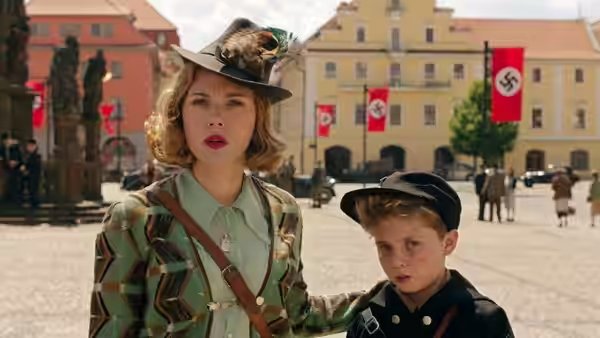
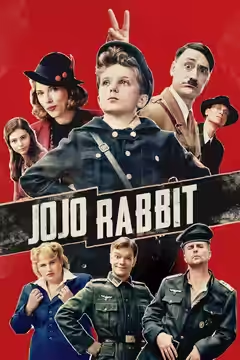
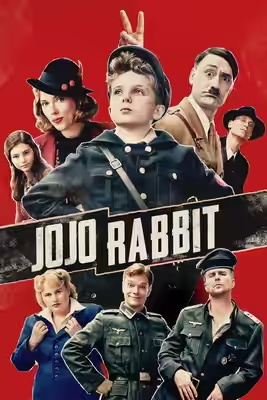
Roman Griffin Davis and Scarlett Johansson give Jojo Rabbit the warmth that makes its account of indoctrination so moving. Taika Waititi occasionally overplays the imaginary Hitler, but this funny, compassionate film earns its faith in a child’s ability to change.
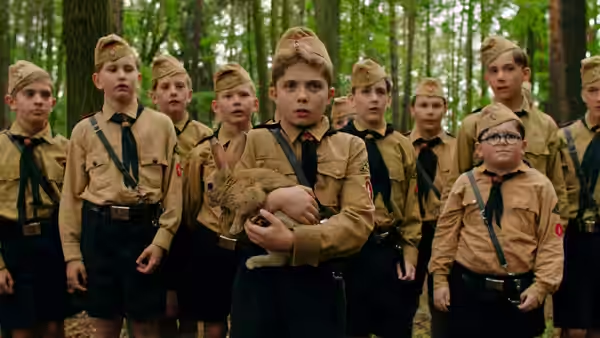
Jojo Rabbit is a funny, deeply affecting coming-of-age comedy that understands how seriously a child can take nonsense. Taika Waititi, who writes and directs, wants to make indoctrination comprehensible through a boy who treats Hitler as an imaginary friend. There is a useful idea here: a child can attach himself to something monstrous without understanding what it means. The film makes that attachment plausible, then gives the boy room to question it without pretending the beliefs themselves are harmless.
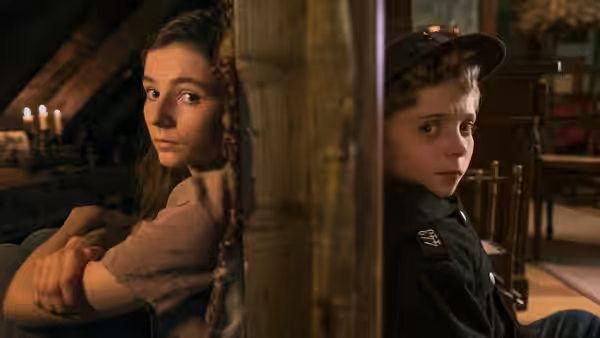
Roman Griffin Davis gives Jojo enough uncertainty to keep him from becoming simply a child delivering grown-up jokes. The performance makes it possible to care about this boy without endorsing the rubbish he believes. Thomasin McKenzie, as Elsa, is equally persuasive, bringing a wariness that keeps their scenes from becoming easy lessons in tolerance. She makes Elsa’s vulnerability matter independently of what Jojo might learn from her. Their exchanges give the difficult business of questioning a belief enough tension to hold our attention without the broader comedy.
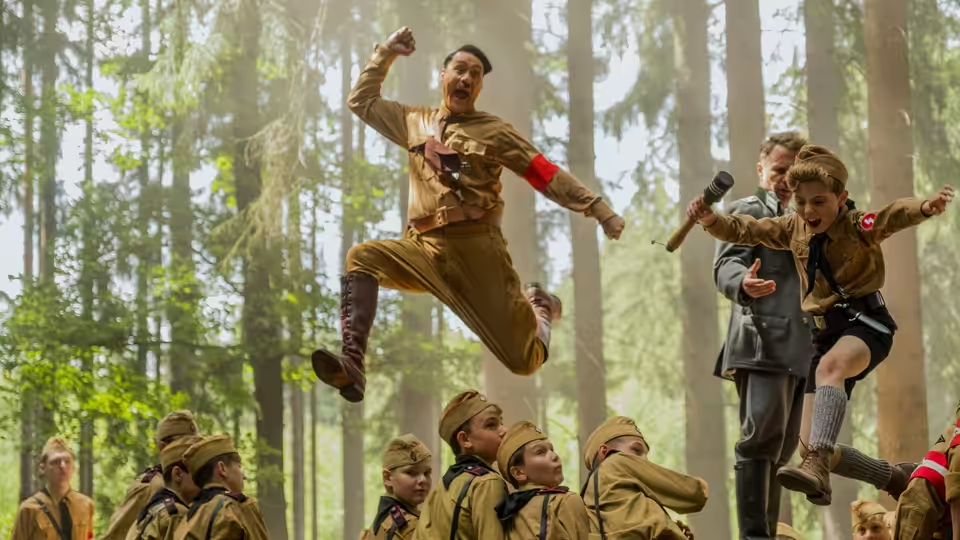
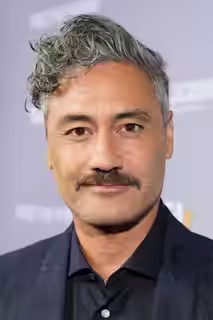
Taika Waititi also plays Adolf, the imaginary Hitler, and the silliness has a clear purpose. We laughed at this dictator reduced to a boy’s imaginary companion, because the performance makes his authority look childish. A few routines go on too long, and once the absurdity is established, further clowning brings diminishing returns. Even so, the imaginary friend makes sense as someone this boy would invent, and the performance makes Jojo’s need for approval uncomfortably easy to recognise.
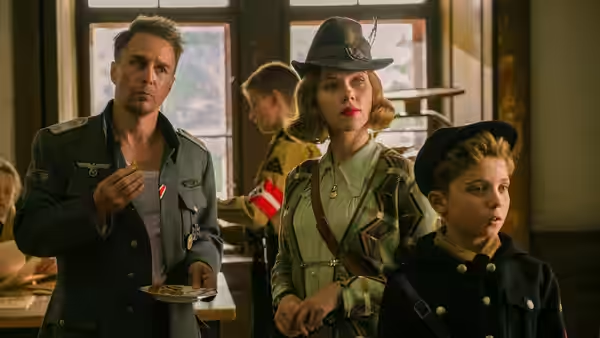
Scarlett Johansson gives Rosie a warmth that does not need the imaginary friend’s antics, and the film benefits from that quieter approach. We were moved by her scenes with Jojo because their affection gives him something believable to value beyond the beliefs he has been taught. Sam Rockwell’s Captain Klenzendorf supplies a more knowing kind of comedy. Both performances suggest lives beyond the boy’s understanding, without requiring the film to abandon his point of view.
Cinematographer Mihai Malaimare Jr. and production designer Ra Vincent make the setting attractive enough to support the fantasy. We can see why a child’s imagined world should look inviting. That appeal matters because Jojo has to discover what is wrong with surroundings and people he already likes. Presenting everything as sinister would make that discovery much easier, and much less interesting to watch.
Editor Tom Eagles has the awkward job of fitting broad farce beside scenes that ask for serious feeling. He gives the actors enough space for the serious moments to develop, so the film can change its tone without losing the people we care about. Michael Giacchino’s music contributes to the sweetness, and supports feelings the performances have already earned. At 108 minutes, the film has enough time for its story, and allows Jojo’s doubts to develop without turning every exchange into a lesson.
The consensus is far less enthusiastic than we are, particularly about the sentiment and the broad treatment of Nazis. We think the film’s affection for Jojo makes his indoctrination more troubling, because it insists that a child we like can still believe something hateful. As coming-of-age comedy, this is unusually willing to let its child be wrong. We recommend it warmly, with the warning that the imaginary dictator occasionally needs a firmer editor.