Sergio Pablos makes a handsome, sometimes touching Christmas animation from an unpromising collection of quarrelsome people. We recommend it for the drawings and the oddness, with patience required for the insults and a familiar redemption story.
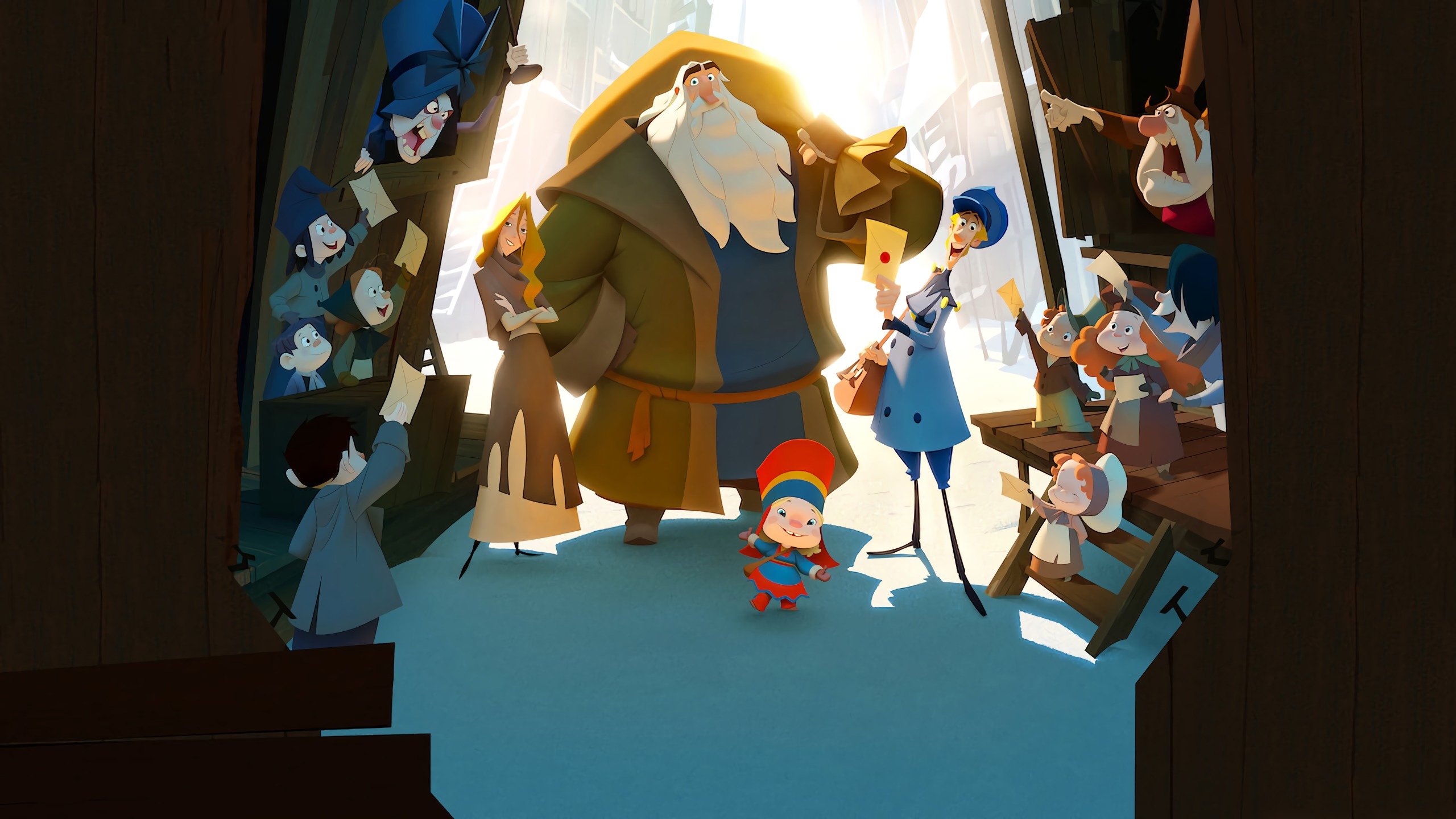
Klaus is worth a Christmas evening, provided a little seasonal ill temper does not put the family off. Director Sergio Pablos approaches Santa Claus through a feuding community and a postman whose generosity has questionable motives. The idea is funny before anybody speaks: here is a Christmas story that has to find someone willing to be pleasant. Its account of how the familiar customs might have begun is inventive enough to make the predictable business of becoming a better person tolerable.
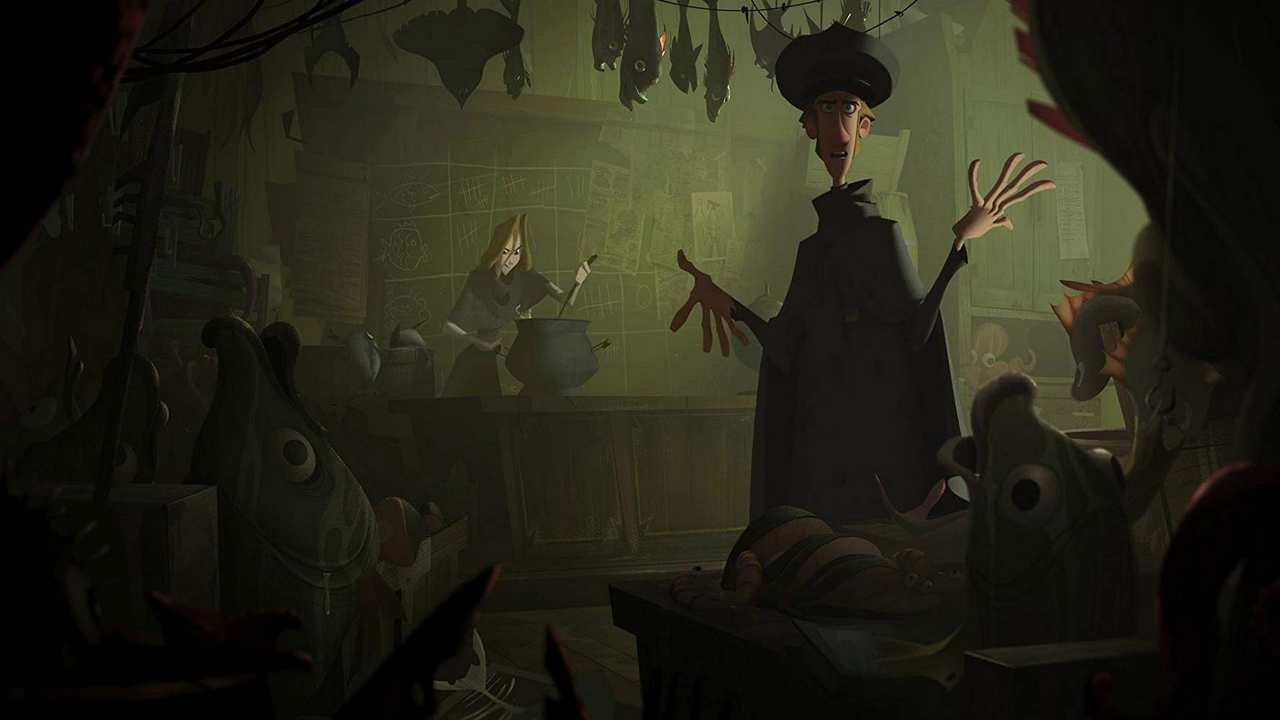
Production designers Marcin Jakubowski and Szymon Biernacki give that hostile community a storybook shape without making it cosy. The exaggerated character designs and threatening surroundings belong together; these people look suited to the place they have made unpleasant. Hand-drawn animation gains depth from lighting and shading that suggest solid bodies rather than flat shapes, while leaving the lines expressive and readable. We kept looking past the action to take in the setting. That is a pleasure in itself, though it also tells us where the film’s strongest storytelling lies.
Jason Schwartzman’s Jesper is a less restful prospect. His busy vocal performance suits a postman who has some growing up to do, but he can make a whole conversation sound impatient to get to the next one. J.K. Simmons gives Klaus a welcome weight by comparison, making the pair easier to listen to than Jesper alone. We were amused by the villagers’ hostility, then worn down by it: so much of the early humour amounts to people insulting one another.
Pablos, Jim Mahoney and Zach Lewis are more resourceful when fitting together the pieces of the Santa story. There is pleasure in recognising a familiar idea arriving by an unlikely route, and the film lets dubious motives complicate its lesson about generosity. The supporting voices, including Rashida Jones as Alva and Joan Cusack as Mrs. Krum, help keep the company distinct. The writing gives some of that company too little to play, however, relying on a character’s unpleasantness to do the work of a personality.
Pablo García Revert’s editing is liveliest when there is slapstick to organise, giving the physical jokes a welcome directness after all that verbal irritation. The pace becomes less assured as the familiar redemption story takes up more space, and even at 97 minutes there are stretches that feel prolonged. Alfonso G. Aguilar’s score sits more comfortably with the sentiment than the conspicuously modern song cues do. Those songs press for a response the pictures are already capable of getting, and briefly make the film feel much less individual.
Against the cosier sort of Christmas animation, Klaus has the advantage of characters who do not seem eager to be loved. Its gentler passages earn some feeling because the hostility has made ordinary kindness seem worth the effort. We can usually see the next lesson coming, but the drawings give us plenty to enjoy on the way. Families who prefer their festive stories without an early stretch of nastiness should take that seriously. Otherwise, give the drawings a large screen and allow the postman time to become bearable.