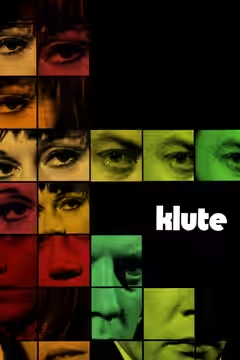
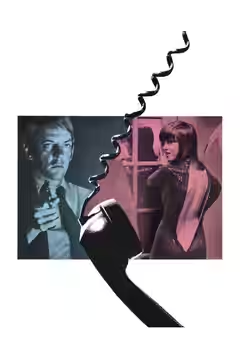
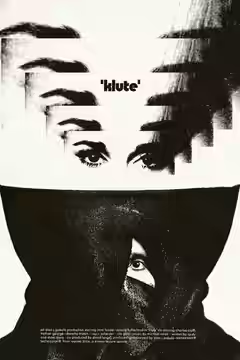
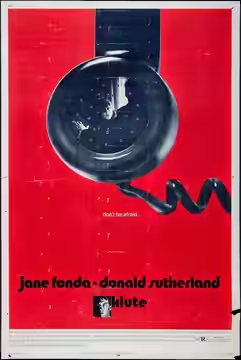
Jane Fonda’s controlled, moving performance makes Klute a thriller worth seeking out. Alan J. Pakula sustains the unease, though the detective story is too transparent to justify all the attention it receives.
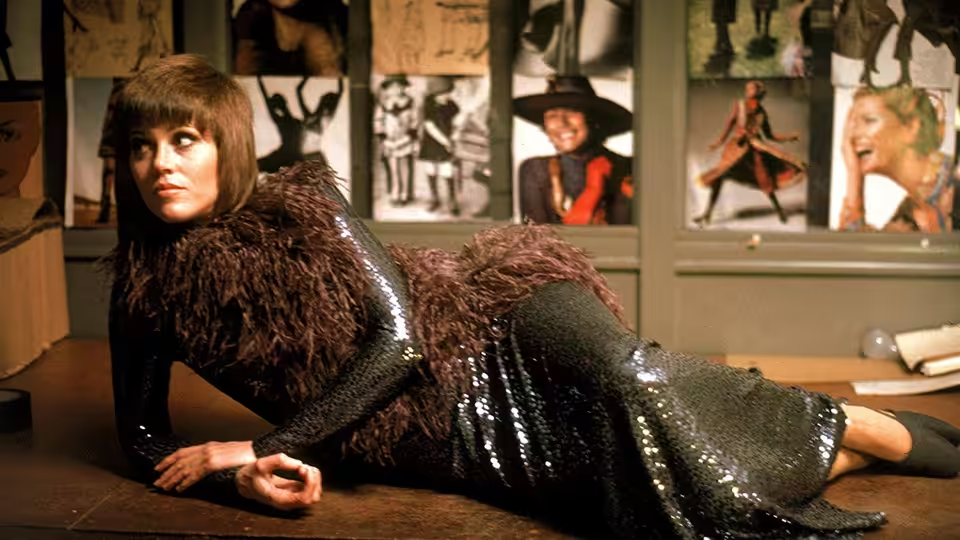
Klute is worth seeing for Jane Fonda even when its mystery becomes unconvincing. Alan J. Pakula has made a thriller whose attention to Bree Daniels is more rewarding than the case involving her, and he gives that attention time to matter. We recommend it for her performance and for its persistent unease. Anyone coming chiefly for an intricate investigation should be warned that the detective work is the least persuasive reason to stay.
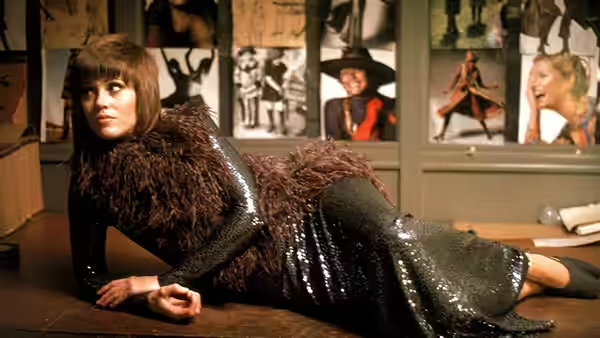
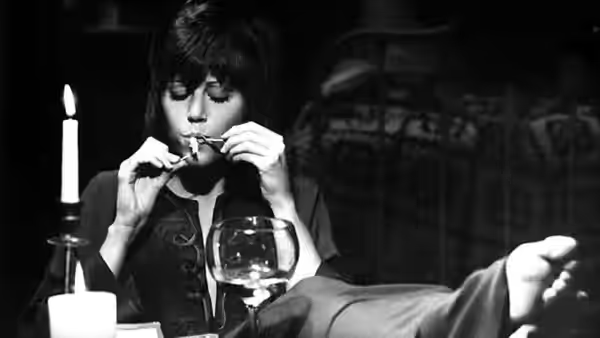
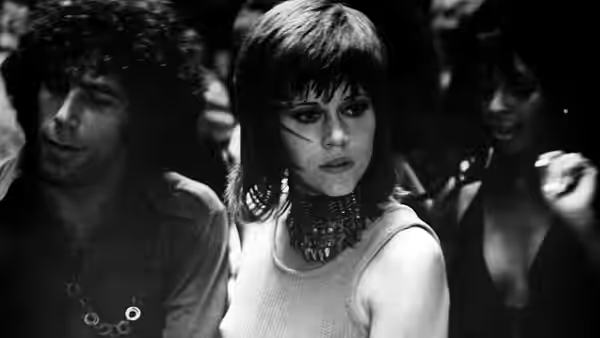
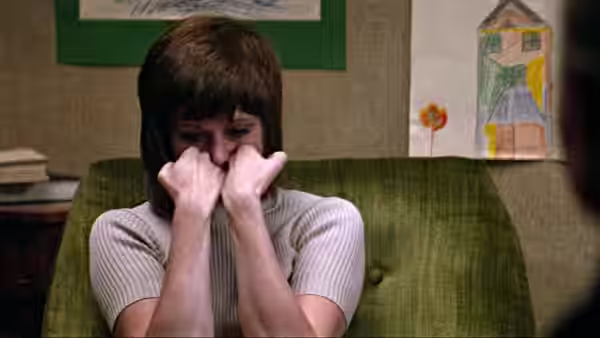
Jane Fonda’s control is what makes Bree so absorbing. Her independence never feels like a quality the film has assigned her and left the actress to demonstrate; we can sense the effort required to maintain it. We were moved by how hard she makes Bree work at seeming self-sufficient. The performance allows us to care about her without suggesting that caring entitles us to a complete explanation. That is difficult to sustain in a mystery, where every person risks becoming another source of information.
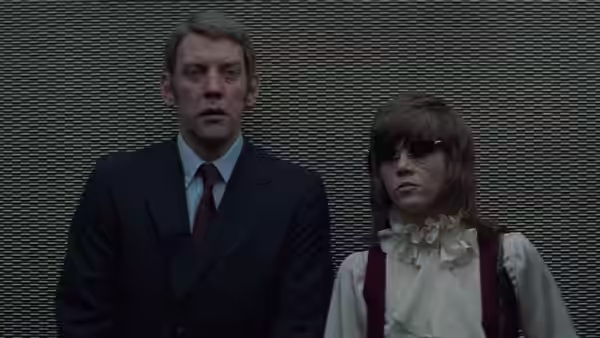
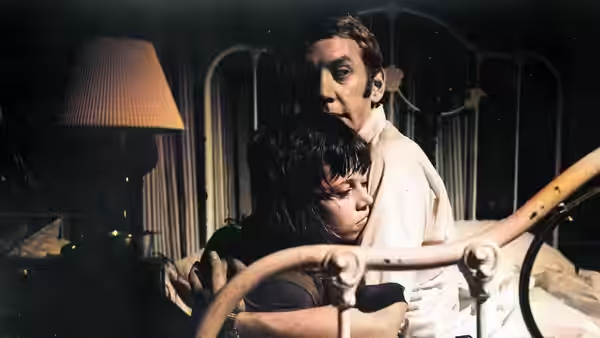
Donald Sutherland’s John Klute has an awkward place in a film so firmly occupied by Bree. We are encouraged to keep considering her, while he is more readily understood through his function as an investigator. That leaves the title character feeling underwritten at times, although his performance accommodates the imbalance without trying to compete for our attention. The film is right to let our interest settle where it does. Giving the detective a larger share would not necessarily make the drama richer.
Gordon Willis’s cinematography does much of the work of keeping us uneasy. The images make the atmosphere of threat persuasive even when the plotting fails to convince, and the direction offers little reassurance. Carl Lerner’s editing is more effective at holding our attention on the people than at making the enquiry feel urgent. Michael Small’s music helps sustain the suspense, though the strongest tension remains our concern for Bree. The craft keeps the film watchable through passages that the writing has not made sufficiently compelling.
The screenplay by David E. Lewis and Andy Lewis gives Bree enough complexity to sustain that interest, but its mystery is less assured. The case is too transparent, and some of its workings are difficult to credit. Once we begin doubting the investigation, further attention to it can feel like a delay. There are stretches when we want the film to stop attending to its thriller obligations and return to the woman at its centre.
What makes Klute worth that frustration is how seriously it takes the loneliness beneath Bree’s self-sufficiency. A crime film can use such a woman simply to complicate a detective’s work; Jane Fonda makes that seem an inadequate reason for spending time with her. The director allows the character study enough space to survive the less convincing material around it. The result rewards an interest in people more reliably than an appetite for clues. Choose it for Jane Fonda, and expect to be less impressed by the investigation.