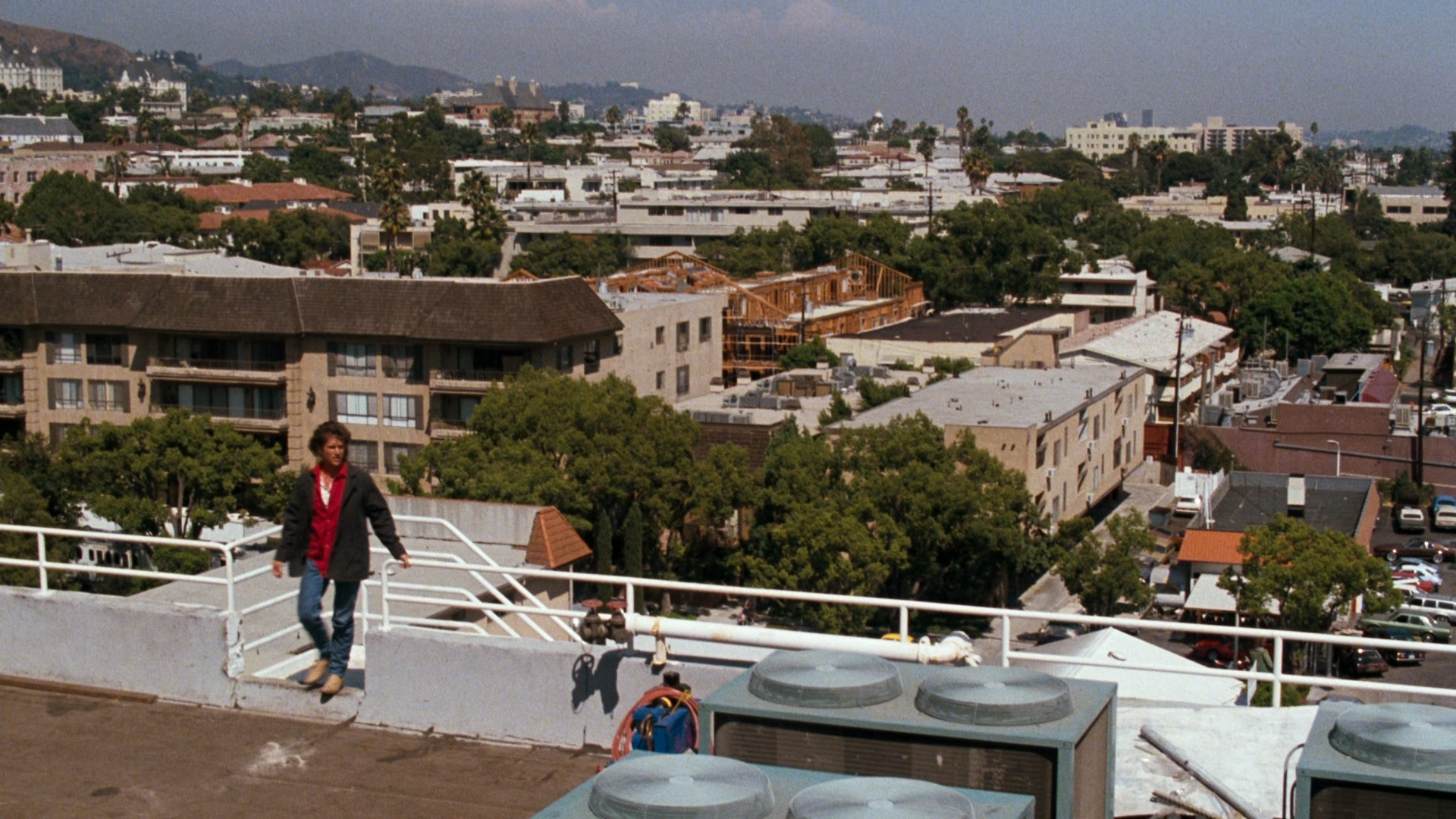
Richard Donner’s police thriller is funny, forceful and worth forgiving for its untidy plotting. Mel Gibson and Danny Glover make the partnership matter, even when Shane Black’s script takes the easier route towards another confrontation.
Lethal Weapon gives its two policemen a useful disagreement: one wants to stay alive, while the other is not much concerned about that. Richard Donner understands how much more this offers than a routine clash of personalities, and lets the danger persist beneath the banter. It is a vigorous, funny action thriller whose leads deserve most of the credit for making its familiar machinery work. We recommend it, provided neat police procedure is not the chief attraction.
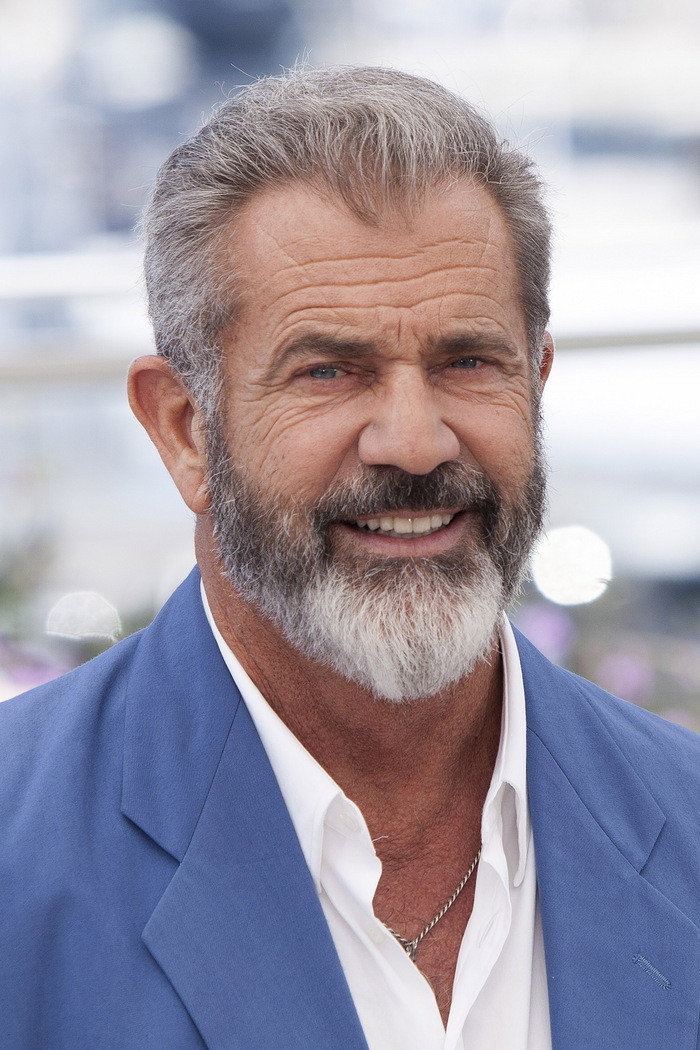
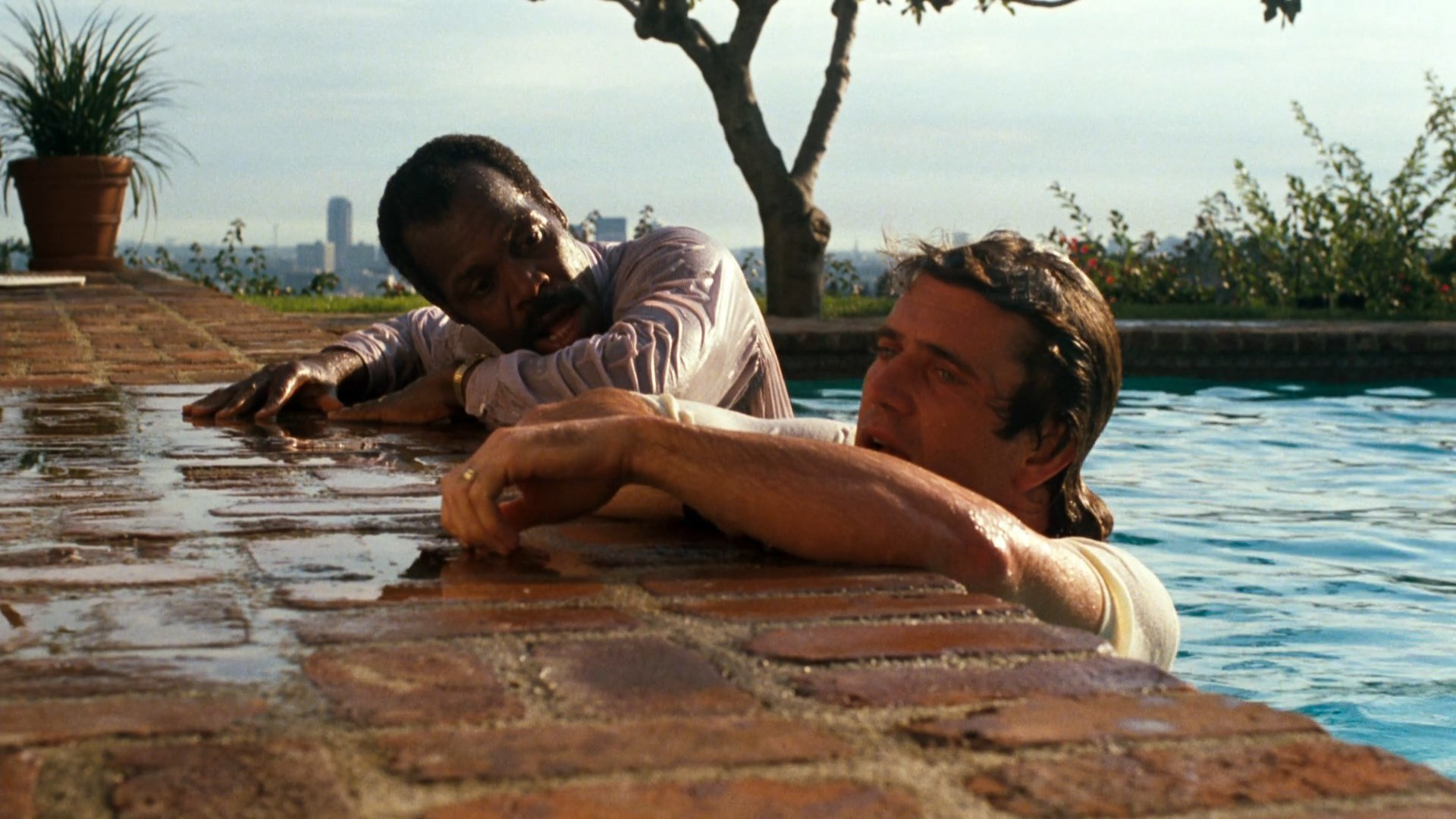
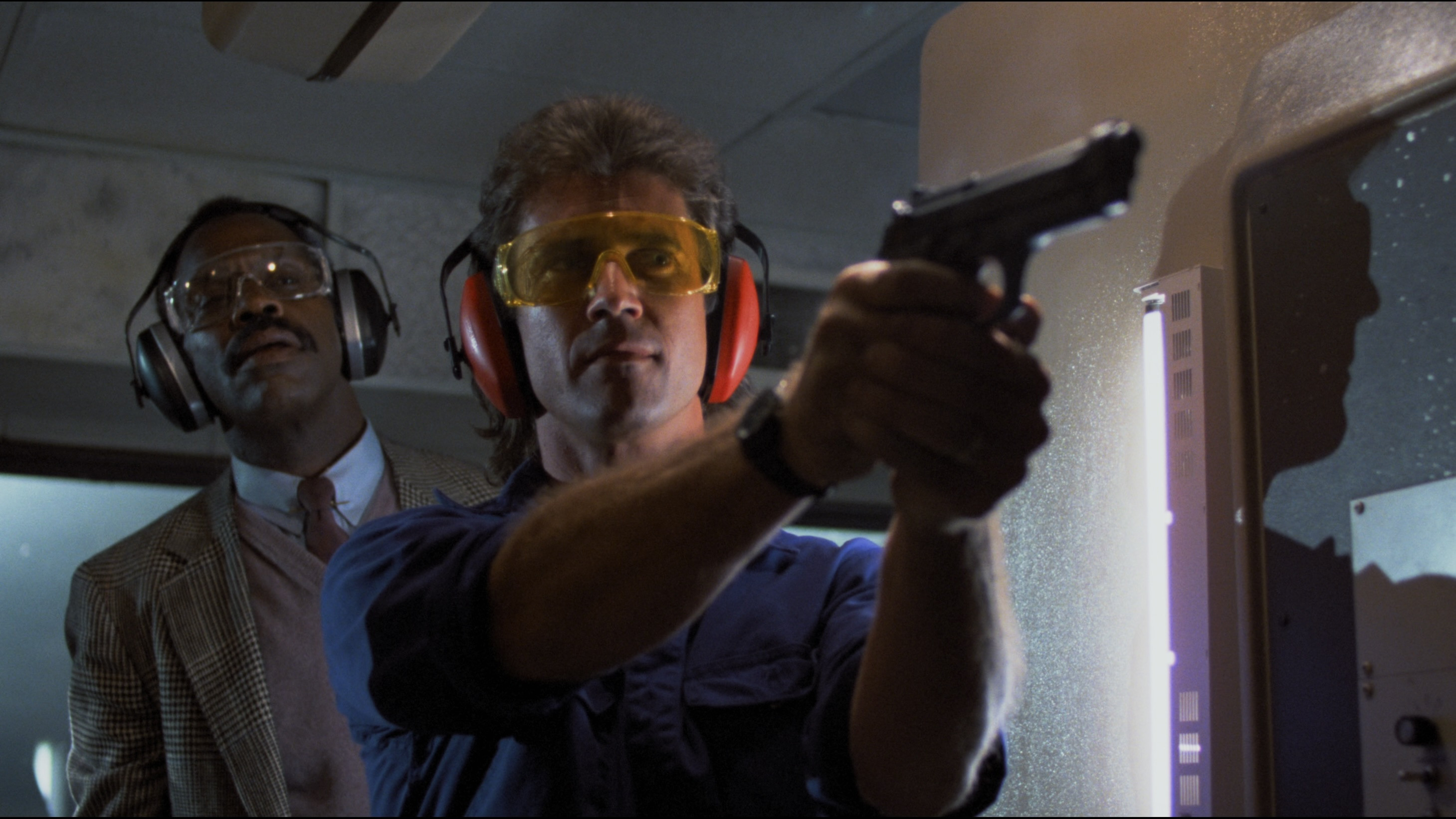
Mel Gibson plays Martin Riggs with enough volatility to make the usual reckless-cop routine uncomfortable. His suicidal behaviour gives the action an unpleasant possibility: he may be less interested in catching anyone than in getting himself hurt. We were unnerved by his indifference to his own safety, because it makes his partner’s exposure to danger feel careless rather than heroic. Gibson can be funny without entirely reassuring us, and that uncertainty stops Riggs becoming merely the man who does the stunts.
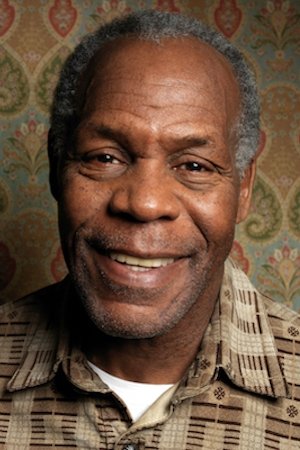
Danny Glover’s Roger Murtaugh gives that performance someone substantial to push against. The family man could have been reduced to a succession of disapproving looks, but Glover makes his caution sensible and his irritation enjoyable. We believe that he has things to lose, which does more for the suspense than another display of Riggs’s nerve would. Their exchanges work because Glover’s objections deserve to be heard, even when Gibson is doing everything possible to distract us.
Donner is equally useful when the talking stops. Stephen Goldblatt’s cinematography gives the violence a polished, showy finish, and that suits a film whose crashes are meant to be enjoyed as much as feared. Stuart Baird’s editing keeps the action moving without letting the two leads disappear into it; their contrasting temperaments remain part of the attraction even when the pace rises. At 110 minutes, the film has room for the partnership to develop, although the explanatory passages are appreciably less nimble.
J. Michael Riva’s production design is most useful in making Murtaugh’s family life feel like something Riggs might need. Those domestic surroundings give the danger a consequence that the police plot struggles to provide on its own. Michael Kamen and Eric Clapton’s score helps the film move between the partners’ banter and Riggs’s unhappiness. The music makes space for both, and handles those changes more comfortably than the script does.
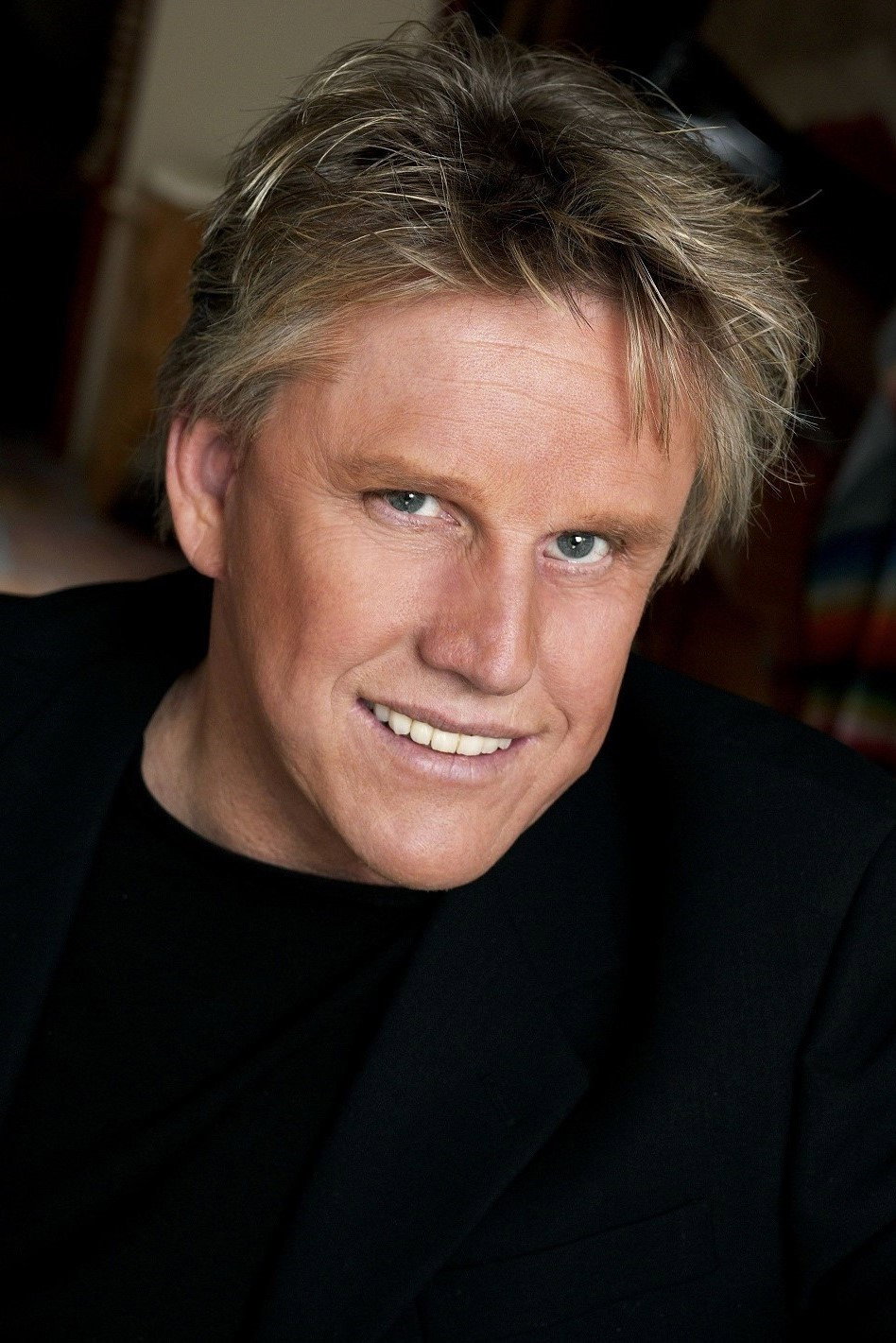
Shane Black’s screenplay is less sure-footed whenever it has to explain the case. The murder and corruption supply enough trouble to keep the partners occupied, but the exposition slows their progress and the logic asks for indulgence. Gary Busey’s performance as Mr. Joshua has a blunt force that is welcome among these complications, although he cannot make the investigation more convincing. Some of the explanations could go without damaging our interest in what happens next, which is usually a sign that they were not needed.
Against the buddy-cop formula, Donner’s achievement is to give the reckless partner’s behaviour some troubling weight while still delivering the expected amusement. The film depends heavily on its actors to manage that combination, and they repay the trust. Their partnership remains engaging even when the case gives us little reason to pay close attention. Choose it for Gibson and Glover, and do not expect the paperwork to withstand inspection.