Spike Lee’s expansive biography earns its 202 minutes through Denzel Washington’s absorbing performance. Its reverence sometimes limits the questioning, but the acting and early exuberance make this worth giving a whole evening.
Spike Lee’s Malcolm X is an absorbing biography, carried by a Denzel Washington performance that earns the long running time. Lee wants the hustler, the disciple and the minister to occupy the same life without smoothing away the changes between them. At 202 minutes, there is room to watch that process without accepting a succession of costumes as sufficient explanation. The reverence occasionally narrows the film’s curiosity, but Washington gives us ample reason to stay with it.
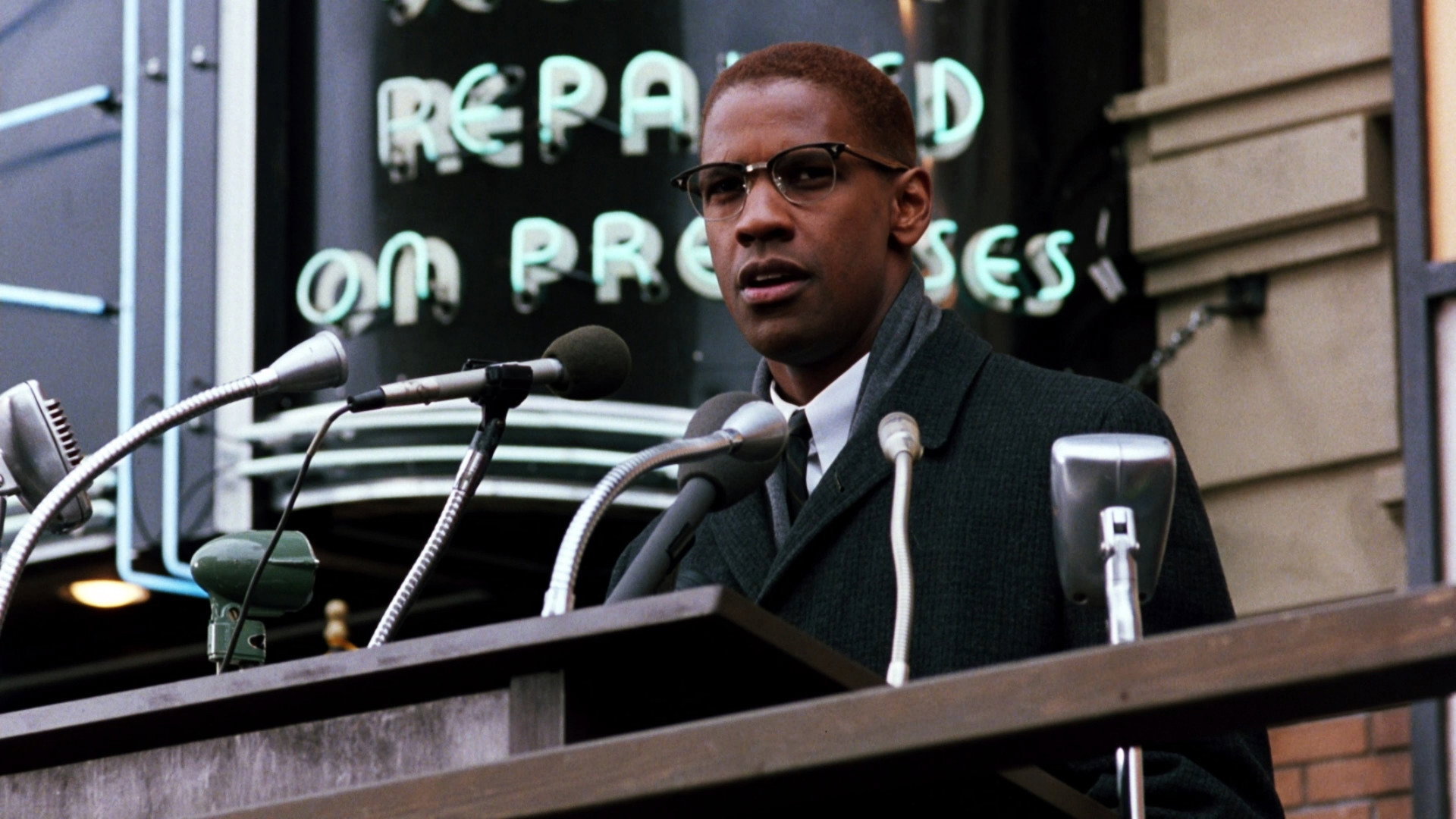
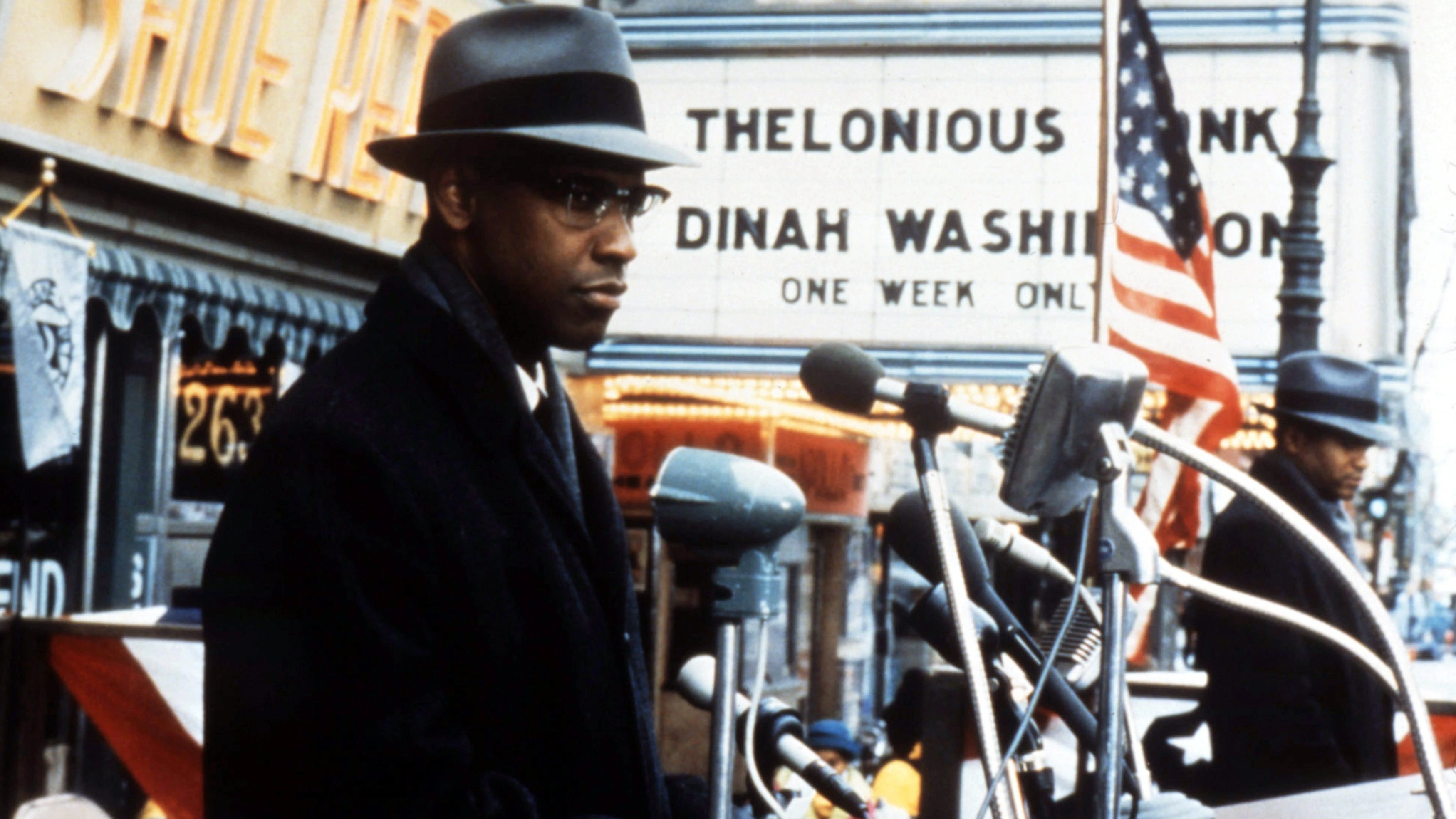
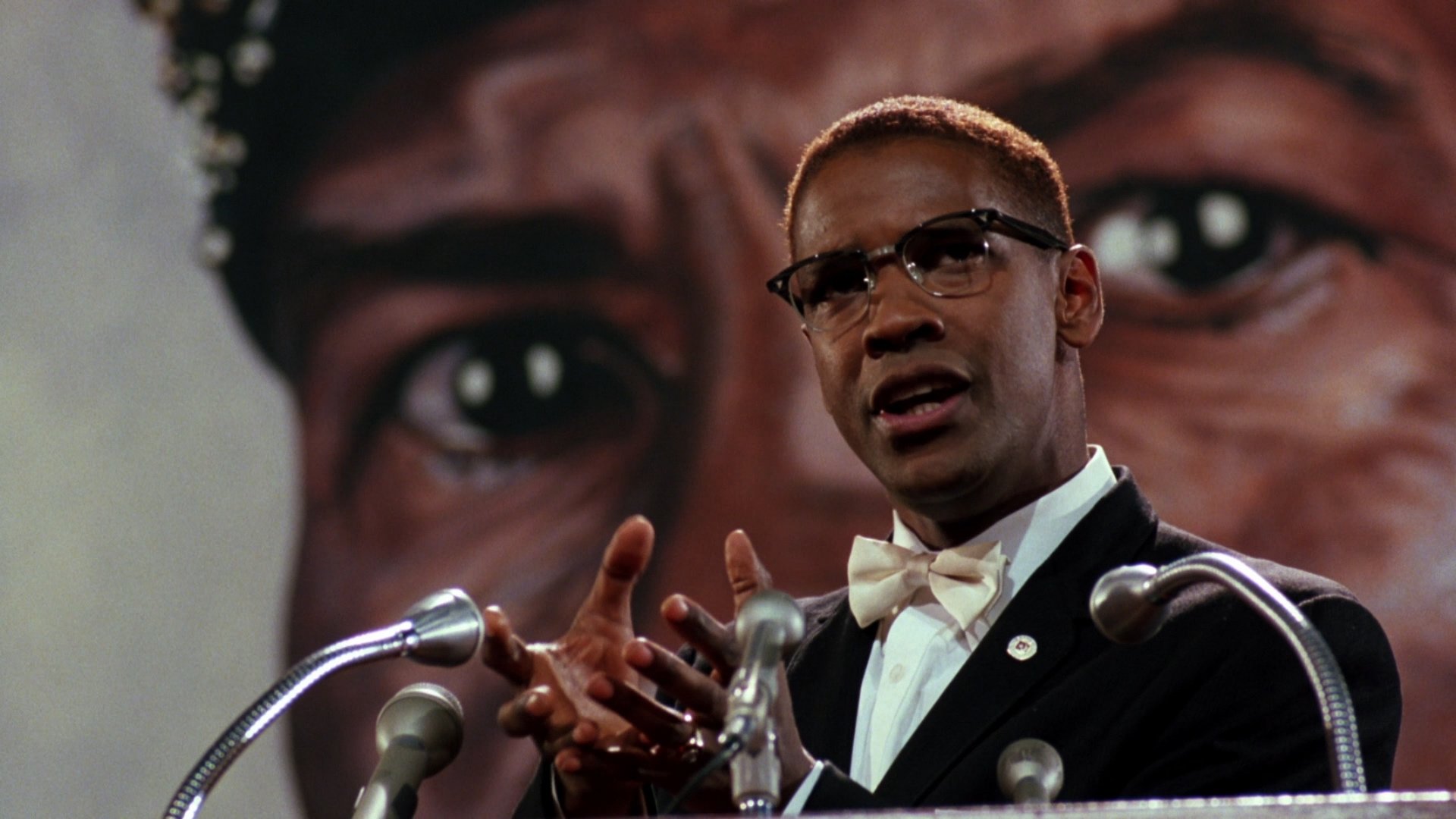
Washington is especially good at making confidence look different at different stages. The hustler’s pleasure in being watched is recognisable when Malcolm commands an audience, yet the purpose of that attention changes. We were stirred by the oratory because Washington makes addressing people feel urgent, with thought and conviction pressing through the words. He does not merely wait for the important lines; he makes us listen to how Malcolm arrives at them, and gives the speeches the concentration they demand.
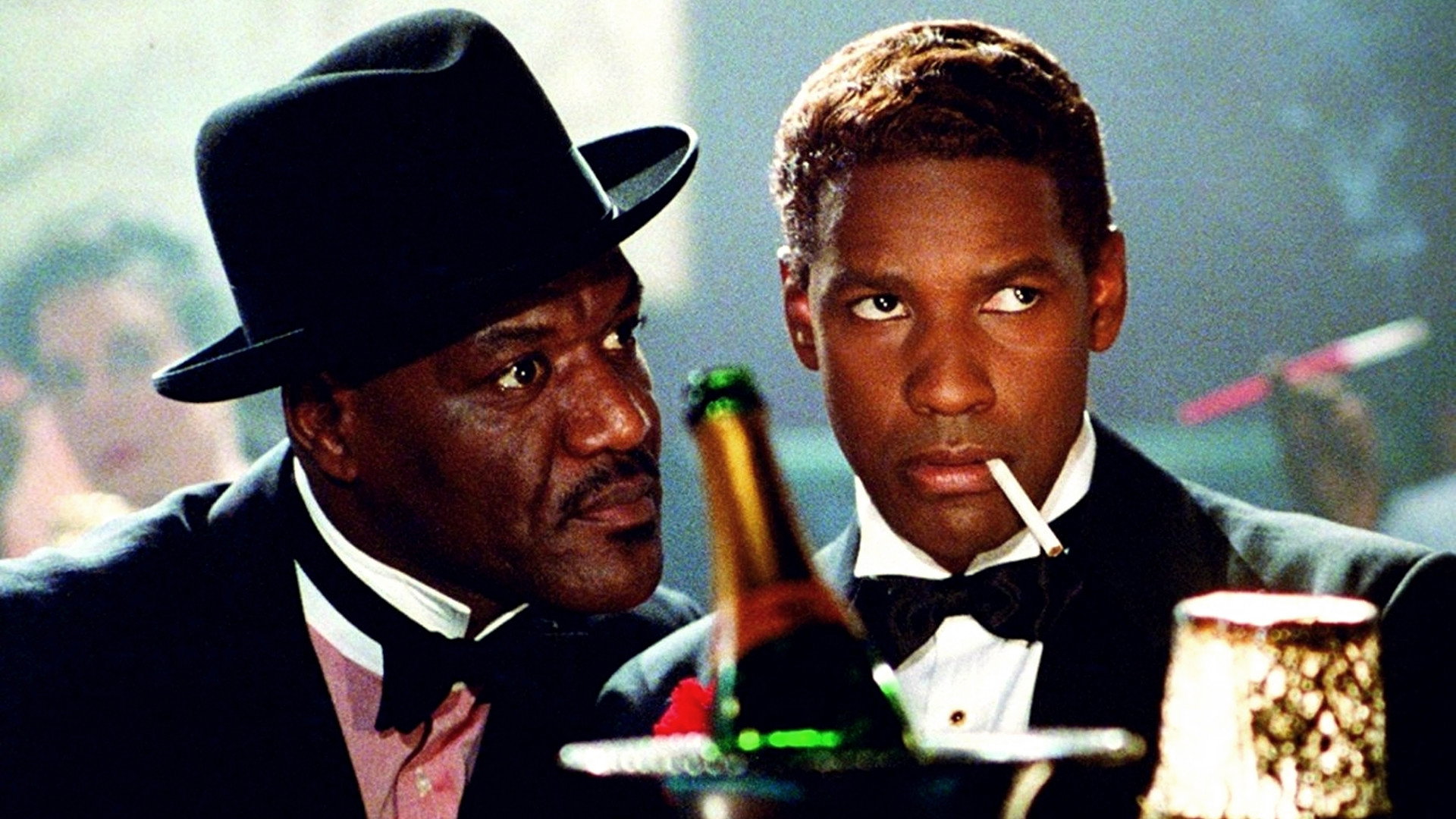
The early passages have a liveliness that Lee wisely allows to be enjoyable. Ernest R. Dickerson’s cinematography gives the hustling its visual allure, while Ruth E. Carter’s costumes make Washington look like a man who wants to be noticed. Wynn Thomas’s production design gives the surroundings a similar pleasure in display. That polish can make hardship look too comfortable, a reservation that persists despite the skill involved. Still, the early stretch needs some attraction if we are to understand why Malcolm wants this life.
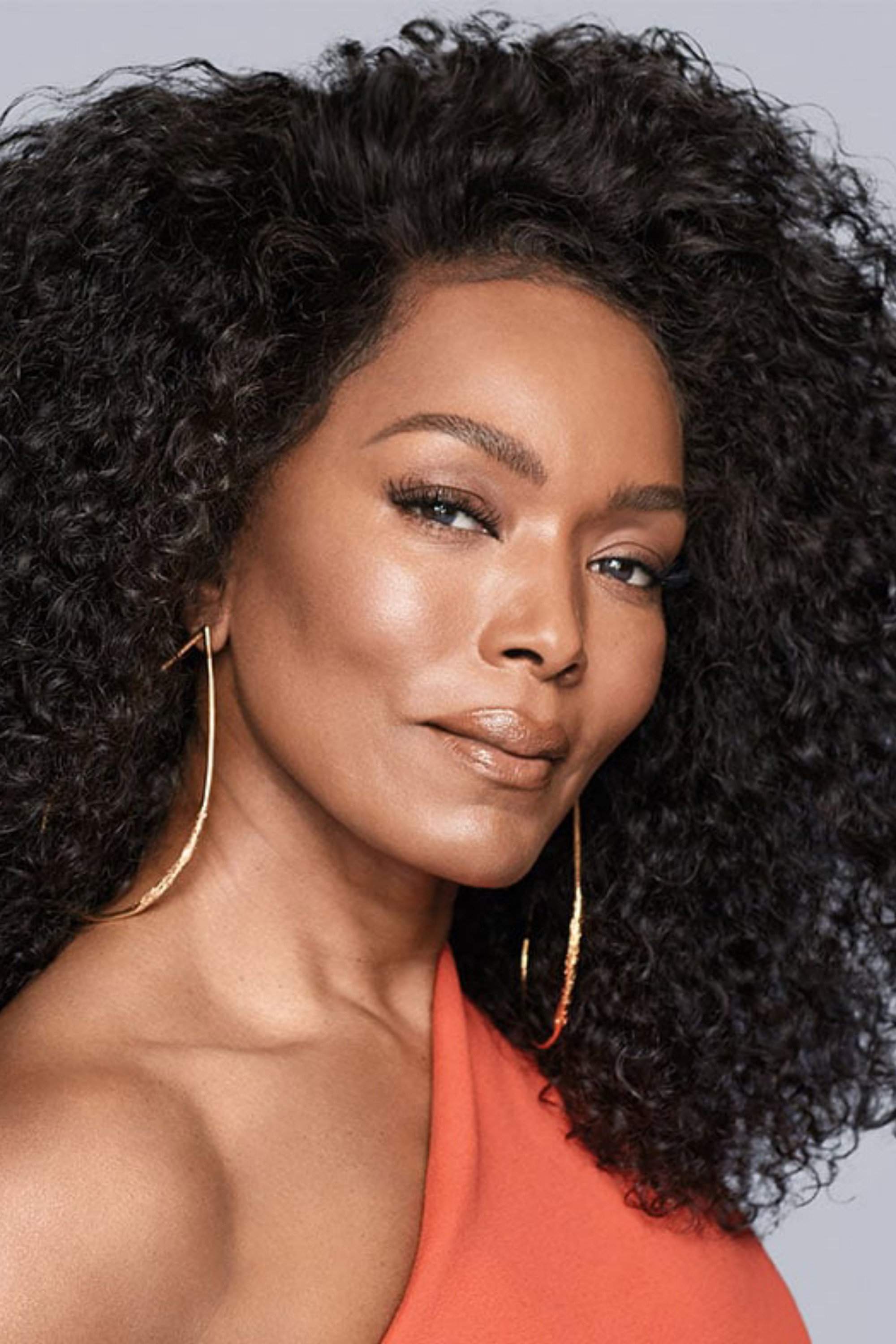
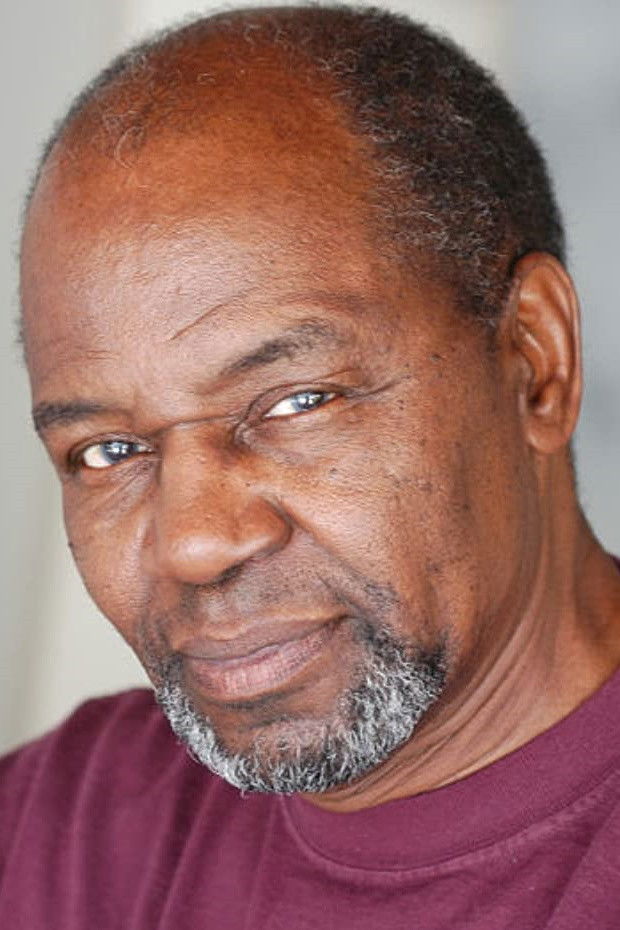
Angela Bassett gives Betty Shabazz a firmness that resists being swallowed by Washington’s presence, even when the writing grants her less attention. Delroy Lindo’s West Indian Archie helps the early stretch feel populated by people with appetites of their own. The supporting performances matter because Lee’s concentration on Malcolm can leave everyone else looking like an illustration. There are passages where that happens anyway, and the ensemble cannot always overcome the unequal distribution of interest, however much personality the actors bring.
Barry Alexander Brown’s editing gives the early hustling room to be entertaining, so we have time to understand its appeal. As the film grows more solemn, some passages begin to feel like lessons that have been carefully allotted their place. Terence Blanchard’s music adds weight, but sometimes presses harder for a response than Washington’s performance requires. We could have done with more of the early looseness, particularly when Lee seems anxious that we might miss how important Malcolm is.
The consensus is considerably cooler than we are, chiefly over Lee’s use of conventional biography and his reluctance to interrogate his subject. Those objections are fair, but most critics give them too much weight: the straightforward telling lets us concentrate on Washington’s changes without unnecessary distractions. The more serious limitation is that Lee’s admiration sometimes discourages a proper clash of ideas. He gives Malcolm’s convictions force and dignity, but does not always examine them as closely as he presents them.
Screen biographies can become dutiful when every scene arrives already certain of its subject’s importance. Washington avoids that trap by refusing to play every phase of Malcolm as preparation for the next, and Lee’s early exuberance gives the later seriousness something to work against. Go in expecting an exceptional performance, allow for some overprotection of its subject, and give it an uninterrupted evening.