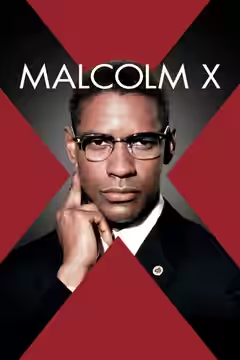
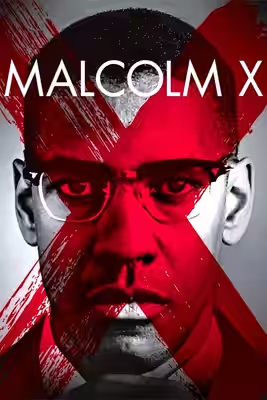
Spike Lee’s Malcolm X is a thoughtful, sometimes overcareful biographical drama, carried by Denzel Washington’s searching performance. Its solemnity can slow an already long evening, but the acting makes it worth staying with.
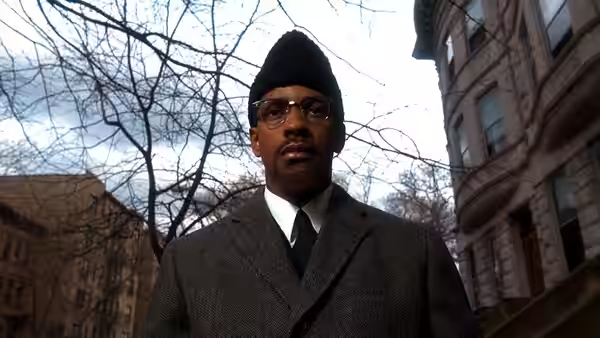
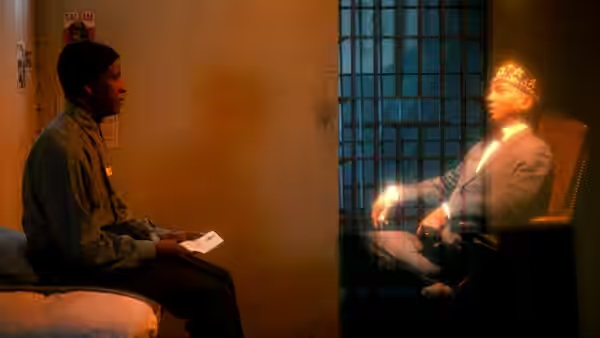
Spike Lee’s Malcolm X is worth the long evening, though its respect for its subject sometimes makes it overcareful. At 202 minutes, it has room for a life to develop without reducing every experience to a convenient explanation of what comes next. Denzel Washington makes good use of that room, holding our attention even when the storytelling becomes stately. Lee allows us time to attend to him, and occasionally keeps us attending after a scene has made its point.
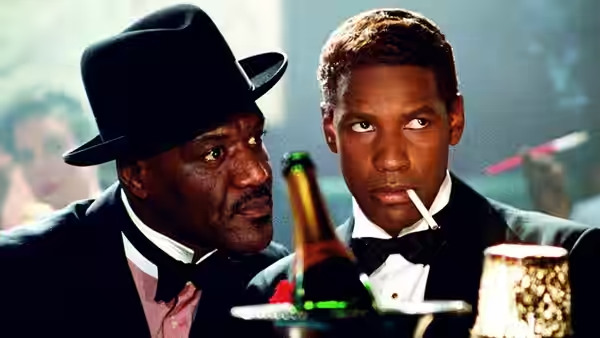
The early involvement in crime is particularly persuasive, because Washington does not play it as something to hurry through before the important business begins. He makes this younger Malcolm interesting on his own terms, with no need for his future standing to excuse our attention. We were unsettled by how readily we accepted his choices. Washington makes the appeal of that life comprehensible, and Lee gives these passages enough energy for us to feel it.
Ernest R. Dickerson’s cinematography is most lively here, giving the early criminal world an immediacy that the more formal passages cannot quite sustain. Wynn Thomas’s production design contributes to the pleasure of these scenes, making the surroundings worth attending to even while Washington holds our interest. Lee does not seem embarrassed that this part of Malcolm’s life should be enjoyable to watch. The film becomes less relaxed about such pleasures as it grows more solemn.
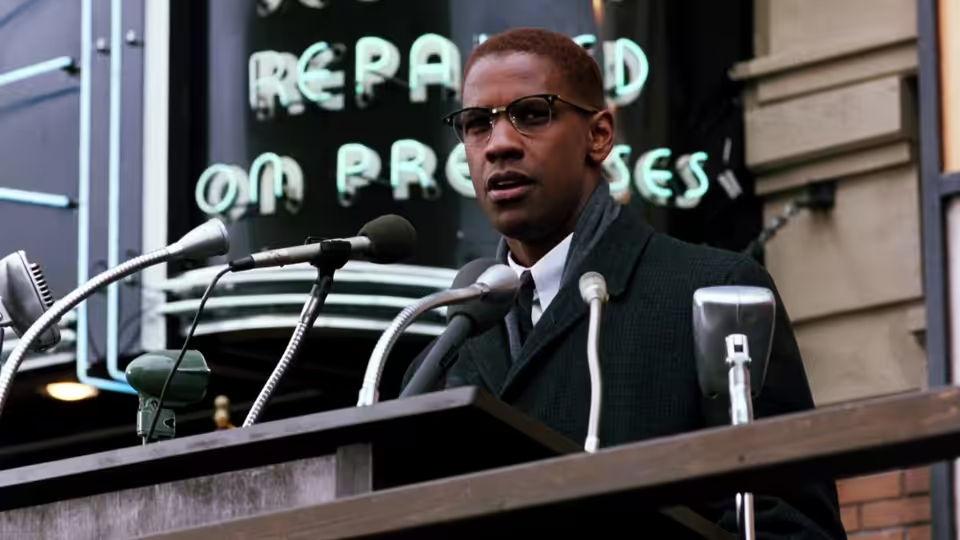
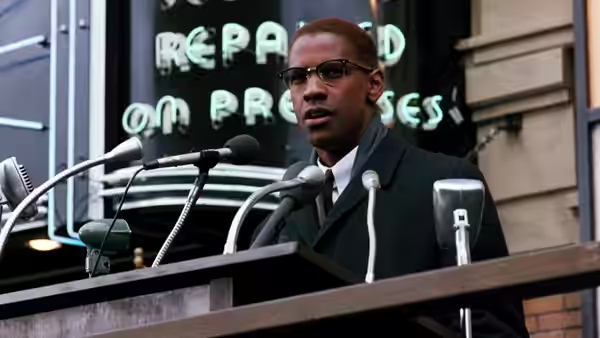
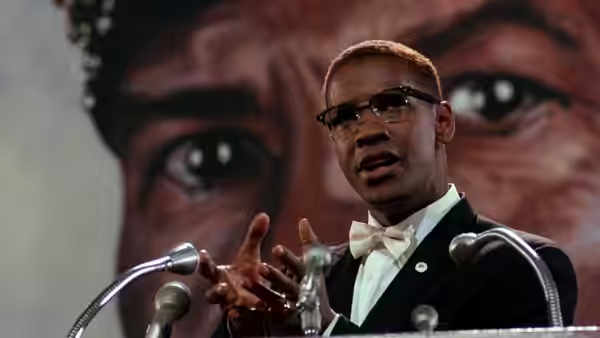
Washington is just as compelling when the film gives political speech more space. His delivery makes the words seem considered, so that listening involves watching someone think, and the force of the speaking does not erase the person doing it. We can believe in his authority without feeling that the actor has stopped examining him. Angela Bassett’s Betty Shabazz brings a welcome directness to a film that can otherwise become anxious about sounding sufficiently important.
The difficulty is that some of those ideas are given more time than their dramatic treatment can justify. Barry Alexander Brown’s editing keeps the account clear, but there are stretches where its measured pace becomes dutiful. Terence Blanchard’s music adds weight to Lee’s reverence, and we sometimes wanted both the score and the direction to ease off. Several passages could be shorter without losing anything we need to understand about Malcolm.
As a political biography, the film is conventional in ways that help us follow a substantial and complicated life. The trouble comes when that clear progress makes difficult questions seem more settled than the drama has earned. Lee is respectful throughout, and a little more resistance to his subject might have produced sharper scenes. The passages that sound most like instruction are the ones in which Washington has the least freedom to make us reconsider what we think we know.
These reservations matter, but they do not undo the pleasure of watching an actor sustain such close attention to a character. Washington holds the film together through the slower stretches, and Lee’s patience gives the performance time to develop beyond a collection of impressive speeches. There is enough here to reward concentration, provided political biography is something we want from an evening. Give it an uninterrupted one, rather than trying to fit it around something else.