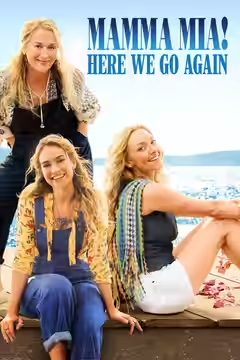
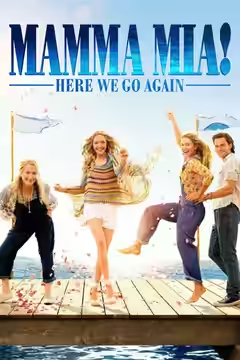
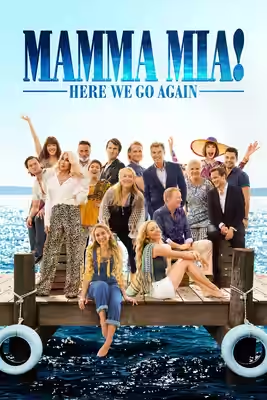
Lily James makes this uneven musical sequel worth an evening. The romantic backstory runs long, but Ol Parker gives the songs enough warmth to make the slower stretches forgivable.
Ol Parker understands the basic appeal of an ABBA musical, even when his screenplay takes an unnecessarily long route to the next song. This is an enjoyable sequel with a romantic backstory that needs a firmer cut. It follows Sophie and looks back to Young Donna, asking the music to connect their experiences across two periods. The performers help it past some unlikely plotting by treating the songs as things worth singing. We can forgive quite a lot when they do.
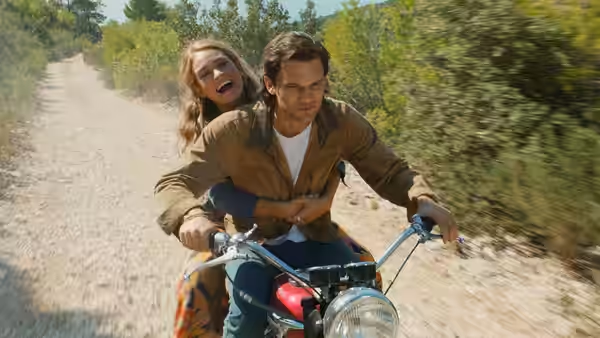
Lily James is the main reason to return. Her Young Donna gives the musical numbers enough enthusiasm to keep their silliness from becoming an excuse for careless work. We grinned through “When I Kissed the Teacher”, because Lily James puts such conviction into the number that holding ourselves aloof would have felt like hard work. She is persuasive in the romance for much the same reason. There is no embarrassment in her singing, and no suggestion that enjoying ourselves requires us to stop caring about the performance.
Peter Lambert’s editing does its most useful work in the movement between Donna and Sophie. Bringing the two periods together gives their experiences a connection that the romantic complications cannot always supply on their own. Amanda Seyfried takes Sophie’s feelings seriously, helping the film keep some tenderness amid the busier musical comedy. We were more moved by the connection between these women than we expected; the cutting lets their performances speak to one another without another lengthy explanation. Those passages earn the sentiment that the weaker scenes simply assume.
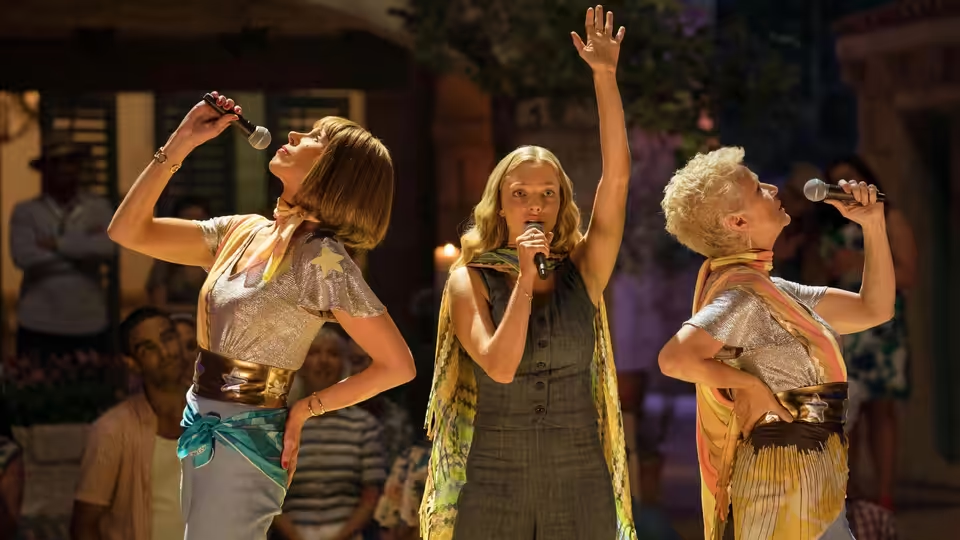
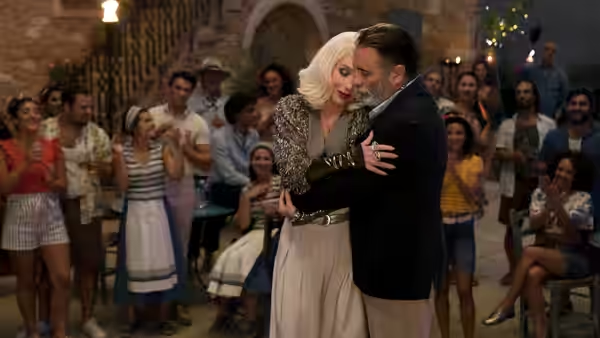
Robert Yeoman’s photography gives the holiday romance a suitably cheerful look, though the brightness becomes a little insistent. The production design by Alan MacDonald and John Frankish is similarly indulgent, making the setting feel ready for a musical number at any moment. Michele Clapton’s costumes make the period kitsch part of the pleasure rather than a distraction from the cast. All that visual encouragement helps when the story hesitates. Ol Parker’s staging is less reliable, and some numbers depend too heavily on our affection for the music.
The music credited to Benny Andersson, Björn Ulvaeus and Anne Dudley is often enough to carry a scene whose writing offers little help. Familiar material arrives with an advantage no screenplay could earn in a few scenes: many of us already know how it makes us feel. The less familiar selections have to work harder, and some expose how thinly the surrounding episodes have been written. The musical performances are generally persuasive enough to make these changes in quality manageable. Even the weaker choices get a committed hearing from the cast.
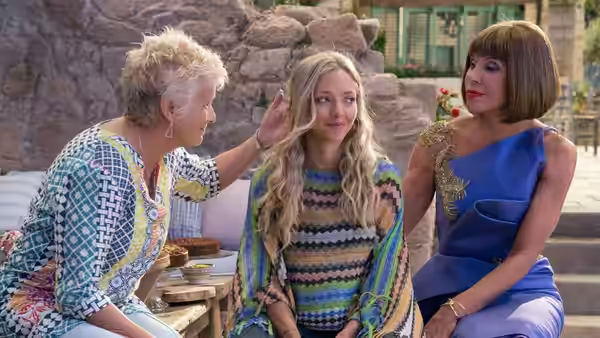
Christine Baranski’s Tanya gives the comedy a precision the writing does not always deserve. Julie Walters, as Rosie, adds to the easy ensemble warmth, though the broader jokes are less dependable. Ol Parker too often extends a romantic episode after its purpose is clear, and moving between past and present cannot disguise the waiting. A jukebox musical needs some life between the songs, and this one occasionally settles for keeping its cast occupied. The passages of romantic backstory could be shorter.
Anyone looking for the plot to justify every burst of singing will have a long evening. The film assumes an appetite for this music and does little to accommodate anyone without it. With that appetite, the weaker jokes and slack stretches are manageable, and Lily James gives the romance enough conviction to matter. Choose it for a night when a good chorus matters more than a tidy story.