Woody Allen’s New York comedy earns its warmth through Diane Keaton and Mariel Hemingway, with Gordon Willis’s black-and-white photography doing plenty of persuading. The jokes hold up better than the increasingly solemn romance.
Manhattan is a funny, carefully made romantic comedy whose growing seriousness asks more of its characters than the writing has provided. Woody Allen and Marshall Brickman give these New Yorkers plenty of opinions and considerable difficulty behaving decently towards one another. That is fertile ground for comedy, and much of the film works by letting clever people expose their own limitations. Some of their romantic disappointments, however, are less interesting than the film seems to think.
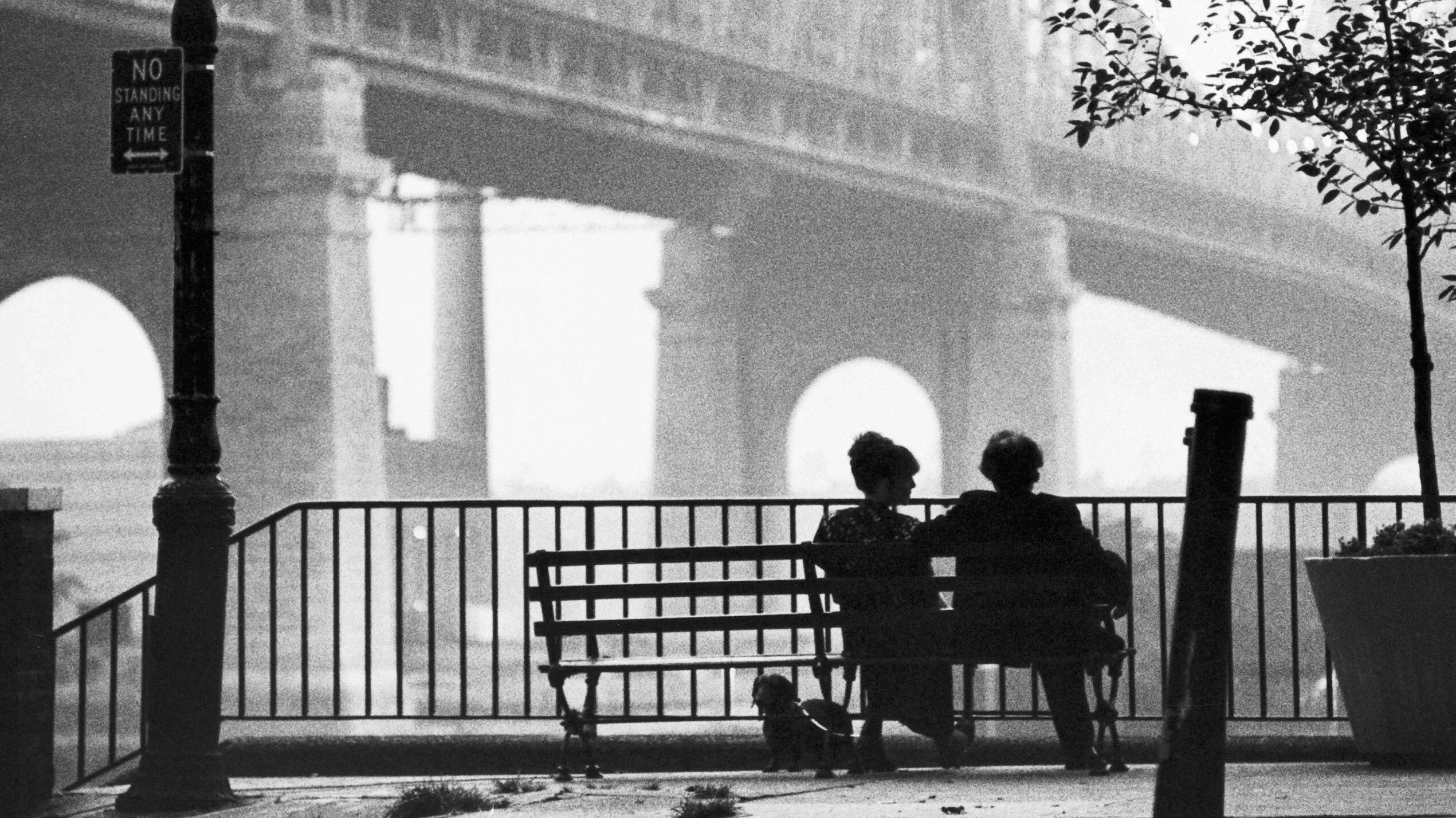
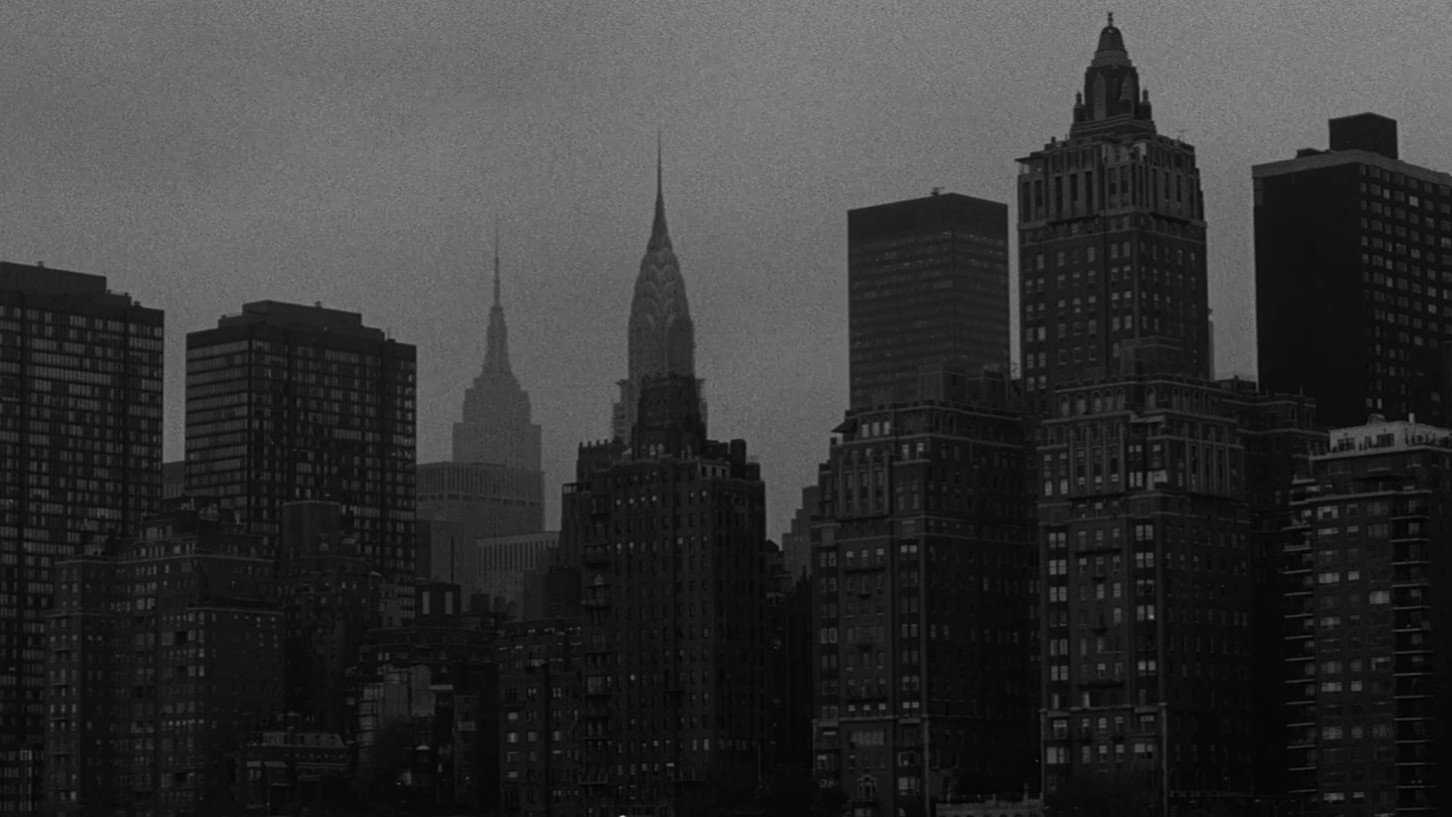
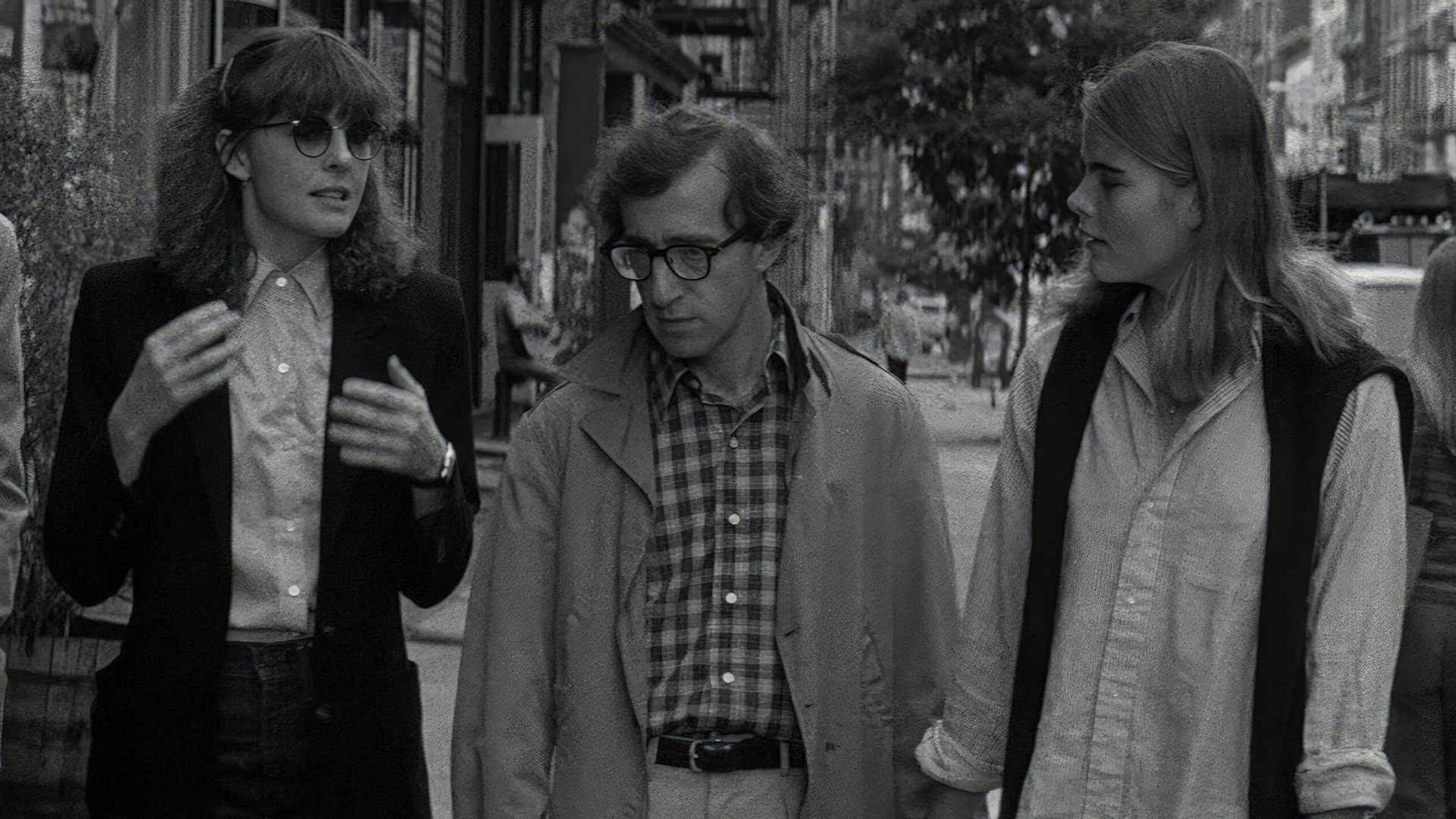
Gordon Willis’s black-and-white widescreen photography makes it tempting to overlook that weakness. The city has a grandeur that the characters cannot quite live up to, and the darker images make their busy talk feel less secure. Some of the shadows are so dense that looking becomes an effort, though the difficulty suits people who are not especially clear about themselves. The varied city backdrops also give us something to attend to when the conversation becomes self-absorbed, which happens often enough.
Mel Bourne’s production design feels comfortably matched to people accustomed to wealth and cultural conversation. Their surroundings make that comfort convincing, and their dissatisfaction consequently becomes a little harder to excuse. Susan E. Morse’s editing keeps the episodic narrative relaxed, allowing the comic exchanges room without making each encounter feel like a separate sketch. The buoyancy of George Gershwin’s music does much to make New York attractive, although its warmth can be rather generous towards the people occupying it.
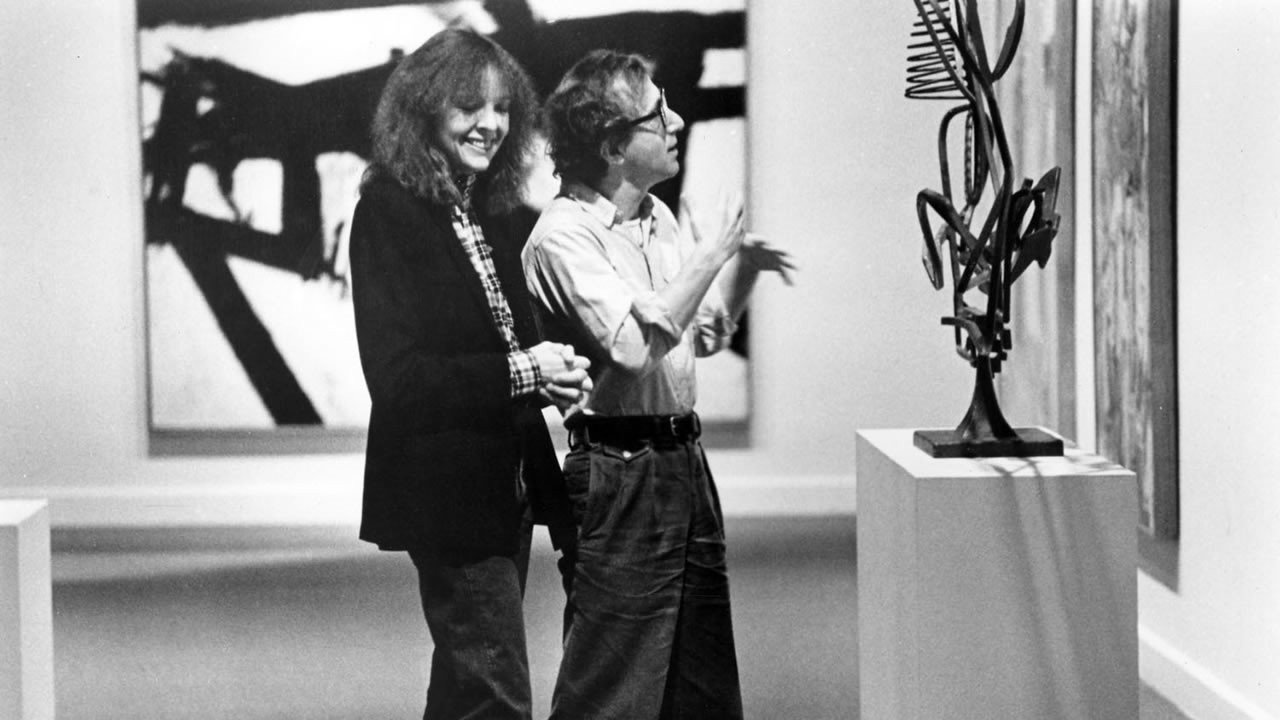
Diane Keaton gives Mary Wilkie a speed of speech that turns intellectual confidence into a comic liability. We laughed at Mary’s cultural posturing, because Keaton makes her sound so certain that being challenged scarcely seems possible. She keeps enough nervous energy in the performance to stop Mary becoming merely a collection of objectionable opinions. Allen, as Isaac Davis, is good company too, making self-absorption funny without quite allowing it to become repellent. Both performances benefit from the screenplay’s willingness to let intelligent people sound foolish.
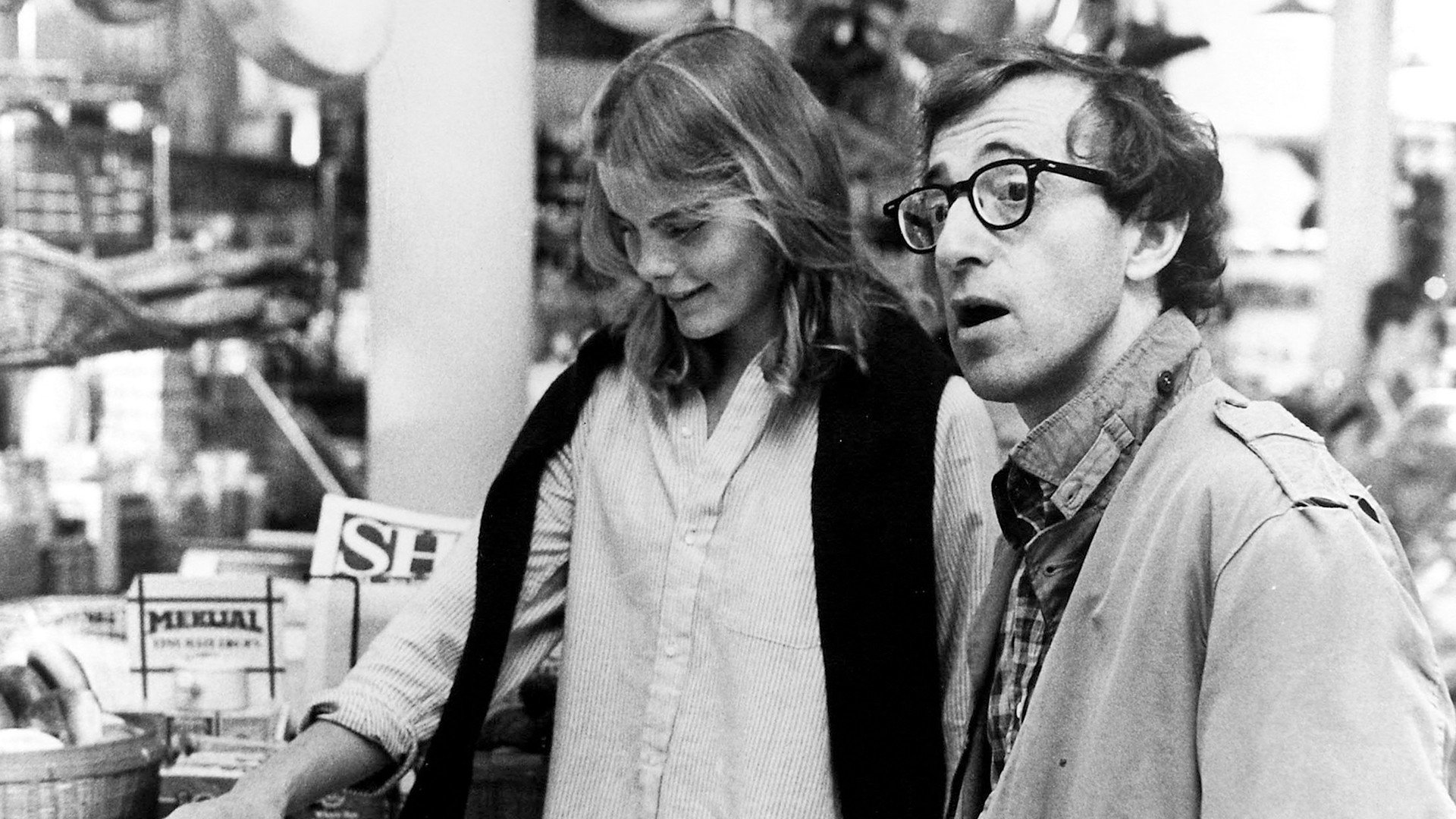
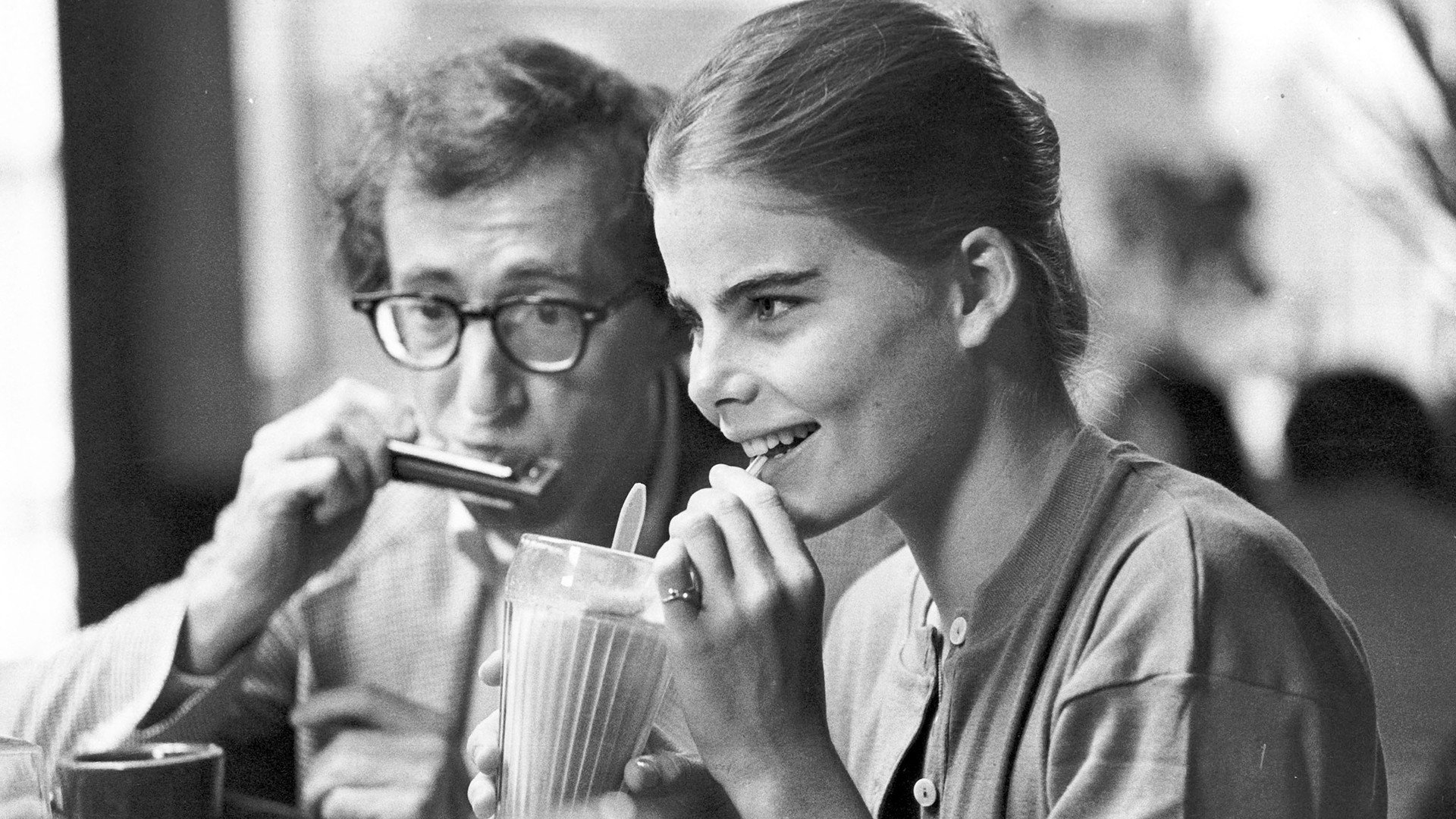
Mariel Hemingway, playing Tracy, gives the film some necessary warmth. There is something disarming about her directness after so much intellectual display, and Allen is wise to give that quality room. She makes Tracy’s feelings matter without seeming to argue for their importance, which is a considerable help in a film full of people ready to explain themselves. Her performance also exposes a weakness elsewhere: several of the other characters need more than fluent conversation to make their unhappiness matter.
Michael Murphy’s Yale is less satisfactorily written, and the romantic complications involving him need more character behind them. Murphy fits the conversational ease of the ensemble, but a relaxed performance cannot supply motives the screenplay has left thin. As the film becomes more solemn, Allen and Brickman seem increasingly willing to accept disappointment as proof of emotional depth. We can understand why these people are unhappy without finding every unhappy relationship equally interesting, and the later stretch gives us fewer jokes to compensate.
By the standards of romantic comedy, the willingness to let articulate people remain difficult is a virtue. The weakness is how readily the music and photography encourage us to indulge them when the writing has supplied reasons to hesitate. At 96 minutes, the film is compact enough that its pleasures survive the change of emphasis. It is worth an evening for Keaton, Hemingway and Willis; bring a little patience for the men explaining themselves.