Sharp dialogue and a painful friendship make the Coens’ gangster film worth its complications. Gabriel Byrne and Albert Finney give it feeling, though Tom’s carefully hidden motives sometimes make the plotting harder work than it needs to be.
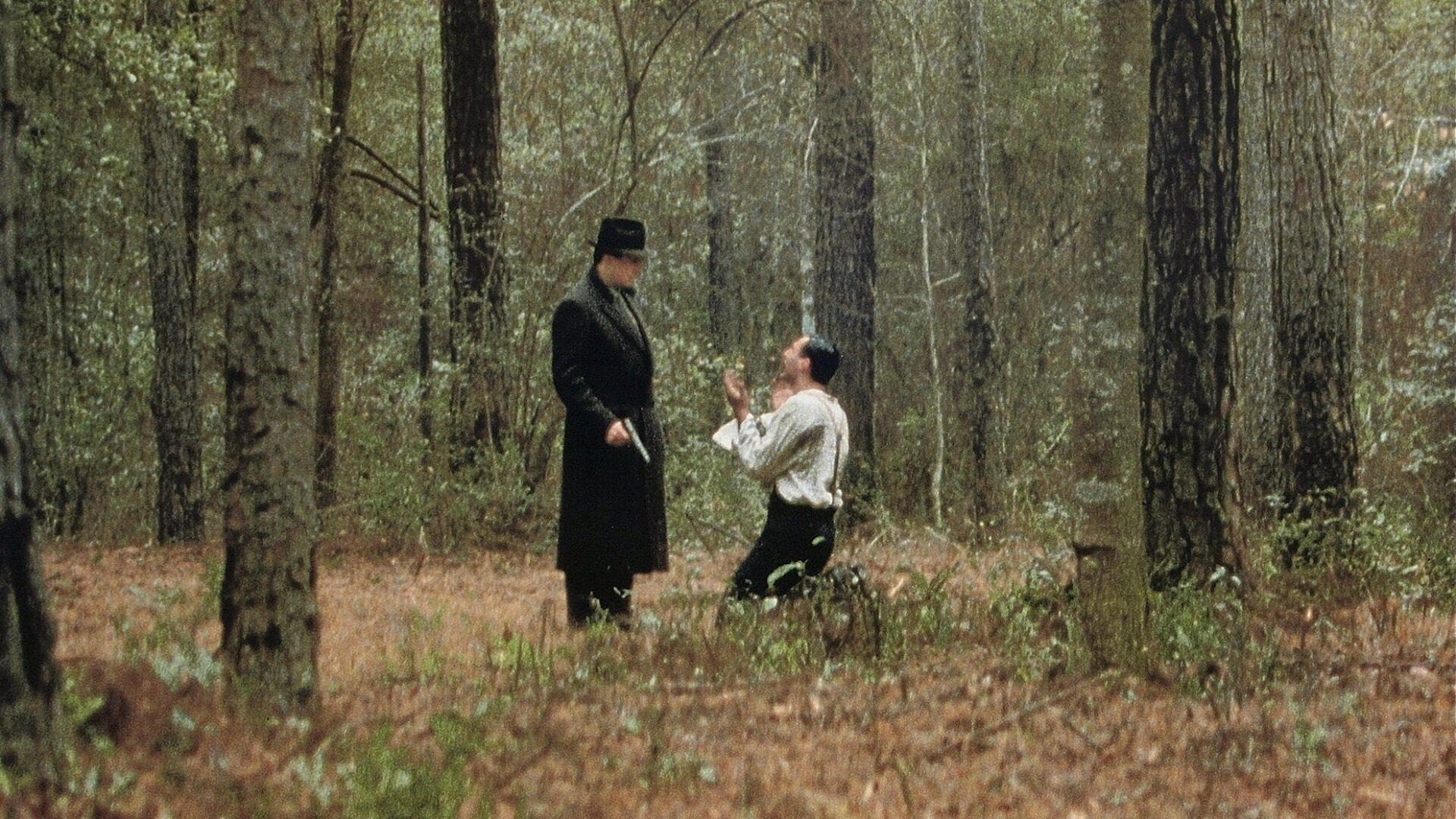
Miller’s Crossing asks us to enjoy the company of gangsters who have given considerable thought to right and wrong. They have not necessarily reached useful conclusions. Directed by Joel Coen and written by Joel and Ethan Coen, it is a witty, absorbing crime film whose cleverness occasionally gets in the way of its people. The Prohibition-era gang war is complicated, but the trouble between Tom Reagan and Leo gives us a clear reason to follow it. Their friendship keeps us interested through the complications.
The writing has the pleasure of crime fiction in which every speaker wants to get the better of the next man. Joel and Ethan Coen give their gangsters an elaborate vocabulary for friendship, loyalty and ethics, and the speed of the exchanges rewards close attention. Some of the fun lies in how seriously the men take themselves. The jokes work without requiring us to recognise which old gangster conventions are being teased. The story gives the talk a personal cause: Tom and Leo are both involved with Verna.
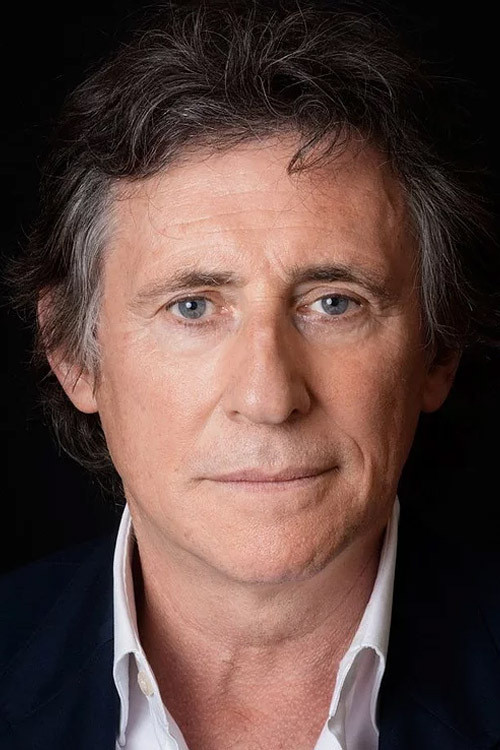
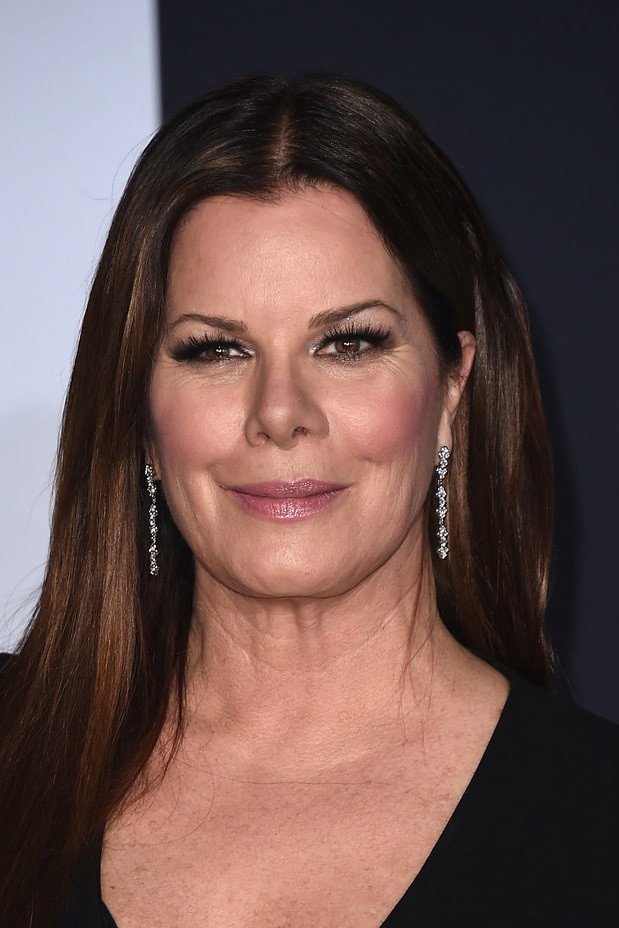
Byrne is the reason to stay with it when the alliances become difficult to follow. His Tom is calculating without seeming entirely sure what the calculation will cost him, and Byrne makes that uncertainty worth watching. Albert Finney gives Leo an affection and stubbornness that make the friendship matter beyond its use in the plot. We were moved by their scenes together, because Finney makes Leo’s attachment plain while Byrne keeps Tom’s feelings difficult to read. Marcia Gay Harden gives Verna enough force to hold our interest alongside them.
Barry Sonnenfeld’s warm photography gives the period setting a richness that suits the gangsters’ self-importance. His graceful camera movement makes the complicated story agreeable to follow even when the dialogue needs close attention. Dennis Gassner’s production design contributes to that pleasure, though its careful stylisation can sometimes make the people seem too neatly placed within it. The actors have to work against that tidiness, and Finney is particularly good at making these surroundings seem lived in.
Michael R. Miller’s editing lets the verbal exchanges move quickly without making each one feel like a separate comic turn. The larger chain of criminal manoeuvres is harder to follow, especially when Tom’s motives are deliberately difficult to read. Carter Burwell’s score gives the friendship a sadness that the men are less willing to express, a welcome choice in a film so fond of talk. It helps us stay interested in what these people might lose.
The Coens’ fondness for their own cleverness is the one substantial reservation. Tom can become so unreadable that following him starts to feel like a test set by the writers. Byrne suggests contradictions worth exploring, but the screenplay occasionally treats our uncertainty as sufficient entertainment. At 115 minutes, there is room to let us understand him a little more without making him predictable.
Within the gangster genre, the Coens put unusual weight on what friendship allows one man to ask of another. That gives the film enough feeling to survive its moments of self-satisfaction. It rewards an attentive evening, especially for those who enjoy listening to criminals explain themselves. Watch it without competing conversations; these men are difficult enough to follow on their own.