David Lowery’s pop psychodrama gives Anne Hathaway and Michaela Coel plenty to do, but too little that makes their characters matter. The performances and visual craft hold our attention longer than the writing deserves.
Mother Mary asks us to take a pop performer’s creative life seriously, and that is a reasonable place to begin. David Lowery writes, directs and edits a drama built around musical performances and conversations about creativity. Too often, the conversations win on length alone. The result is a mixed film with committed actors, persuasive concert scenes and a script that makes its people harder to care about the longer they explain themselves.
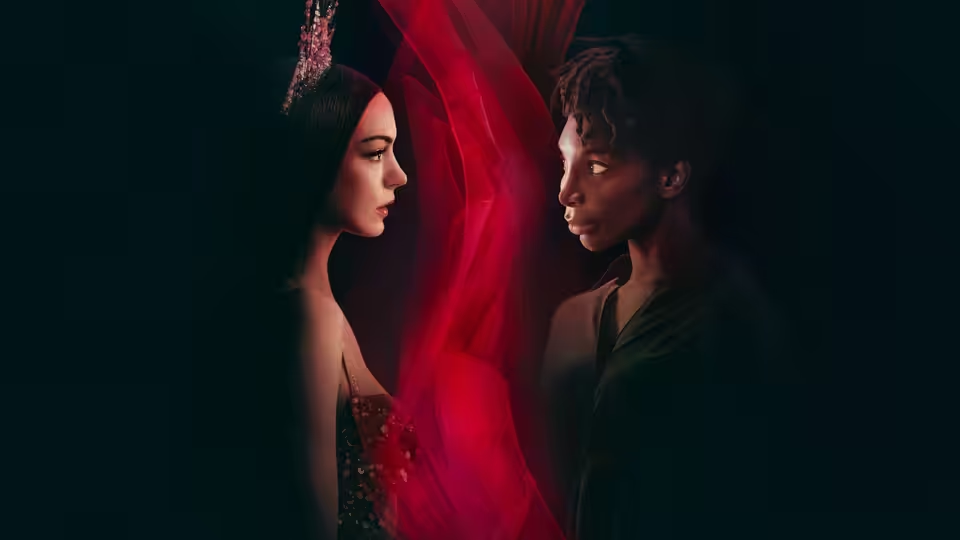
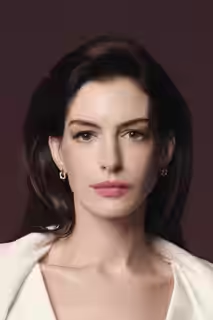
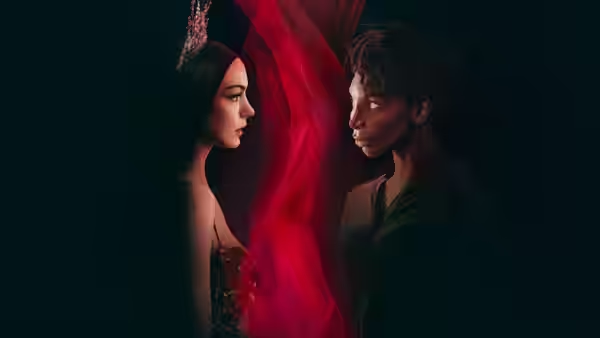
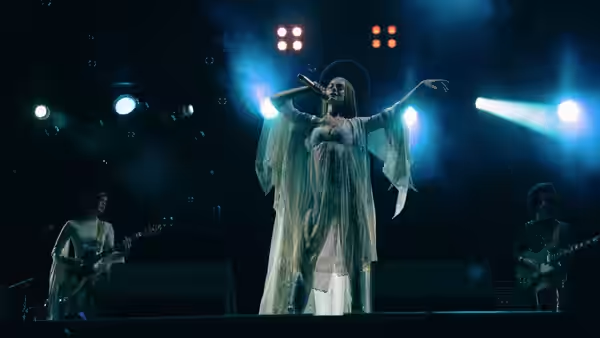
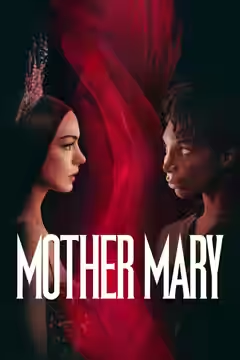
Anne Hathaway gives Mother Mary the presence the film needs onstage, where a pop star has to justify all the attention being paid to her. We were caught up in these performances: she makes the singing feel like something the character needs to do, and for a while the questions about creativity become worth asking. Her command of the musical scenes also creates a difficulty for the rest of the film. Once she has shown us that much, another prolonged conversation about her inner life feels like being kept after the concert.
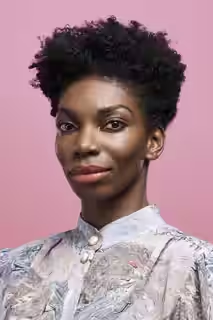
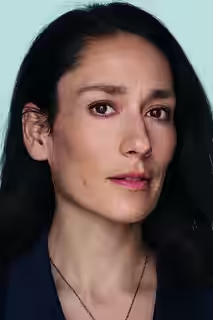
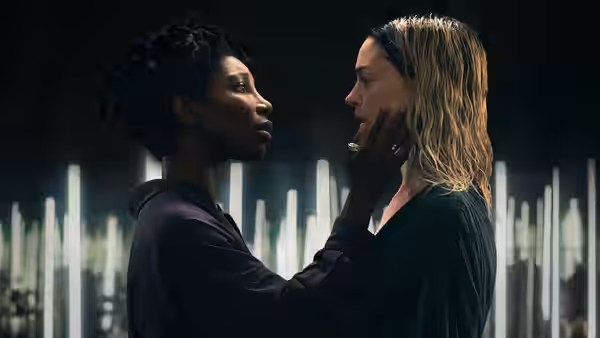
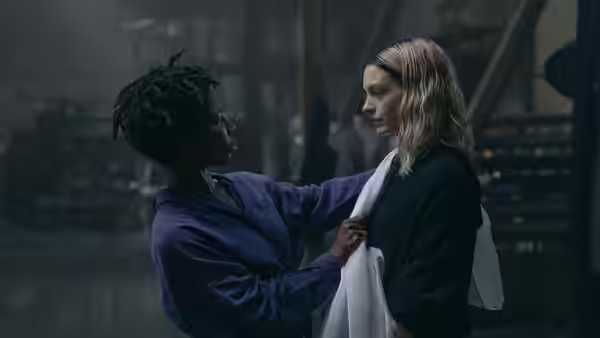
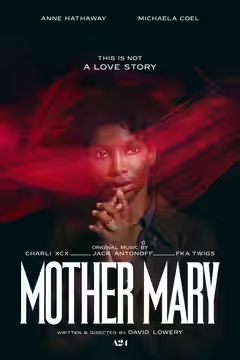
Michaela Coel is equally important as Sam Anselm, giving the dialogue an edge that keeps the exchanges from settling into solemnity. There is pleasure in watching her handle a sharp line, and the chemistry between the two leads provides some reason to stay with their relationship. But the writing leaves too much of that relationship unexplored. The actors work to make each exchange personal while the script keeps bringing the conversation back to its ideas about art.
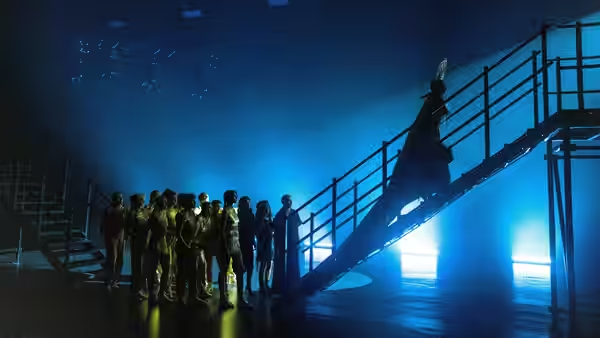
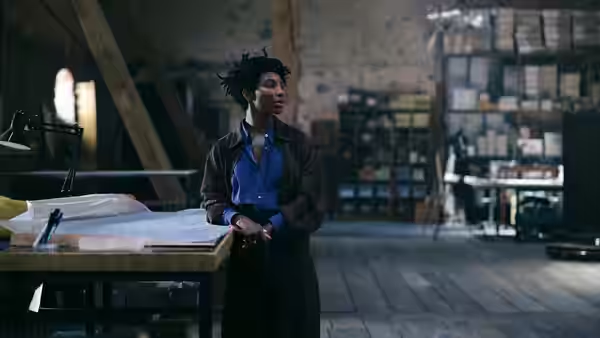
Andrew Droz Palermo and Rina Yang’s cinematography gives the theatrical imagery enough force to sustain our interest even when the drama stalls. Bina Daigeler’s costumes help make the scale and extravagance of the stage performances convincing. Francesca Di Mottola’s production design contributes to that theatrical confidence, although the surroundings sometimes command more attention than the people. These departments work well together, but their success makes the thinness of the character writing harder to overlook.
Daniel Hart’s music fits the heightened atmosphere, though atmosphere is already the one thing the film has in abundance. The musical performances and the wordless dance suggest how much could have been communicated without another explanation. The dance is particularly effective because movement allows the feeling to remain uncertain without making it seem evasive. These passages give the performances room to develop without the burden of so much dialogue.
As editor, David Lowery does not sufficiently protect the film from his work as writer. The dialogue-heavy stretches keep asking for patience after their dramatic interest has faded, and at 112 minutes the film feels longer than its material warrants. We became frustrated because the performances had made us ready to care, yet the conversations did not bring the two women any closer to us. A drama about creative collaboration needs a clearer sense of what these particular people mean to one another.
Pop stardom offers a drama plenty to work with: the labour of performing, the attention it attracts and the awkward business of making something with another person. This film is most convincing when the performance itself takes over, and least convincing when the script insists upon discussing what it means. That leaves considerable stretches to sit through for the sake of two actors who deserve a less obstructive screenplay. If extended conversations about creativity already sound like work, the concert scenes will not be enough to compensate.