Film review

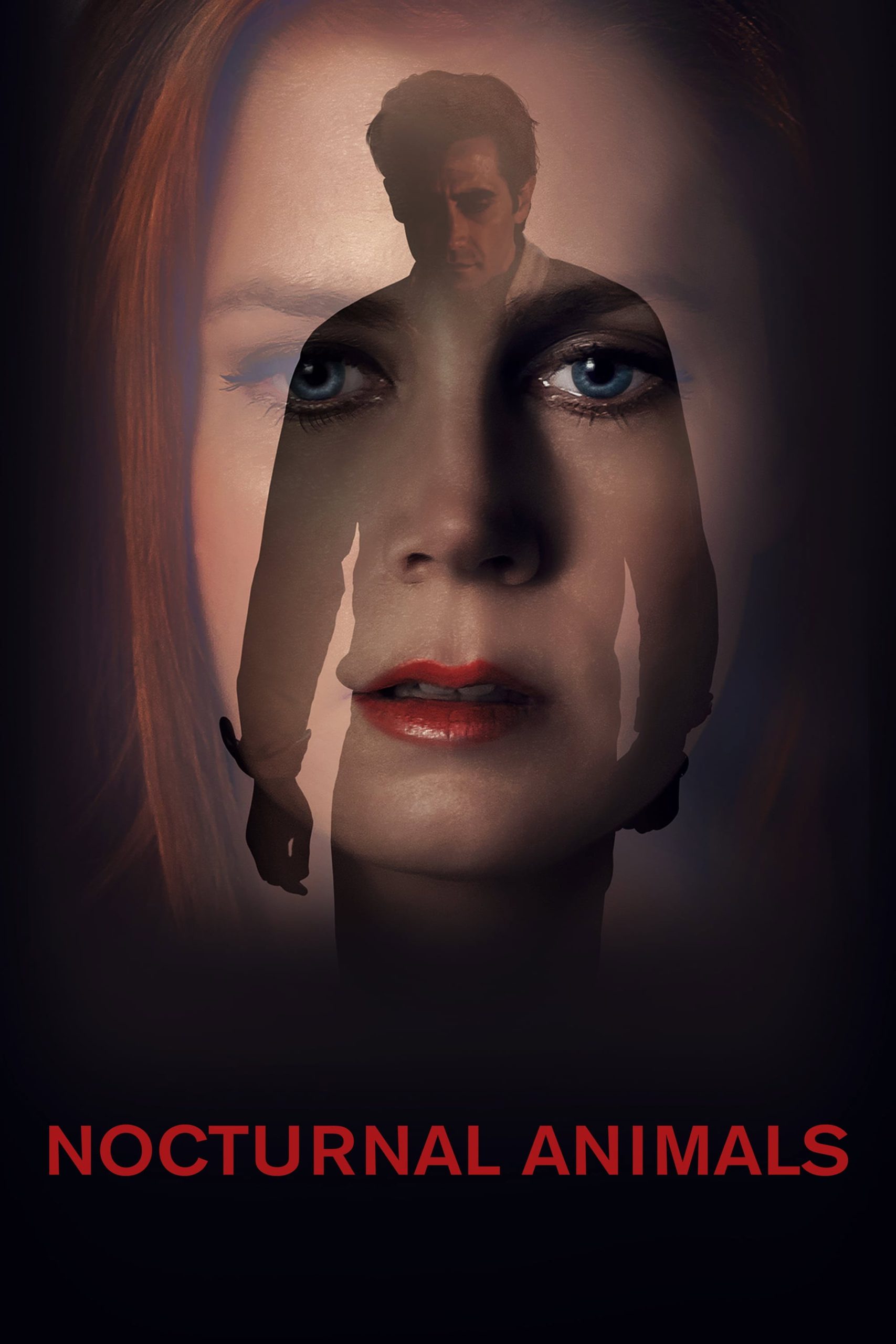
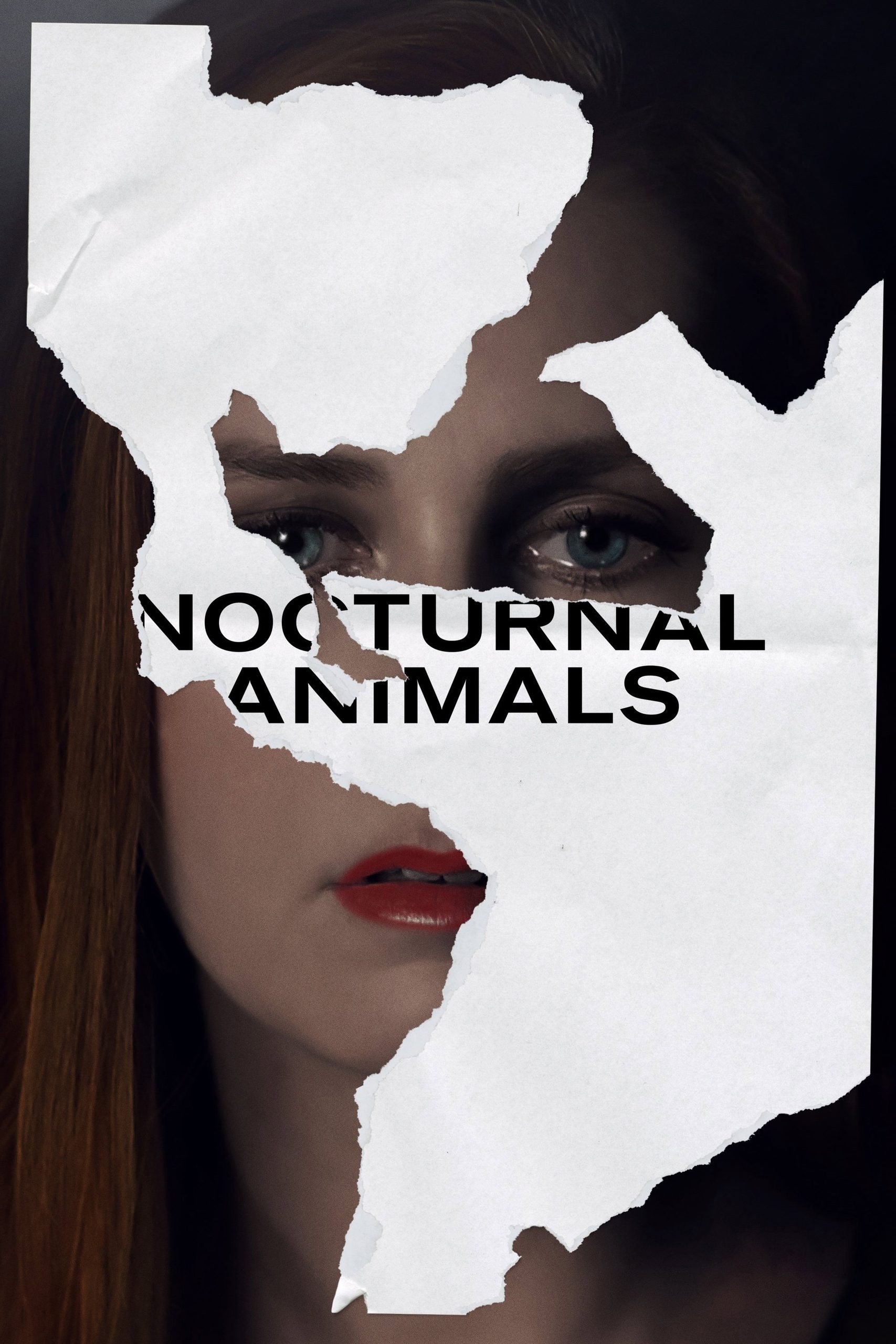
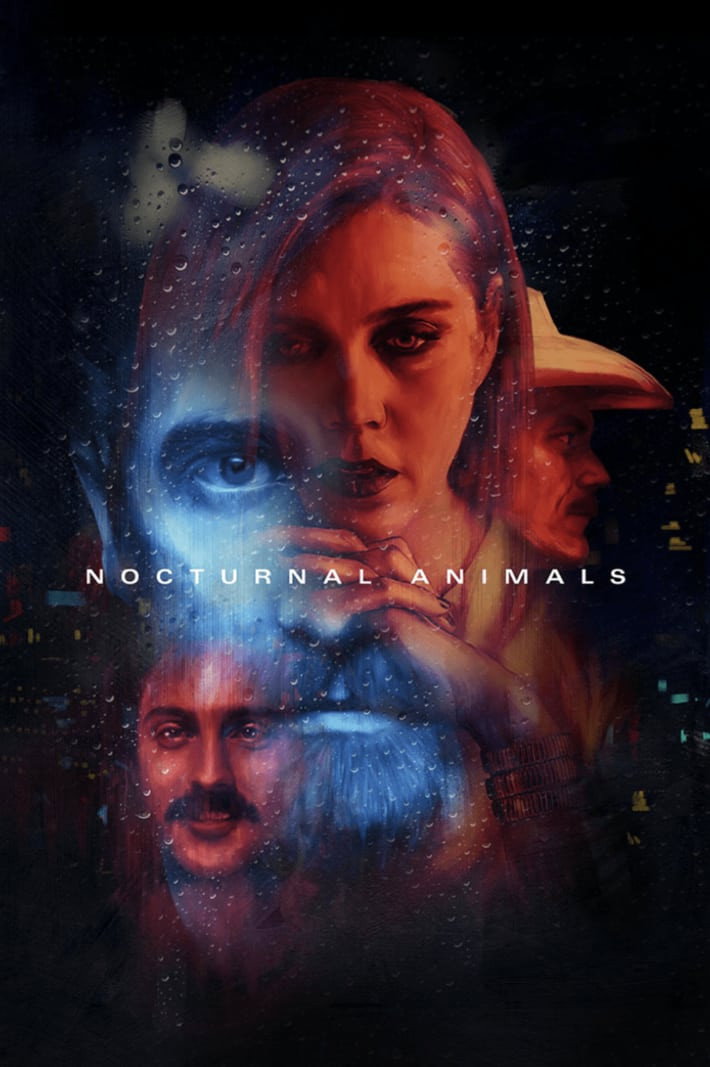
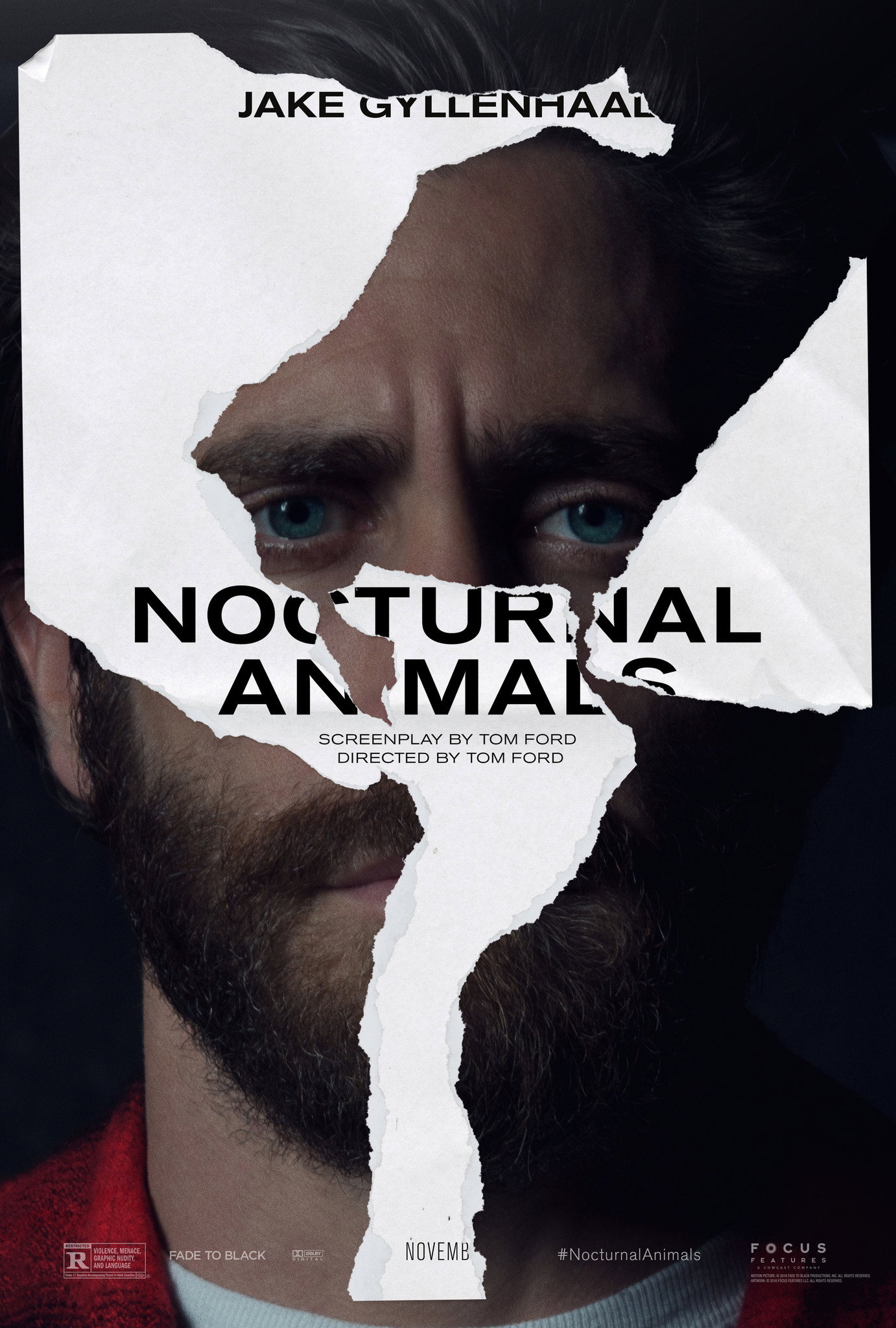
Nocturnal Animals

2016 · Directed by Tom Ford · 1h 56m · MPA R

In a sentenceAn ex-husband’s novel is a fairly elaborate way of making sure the divorce isn’t the last word

DramaThriller

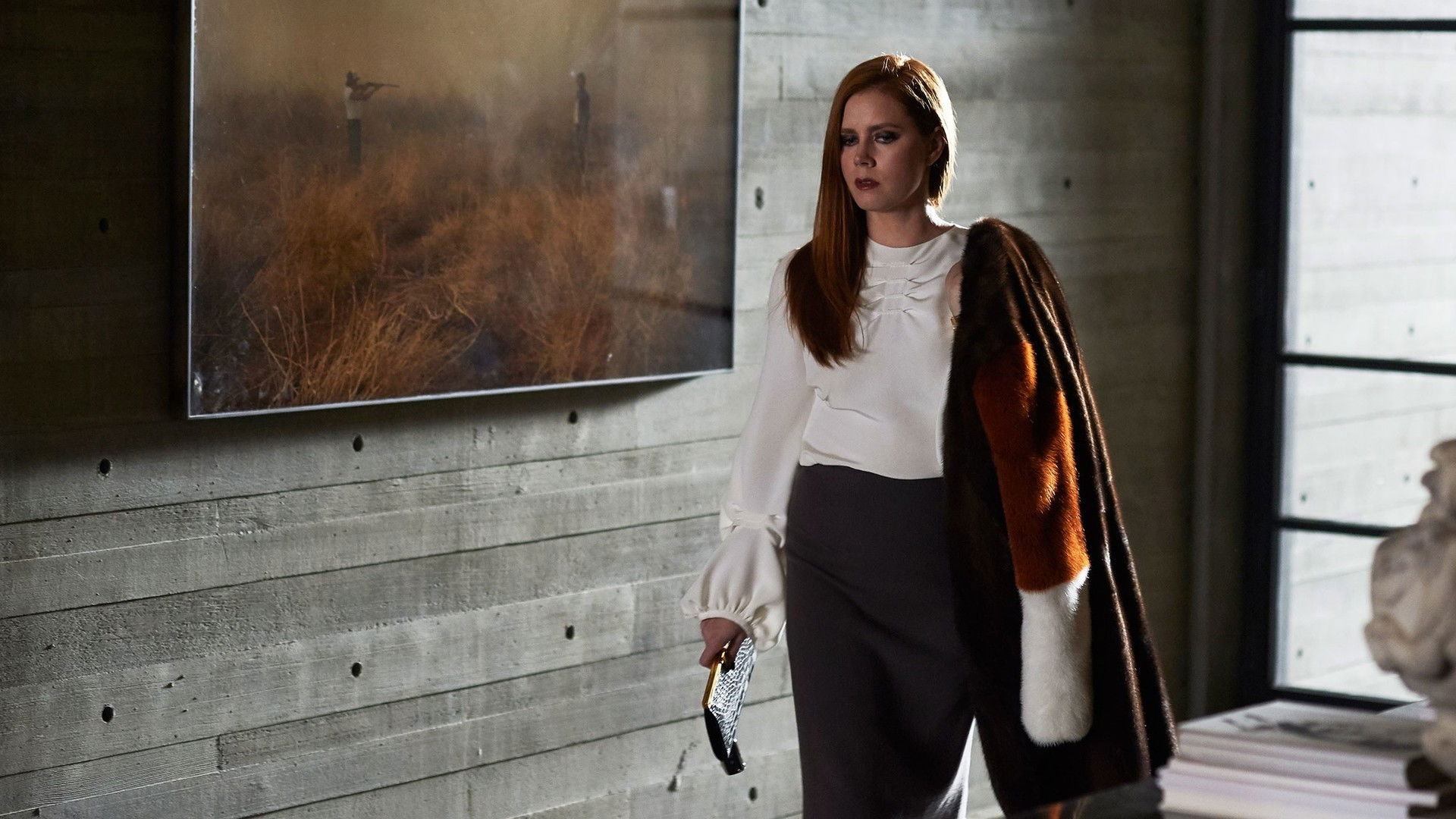
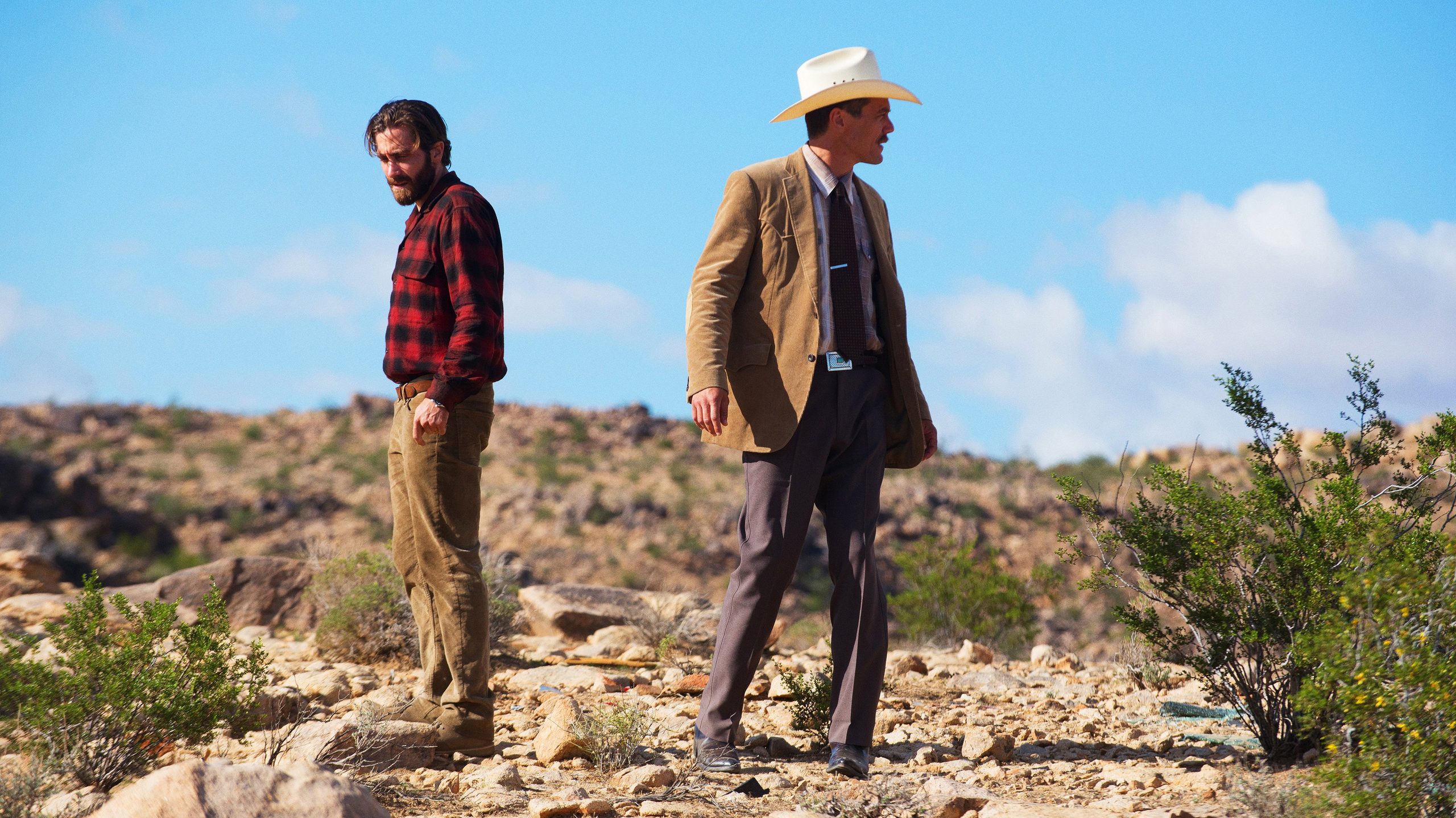
In present-day Los Angeles, Susan Morrow (Amy Adams) reads a novel by her former husband, Edward Sheffield (Jake Gyllenhaal). Its Texas story follows Tony Hastings (Jake Gyllenhaal) into a road encounter with Ray Marcus (Aaron Taylor-Johnson) and his companions. As that encounter becomes threatening, Susan’s reading draws her back towards her own past with Edward. She tries to reconcile the man she knew with the violent story in front of her, while her art-world surroundings offer little comfort. The film moves between her present, the earlier relationship and the novel, as the distance between Susan’s life and Tony’s predicament begins to shrink.

Plays from YouTube when you press play; nothing loads from them until then.

Fi1m review

Tom Ford’s Nocturnal Animals is a gripping, cruel thriller with an excellent cast. The links between its stories grow too insistent, but the fear and the hurt are difficult to shake.

Tom Ford sets himself a difficult task in Nocturnal Animals: making us care about a woman reading and the people inside her book at the same time. The novel is by Susan Morrow’s former husband, so each turn of the page also returns her attention to their relationship. We recommend it as a thriller, with reservations about how firmly it tells us what to make of these people. Its nastiness is effective, and sometimes rather pleased with itself.

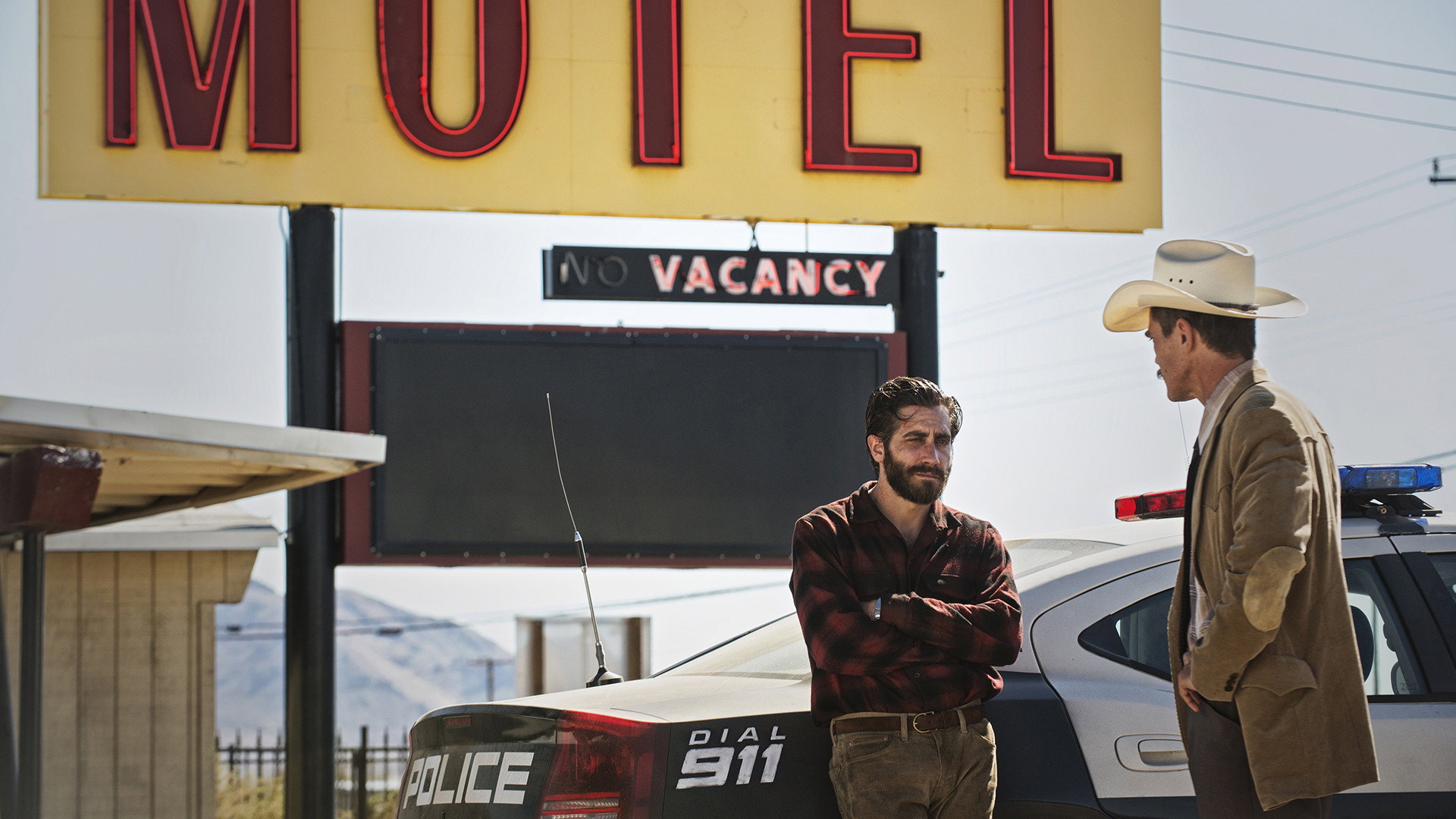
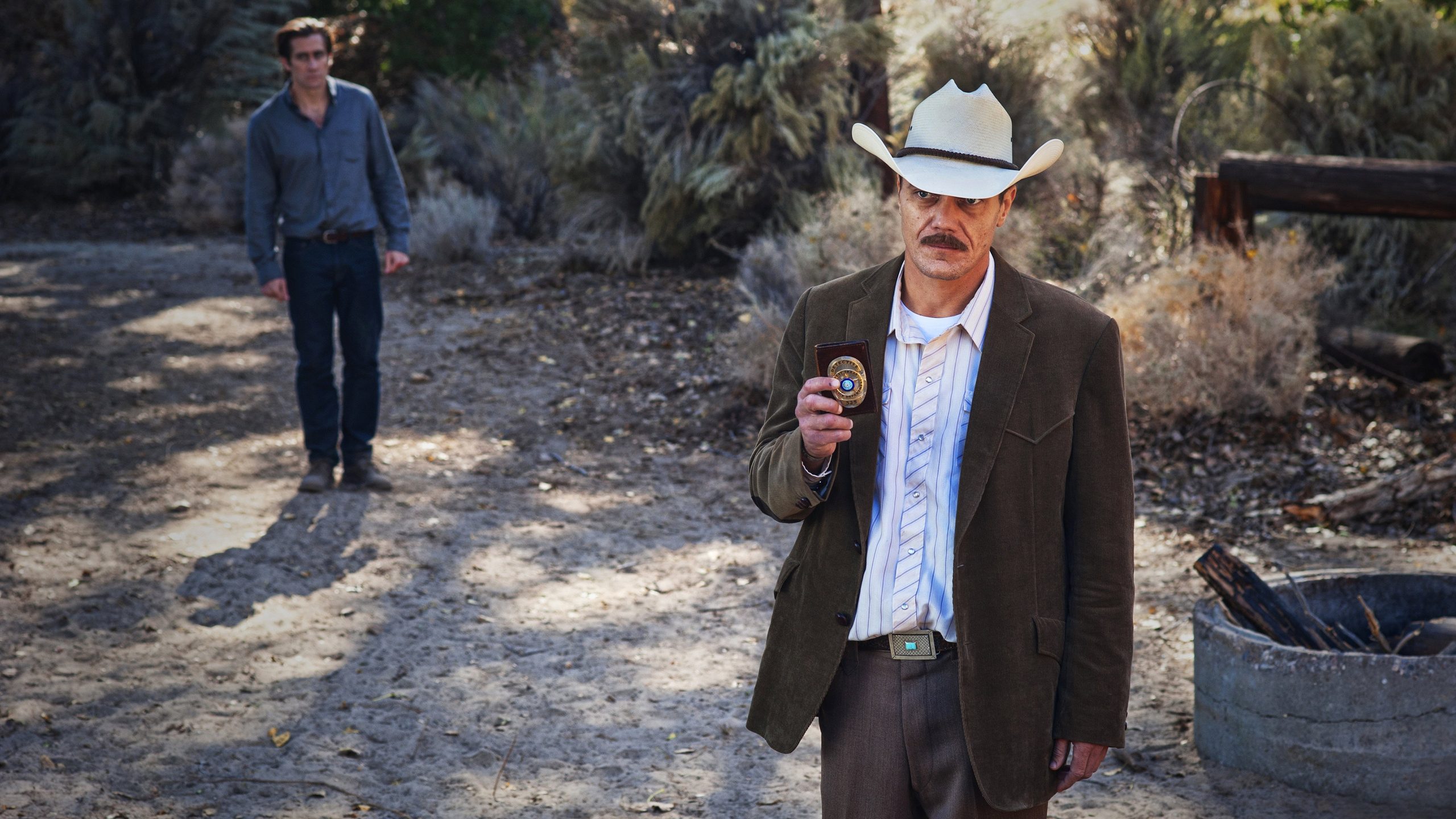
The Texas story supplies the fear, with Jake Gyllenhaal playing Tony Hastings and Aaron Taylor-Johnson making Ray Marcus an appallingly convincing threat. We were frightened by the road encounter because Ray’s presence makes even an ordinary exchange feel as though it could turn ugly without warning. Jake Gyllenhaal gives Tony’s vulnerability enough weight to keep the sequence from becoming a mere exercise in prolonging discomfort. Aaron Taylor-Johnson deserves particular credit for making the danger feel personal, even within the broad strokes of this violent tale.

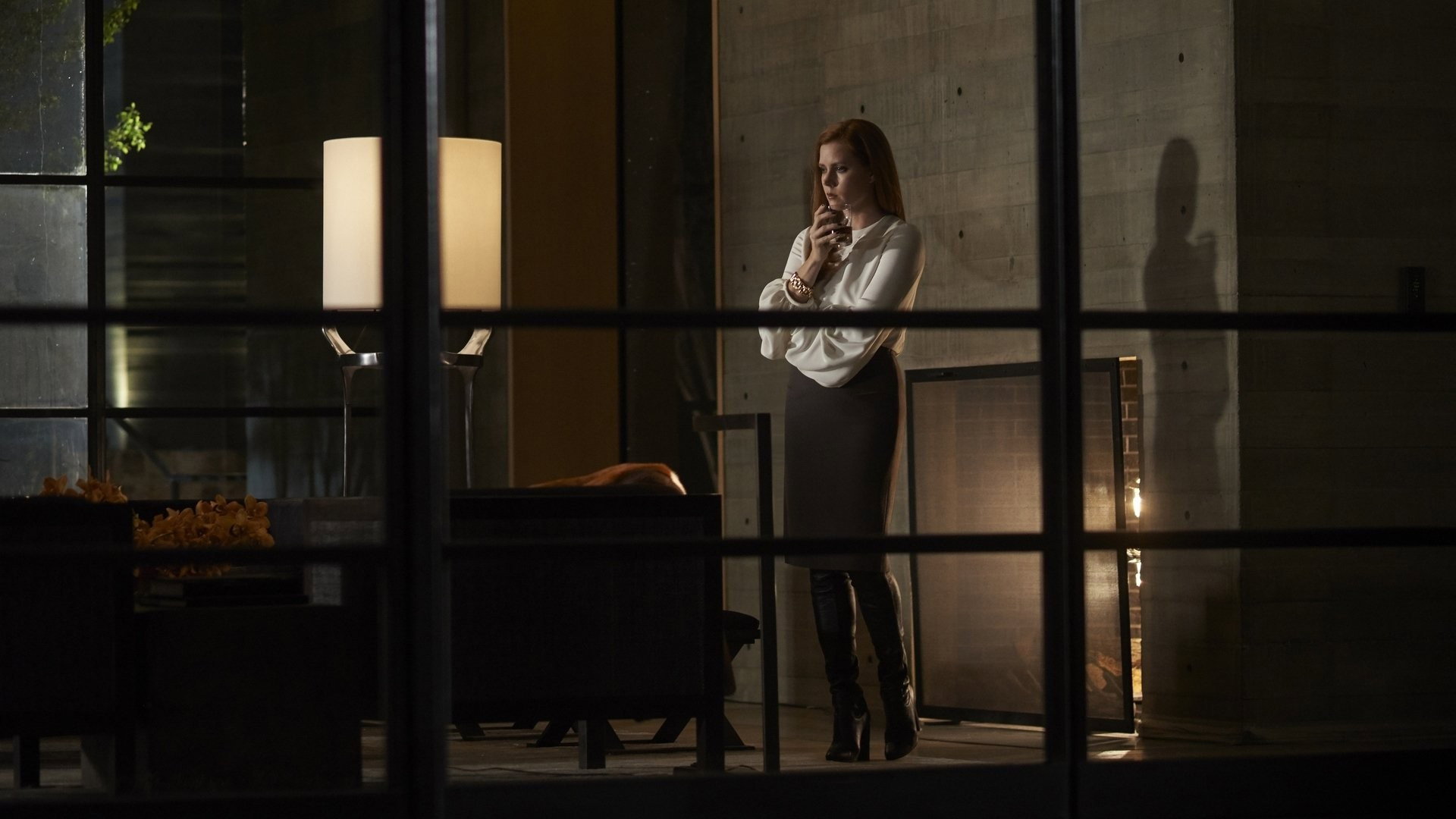
Amy Adams has the harder job as Susan Morrow, whose reading must hold our attention alongside events with much more immediate force. Her performance makes room for uncertainty that the screenplay, also by Tom Ford, does not always allow. The scenes in Los Angeles work when we are watching her reckon with her past; the art-world satire is thinner, too quick to establish that the people around her are empty. That leaves her carrying emotional weight which the surrounding characters ought to share.

Seamus McGarvey’s photography gives Los Angeles and Texas enough distinction that moving between them is never confusing. Joan Sobel’s editing makes those passages feel natural, keeping Susan’s reading active rather than leaving it as an interruption to the Texas story. We become alert to correspondences between the strands without needing to stop and sort out where we are. The trouble comes when the connections grow so emphatic that there is little left for us to discover.

Shane Valentino’s production design helps make Susan’s art-world surroundings feel stifling, but the contempt for that life becomes too easy. The film gives us limited reason to value what she has, which weakens the interest in how she came to have it. Abel Korzeniowski’s music suits the scale of the melodrama, although its insistence can make the private unhappiness feel over-explained. The actors are persuasive enough to need less encouragement from everything around them.

Michael Shannon, as Bobby Andes, gives the Texas material a welcome firmness, and the film benefits from a supporting performance that can stand alongside its leads. This is recognisably pulp noir, and there is pleasure in its willingness to be lurid and unreasonable. The difficulty is the weight it asks that violence to carry when it connects it to Susan’s relationship with Edward Sheffield. The suggestion that a violent novel might change how someone thinks about a failed marriage is compelling; the film pushes it until the characters have little room to surprise us.

There is no need to solve every correspondence between Susan and the novel to get something from this film. We would let the actors complicate what the screenplay keeps trying to settle, and accept that some of its cruelties are more interesting than its explanations. Choose it for the suspense, provided everyone watching has an appetite for cruelty.

Critical consensus AI synthesised

70
Positive
24
Mixed
3
Negative
4

Most critics respond warmly to Nocturnal Animals, praising Tom Ford’s control of its interwoven stories and the tension of the violent thriller within them. The photography and carefully composed images draw broad approval, while Amy Adams and Jake Gyllenhaal receive frequent praise for giving the material emotional weight. Michael Shannon and Aaron Taylor-Johnson also stand out across the reviews. Admirers find the shifts between polished interiors and threatening Texas landscapes gripping rather than merely decorative.

The spread is wide, however, and the main disagreement concerns how much the film has to say beneath its style. Even favourable reviews question the obvious symbolism, strained parallels and thin art-world satire. Some find a persuasive study of regret and vengeance; others find little psychological depth. Time Out objects to its cruelty and cynicism, while The Skinny identifies misogyny in its treatment of women. These dissenters challenge the film’s outlook, not simply its storytelling.

The Guardian
2 September 2016 · festival review · Peter Bradshaw
90*

Superb second feature from the director, a pitch-black thriller with a gripping double-stranded narrative that makes you care about both stories equally. It combines melodrama with teasing sophistication and has a vodka-kick of pure malice.

Read the full review →
The Hollywood Reporter
2 September 2016 · festival review · David Rooney
90*

The critic praises Ford's assured direction and the film's seamless interweaving of three narrative strands into a gripping noir melodrama. Amy Adams's nuanced central performance and the impeccable ensemble are singled out as highlights of this stylish stunner.

Read the full review →
Variety
2 September 2016 · festival review
90*

Tom Ford’s ambitious high-wire noir thriller draws lurid elements from pulp and noir with splendid performances from Adams and Gyllenhaal. It seizes and holds with its suspense and vision, leaving no doubt as to Ford’s fervor and originality as a director.

Read the full review →
Evening Standard
4 November 2016 · David Sexton
85*

Tom Ford brilliantly converts the complex literary thriller into pure cinema with clarity, beauty of imagery and emotional ferocity. The Texas section rivals the Coen brothers at their best, with fine performances especially from Jake Gyllenhaal and Michael Shannon.

Read the full review →
The AV Club
17 November 2016 · B+ · Ignatiy Vishnevetsky
83

The critic commends the film's elegant postmodern layering of stories and its tight control compared to Ford's debut. Strong ensemble work, particularly Aaron Taylor-Johnson, is noted alongside the sensualist aesthetic approach.

Read the full review →
Financial Times
3 November 2016 · Nigel Andrews
80*

Designer turned director Tom Ford’s second movie is nightmarishly good and pretty damn good overall. At its best and most visceral it is more than the work of an apprentice or homage payer.

Read the full review →

Cast

Awards

Academy Awards, 2017

Nominated
Best Supporting Actor

If you liked this, try…

In a Lonely Place poster

In a Lonely Place

1950 · Another writer whose wounded pride makes intimacy feel dangerous, with sharper characterisation.

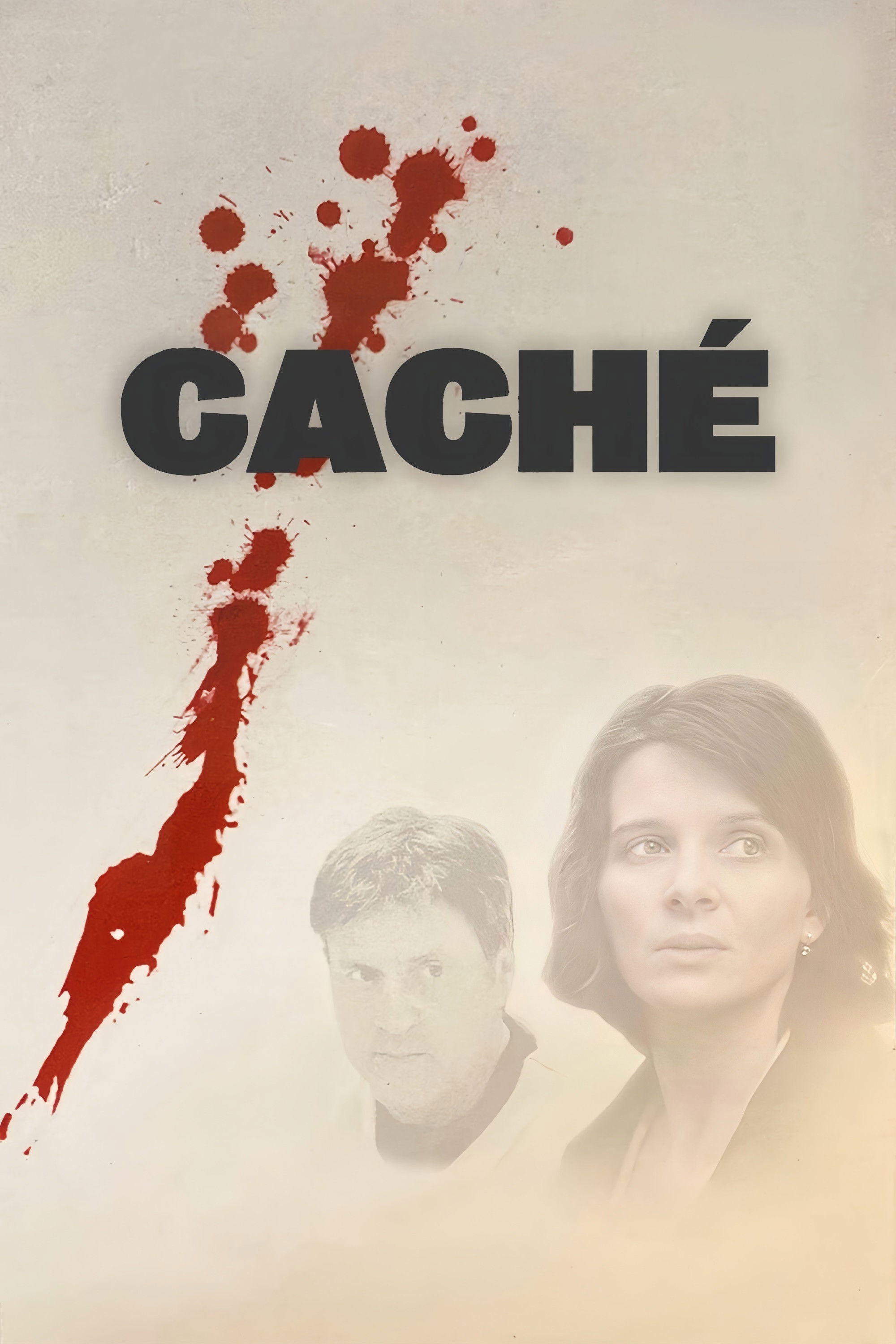
Caché poster88

Caché

2005 · Domestic comfort becomes intolerable under scrutiny in a more restrained, troubling thriller.

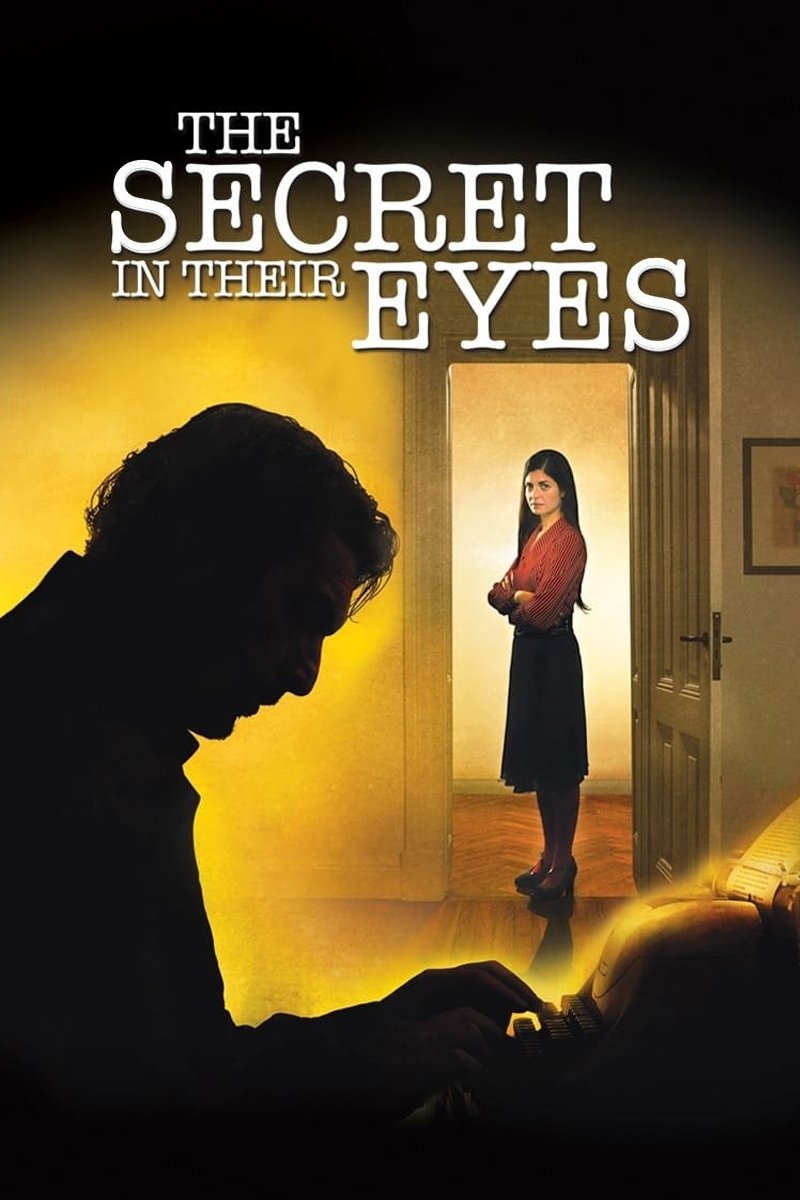
The Secret in Their Eyes poster78

The Secret in Their Eyes

2009 · Crime, frustrated love and persistent memory meet in a more expansive melodrama.

Burning poster72

Burning

2018 · Class resentment and uncertain storytelling feed a slower, equally disquieting mystery.

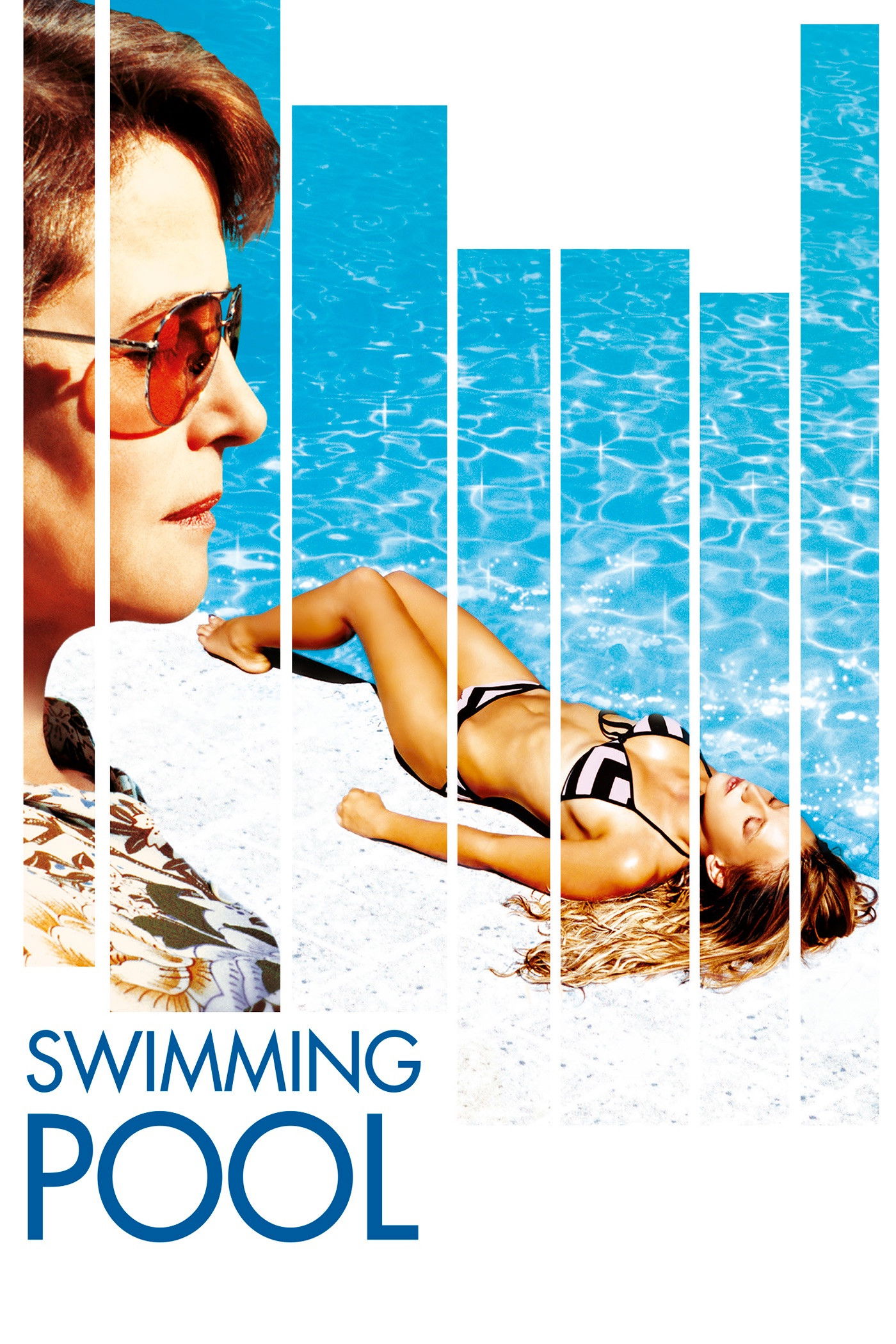
Swimming Pool poster

Swimming Pool

2003 · A writer’s imagination complicates an uneasy encounter, with room left for doubt.