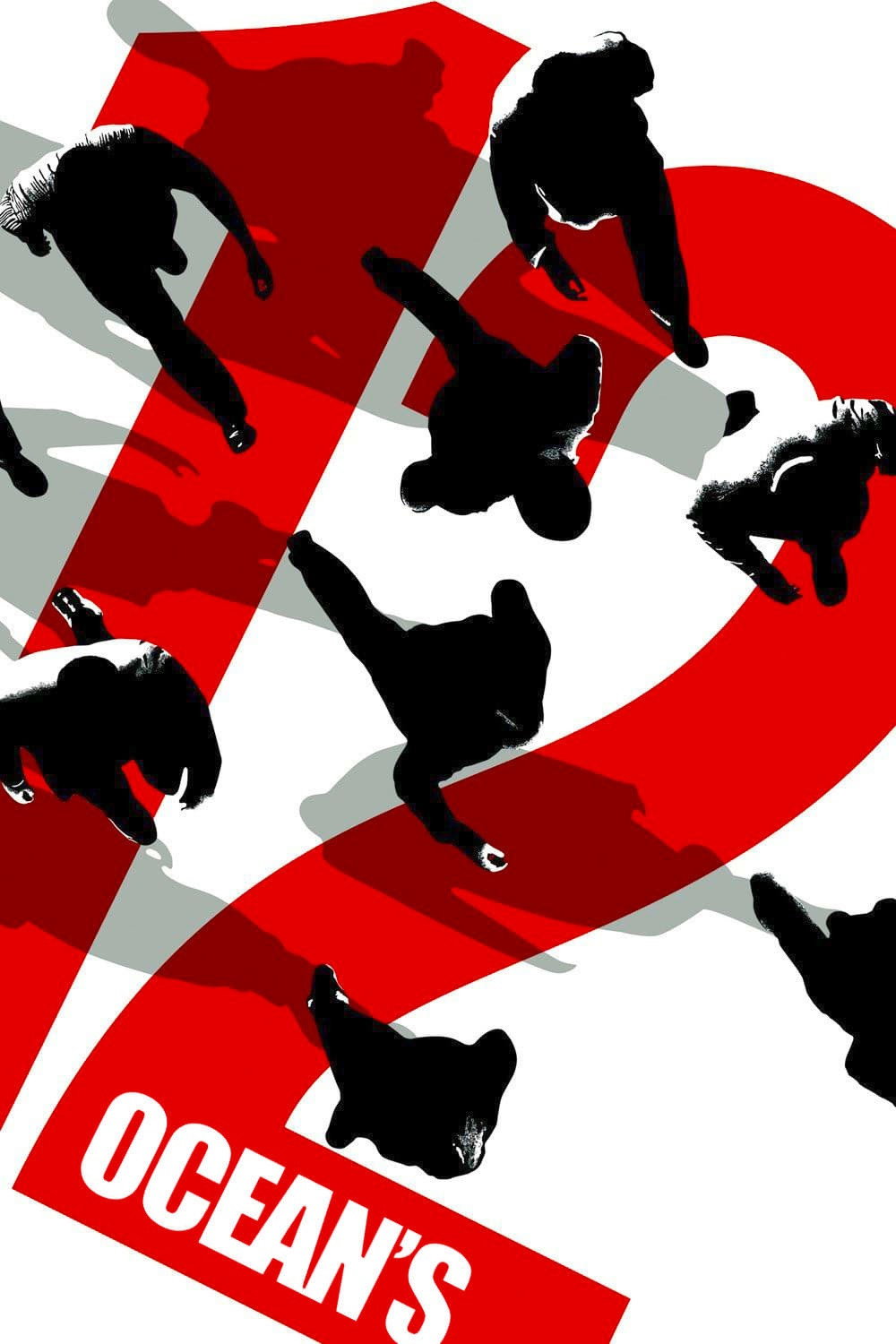
Soderbergh’s sequel is handsome, loose and pleased with itself. The colour, the cutting and David Holmes’s score do real work; the story has been put in a drawer. Good company for an evening, if you can forgive it for knowing so.
Three years after Las Vegas, Terry Benedict (Andy Garcia) has found every one of the men who robbed him, and he wants his money back, with interest, inside a fortnight. They cannot work in America, so they go to Europe. Waiting there are Isabel Lahiri (Catherine Zeta-Jones), a Europol detective who used to go out with Rusty Ryan (Brad Pitt), and François Toulour (Vincent Cassel), a rival thief who wants it known that he is the better man. Steven Soderbergh has decided a sequel to a heist film should be about the company rather than the job, and George Nolfi’s script puts the job somewhere we cannot see it.
The first twenty minutes are the best. Benedict turns up at each man’s front door, unannounced and courteous, and Garcia plays every visit the same way, which is the joke: a man so sure of his position that he never raises his voice. Stephen Mirrione cuts the visits into a roll-call and David Holmes lays organ, brass and a walking bass under them, so the sequence swings before anyone has done anything. We grinned the whole way through. The film knows how to introduce eleven people; it has forgotten what to do with them afterwards.
Soderbergh shoots the film himself and has pushed every frame through colour. Daylight goes mustard yellow, interiors go the brown of a cigar box, and faces are lit by whatever lamp is on the table. The camera is handheld, it zooms when it feels like it, and Mirrione freezes and splits the frame as the mood takes him. Milena Canonero’s suits fit as if the men had been poured into them, and Philip Messina gives them hotel rooms with tall windows to sulk in. It looks like an expensive holiday photographed by someone who knows what he is doing.
The cast are having a fine time. George Clooney’s Danny has one running gag, about how old he looks, and carries it lightly. Pitt and Matt Damon get the most to do and take it lightly too. Don Cheadle, Casey Affleck, Scott Caan, Bernie Mac and Eddie Jemison are all back on the bill and are given company rather than parts. Zeta-Jones and Pitt have the only exchanges in which anything seems at stake, and the film keeps cutting away from them. Julia Roberts, second on the bill, is held back for a joke in the second half that we will not describe.
The trouble is the plan. In the first film the plan was the film: we were shown the vault, the guards and the timings, and the pleasure was watching it come off. Here the gang plots in rooms we are not admitted to, the camera drifts off to a canal or a terrace, and the second half explains itself in a manner we will not spoil. We were bored for most of the middle hour, and then annoyed to find the boredom had been arranged. Soderbergh is betting that a caper still works if you only hear about it afterwards. It does not. Cassel gets one sequence of real physical showing-off, and it stands out because it is the only time we watch something difficult being done.
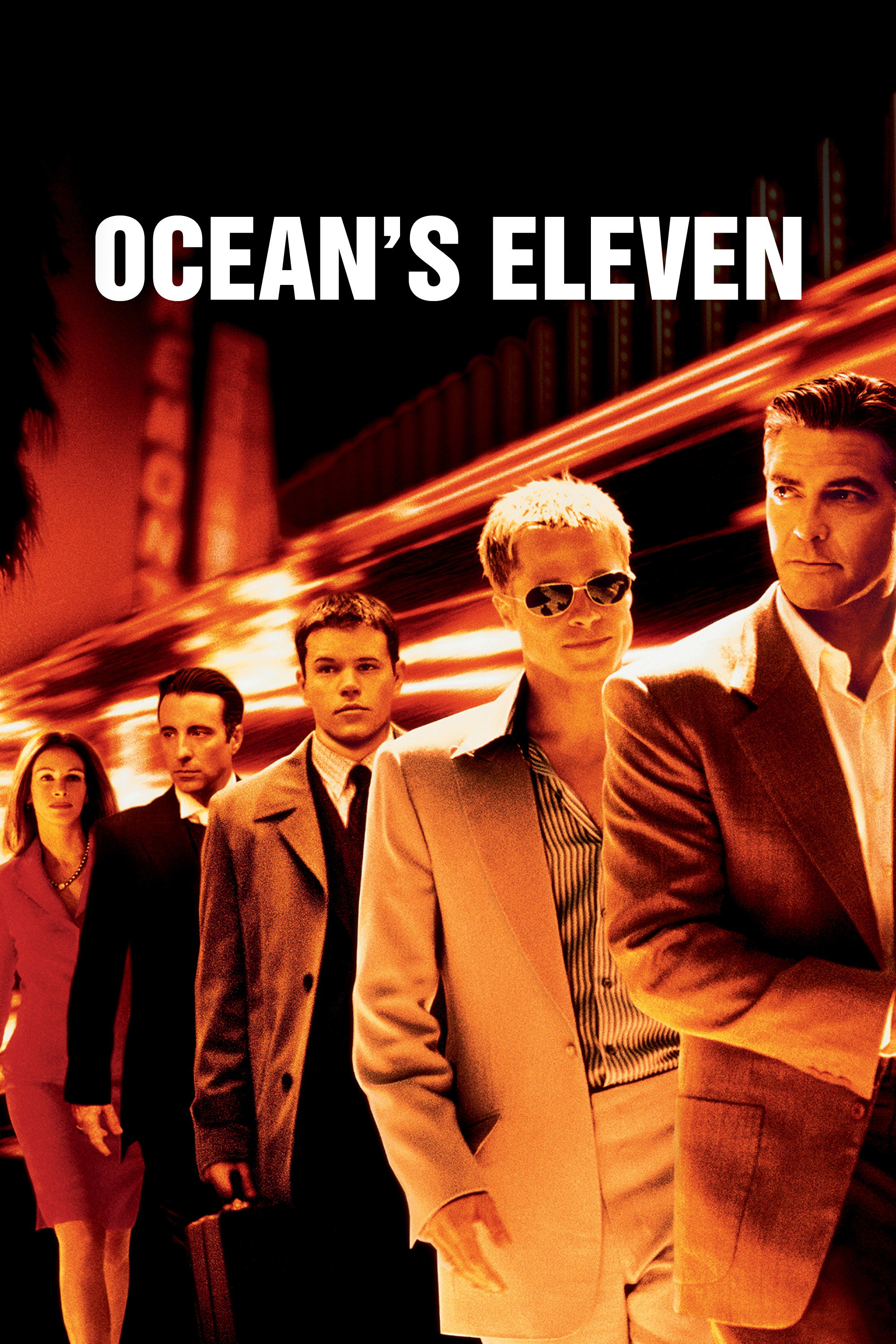
Ocean’s Eleven, from 2001, was tight to the minute. This one runs 125 minutes and feels longer, not because it is slow but because there is nothing to keep track of. The 12 certificate is right; nothing here would trouble a child, or hold one. It is a film for people who liked the first one enough to want another evening with the same faces, and the tagline, “Twelve is the new eleven”, is honest about that.
Most critics were harder on it than we are, and the words smug and self-indulgent turn up in nearly every review. We are less offended, mainly because the smugness is well tailored and well scored, and because Garcia and Zeta-Jones keep working when nobody else is. Watch it at home, with a drink, on a night when you do not need a story. You may find in the morning that you enjoyed the evening and cannot remember the film.