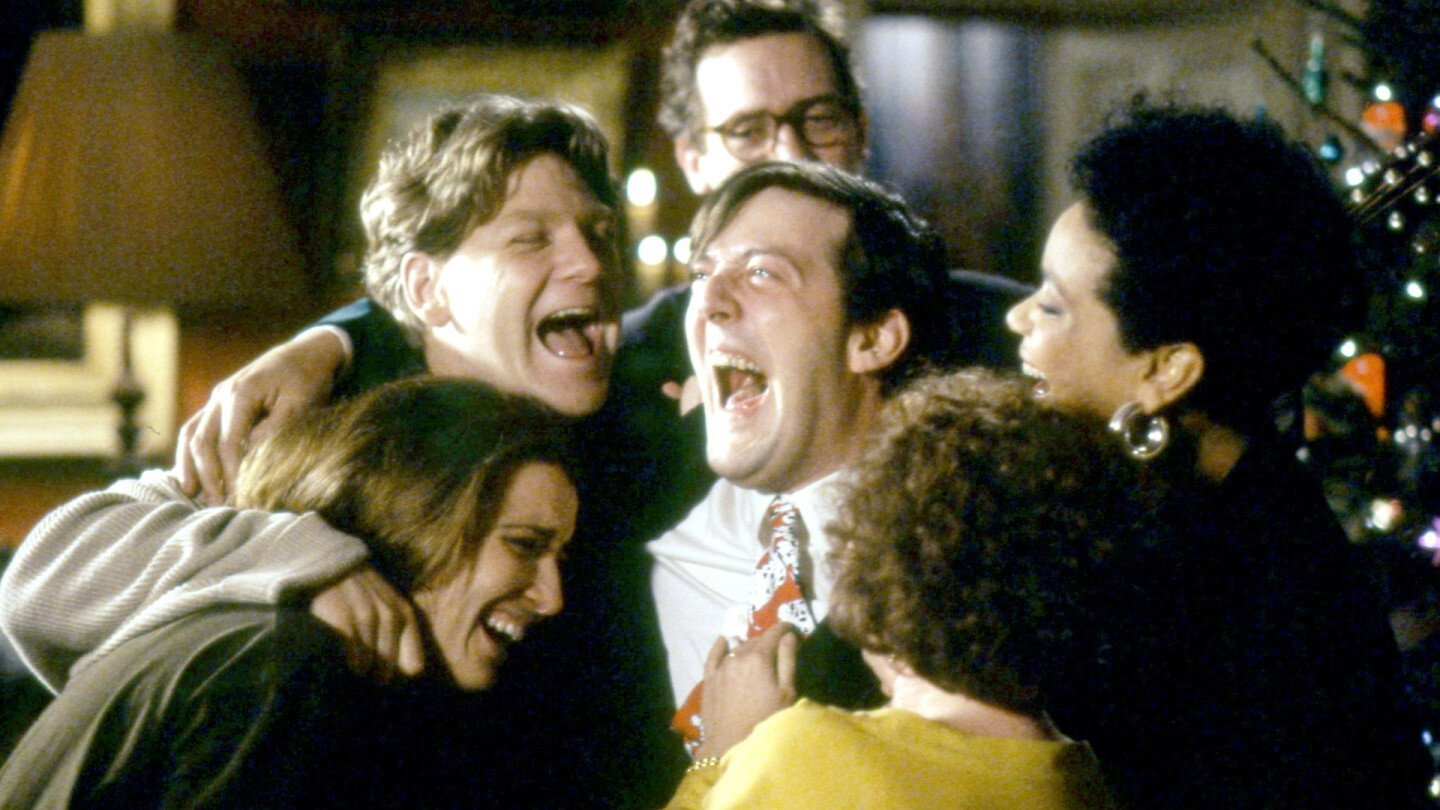
Kenneth Branagh’s comedy about old friends is funny enough to forgive its familiar setup and some overworked sentiment. Emma Thompson and Imelda Staunton make the gathering worth attending, even when the script gives them too much explaining to do.
There is a particular discomfort in sitting with old friends when being funny has become a way of avoiding a serious conversation. Kenneth Branagh’s Peter’s Friends gets plenty of comedy out of that discomfort, and enough warmth to earn its sentiment. We recommend it for the company, with some patience required for the writing. Rita Rudner and Martin Bergman’s script keeps the jokes coming, but it sometimes treats a good line as sufficient explanation for a person.
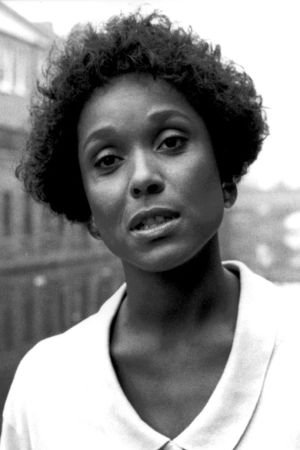
Emma Thompson’s Maggie Chester is the chief reason to stay. Thompson makes her social awkwardness funny without treating it as the only interesting thing about her. We laughed, and felt rather protective of her: Thompson makes Maggie’s gawky discomfort look exhausting to live with. The performance allows us to recognise the effort beneath the behaviour, which saves the comedy from becoming a punishment for being odd. Stephen Fry’s Peter Morton is welcome company alongside her, his ease with a line helping the gathering feel like somewhere people might willingly return.
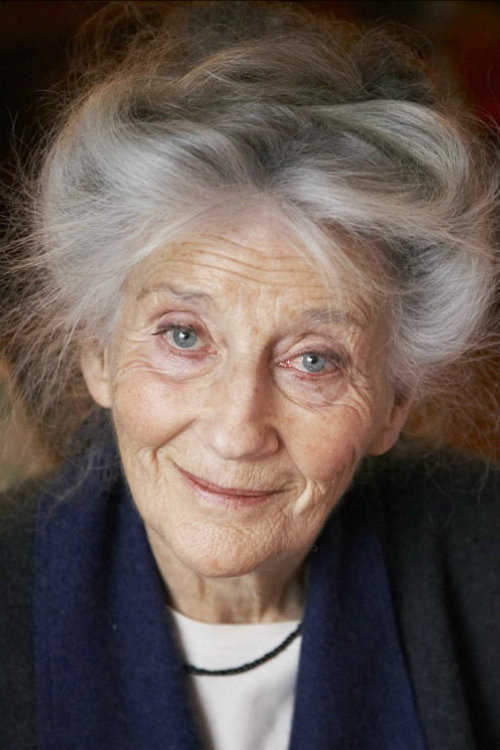
Imelda Staunton gives Mary Charleston a seriousness that the script does not always know how to accommodate. Her scenes with Hugh Laurie’s Roger are where the film’s wish to take these people seriously feels most convincing. We were moved by the strain Staunton brings to their private conversation; the jokes no longer seem adequate to what Mary is feeling. Laurie makes Roger feel fully involved in that trouble, and gives Staunton someone to play against. Neither performance needs the insistence with which the film sometimes asks us to care about its characters.
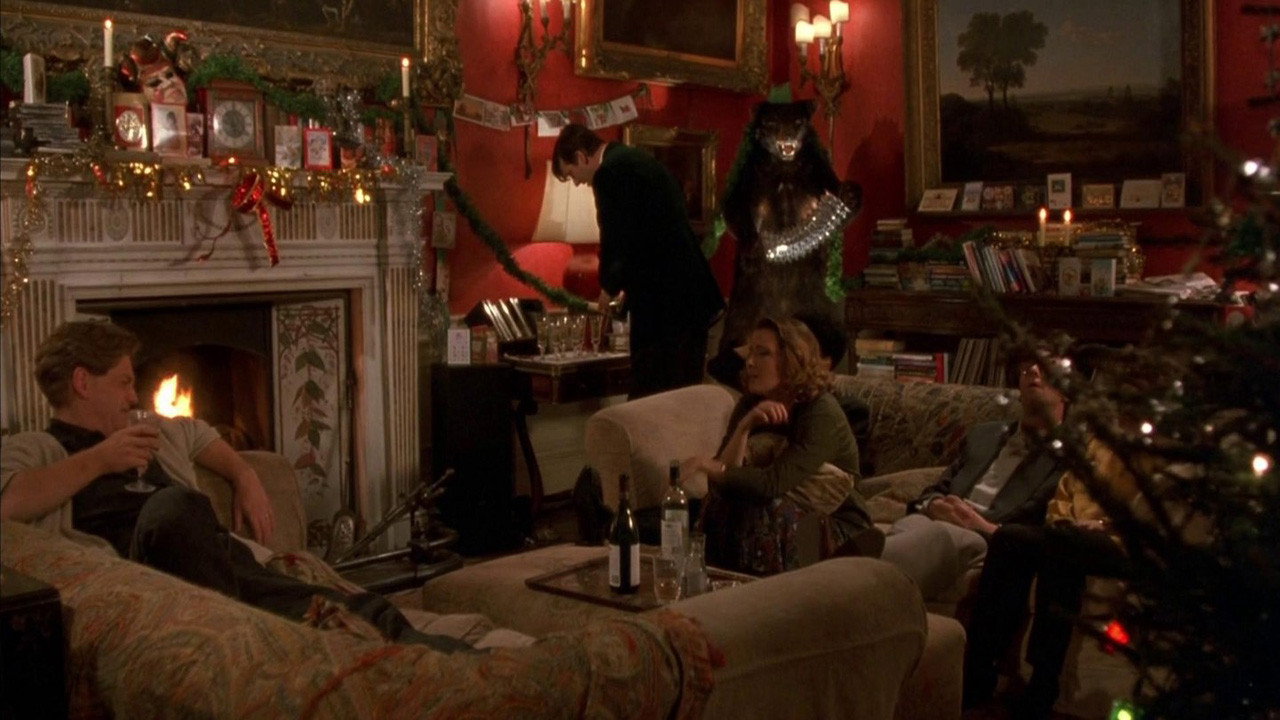
Roger Lanser’s cinematography is workmanlike, and we would have liked the images to contribute more to our sense of the group’s discomfort. At the awkward dinner, a face is more interesting than anything surrounding it. Andrew Marcus’s editing serves the comic exchanges competently, although the movement from jokes to distress can feel mechanical. The theatrical feel is not a problem by itself; Branagh has actors who can hold our attention through a conversation, without much help from the camera.
Branagh is less persuasive when he pushes Andrew Benson’s unhappiness to the front of the gathering. He works hard at the drunkenness, hard enough for us to notice the acting, which does Andrew few favours. Rudner and Bergman can also be too pleased with a joke to consider whether it belongs to the person delivering it. The sexual talk becomes repetitive, and the succession of personal difficulties starts to feel like a list being worked through. These passages make the more patient performances stand out all the more.
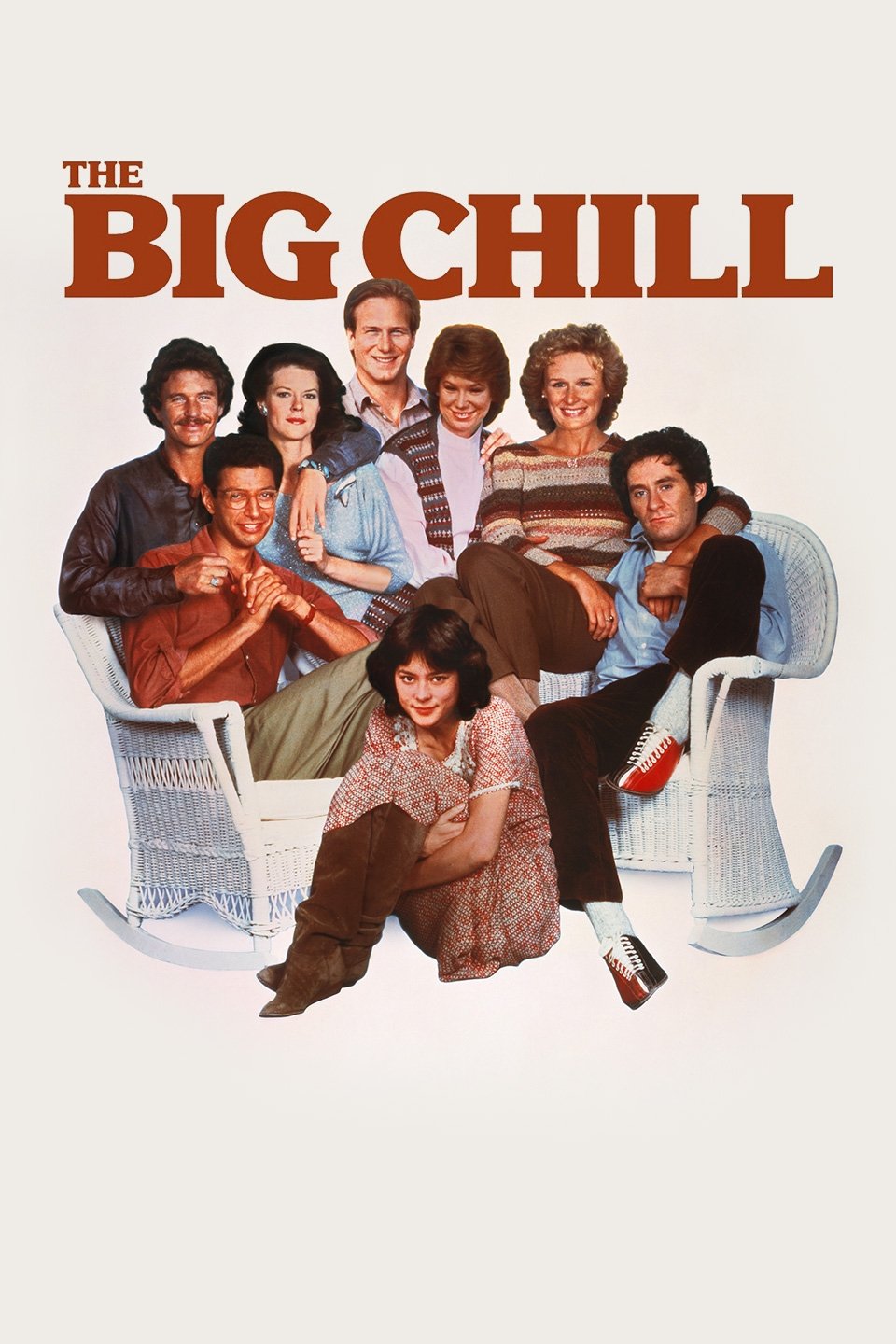
The resemblance to The Big Chill need not be a charge against it. A reunion comedy earns its evening by making the people worth listening to after their difficulties have become clear. Thompson, Fry and Staunton manage that, and Branagh’s pleasure in the ensemble is difficult to resist. Choose it when good comic company matters more than being surprised, with some tolerance for people who cannot stop explaining themselves.