Film review

Rain Man

1988 · Directed by Barry Levinson · 2h 14m · MPA R

In a sentenceTom Cruise is excellent company as a man we would hate to share a car with

Drama

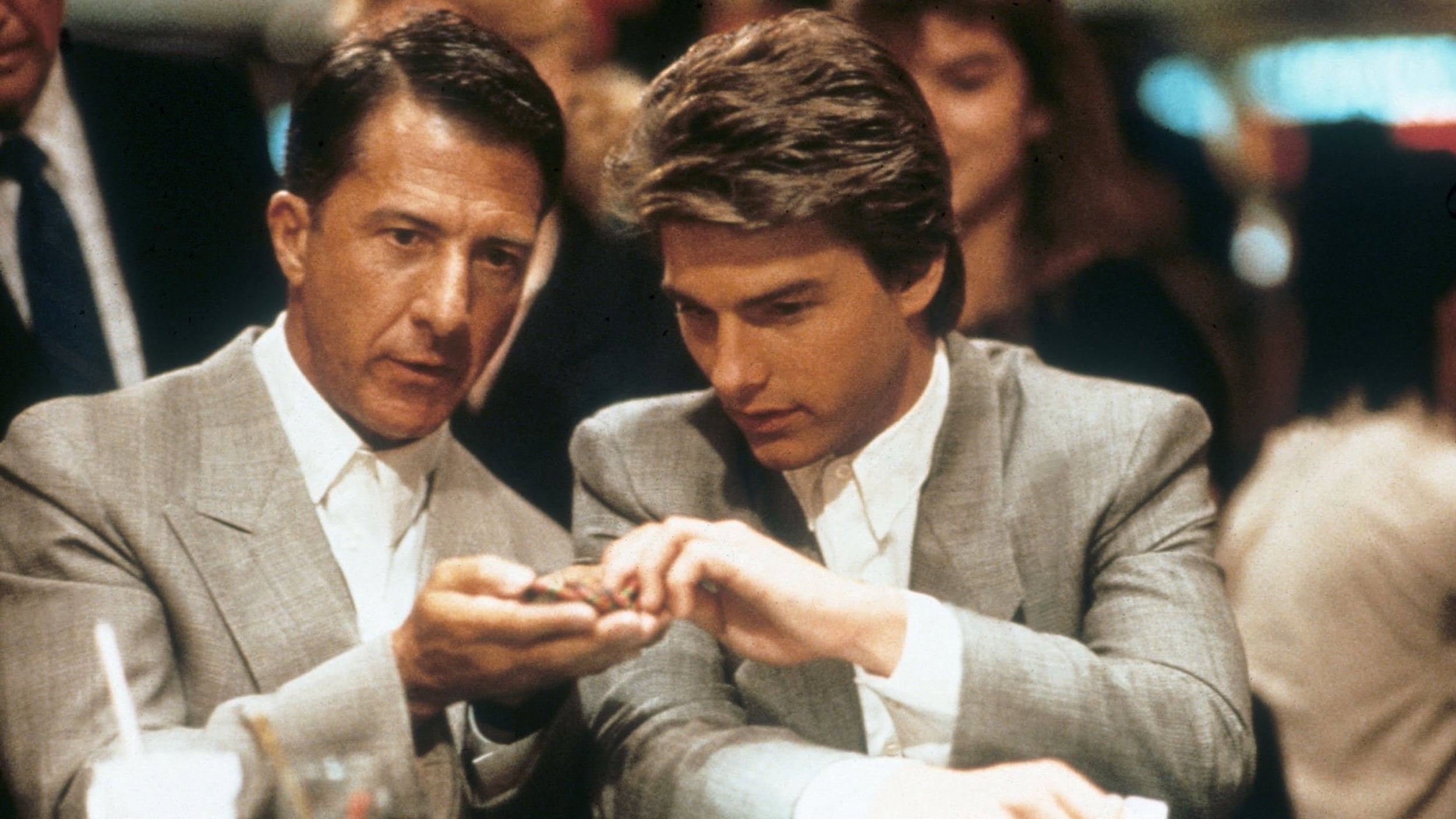
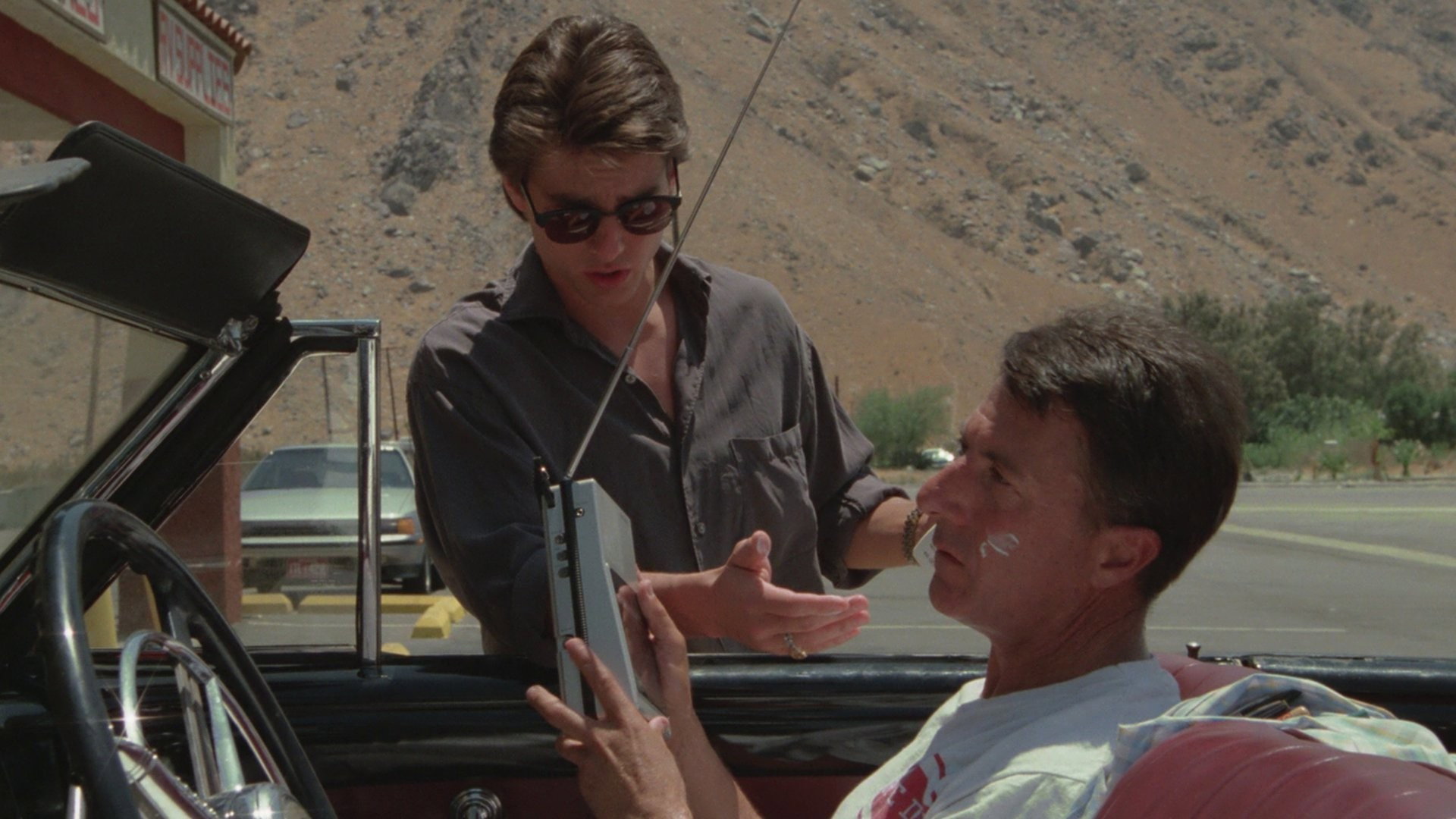
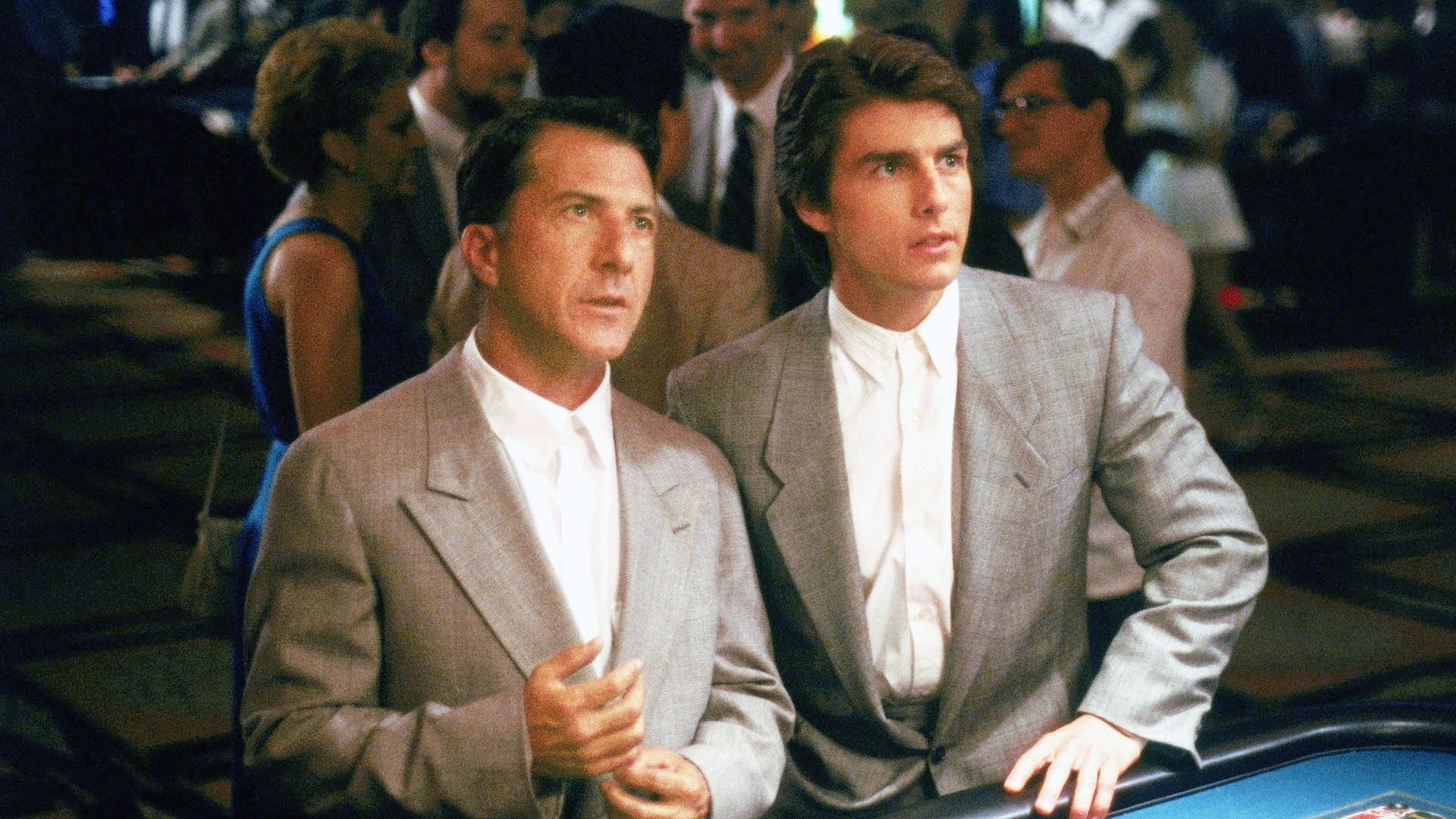
Charlie Babbitt (Tom Cruise) is a hustler whose relationship with his brother Raymond (Dustin Hoffman) brings money and family into conflict. Raymond is autistic and has savant abilities. As the brothers travel together, Charlie’s selfishness meets needs and behaviour he struggles to understand. Their journey puts two different ways of dealing with other people in close quarters, with Charlie trying to get his own way while Raymond remains difficult for him to reach. Barry Levinson directs the drama, with Valeria Golino as Susanna and Gerald R. Molen as Dr. Bruner.

Plays from YouTube when you press play; nothing loads from them until then.

Fi1m review

Barry Levinson’s Rain Man is a moving road drama that sometimes repeats itself and makes Raymond’s autism too useful to Charlie. Tom Cruise does much of the difficult emotional work opposite Dustin Hoffman’s carefully controlled performance.

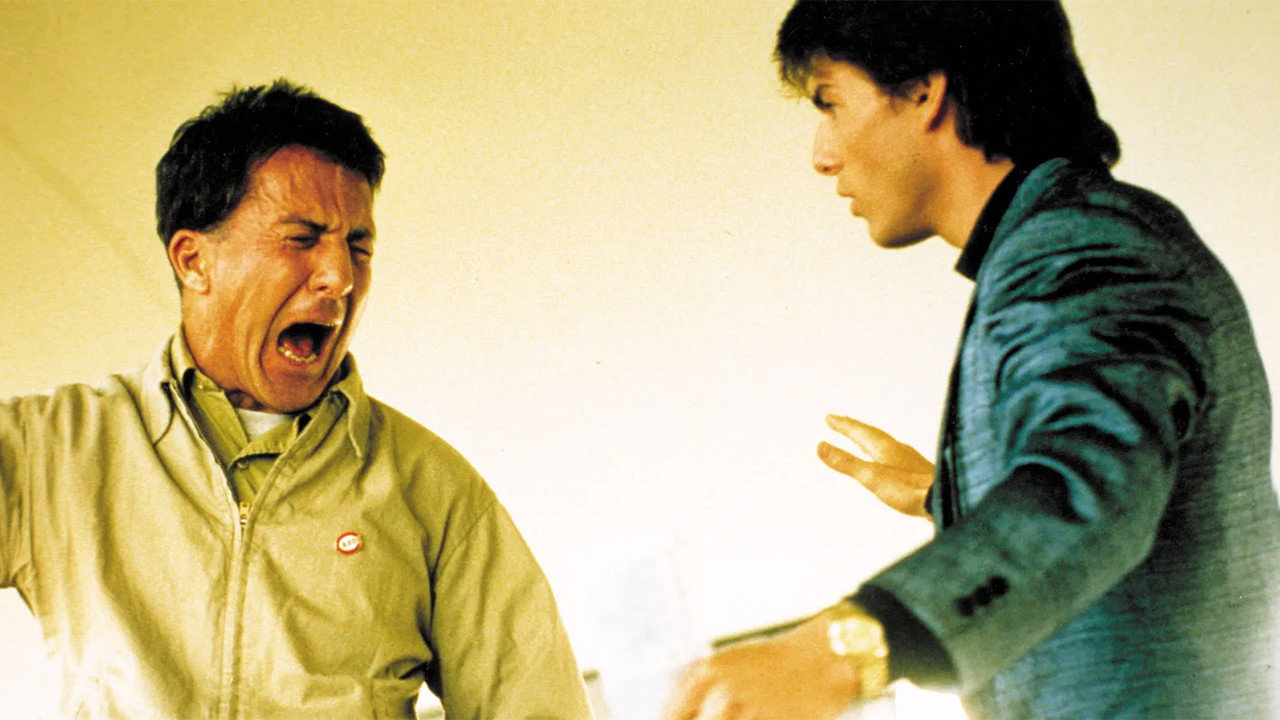
Barry Levinson’s Rain Man is worth seeing for its two leads, even when the journey begins to repeat itself. It puts a hustler, Charlie Babbitt, on the road with his autistic brother Raymond and asks Charlie to take another person’s needs seriously. There is enough comedy in their incompatibility to make the familiar lesson tolerable. The trouble is how often we can see that lesson coming.

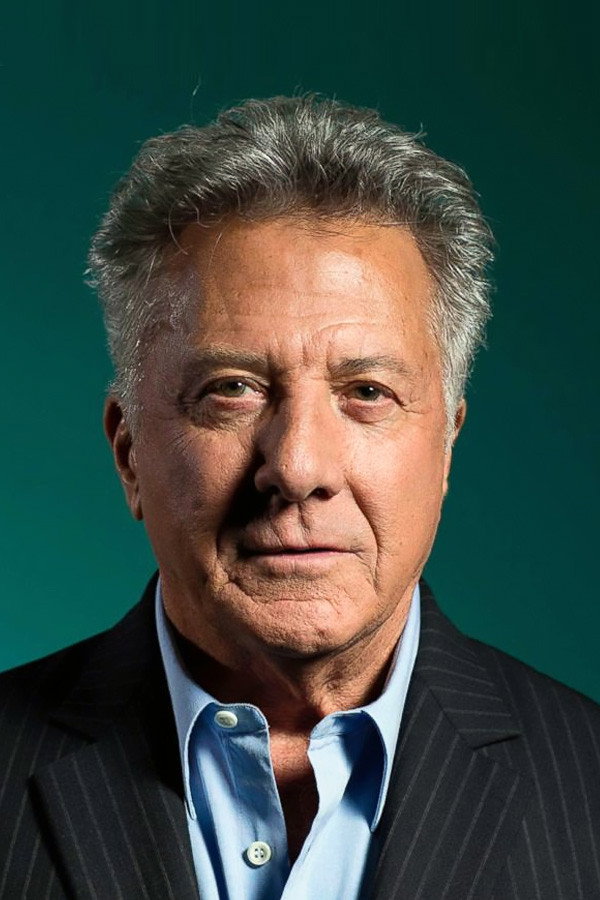
Dustin Hoffman plays Raymond with a concentration that makes Charlie’s demands seem especially intrusive. He is often funny without making Raymond seem to be performing for anybody else’s amusement. His precision can also become a distraction: after a while, the consistency of the performance tells us little more about the man. That is partly a limitation of Ronald Bass and Barry Morrow’s screenplay, which gives Charlie the clearer emotional development. Raymond remains harder to know.

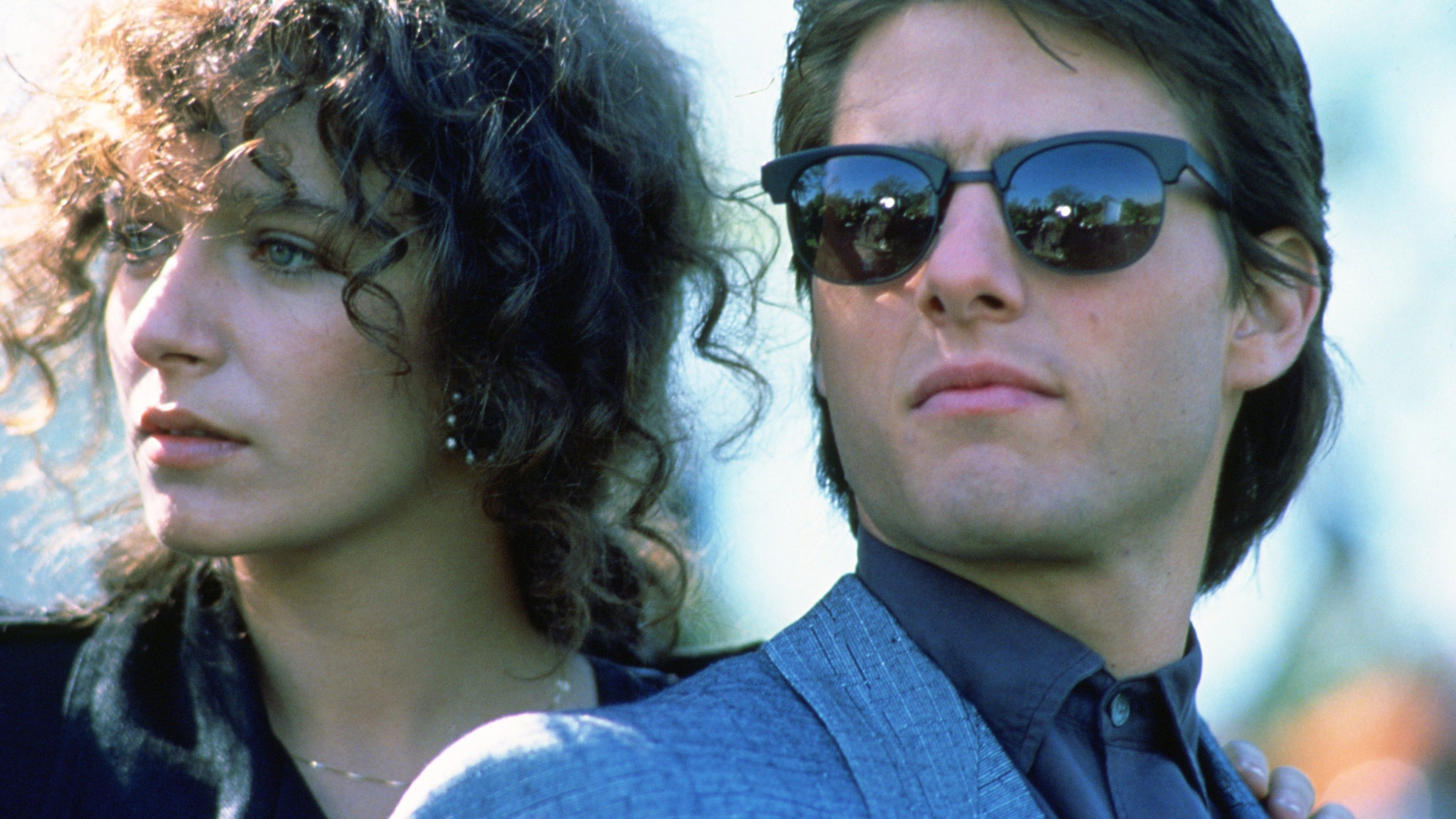
Tom Cruise has the less conspicuous acting to do, and gives the film its strongest reason to continue. His Charlie begins with a hustler’s selfishness that Cruise does not hurry to soften. We winced at his impatience with Raymond; it is unpleasantly easy to recognise the wish that someone else’s difficulties would stop being inconvenient. Cruise makes that ugliness hard to dismiss as somebody else’s problem. The possibility of affection becomes moving because he has first made Charlie such poor company.

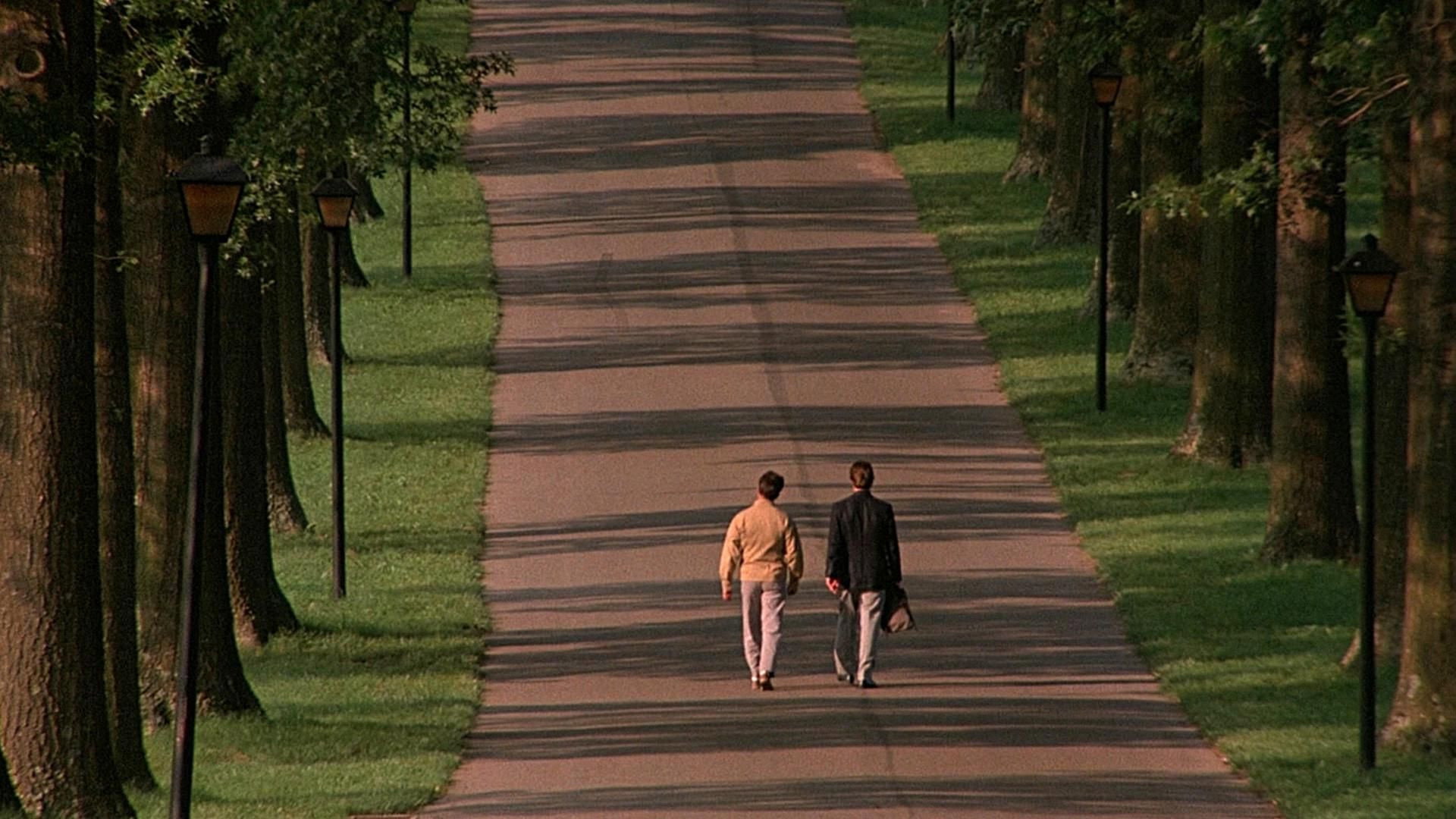
Levinson is good at letting an encounter last long enough for us to revise our first impression of it. John Seale’s cinematography is most effective when it gives the actors room to establish that awkwardness, without making their surroundings the attraction. Ida Random’s production design helps the journey feel inhabited and ordinary, which matters in a story so vulnerable to becoming a demonstration of goodness. That modesty suits Levinson’s interest in behaviour and leaves us free to notice how uncomfortable these men are together.

Stu Linder’s editing is patient with the actors, sometimes past the point at which a scene has told us enough. At 134 minutes, the film allows the repeated clash between Charlie’s impatience and Raymond’s needs to become too predictable. Hans Zimmer’s score also presses for tenderness where the acting has already made a more complicated feeling possible. There are stretches when the film seems reluctant to leave a point alone.

The larger reservation belongs to the writing. Bass and Morrow draw on a dependable road-drama arrangement: put mismatched people together and let familiarity do its work. Here that can make Raymond’s autism seem useful chiefly because it offers Charlie a chance to become kinder. Hoffman gives Raymond enough stubborn independence to complicate that arrangement, but the imbalance remains. We can care about these brothers and still wish Raymond’s own experience interested the film as much as Charlie’s capacity to change.

Approach it as a drama about two particular brothers; its narrow view of autism needs that caution. There is pleasure in watching Cruise make decency look like something Charlie must practise, with no guarantee that we will like him for it. For viewers who can tolerate some repetition, the performances are worth the journey.
Critical consensus AI synthesised

70
Positive
4
Mixed
2
Negative
1

Most critics respond warmly to Rain Man, with praise centred on Dustin Hoffman and Tom Cruise. Hoffman’s carefully observed performance draws admiration for its humour and restraint, while Cruise receives credit for giving the more emotionally changeable brother a convincing development. The favourable reviews find an affecting story of family and self-discovery, with Barry Levinson’s attention to human behaviour helping the relationship feel persuasive rather than merely sentimental.

The spread is wide, however, and the performances themselves divide opinion. Time Out finds the story thin and short on dramatic momentum, though Levinson keeps it watchable. Eye for Film questions the length and the softened portrayal of disability. The New Yorker supplies the strongest dissent, judging Hoffman’s performance external and repetitive, and Levinson’s direction slack. The central disagreement is over how convincingly the film earns its emotion: what admirers find restrained and moving, detractors find sentimental and laboured.

Radio Times
★★★★★ · Andrew Collins
100

Hoffman's savant is one of cinema's great triumphs: believable, unsentimental and often hilarious, while Cruise's character undergoes the greater emotional arc from selfishness to love. Levinson directs beautifully and the film earned major Oscars.

Read the full review →
Empire
1 January 2000 · Emma Cochrane
85*

The critic calls the film a thoughtful and hugely enjoyable classic that changed perceptions of autism. They single out the signature performances by Dustin Hoffman and Tom Cruise.

Read the full review →
Los Angeles Times
16 December 1988 · Sheila Benson
85*

Benson praises the film’s deliberately unsentimental interior journey of self-discovery and the hypnotic, funny performance by Hoffman. She singles out Cruise’s surprisingly mature and authoritative work as the film’s welcome surprise.

Read the full review →
The New York Times
16 December 1988 · Vincent Canby
80*

Canby finds the film an affecting odd-couple road movie in which a hustler and his autistic brother learn they are good for each other. He singles out Dustin Hoffman’s meticulously researched, star-turn performance as the autistic savant Raymond.

Read the full review →
Time Out
10 September 2012 · BC
60*

The critic notes the film's thin story and limited dramatic motor but credits Levinson's skill at observing human behaviour for keeping it watchable. Hoffman delivers a self-contained performance while Cruise improves as the hustler brother.

Read the full review →
The New Yorker
30 January 1989 · Pauline Kael
25*

Kael dismisses the film as a repetitive one-note acting exercise and sentimental kitsch. She singles out Hoffman’s locked-in, external performance and Levinson’s flaccid direction for particular complaint.

Read the full review →

Cast

Stills

Awards

Academy Awards, 1989

Nominated
Best Cinematography
Nominated
Best Film Editing
Nominated
Best Original Score
Nominated
Best Production Design
Won
Best Actor
Won
Best Director
Won
Best Picture
Won
Best Writing, Original Screenplay

Berlin International Film Festival, 1989

Won
Golden Bear

If you liked this, try…