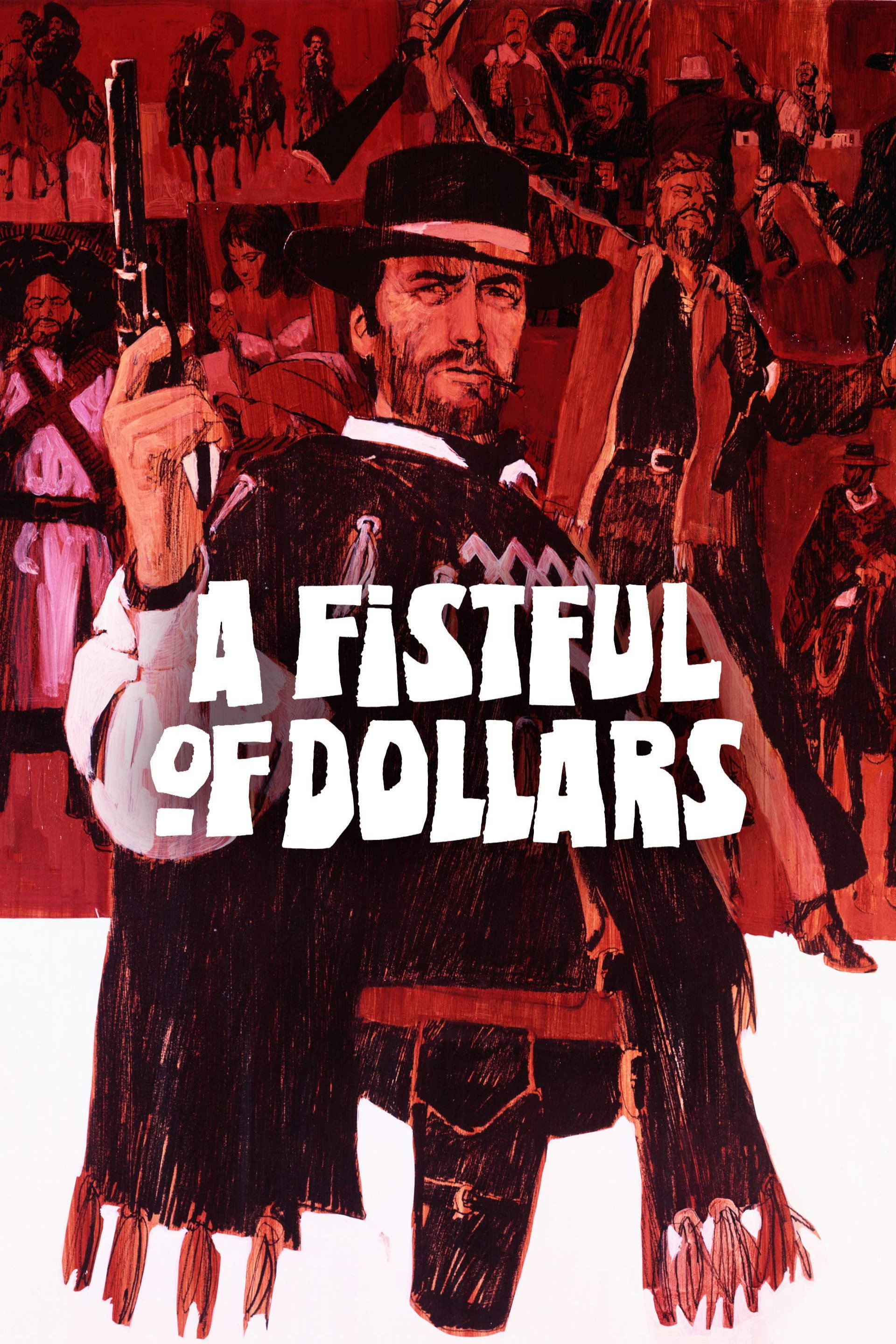
Gore Verbinski’s animated Western drops a pet chameleon into a desert town dying of thirst, and lights it like a Leone. It looks better than any family film has a right to, and it would rather quote old Westerns than get on with its own.
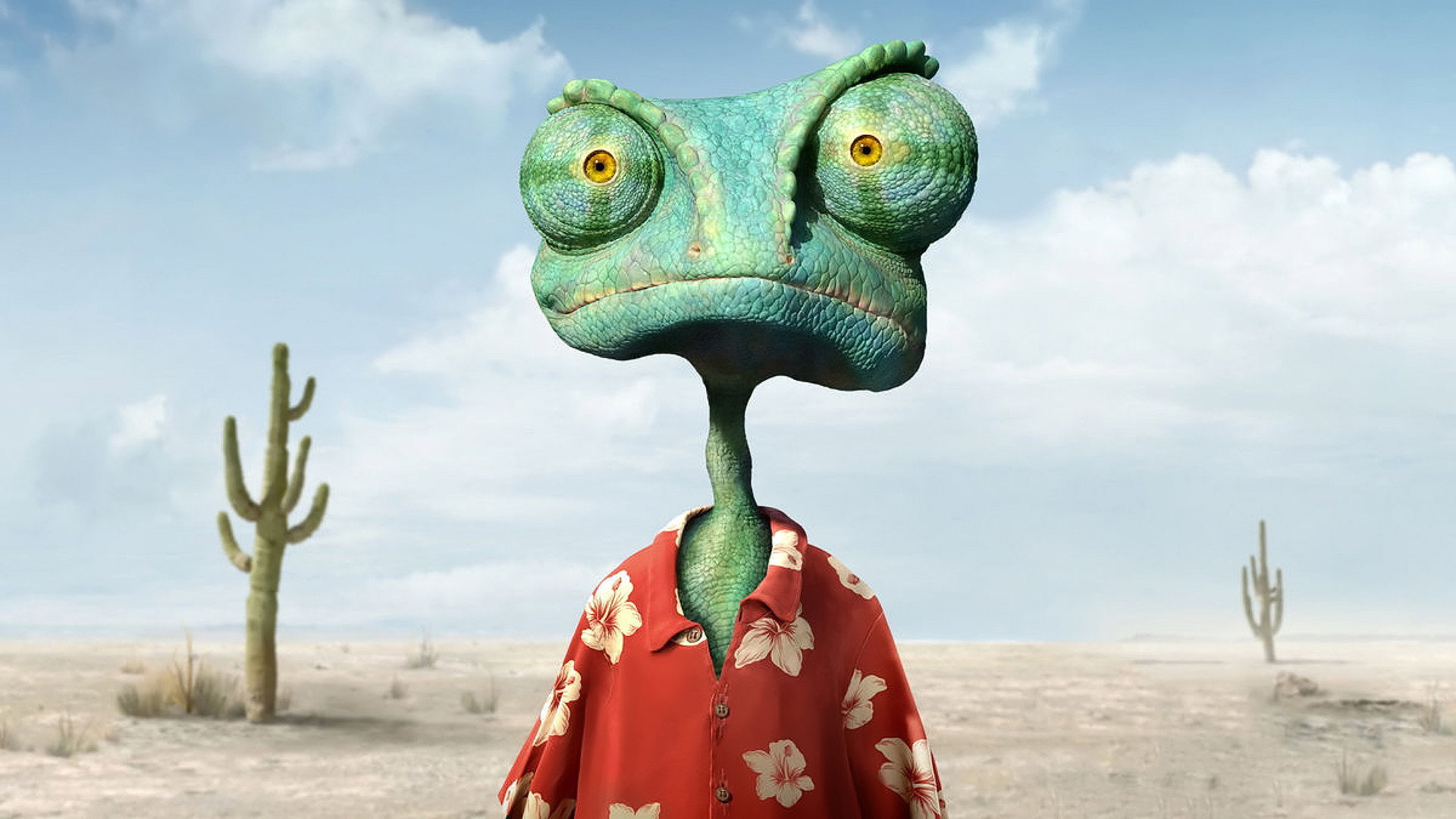
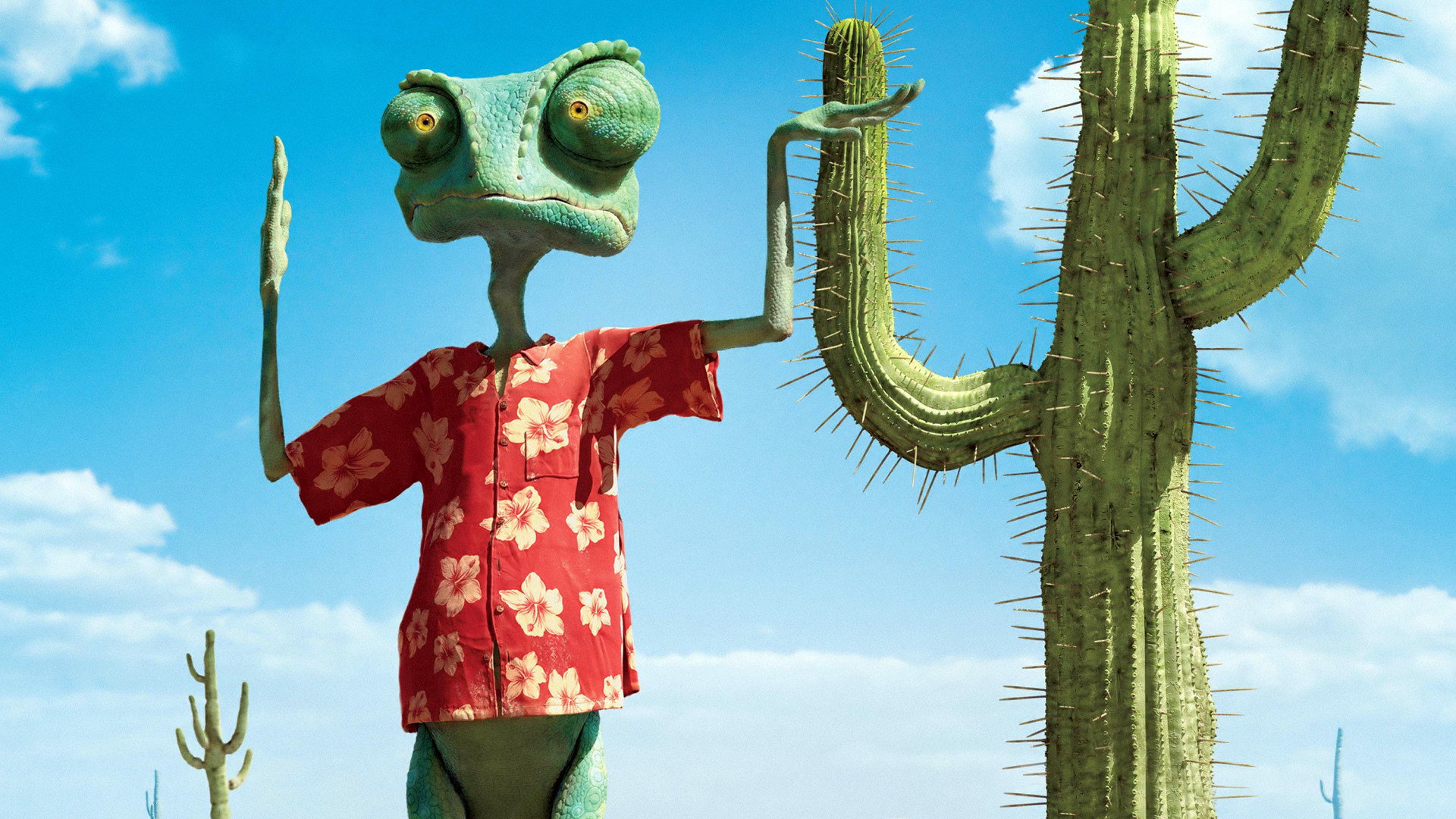
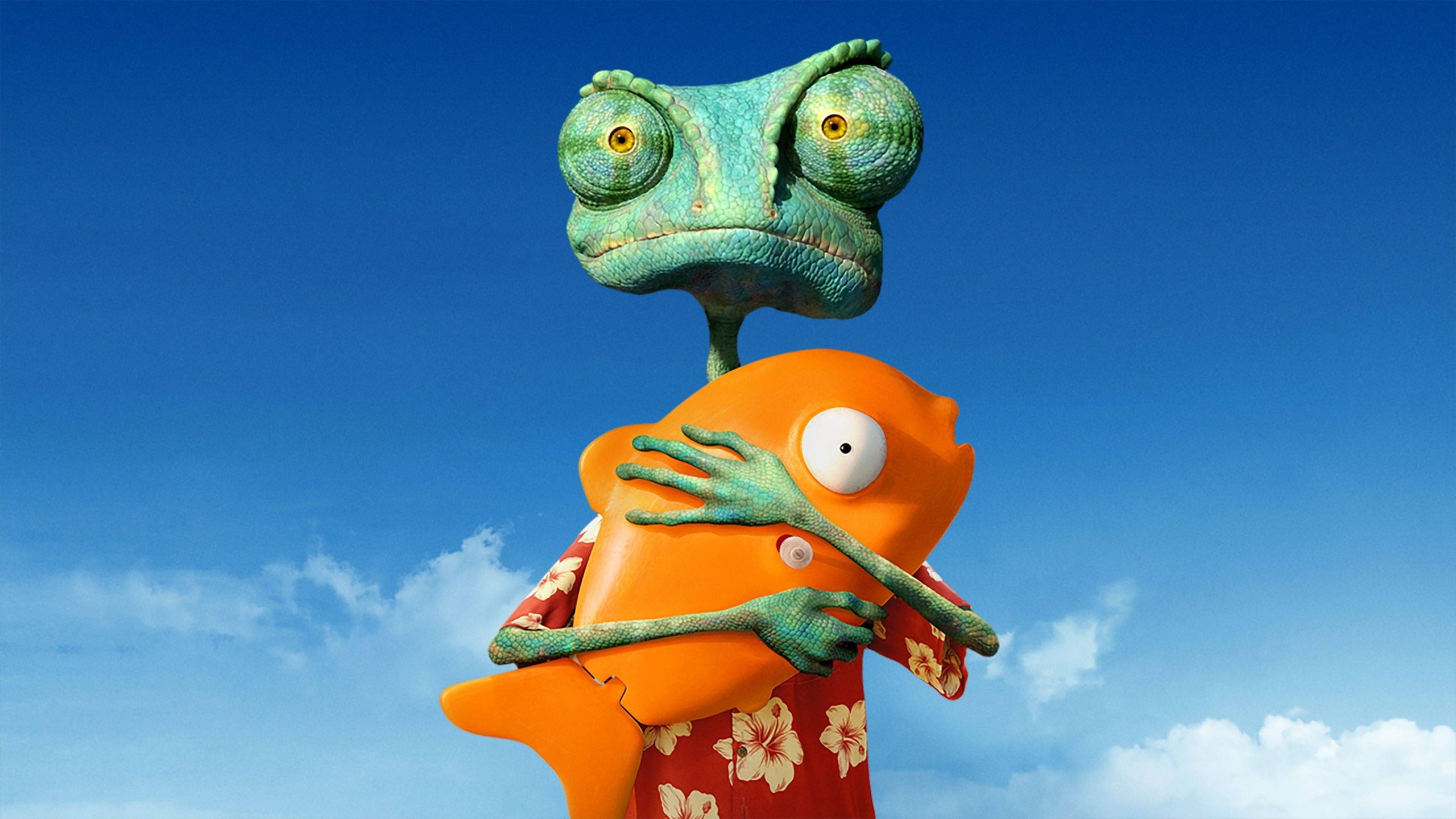
A chameleon in a glass tank is putting on a play, with a plastic palm tree and a headless doll for a cast, and he is stuck on motivation. Then the car swerves, the tank flies out of the window, and he lands on a highway in the Mojave. Gore Verbinski’s Rango is an animated Western about a pet with no name and no character who wanders into a town called Dirt and invents both. It is odd, good-looking and clever, and it cannot stop telling you how clever it is. We liked it and lost patience with it twice.
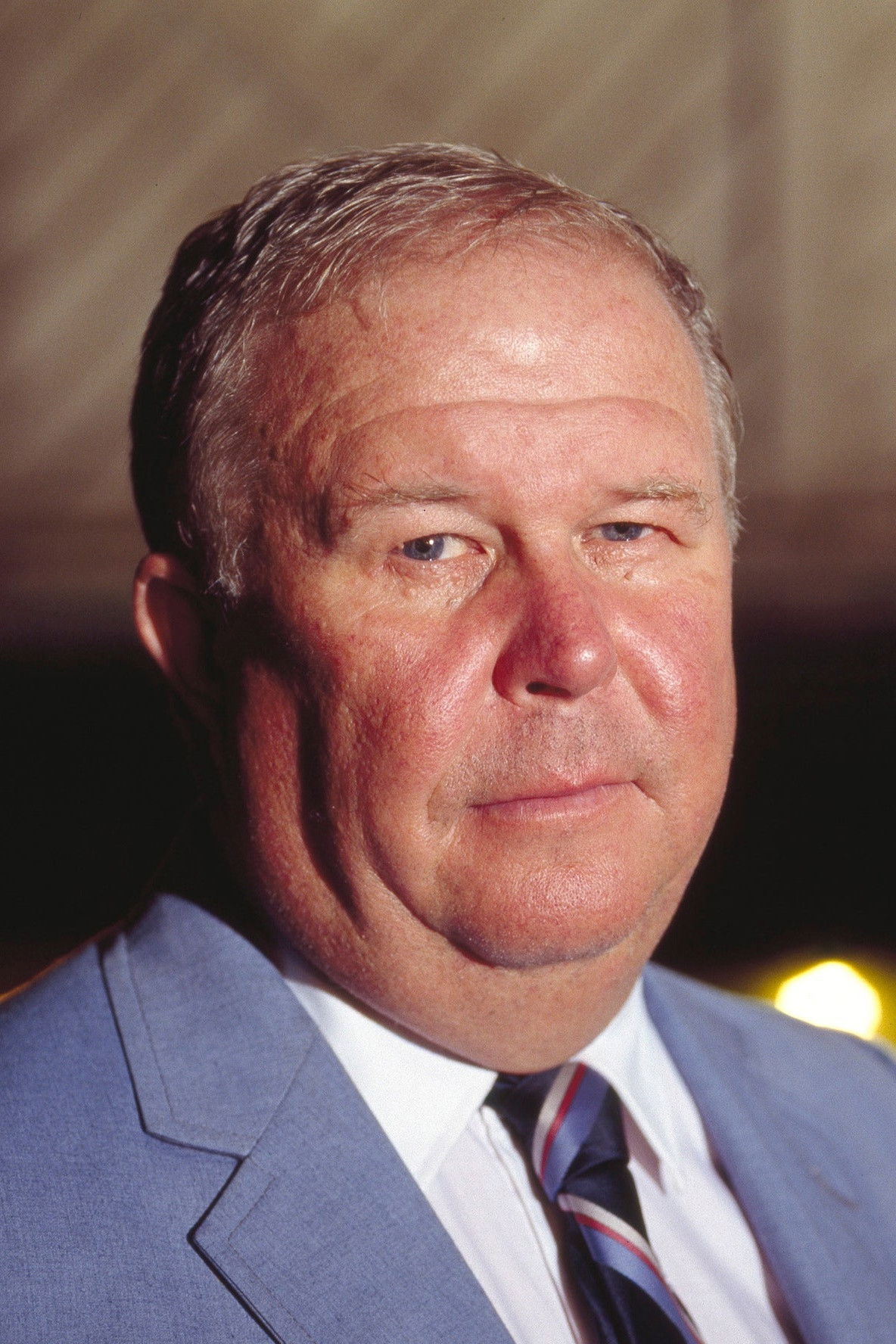
An armadillo called Roadkill (Alfred Molina) points him towards the Spirit of the West. A hawk chases him, and Craig Wood cuts it fast and low, the best action in the film. He meets Beans (Isla Fisher), a rancher’s daughter who freezes mid-sentence, and she takes him into Dirt, a town of thirsty rodents and reptiles where water is currency and the bank keeps the last of it in a bottle. In the saloon he picks the name Rango off a label, tells a tall tale about seven brothers and one bullet, and is made sheriff by the Mayor (Ned Beatty), a tortoise in a wheelchair.
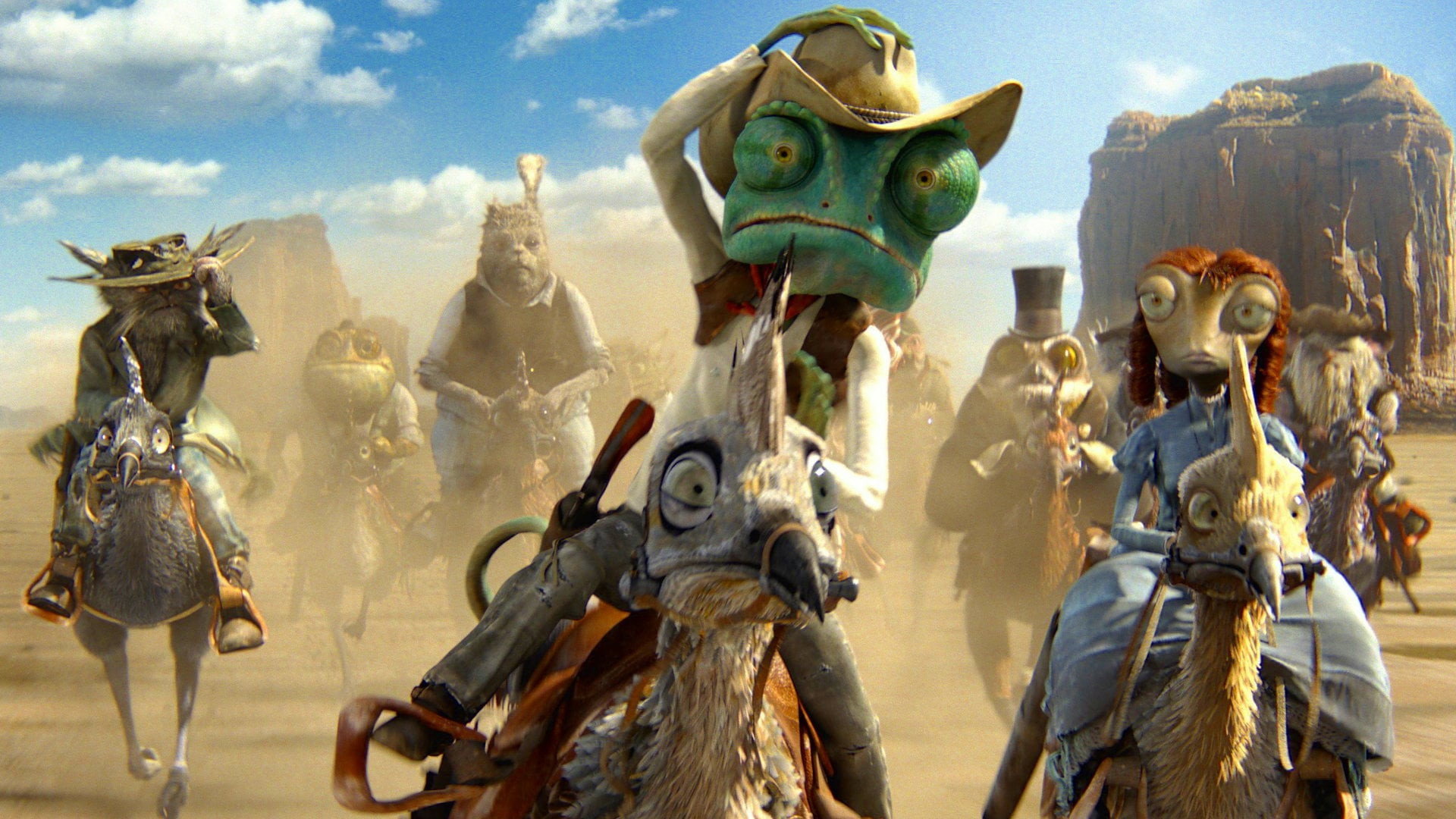
Roger Deakins is credited for cinematography, which is odd on a cartoon, and you can tell what he was there for. The desert is white with heat at noon and the shadows run long and violet at dusk. A night scene on the highway is lit by nothing but passing headlights. Mark ‘Crash’ McCreery’s designs are the other half of it. Nobody in Dirt is cute: the townsfolk are scarred, sun-cracked and moulting, and the camera sits close enough to show the grain of a toad’s skin. We have not seen an animated film this dirty, and we mean that as praise.
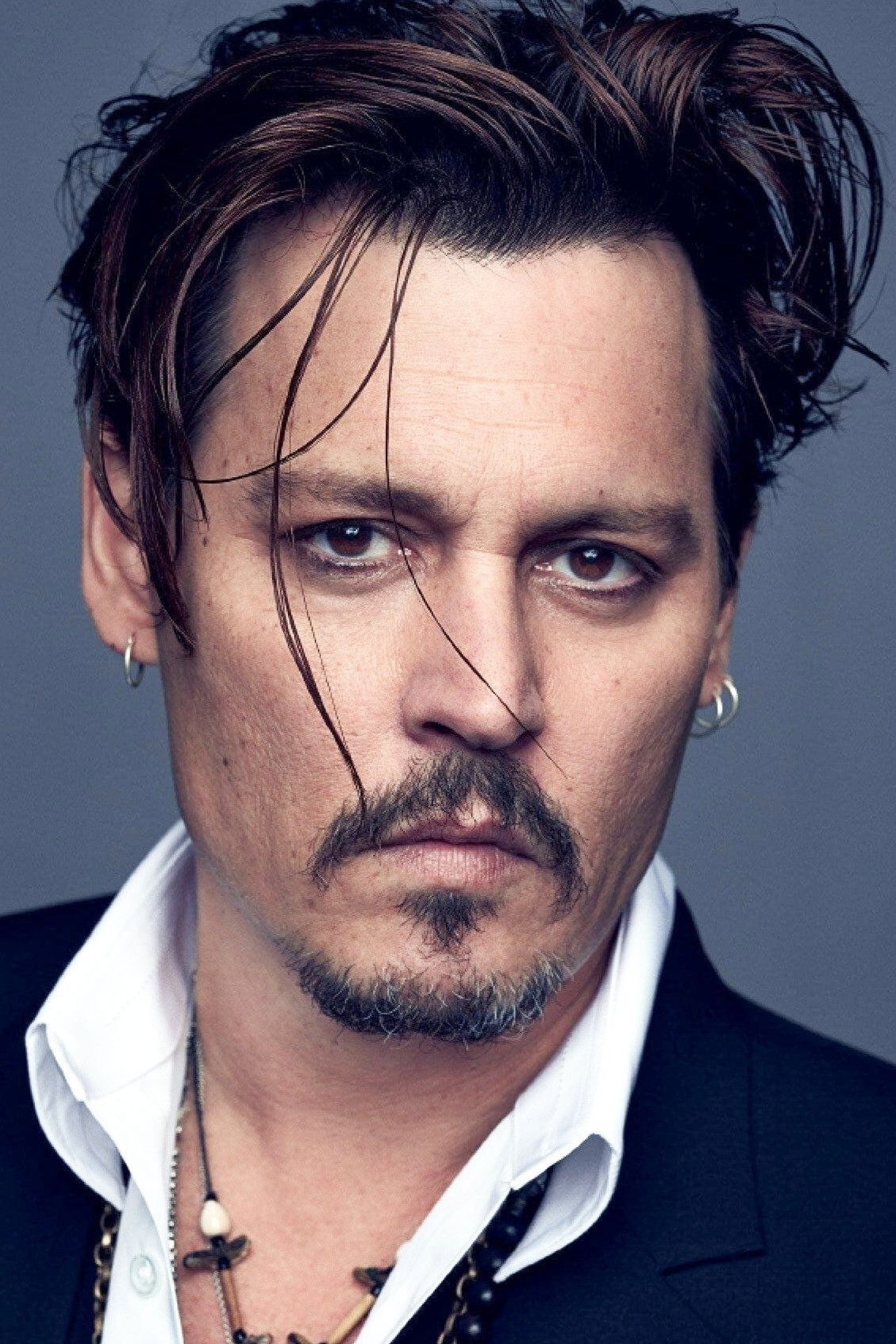
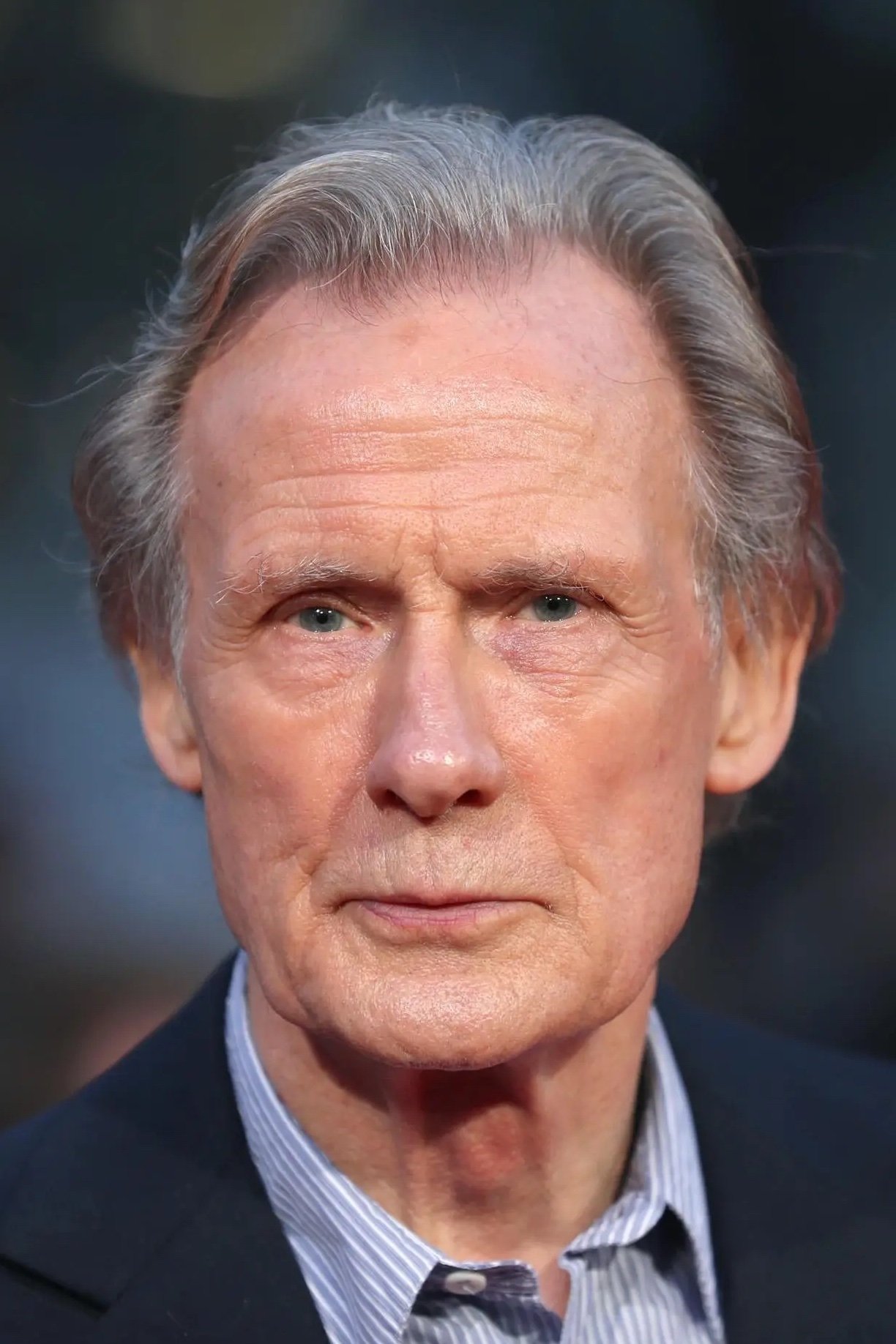
Depp plays Rango as an actor who has finally found an audience, all flourish and no spine, and the joke lands because we have watched him do the flourish for a decade. Fisher gives Beans a temper, and her freezing fits get funnier each time. Bill Nighy, as Rattlesnake Jake, does the voice from the back of the throat and arrives with a Gatling gun for a tail; he is frightening for a PG. Hans Zimmer’s score is twanging guitar and mariachi horns, and a band of owls sings it on screen, predicting the hero’s death. It is the film’s best running joke.
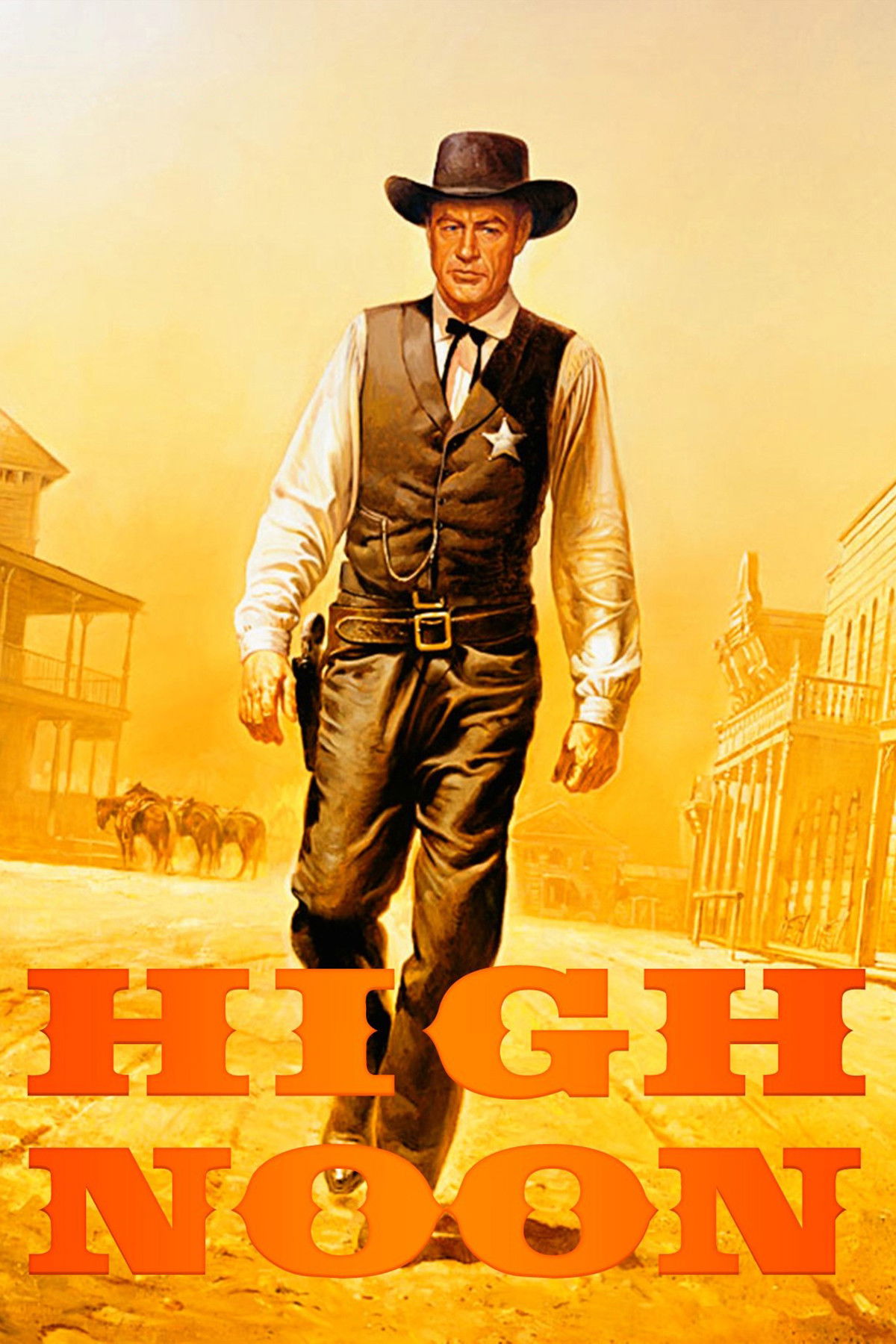
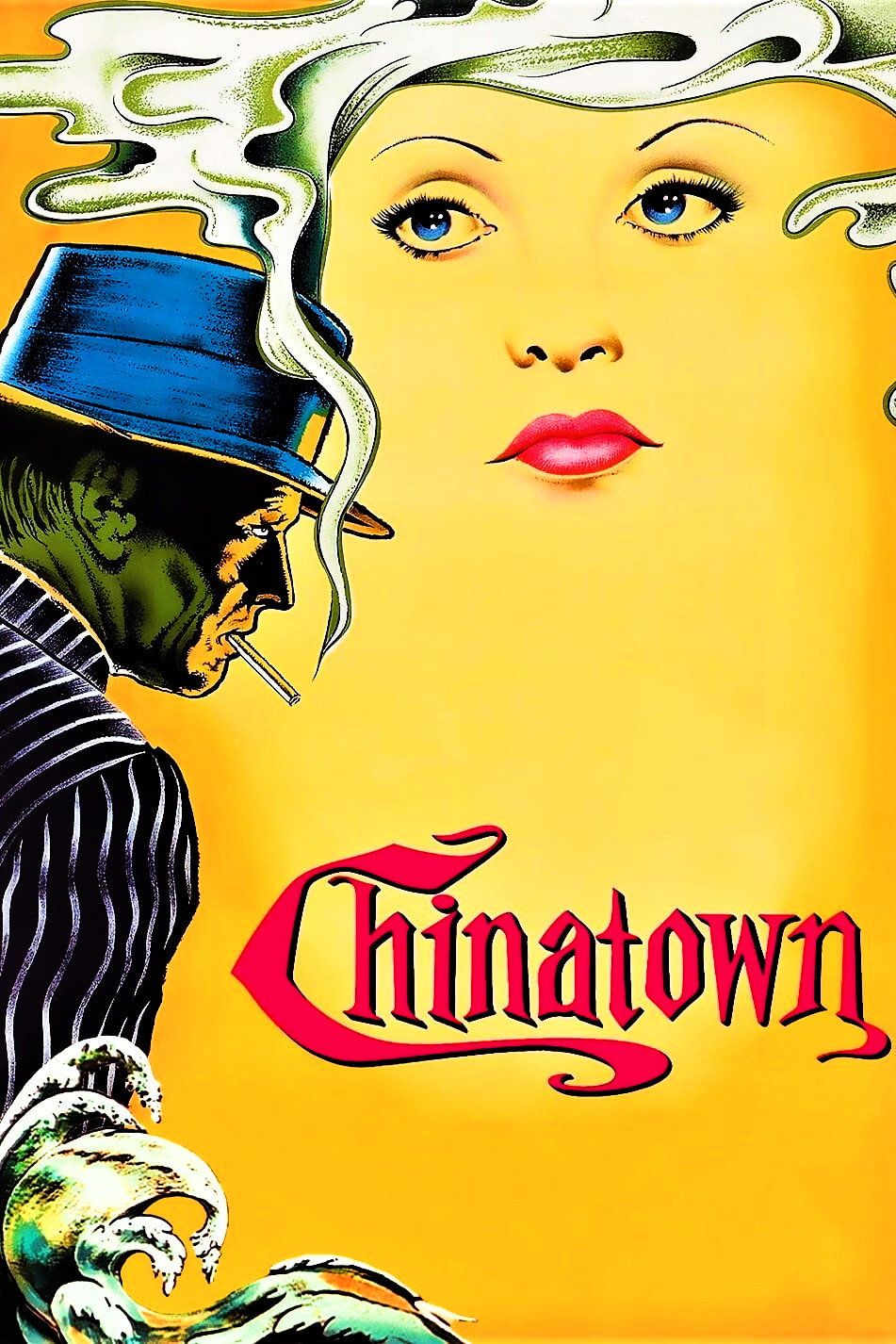
The trouble is the script. John Logan, working from a story with Verbinski and James Ward Byrkit, has built the plot from borrowed parts: a town dying of thirst, a mayor with plans, a sheriff who is a fraud. The bones are from Chinatown and High Noon, and the film winks at both, and at a dozen others, until winking becomes the main activity. Between the hawk and the first real gunfight come saloon speeches and civic meetings, and we were bored, then annoyed at being bored in a film this handsome. The gags for adults are good; the gags for children are mostly people falling over.
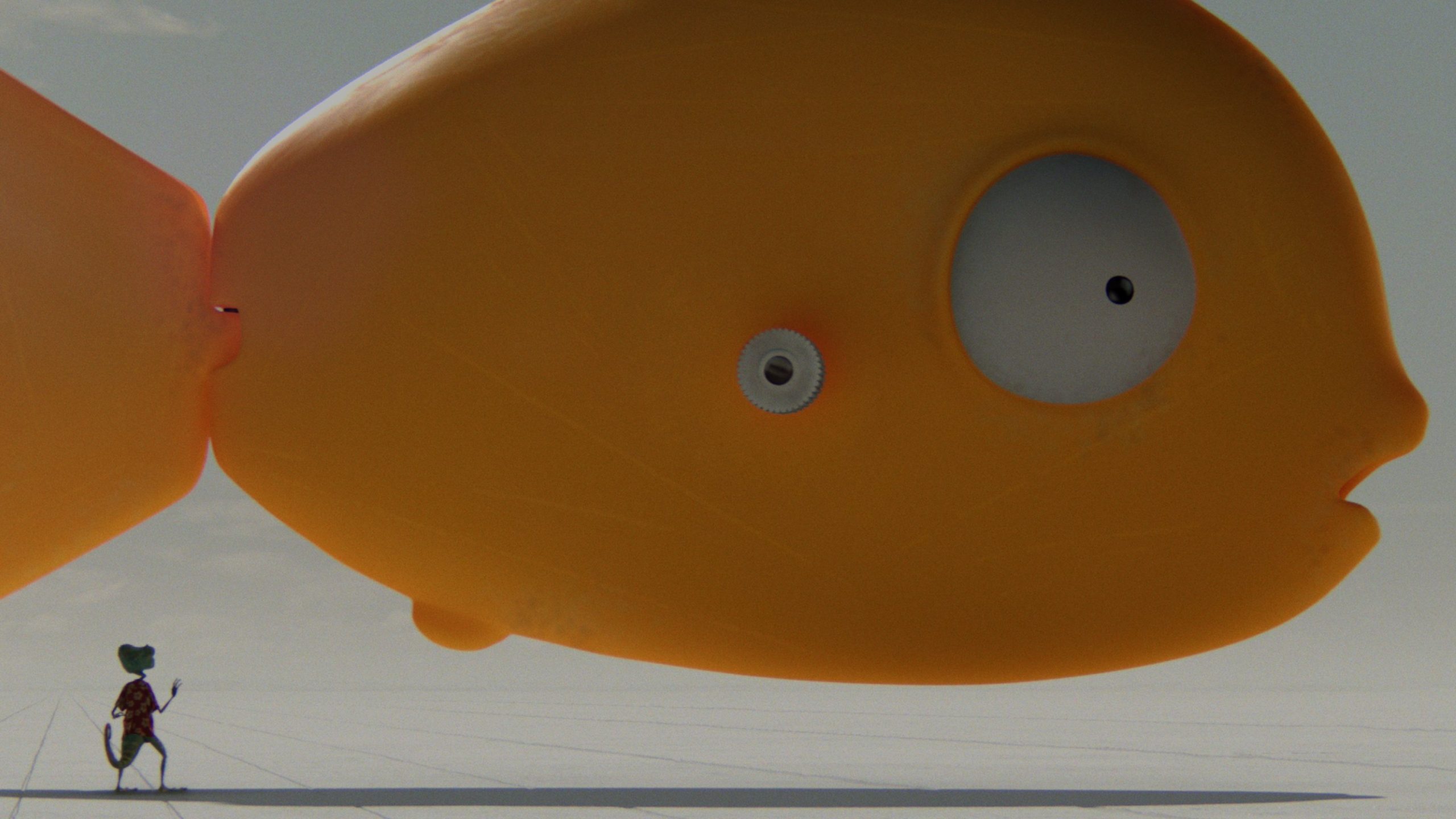
The moment we remember is small and early. The chameleon stands on the tarmac in the dark with his plastic palm tree, watching the lorries go past, and the film holds on him. We felt for him more than we expected to, and it was the light and the drawing that did it, not a line of dialogue. When the film trusts pictures over patter, as it does here and in a canyon chase with bats and a wagon, it is as good as most critics have said.
Against Verbinski’s record this is the strangest thing he has made, and the one that looks most as though it came from a person rather than a committee, which is more than can be said for the later Pirates of the Caribbean films. At 107 minutes it is not long; it only feels it in the middle. Take a child who likes Westerns, if you can find one, and watch their face during the owls.