Sam Mendes’ gangster drama earns its solemnity through Tom Hanks and Paul Newman, though the father-son story sometimes needs more warmth. The performances and Conrad Hall’s rain-soaked images make it worth the patience.
Sam Mendes approaches Road to Perdition as a gangster film in which fatherhood is the serious business. Michael Sullivan, played by Tom Hanks, is a hired killer on the run with his son, and the danger of violence passing from one generation to the next matters as much as any criminal dispute. It is a good, deliberately paced crime drama, with enough feeling in its performances to justify the solemnity, though only just in places. Mendes gives the family ties time to register, but his insistence on treating almost everything gravely can make the film feel unnecessarily remote.
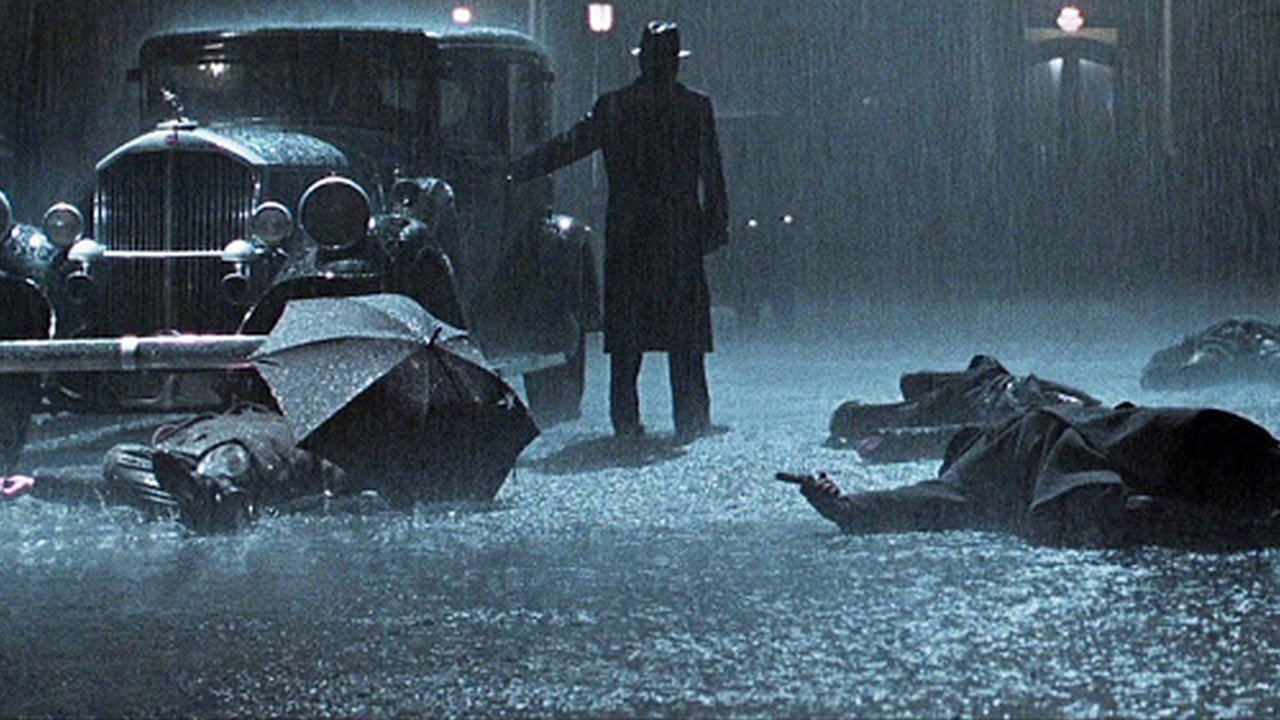
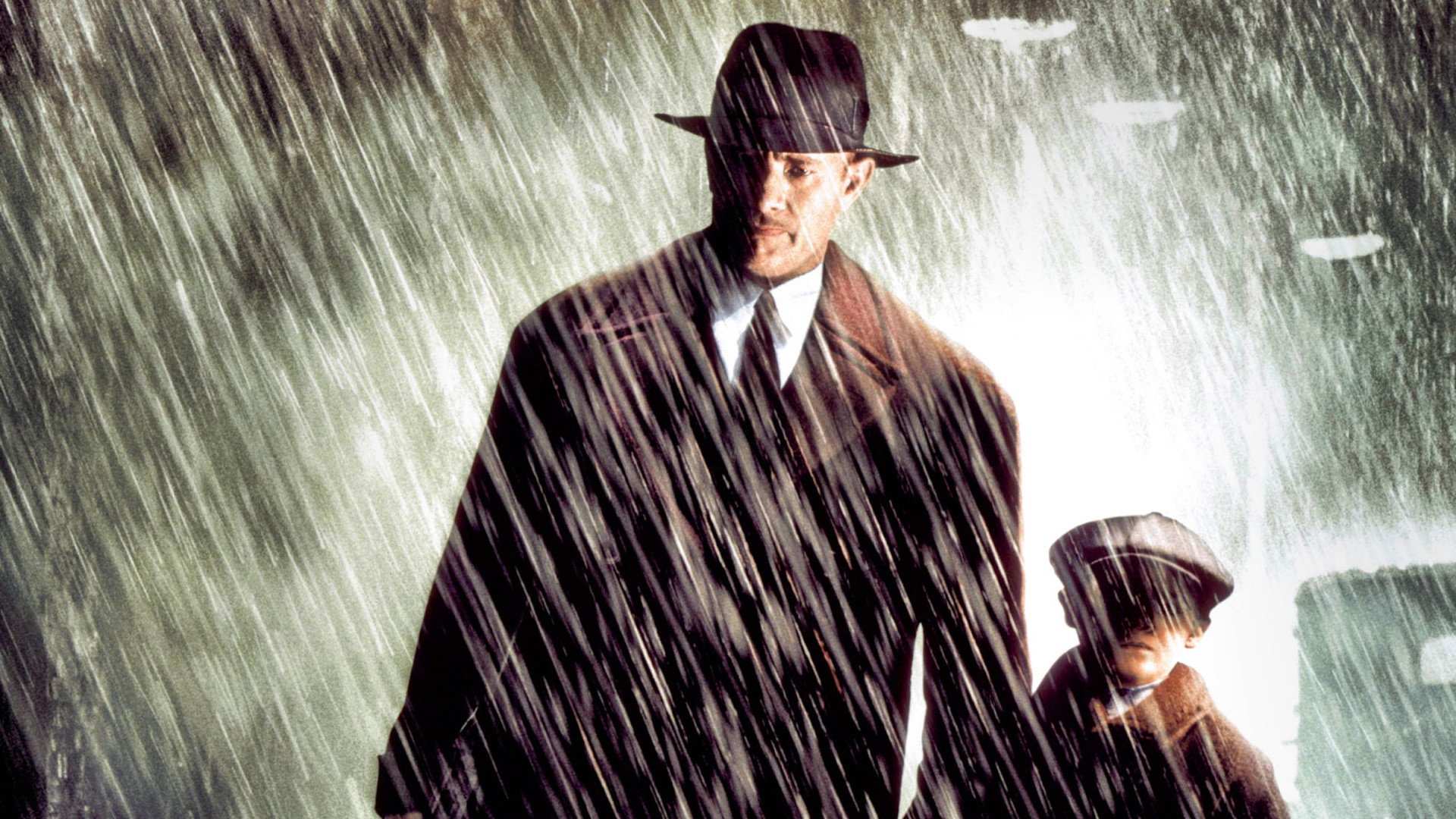
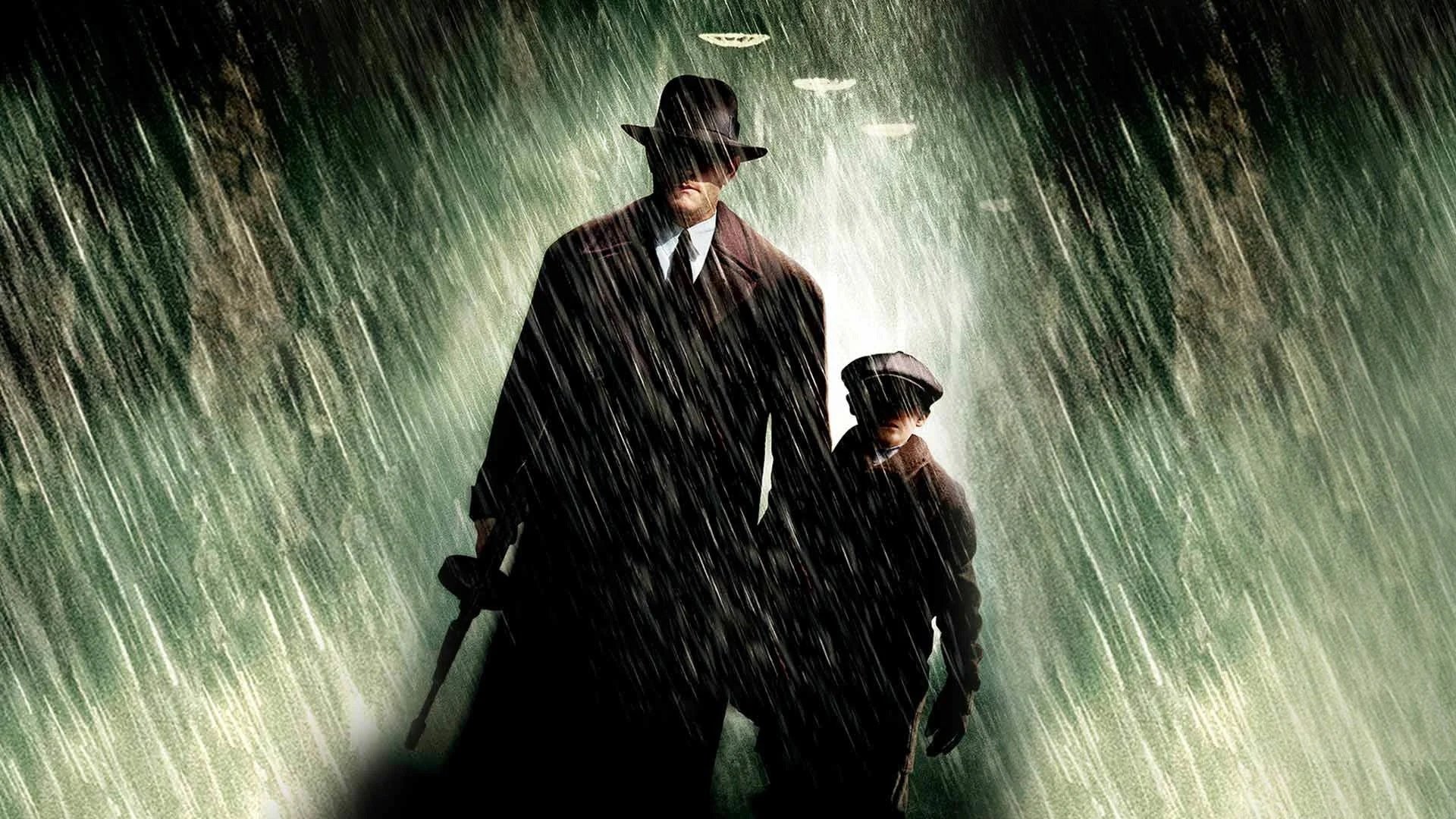
Conrad Hall’s cinematography gives that gravity a convincing setting: rain, wintry landscapes and a muted palette that make the criminal life seem cold and uninviting. The compositions are precise enough to hold our attention without anyone speaking. Dennis Gassner’s period production design is equally persuasive, giving the 1930s setting a solidity that the family drama does not always match. There is a danger that we spend too long inspecting these images, but they establish how unwelcoming this life must be for a child.
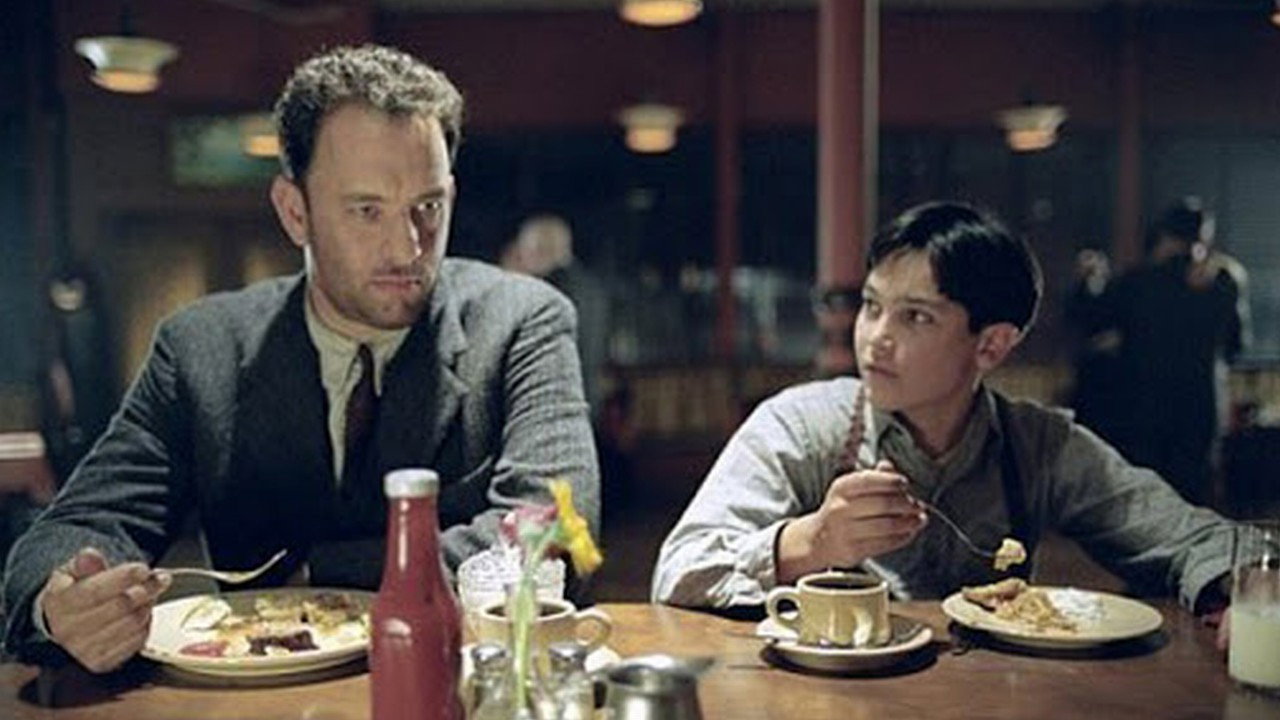
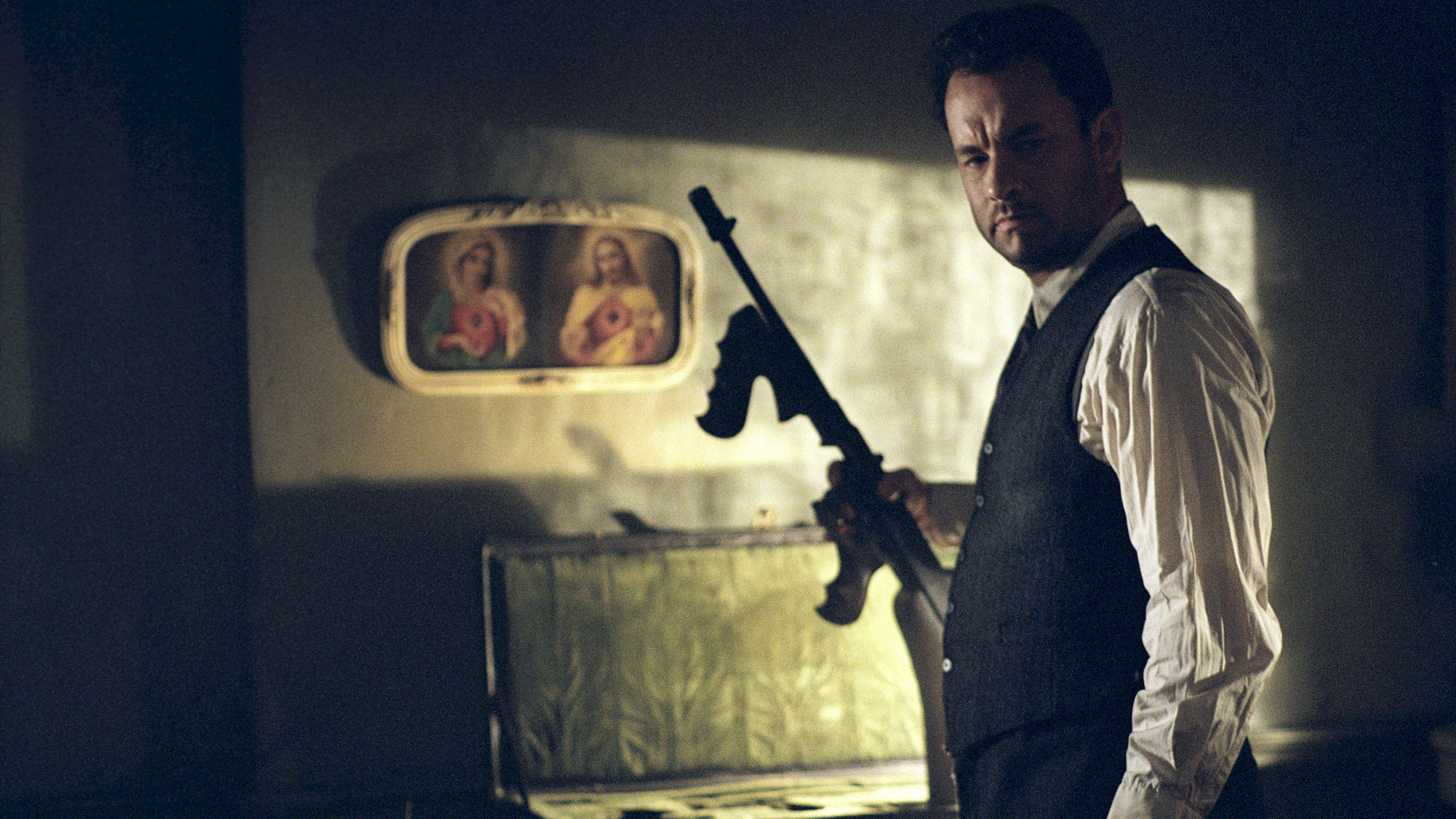
Hanks is the strongest reason to stay with it. His Sullivan is so repressed that even the performance’s quietness feels threatening; we cannot settle comfortably in his company. We found him unsettling because his restraint keeps the hired killer present even when the father has our sympathy. Tyler Hoechlin plays Michael Jr, and their shared scenes work best when we are allowed to feel the difficulty of their relationship without Mendes pressing its importance upon us.
Paul Newman gives John Rooney the weight the part requires without making every moment feel laboured. As the mob boss, he suggests authority without needing an elaborate display of it, and his performance helps the family concerns belong inside the gangster story. Jude Law’s Harlen Maguire is less comfortably fitted to that story. His performance offers a welcome change of pace, although the character can feel like an interruption when we want to get back to Sullivan.
Jill Bilcock’s editing allows the drama to proceed at a measured pace, giving the performances time to hold our attention. That patience is largely welcome, although it also leaves the thinner writing exposed. Thomas Newman’s score suits the film’s mournful mood, but its emotional insistence adds to the sense that we are being asked to respond on command. When Hanks and Paul Newman have already conveyed how much a relationship matters, Mendes could afford to let their performances carry the scene.
The main reservation is how little everyday life gets through. David Self’s screenplay gives the fathers and sons serious troubles, but not always enough ordinary feeling to make them seem like people who exist between those troubles. Against the gangster genre’s appetite for talk, friction and bad behaviour, Mendes’ careful handling can feel restrictive. The violence is so attractively presented that we sometimes notice the arrangement before its cruelty, and that weakens a film concerned with what a father’s work might do to his child.
At 117 minutes, it gives these guarded men enough time without exhausting our interest in them. We would recommend it to anyone with patience for a crime film that rarely hurries. Just do not expect much relief from the company.