Film review

Se7en

1995 · Directed by David Fincher · 2h 07m · MPA R

In a sentenceThe murders are appalling; having Morgan Freeman explain them somehow makes it worse

CrimeMysteryThriller

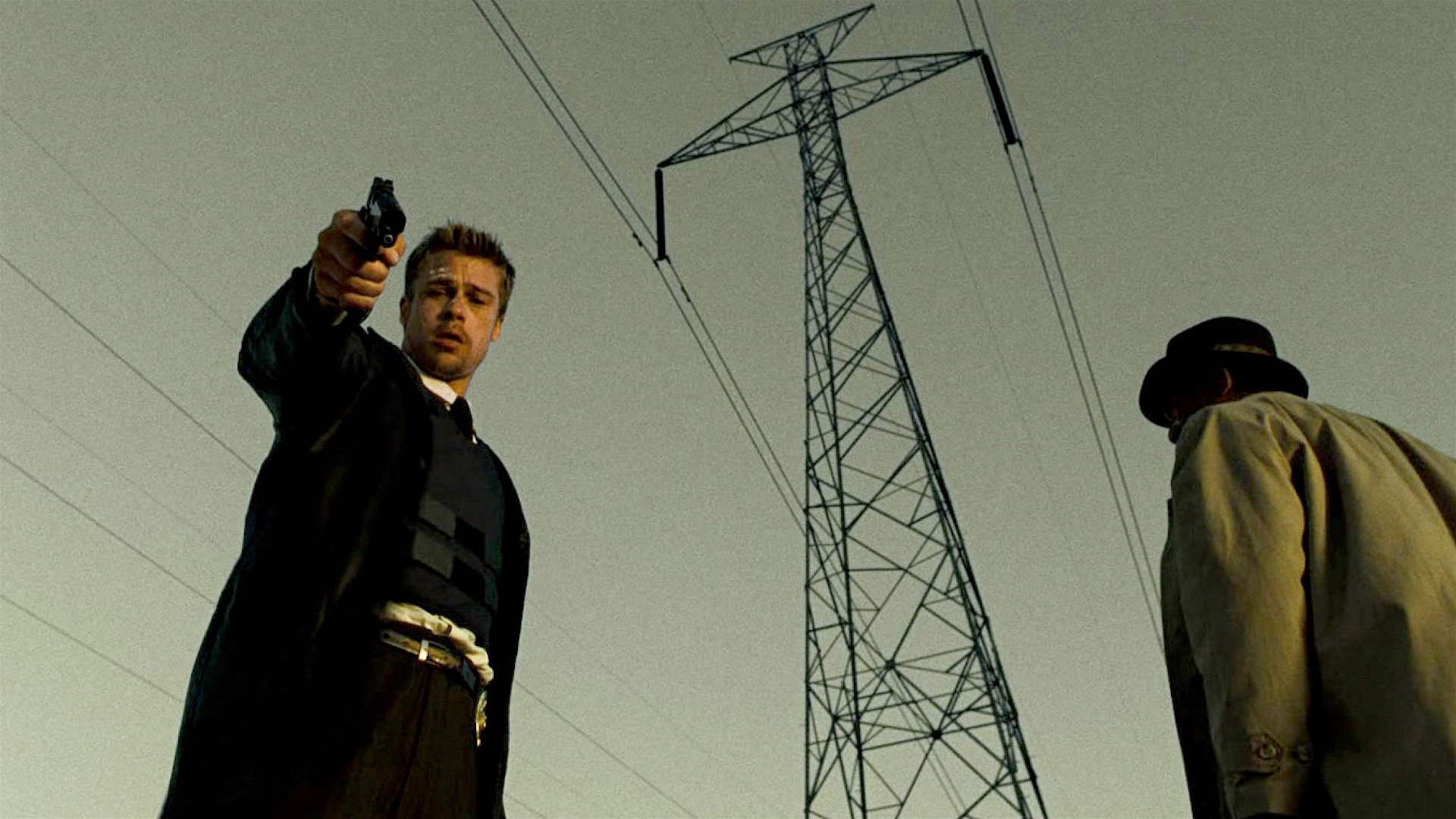
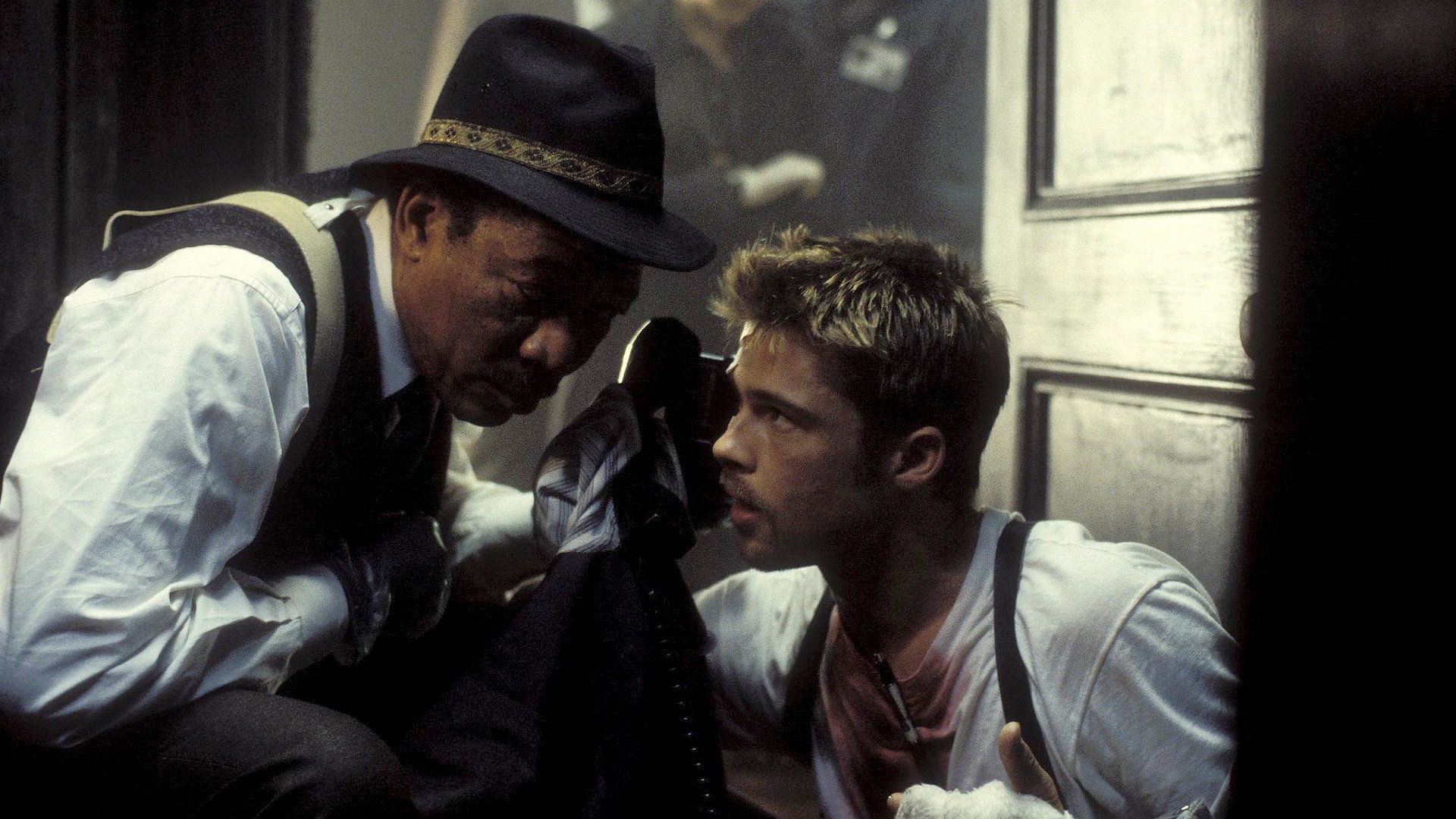
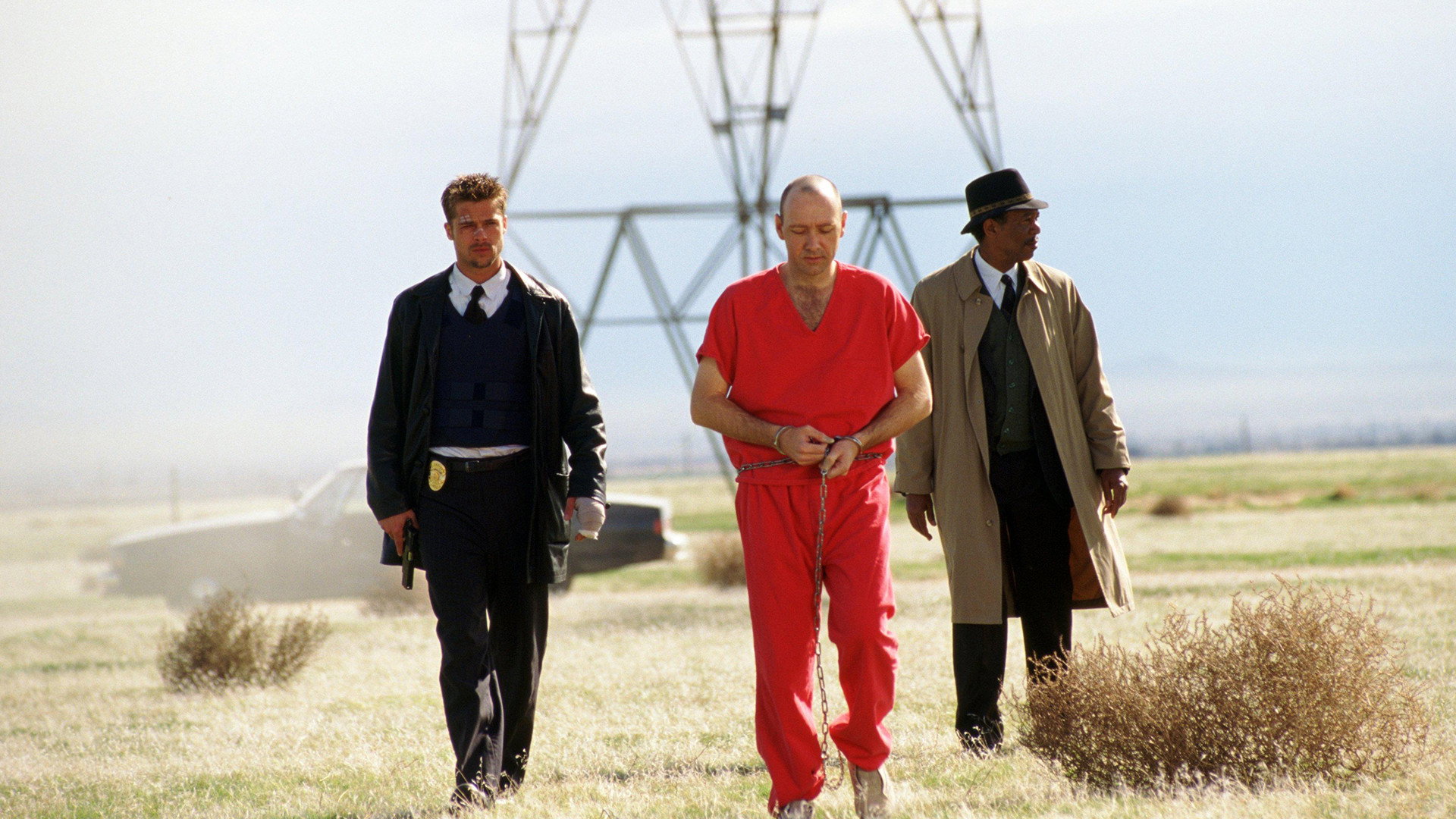
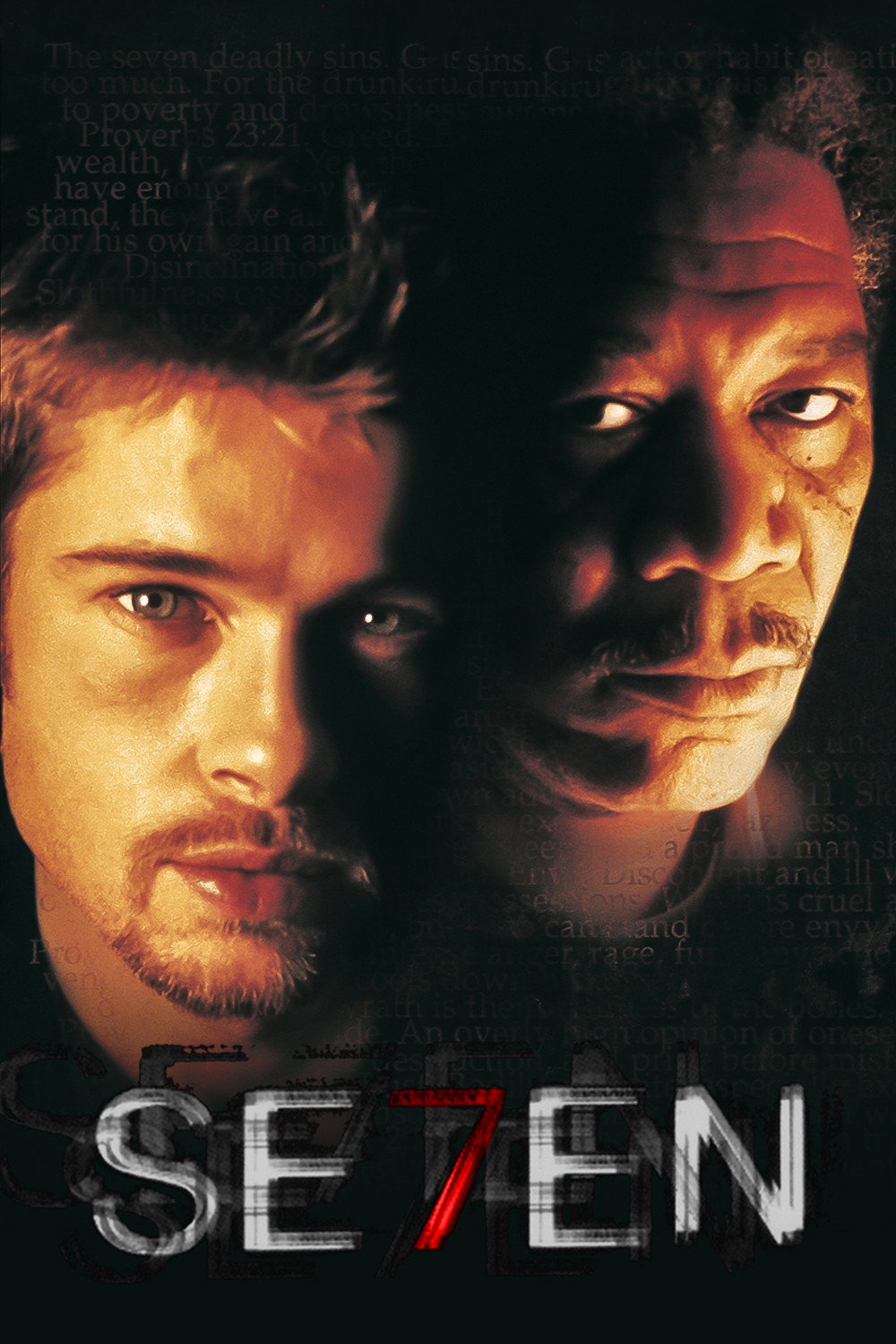
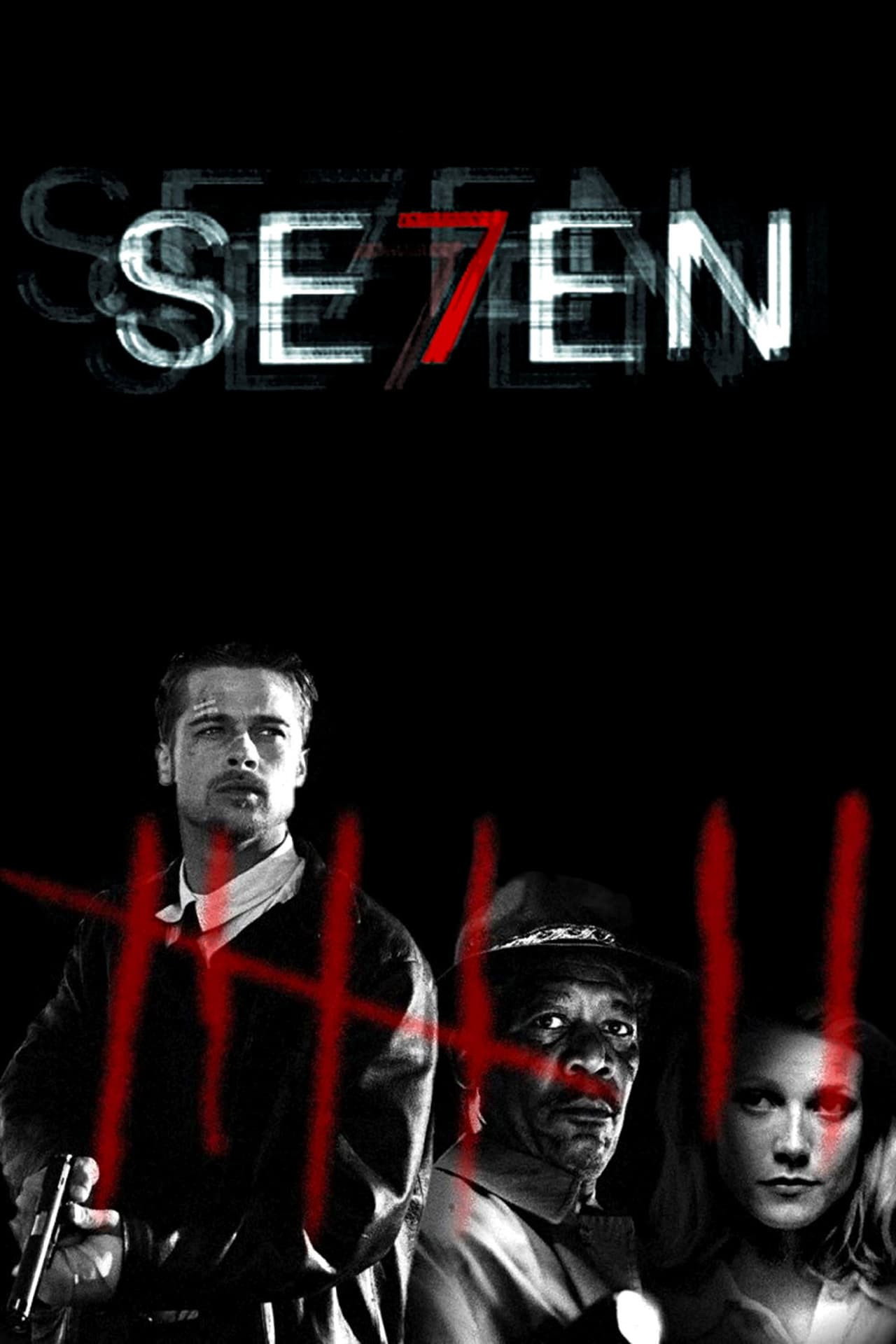
Morgan Freeman and Brad Pitt play Somerset and Mills, two mismatched detectives investigating a series of murders built around the seven deadly sins. Their search takes them through a decaying city, where the evidence at each crime scene points towards a killer who treats murder as moral instruction. The detectives have to work out the pattern while dealing with the physical consequences of each crime and their own differences. David Fincher directs Andrew Kevin Walker’s screenplay, with Gwyneth Paltrow as Tracy and R. Lee Ermey as the police captain.

Plays from YouTube when you press play; nothing loads from them until then.

Fi1m review

David Fincher makes a familiar detective story frightening through careful editing, oppressive darkness and Morgan Freeman’s watchful performance. Se7en is a superb thriller, though its insistence that everything is rotten sometimes tells us less than it thinks.

The outline of Se7en is familiar enough: mismatched detectives, a serial murderer and a pattern waiting to be recognised. David Fincher makes an exceptionally frightening thriller from it, and we recommend it with a firm warning about its cruelty. Andrew Kevin Walker’s screenplay organises the murders around the seven deadly sins, a scheme that might easily turn suffering into a sequence of ingenious clues. Fincher keeps making us attend to the damage instead. The investigation proceeds through the examination and discussion of what the killer has left behind.

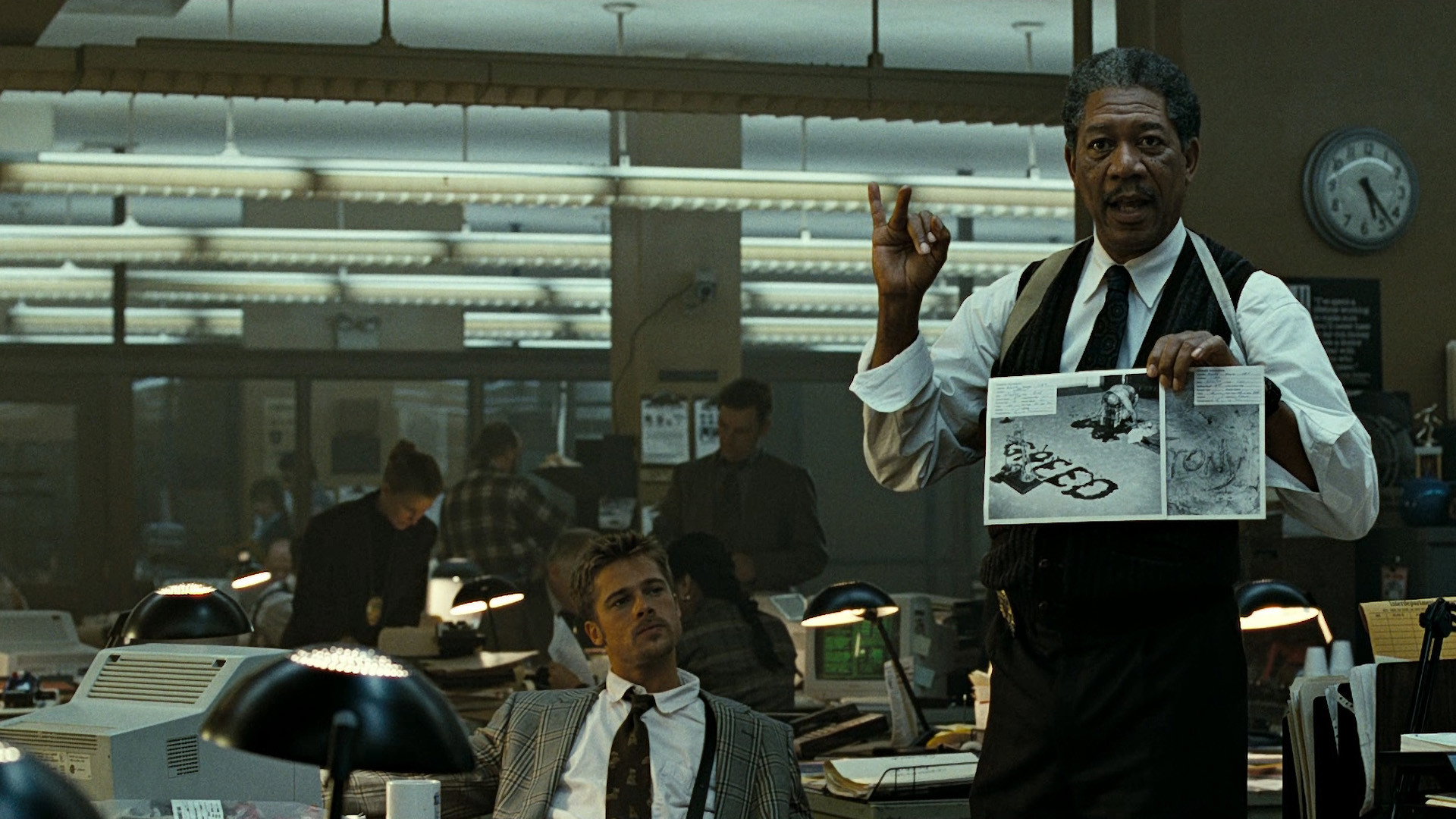
We were horrified by how much the crime-scene glimpses made us imagine. A brief look, followed by a spoken account of what happened, can be harder to put aside than a prolonged view of violence; the explanation gives us time to understand the suffering. Fincher uses that delay with a care that does not make the experience any kinder. The acts themselves are largely withheld, and the film spends its time with people trying to comprehend their results.

Darius Khondji’s cinematography makes the darkness useful: looking into the frame becomes an uncomfortable effort, because a clear view offers little reassurance. Production designer Arthur Max gives that darkness a decaying city to work on, with scarcely any suggestion of comfort. The surroundings make the investigation feel exhausting before either detective has said much. It is an oppressive way to stage a police story, and the shadowed spaces keep the murders from feeling like isolated intrusions into an otherwise healthy place.

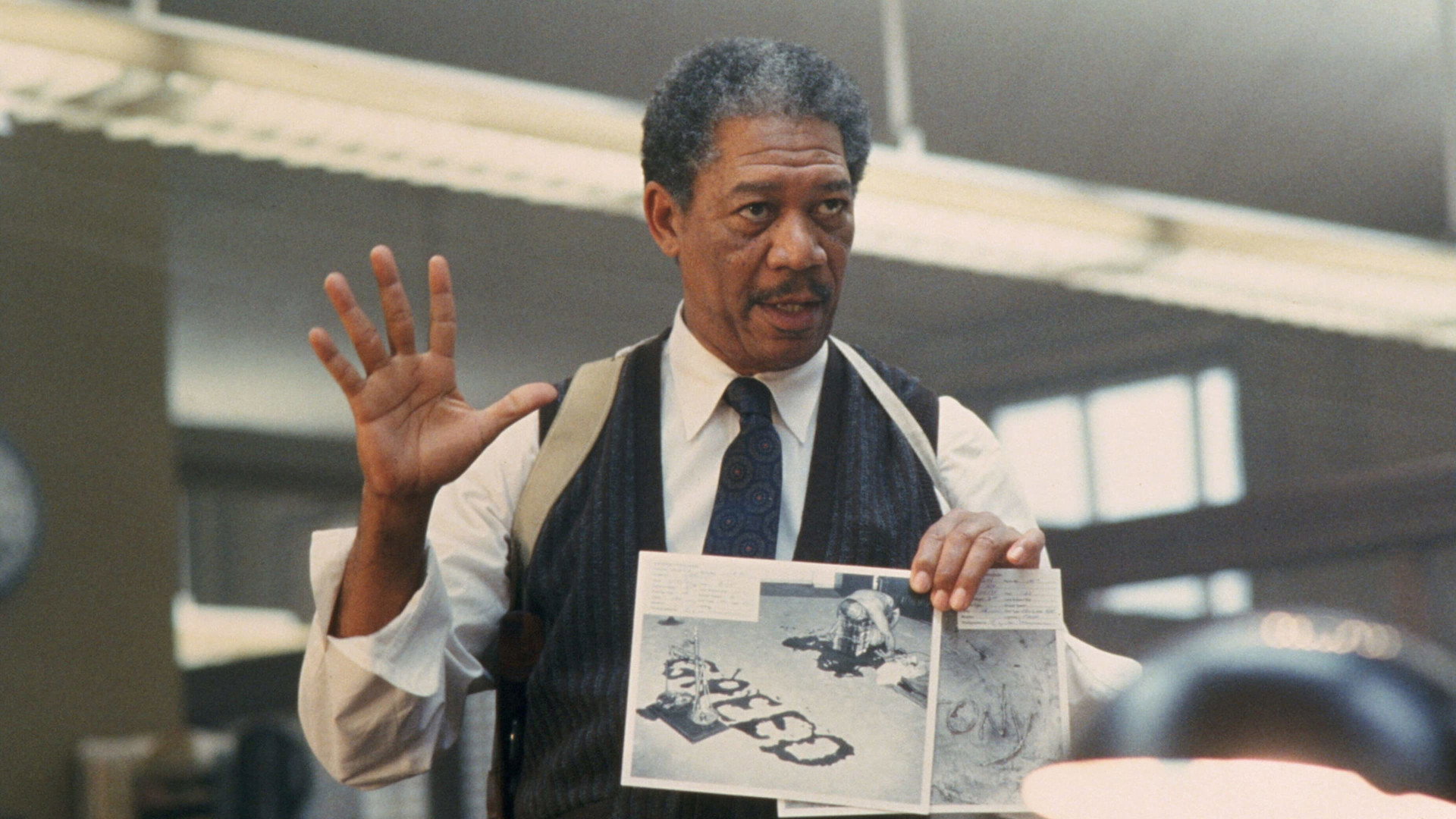
Morgan Freeman gives Somerset the patience needed to hold our attention inside all this ugliness. He makes the business of listening and thinking absorbing, and his measured delivery allows the horror to register without competing with it. Brad Pitt’s Mills supplies the friction, playing against Freeman’s composure with an impatience that can feel too emphatic. The difference is useful, even when we can see Walker arranging it. Their scenes together give us a reason to keep following the investigation.

Richard Francis-Bruce’s editing deserves much of the credit for keeping the violence so disturbing. The short glimpses are given enough room to register, while the discussion around them prevents the case from becoming a brisk procession of grisly exhibits. Howard Shore’s music helps sustain the unease, although we remember the images and Freeman’s voice more clearly than the score. Across 127 minutes, Fincher maintains an unusual degree of pressure without needing to show the mechanics of every attack.

The weakness is Walker’s insistence on finding corruption almost everywhere, until the city can seem constructed solely to support the killer’s view of it. There is intelligence in the sins motif, but less insight in the repeated suggestion that human beings are appalling. We began to resist being pressed so hard towards despair. Freeman’s performance gives the film some necessary doubt about that judgement, though it cannot always disguise how tightly the screenplay has arranged its people.

We value a serial-killer thriller that makes us reluctant to enjoy the neatness of its puzzle. The 18 certificate is worth taking seriously even when the violence stays outside the frame. Choose it when both people on the sofa want to be frightened; this is a poor film to spring on someone hoping to unwind.
Critical consensus AI synthesised

86
Positive
6
Mixed
0
Negative
0

The reviews are uniformly positive about Se7en, with praise clustering around David Fincher’s direction, the oppressive urban atmosphere and Morgan Freeman’s performance. Most critics find the thriller disturbing because of its control: violence is often suggested through glimpses and discussion rather than shown directly. The decaying surroundings and carefully sustained unease make familiar serial-killer material feel more troubling. Freeman draws particular admiration for bringing intelligence and nuance to the grim investigation.

The differences concern how much the film’s style achieves, and whether its conclusion earns its impact. Empire regards the ending as a major strength, while RogerEbert.com finds it too easy for the film that precedes it. The Guardian offers the most qualified response, praising the performances and tension but finding more style than substance. The spread runs from measured approval to strong enthusiasm; even the reservations leave the film’s craft largely unchallenged.

Radio Times
★★★★★ · Alan Jones
100

Fincher's postmodern crime thriller is a grim and disturbing tale of a serial killer atoning for the seven deadly sins through gruesome murders. The critic singles out the director's extraordinary style, narrative daring and use of suggestion over explicit violence to build an atmosphere of urban nightmare and a shattering climax.

Read the full review →
Empire
5 January 1996 · Mark Salisbury
90*

The critic describes the film as a mind fuck and psychological trip through hell, extraordinarily dark, bleak, intense and scary, creating an overwhelming sense of unease in a grim, decaying world. They single out the most downbeat ending imaginable as a piece of cinematic genius that leaves the viewer reeling.

Read the full review →
RogerEbert.com
22 September 1995 · ★★★½/4 · Roger Ebert
88

The critic calls it a dark, grisly, horrifying and intelligent thriller that showcases filmmaking of a high order through its evocative atmosphere and style. He singles out Morgan Freeman’s wise, poetic performance for praise but complains that the ending is too easy and not worthy of what precedes it.

Read the full review →
Variety
25 September 1995 · Todd McCarthy
85*

The review describes the film as dark, grim and terrific, an intensely claustrophobic thriller that goes beyond usual genre fare thanks to its fine script, striking craftsmanship and masterful performance by Morgan Freeman. It notes the relentless bleakness could limit mainstream appeal but highlights the stylized visuals and Freeman’s nuanced lead turn as standout elements.

Read the full review →
Time Out
16 January 2012 · GA
80*

The film is an exceptionally nasty thriller that blends genres to grim and gripping effect despite familiar serial killer and mismatched cops tropes. Fincher handles the violence with sensitivity, using spoken analyses and brief glimpses rather than showing the acts themselves, while the shadowy decaying world creates a vivid dramatic metaphor.

Read the full review →
The Guardian
4 January 1996 · Derek Malcolm
70*

The critic finds the film a contemporary noir with strong performances from Pitt and Freeman, and clever use of the seven deadly sins motif, praising its tension and originality while noting it has more style than substance and leaves a bitter aftertaste. He highlights Morgan Freeman's performance as particularly strong.

Read the full review →

Cast

Awards

Academy Awards, 1996

Nominated
Best Film Editing

MTV Movie Award for Best Villain, 1996

Won
MTV Movie Award for Best Villain

If you liked this, try…