Paul Verhoeven’s backstage drama has committed performers and a clear appetite for vulgarity. The spectacle holds the eye, but thin characters and repetitive sexual display make its 131 minutes a wearying watch.
Paul Verhoeven’s Showgirls wants to make the selling of women as entertainment look both enticing and repellent, and it has some success with the latter. It is a poor drama, too thinly written to make its relentless display worth 131 minutes. There is skill in the staging and an obstinate commitment to vulgarity that at least rules out timidity. But the film keeps returning to sex as a transaction without finding much more to say about the people doing the buying and selling.
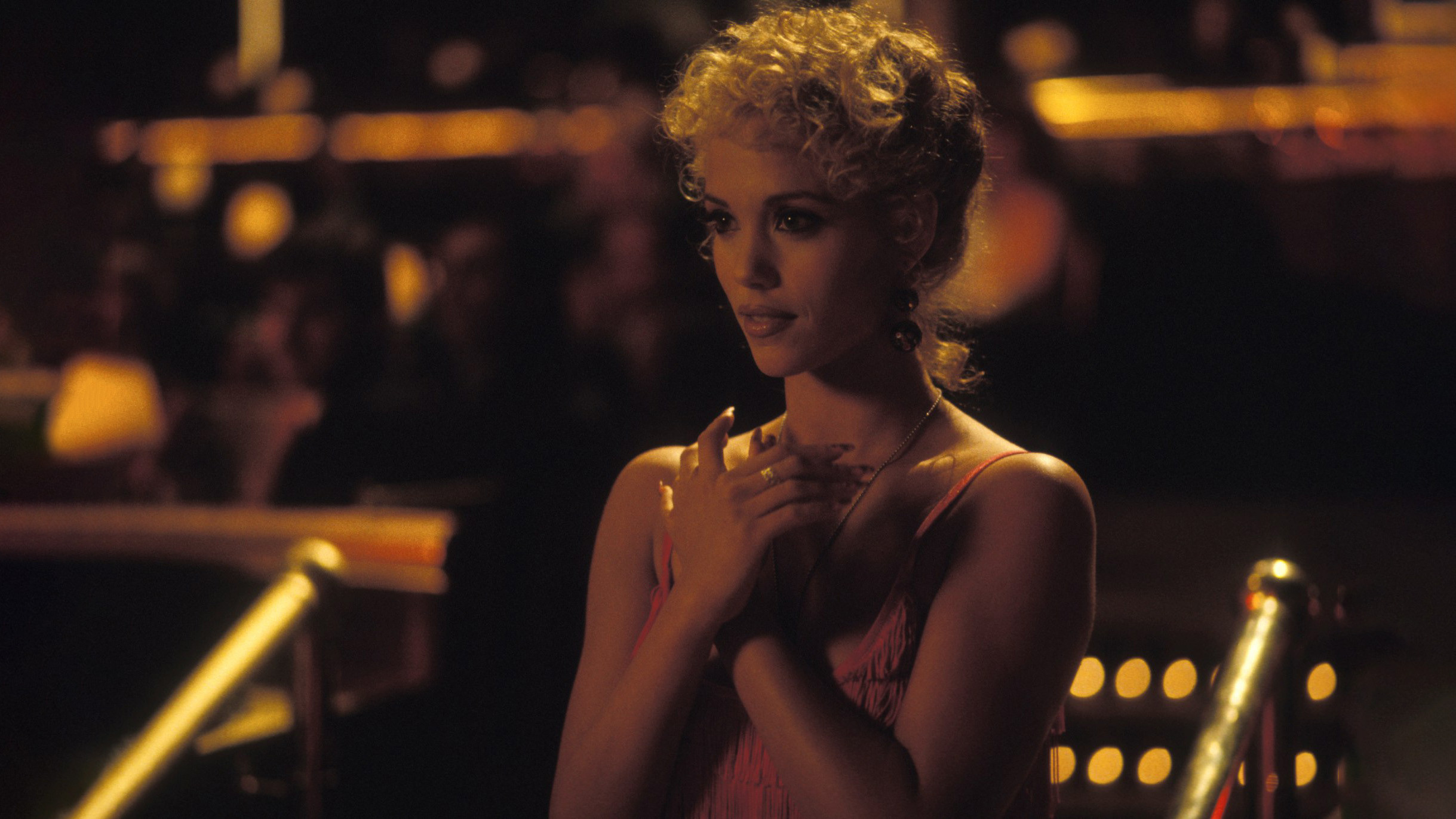
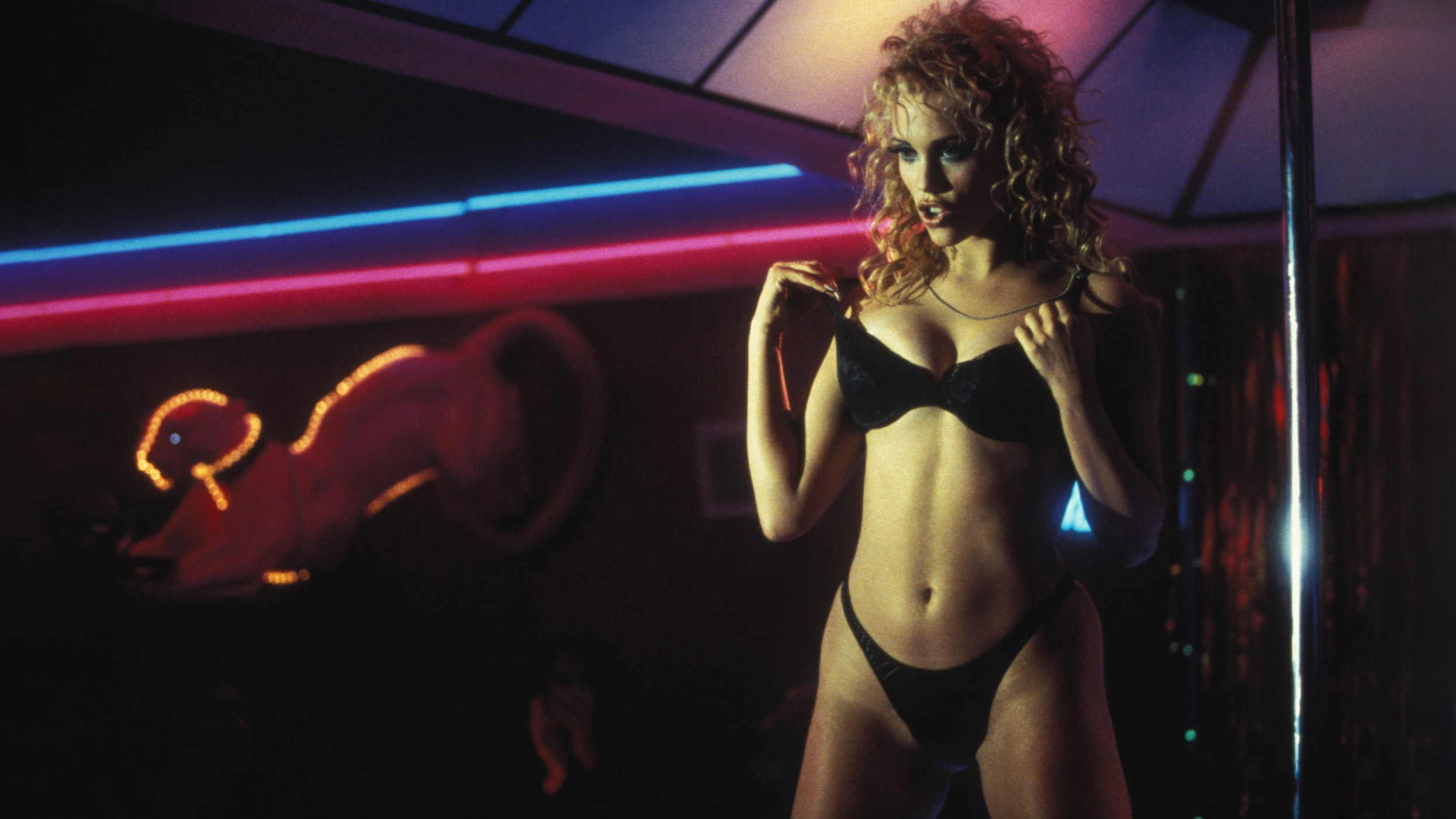
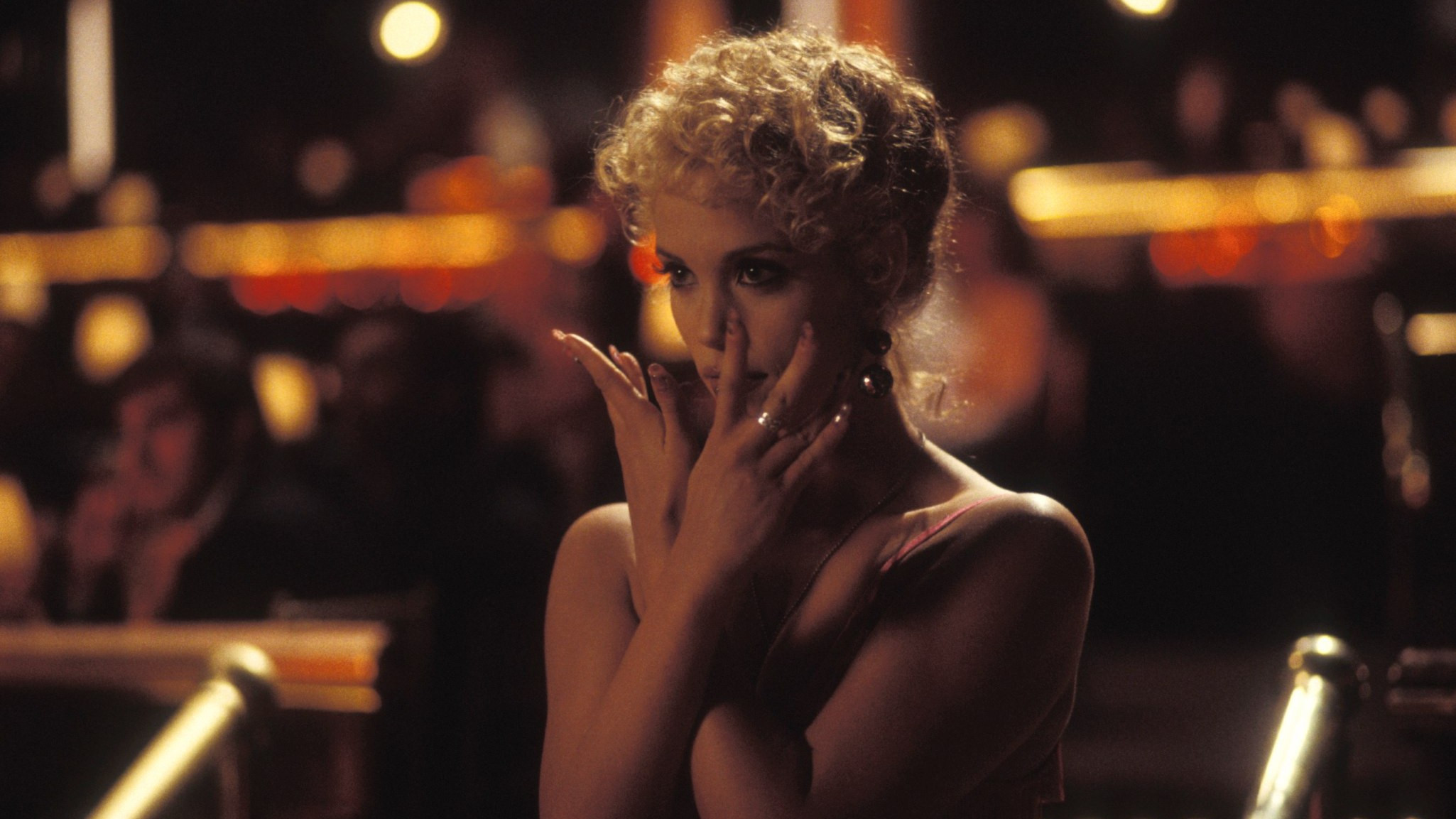
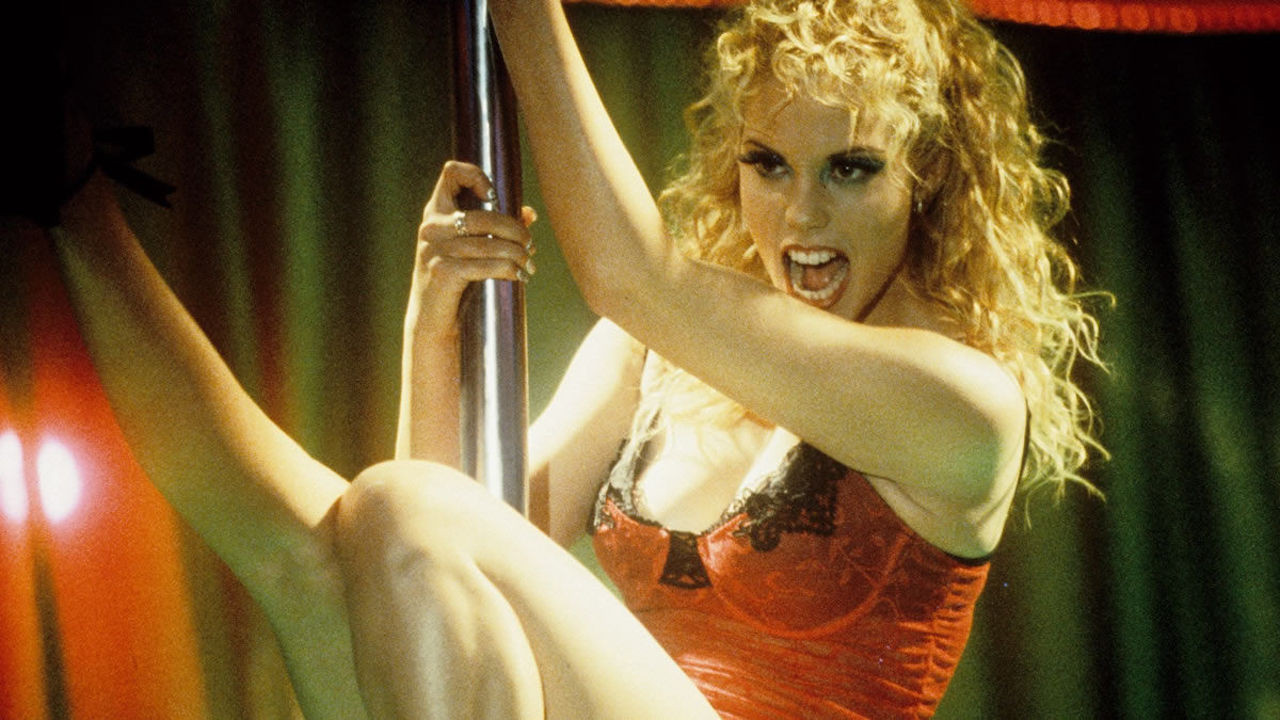
Elizabeth Berkley plays Nomi Malone with an intensity that makes even ordinary exchanges feel combative. We were worn out by her sudden changes of emphasis, because fury, vulnerability and ambition so often arrive with the same force. Still, the commitment is considerable, and it would be unfair to blame the performer alone for a film that persistently demands excess. Paul Verhoeven gives that energy too little variation or room to settle.
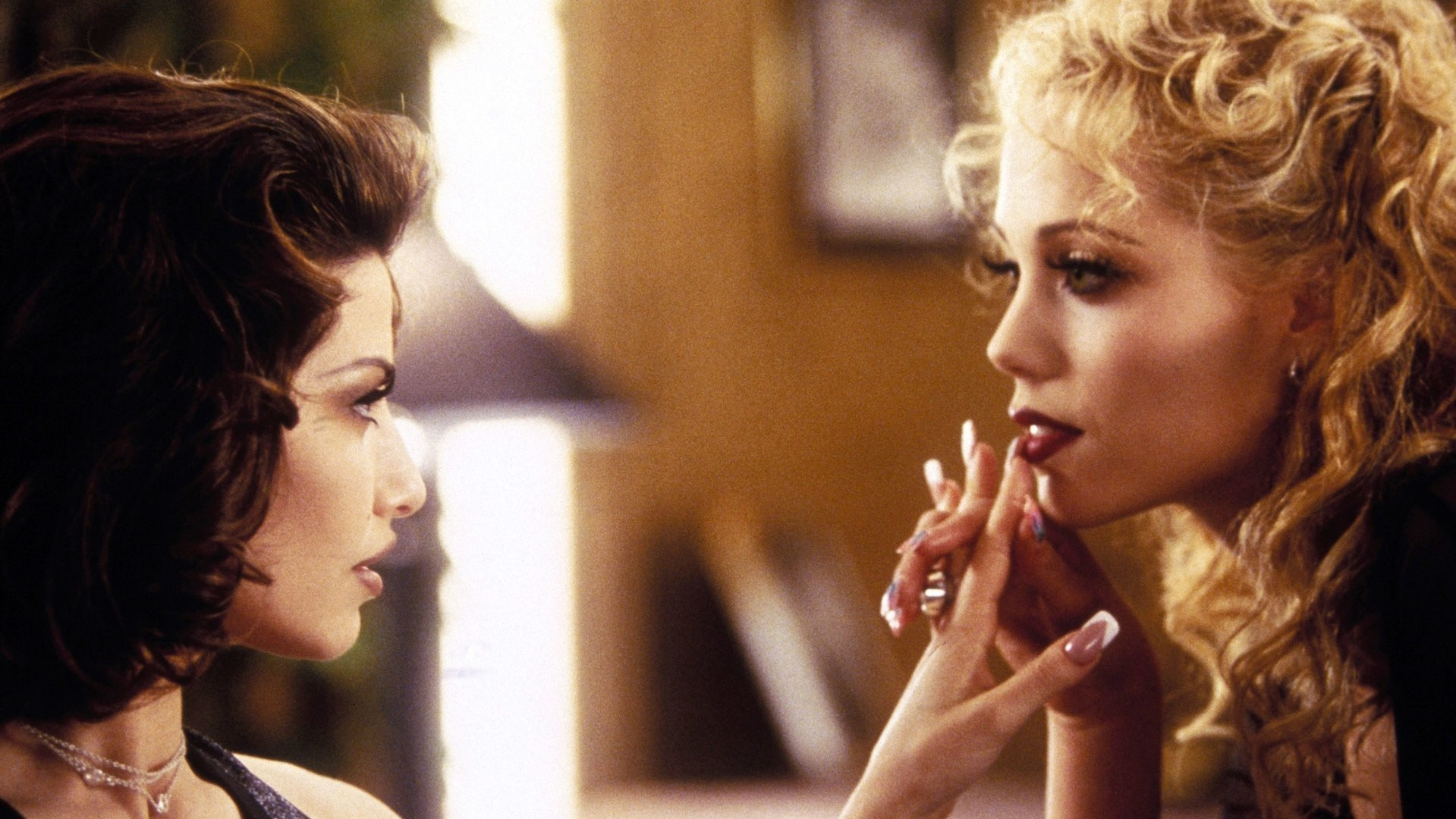
Gina Gershon’s Cristal Connors is more enjoyable company, chiefly because her performance allows us to suspect she finds some of this ridiculous. Her composure gives the scenes a welcome change of pace beside the lead’s agitation. Kyle MacLachlan, as Zack Carey, is left with less to work with, and the character makes less impression than the spectacle around him. The cast can hold our attention for a scene; Joe Eszterhas’s screenplay struggles to give them interesting reasons to remain in one another’s company.
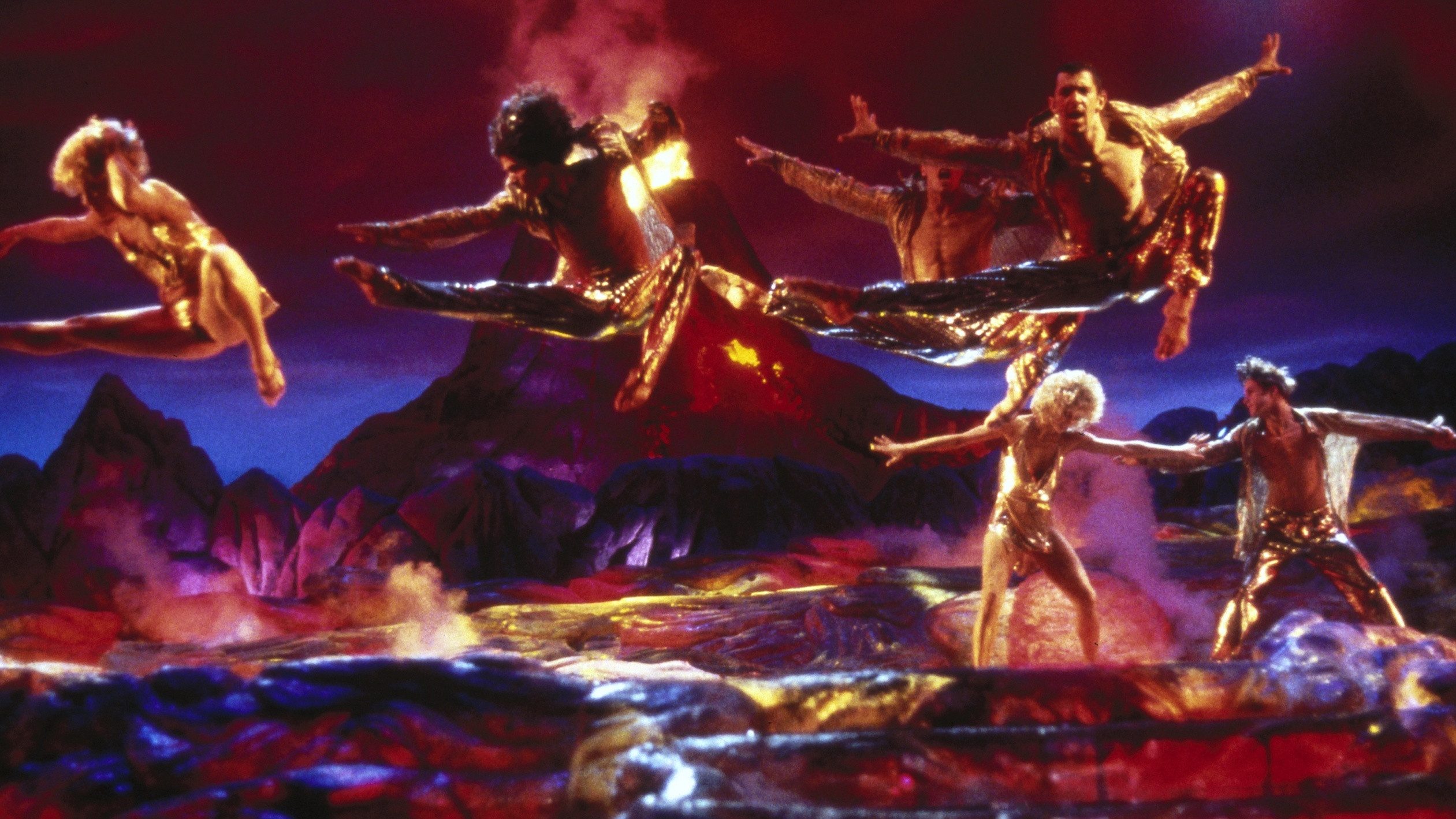
Jost Vacano photographs the exposed bodies with a polish that makes the image itself resemble something being sold. Allan Cameron’s production design helps establish Las Vegas as a place where taste is unlikely to obstruct a transaction. Ellen Mirojnick’s costumes contribute to the insistent display, though we get little sense of the people who might choose to wear them. These are coherent choices, and the spectacle has enough visual confidence to make the thinness of the human drama particularly frustrating.
Editors Mark Goldblatt and Mark Helfrich keep the dancing forceful, but cannot make the dialogue feel as purposeful as the movement. When the characters speak, the same blunt ideas about sex and success keep coming back. Dave Stewart’s music adds to the pressure, and we wanted more occasions when the film would allow a scene to proceed without so much encouragement. For all the effort expended on keeping us looking and listening, the film becomes surprisingly monotonous.
The charitable reading is that all this unpleasantness is deliberate, a satire of an entertainment business that turns women’s bodies into merchandise. That explains the crudity well enough. It does not explain why the women are so poorly developed, or why the film expects the repeated spectacle of their exposure to hold our attention. A backstage melodrama needs ambition, jealousy and fear to feel particular to the people experiencing them, and the writing seldom gives the performers enough to establish those differences.
We understand why some critics value its camp excess, and there are stretches where the sheer commitment is funny. Most critics find the drama wanting, and we agree: the script is a larger obstacle than the nudity. Anyone interested in extravagant misjudgements will have plenty to consider. For an evening of absorbing rivalry or convincing desire, choose something else.