Film review

Slumdog Millionaire

2008 · Directed by Danny Boyle · 2h 01m · MPA R

In a sentenceA television quiz with the resting pulse of a police chase

DramaRomance

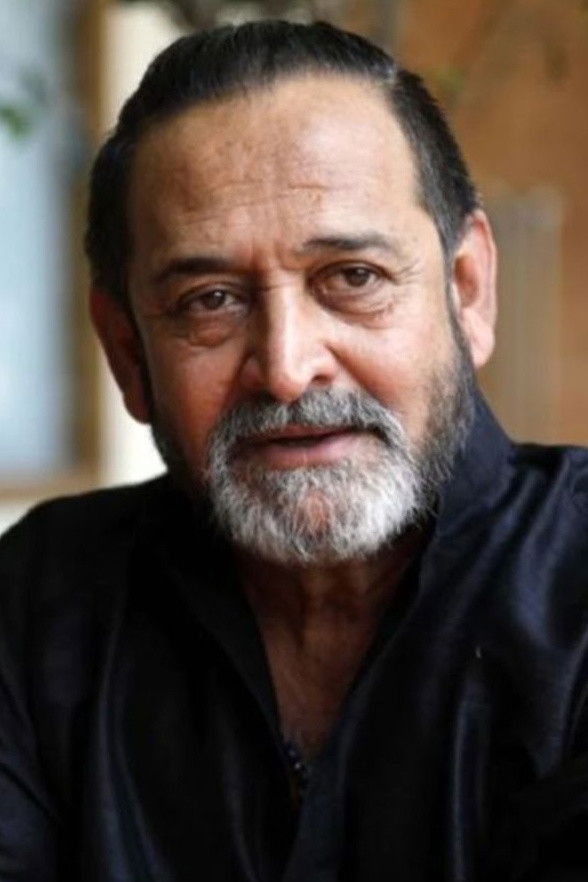
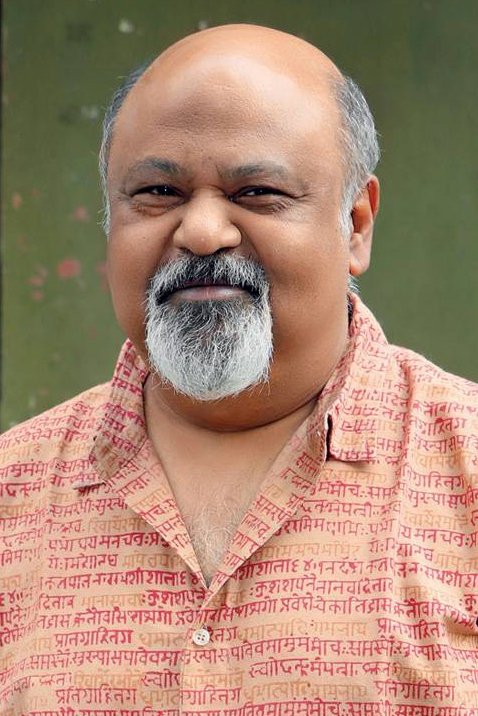
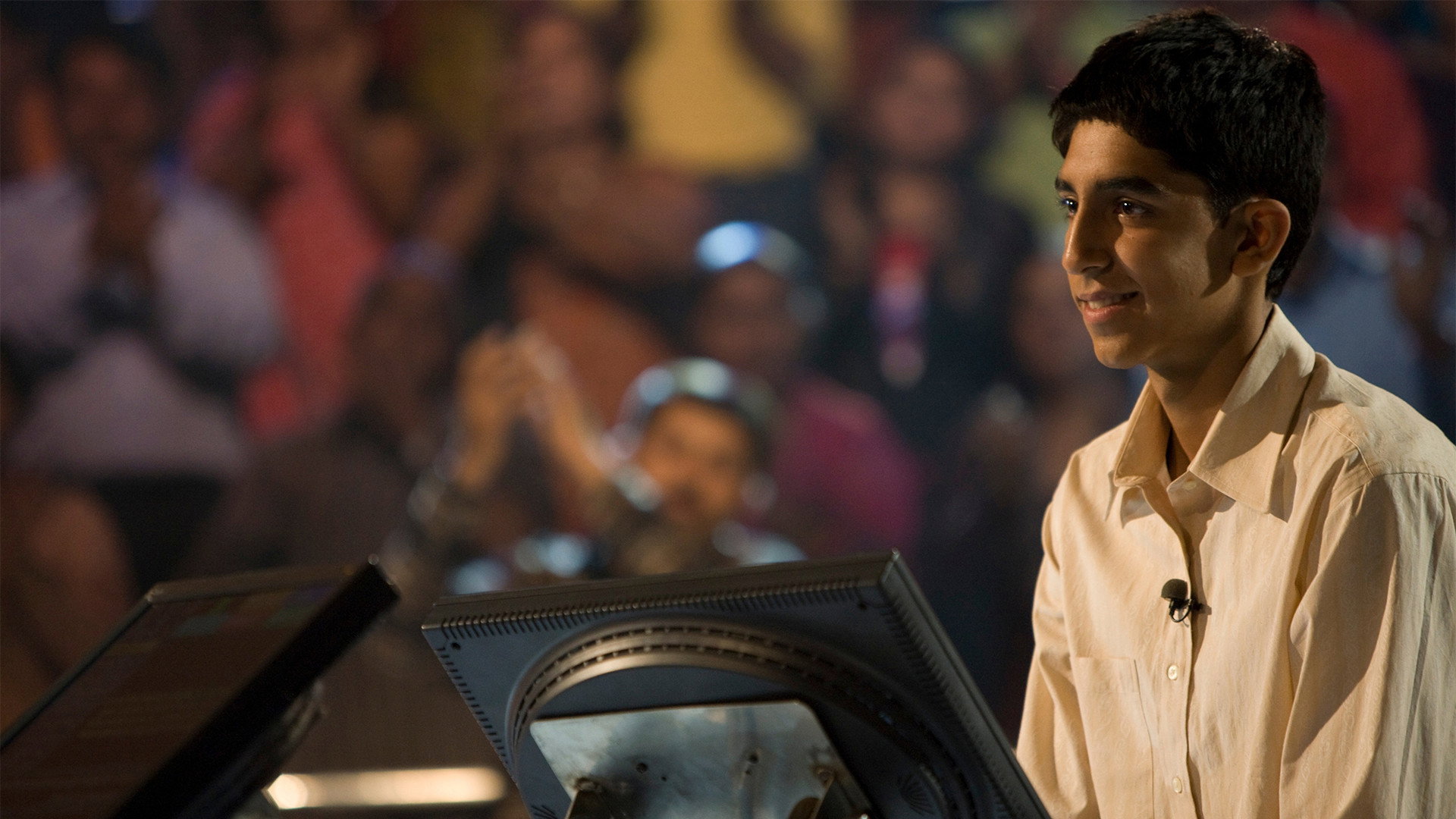
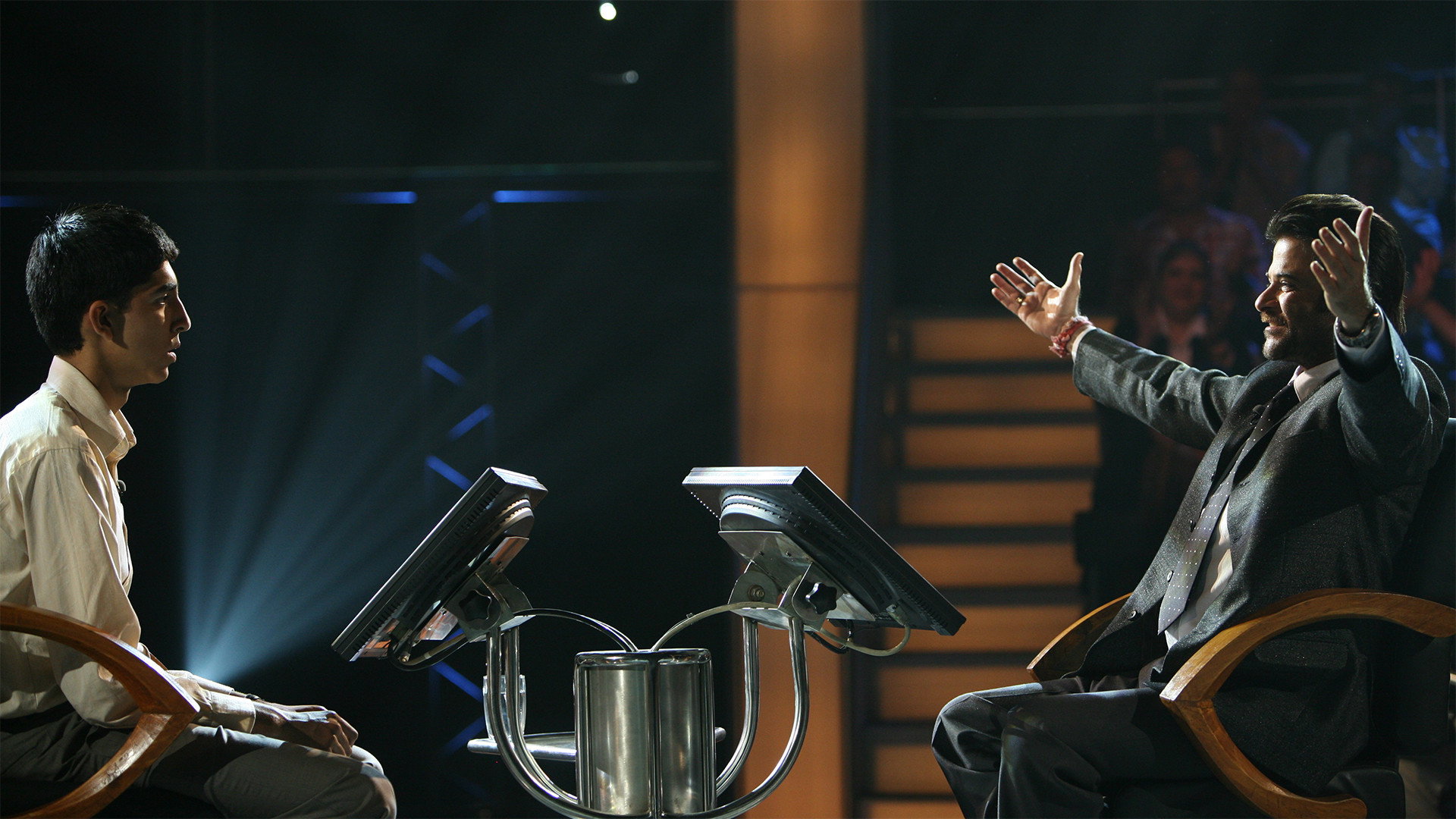
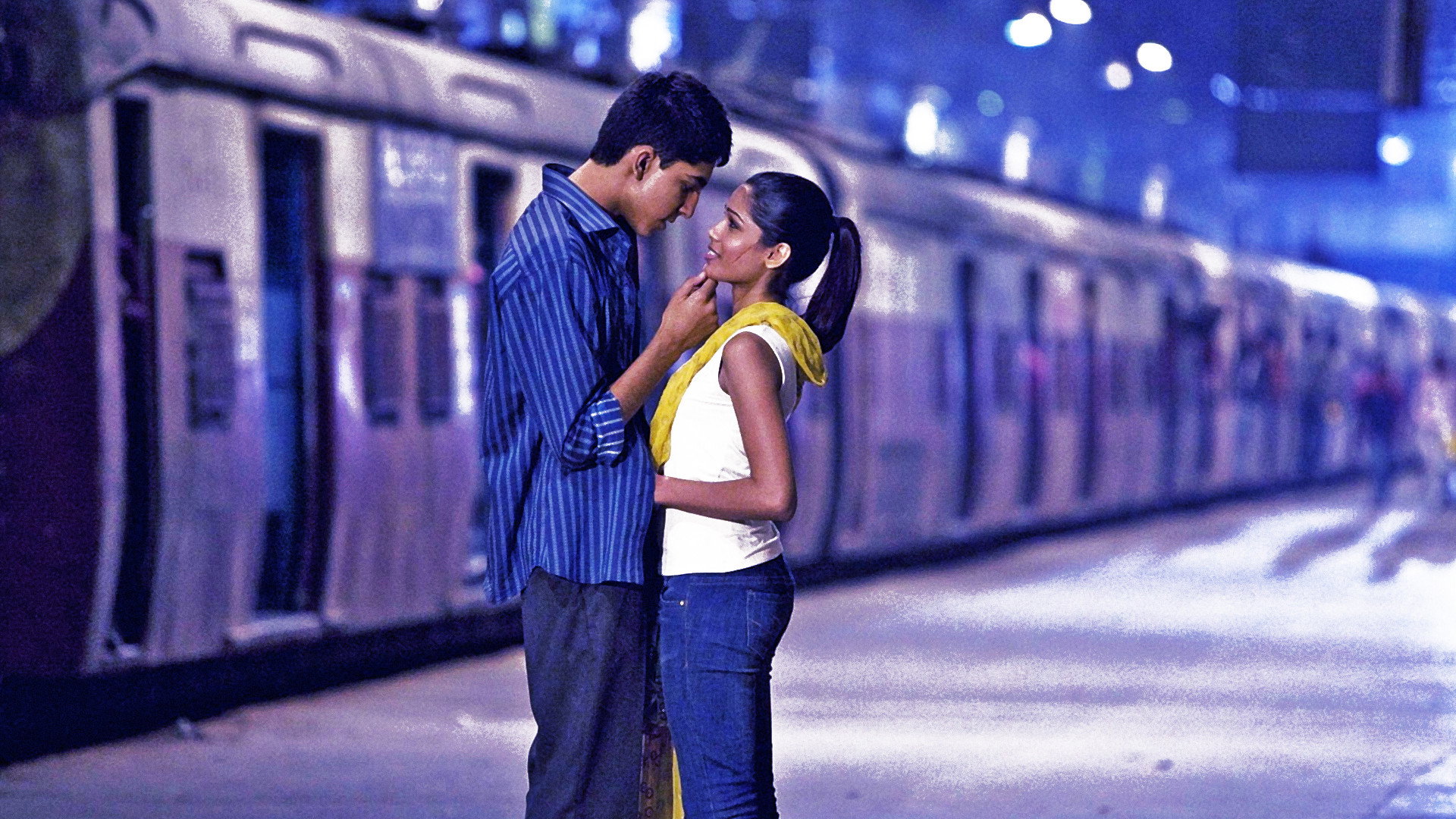
Jamal grows up amid poverty in Mumbai, with little reason to expect wealth or security. A television quiz offers the possibility of both, while he searches for a lost love. Dev Patel and Freida Pinto play the older Jamal and Latika, with Madhur Mittal as the older Salim and Anil Kapoor as Prem. The story moves between childhood hardship and the pressures of the game show, bringing romance into a life shaped by violence and inequality. Danny Boyle directs, from Simon Beaufoy’s adaptation of a novel by Vikas Swarup.

Plays from YouTube when you press play; nothing loads from them until then.

Fi1m review

Danny Boyle’s Mumbai romance is quick, warm and hard to resist, even when its coincidences become conspicuous. Dev Patel gives it a human centre, though the rush from poverty to pleasure can leave us uneasy.

Danny Boyle’s Slumdog Millionaire is a good romance with enough drive to keep its more convenient plotting from becoming a constant irritation. We recommend it for its warmth and pace, with some reservations about the way it handles suffering. The television quiz supplies suspense, while Jamal’s search for lost love gives the questions an importance beyond money. Boyle commits to both with such confidence that there is little opportunity to ask whether they fit quite as neatly as Simon Beaufoy’s screenplay insists.

Dev Patel helps enormously as the older Jamal. His performance is direct and relatively unshowy, giving us someone to care about while the film is busy finding another way to quicken the pulse. The younger performers, including Ayush Mahesh Khedekar and Tanay Chheda as Jamal at different ages, make the childhood passages feel less calculated than the larger story. They bring an alertness to the hardship that stops these scenes becoming merely an explanation for the adult.

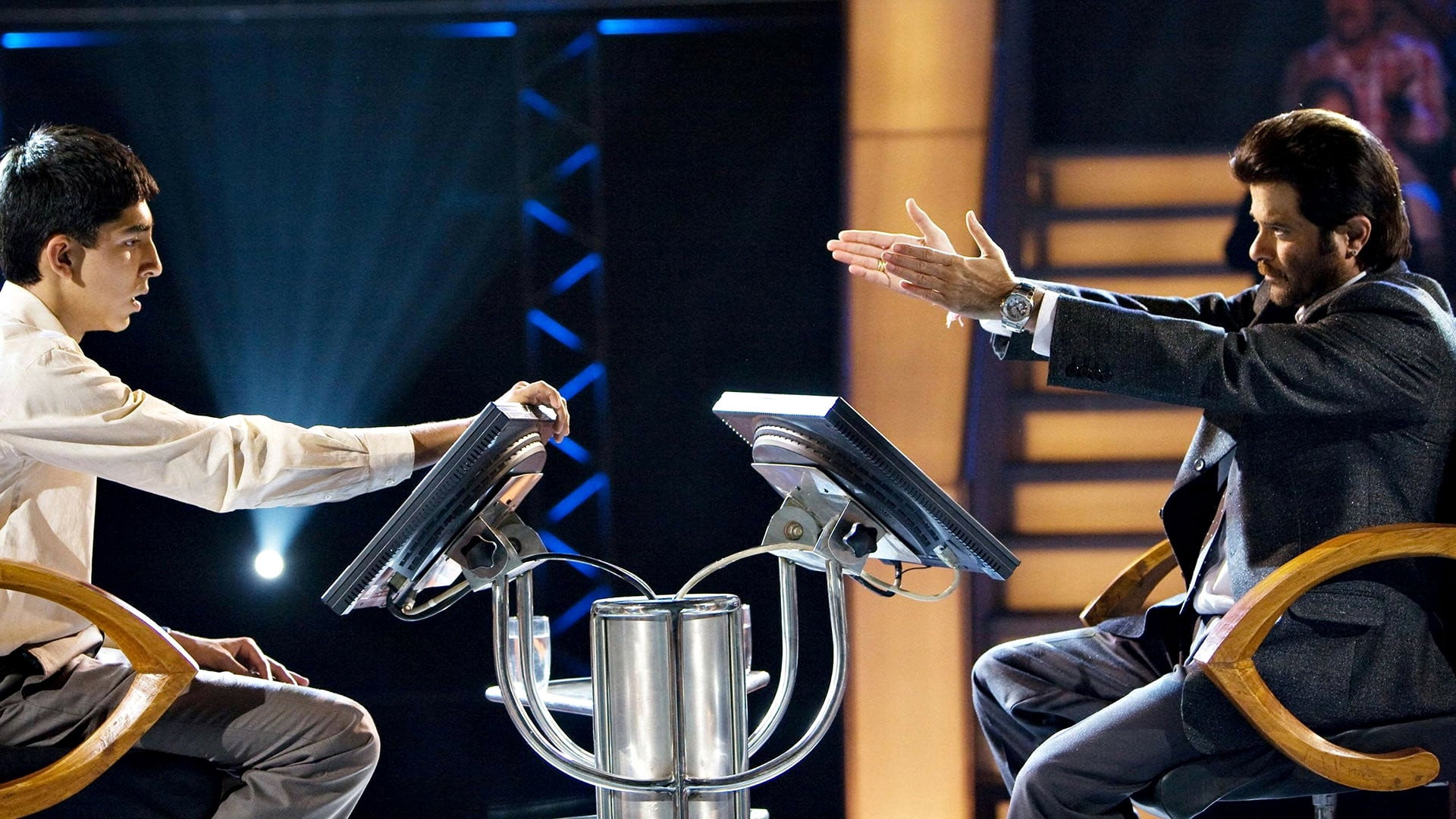
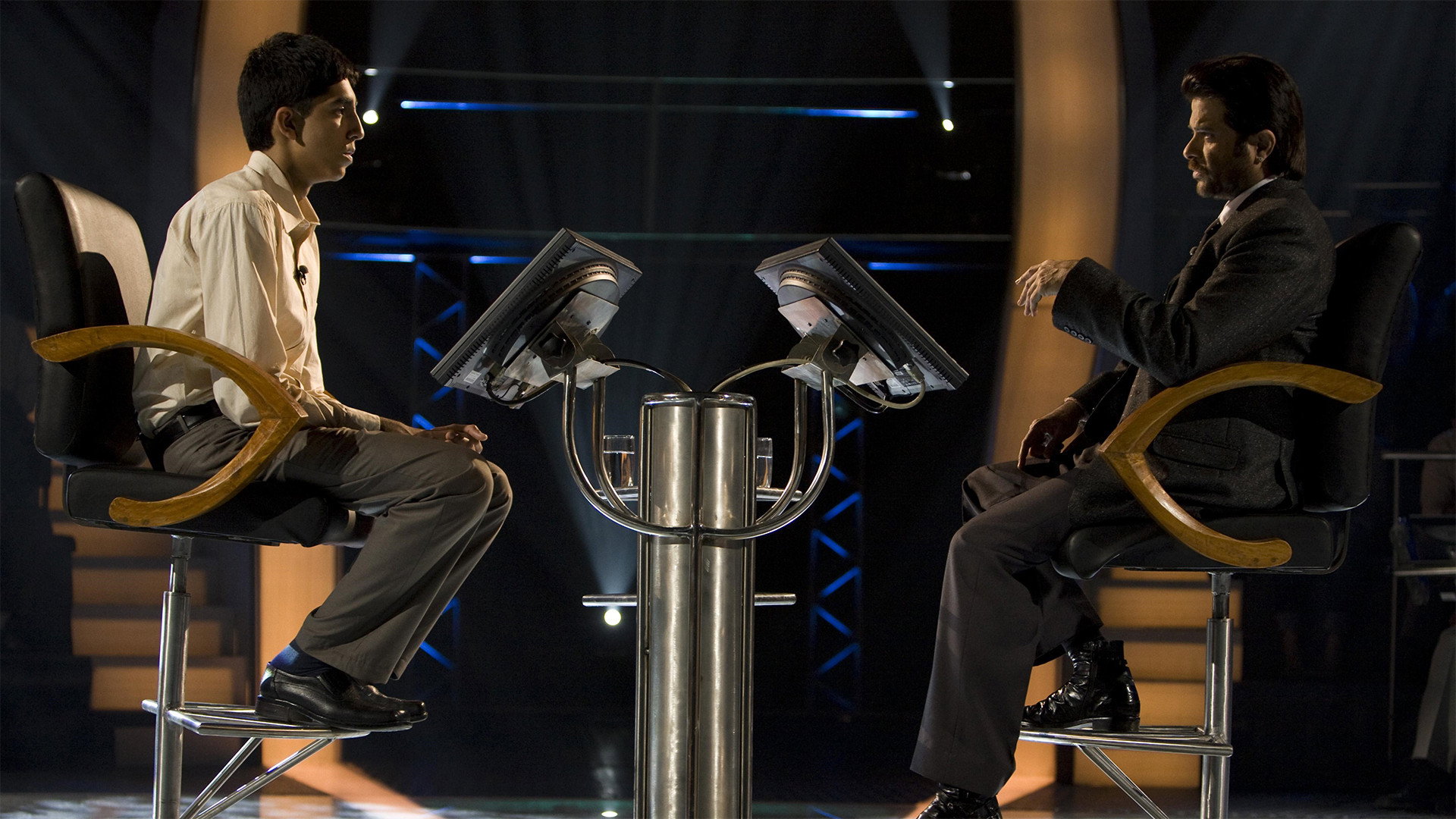
Anthony Dod Mantle’s cinematography makes Mumbai difficult to take our eyes off: strong colours, oblique angles and a camera keen to get close to the street. There is pleasure in that proximity, and enough visual information to make a second look worthwhile. Mark Digby’s production design keeps the quiz-show setting distinct from the streets, a useful clarity amid the rapid changes of scene. The city feels busy with lives beyond Jamal’s, which matters when his own story starts to seem too carefully arranged.

Chris Dickens’s editing is essential to the attraction and to the discomfort. He maintains a brisk pace without making the story difficult to follow, while A.R. Rahman’s music gives the movement an insistent beat. We were uneasy at how quickly scenes of poverty and violence became part of the same excitement as the quiz. The cutting and music keep urging us forwards before the distress has had time to settle. That does not cancel the pleasure, but it makes Boyle’s eagerness to entertain feel careless in places.

Beaufoy’s screenplay, adapted from a novel by Vikas Swarup, also asks a great deal of coincidence. Romantic fables can survive a few unlikely events, but here the conveniences sometimes make the characters’ choices feel secondary. Freida Pinto’s older Latika is appealing, but we wanted more room for her to exist beyond the importance she holds for Jamal. The romance depends heavily on accepting that importance, and Patel does more to persuade us of it than the writing does.

Boyle is on firmer ground when he trusts the simple demands of a romantic melodrama. He takes love and hope seriously, and Patel makes that earnestness easier to accept than it might have been with a more knowing lead. At 121 minutes, the film feels shorter, though a little less haste might have made the people fuller. Choose it for an evening of romance and suspense, provided a conspicuously helpful coincidence does not send you reaching for the remote.

Critical consensus AI synthesised

79
Positive
9
Mixed
1
Negative
0

Most critics greet Slumdog Millionaire warmly, with praise clustering around Danny Boyle’s energetic direction and the vivid depiction of Mumbai. Anthony Dod Mantle’s cinematography receives particular attention, while the editing and music also earn credit for keeping the story moving. The prevailing view is that the film makes its familiar rags-to-riches story involving through warmth, suspense and a wholehearted belief in romance, even when its contrivances are easy to spot.

The reservations concern predictability, depth and the treatment of hardship, with responses ranging from enthusiastic approval to marked discomfort. The New Yorker finds the story formulaic but enjoys its verve, while The Hollywood Reporter considers it entertaining yet thin in conception and execution. The Independent offers the sharpest dissent: it admires the energy and the city portrait but finds the combination of graphic poverty, violence and wish-fulfilment entertainment queasy rather than uplifting.

Empire
1 January 2009 · Ian Nathan
90*

The critic hails it as Danny Boyle's finest since Trainspotting, celebrating its thrillingly upbeat picaresque energy, colourful Mumbai portrait and infectious vitality despite some familiar contrivances.

Read the full review →
Evening Standard
10 April 2012 · Nick Roddick
80*

The review calls the film a triumph that recaptures the energy of Trainspotting, praising its Dickensian epic scope, vibrant visuals and ultimately uplifting story set against Mumbai's harsh realities.

Read the full review →
Radio Times
★★★★ · Adam Smith
80

The hyper-energetic rags-to-riches tale dazzles and delights, succeeding for the most part; the real star is the city of Mumbai brought to life by Boyle and cinematographer Anthony Dod Mantle.

Read the full review →
Screen Daily
6 September 2008 · festival review
80*

Boyle’s bravura command elevates the melodramatic story into a dazzling crowd-pleaser teeming with the sights, sounds and sensations of modern India; it builds into a moving tale of hope and the inspirational power of love.

Read the full review →
Time Out
6 January 2009 · ★★★★ · Dave Calhoun
80

The critic praises Boyle's energetic, colorful direction that turns a tale of hardship into an upbeat, warm fairytale full of humanity, highlighting the vivid depiction of India by Boyle and cinematographer Anthony Dod Mantle.

Read the full review →
The New Yorker
16 November 2008 · Anthony Lane
70*

Lane finds the film a formulaic but energetic crowd-pleaser whose unembarrassed energy brings the obvious to the boil, with no surprises but plenty of verve. He singles out the way the filmmakers get their lenses dirty on Mumbai's streets and the closing Bollywood dance number for note.

Read the full review →

Cast

Stills

Awards

Academy Awards, 2009

Nominated
Best Sound Editing
Won
Best Cinematography
Won
Best Director
Won
Best Film Editing
Won
Best Original Score
Won
Best Picture
Won
Best Sound
Won
Best Writing, Adapted Screenplay

Amanda Award for Best Foreign Feature Film, 2009

Won
Amanda Award for Best Foreign Feature Film

BAFTA Film Awards, 2009

Won
Best Film

European Film Award for Best Actor, 2009

Nominated
European Film Award for Best Actor

European Film Award for Best Cinematographer, 2009

Won
European Film Award for Best Cinematographer

European Film Award for Best Director, 2009

Nominated
European Film Award for Best Director

European Film Award for Best Film, 2009

Nominated
European Film Award for Best Film

European Film Award for Best Screenwriter, 2009

Nominated
European Film Award for Best Screenwriter

European Film Award – People's Choice Award for Best European Film, 2009

Won
European Film Award – People's Choice Award for Best European Film

Golden Globes, 2009

Won
Best Motion Picture – Drama
Won
Best Original Score

Dallas-Fort Worth Film Critics Association Award for Best Film, 2008

Won
Dallas-Fort Worth Film Critics Association Award for Best Film

If you liked this, try…

City of God poster86

City of God

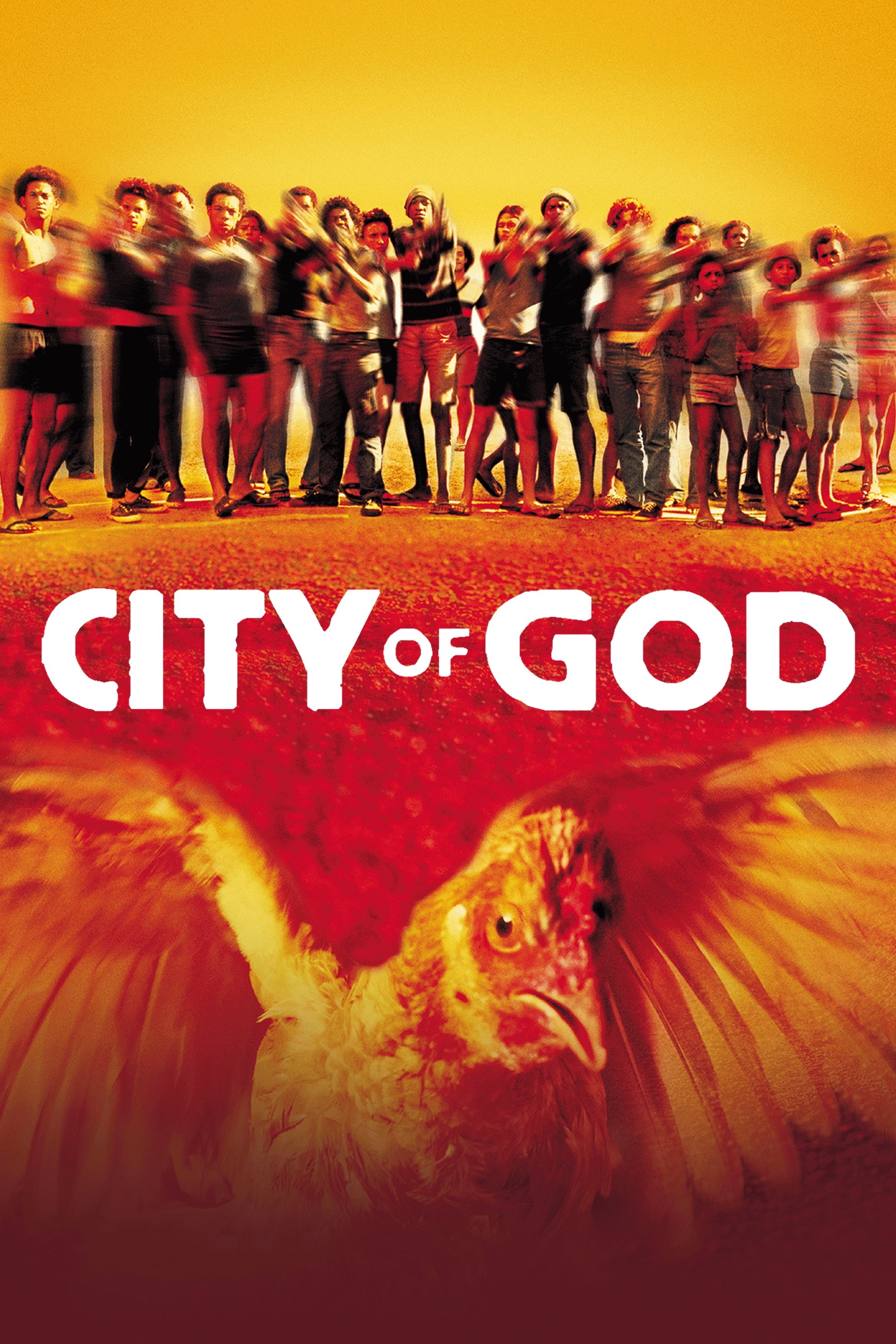
2002 · For another fast, troubling account of young lives shaped by urban violence.

The Lunchbox poster

The Lunchbox

2013 · Another Mumbai romance, with room for hesitation and ordinary disappointment.

The Umbrellas of Cherbourg poster

The Umbrellas of Cherbourg

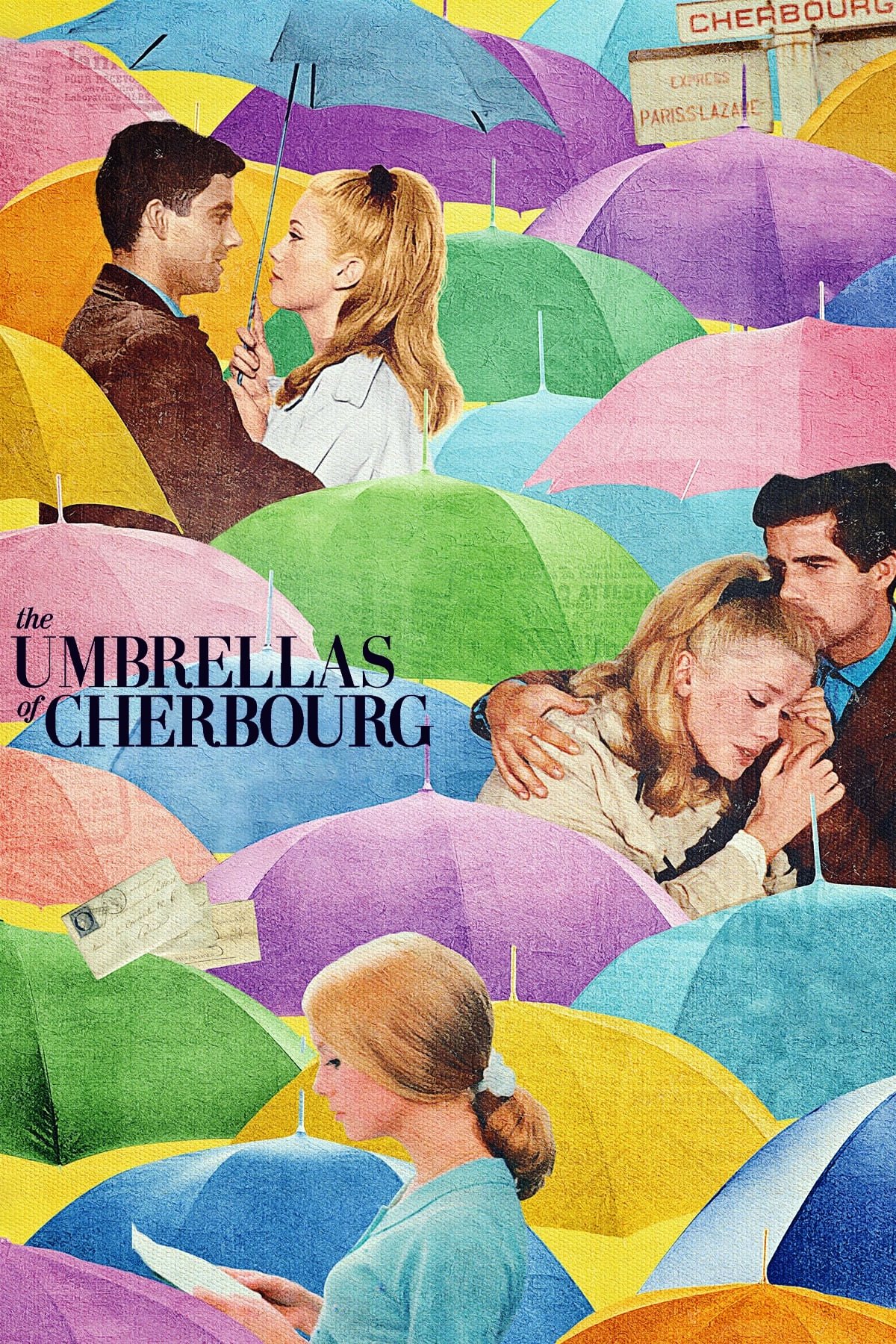
1964 · Colour and music carry a romance that takes separation seriously.

Tsotsi poster

Tsotsi

2005 · A harder look at poverty, violence and the possibility of tenderness.

Cinema Paradiso poster

Cinema Paradiso

1988 · For childhood memories and sentiment delivered without much fear of embarrassment.