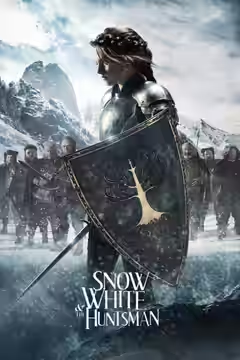
Charlize Theron gives this sombre fairytale some feeling, and the costumes and landscapes reward attention. But Rupert Sanders cannot keep an underwritten adventure moving, and 127 minutes is too long to spend admiring the scenery.
Rupert Sanders gives Snow White and the Huntsman plenty of menace, but not enough momentum to sustain its 127 minutes. Turning a fairytale into a solemn fantasy adventure is a reasonable idea; the trouble is how seldom the characters become more interesting as the scenery changes. Hossein Amini, Evan Daugherty and John Lee Hancock’s screenplay keeps adding people without giving enough of them something distinctive to want or say. There is care in the making, and too little pleasure in following the story.
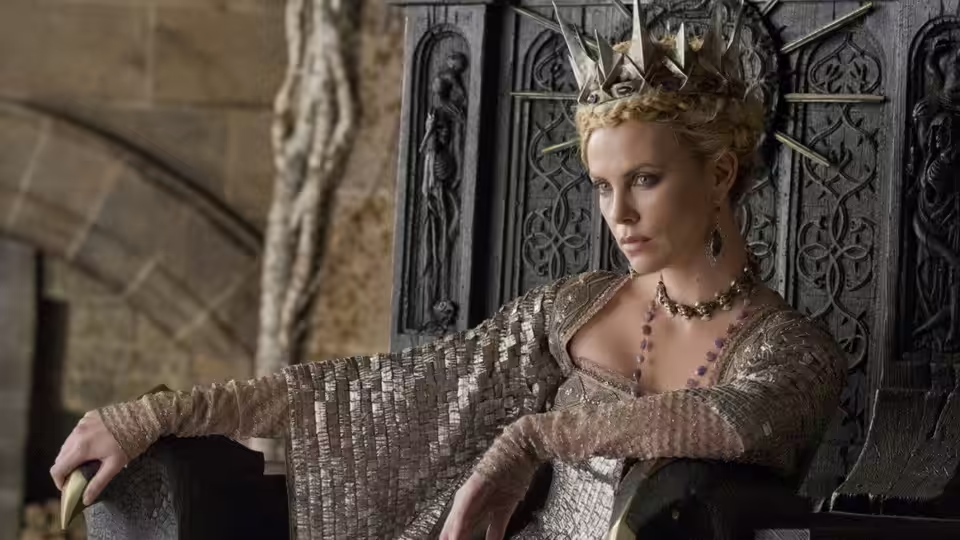
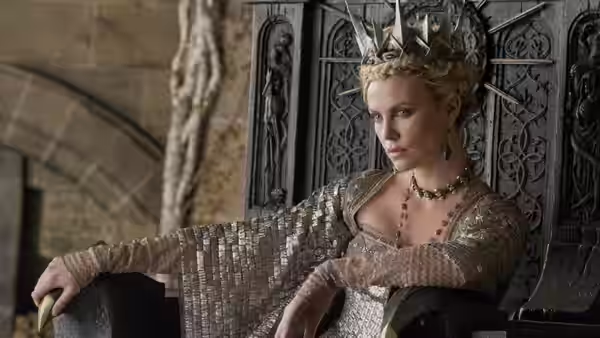
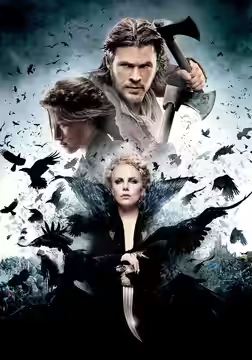
Charlize Theron’s Queen Ravenna is the substantial exception. We felt sorry for her, which surprised us. Theron allows pain to show through the queen’s coldness, making her hostility feel rooted in something more troubling than the need to provide a villain. That gives the film a human complication it could have pursued much further. When the performance grows more emphatic, the effect weakens: Theron is more disturbing when she seems to have decided what to do than when she is insisting on how furious she feels.
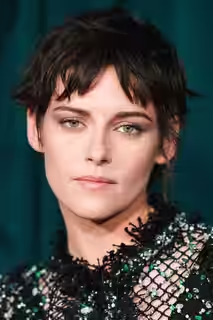
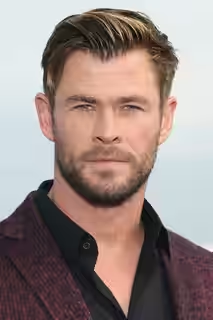
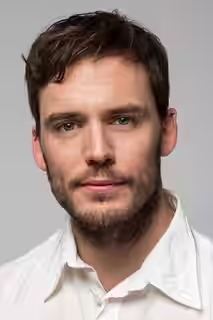
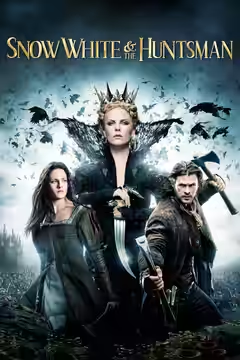
Kristen Stewart’s Snow White is less satisfactorily written, though blaming the performance alone would let the screenplay off too easily. Her reserve is credible, but the dialogue gives her too few chances to turn that reserve into a recognisable personality. Chris Hemsworth brings some warmth to The Huntsman, enough to suggest a more companionable adventure than the film usually allows. Sam Claflin’s William adds another person to care about without making the romantic complications much more persuasive. These are actors working to fill gaps that the writing should have dealt with.
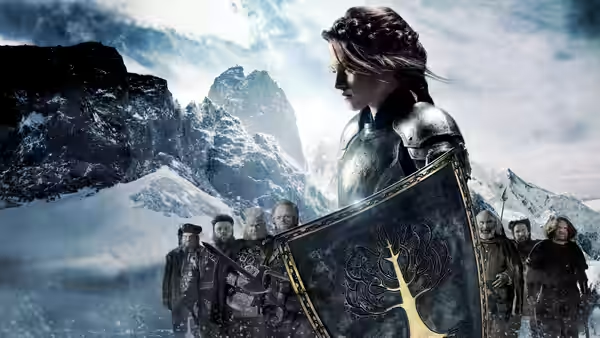
Greig Fraser’s cinematography is much more persuasive, particularly in the landscapes, which look threatening before anyone has to explain the danger. Dominic Watkins’s production design makes the fantasy setting worth looking at even when the action has stalled. Colleen Atwood’s costumes give Ravenna the imposing presence the role needs, and Theron makes good use of it. The care lavished on these things matters: a dark fairytale needs somewhere convincing for its fears to take hold. But there are too many stretches when looking at the surroundings becomes the chief occupation.
The editing by Conrad Buff IV and Neil Smith cannot resolve the long middle section’s lack of urgency. Scenes accumulate without enough change in the people moving through them, so the journey begins to feel longer than the distance travelled could explain. James Newton Howard’s music adds weight, but its seriousness is more than some of the thinly written encounters can carry. A quicker pace would help, though speed alone would not make these relationships matter. The adventure needs better reasons to pause with its characters.
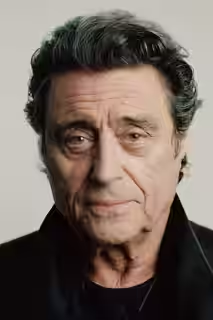
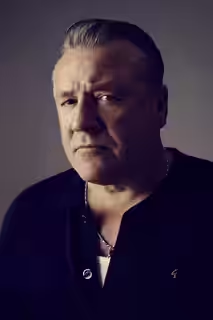
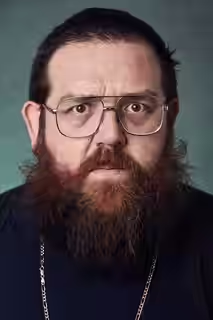
The supporting ensemble offers some relief, with Ian McShane, Ray Winstone and Nick Frost among the faces competing for limited space. The dwarves bring welcome humour, but their warmth also makes the surrounding solemnity feel harder to excuse. Dark fantasy can accommodate jokes without surrendering its dangers, and this film could have used more of that confidence. We would happily spend longer with these supporting characters if it meant less time on the unpersuasive romance. Go in for the queen if she is the attraction; do not expect everyone else to be given her opportunities.