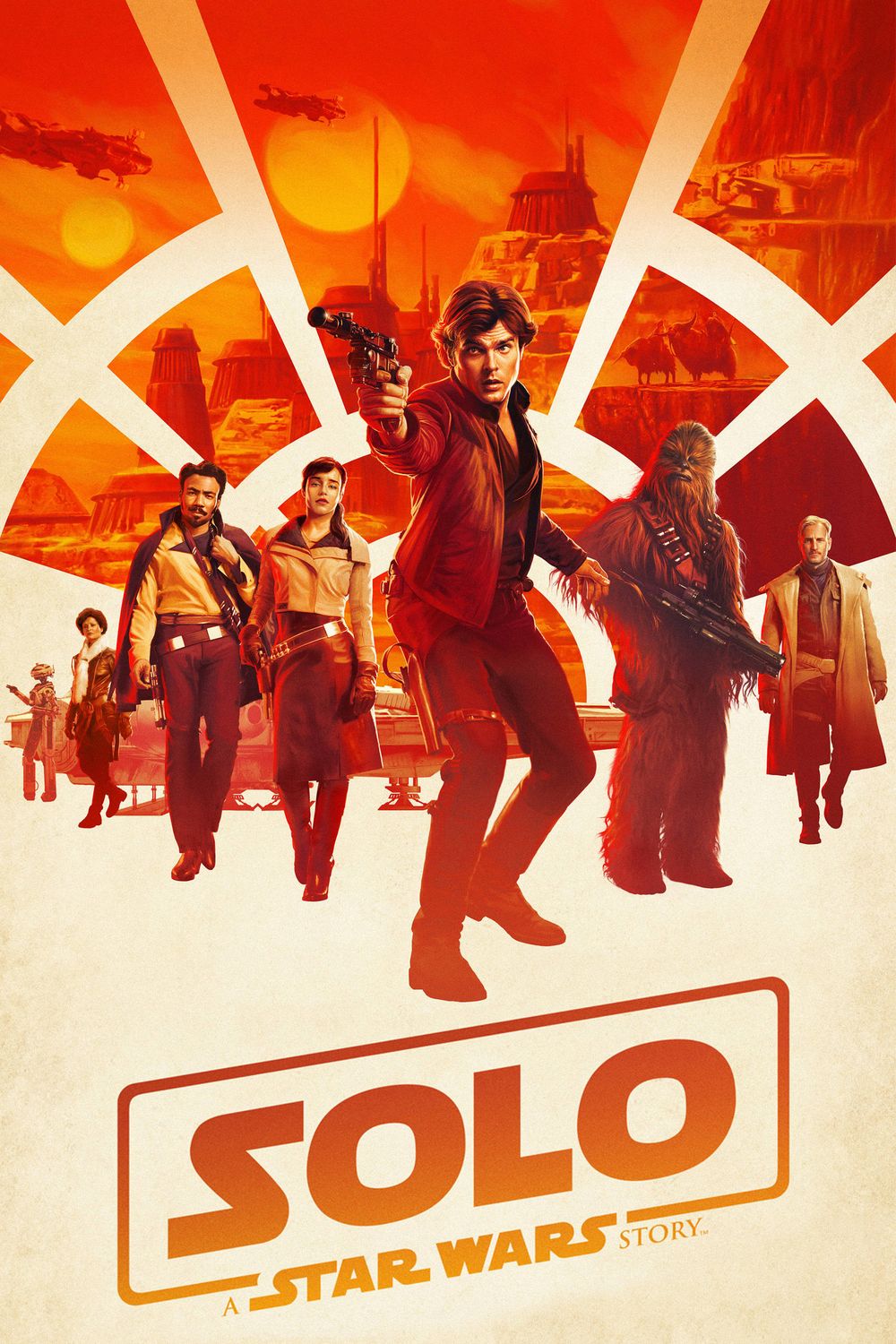
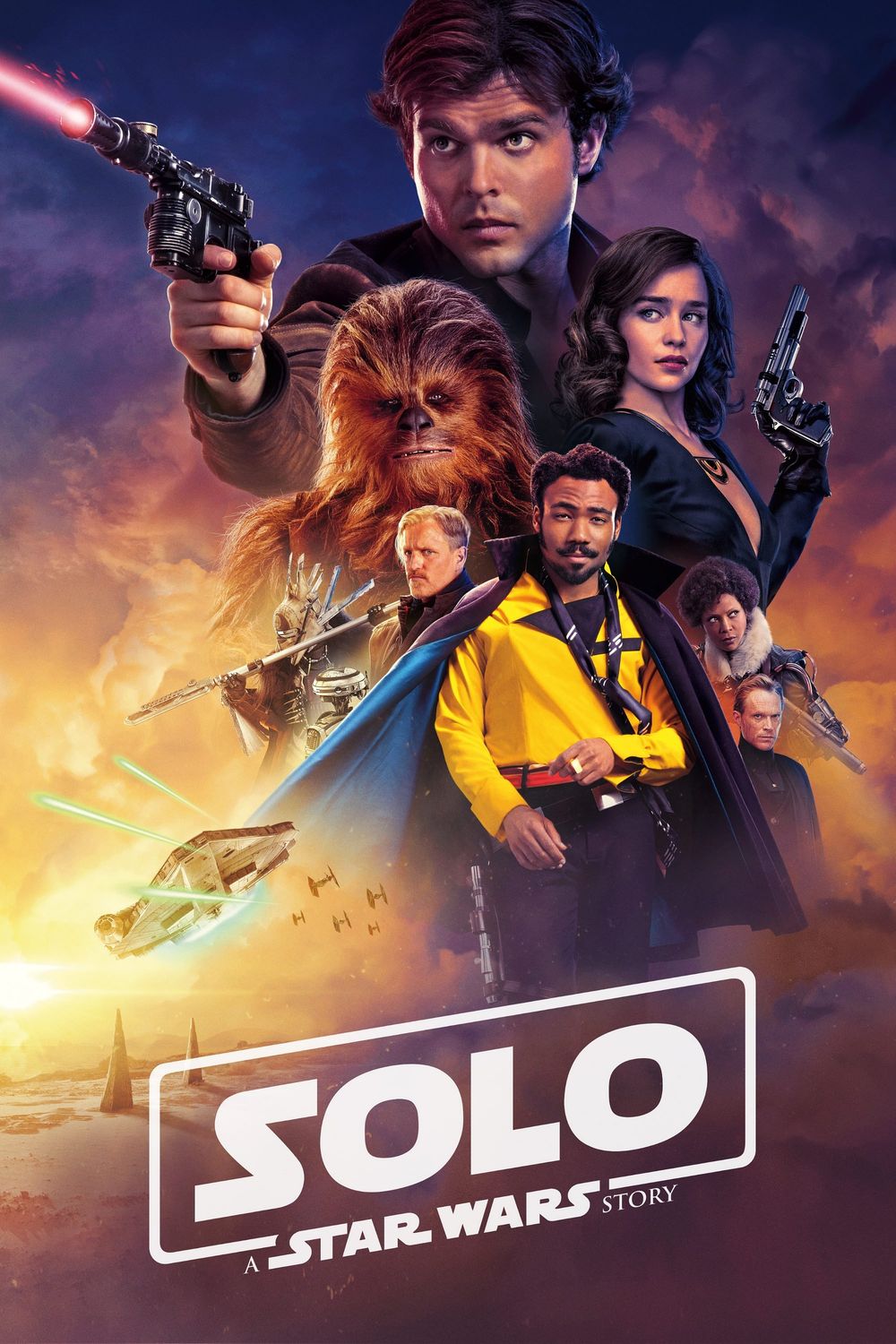
Ron Howard’s Han Solo prequel is a brisk, competently built heist with a fine Donald Glover and a funny droid, shot so dark you will squint. It answers questions nobody was asking and leaves the man himself where it found him.
Ron Howard’s Solo sets out to tell us how Han Solo met Chewbacca, how he got his ship and how he became the man Harrison Ford was playing in 1977. Lawrence Kasdan and Jon Kasdan have written it as a heist film: a crew, a boss, a job that goes wrong and a bigger job to put it right. On those terms it is brisk and competent, and its 135 minutes rarely drag. What it is not is necessary.
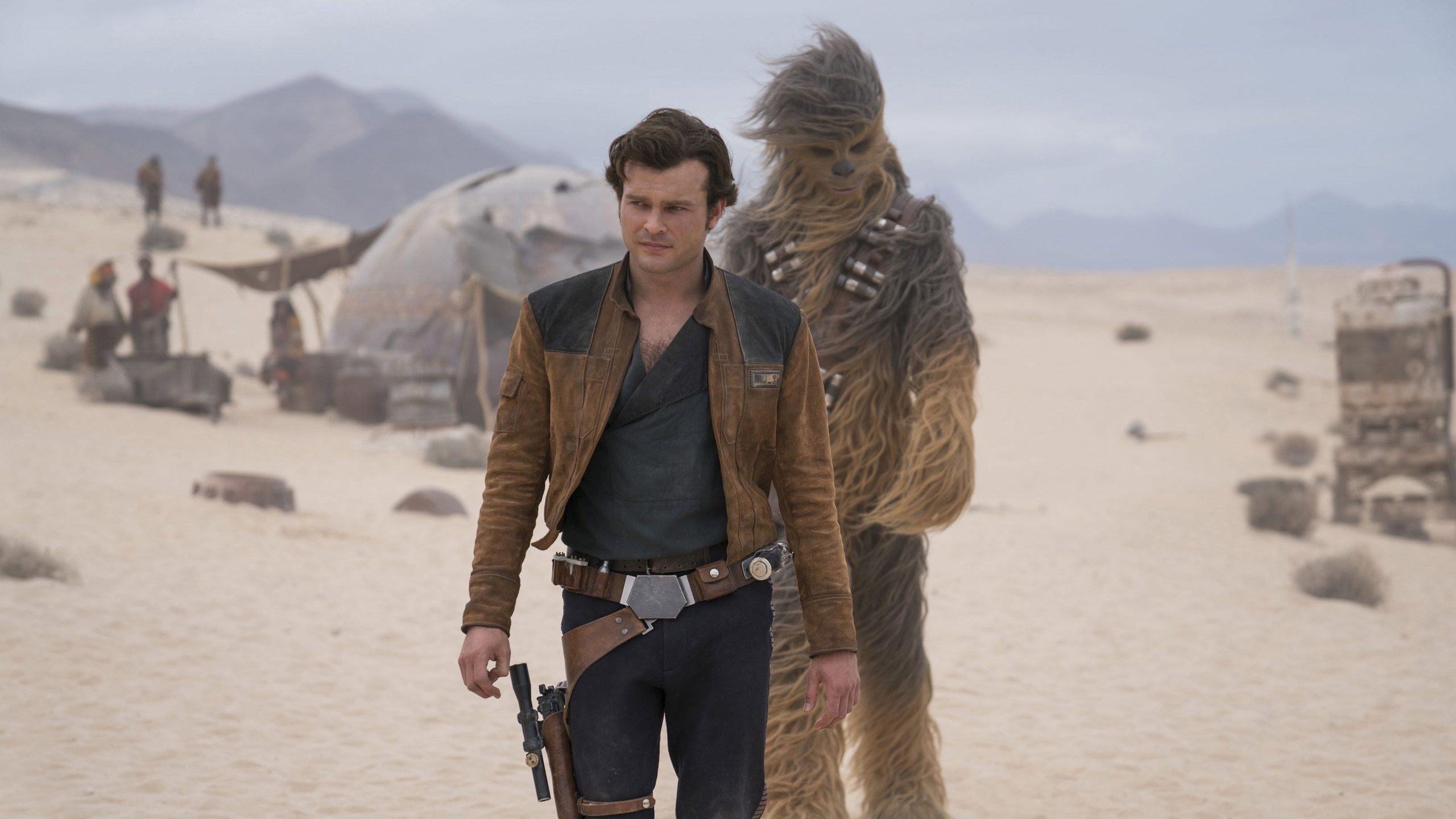
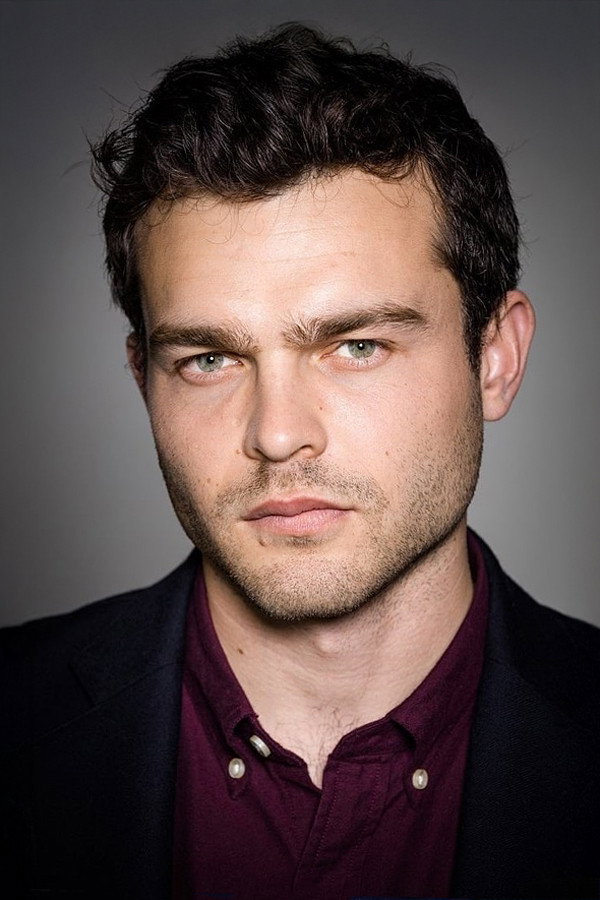
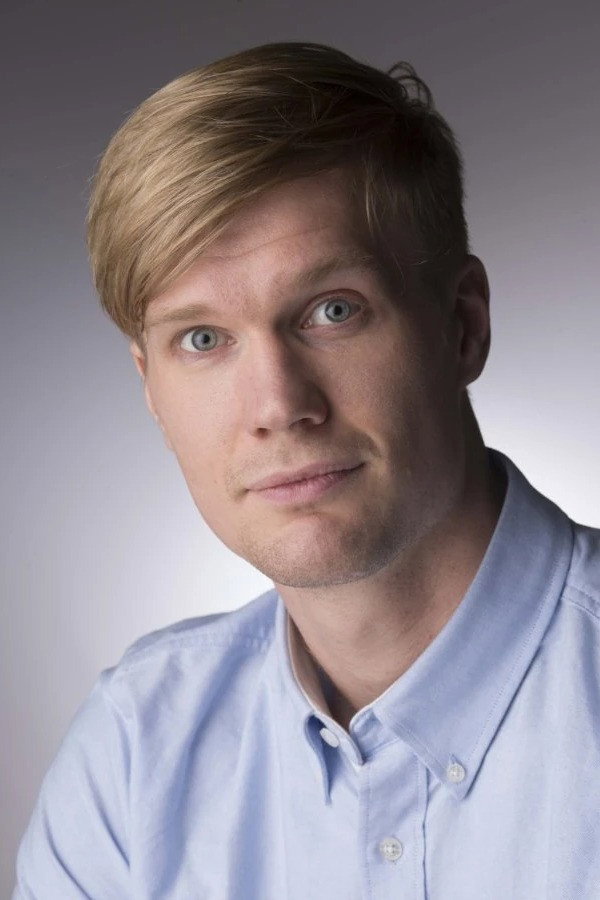
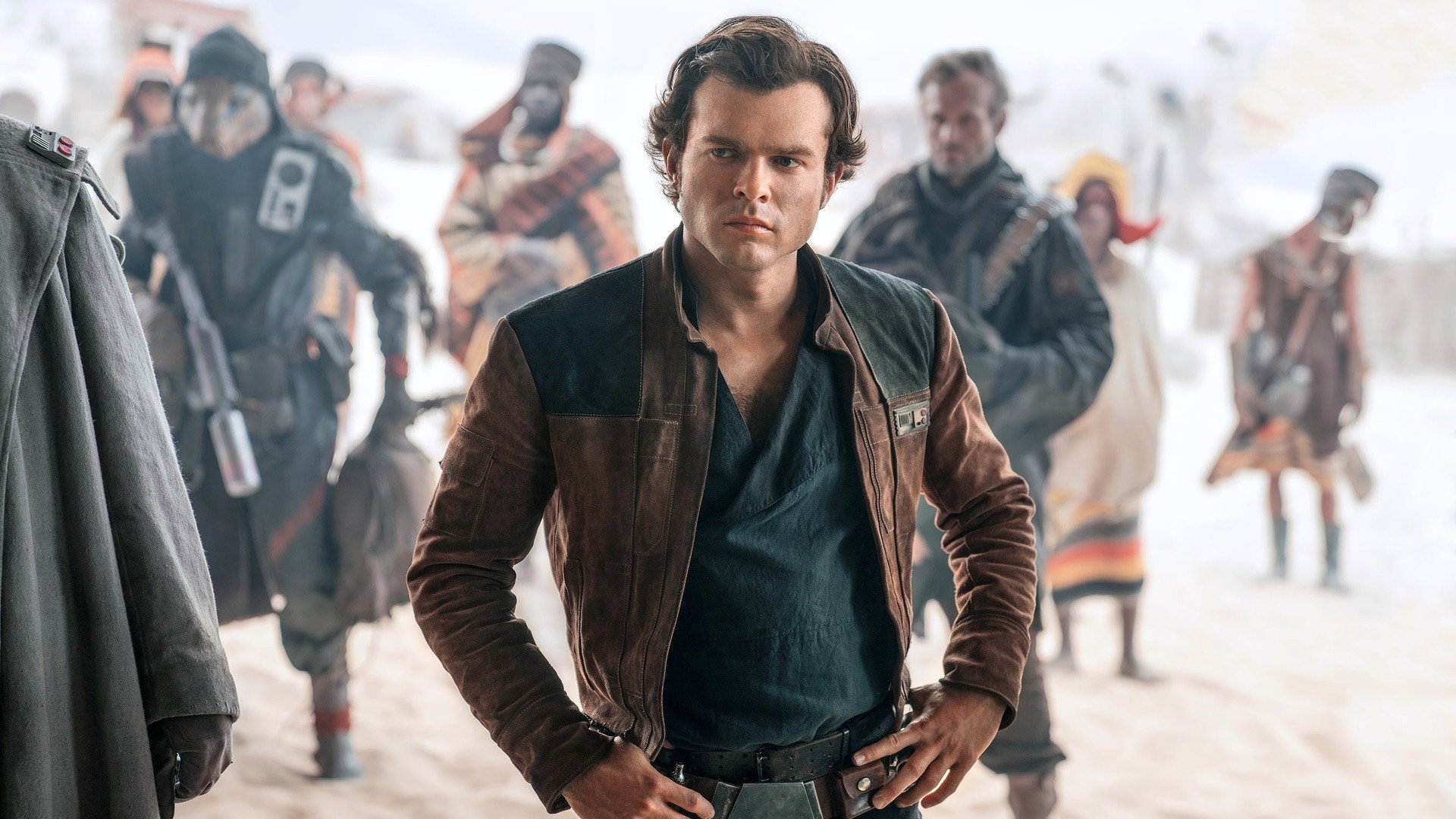
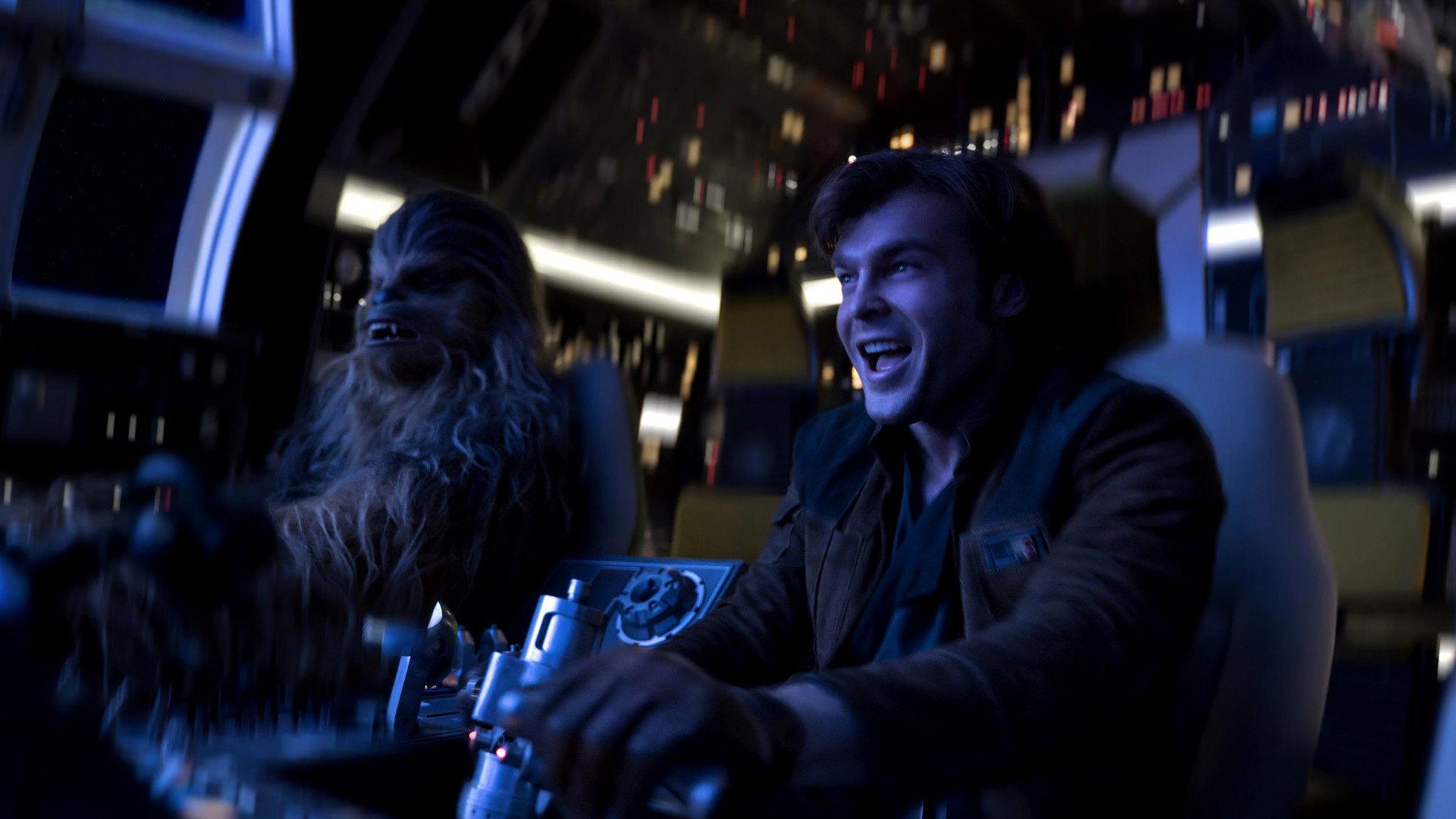
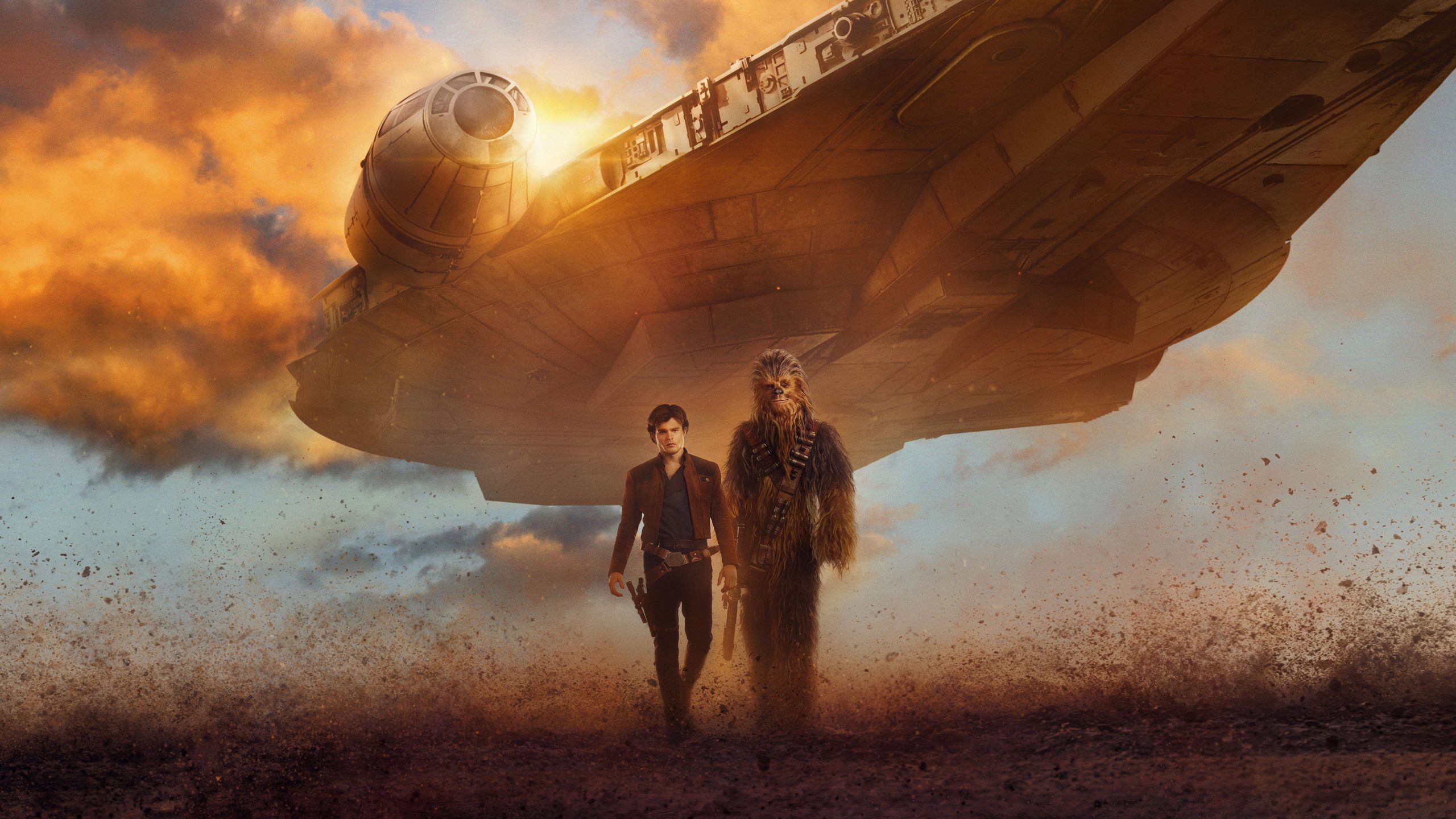
Alden Ehrenreich, who has the least enviable job here, does not attempt Ford’s growl or slouch; he plays Han as a boy who has decided to be a rogue before he has done anything roguish, and the grin arrives a beat ahead of the confidence. Halfway through, the script runs out of things for him to learn, because he has to finish where four other films have put him, and the second hour is things happening to a man who does not change. Joonas Suotamo’s Chewbacca fares better. The meeting in the mud on Mimban, two prisoners who stop fighting once they realise they want the same thing, is the one scene that did not feel like homework.
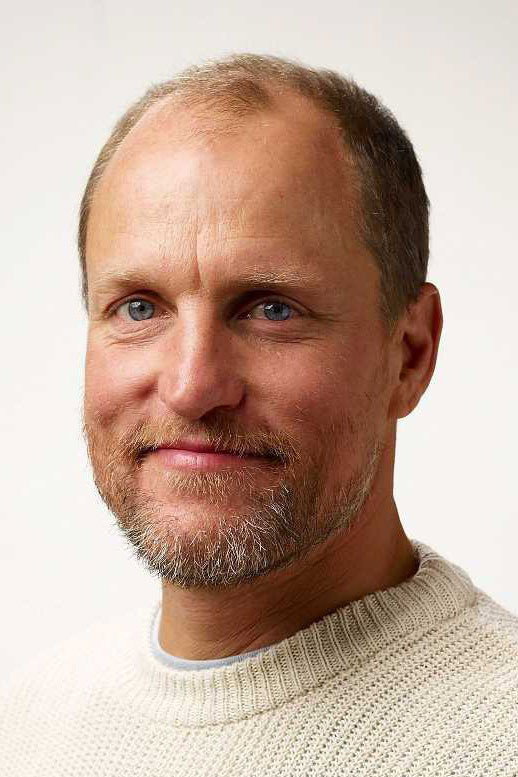
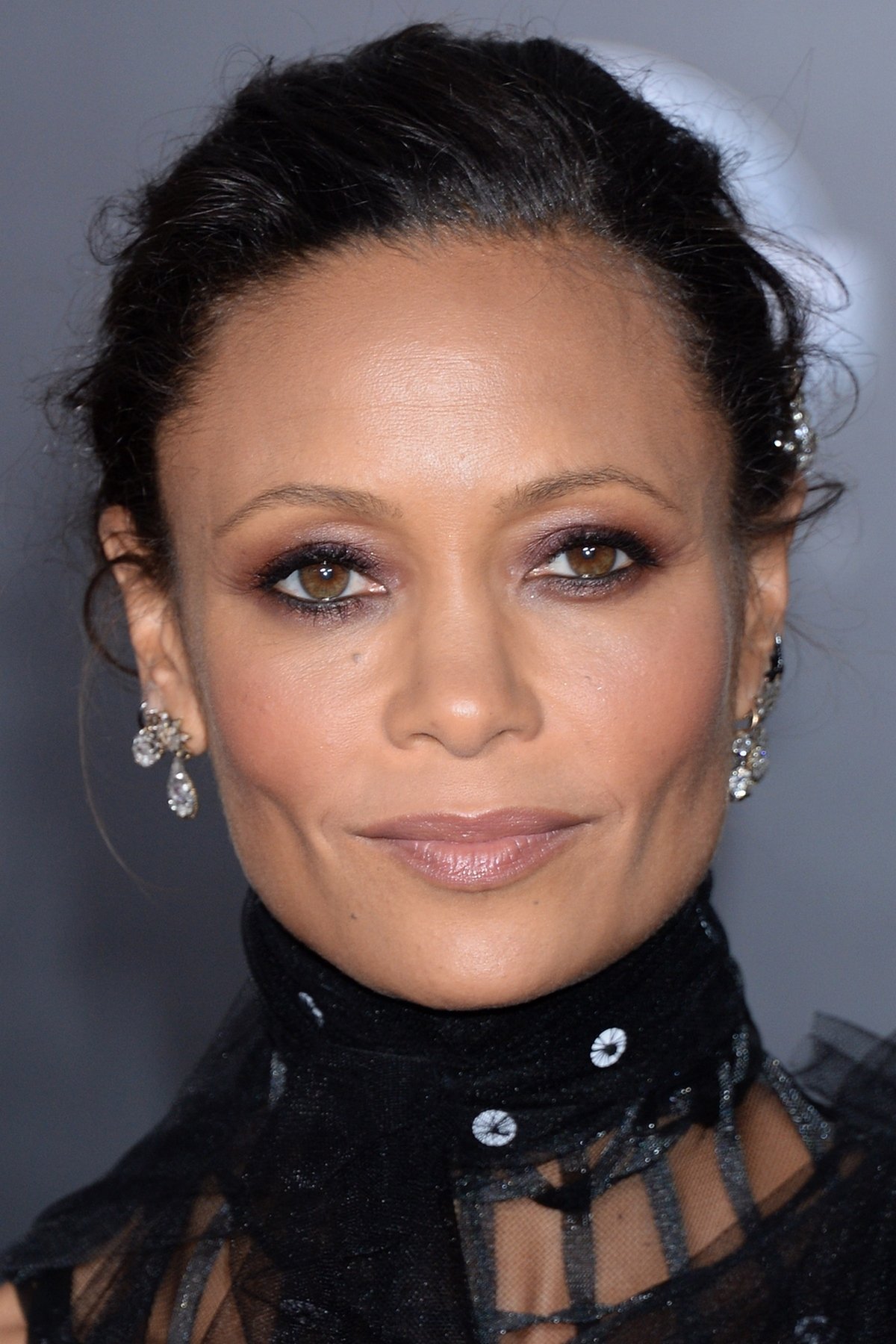
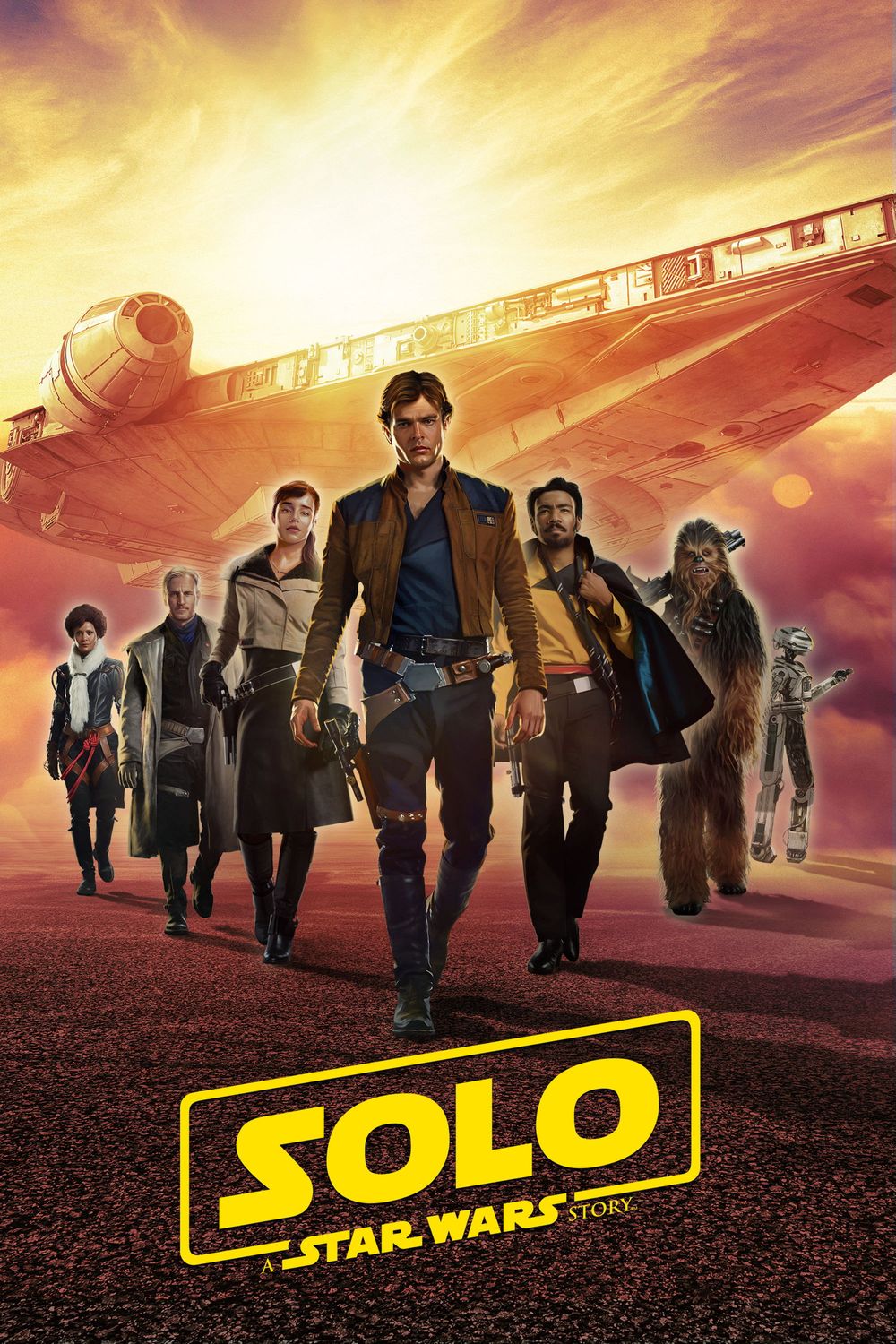
The train job on Vandor is the good bit. A freight train runs on a track cut into a mountainside, Beckett’s crew drop onto it from above, and the Cloud Riders, led by Enfys Nest (Erin Kellyman), come at them out of the snow. Pietro Scalia cuts it so we always know which carriage we are on and which is about to go over the edge, and John Powell’s score gets to be loud and brassy without drowning anyone. Woody Harrelson gives Beckett a tired, sardonic decency; Thandiwe Newton’s Val gets about six lines and deserved more.
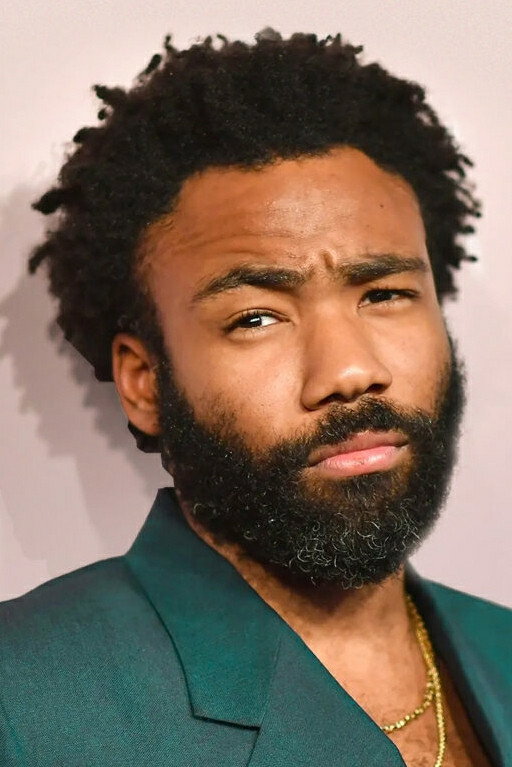
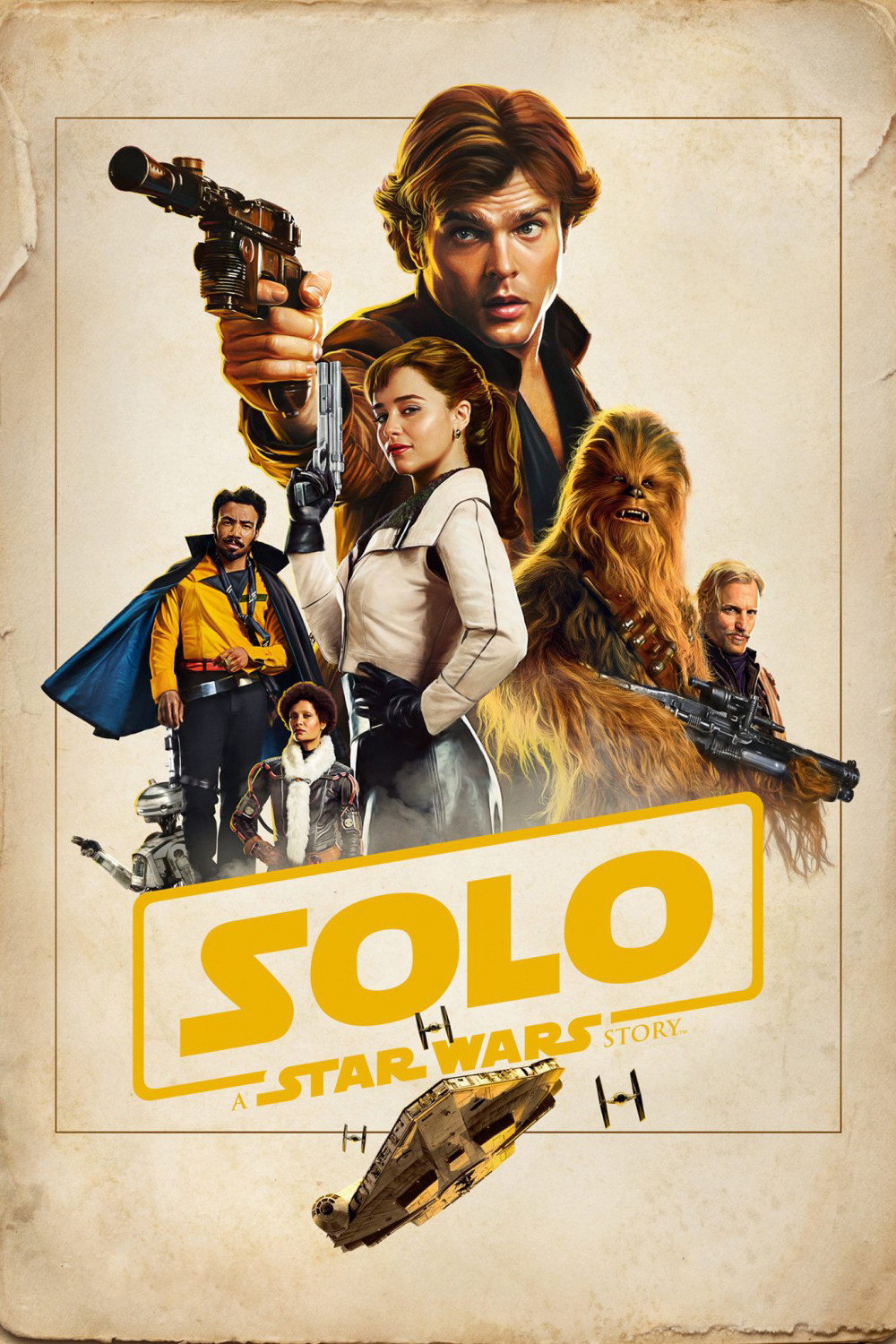
Donald Glover arrives in the second act and the film brightens, in both senses. His Lando is vain, unhurried, mispronounces Han’s name on purpose and keeps a wardrobe of capes aboard his ship. Glyn Dillon and David Crossman dress him in mustard and burgundy, and you can see him from the back of the cinema, which here is a distinction. Phoebe Waller-Bridge voices his droid L3–37 as a shop steward on tracks, agitating for droid rights in the middle of a card game. We laughed at every line she had, and then wished the film were about her.
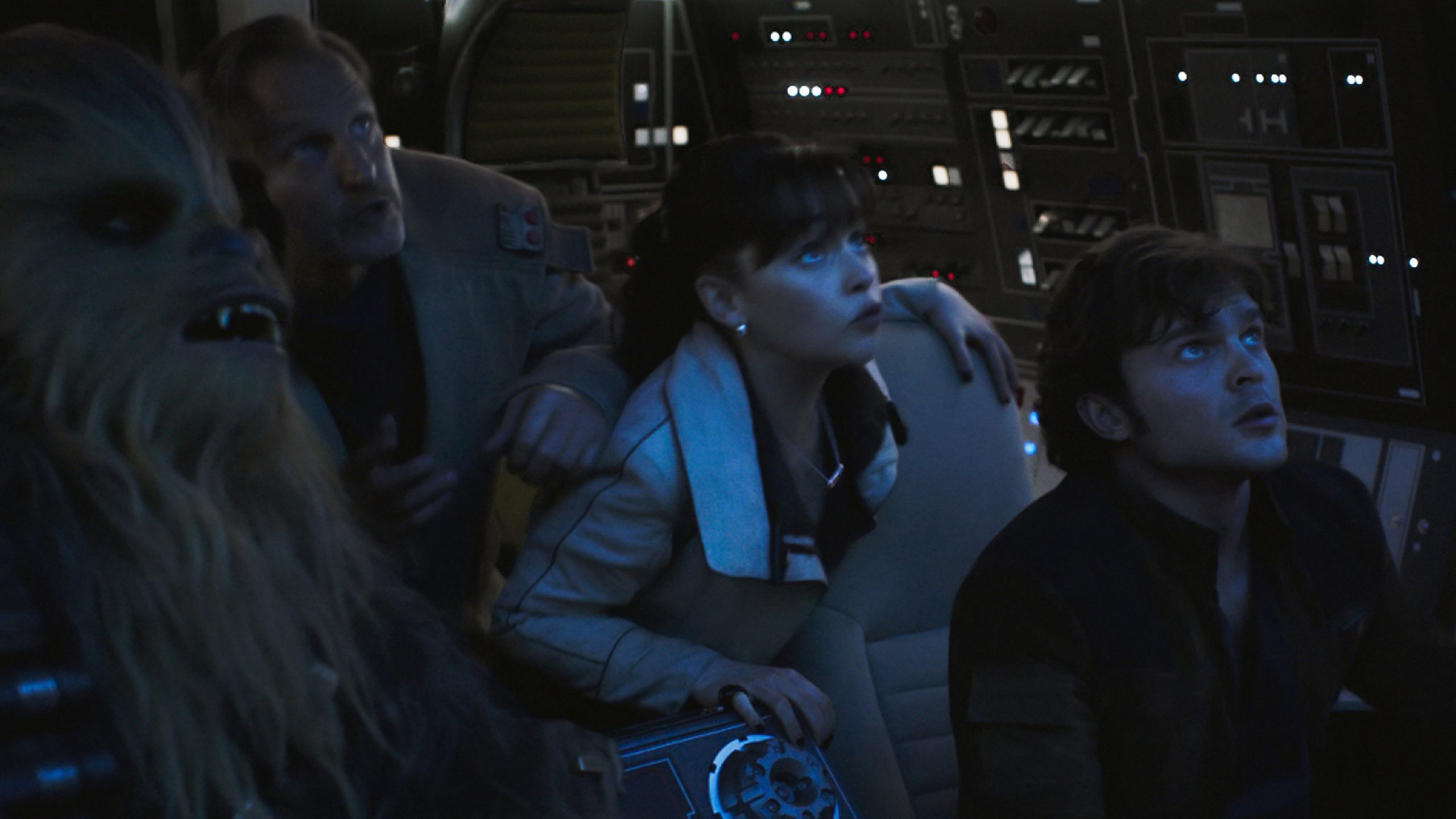
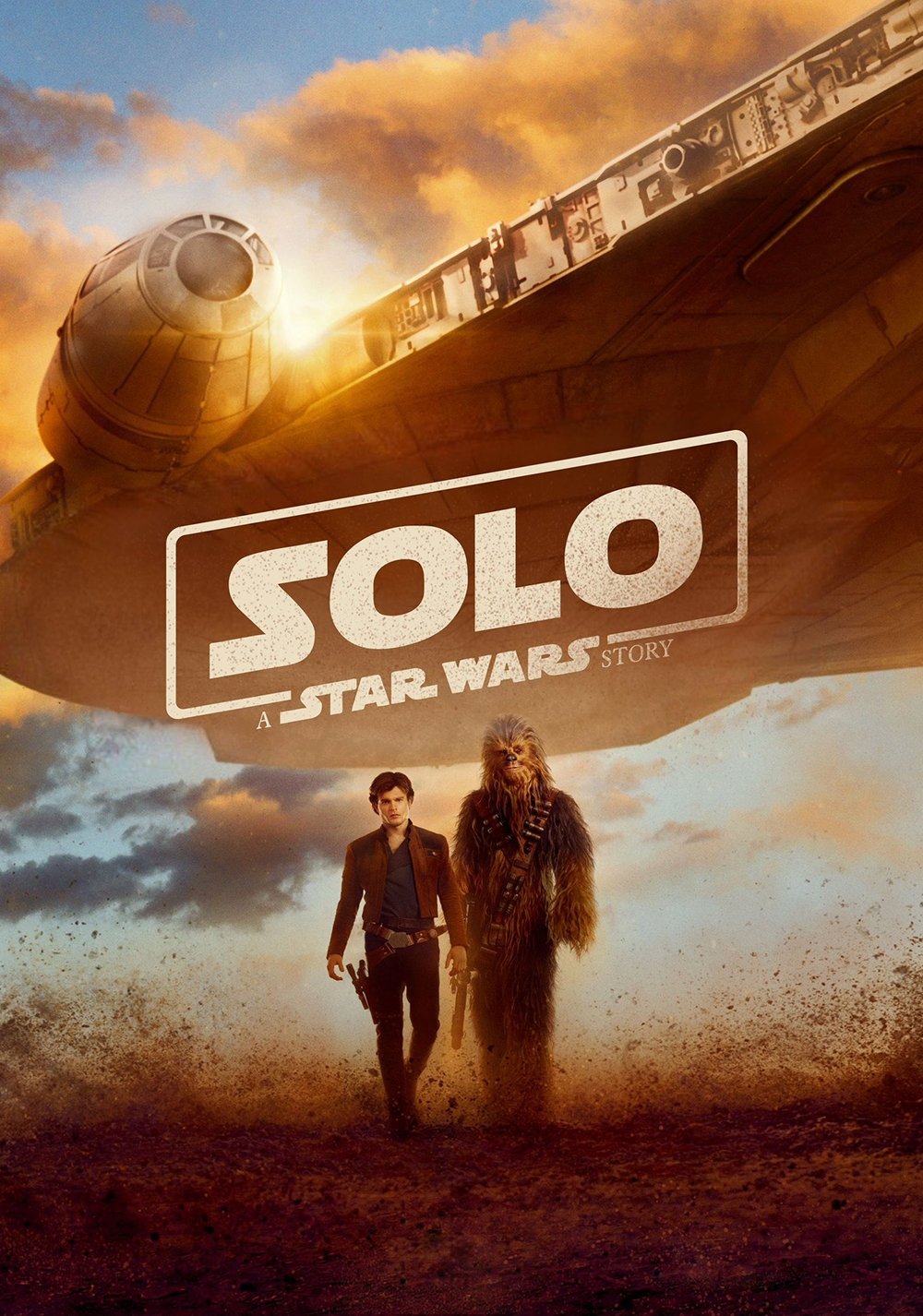
Bradford Young has shot the film in browns and greys with the lights turned down, so the Corellian slums are smoke, the Mimban trenches are mud lit by shellfire, and the famous ship is a set of silhouettes. We understand the idea, a Star Wars that looks worn rather than lit like a showroom; still, a good deal of this is not dim but dark. Neil Lamont’s production design, the shipyards, Dryden Vos’s yacht with its walls of looted trophies, is handsome whenever the light finds it. We spent the Kessel Run, the film’s big chase, squinting for the ship.
The script has the prequel disease of explaining everything. Where the dice came from. Why he is called Solo. Each answer made us feel less, not more; the mystery had been doing more work than the fact could. A heist film runs on not knowing who will be standing at the end, and this one is built around a man whose survival has been public record since 1977. Emilia Clarke’s Qi’ra is meant to be the thing we cannot predict; she is poised and watchful and has nothing to play except a secret, and a secret is not a character. Paul Bettany’s Vos, whose facial scars glow when he is cross, is more fun and gets less to do.
It is not a bad evening. The train job is a proper set piece, Glover is worth the ticket on his own, and Howard keeps it moving. But we left knowing as much about Han Solo as when we went in, with the footnotes filled in. It carries a 12A. Watch it at home, with the curtains drawn and the brightness up, and you will at least get to see the ship.