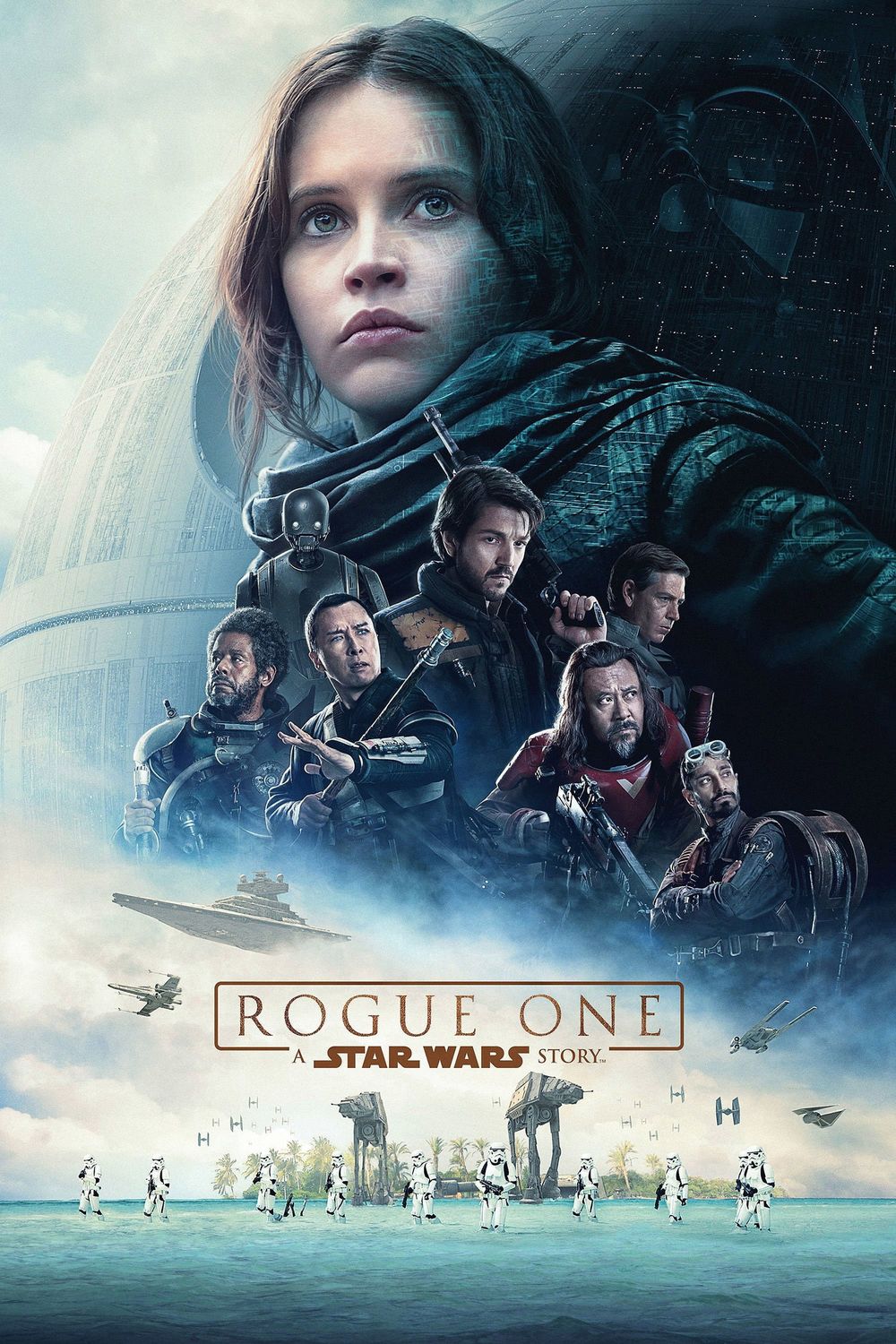
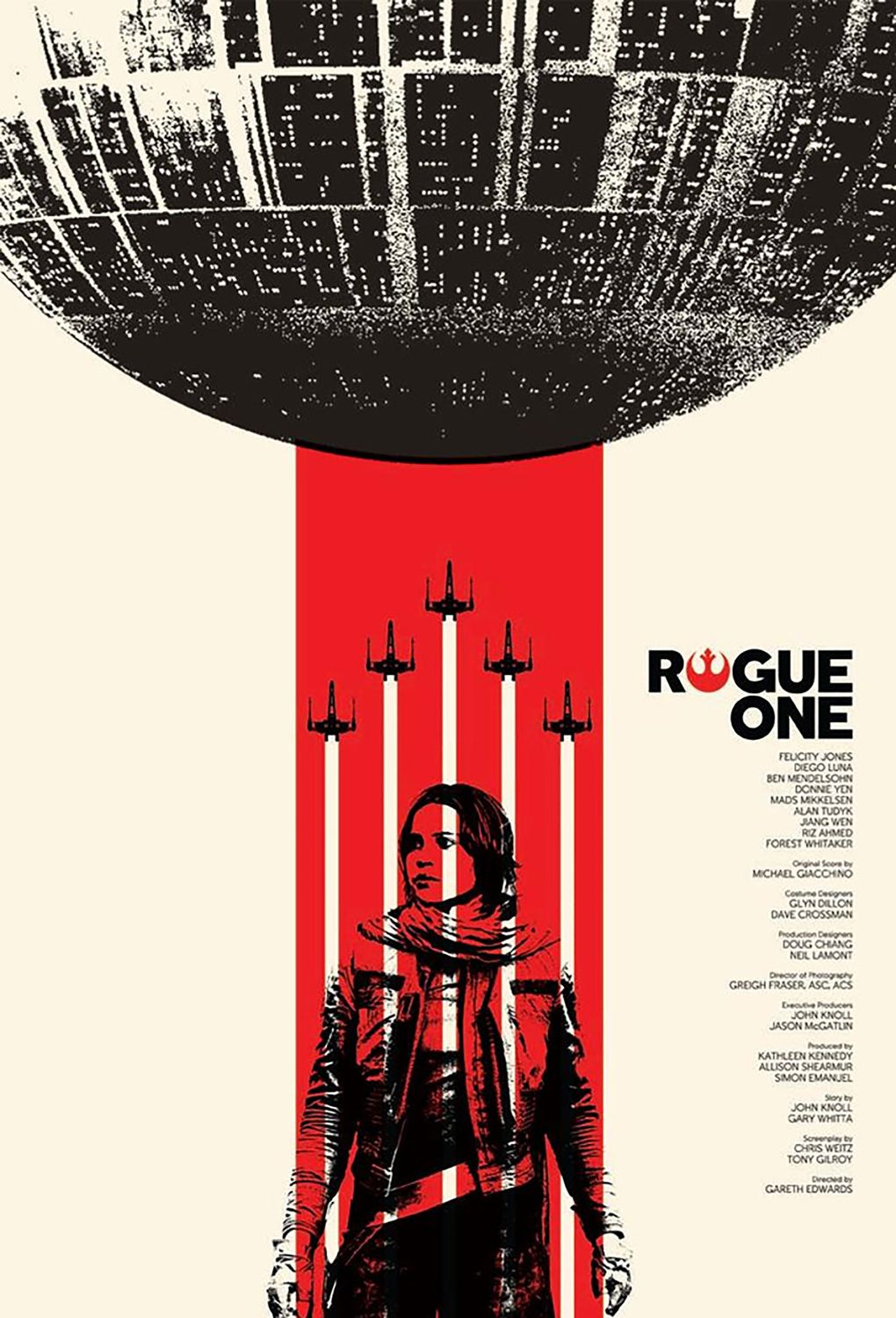
Gareth Edwards’s spin-off spends an hour introducing people it does not know well, then stages the best battle in the series. It is grimy, handsome and oddly unsure of its heroine, and worth the evening for its last forty minutes.
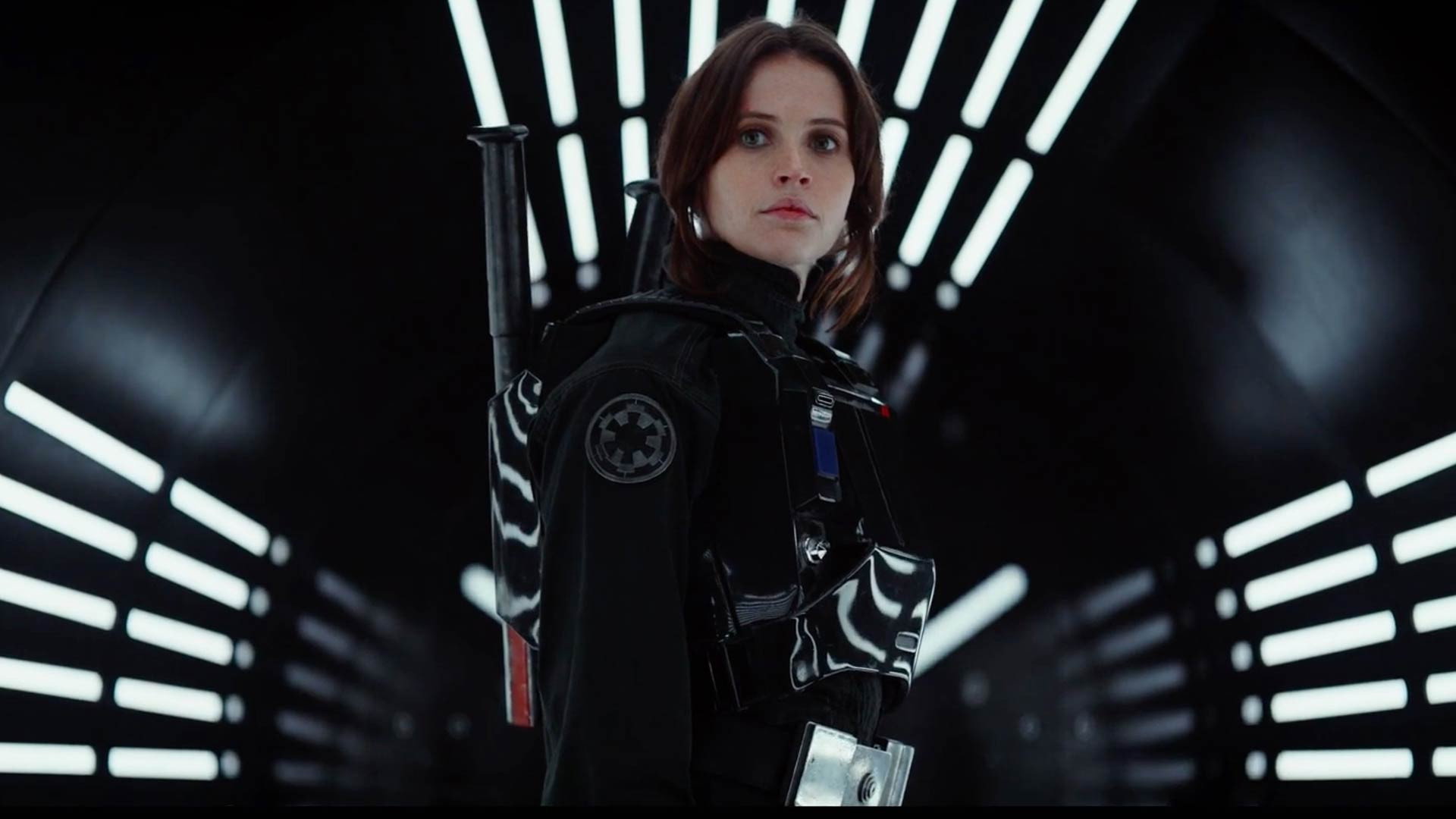
Star Wars (1977) opens with a princess, a captured ship, and the plans for a battle station hidden inside a droid. Rogue One is the story of the stealing. Gareth Edwards has been given the one corner of the saga where nobody has a lightsaber and the ending is already fixed, and made a war film of it: mud, rain, people in ponchos. For its last forty minutes it is a good one. Getting there asks for patience.
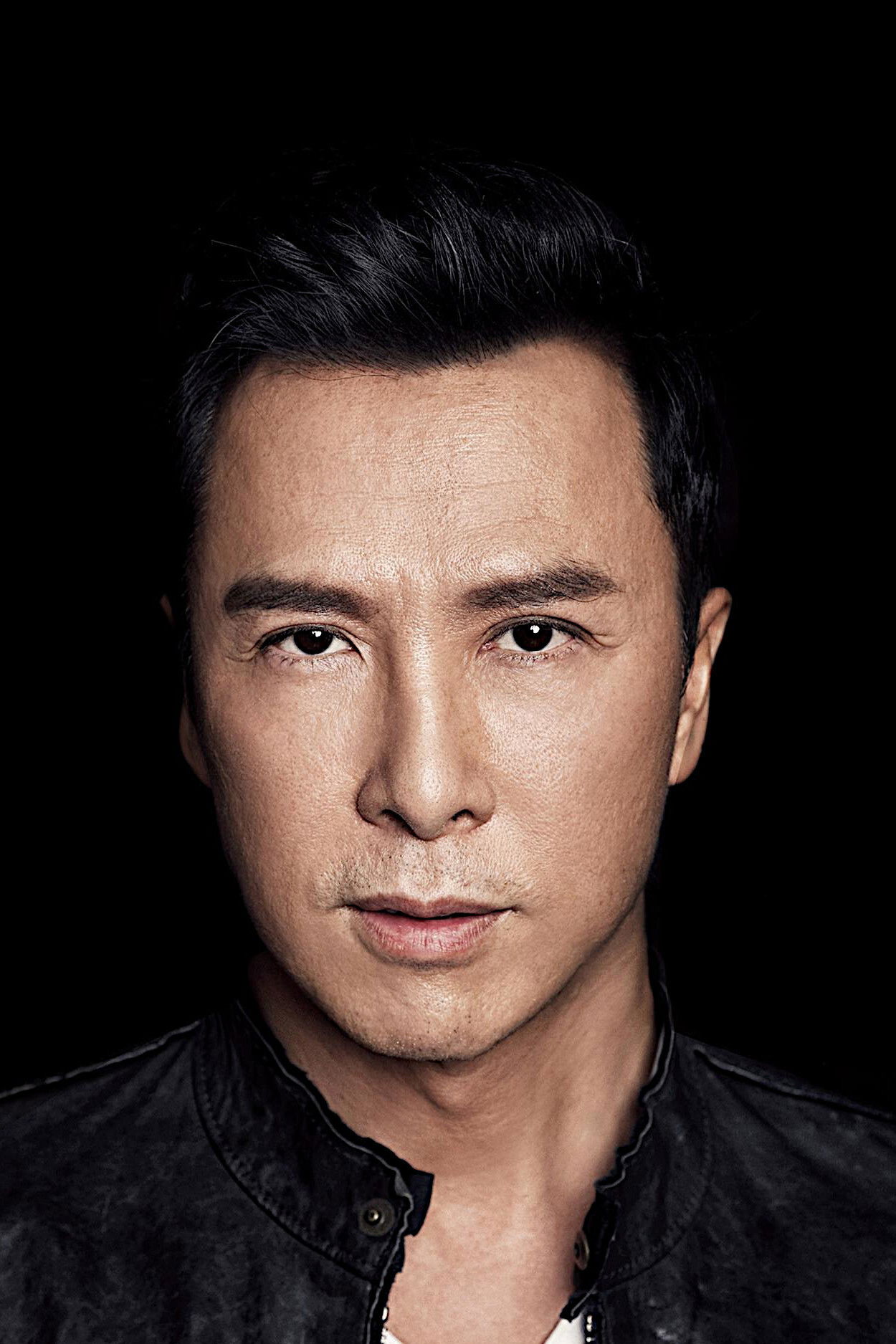
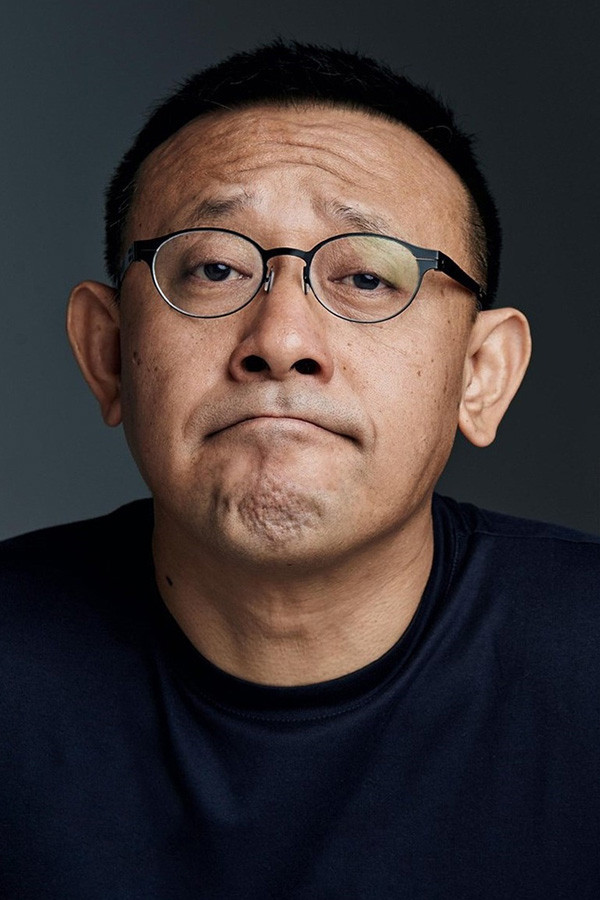
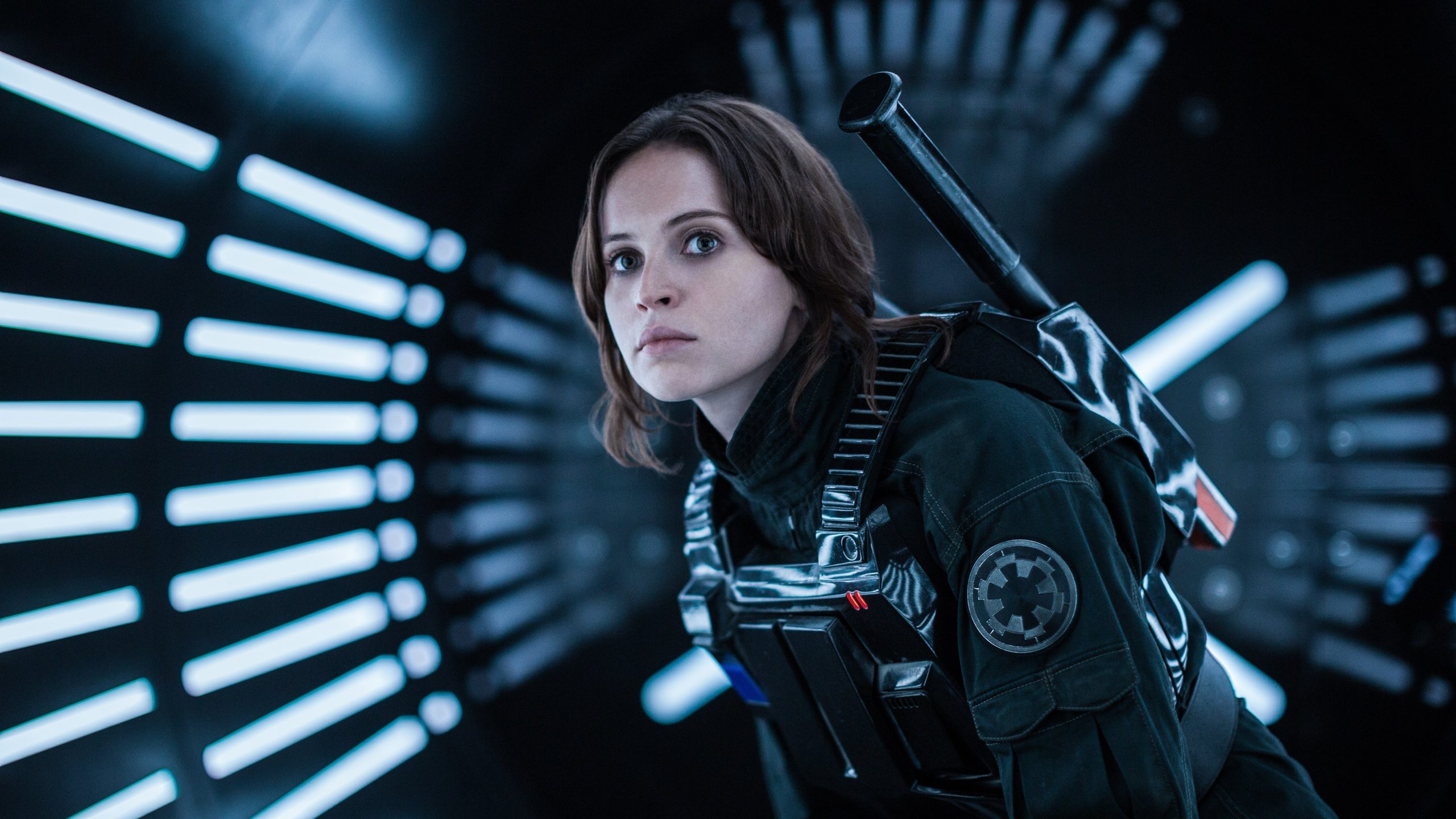
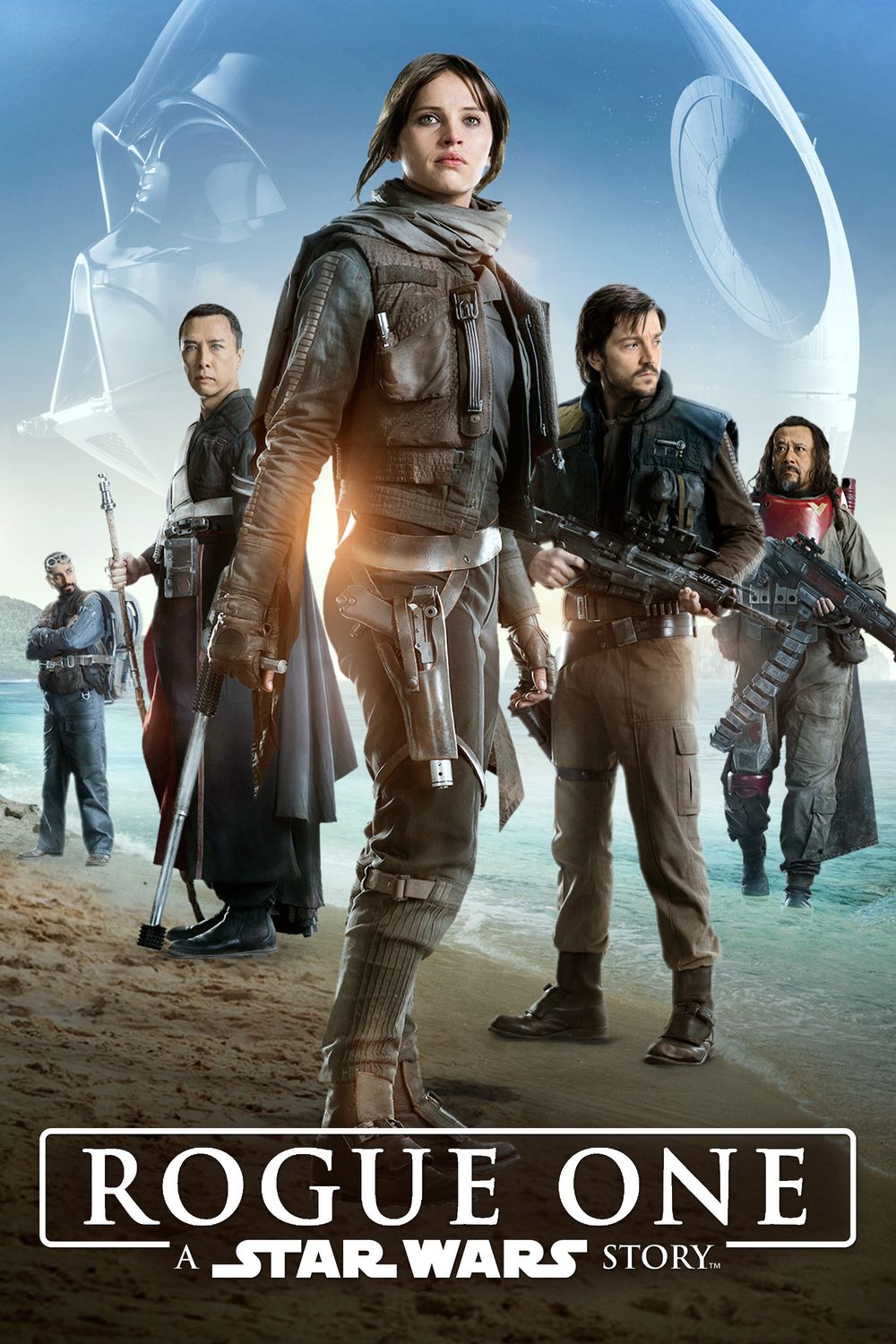
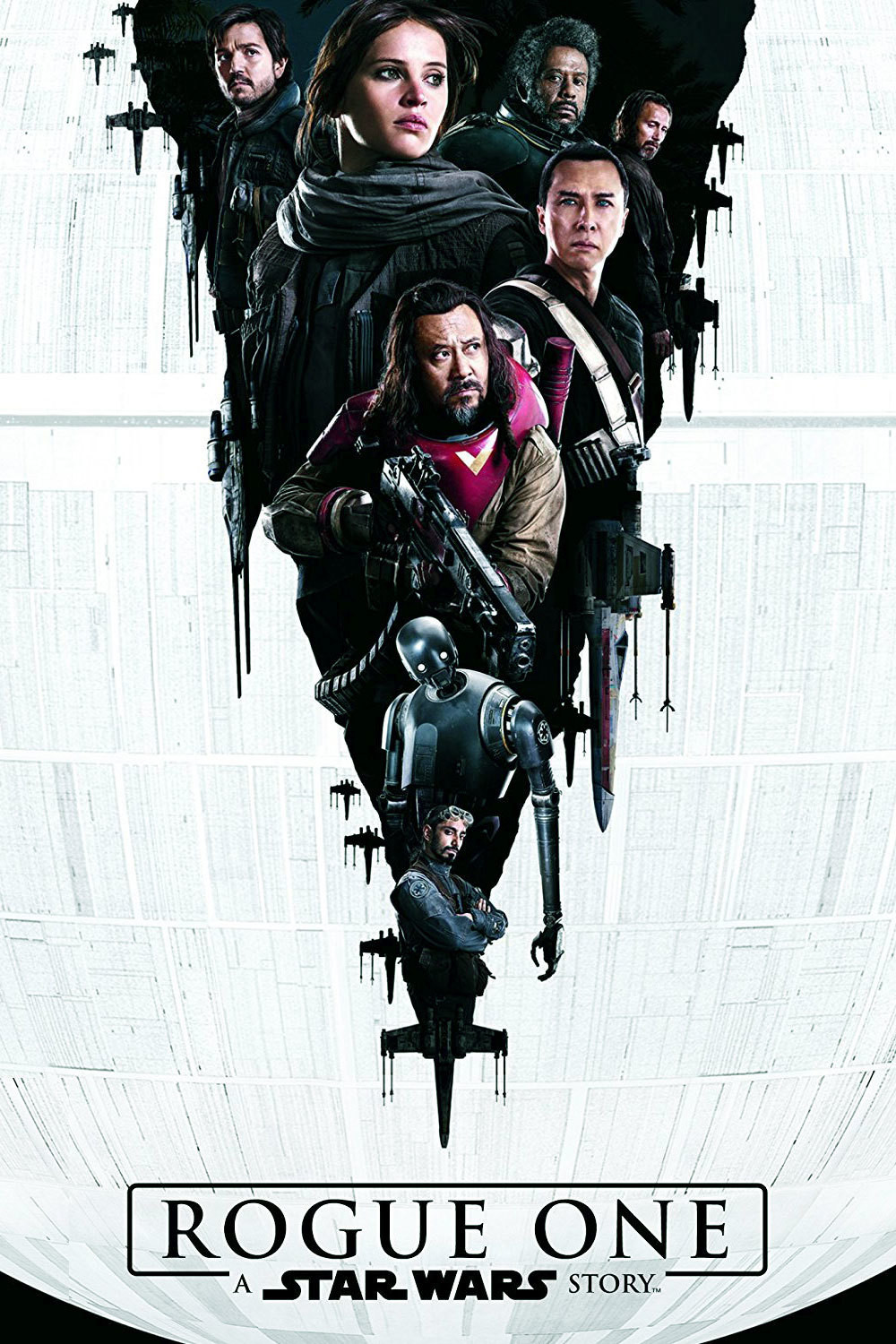
The screenplay, by Chris Weitz and Tony Gilroy from a story by John Knoll and Gary Whitta, takes most of an hour to get its people into one room. Jyn Erso (Felicity Jones) is pulled out of an Imperial labour camp because her father Galen (Mads Mikkelsen) is building the Empire’s weapon. Cassian Andor (Diego Luna) goes with her, under orders she has not been told. They collect a blind warrior (Donnie Yen), his armed friend (Jiang Wen), a shaking defector (Riz Ahmed) and a droid. We were bored around the rain-soaked research station, then annoyed to be bored with this many good faces on screen. Jabez Olssen, Colin Goudie and John Gilroy are credited as editors, and the first hour looks like a longer film cut down with the joins left in.
Jones is a watchful, capable lead given one thing to feel. Jyn wants her father; the film wants her to want the Rebellion; the writing asks for both and never chooses. Luna does more with less: Cassian has done things he does not like for a cause he does, and it shows in the way he never quite meets anyone’s eye. Alan Tudyk’s K-2SO, a reprogrammed Imperial security droid, gets every good line. Yen and Wen play Chirrut and Baze as an old married couple with a staff and a repeating cannon.
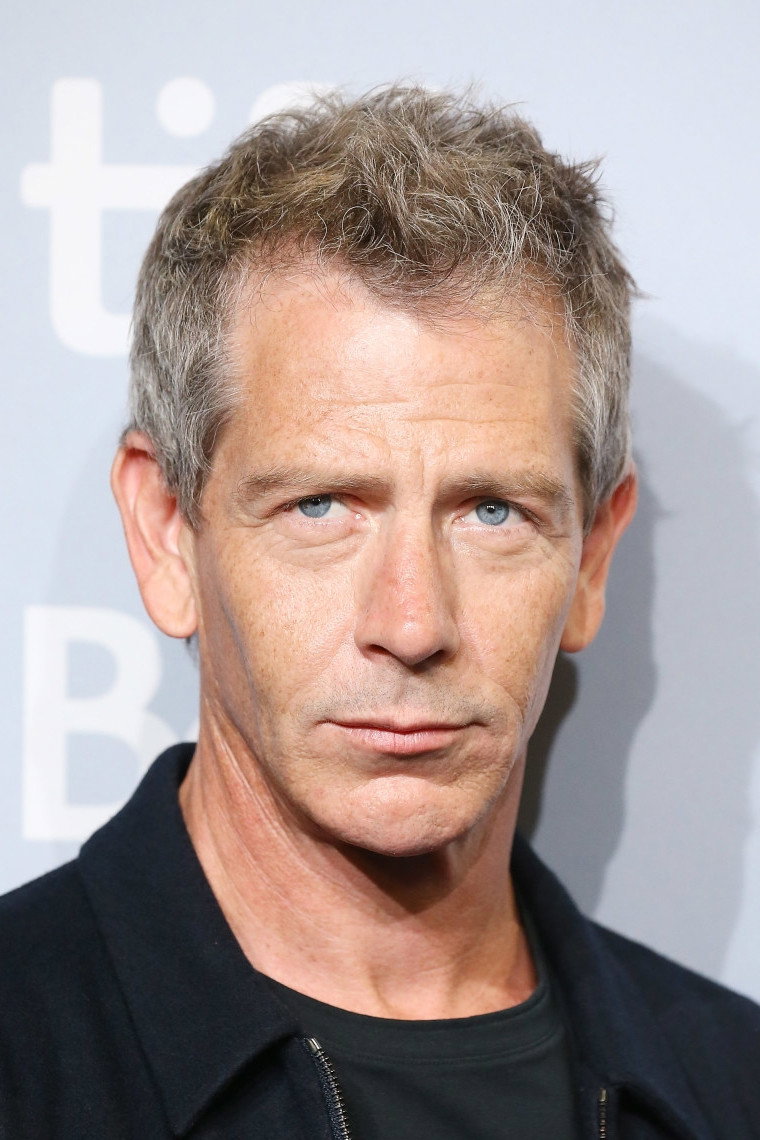
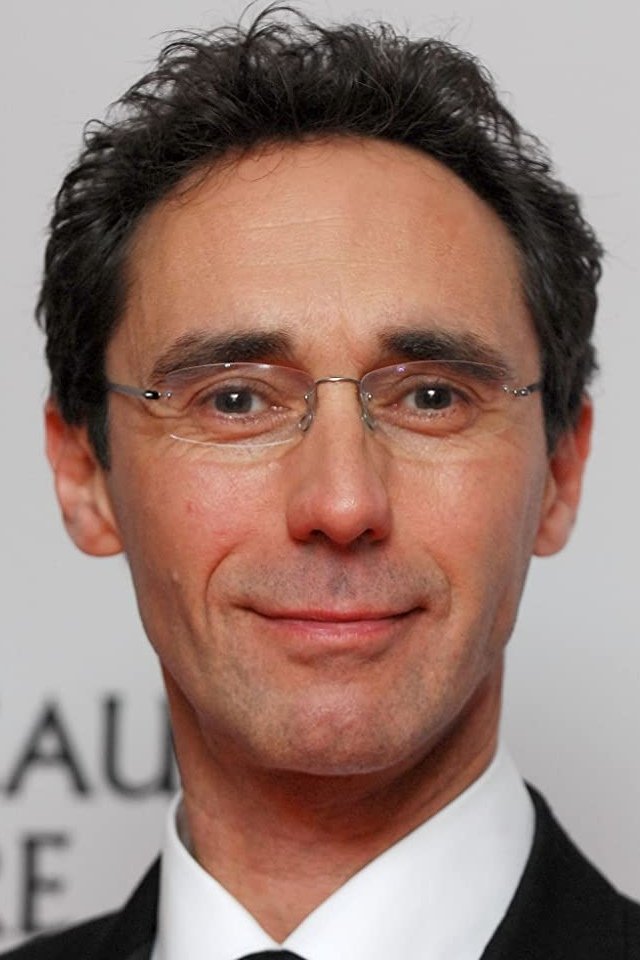
Ben Mendelsohn’s Orson Krennic is the film’s most useful invention: a project director in a white cape, frightened of the men above him and taking it out on the men below. One of his meetings is with Governor Tarkin, played by Guy Henry beneath a digital reconstruction of the late Peter Cushing. It is skilful and it does not work. The eyes are wrong and the mouth is a half-beat behind the voice, and every time he spoke we stopped watching the scene and started watching the trick.
Edwards likes something small at the bottom of the frame and something enormous above it. A Star Destroyer hangs over the holy city of Jedha like weather. Greig Fraser shoots it handheld and close, so that Imperial white looks like something that would need cleaning. Doug Chiang and Neil Lamont’s Empire is a civil service: data towers, filing systems, a tropical base with a security gate. Glyn Dillon and David Crossman dress the rebels in whatever khaki they could find and Krennic in a cape he chose himself. Michael Giacchino’s score circles John Williams’s themes without settling on one of its own, and is best when it goes quiet.
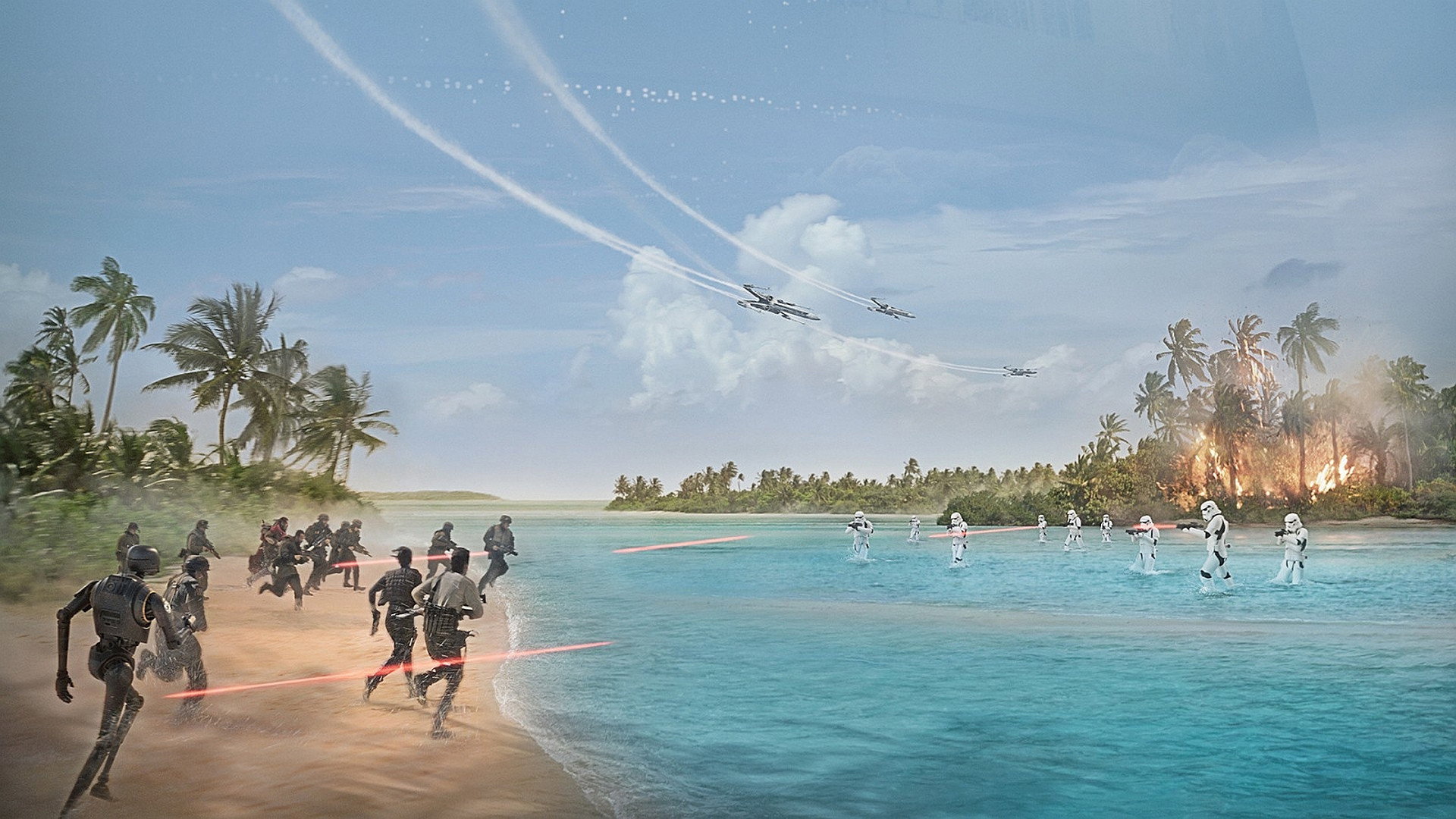
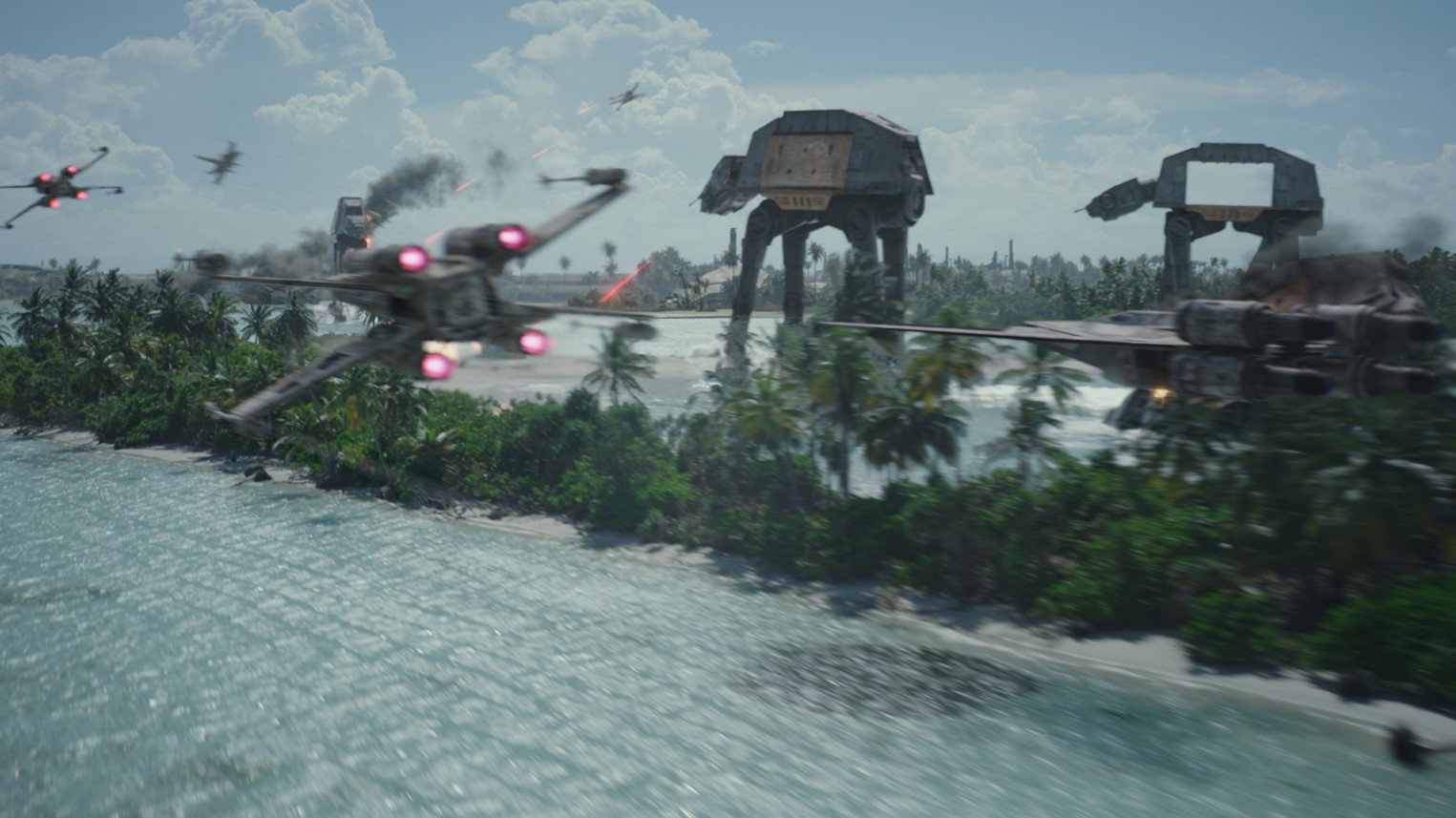
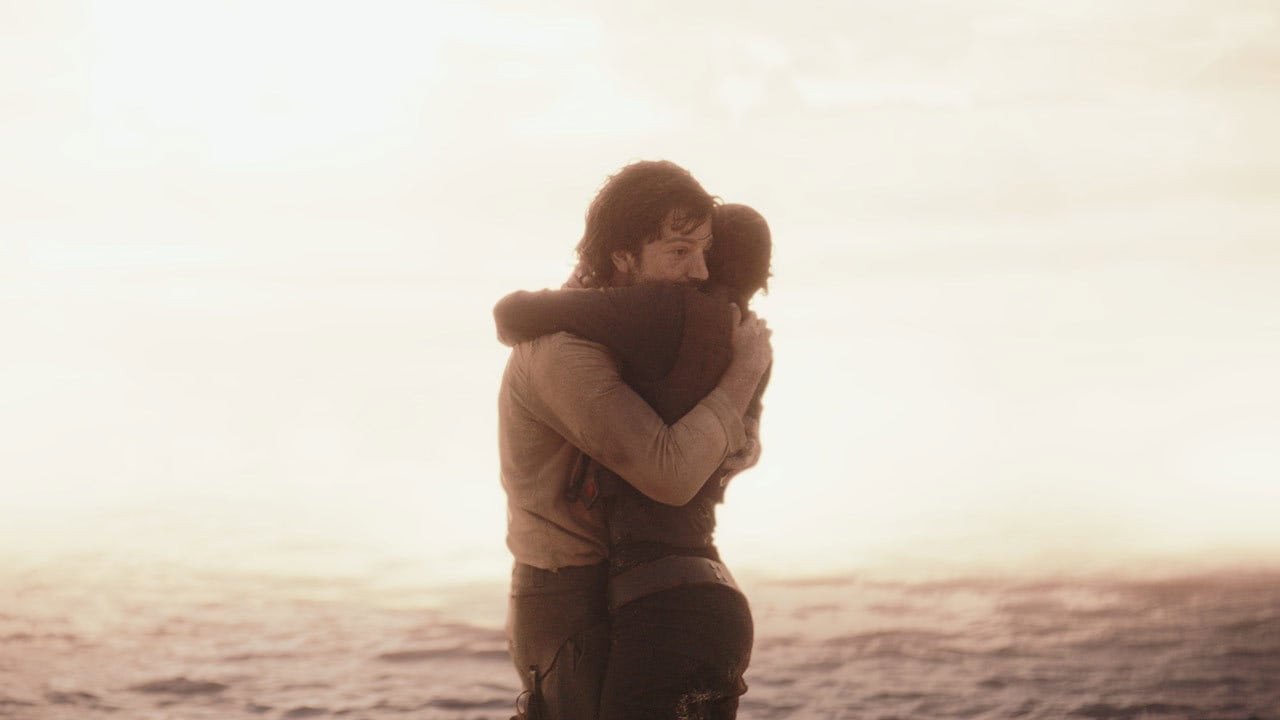
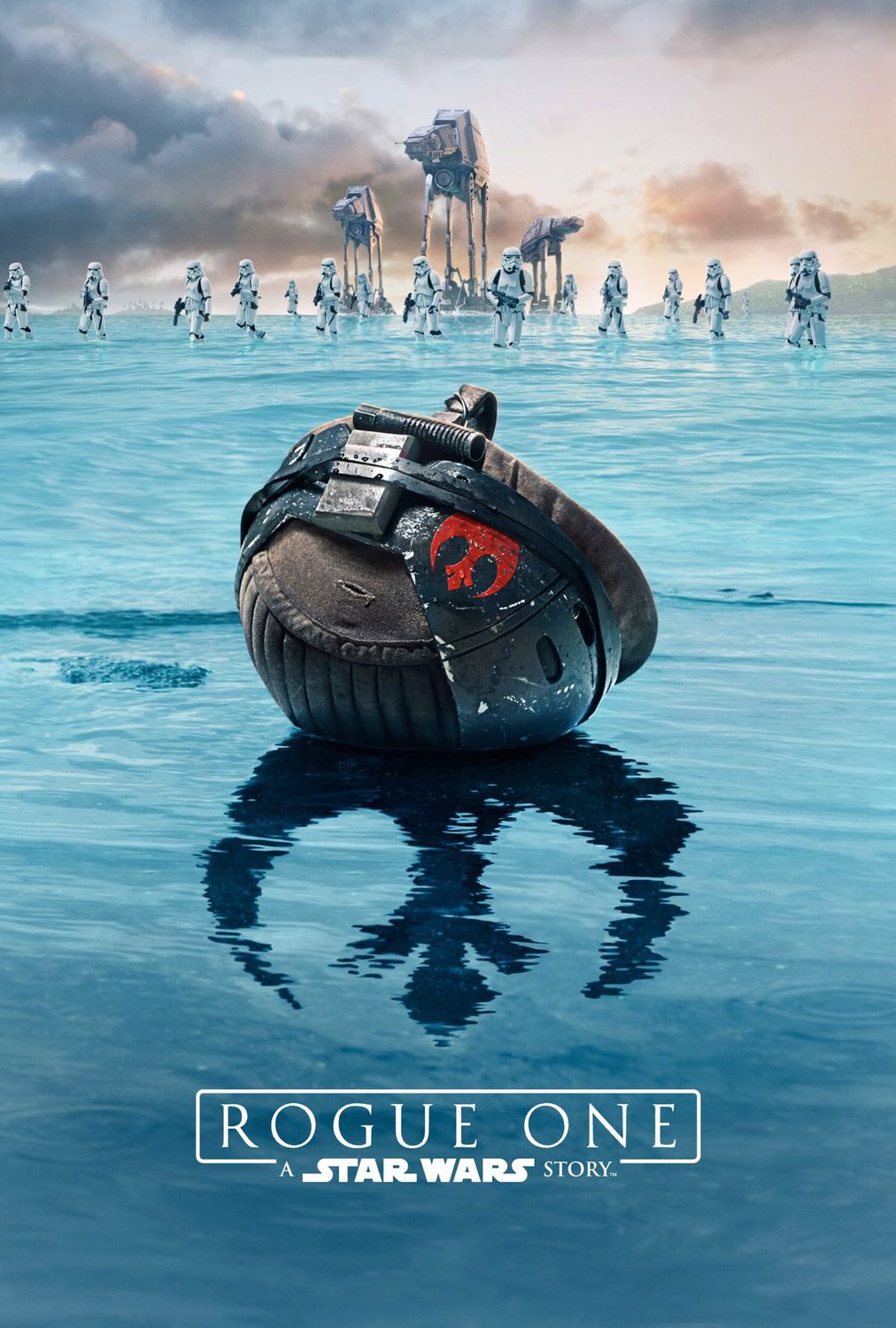
Then the film reaches the beach, and does well everything the first hour did badly. The raid on the Imperial archive is a proper battle: a plan, a clock, a small team on the ground and a fleet overhead, cut so that a choice in one place costs something in the other. When the Imperial walkers come out of the sea and through the palm trees we sat forward, because Edwards’s scale was at last attached to people we had come to care about. The last stretch takes a turn we will not describe. It moved us more than we expected, because the film stops explaining and lets its characters do what they said they would.
Within the saga this is the odd one out: no princesses, no chosen child, no interest in the Force beyond one blind man’s faith in it. It has a first half that would have been improved by losing a planet, and a heroine who deserved another draft. See it for Mendelsohn, for Tudyk and for the beach. If you have never seen Star Wars, watch that first; this is a prologue. It runs 133 minutes and carries a 12A.