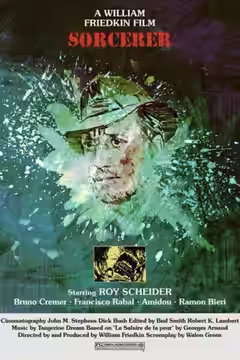
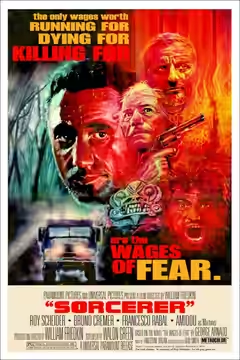
Sorcerer is a punishing, gripping thriller whose jungle driving makes danger feel horribly physical. William Friedkin takes too long getting there, but the performances, rain-soaked photography and sound reward the wait.
William Friedkin makes the business of driving through a jungle seem sufficient reason to abandon driving altogether. Sorcerer is an excellent thriller, demanding patience before it delivers danger with a force that makes the wait worthwhile. Its four outlaws offer little reassurance, and the film has no interest in making their undertaking look like a pleasant test of character. For an adventure film, it is unusually good at making physical effort look exhausting, however much we might enjoy watching it.
The prologue is the substantial reservation. The opening of William Friedkin and Walon Green’s screenplay runs longer than it needs to, and the film can feel remote when it ought to be drawing us closer. The distance has a purpose: these are outlaws, and easy affection would soften the film. But the amount of preparation makes the jungle driving seem unnecessarily deferred, particularly when the performances can tell us so much without explanation.
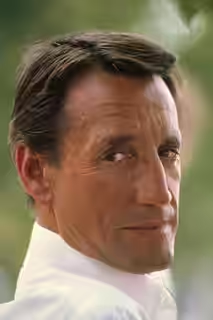
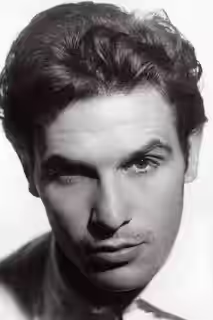
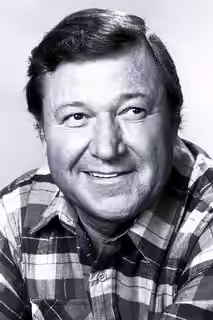
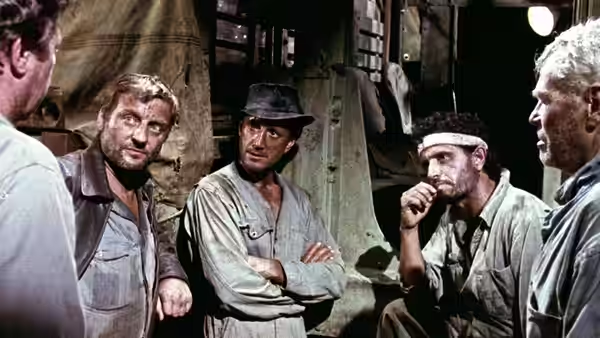
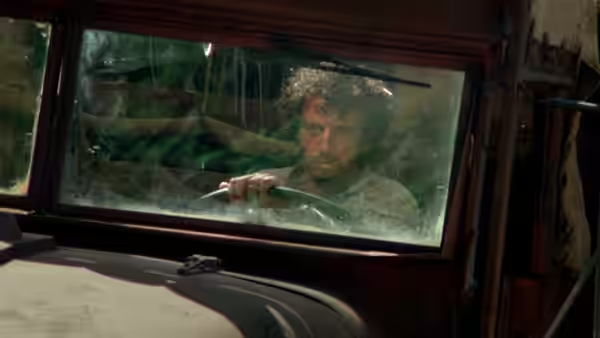
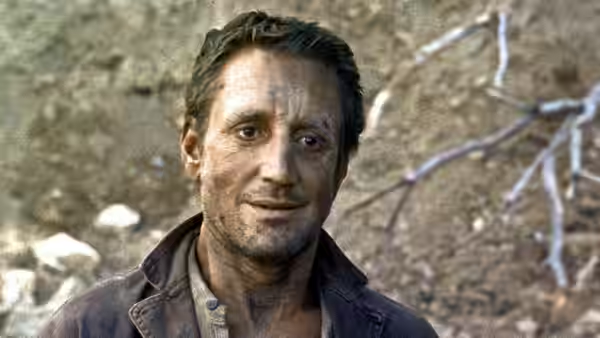
Roy Scheider gives the film a human urgency that keeps its severity from becoming monotonous. He makes the pressure convincing without asking for much sympathy, and we keep watching partly because his performance offers so little relief. Bruno Cremer, Francisco Rabal and Amidou make the group feel uneasy enough that companionship never becomes a promise of safety. The dialogue-light approach suits them: we have time to watch the men, rather than wait for each to explain himself.
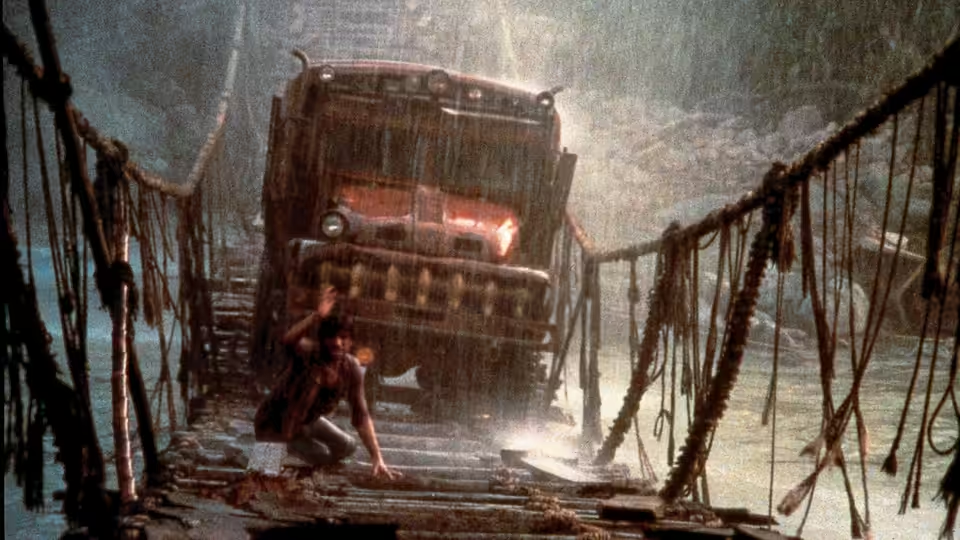
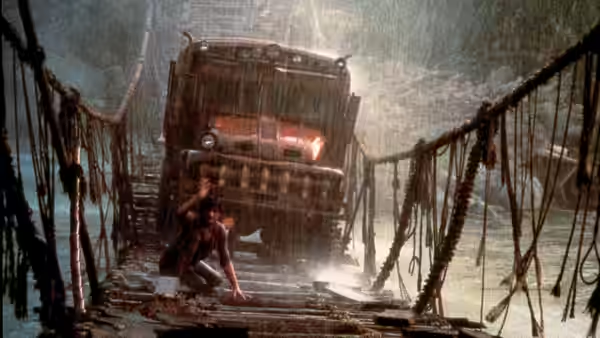
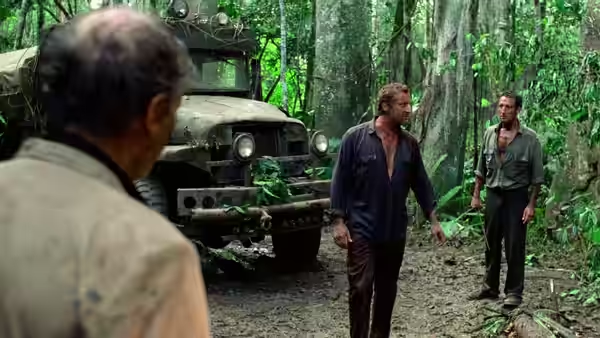
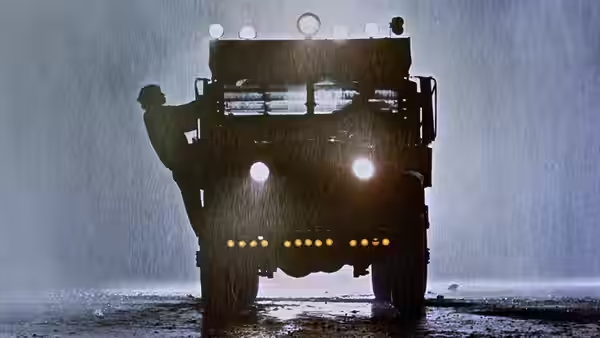
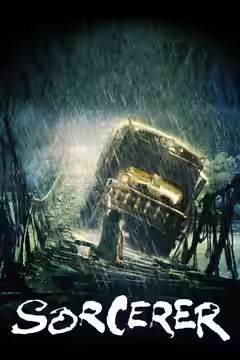
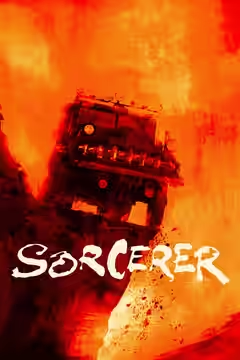
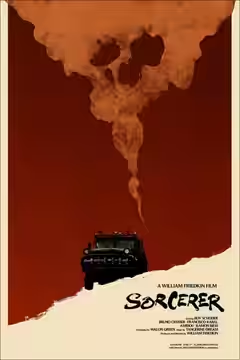
John M. Stephens and Dick Bush photograph torrential rain so that the difficulty of the jungle driving remains legible. We can see enough to understand the danger without the weather ever seeming manageable. John Box’s production design gives the trucks the weight and presence these sequences need; they remain convincing even when the circumstances become almost absurdly punishing. The film depends on our believing in the difficulty of moving these vehicles, and that belief holds.
We were frightened during the stormy bridge crossing. The sound makes the movement of a truck feel horribly precarious, and the rain keeps the sequence from offering any visual comfort. Bud S. Smith and Robert K. Lambert’s editing gives the driving enough time to become an ordeal without making the immediate problem hard to follow. The patience that drags in the prologue pays off here, because hurrying through a manoeuvre would let us stop worrying about it.
The music credited to Christopher Franke, Peter Baumann and Edgar Froese adds an unsettling pulse without having to explain the men. Its insistence suits a film that gives so little space to ordinary warmth, although the sustained harshness may exhaust some viewers before it satisfies them. That is a fair objection to a thriller which is so determined to keep us uncomfortable. We found the severity persuasive because the driving sequences make the men’s vulnerability so easy to understand.
Anyone looking for cheerful resourcefulness should choose a different adventure. The pleasure here comes from watching difficult action staged clearly enough that we cannot dismiss the risk, even when we would quite like a breather. The slow beginning remains a cost, but it should not keep those with a taste for severe suspense away. Give the sound your full attention, and leave any conversation until the trucks have stopped moving.