Sam Raimi gives Peter Parker’s romantic troubles enough weight to make the action matter. Tobey Maguire and Alfred Molina keep this generous, funny sequel engaging, even when the screenplay lingers too long over its hero’s unhappiness.
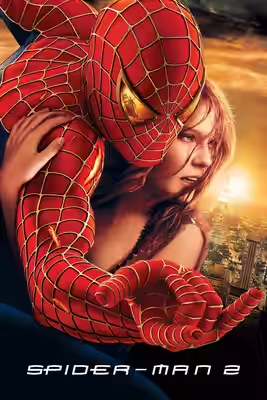
Sam Raimi understands how quickly a superhero’s unhappiness can become a nuisance, and Spider-Man 2 mostly avoids that trap. It is funny, involving and generous towards its troubled lead, with a stretch of repetitive anguish that could stand to be shorter. Peter Parker’s wish for a workable private life gives the action a reason to matter beyond the next confrontation. We recommend it warmly, especially for the way Tobey Maguire makes that wish seem reasonable even when crime-fighting keeps getting in the way.
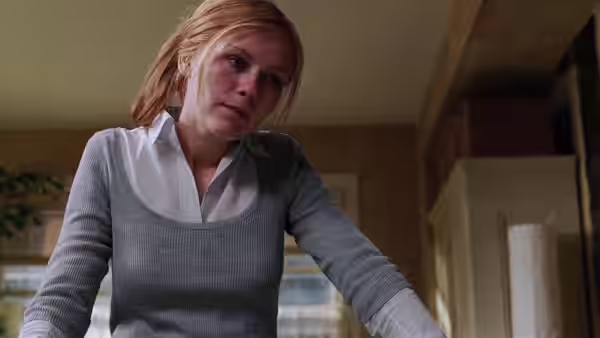
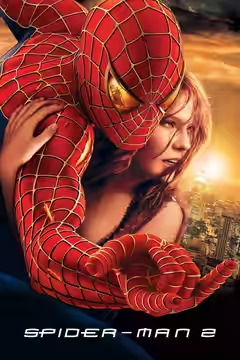
The lead performance gets the balance right: Peter’s awkwardness is amusing without making his unhappiness seem ridiculous. Kirsten Dunst gives Mary Jane Watson enough feeling to stop the romance becoming another occasion for him to worry about himself. We were more moved by their difficulties together than we expected. His uncertainty and her responsiveness make their scenes worth watching without the promise that somebody will shortly interrupt them with a fight, and neither performance needs to strain for sympathy.
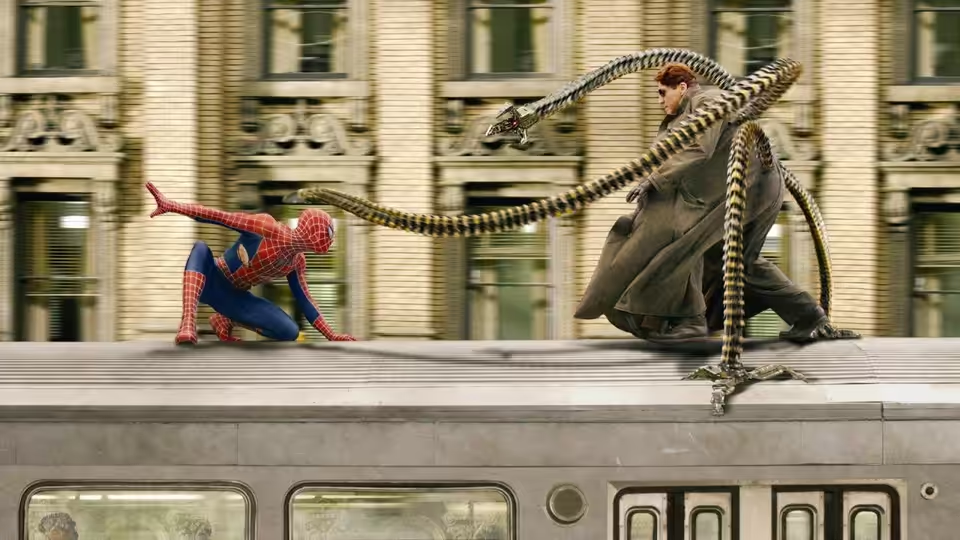
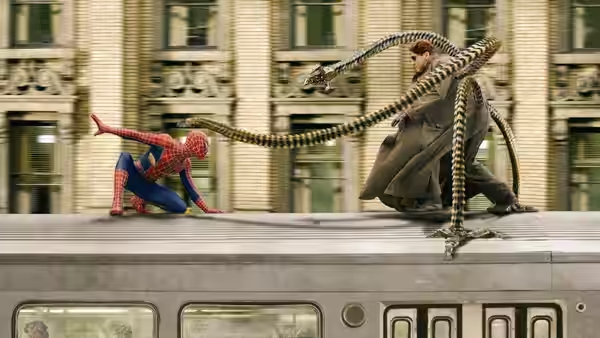
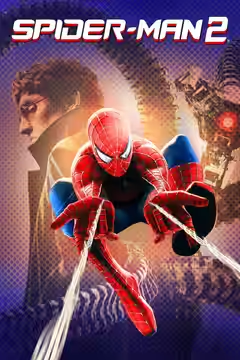
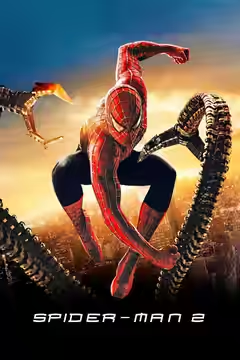
Alfred Molina gives Doc Ock the sort of attention usually reserved for the hero. He makes Otto Octavius interesting enough that we do not spend his scenes waiting for Spider-Man to return. There is pleasure in the performance’s seriousness, and in the sense that the actor has considered what this man wants beyond winning a fight. The confrontations benefit from having an opponent whose personality remains apparent through the spectacle, though the film sensibly leaves room to enjoy the physical action for its own sake.
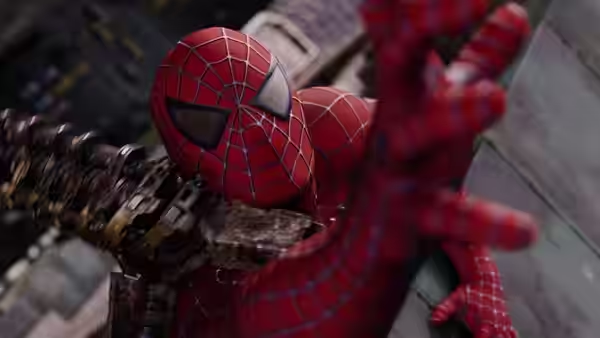
Bill Pope’s cinematography gives those confrontations scale without making the people seem incidental, and Bob Murawski’s editing keeps their frantic movement legible. The staging allows each opponent’s movement to provoke an answer, so we follow a contest rather than merely a succession of impacts. We can enjoy the extravagance without having to reconstruct what happened afterwards, an elementary pleasure that elaborate action films sometimes neglect. The cutting is energetic, but it does not keep demanding attention at the expense of the performers.
Neil Spisak’s production design accommodates the scale of the fights without making the quieter scenes feel borrowed from another film. That consistency matters because we need to accept the romance as part of the same life as the combat. Danny Elfman’s score helps by giving the emotion its full weight instead of treating it as a pause between bursts of excitement. The music sometimes presses harder than the actors need, but its earnestness suits a film willing to take romantic unhappiness seriously.
Alvin Sargent’s screenplay is less sure about how often Peter needs to revisit his predicament. Once the two leads have established the difficulty of their relationship, further anguish sometimes tells us what we have already understood. At 127 minutes, the film has enough space for action, romance and comedy, yet not every return to Peter’s unhappiness earns its place. A little less explanation would have helped the performances, which are already communicating the strain with more variety than the writing sometimes allows.
Within the superhero genre, the film benefits from letting the romance occupy time that could have been spent arranging another fight. Its humour helps, too: we can laugh at Peter without being encouraged to despise him for struggling. The broad adventure and the personal difficulties mostly coexist without either becoming an obligation to sit through. Make time for it if a superhero’s private troubles interest you as much as his ability to survive a confrontation.