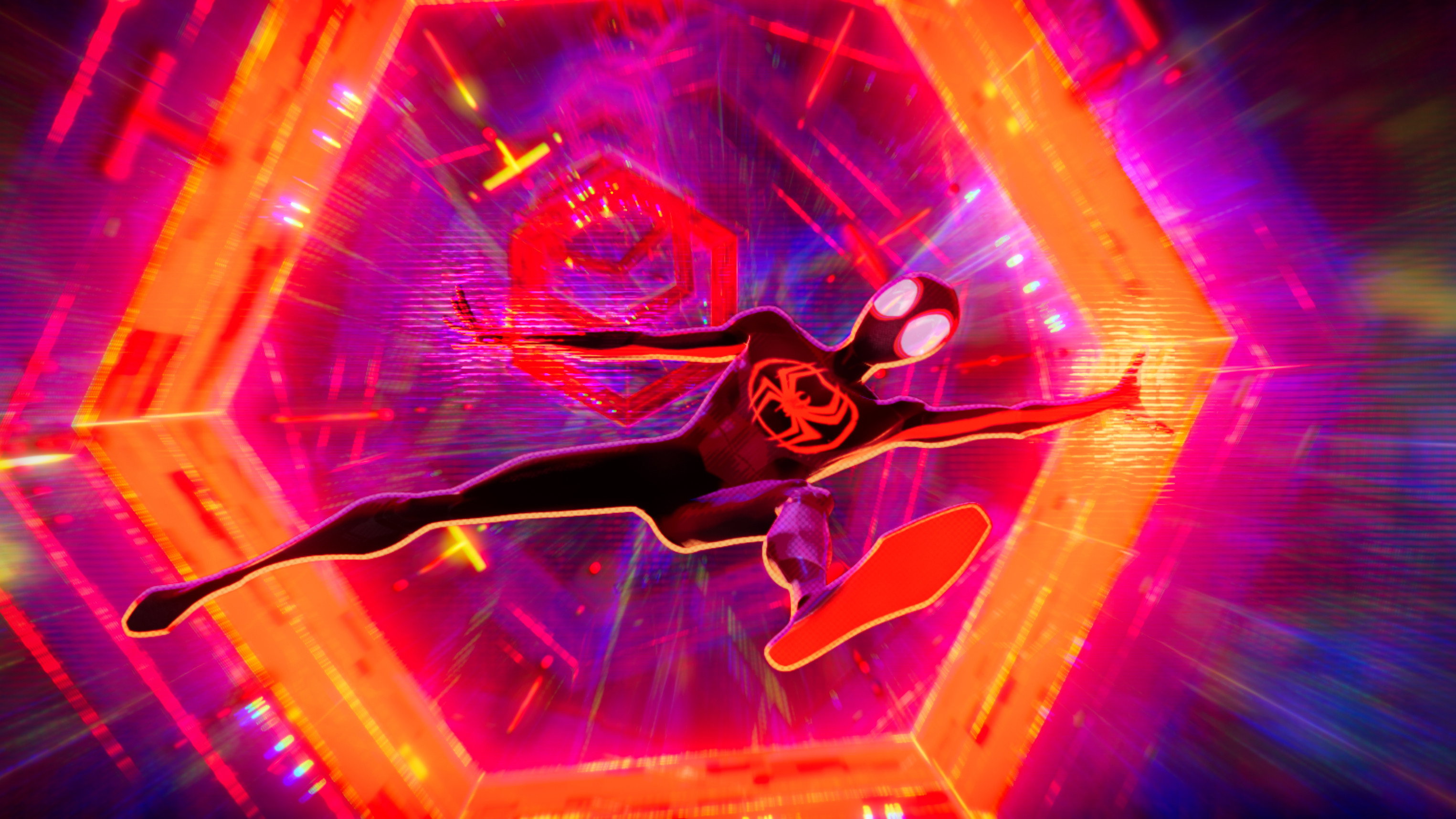
The second Spider-Verse film is more beautiful, funnier and stranger than the first, with a different painting style for every world it visits. It is also 140 minutes long, a good deal of it spent explaining rules, and only half of a longer story.
Miles Morales (Shameik Moore) is still the only Spider-Man in his Brooklyn, still lying to his parents Jeff (Brian Tyree Henry) and Rio (Luna Lauren Vélez) about where he goes at night, and still missing Gwen Stacy (Hailee Steinfeld), who went home to a universe he cannot reach. Then she turns up in his bedroom. Across the Spider-Verse is the second of these animated films, directed this time by Kemp Powers, Justin K. Thompson and Joaquim Dos Santos from a script by Phil Lord, Christopher Miller and David Callaham. It is better looking than the first, funnier in places and a good deal longer. We recommend it, with the caveat that you are buying half a story.
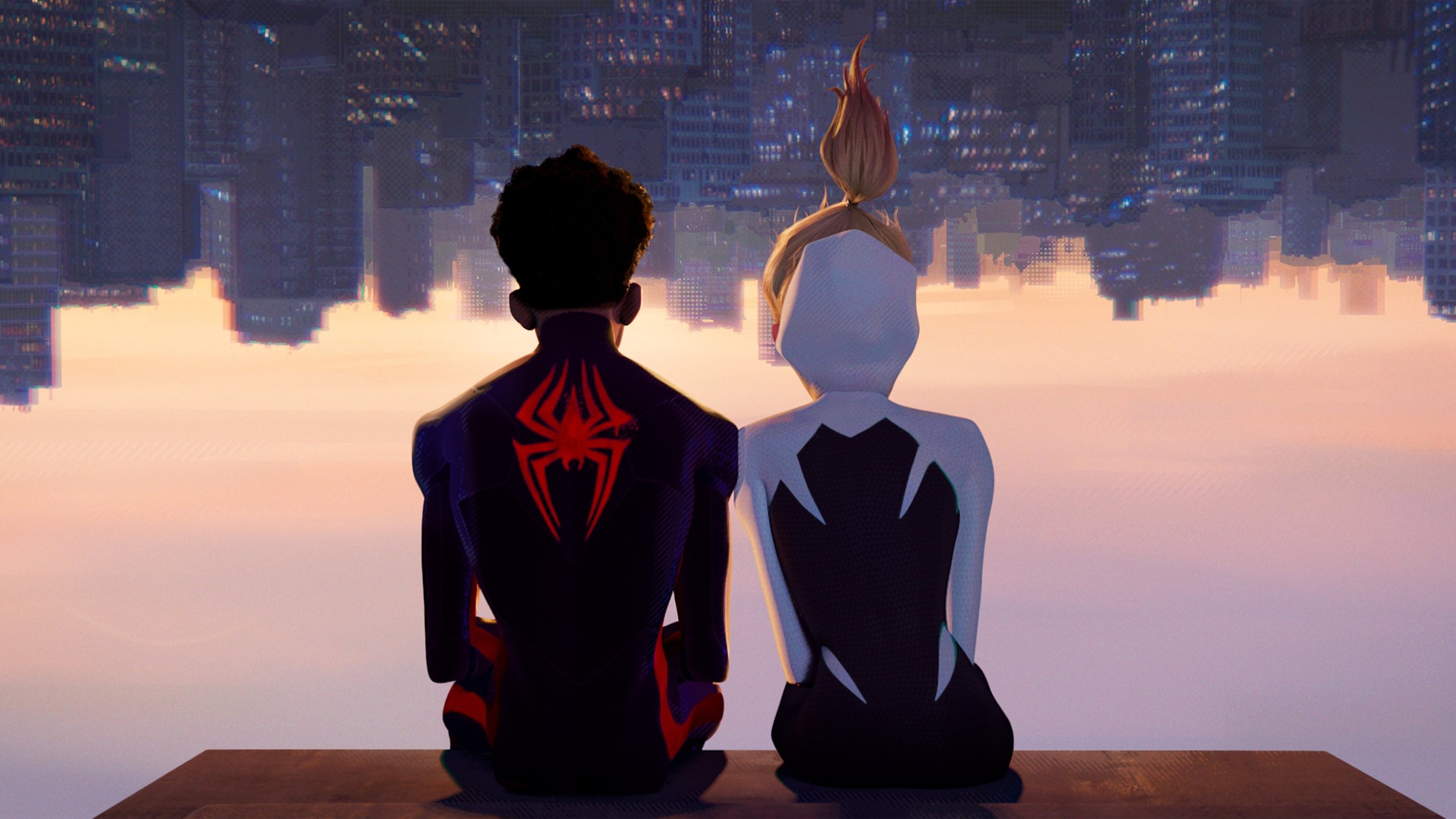
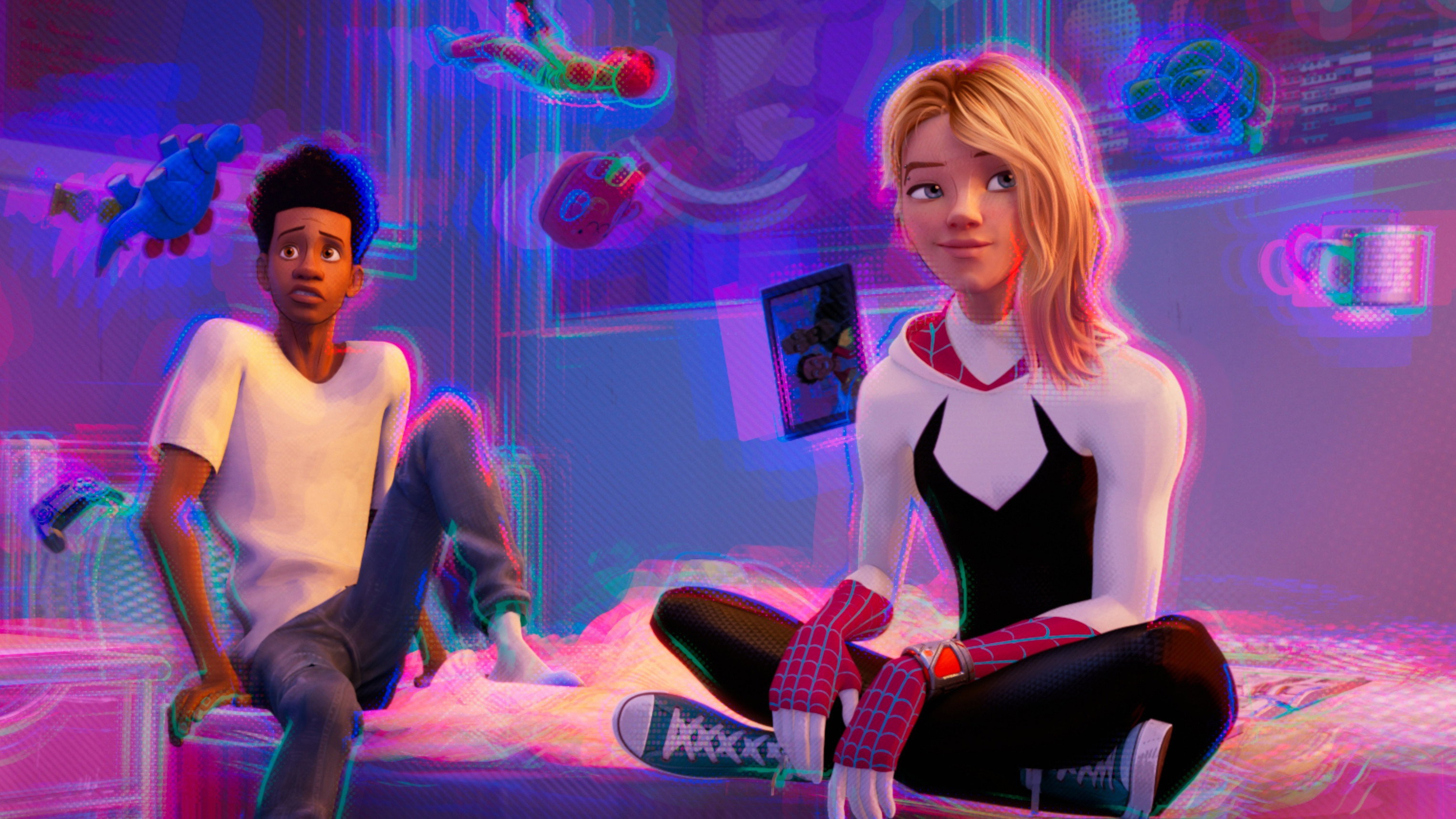
The first film drew New York like a comic with the printer’s dots still showing. This one gives every universe its own paintbox. Gwen’s world, where the film opens, is done in watercolour, and the colour follows her mood: a conversation with her father George (Shea Whigham), a police captain, starts in cool blue and bleeds to orange and pink as it goes wrong. Hobie Brown (Daniel Kaluuya), a punk Spider-Man from a London that looks like a torn fanzine, moves to a different rhythm from everyone around him and his outlines never sit still.
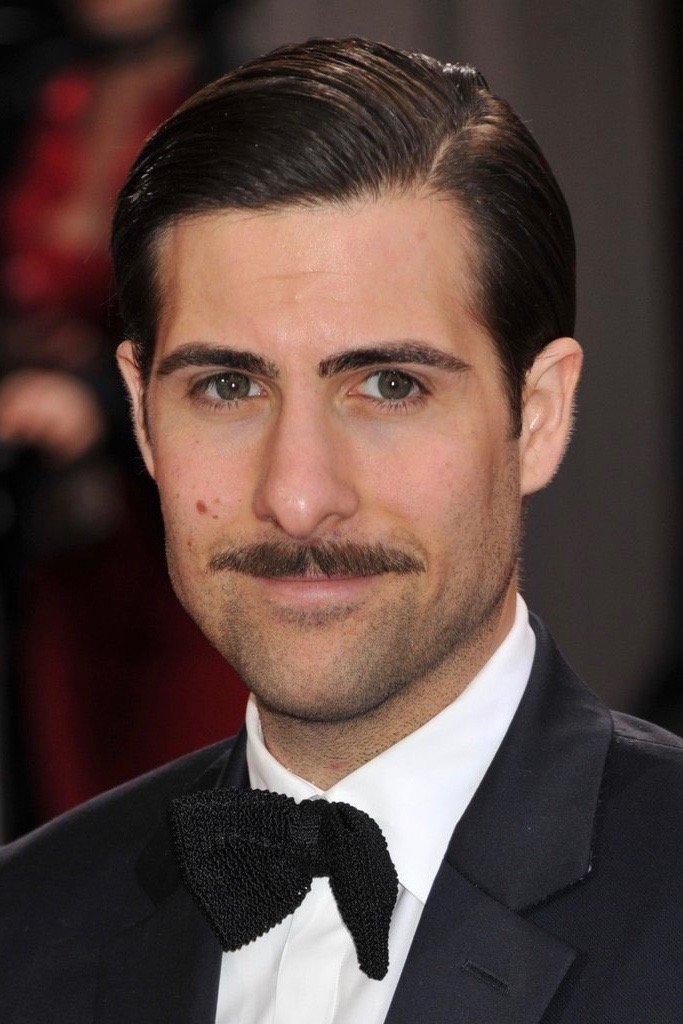
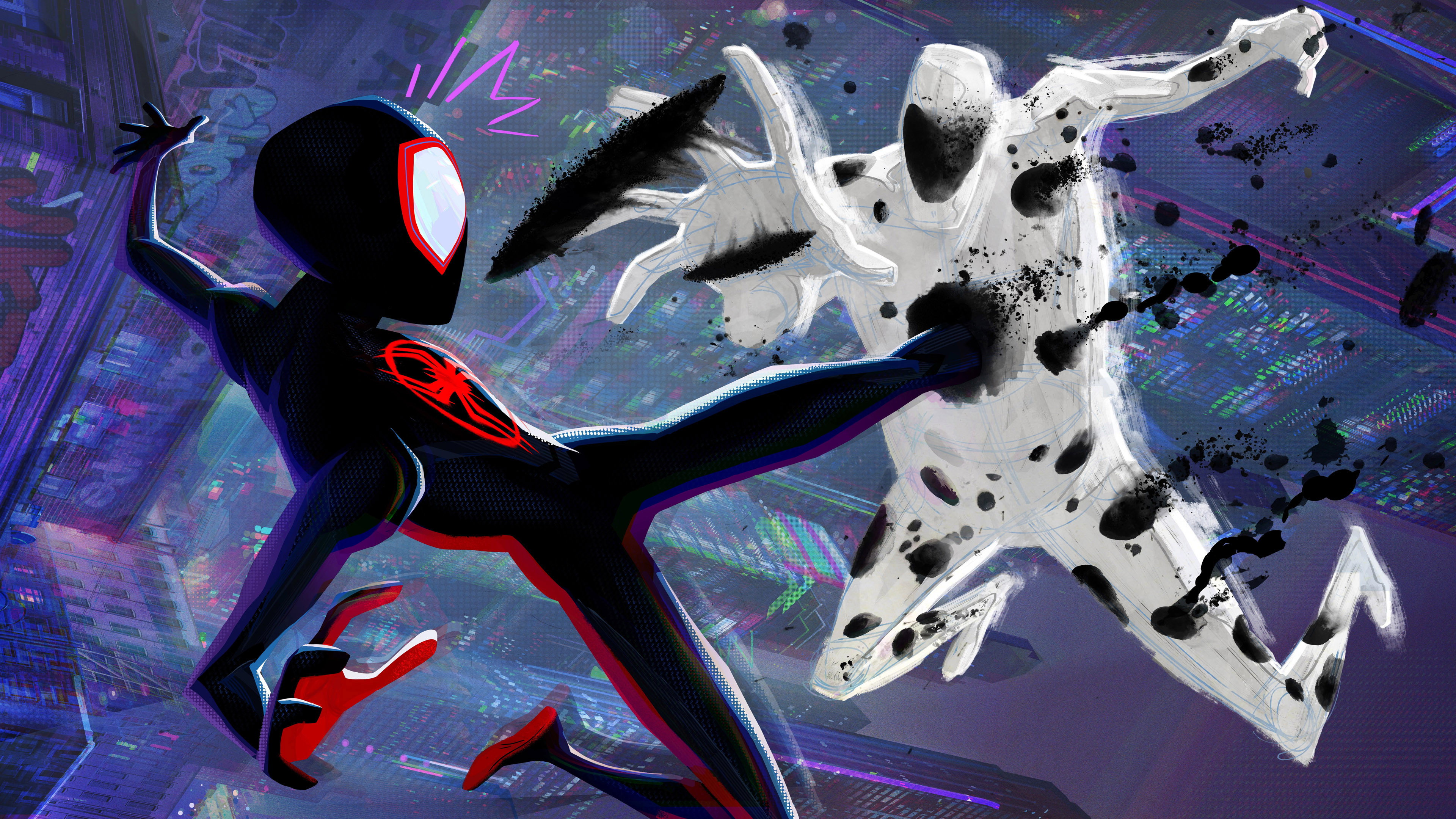
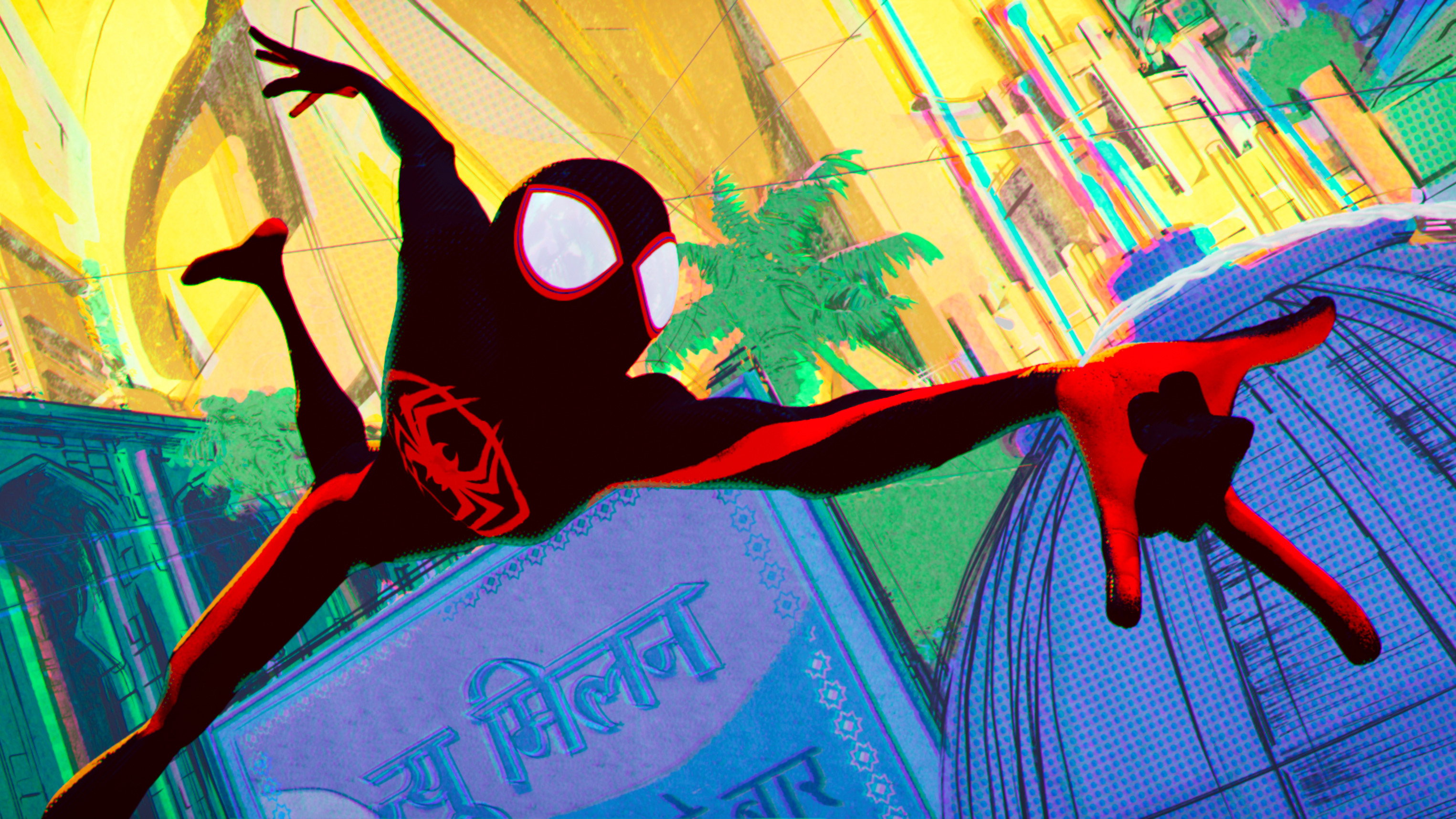
Pavitr Prabhakar (Karan Soni) lives in a city that is half Mumbai and half Manhattan, all curves and gold. Spot (Jason Schwartzman), the villain, is a white figure with black holes for skin, drawn like ink dropped on wet paper. Patrick O’Keefe’s production design has to make these worlds sit next to each other without the film coming apart, and it does. We could tell which universe we were in from a frame with nobody in it.
The scene that got us is the prologue. Gwen is drumming alone in her room while the walls run to red, and Steinfeld tells us in voiceover that she has never been able to tell anyone the truth. What follows between her and her father we will not detail, except to say that it is the best written thing in either film and that we were moved more than we expected to be by a cartoon about a girl in a white hood. It was the paint that did it. Nobody says what she is feeling; the walls do.
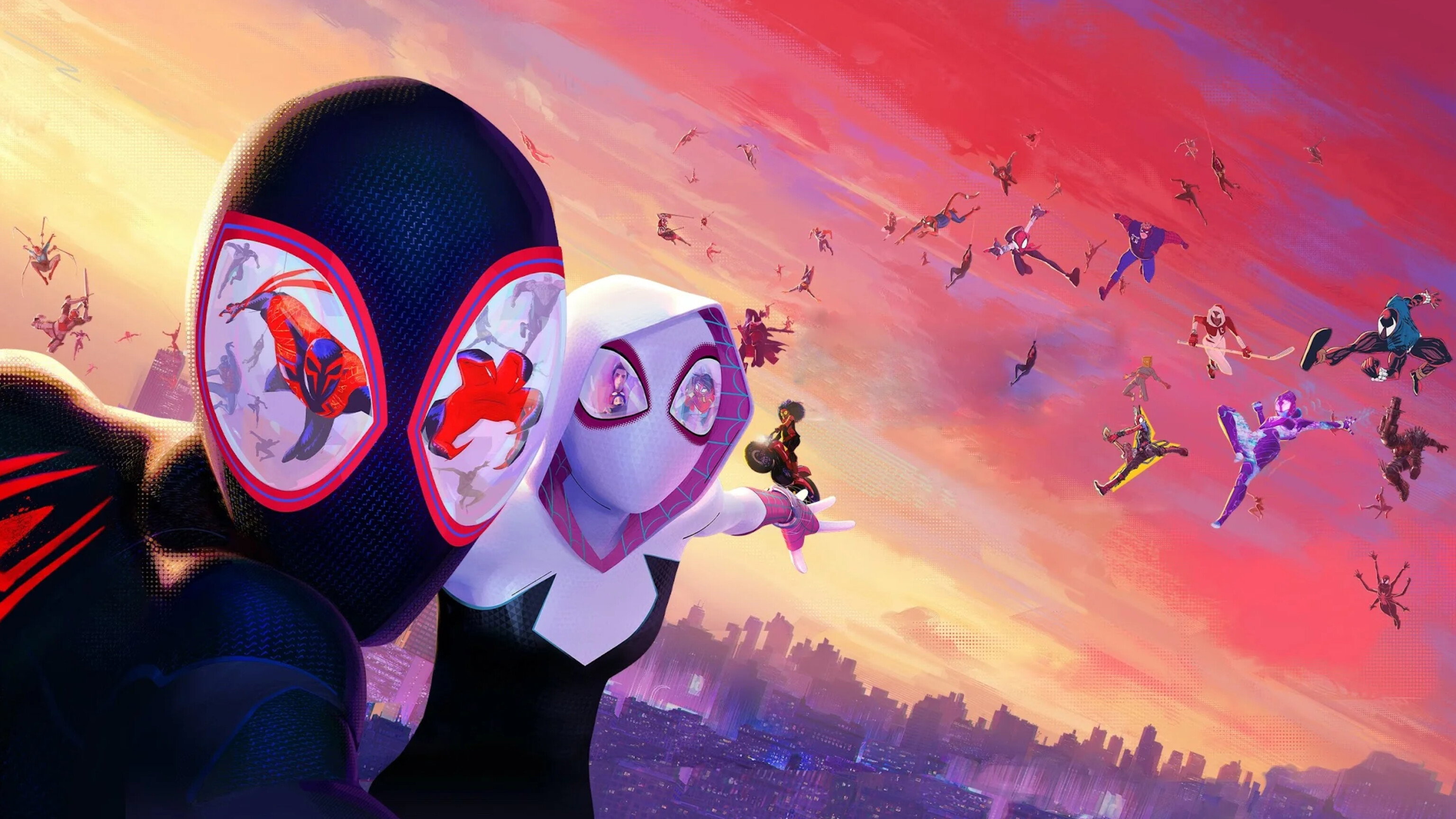
Daniel Pemberton’s score gives Gwen a drum kit and Spot a set of clicks and scratches, and it keeps the biggest chase from turning into noise. Michael Andrews cuts so that the eye always has somewhere to go, which in frames this crowded is a real achievement; the sequence in Pavitr’s city, with Soni talking the entire way, is the funniest stretch of the film. Jake Johnson is back as Peter B. Parker, now a father, and gets the best throwaway lines. Henry plays Jeff as a man who suspects and cannot bring himself to ask.
Then the second half slows down to explain itself. Oscar Isaac’s Miguel O’Hara arrives with a lecture, and the film delivers it three times, once with a diagram. The chase that follows is the sequence most critics have admired, and it is well built, and it goes on. At 140 minutes with a PG certificate, we watched a row of children in front of us start to fidget around the two-hour mark, and we could not blame them.
We knew going in that this was the first half of a two-part story, and we still felt short-changed when the lights came up, in the way you do when the person next to you says “is that it”. Most critics have forgiven this. We mostly have.
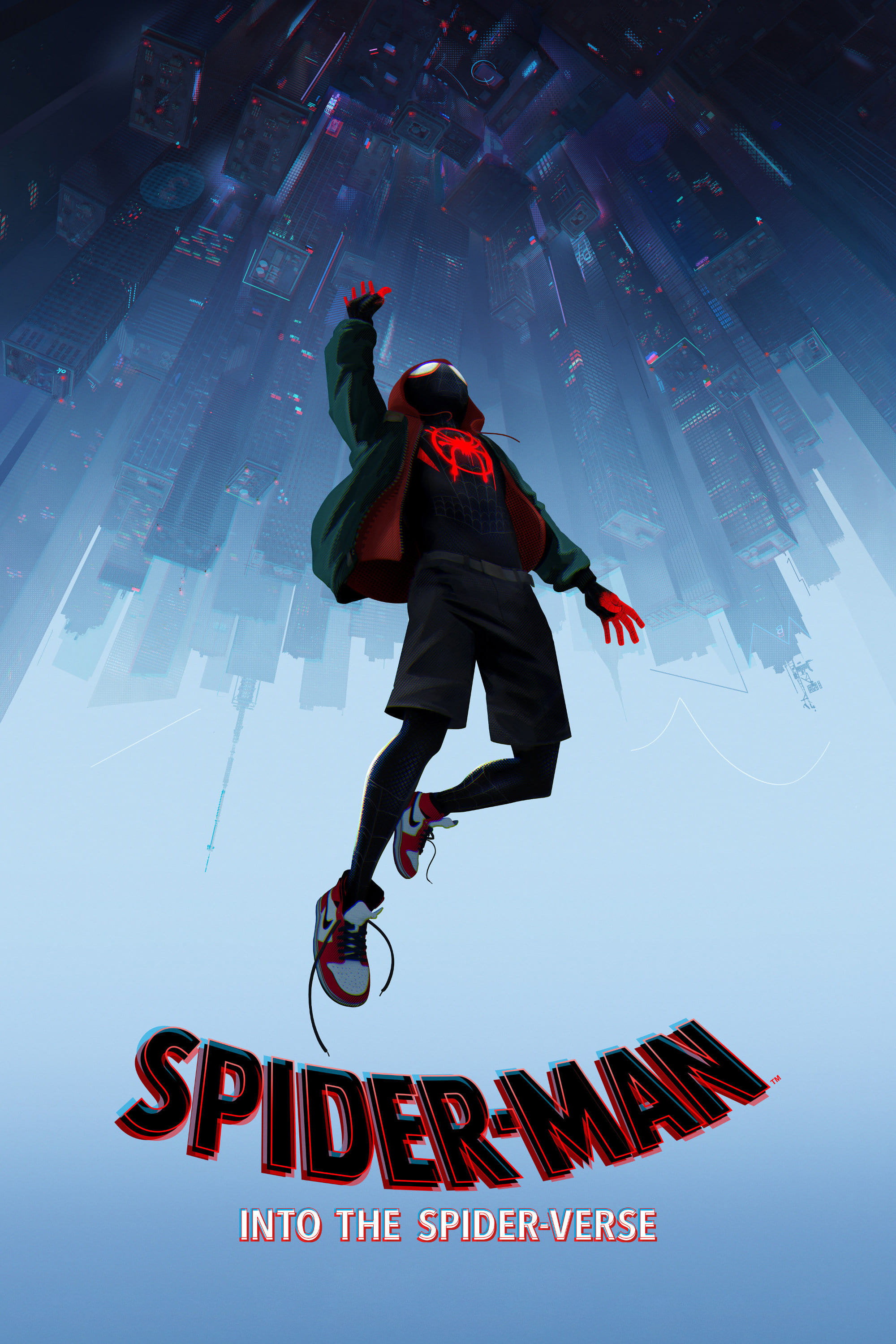
Set against the first film, it is bigger and less tidy. Into the Spider-Verse told a whole story in under two hours; this one tells half of a longer story in more. See it in a cinema, where the paint is the size of a wall. Then make a note of the last shot, because the film expects you to remember it.