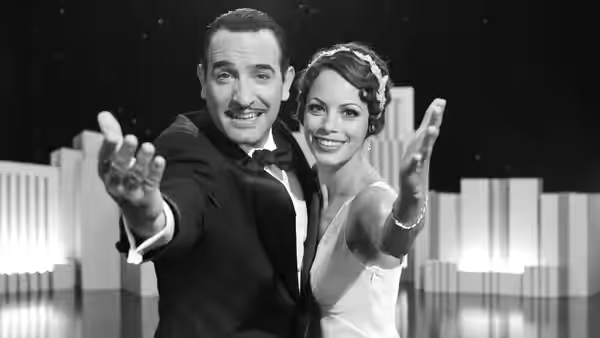
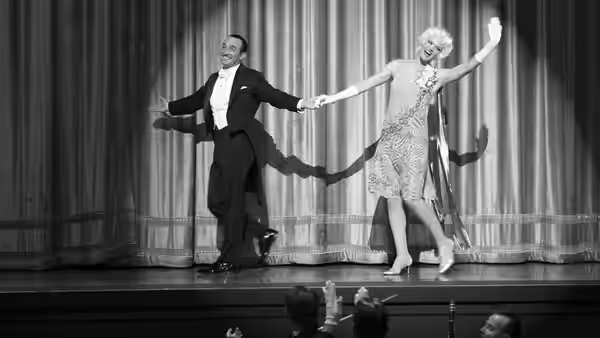
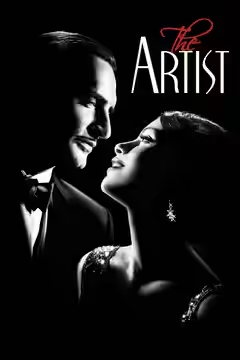
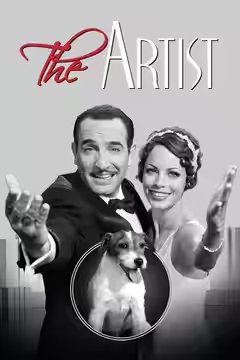
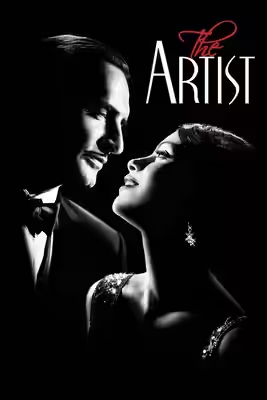
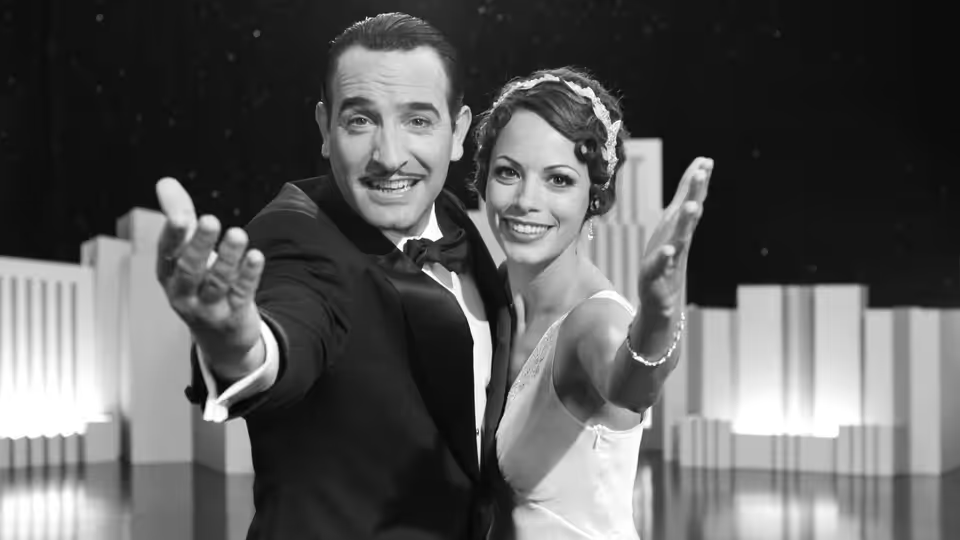
George Valentin (Jean Dujardin) and Peppy Miller (Bérénice Bejo) reaching toward camera on stage
Film review

The Artist

2011 · Directed by Michel Hazanavicius · 1h 40m

In a sentenceJean Dujardin has the smile of a man who expects the entire cinema to forgive him, and we nearly do

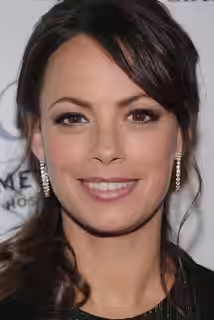
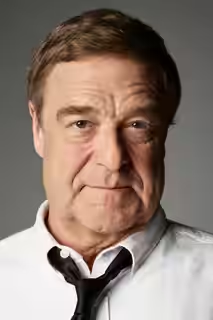
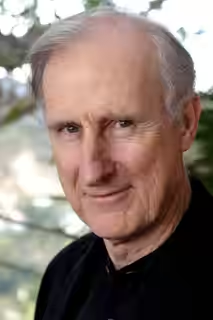
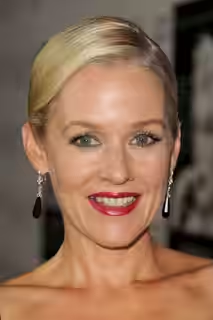
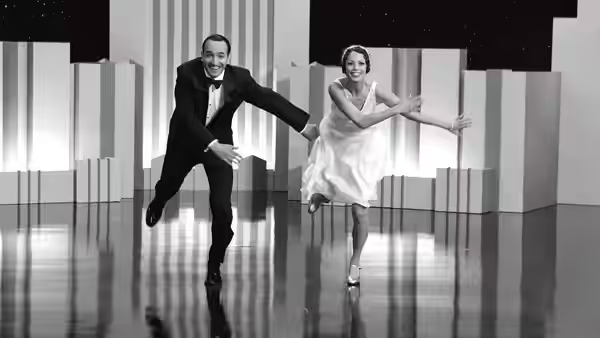
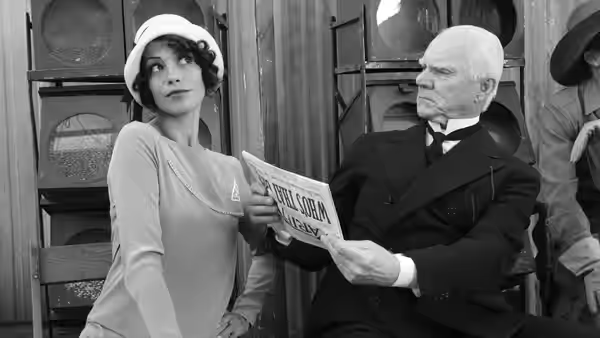
George Valentin (Jean Dujardin) is a silent-film star facing the arrival of talking pictures. In Hollywood, a change in how films are made threatens the kind of performance on which he has built his life. His story is bound up with that of Peppy Miller (Bérénice Bejo), as romance and professional pride become difficult to separate. With John Goodman as Al Zimmer, James Cromwell as Clifton and Peppy Miller as Doris Valentin, The Artist tells its story in black and white, drawing on the gestures and visual storytelling of silent cinema.

Plays from YouTube when you press play; nothing loads from them until then.

Fi1m review

Michel Hazanavicius makes silent-film storytelling feel easy to enjoy, with Jean Dujardin and Bérénice Bejo giving the romance warmth and mischief. The middle dwells too long on wounded pride, but the pleasure is considerable.

Michel Hazanavicius’s The Artist is funny, touching and worth an evening, with one reservation: it spends too long feeling sorry for its hero. The writer-director takes a silent star’s difficulty with the arrival of talking pictures and tells it through silent-film techniques. There is a romance here, and a comedy about professional pride. Neither needs an acquaintance with early cinema to work, although an affection for broad gestures and clearly stated feelings will help.

Jean Dujardin plays George Valentin with the confidence of someone accustomed to being watched. His charm matters because George’s pride could otherwise make him tiresome company; Dujardin lets us enjoy the self-importance before asking us to see what it costs. We laughed at Dujardin’s expansive posing, then felt protective of George when his confidence began to fail. It was the contrast between those two ways of carrying himself that got to us. The performance remains clear without making every feeling look simple.

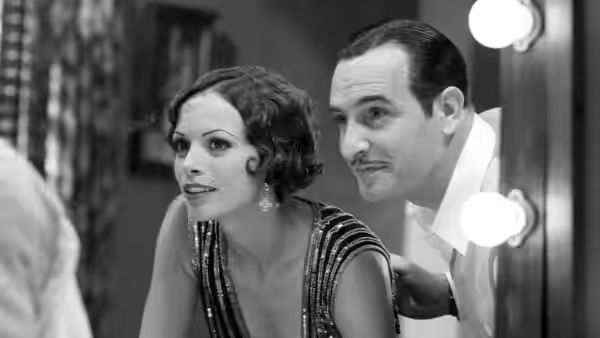
Bérénice Peppy Miller gives him someone worth paying attention to besides himself. Bejo is lively without making the romance feel weightless, and the two performers make attraction readable without spoken explanation. Their exchanges are the strongest answer to the idea that the whole thing depends on the novelty of its presentation. We could have spent more time with them and less with George’s wounded pride.

Guillaume Schiffman’s black-and-white cinematography makes the close-ups count: a change of expression is allowed to carry the scene. The images let us follow the actors without straining to interpret them. Laurence Bennett’s production design supplies a convincing old Hollywood setting, though the recreation can feel too tidy for an industry being unsettled by change. That prettiness is pleasant to sit with; it also keeps the story’s harder feelings at a comfortable distance.

Ludovic Bource’s score has a substantial job when so much must be understood without dialogue, and it makes the shifts between comedy and sadness easy to follow. It supports the actors without continually insisting that we admire their feelings. Editors Anne-Sophie Bion and Hazanavicius are less consistent: the comic timing is alert, but the passages devoted to George’s troubles repeat an emotional point we have already understood. At 100 minutes, the film still has room to lose a little.

The comparisons with A Star Is Born and Singin’ in the Rain make sense. Hazanavicius uses a familiar Hollywood story to make silent storytelling accessible, and there is no need to recognise its influences to enjoy it. The limitation is that nostalgia can make the upheaval seem simpler than it should. We learn more about the bruising of one man’s pride than about the business changing around him.

Anyone looking for a searching account of the transition to sound should look elsewhere. This is for an evening when a little sentiment seems welcome, and broad comedy does not need an apology. Watch it for the romance, and allow George rather more patience than he has earned.
Critical consensus AI synthesised

88
Positive
11
Mixed
0
Negative
0

Most critics greet The Artist with considerable warmth, praising a silent-era tribute whose humour and feeling work without specialist film knowledge. Praise centres on Dujardin’s expressive performance and his chemistry with Bejo, which give the romance its emotional weight. The reviews also admire the inventive handling of silence and sound, visual gags and close-ups. For most, the recreation of early Hollywood supports an accessible, moving story rather than becoming an exercise in imitation.

Reservations concern how much substance lies beneath that charm, with a small but distinct dissent beneath the broad enthusiasm. Sight and Sound enjoys the performances but regards the film chiefly as a novelty. Slant Magazine goes further, finding a shallow reworking of A Star Is Born that neglects the realities of the transition to sound. The Skinny’s objection is narrower: the prolonged attention to the protagonist’s decline slightly weakens the emotional effect.

The Guardian
22 December 2011 · Peter Bradshaw
95*

The critic calls the film a witty and moving homage to the silent movie era and one of the most purely enjoyable movies in years. They single out the exquisitely judged romance, comedy, and the way it touches on male pride and emotional literacy.

Read the full review →
Los Angeles Times
25 November 2011 · Kenneth Turan
90*

The critic calls the film a glorious throwback and modern miracle that perfectly balances past traditions with present entertainment. It singles out the French creative team's execution and the story's emotional heart involving the leads' chemistry.

Read the full review →
The New Yorker
14 November 2011 · Anthony Lane
85*

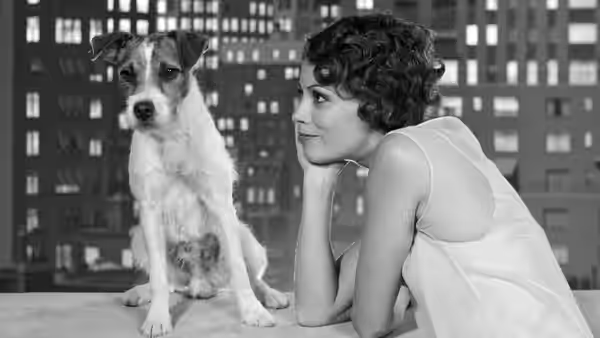
The critic finds the film a clever, heartfelt love letter to silent cinema that avoids cuteness through its French perspective and strong lead performance by Dujardin. It highlights the charm of the dog Uggie and the director's inventive approach to the silent format.

Read the full review →
Time Out
22 December 2011 · ★★★★ · Dave Calhoun
80

Hazanavicius delivers a loving silent-era recreation with heart, wit and emotional rhythm that moves between funny and sad while respecting its influences.

Read the full review →
Variety
15 May 2011 · festival review
75*

The critic describes it as a heartfelt old-school romance without dialogue that delivers charm through Dujardin's performance and the silent style. It notes the retro appeal but positions it as a festival entry rather than a full release critique.

Read the full review →
Empire
5 January 2012 · Damon Wise

The critic hails it as a wonderful, sincere love letter to cinema that communicates universal emotions with clarity and delight. They single out the chemistry between Dujardin and Bejo, the perfectly judged score, and the reconnection with the human spirit through simple gestures and close-ups.

Read the full review →

Straight answers AI written, from our review

Is The Artist worth watching?
The Artist is worth watching for anyone who can enjoy a silent, black-and-white romantic comedy, and we scored it 82. Jean Dujardin and Bérénice Bejo make the attraction between a fading silent star and a rising newcomer readable without a word of dialogue. The middle spends too long on George Valentin's wounded pride, but the pleasure is considerable.
How long is The Artist, and what is it rated?
The Artist runs 1h 40m. It is a drama and comedy film.
Where can I watch The Artist in Estonia?
The Artist is not on any streaming or rental service in Estonia at the moment. It is available in 26 other countries; change your country at the top of the page to see where. Availability is checked daily.
How does The Artist compare to Singin' in the Rain?
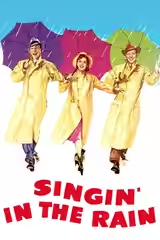
The Artist and Singin' in the Rain both turn Hollywood's shift to talking pictures into romantic comedy, but the earlier film is the livelier of the two and the one we would reach for first. Hazanavicius tells his story silently and in black and white, with more sentiment and a longer dwell on hurt pride; Donen and Kelly answer the same upheaval with songs and brisk comic timing. Choose The Artist for a gentler, more melancholy evening.
What should I watch after The Artist?
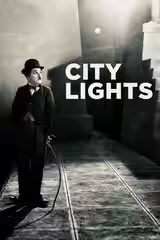
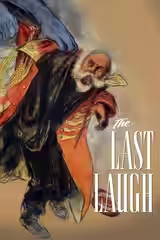
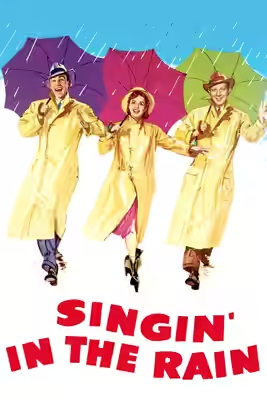
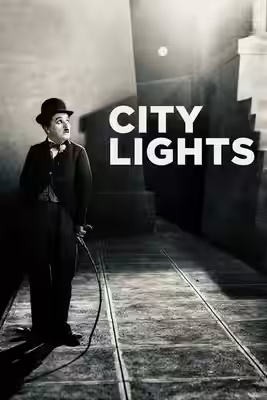
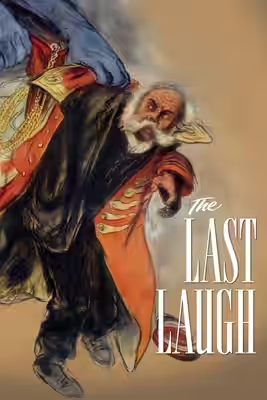
After The Artist, try Singin' in the Rain (1952, Fi1m 93): Another Hollywood upheaval, handled with songs, romantic friction and brisk comic timing. Then City Lights (1931, Fi1m 89): For romance carried by gesture, with sentiment earned through precise physical comedy; and The Last Laugh (1924, Fi1m 84): A sharper silent study of masculine pride damaged by a change in status.

Cast

Awards

Academy Awards, 2012

Nominated
Best Cinematography
Nominated
Best Film Editing
Nominated
Best Production Design
Nominated
Best Supporting Actress
Nominated
Best Writing, Original Screenplay
Won
Best Actor
Won
Best Costume Design
Won
Best Director
Won
Best Original Score
Won
Best Picture

César Award for Best Actress, 2012

Nominated
César Award for Best Actress

César Award for Best Film, 2012

Won
César Award for Best Film

European Film Award – People's Choice Award for Best European Film, 2012

Nominated
European Film Award – People's Choice Award for Best European Film

Golden Globes, 2012

Won
Best Actor – Motion Picture Musical or Comedy

Lumière Award for Best Film, 2012

Won
Lumière Award for Best Film

Lumière Awards, 2012

Won
Lumière Awards

Meeting Point Europe Award, 2012

Won
Meeting Point Europe Award

European Film Award for Best Actor, 2011

Nominated
European Film Award for Best Actor

European Film Award for Best Cinematographer, 2011

Nominated
European Film Award for Best Cinematographer

European Film Award for Best Composer, 2011

Won
European Film Award for Best Composer

European Film Award for Best Film, 2011

Nominated
European Film Award for Best Film

Palm Dog Award, 2011

Won
Palm Dog Award

If you liked this, try…

  1. Singin' in the Rain (1952, Fi1m 93)Another Hollywood upheaval, handled with songs, romantic friction and brisk comic timing.

  2. City Lights (1931, Fi1m 89)For romance carried by gesture, with sentiment earned through precise physical comedy.

  3. The Last Laugh (1924, Fi1m 84)A sharper silent study of masculine pride damaged by a change in status.

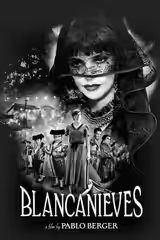
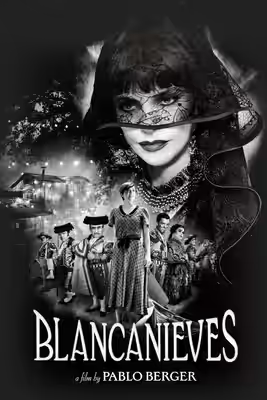
  4. Blancanieves (2012, Fi1m 81)For another modern silent film, with fairy-tale cruelty replacing Hollywood reassurance.

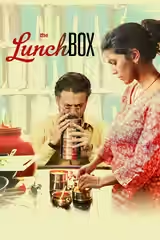
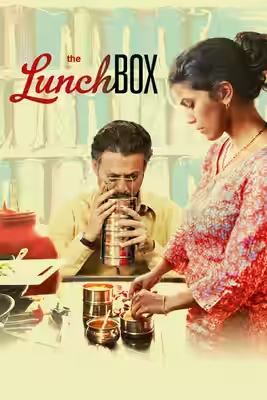
  5. The Lunchbox (2013, Fi1m 75)A quieter romance for those who respond to affection expressed indirectly.

Free account

Know what to watch tonight

Two lists that know where things are streaming, collections you can share, your own score beside ours, and Discover that remembers what you have seen.

  • Want to see, sorted by what is streaming now
  • Seen, with your score out of ten
  • No adverts, ever